Art Institute of Chicago
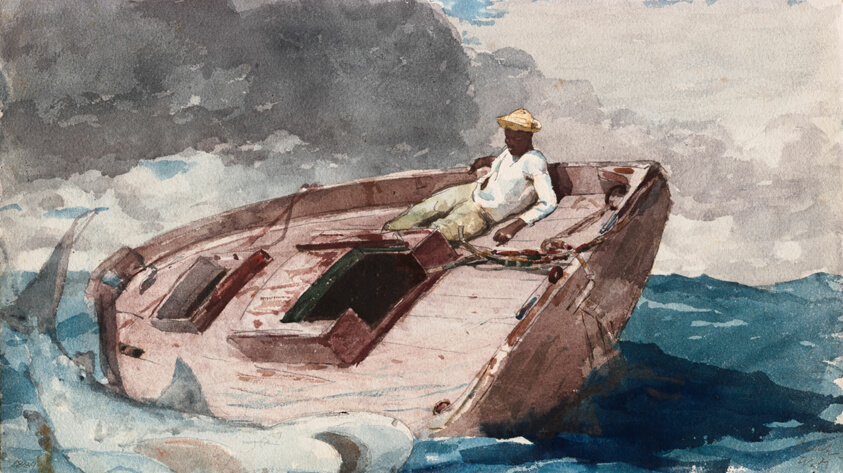
The Gulf Stream
Winslow HomerLinkedCulture matchlcp-bcddaaacf48f
- Date
- probably 1899, dated by the artist "1889"
- Medium
- Transparent watercolor, with touches of opaque watercolor and traces of blotting, over graphite, on moderately thick, moderately textured, ivory wove paper (lower edge trimmed)
- Culture
- United States
- Department
- Prints and Drawings
- Institution
- Art Institute of Chicago
- Object ID
- 16794
From the Art Institute of Chicago record
Homer’s exploration of life and death in the tropics found ultimate expression in his oil painting The Gulf Stream painted at Prout’s Neck following his return from the Bahamas. A group of four watercolors documents the evolution of this terrifying seascape, which details the plight of a solitary black man, adrift in stormy seas on a broken boat and encircled by a school of aggressive requiem sharks. In early 1885, on his first trip to the Bahamas, Homer had painted Shark Fishing which depicts two fishermen controlling a hooked shark that struggles, mouth open, in the immediate foreground. On this same trip, the artist executed a similar subject, Sharks (The Derelict) . In this work, an unmanned wooden boat, broken-masted and taking on water, is under attack by at least three large, circling animals. The fact that the boat is empty leaves the viewer to wonder if the worst has already happened. Homer’s 1898 voyage to the Bahamas must have reminded him of these works, suggesting the idea for his next major painting. Either in Nassau, or more likely after he returned to Prout’s Neck, he developed the theme in two watercolors. One is Study for “The Gulf Stream” , a detailed view of the bow of the derelict boat that corresponds closely to the final painting. In the work, the artist trimmed a horizontal sheet into a vertical format and filled it nearly to the top with churning waves. In the Art Institute’s watercolor study The Gulf Stream , Homer positioned the shark so that it appears to swim over the submerged side of the boat. It is probable that he painted this work in his Prout’s Neck studio, where he would have been able to refer to the studies from 1885. He trimmed the bottom of The Gulf Stream sheet, forcing the belly of the shark right up against the picture plane. In both this watercolor and in the finished painting, the impassive (or dazed) expression of the castaway and his surprisingly relaxed (or resigned) pose imbue the subject with ambiguity.
The authoritative record is held by Art Institute of Chicago. LinkedCulture surfaces this object and its connections; it does not alter institutional metadata.
Get printable QR codesHide QR codes
Open QR codes for this object page and the museum record. They stay collapsed until needed.
Provenance & credit
As published by the source institution. Coverage varies — not every institution's open-data feed includes ownership history.
- Credit line
- Mr. and Mrs. Martin A. Ryerson Collection
- Provenance
- The artist to his brother, Charles S. Homer, Jr. (1834–1917), New York, by 1910 [according to correspondence from Abigail Booth Gerdts to the Art Institute, February 10, 2007]. Charles W. Gould (1849–1931), New York, by 1915 [Brooklyn exh. cat. 1915]. Sold by Knoedler and Company, New York, to Martin A. Ryerson (1856–1932), Chicago, November 11, 1915 [invoice]; given to the Art Institute, 1933.
Linked open data
Authority identifiers that link this record into the wider web of cultural data — stable references you can follow to the source.
- Object type
- AAT300033973
Part of a LinkedCulture topic
 American Watercolor Landscape Art
These objects are predominantly watercolor and drawing works by American artists depicting natural landscapes, outdoor recreational activities, and coastal or wilderness scenes from the 19th century.
63 objects from 3 institutions
Related across collections
Semantically similar works from Art Institute of Chicago and other institutions.
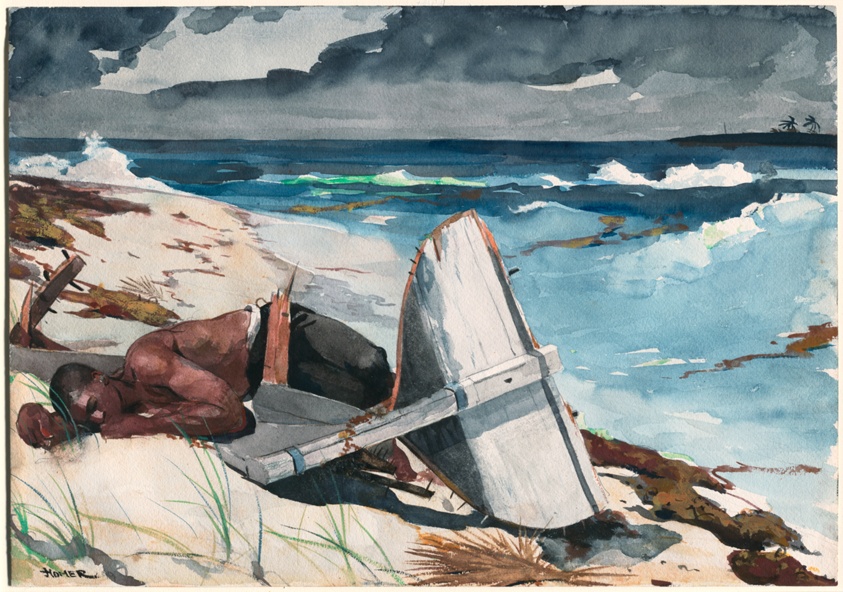
After the Hurricane, Bahamas
Art Institute of Chicago
#16776
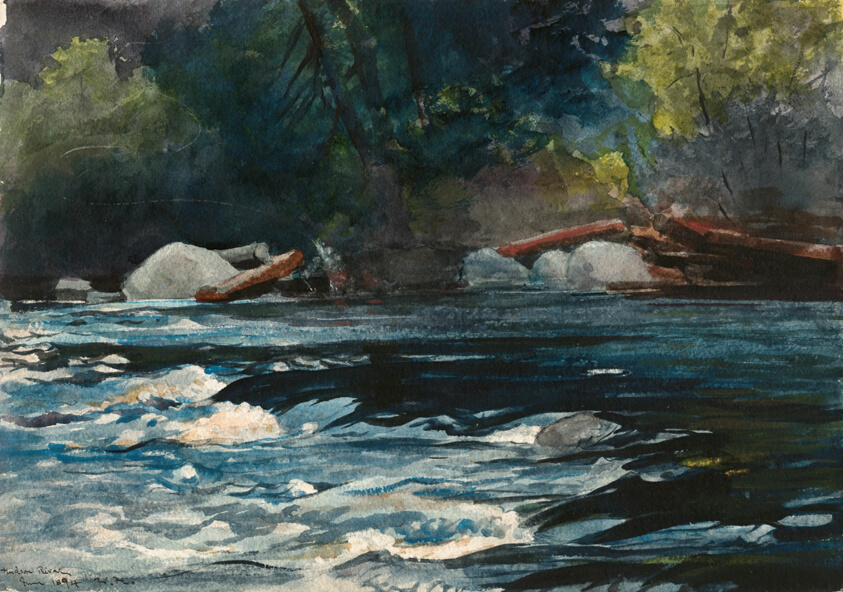
The Rapids, Hudson River, Adirondacks
Art Institute of Chicago
#16823
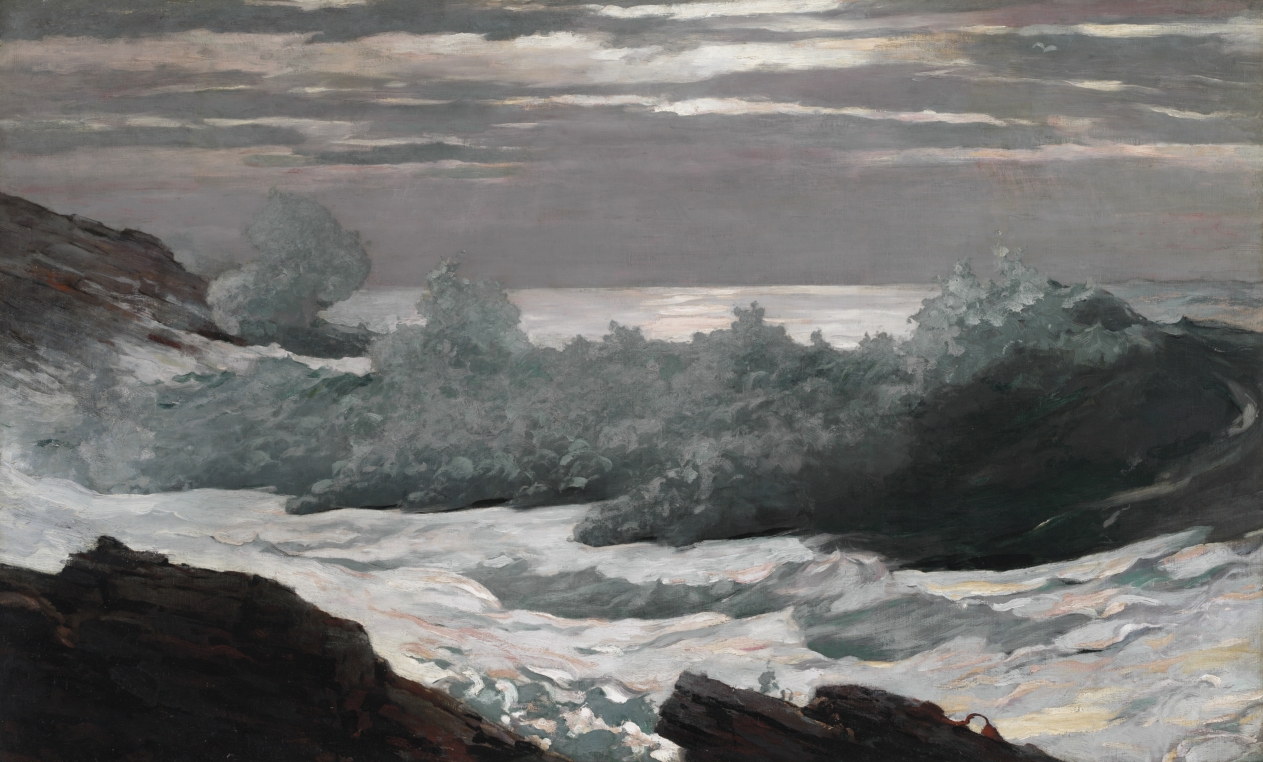
Early Morning After a Storm at Sea
Cleveland Museum of Art
#106088
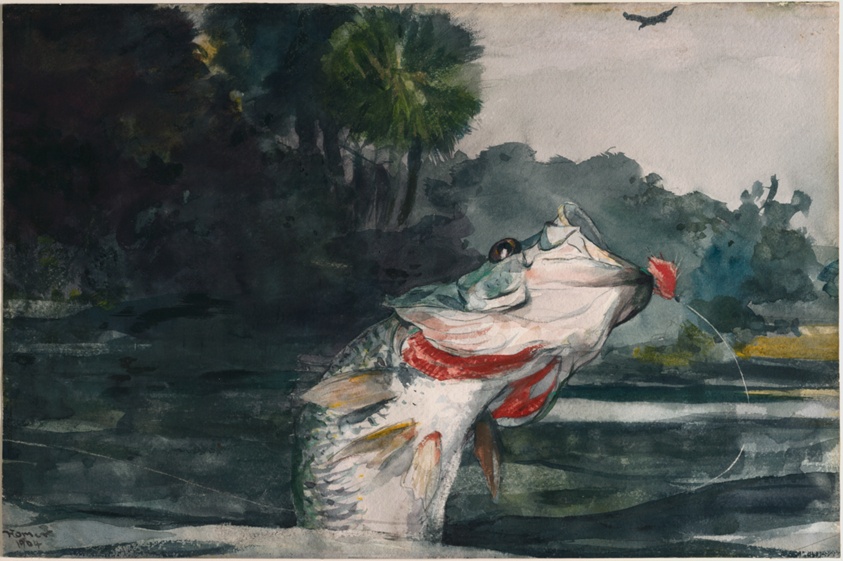
Life-Size Black Bass
Art Institute of Chicago
#189152
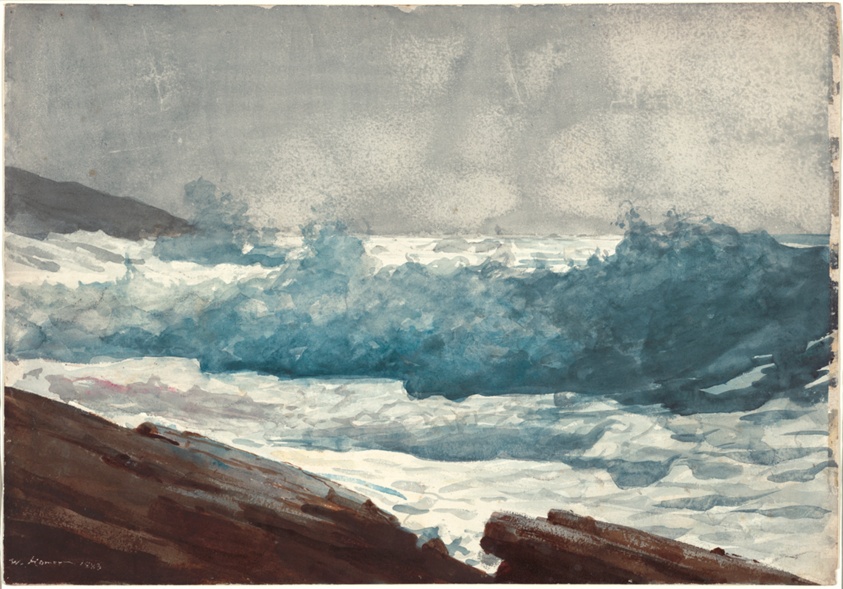
Prout's Neck, Breakers
Art Institute of Chicago
#16815
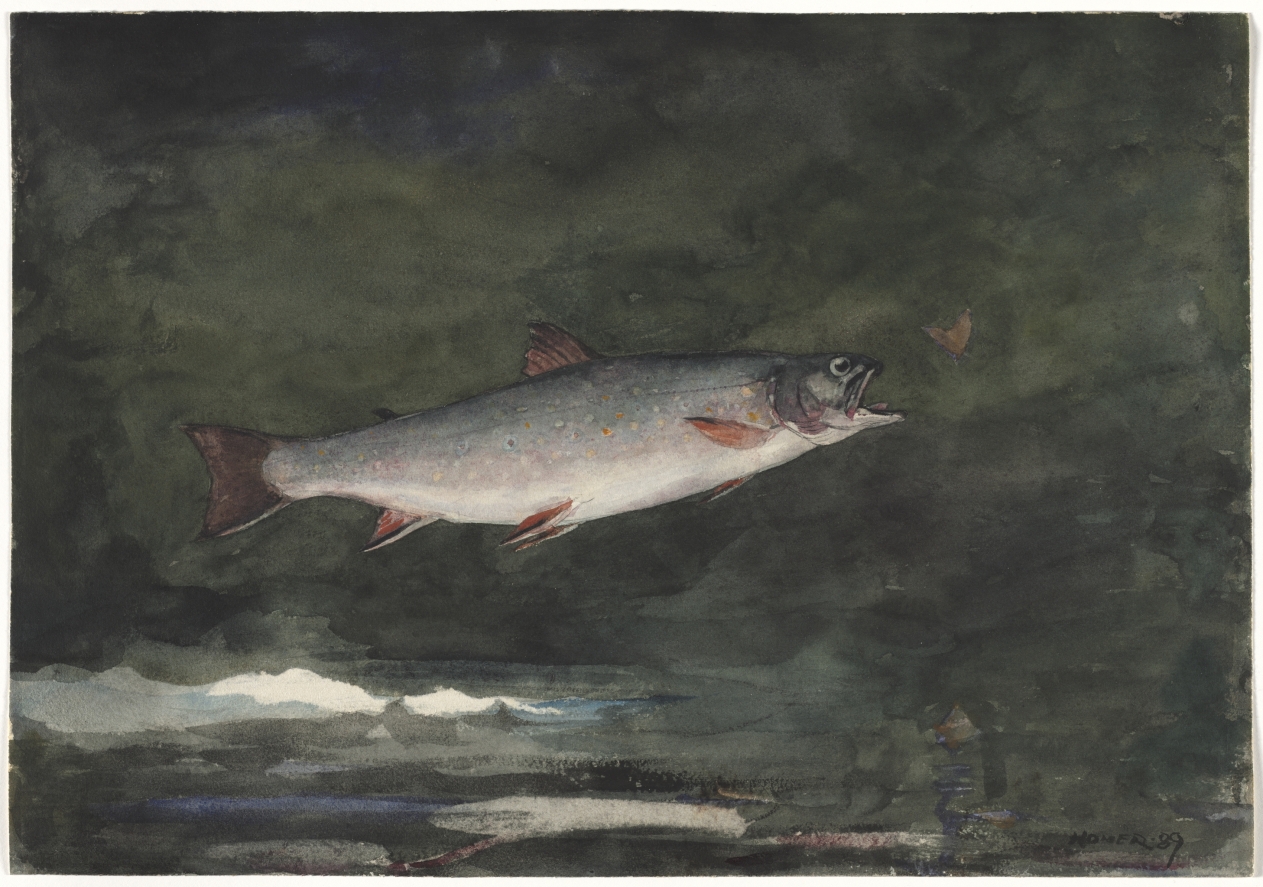
Leaping Trout
Cleveland Museum of Art
#147393
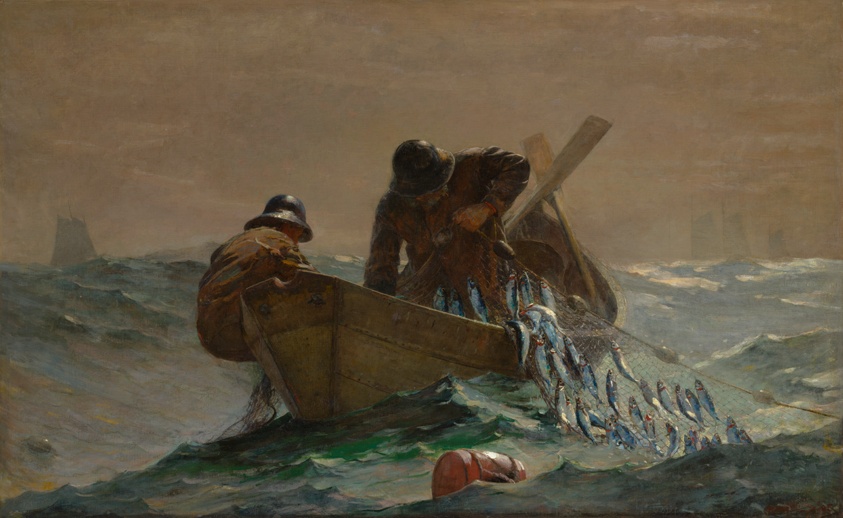
The Herring Net
Art Institute of Chicago
#25865
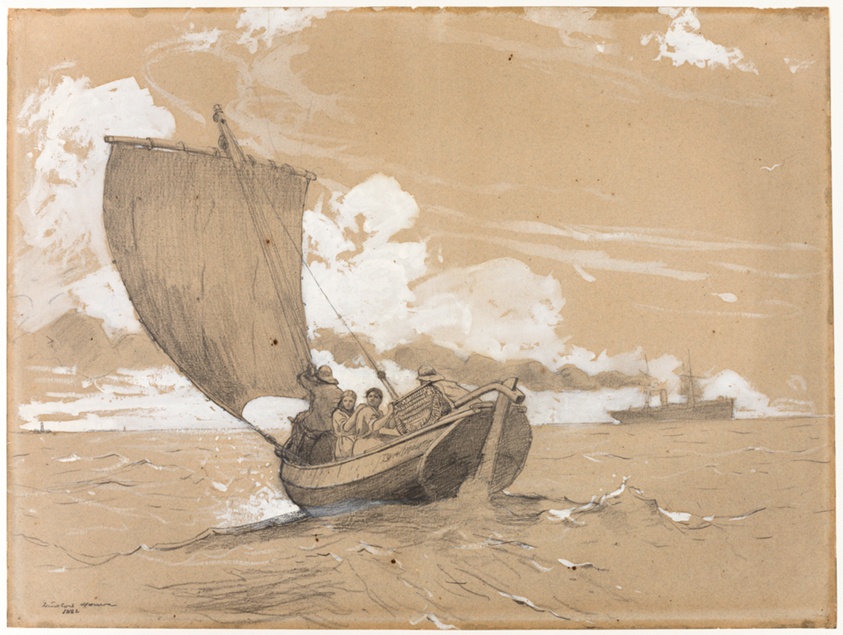
Fishing off Scarborough
Art Institute of Chicago
#16788
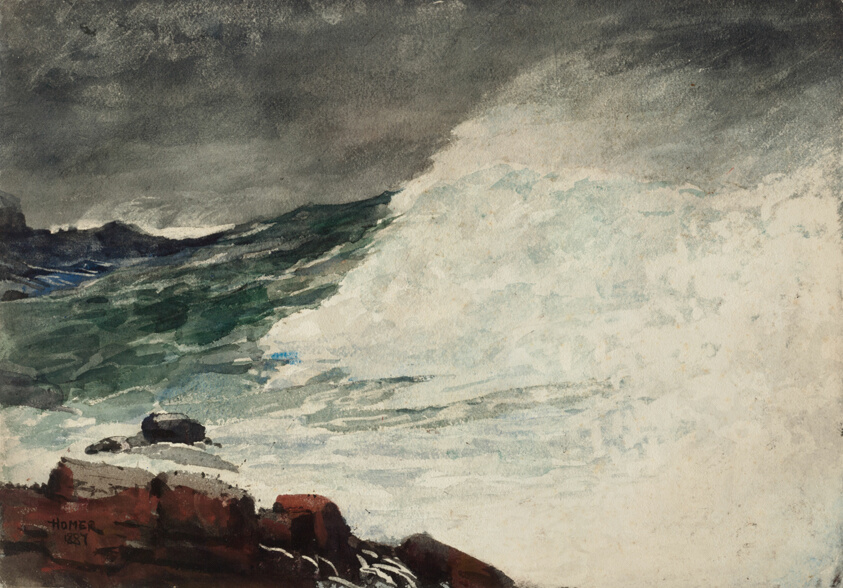
Prout's Neck, Breaking Wave
Art Institute of Chicago
#16818
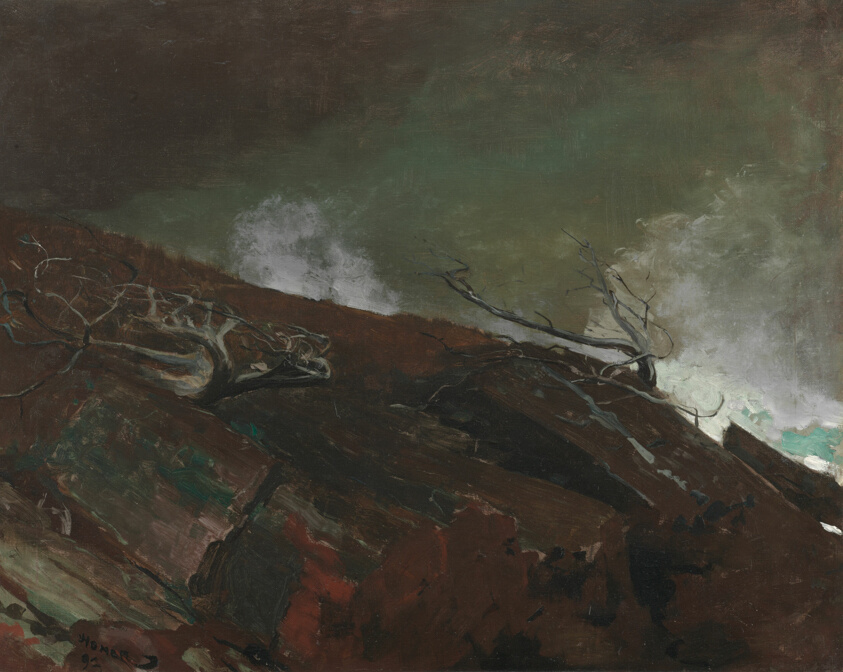
Coast of Maine
Art Institute of Chicago
#8971
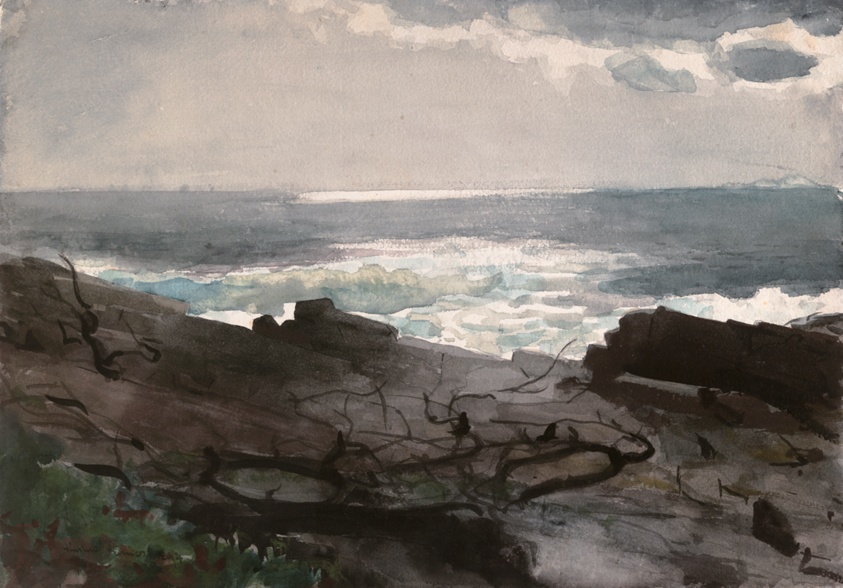
Sunshine and Shadow, Prout's Neck
Art Institute of Chicago
#16834
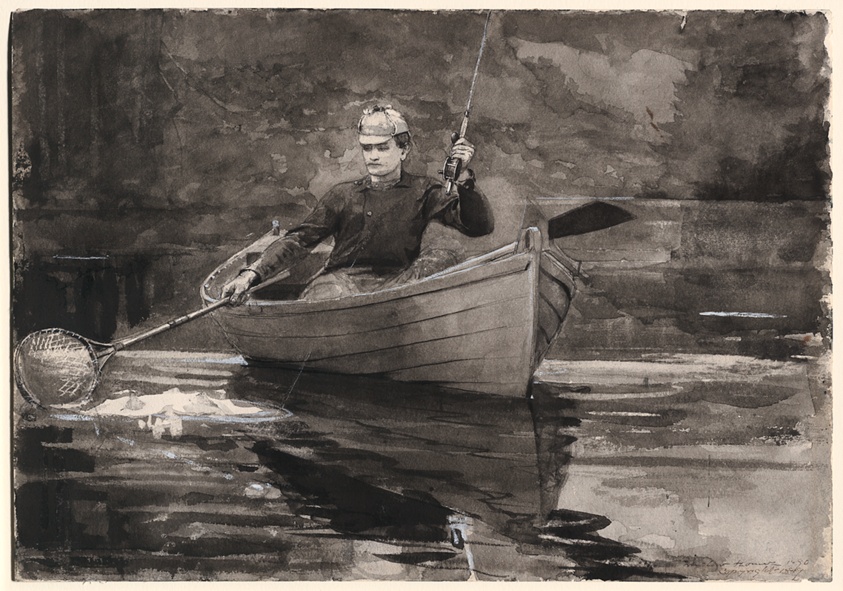
Netting the Fish
Art Institute of Chicago
#14837