Art Institute of Chicago
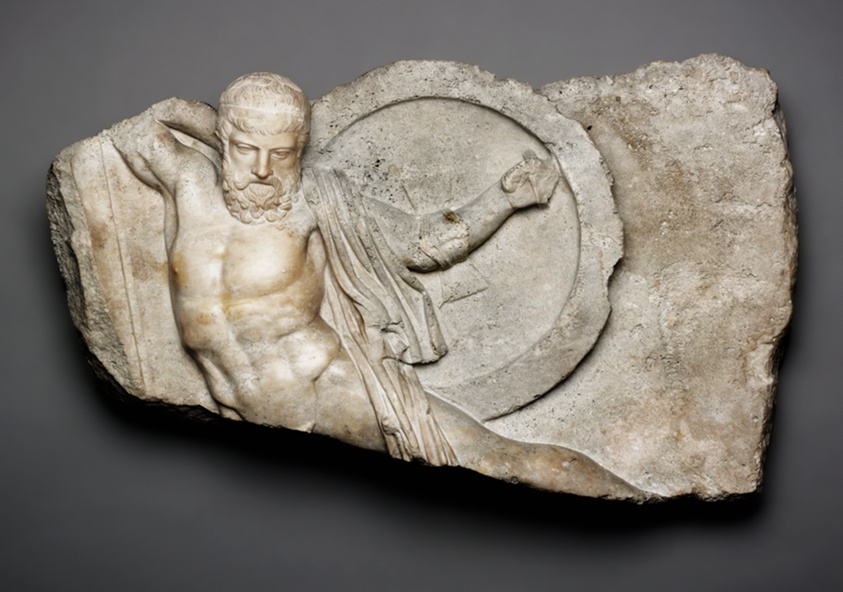
Relief of a Falling Warrior
RomanLinkedCulture matchlcp-e70b76de214d
- Date
- 2nd century
- Medium
- Marble
- Culture
- Piraeus
- Department
- Arts of Greece, Rome, and Byzantium
- Institution
- Art Institute of Chicago
- Object ID
- 56166
From the Art Institute of Chicago record
Around 435 BCE, the Greek sculptor Pheidias adorned the front of the shield at the side of his gold-and-ivory statue of Athena in the Parthenon with scenes of Greeks battling Amazons in the Trojan War. In Roman times, certain figures from this complex struggle were lifted out of their original context and enlarged to become decorative reliefs for the walls of a colonnade or courtyard. Here a wounded Greek warrior collapses to the ground after being struck a mortal blow from behind. The dying warrior’s noble countenance, the fillet or ribbon tied around his forehead, and his powerful, athletic body epitomize what Pheidias and his pupils sought to project as the ideal of mature male dignity in the decade when Athens was at the height of its power in the eastern Mediterranean world. Some five centuries later, collectors such as the Roman emperor Hadrian sought this Pheidian style, translated from a circular golden shield to a rectangular marble relief, to decorate their palaces and villas. Athenian sculptors of the Roman era made a good living creating and exporting such memories of past glories. This relief and a number of others were found near Athens in the harbor of Piraeus, where they had been lost in a disaster, likely while awaiting shipment.
The authoritative record is held by Art Institute of Chicago. LinkedCulture surfaces this object and its connections; it does not alter institutional metadata.
Get printable QR codesHide QR codes
Open QR codes for this object page and the museum record. They stay collapsed until needed.
Provenance & credit
As published by the source institution. Coverage varies — not every institution's open-data feed includes ownership history.
- Credit line
- Gift of Alfred E. Hamill
- Provenance
- Said to be found off the coast of Athens, 1925; sold to Jacob Hirsch (1874-1955), Geneva, Switzerland, 1925; sold to Alfred E. Hamill (1884-1953), Chicago; given to the Art Institute of Chicago, 1928.
Linked open data
Authority identifiers that link this record into the wider web of cultural data — stable references you can follow to the source.
- Object type
- AAT300301253
Related across collections
Semantically similar works from Art Institute of Chicago and other institutions.
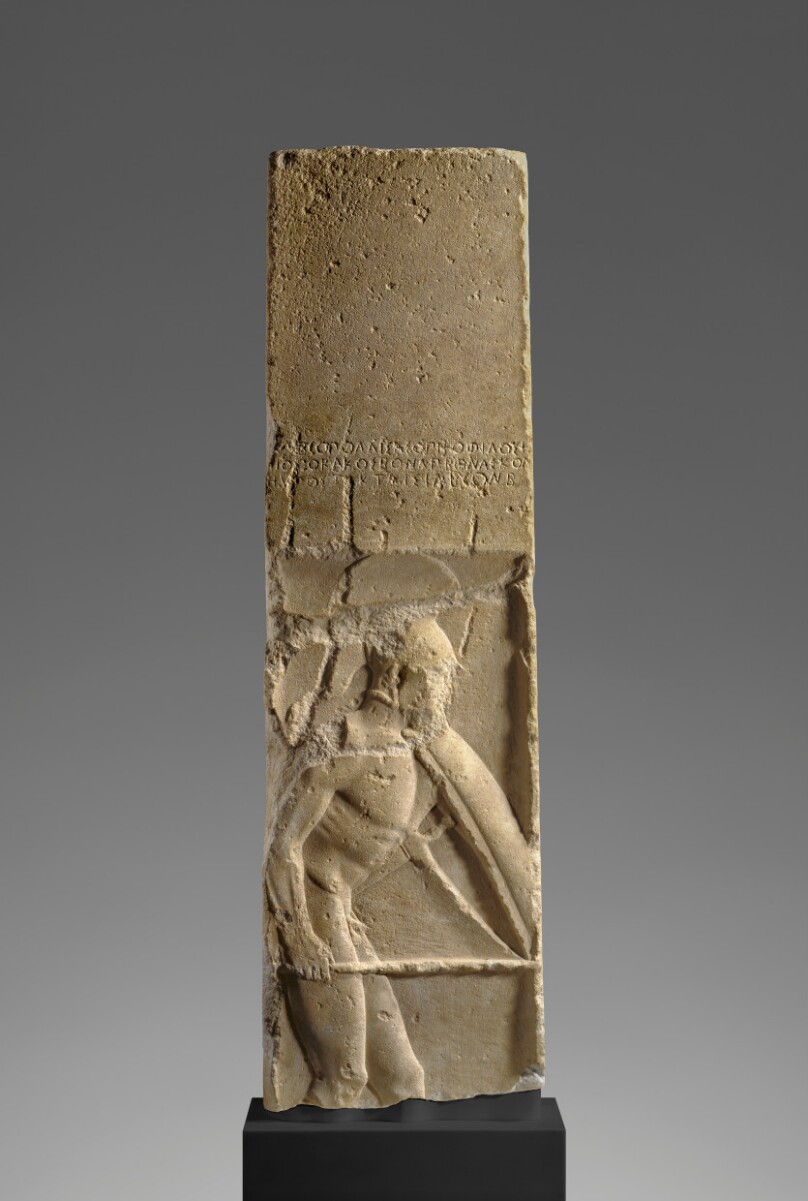
Grave Stele of Pollis
Getty Museum
#4fd61daf-9843-437e-af8b-43617fe72b45
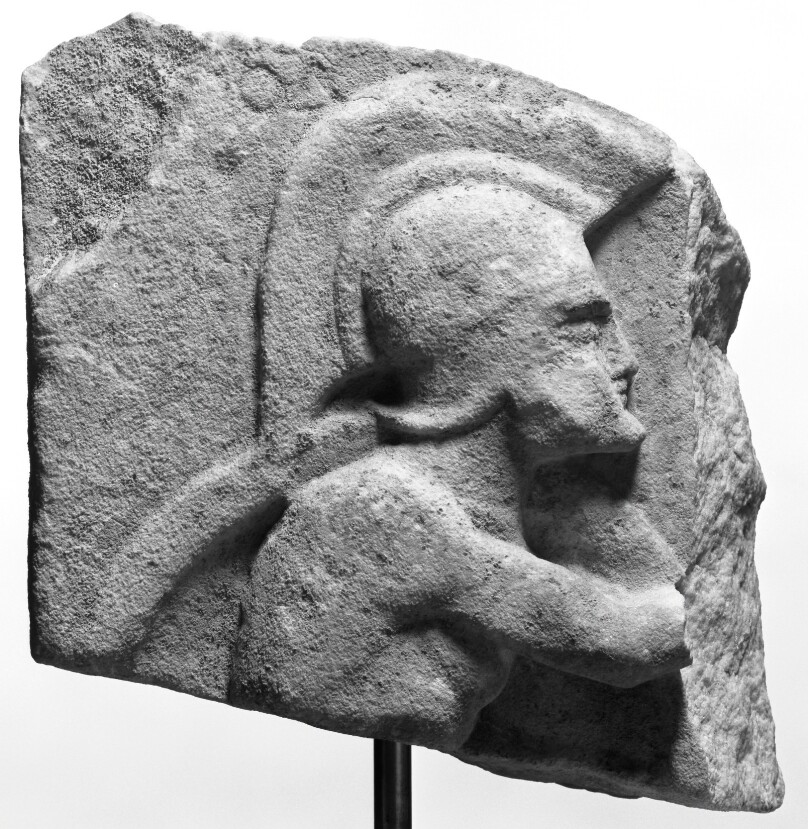
Relief of a Hoplitodromos
Getty Museum
#5dc67380-529f-49ce-a8e0-fe12cb638f4b
Fragment of a Relief of a Horse's Head
Getty Museum
#291ef973-7e51-4bd3-b3ca-aa7fab522904
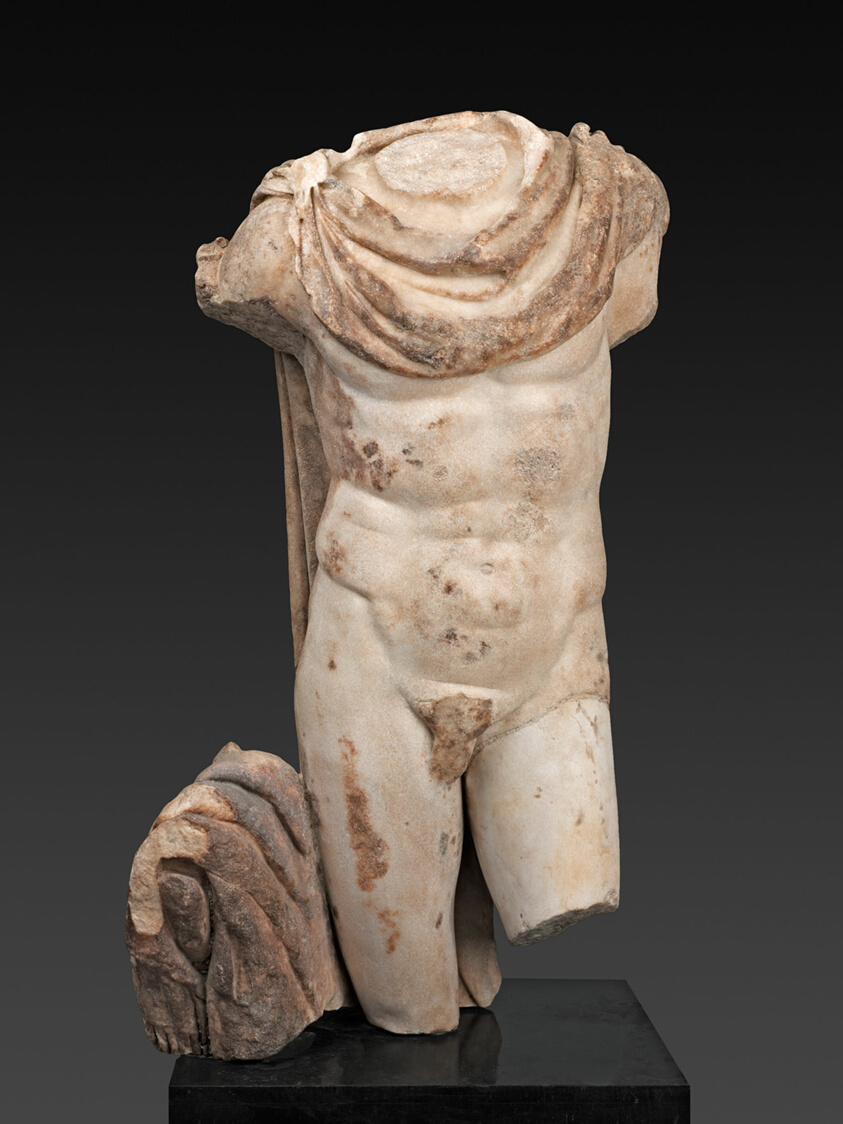
Fragment of a Portrait Statue of a Man
Art Institute of Chicago
#41506
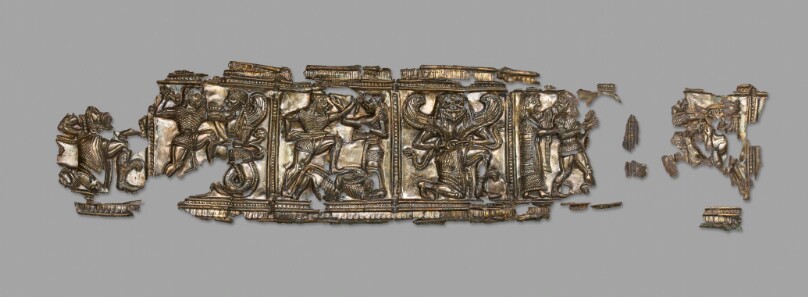
Relief Fragment
Getty Museum
#f0db29db-a68b-409d-aba6-f296ddd086f9
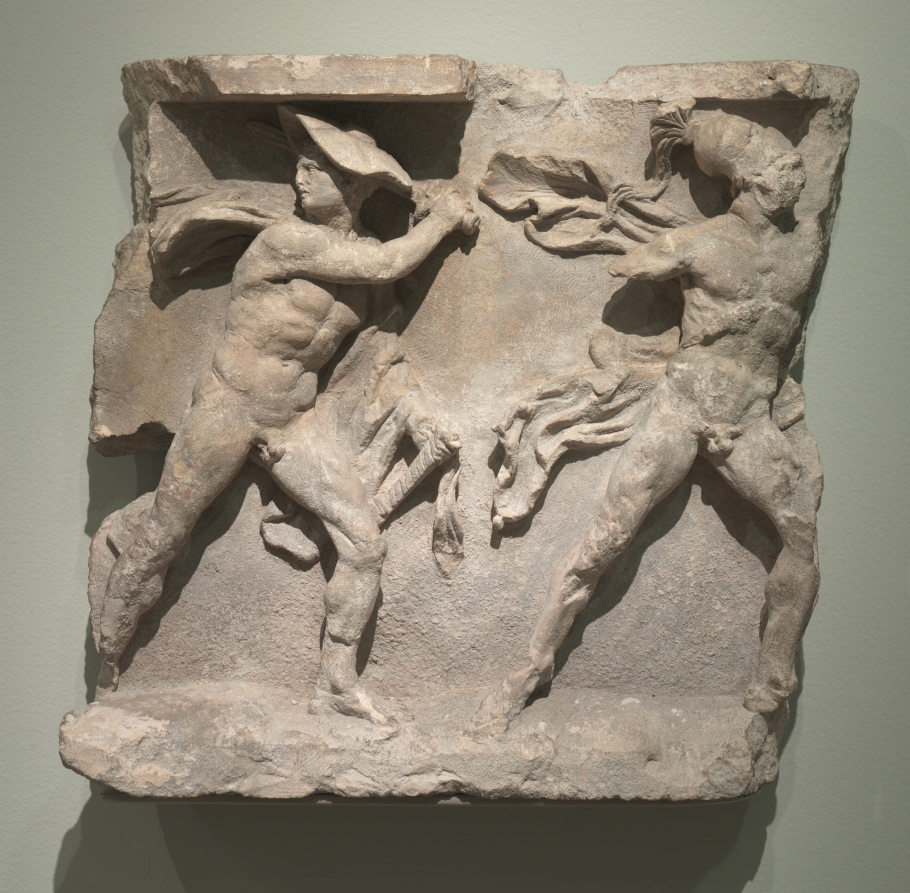
Relief of Striding Warriors
Cleveland Museum of Art
#109294
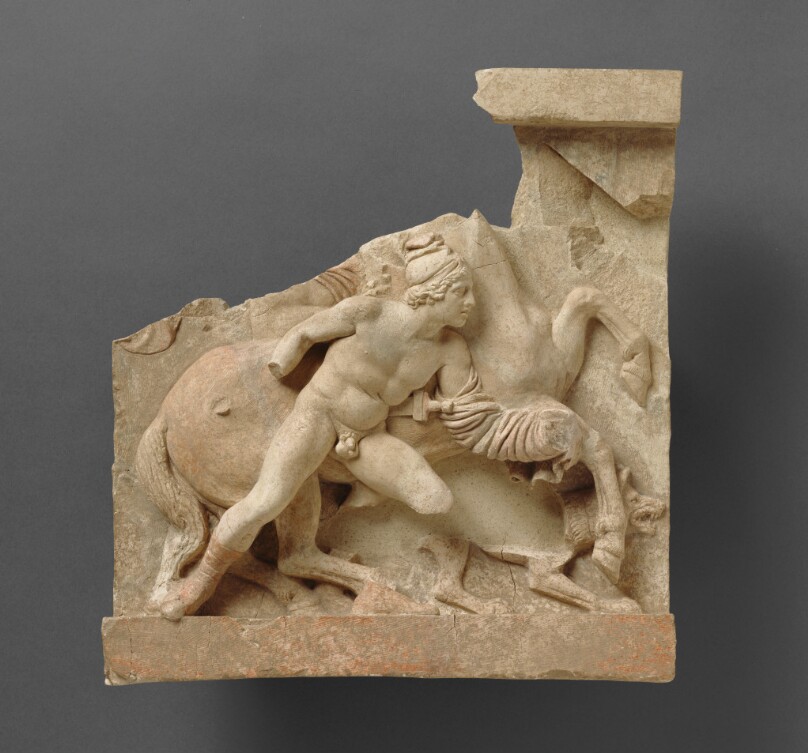
Fragment of a Relief of a Horseman and Companion from a Funerary Building
Getty Museum
#8d660da4-180d-49ac-a854-1f6ca8cf1b06
Relief fragments (44)
Getty Museum
#9ffa828b-858b-4fc5-b3a2-4c0b0cef4487
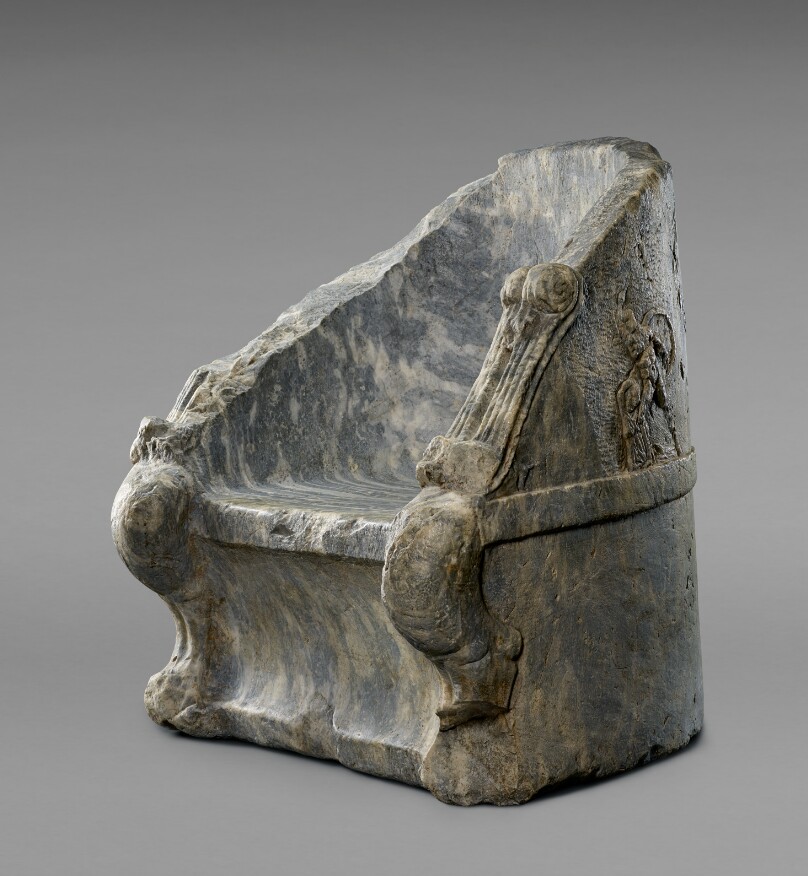
Throne
Getty Museum
#0d9d4b56-13c1-404c-a4da-b5346d4af18c
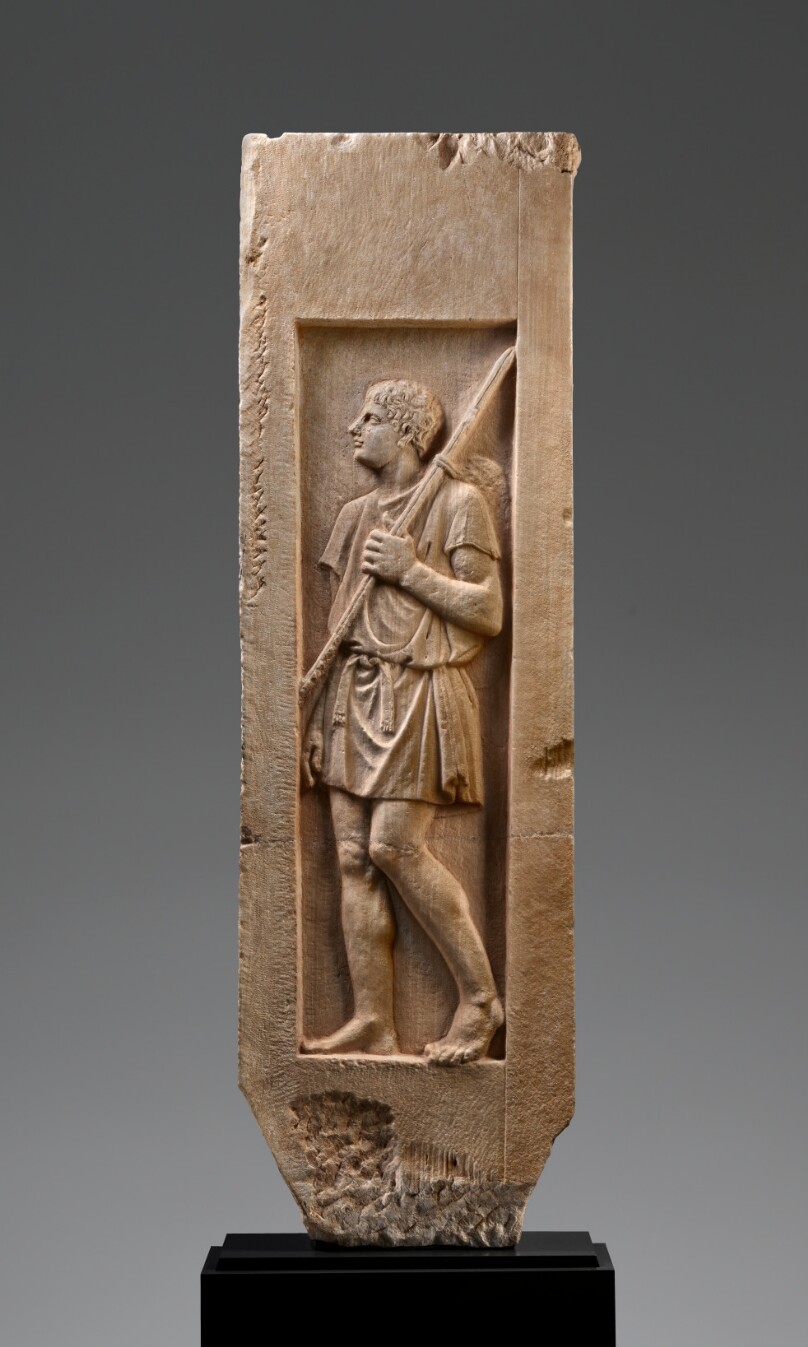
Side Panel of a Grave Naiskos with the Relief of a Young Hunter
Getty Museum
#e9f329f9-7bac-463e-89f7-641dfc41c376
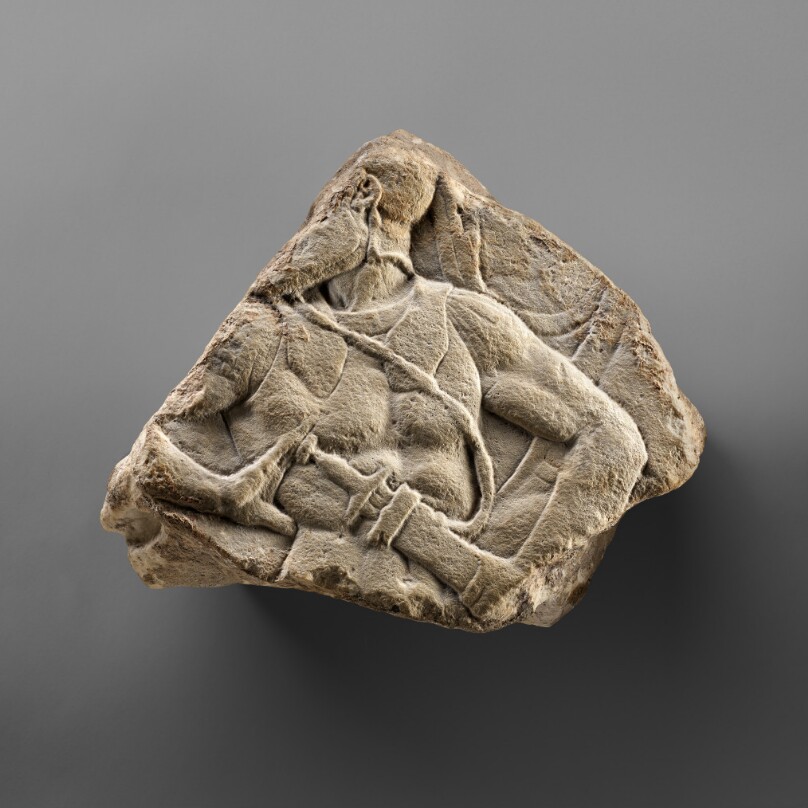
Fragment of an Archaistic Relief with a Warrior
Getty Museum
#d9cbccab-566d-4112-af65-b30a822f4396
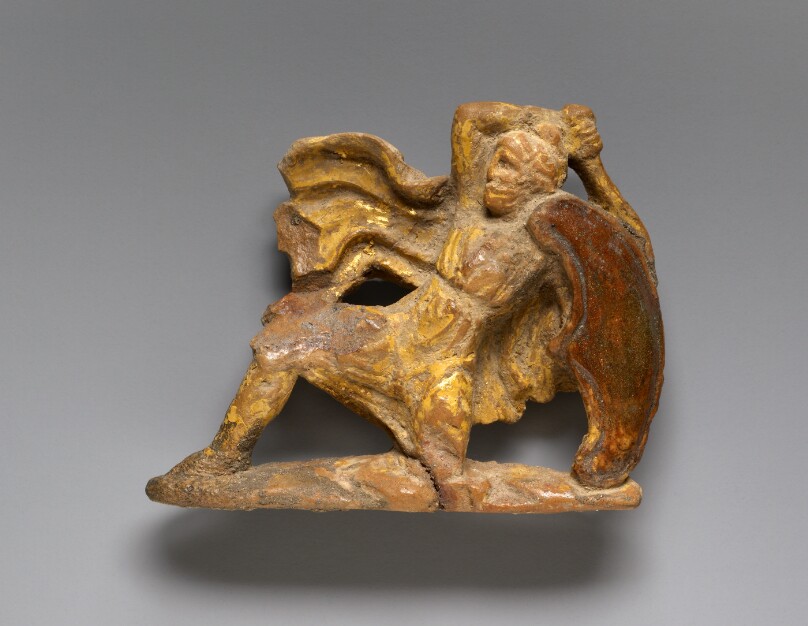
Relief with a Fighting Arimasp
Getty Museum
#e05d0d70-b21d-4d60-9415-05a6b57ec376