Art Institute of Chicago
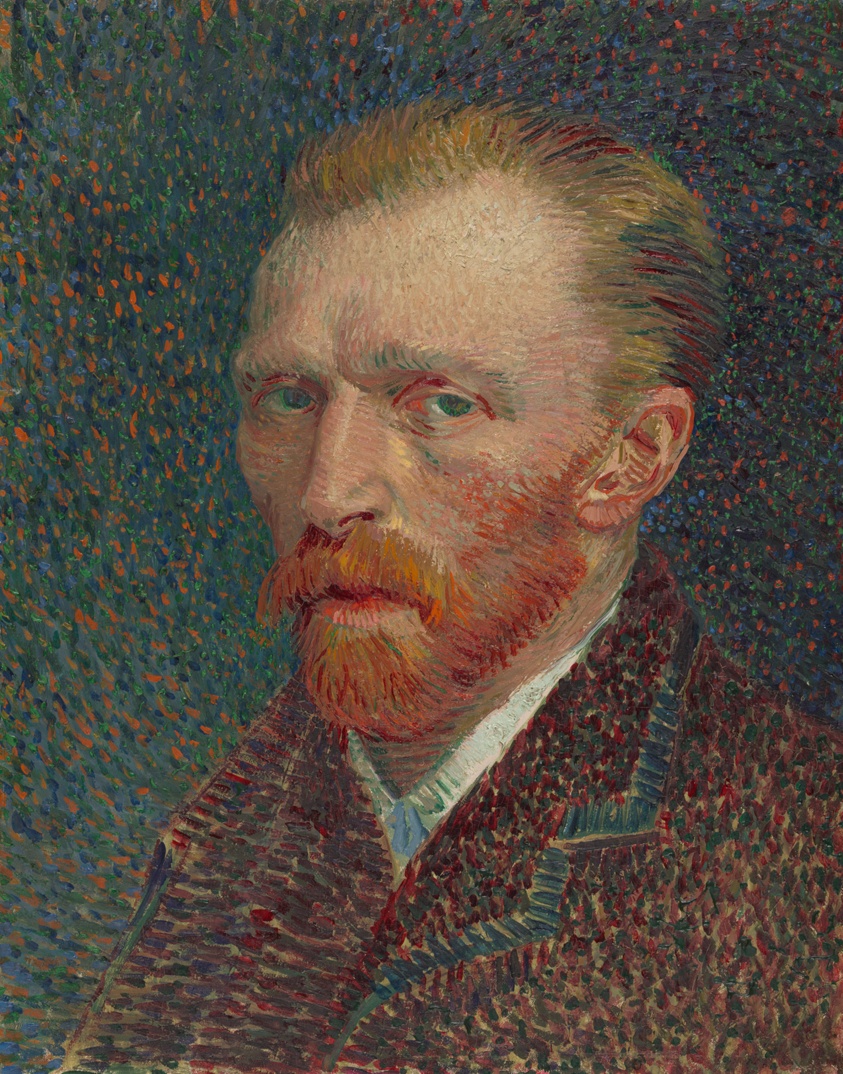
Self-Portrait
Vincent van Gogh (Dutch, 1853–1890)LinkedCulture matchlcp-8a85462d2b98
- Date
- 1887
- Medium
- Oil on artist's board, mounted on cradled panel
- Culture
- Netherlands
- Department
- Painting and Sculpture of Europe
- Institution
- Art Institute of Chicago
- Object ID
- 80607
From the Art Institute of Chicago record
In 1886 Vincent van Gogh left his native Holland and settled in Paris, where his beloved brother Theo was a dealer in paintings. Van Gogh was apparently inspired by the energy of the city and by his introduction to Impressionism, and he created at least twenty-four self-portraits during his two-year stay in the French capital. This early example is modest in size and was painted on prepared artist’s board rather than canvas. Its densely dabbed brushwork, which became a hallmark of Van Gogh’s style, reflects the artist’s response to Georges Seurat’s revolutionary pointillist technique in A Sunday on La Grande Jatte—1884 . What was for Seurat a method based on the cool objectivity of science became in Van Gogh’s hands an intense emotional language. The surface of the painting dances with particles of color—intense greens, blues, reds, and oranges. Dominating this dazzling array of staccato dots and dashes are the artist’s deep green eyes and the intensity of their gaze. “I prefer painting people’s eyes to cathedrals,” Van Gogh once wrote to Theo. “However solemn and imposing the latter may be—a human soul, be it that of a poor streetwalker, is more interesting to me.” From Paris, Van Gogh traveled to the southern town of Arles for fifteen months. At the time of his death, in 1890, he had actively pursued his art for only five years. Van Gogh’s career as a painter was actually very brief. From Paris, he traveled to the southern town of Arles for fi ft een months. At the time of his death, in 1890, he had actively pursued his art for just five years. This is one of thirty-five works that comprise the Winterbotham Collection. Click here to learn more about the collection.
The authoritative record is held by Art Institute of Chicago. LinkedCulture surfaces this object and its connections; it does not alter institutional metadata.
Get printable QR codesHide QR codes
Open QR codes for this object page and the museum record. They stay collapsed until needed.
Provenance & credit
As published by the source institution. Coverage varies — not every institution's open-data feed includes ownership history.
- Credit line
- Joseph Winterbotham Collection
- Provenance
- The artist’s sister-in-law, Johanna van Gogh-Bonger (died 1925), Amsterdam [this and the following according to Van Gogh-Bonger’s account book: "19/2 2-1912 'Kunstverein Frankfurt portret' 2942.50 [guilders]" and "95/15 2-1912 'ontvangen uit Frankfort Kunstverein voor portret' 2942.50 [guilders];" reproduced in Stolwijk and Veenenbos 2002, 54, 130]; sold through Frankfurter Kunstverein to Leonhard Tietz (died 1914), Cologne, Feb. 1912; by descent to his son, Alfred Tietz, Cologne, 1914 [Amsterdam 1930]; sold to E. J. van Wisselingh and Co., Amsterdam, Dec. 12, 1933 [this and the following according to the E. J. Van Wisselingh and Co. Stock Book, no. 5440, Rijksbureau voor Kunsthistorische Documentatie, The Hague; copy in curatorial object file]; sold to Étienne Bignou (Bignou Art Gallery), Paris, Dec. 31, 1933; transferred to Bignou Art Gallery, New York [photograph of the painting, no. 2156, Bignou Gallery album, n.d., Frick Art Reference Gallery; copy in curatorial object file]; sold to Joseph Winterbotham (died 1953), Burlington, Vermont by 1935 [letter from Joseph Winterbotham to Robert Harshe, June 10, 1935; copy in curatorial object file]; given to the Art Institute, 1954.
Linked open data
Authority identifiers that link this record into the wider web of cultural data — stable references you can follow to the source.
- Object type
- AAT300033618
Related across collections
Semantically similar works from Art Institute of Chicago and other institutions.
Self-Portrait
Getty Museum
#bdd1dc19-b059-4ff7-bcf1-a6e1b94352ae
Portrait of Joseph Roulin
Getty Museum
#bc544cf0-81ce-43b3-8ac8-60b1e91c4d88
Five Figure Studies (verso)
Cleveland Museum of Art
#135289
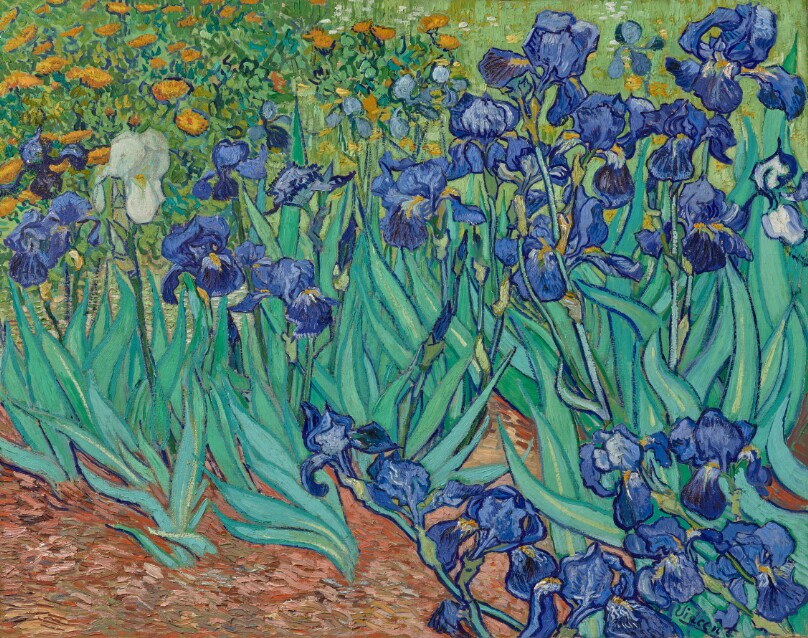
Irises
Getty Museum
#c88b3df0-de91-4f5b-a9ef-7b2b9a6d8abb

Portrait of Dr. Gachet (Auvers-sur-Oise)
Minneapolis Institute of Art
#7301

Port-en-Bessin
Minneapolis Institute of Art
#1272
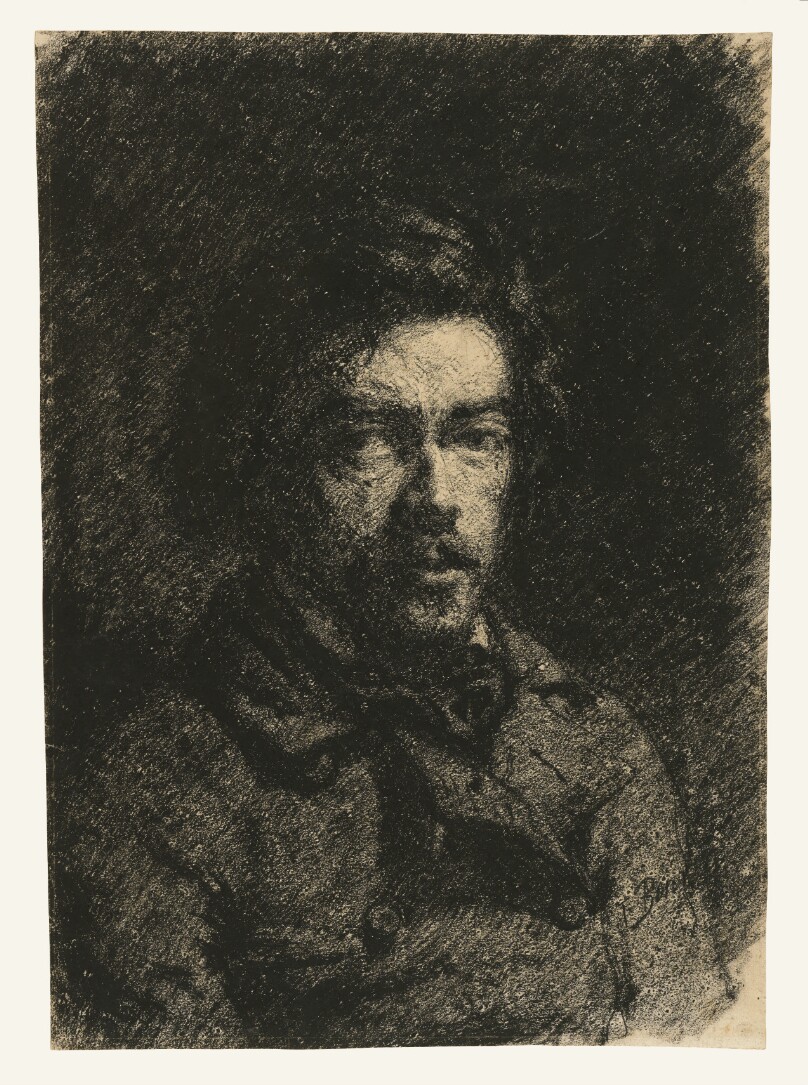
Self-Portrait
Getty Museum
#30ea1df6-d5cb-4010-8492-dc9efcc500a7
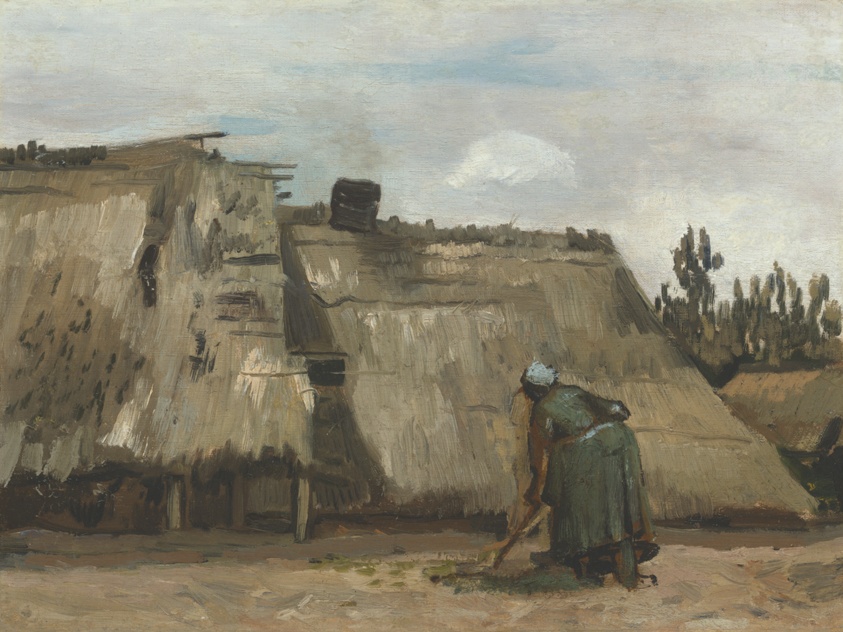
A Peasant Woman Digging in Front of Her Cottage
Art Institute of Chicago
#28862
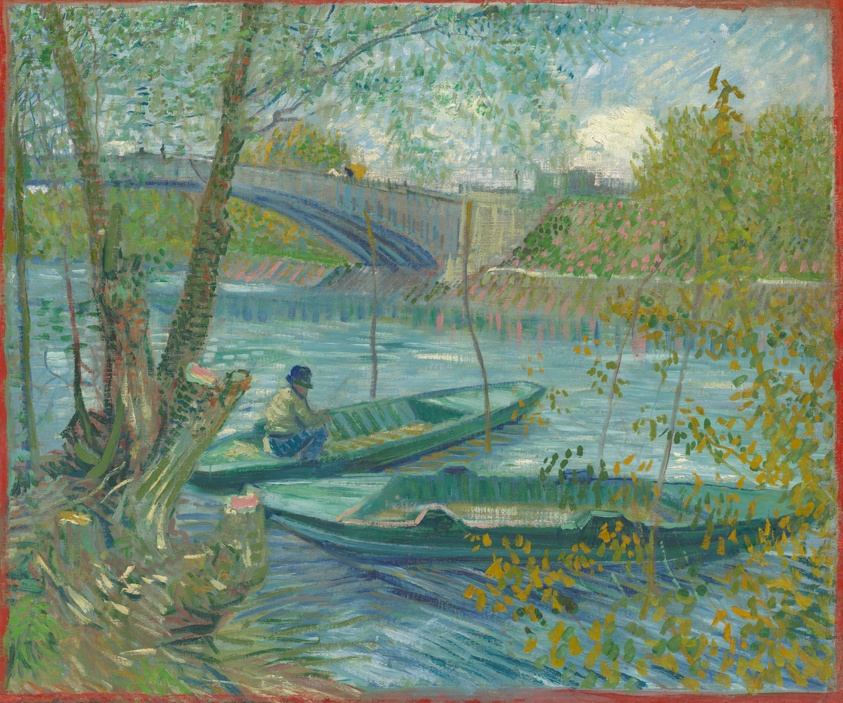
Fishing in Spring, the Pont de Clichy (Asnières)
Art Institute of Chicago
#109314
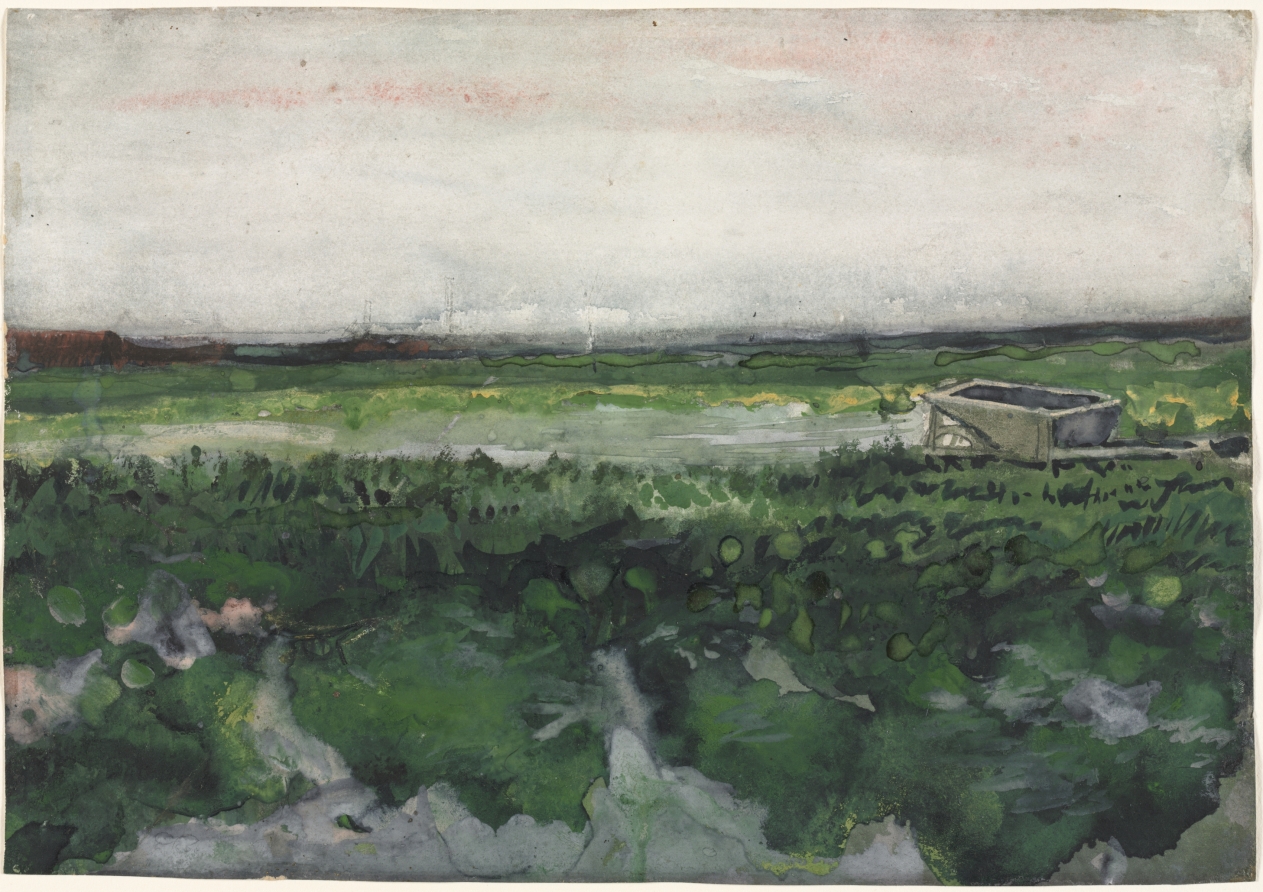
Landscape with Wheelbarrow
Cleveland Museum of Art
#135286
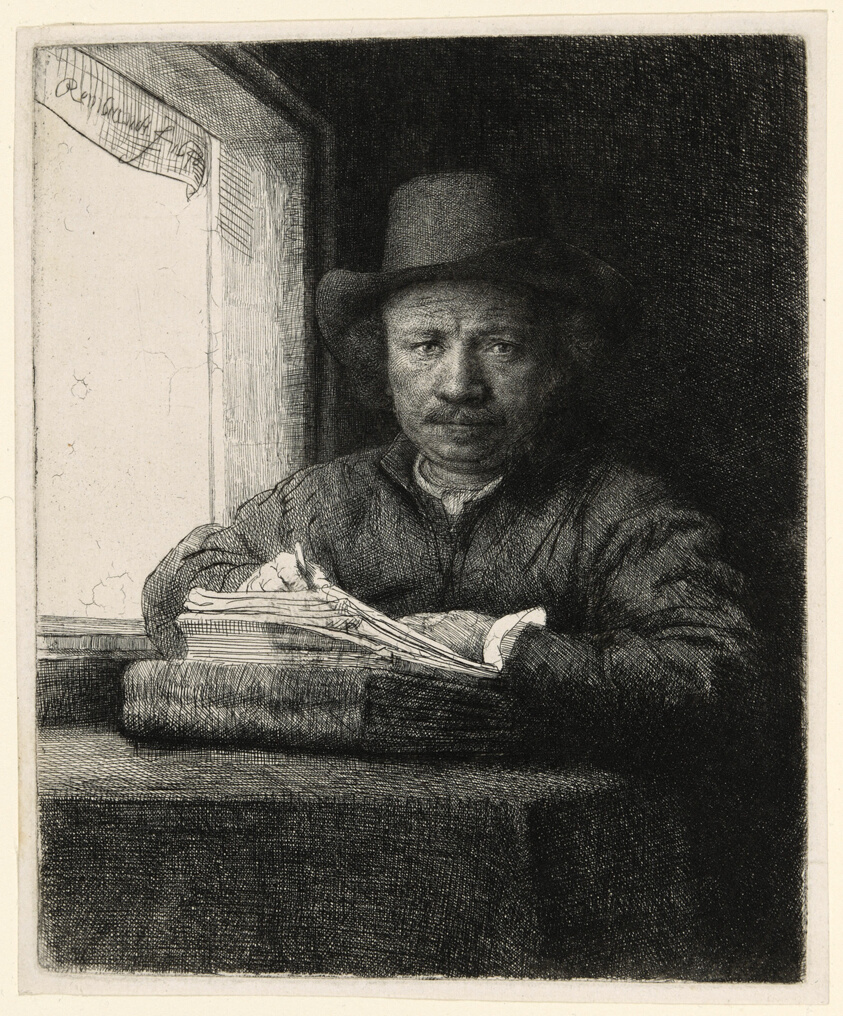
Self-Portrait Etching at a Window
Art Institute of Chicago
#181616
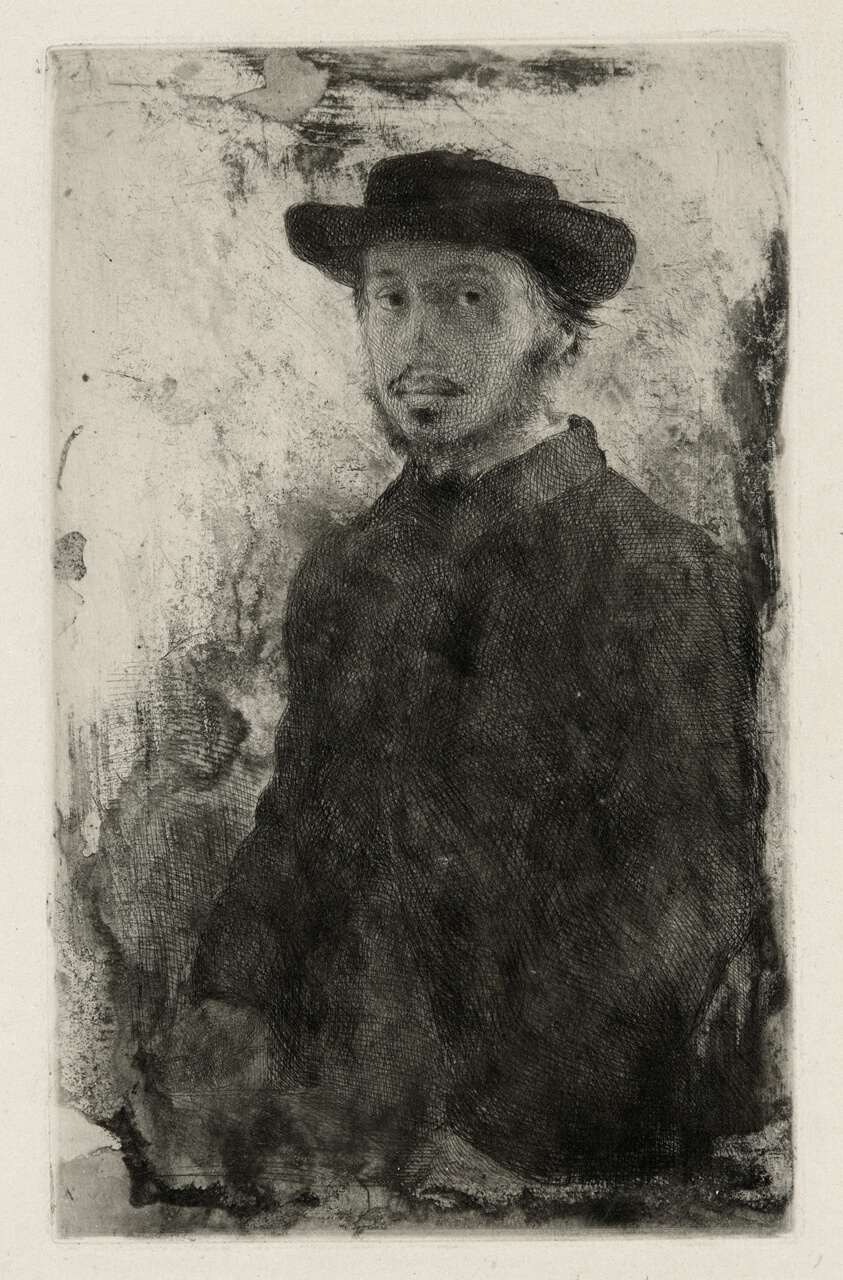
Self-Portrait
Art Institute of Chicago
#13551