Cleveland Museum of Art
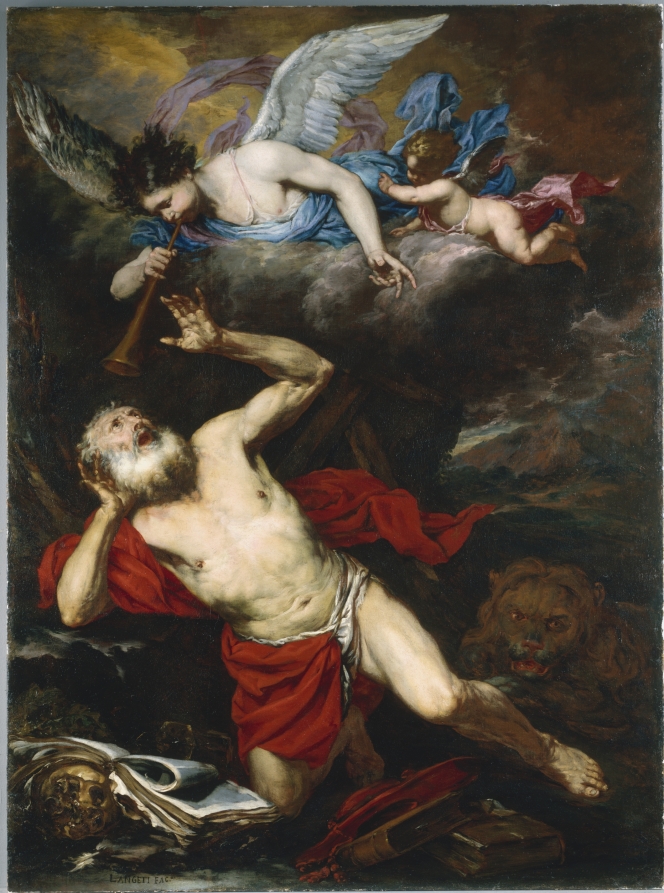
The Vision of Saint Jerome
Giovanni Battista LangettiLinkedCulture matchlcp-4372d2bfea0d
- Date
- c. 1660
- Medium
- oil on canvas
- Culture
- Italy, 17th century
- Department
- European Painting and Sculpture
- Institution
- Cleveland Museum of Art
- Object ID
- 128375
From the Cleveland Museum of Art record
Jerome (c. 347–420 CE) studied Greek and Latin literature in Rome, but eventually pursued theology, perceiving his conduct as corrupt and sinful. Around 374 CE, Jerome had a vision of the Last Judgment in which an angel called him to task for his transgressions. Jerome then withdrew from society, learned Hebrew, and studied the Gospels, which led to his influential translations of the Bible. Langetti here follows a convention by depicting Jerome's vision after he retreated from the world. Working in the northern Italian port of Genoa, Langetti absorbed Caravaggio's impact, seen in the composition's naturalistic bodies and dramatic light.
The authoritative record is held by Cleveland Museum of Art. LinkedCulture surfaces this object and its connections; it does not alter institutional metadata.
Get printable QR codesHide QR codes
Open QR codes for this object page and the museum record. They stay collapsed until needed.
Provenance & credit
As published by the source institution. Coverage varies — not every institution's open-data feed includes ownership history.
- Credit line
- Delia E. Holden and L. E. Holden Funds
- Provenance
- 1758: Palazzo Conti, Vicenza | 1922: Italico Brass, Venice, Italy. | 1951: Alessandro Brass sold to The Cleveland Museum of Art.
Related across collections
Semantically similar works from Cleveland Museum of Art and other institutions.
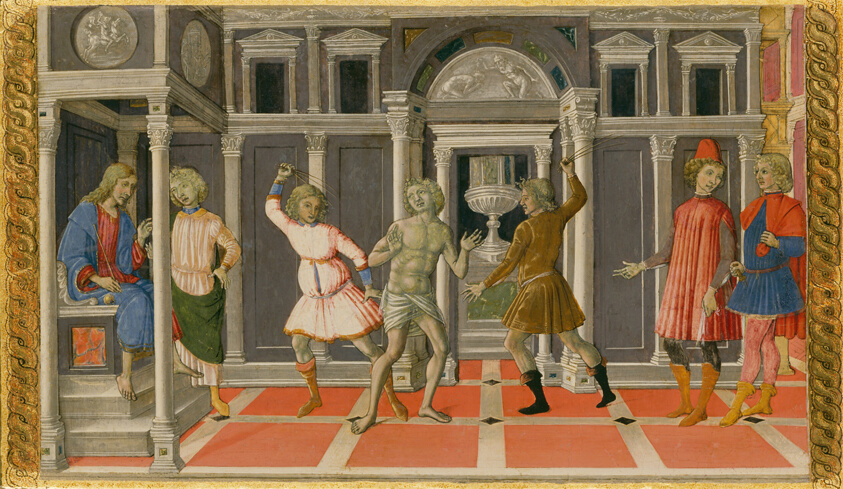
The Dream of Saint Jerome
Art Institute of Chicago
#16179
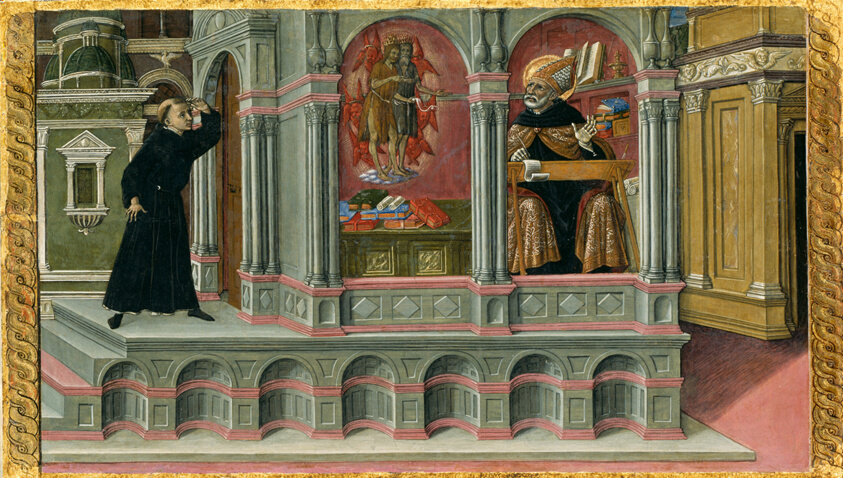
Saint Augustine's Vision of Saints Jerome and John the Baptist
Art Institute of Chicago
#16183

Saint Jerome in the Wilderness
Minneapolis Institute of Art
#109721
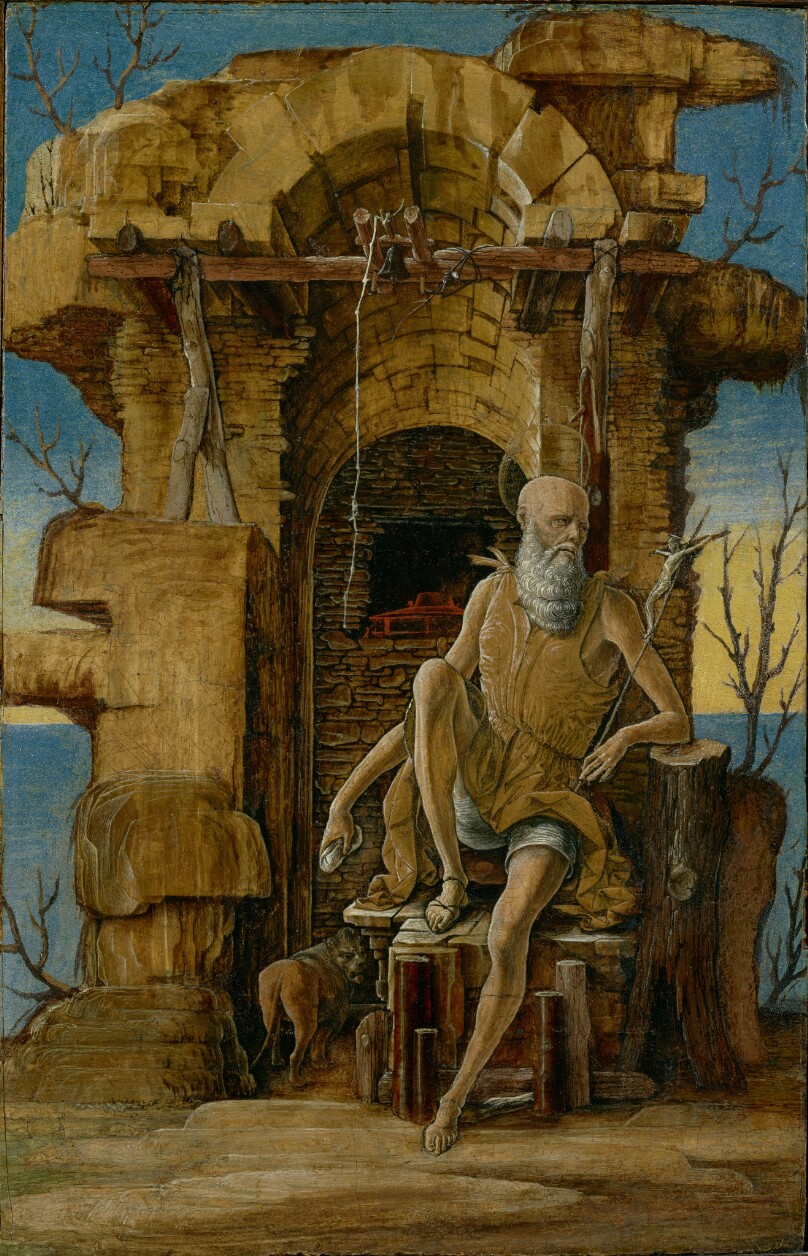
Saint Jerome in the Wilderness
Getty Museum
#3f67e110-42c1-4144-baca-d7a8ddc06fe8
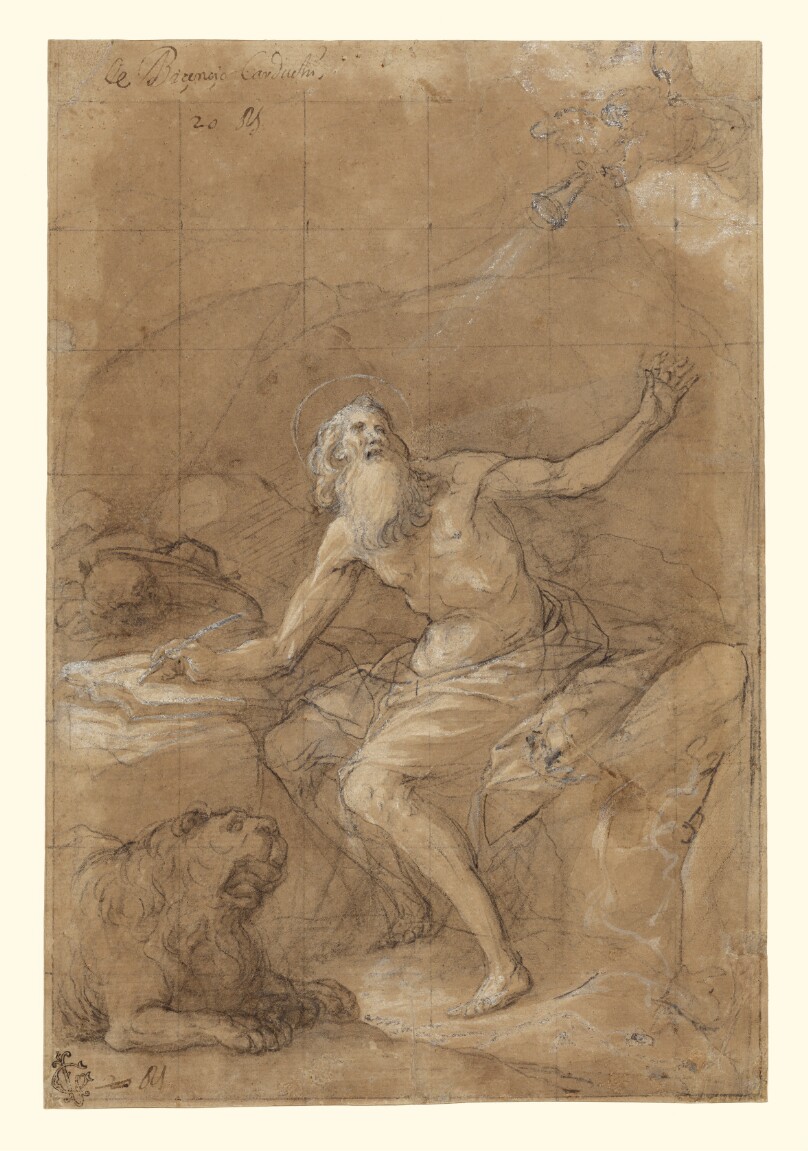
St. Jerome Hearing the Trumpet of the Last Judgment
Getty Museum
#6b2290fd-2ead-4fc6-810d-0a1eb175ece4

Saint Jerome in His Study
Minneapolis Institute of Art
#8903
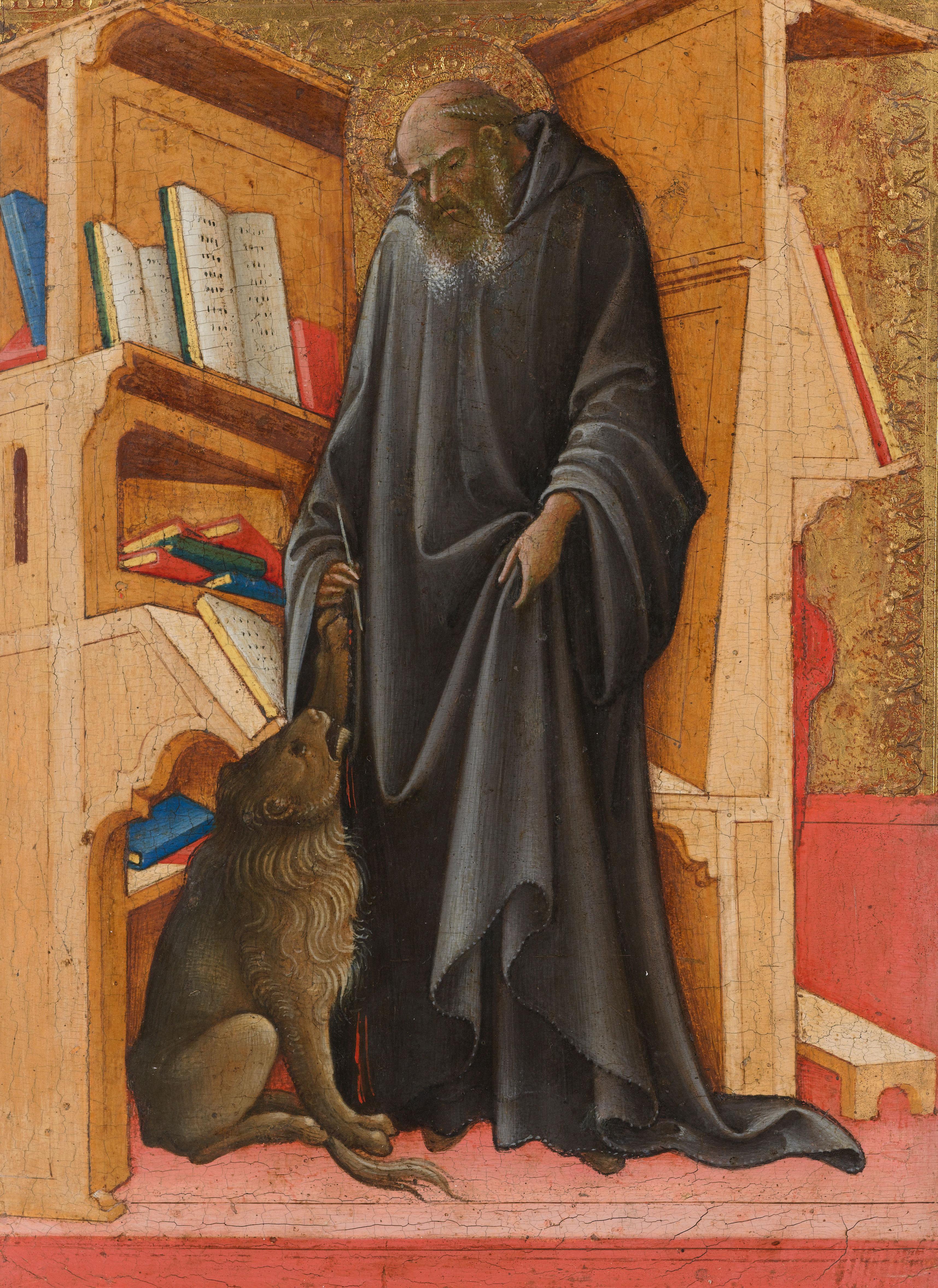
Saint Jerome in his Study
Rijksmuseum
#SK-A-3976
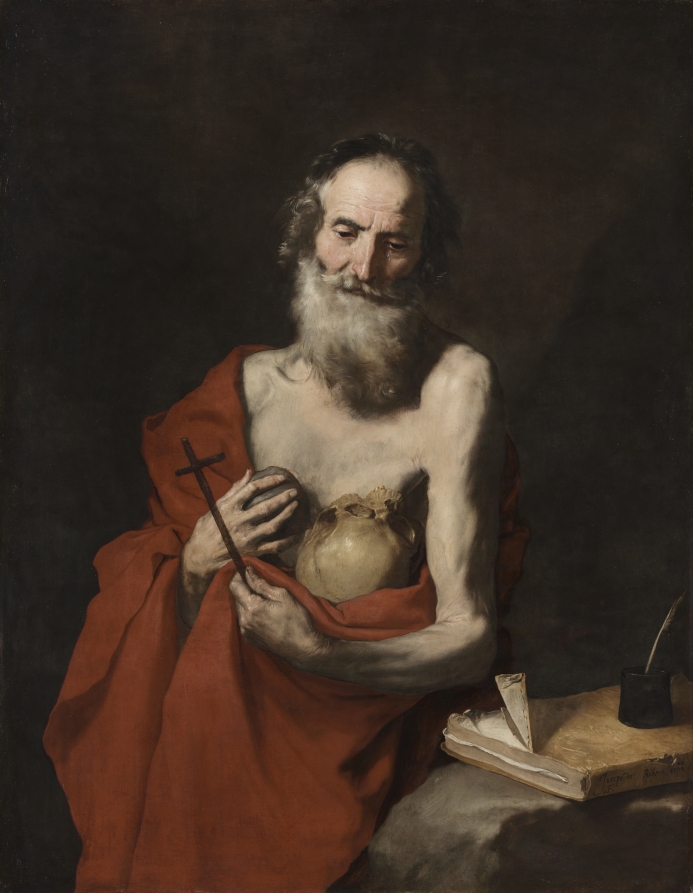
Saint Jerome
Cleveland Museum of Art
#136680
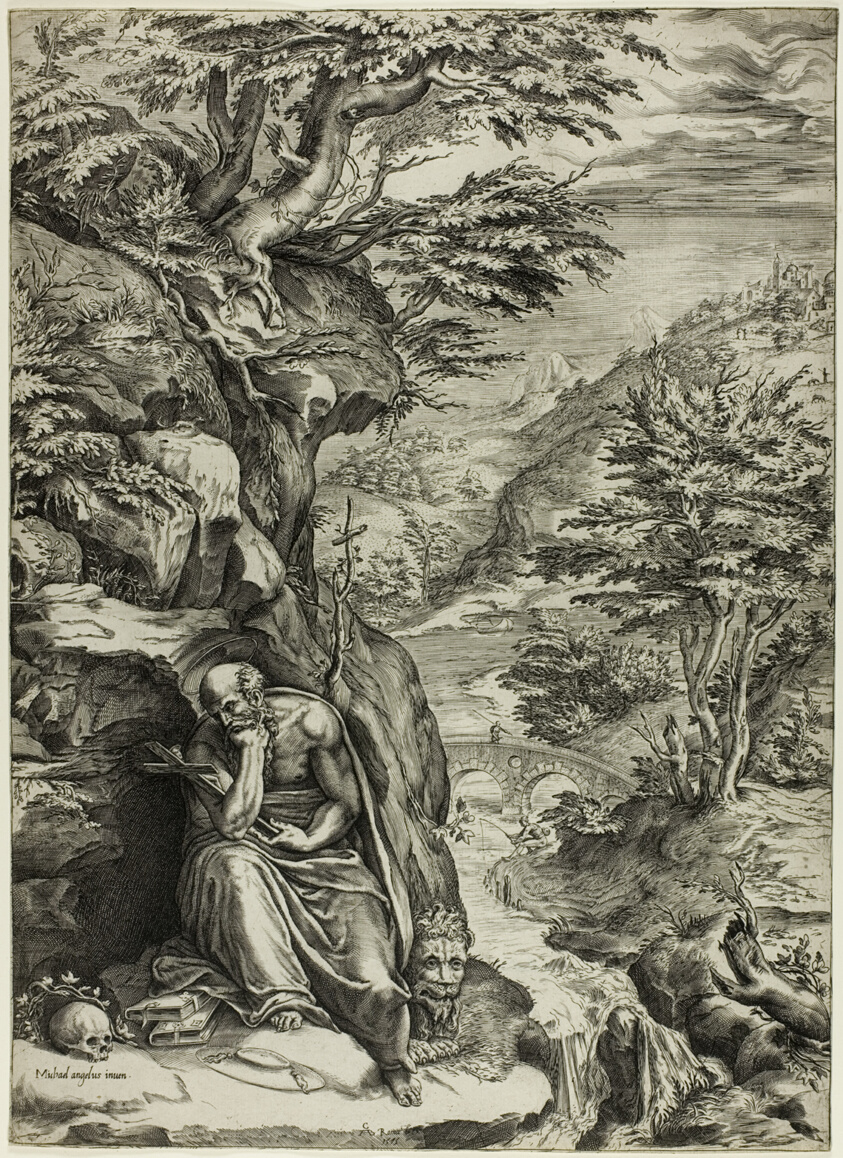
Saint Jerome in the Desert
Art Institute of Chicago
#10173

St. Jerome in the Desert
Minneapolis Institute of Art
#107290
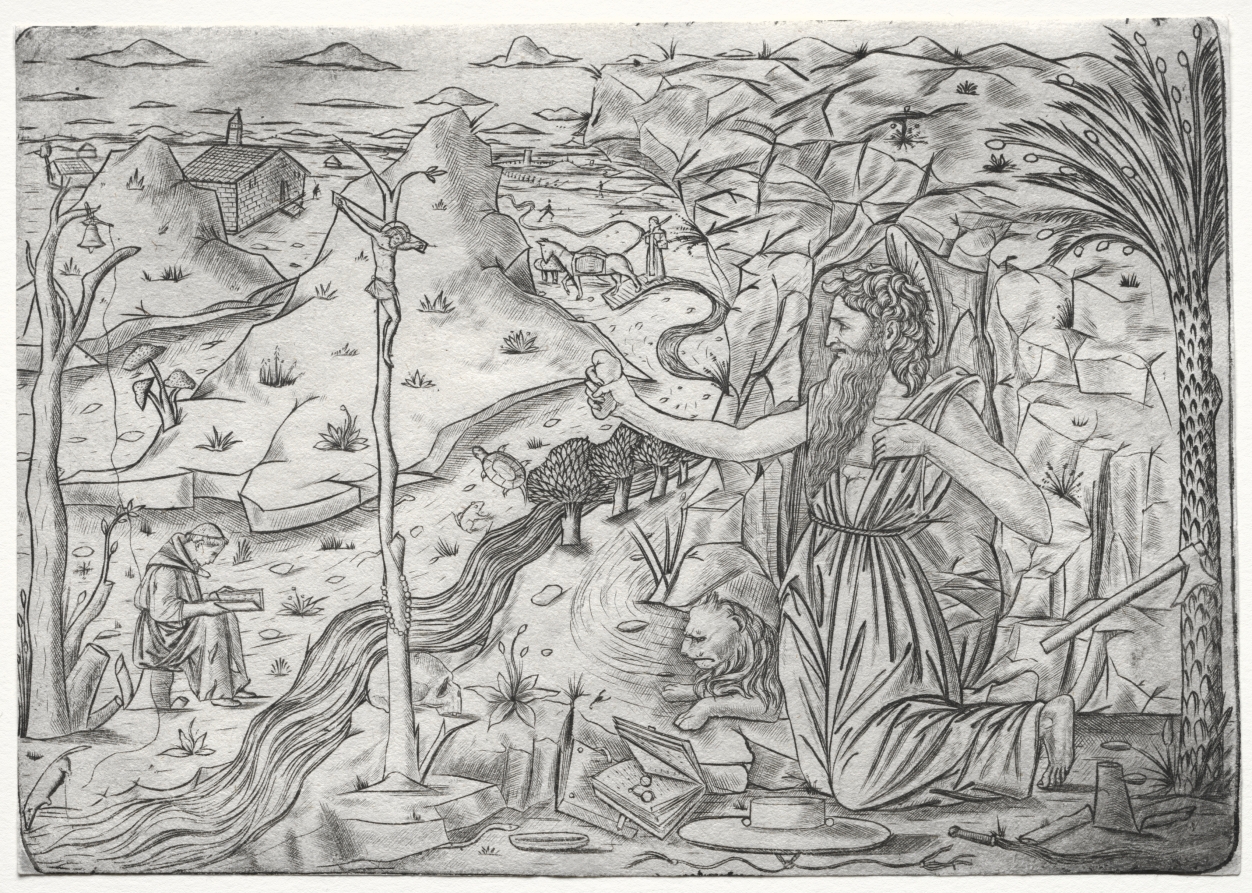
Saint Jerome in Penitence
Cleveland Museum of Art
#126989
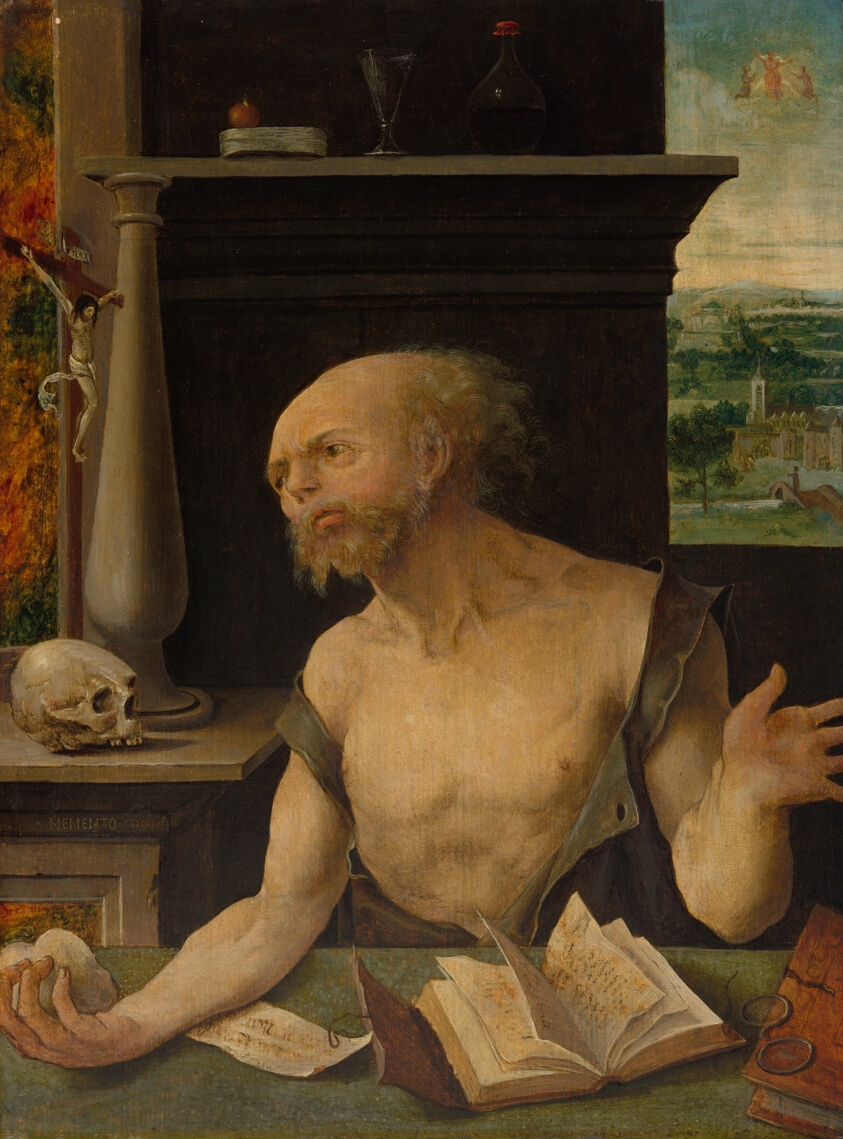
Saint Jerome in Penitence
Art Institute of Chicago
#236975