Cleveland Museum of Art
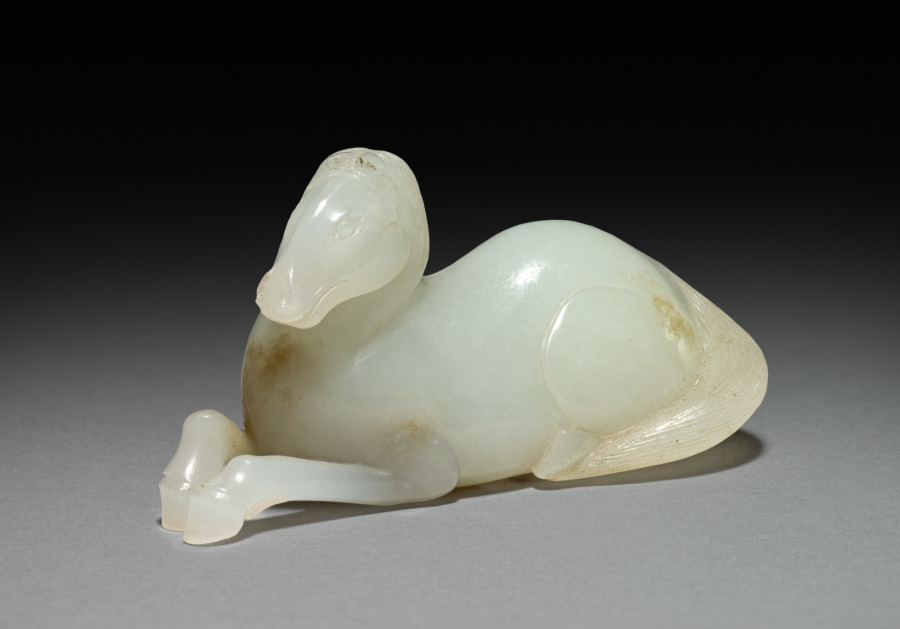
Horse
- Date
- 1600s
- Medium
- jade
- Culture
- China, Qing dynasty (1644-1911)
- Department
- Chinese Art
- Institution
- Cleveland Museum of Art
- Object ID
- 130084
From the Cleveland Museum of Art record
In China, access to political power was granted to those who passed the civil service examinations, a system that offered official service only at a high level of education. Chinese literati-officials whose daily routine was administrative work in an office, enjoyed precious objects on their writing desks that offered distraction and demonstrated good taste. By the Ming (1368–1644) and Qing (1644–1911) dynasties, these utensils of the literati studio became also collectibles and were treasured as artworks. Desk objects included paper weights; seals and seal paste boxes; brush rests, wrist rests and brush holders; water droppers, ink cakes, miniature mountains, and albums, all ranging in material from jade, gilt bronze, lacquer, and wood to porcelain. The white jade surface of the horse has been brightly polished, but portions of the original stone's "skin" remain on the base and below the head.
The authoritative record is held by Cleveland Museum of Art. LinkedCulture surfaces this object and its connections; it does not alter institutional metadata.
Get printable QR codesHide QR codes
Open QR codes for this object page and the museum record. They stay collapsed until needed.
Provenance & credit
As published by the source institution. Coverage varies — not every institution's open-data feed includes ownership history.
- Credit line
- Anonymous Gift
- Provenance
- 1952–: The Cleveland Museum of Art, Cleveland, OH
Part of LinkedCulture topics
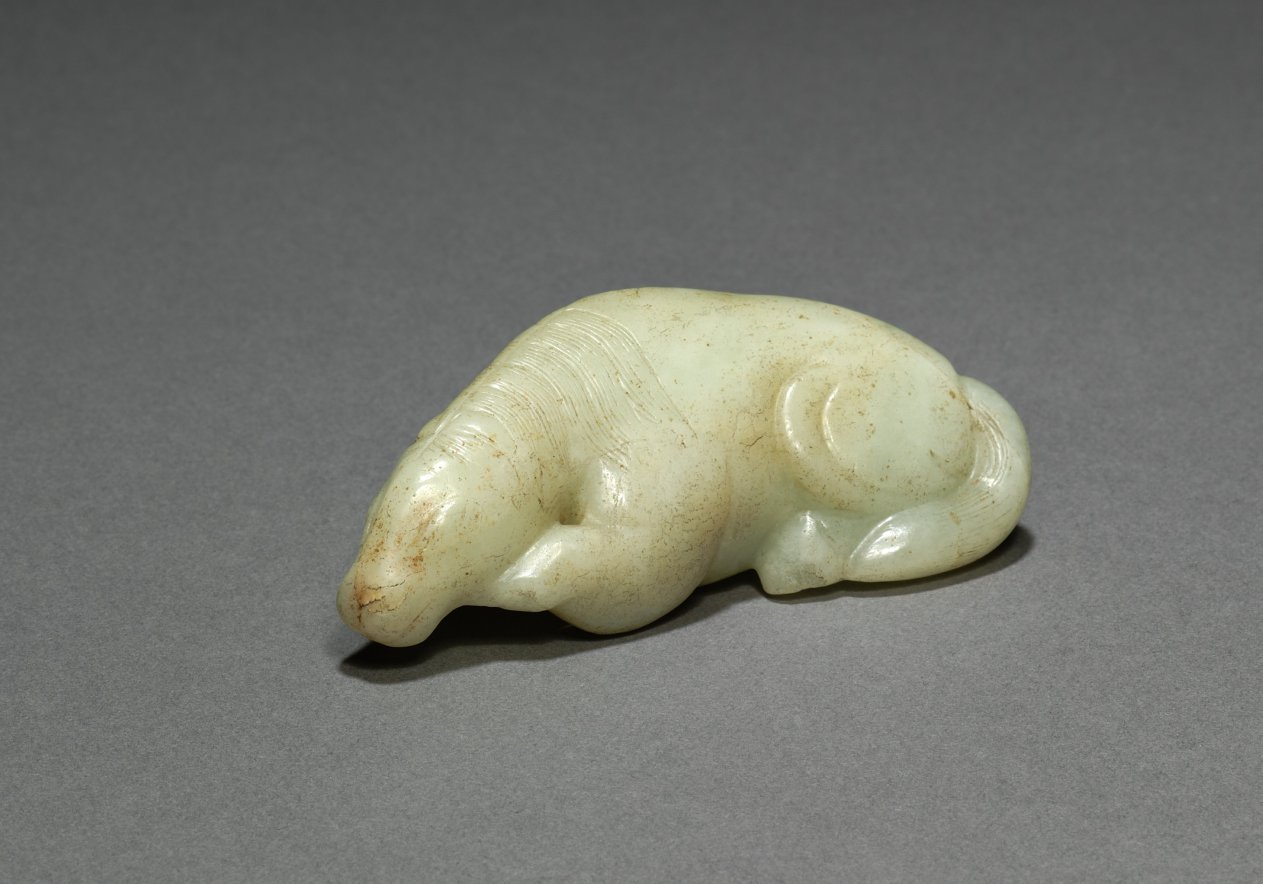 Chinese Jade Animal Carvings
A collection of carved jade animal figurines spanning multiple Chinese dynasties from the Western Zhou through Qing periods, showcasing the longstanding tradition of jade sculpture in Chinese decorative arts.
50 objects from 4 institutions
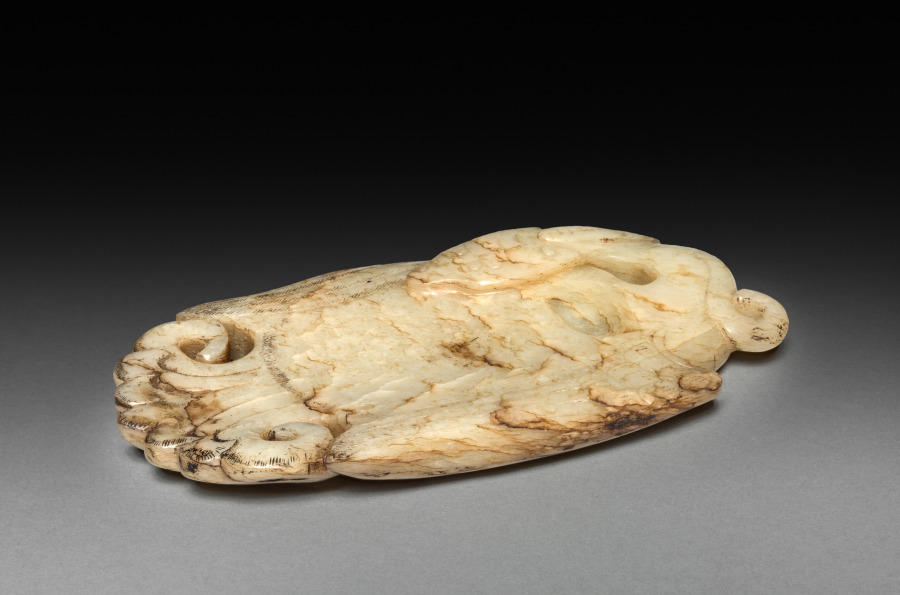 Jade Vessel Collection
These objects are all carved jade vessels and containers, predominantly from China's Qing Dynasty (especially the Qianlong period), demonstrating imperial patronage and mastery of jade carving techniques.
116 objects from 5 institutions
Related across collections
Semantically similar works from Cleveland Museum of Art and other institutions.