Cleveland Museum of Art
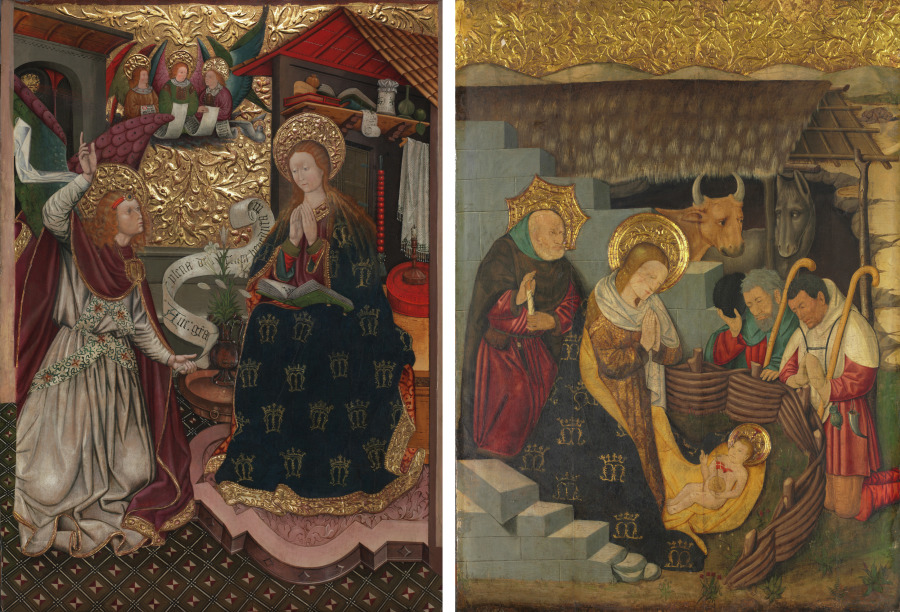
The Annunciation and The Nativity
Jaume Ferrer the YoungerLinkedCulture matchlcp-548b4a30a8ac
- Date
- c. 1457
- Medium
- oil, tempera, and gold on wood panel (fir)
- Culture
- Spain, Catalonia, 15th century
- Department
- Medieval Art
- Institution
- Cleveland Museum of Art
- Object ID
- 130980
From the Cleveland Museum of Art record
These paintings are believed to be the remaining components of a six-panel altarpiece. The large central panel is now preserved in Barcelona (Museu National d’Art de Catalunya). Ferrer collaborated with the painter Pere Garcia de Benavarri on this commission. Spanish works like these often feature elaborate treatment of the gold background, evident here in the exuberant raised decoration (called pastiglia) in the skies and the haloes, as well as other details. Here the Archangel Gabriel proclaims the Virgin’s destiny as the mother of Christ. The setting is an ordinary house, but simple objects have symbolic meaning. The lilies represent the Virgin’s purity; the covered jar and water carafe symbolize inviolability; the pomegranate symbolizes Christ’s resurrection, while the apple alludes to humankind’s fall from grace. The two books, closed and open, refer respectively to the Old and New Testaments: one foretelling and the other fulfilling the promise of the messiah. Both The Annunciation and The Nativity were components of a large altarpiece probably dedicated to the Virgin. Spanish works like these often feature elaborate treatment of the gold background, evident here in the exuberant raised decoration (called pastiglia) in the skies and haloes, as well as other details such as the vase of lilies in the Annunciation. The Annunciation The archangel Gabriel, gesturing toward God in a window above, proclaims the Virgin's destiny as the mother of Christ. Gabriel holds a scroll with the words from the New Testament (in Latin) "Hail Mary, full of grace, the Lord is with you." The angels in the sky hold another scroll proclaiming: "Glory to God in the highest, and peace to good people on earth". The simple objects surrounding the Virgin appear to be the furnishings of an ordinary house, but they carry symbolic meaning. The lilies represent the Virgin's purity; the covered jar and the water carafe symbolize inviolability. The towel and basin hint at ritual cleansing during Mass. The blown out candle points to the arrival of divine light in the world. The pomegranate symbolizes Christ's resurrection, while the apple alludes to humankind's fall from grace. The two books, closed and open, refer respectively to the Old and New testaments: one foretelling and the other fulfilling the promise of the Messiah.
The authoritative record is held by Cleveland Museum of Art. LinkedCulture surfaces this object and its connections; it does not alter institutional metadata.
Get printable QR codesHide QR codes
Open QR codes for this object page and the museum record. They stay collapsed until needed.
Provenance & credit
As published by the source institution. Coverage varies — not every institution's open-data feed includes ownership history.
- Credit line
- Gift of Francis Ginn, Marian Ginn Jones, Barbara Ginn Griesinger, and Alexander Ginn in memory of Frank Hadley Ginn and Cornelia Root Ginn
- Provenance
- c. 1457-1908: Church in Peralta de la Sal, sold to Celestino Dupont | 1908-?: Celestino Dupont, France | ?-1938: French and Company, New York, NY, sold to Frank H. Ginn | 1938-1953: Frank H. Ginn, Cleveland, OH, gifted to the Cleveland Museum of Art | 1953-: The Cleveland Museum of Art, Cleveland, OH
Related across collections
Semantically similar works from Cleveland Museum of Art and other institutions.
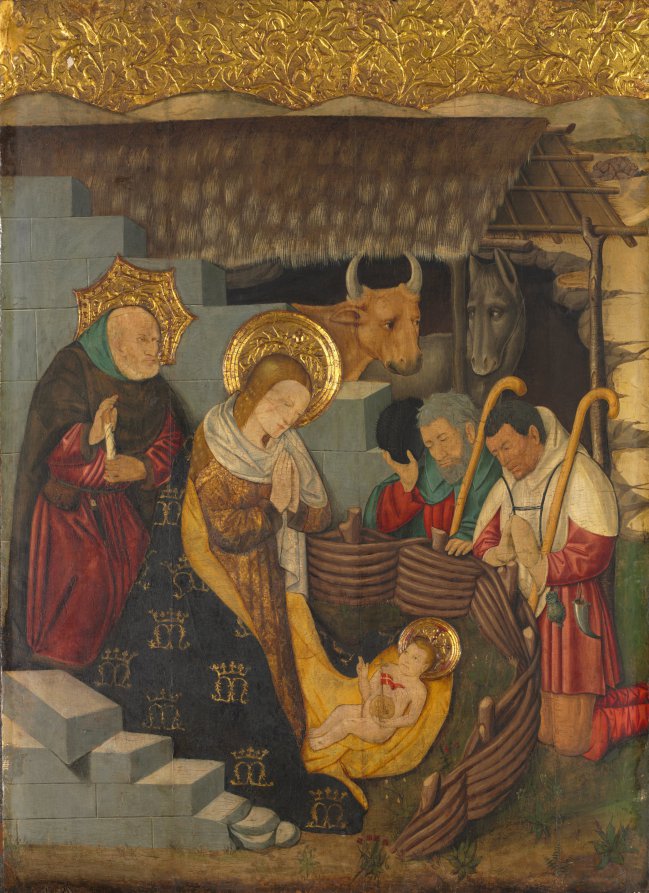
The Nativity
Cleveland Museum of Art
#130982
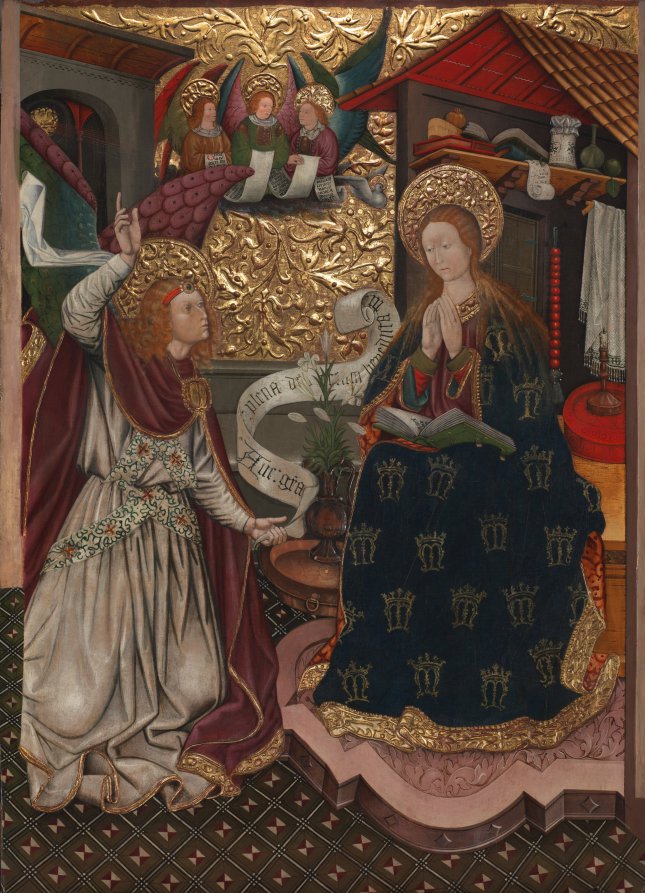
The Annunciation
Cleveland Museum of Art
#130981

Baby Jesus, from Nativity Scene ( 81 pieces)
Minneapolis Institute of Art
#28512
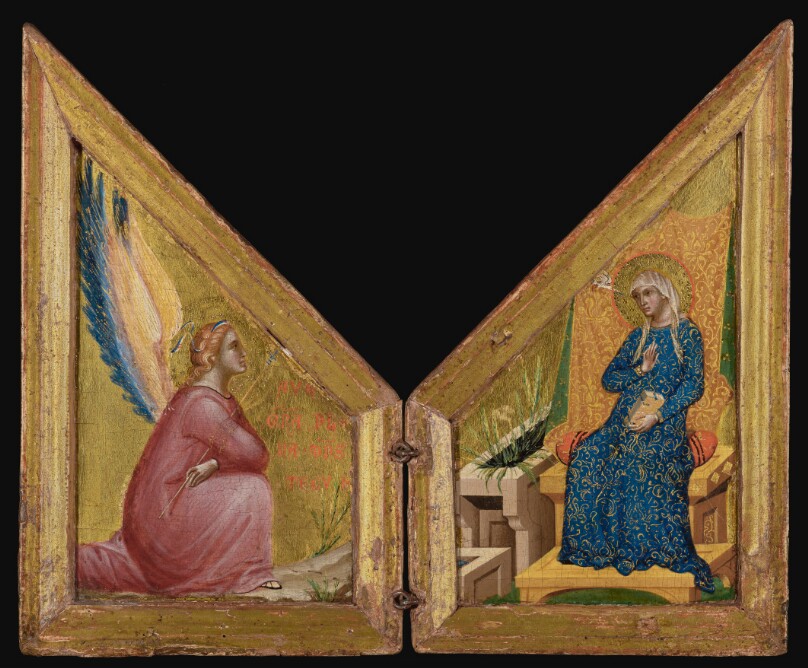
The Annunciation
Getty Museum
#0eb0286a-3454-44ed-862a-05c5aab40818
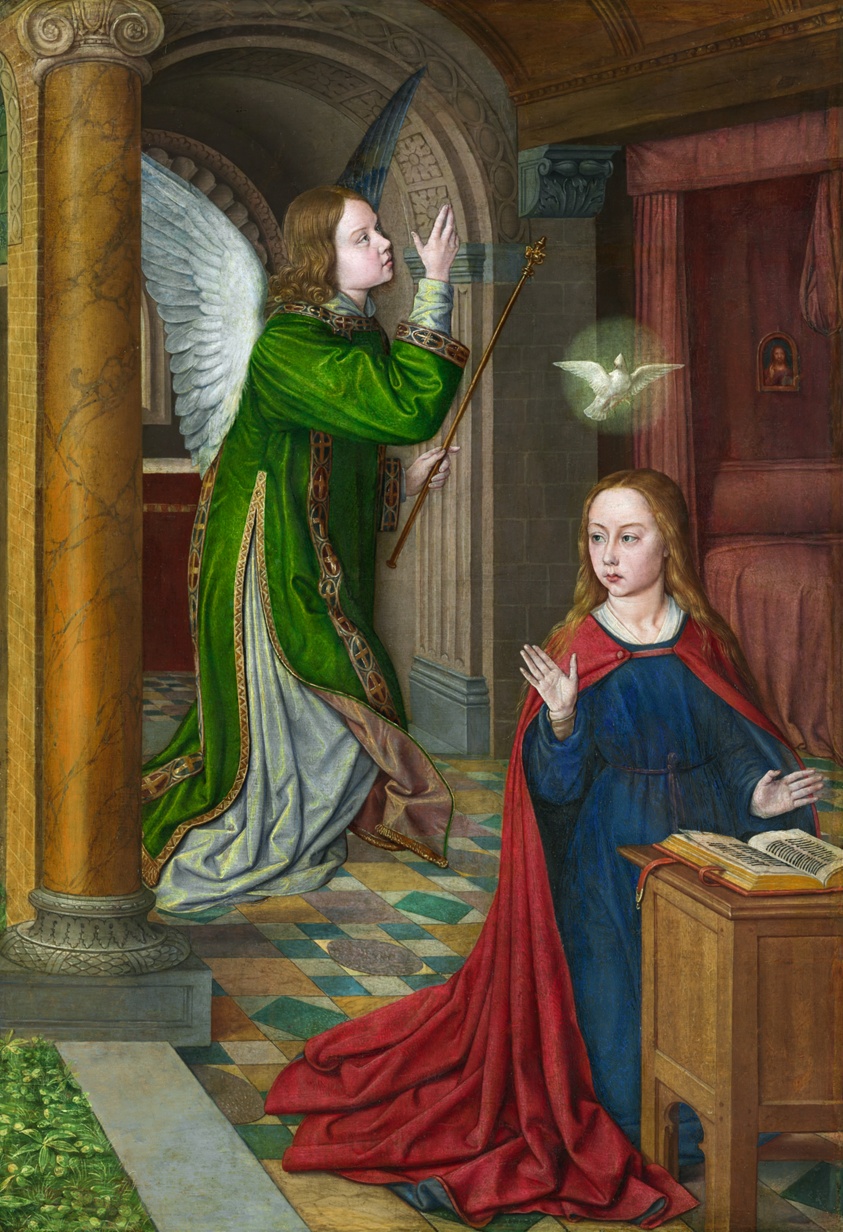
The Annunciation
Art Institute of Chicago
#16327
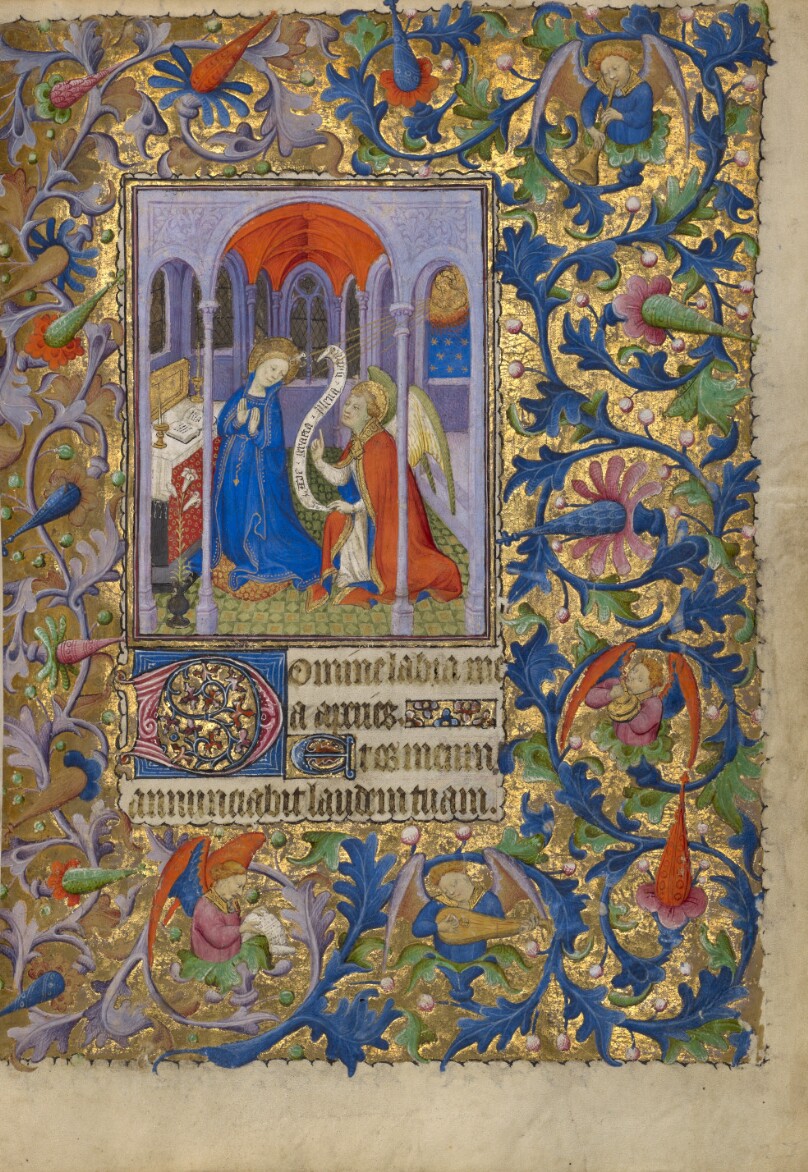
The Annunciation
Getty Museum
#4fe7e5ed-f71b-44c4-b5b4-eb583e3bf896
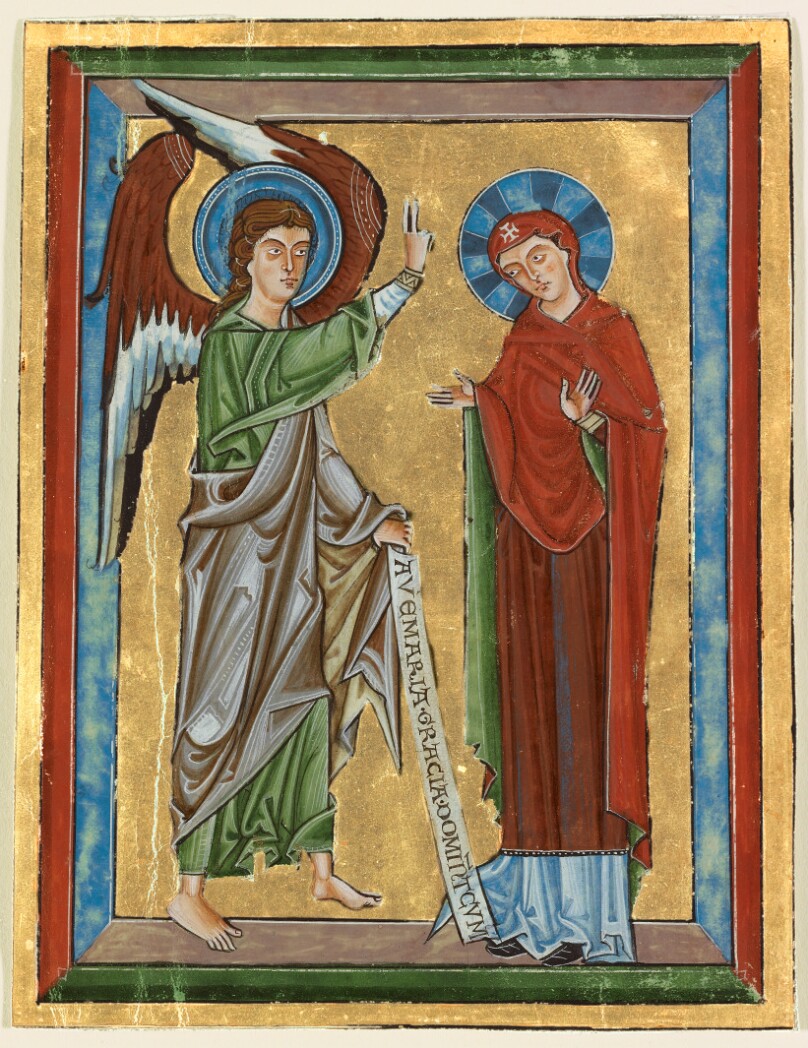
The Annunciation
Getty Museum
#07aae12e-3f20-4793-b207-ec2df2ed56d7
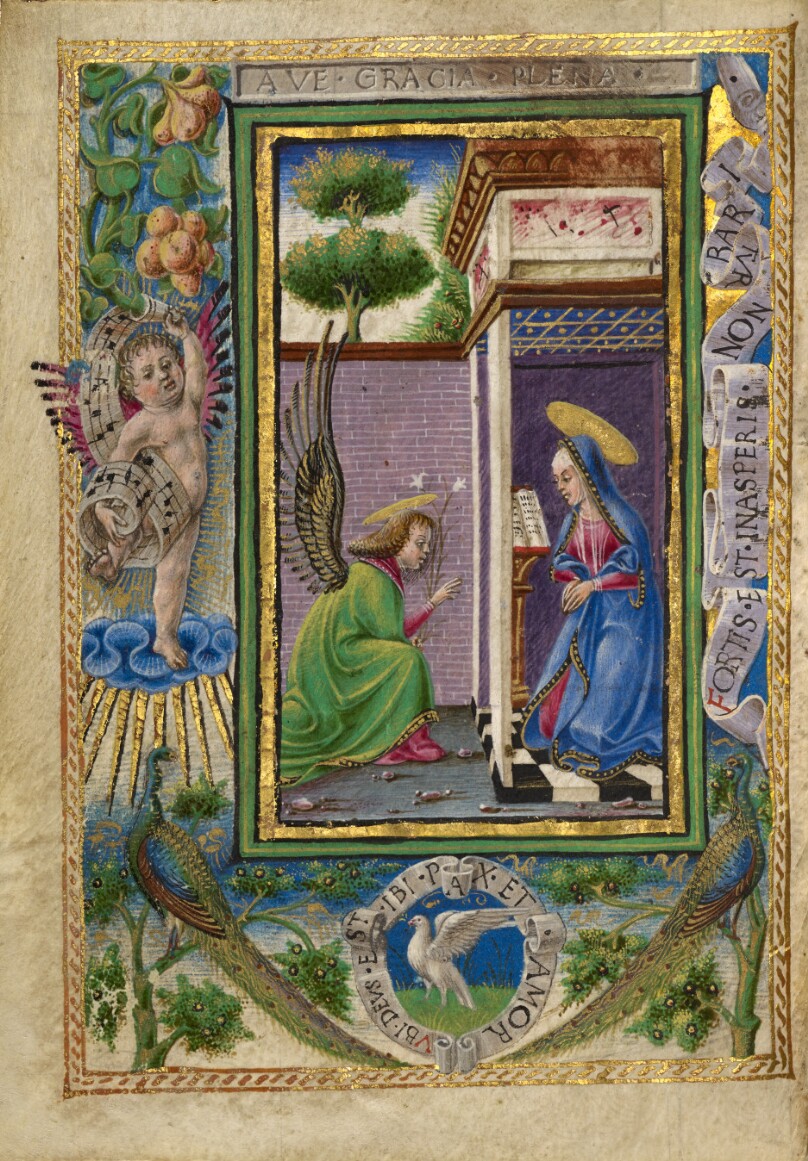
The Annunciation
Getty Museum
#970d92e3-4c15-457e-910b-ddb89ee13708
The Annunciation
Getty Museum
#bd596097-af83-44f7-9830-955dbd868279
The Annunciation
Cleveland Museum of Art
#127572

The Annunciation
Minneapolis Institute of Art
#3204
The Annunciation
Getty Museum
#42b9a21d-6cfc-44b8-847c-35078a6af138