Cleveland Museum of Art
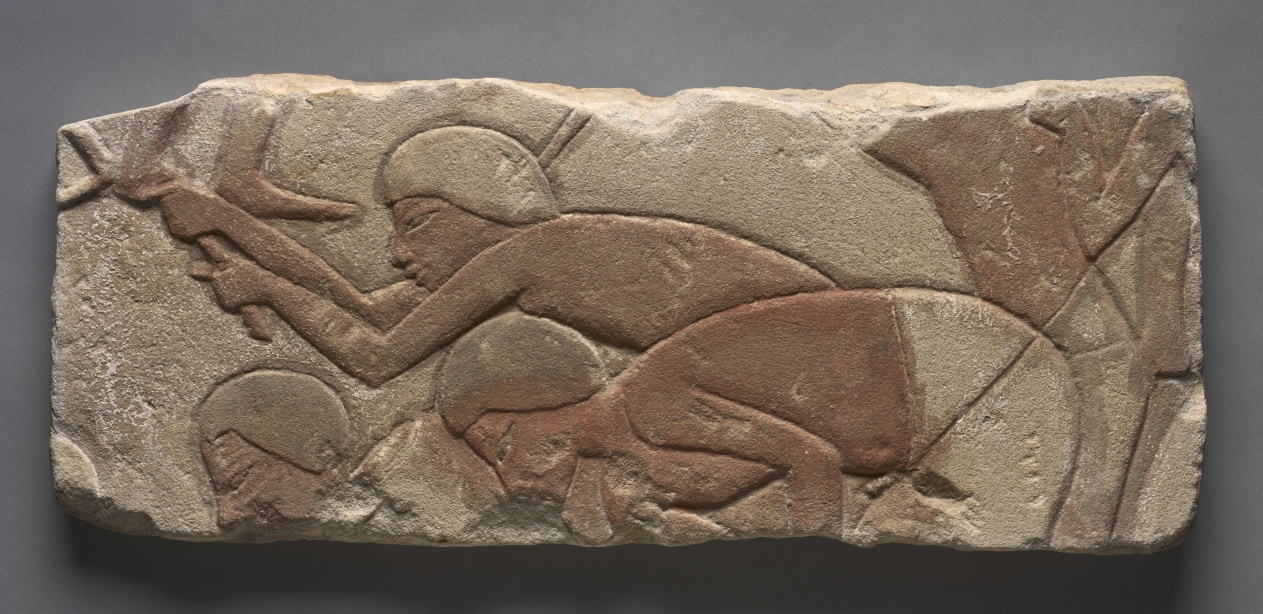
Talatat: Men Hoeing the Earth
- Date
- c. 1353–1347 BCE
- Medium
- painted sandstone
- Culture
- Egypt, Karnak, New Kingdom (1540–1069 BCE), Dynasty 18, reign of Akhenaten (1351–1334 BCE)
- Department
- Egyptian and Ancient Near Eastern Art
- Institution
- Cleveland Museum of Art
- Object ID
- 135657
From the Cleveland Museum of Art record
In the early part of his reign, Amenhotep IV built an enormous temple to the sun disk (Aten) at the east end of the temple of Karnak. To expedite construction, sandstone was quarried in small, regularly sized, easily manageable blocks called talatat. Unlike the huge monoliths typically used in temple construction, talatat could be carried and moved into position by one man. Not all of the temple was built of stone, however. In this block, workmen are shown bent in toil. They once formed part of a panoramic scene depicting the production of mud bricks. The men are involved in the initial stages of this process: hacking up the earth and gathering the raw clay. It is very likely that this talatat represents a distinct historical event, undoubtedly connected with Amenhotep IV’s huge building enterprises at East Karnak.
The authoritative record is held by Cleveland Museum of Art. LinkedCulture surfaces this object and its connections; it does not alter institutional metadata.
Get printable QR codesHide QR codes
Open QR codes for this object page and the museum record. They stay collapsed until needed.
Provenance & credit
As published by the source institution. Coverage varies — not every institution's open-data feed includes ownership history.
- Credit line
- Purchase from the J. H. Wade Fund
- Provenance
- Karnak. Purchased from Mrs. Paul Mallon, Paris
Part of a LinkedCulture topic
 Ancient Egyptian Personal Objects
These objects are cosmetic implements and grooming tools from ancient Egypt, including mirrors, palettes for grinding pigments, and decorative knives, representing daily life and personal adornment practices.
476 objects from 5 institutions
Related across collections
Semantically similar works from Cleveland Museum of Art and other institutions.
Talatat: Portrait of Nefertiti
Cleveland Museum of Art
#135658
Talatat: Nefertiti Offers to the Aten
Cleveland Museum of Art
#135656
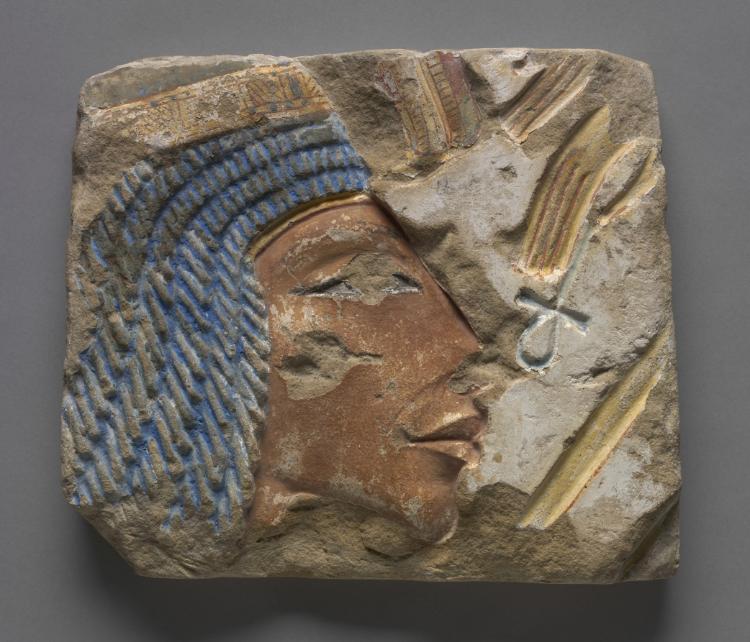
Talatat: Portrait of Nefertiti
Cleveland Museum of Art
#148794
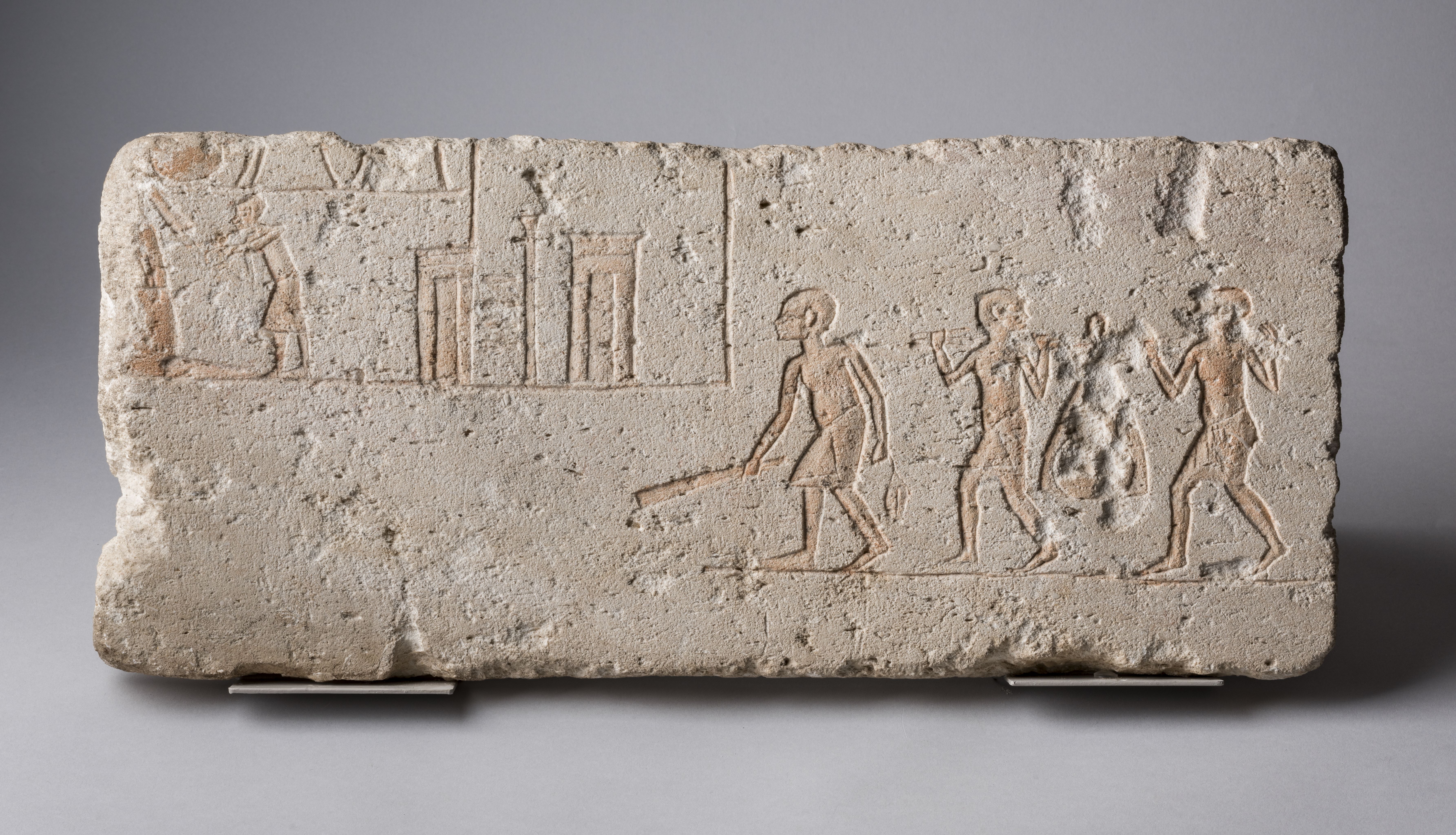
Talatat
Museo Egizio
#Suppl_18143
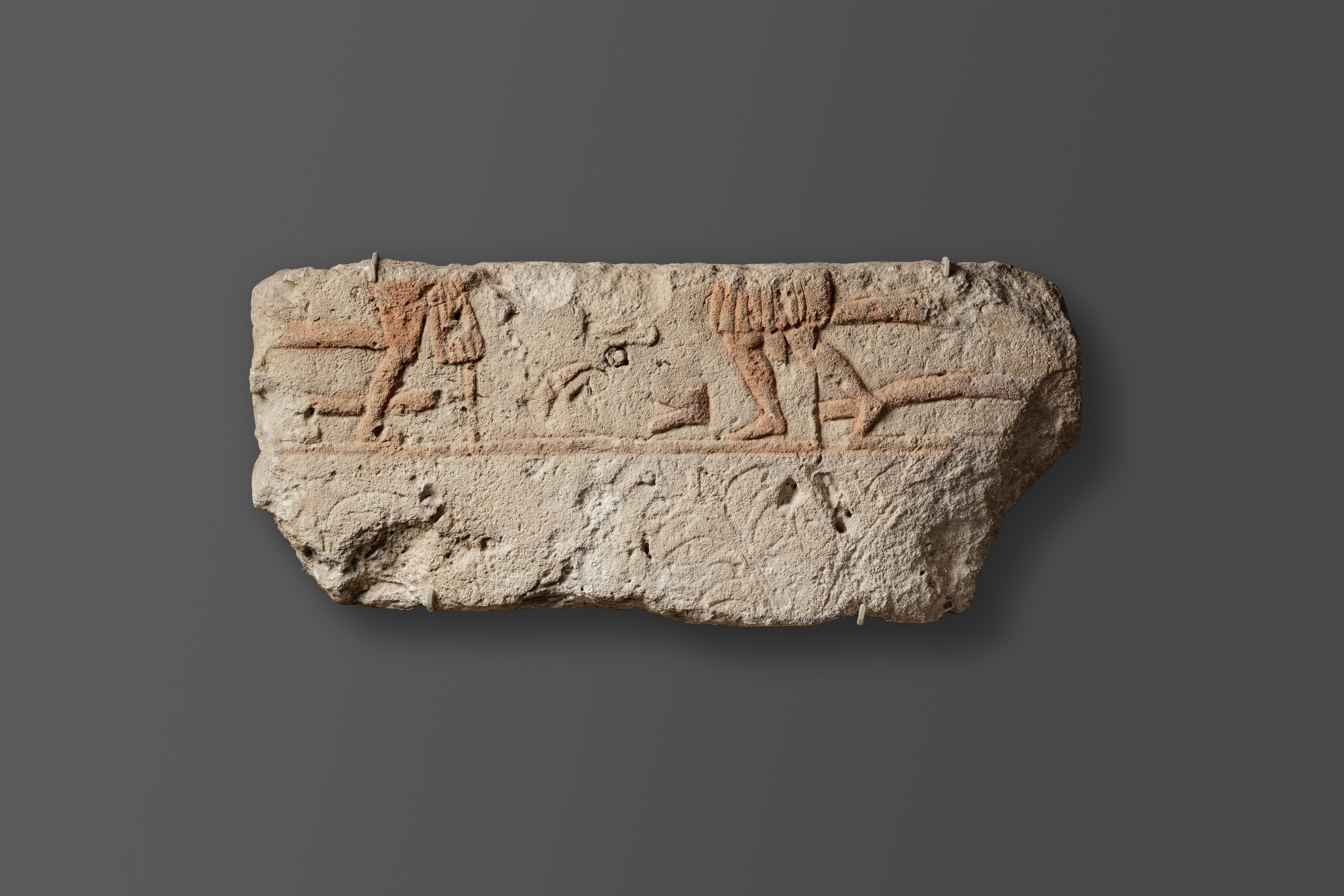
Relief with a construction scene
The Metropolitan Museum of Art
#545018
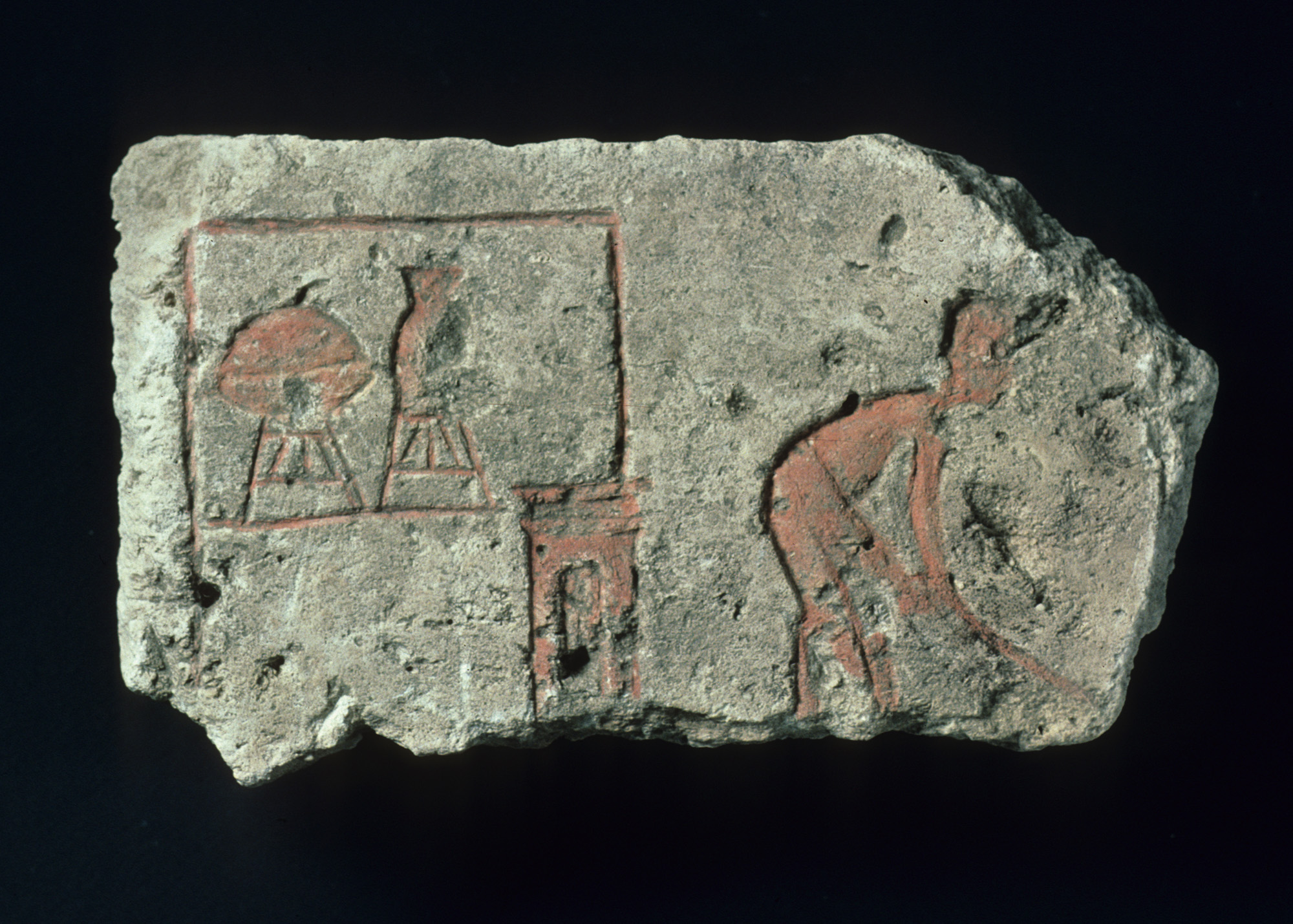
Relief with man sweeping
The Metropolitan Museum of Art
#544968
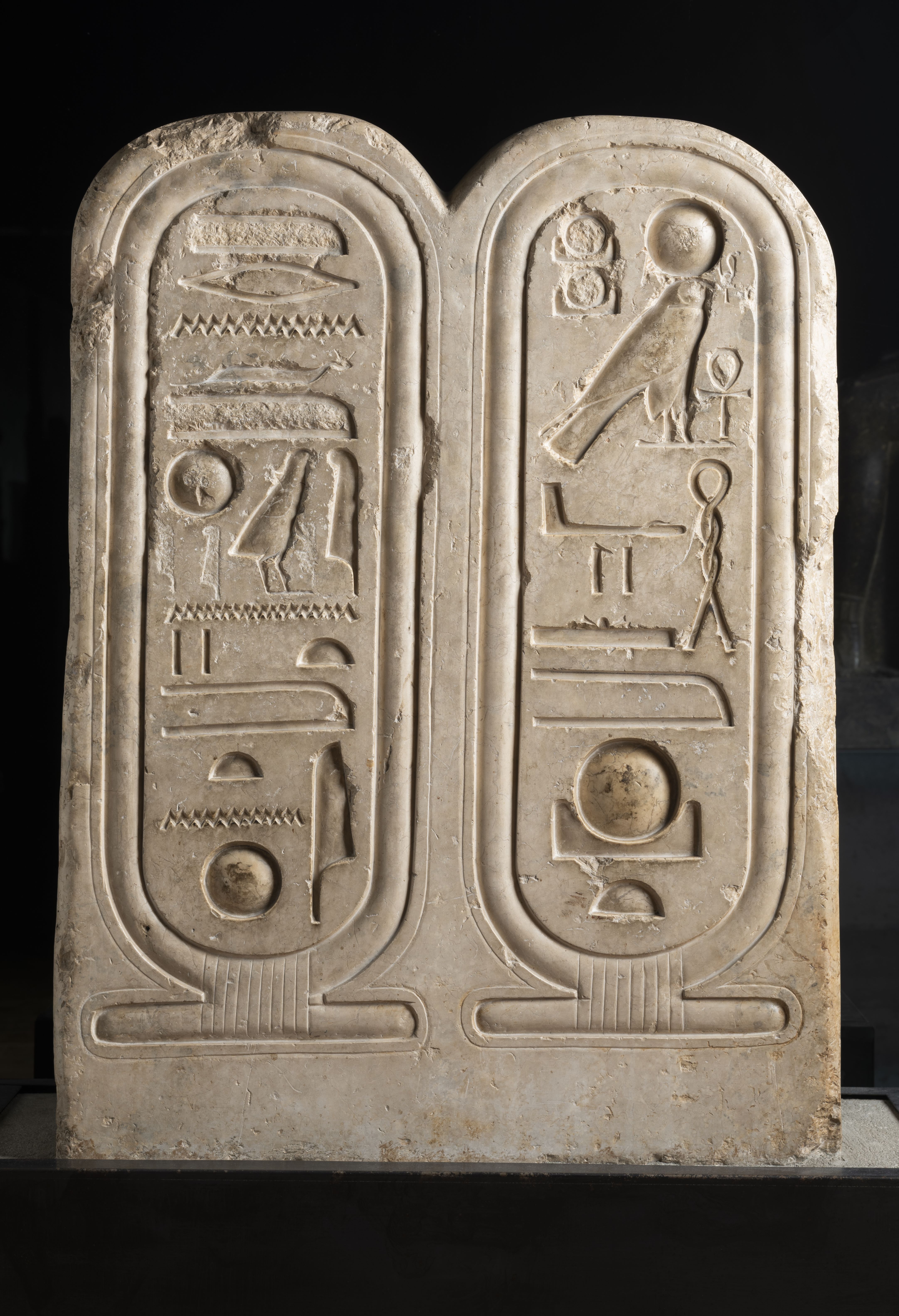
Architectural decoration of the access stairway of a temple of the Aten
Museo Egizio
#Cat_1378
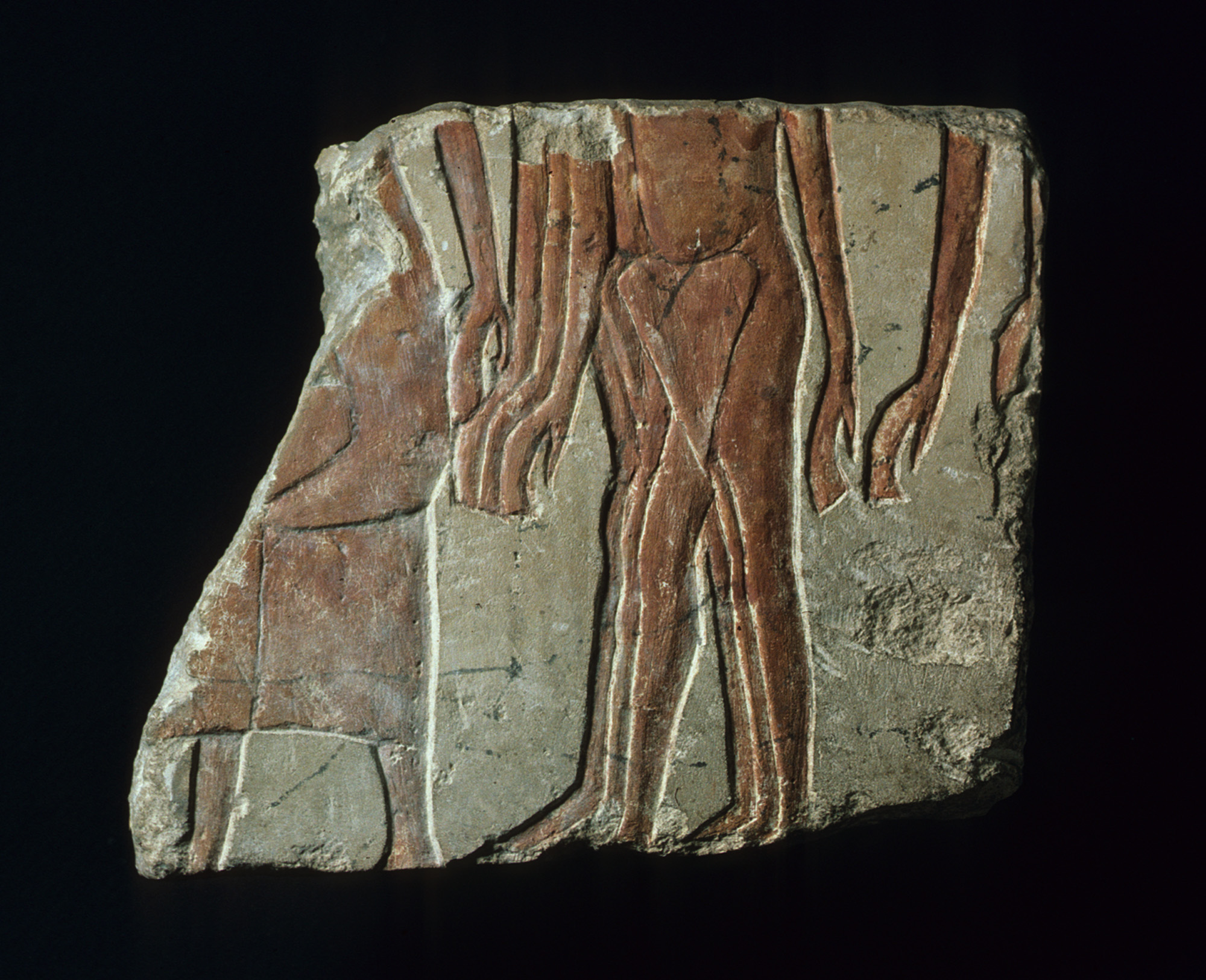
Relief with men following an official
The Metropolitan Museum of Art
#544959
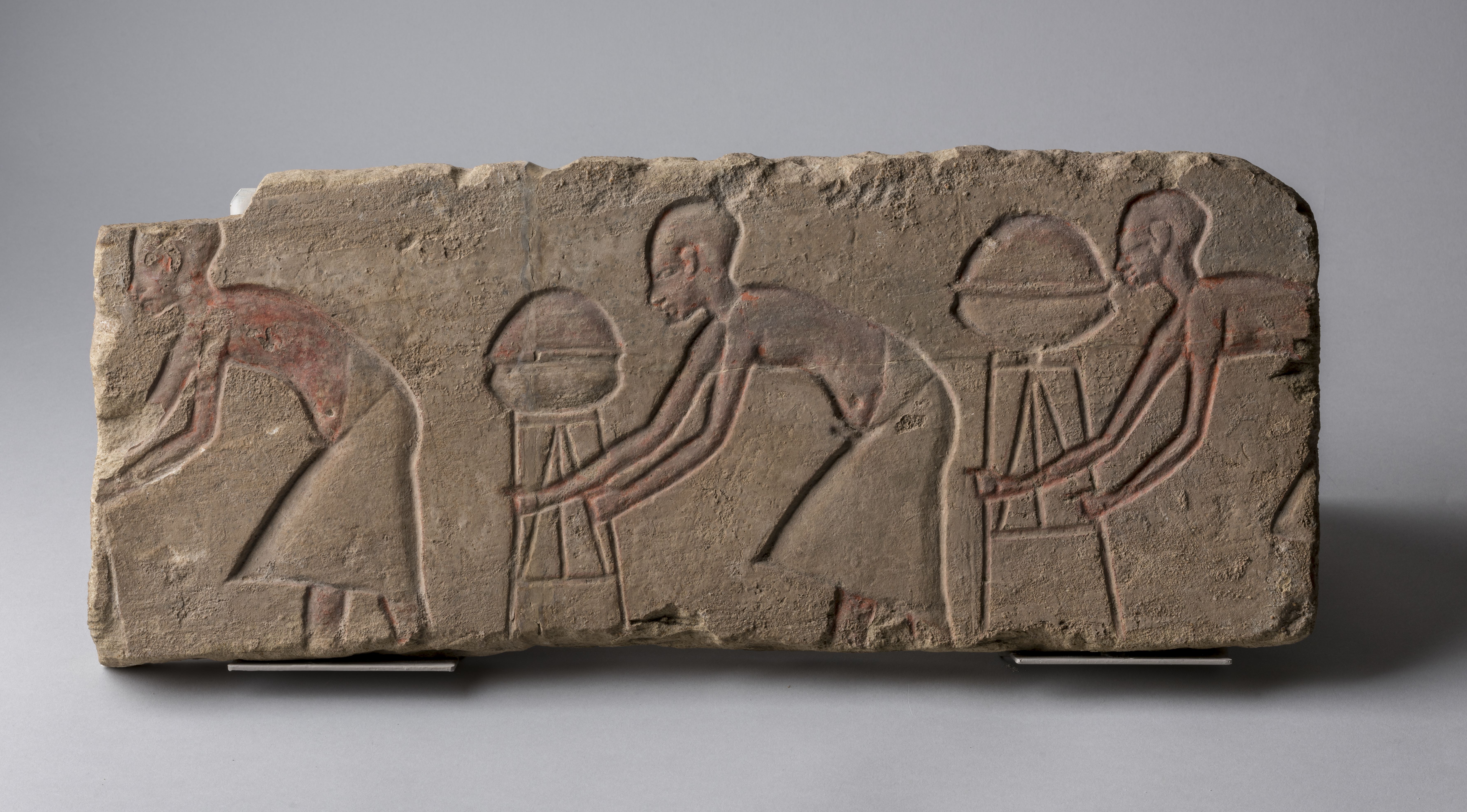
Talatat showing three men offering vases on stands.
Museo Egizio
#Suppl_18050
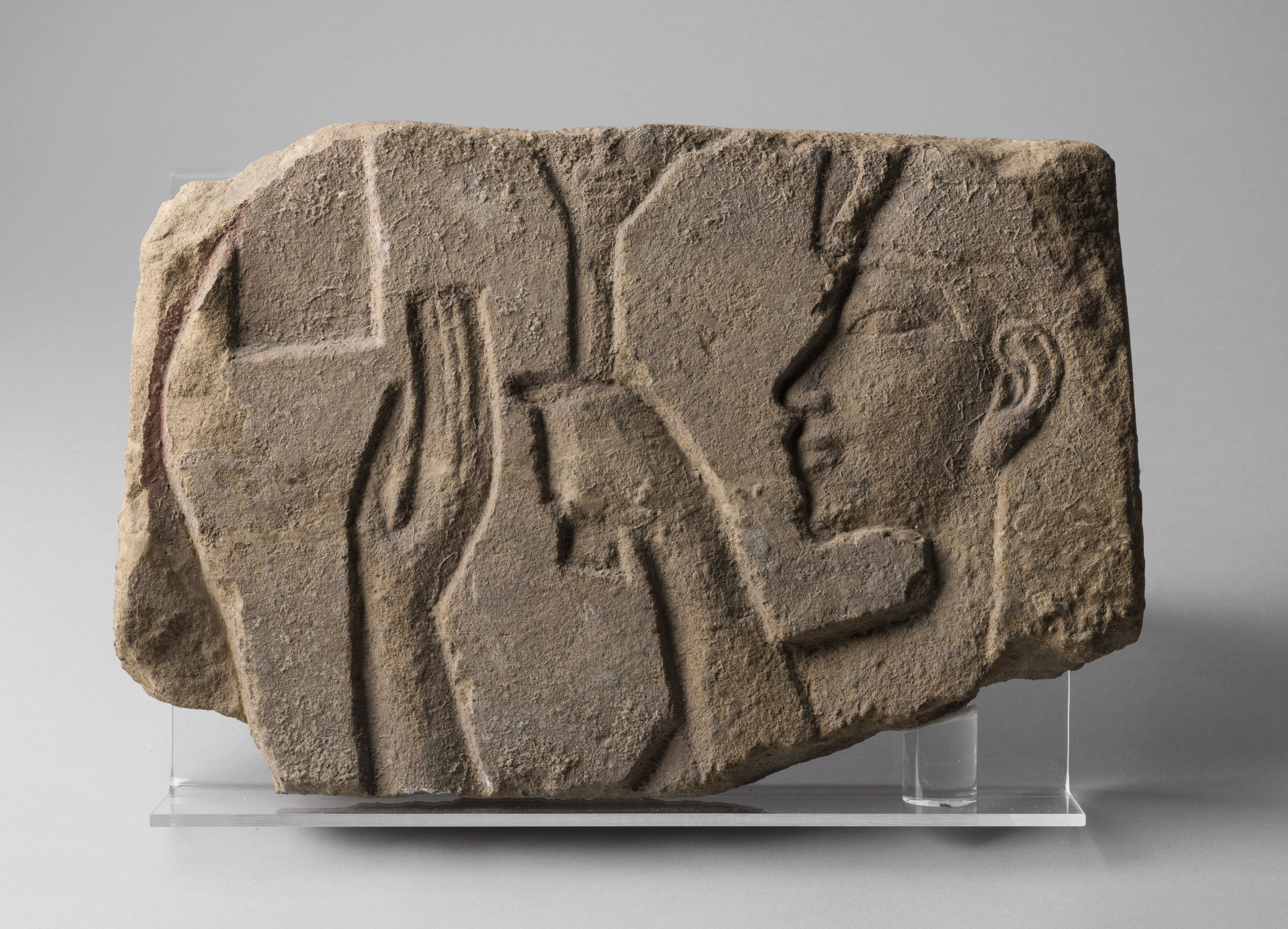
Talatat showing a queen, probably Nefertiti, shaking a sistrum, and the back of a figure of king Akhenaten
Museo Egizio
#Suppl_18053
Relief with temple altars and architecture
The Metropolitan Museum of Art
#545012
Talatat with female worshipers and tambourine players
Museo Egizio
#Suppl_18052