Cleveland Museum of Art
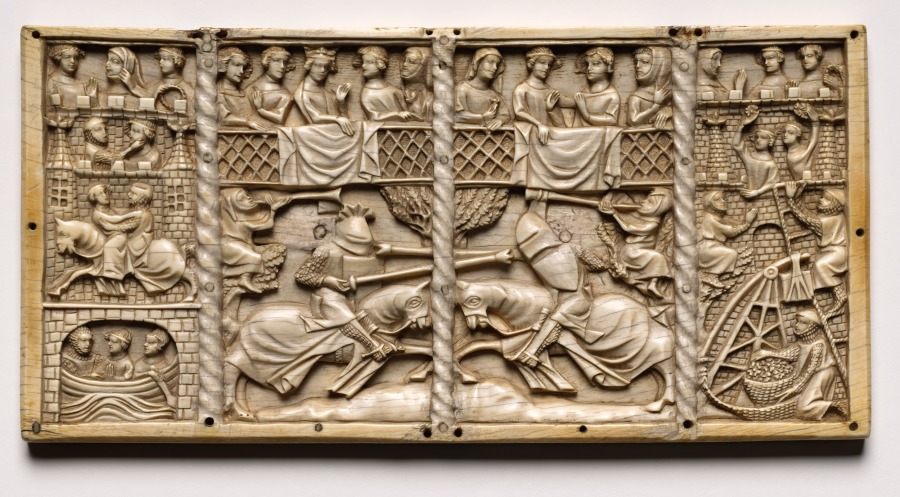
Panel from a Casket with Scenes from Courtly Romances
- Date
- c. 1330–50 or later
- Medium
- ivory
- Culture
- France, Lorraine?, Gothic period, 14th century
- Department
- Medieval Art
- Institution
- Cleveland Museum of Art
- Object ID
- 149380
From the Cleveland Museum of Art record
Among the most lavish and deluxe products of French ivory workshops of the 1300s were large caskets carved with elaborate scenes drawn from courtly romances. The panel shown here comes from such a casket. The largest panel (here) once formed the lid and depicts a tournament, the most splendid and romantic of knightly activities. Just to the right is a favorite allegory of chivalric love: knights assaulting the castle of love. These images suggesting chivalry, fertility, virginity, youth, and an idealized courtly love likely derive from manuscripts including the Roman de la Rose and the poems of Chrétien de Troyes. Such texts were often found within the libraries of the aristocracy, so the casket’s symbolic images would have been readily understood. Such caskets may have originally been gifts between a man and a woman. The expense of the material, ivory, suggests they were produced for an elite, aristocratic clientele. Two knights in mail surcoats and helms joust here with blunted lances "for courtesy," a version of the joust known as the Joust of Peace.
The authoritative record is held by Cleveland Museum of Art. LinkedCulture surfaces this object and its connections; it does not alter institutional metadata.
Get printable QR codesHide QR codes
Open QR codes for this object page and the museum record. They stay collapsed until needed.
Provenance & credit
As published by the source institution. Coverage varies — not every institution's open-data feed includes ownership history.
- Credit line
- John L. Severance Fund
- Provenance
- Trivulzio, Milan (before 1897); Robert von Hirsch, Frankfurt (until 1933) and Basel (sale, Sotheby Parke Bernet, London, 22 June 1978, no. 290).
Related across collections
Semantically similar works from Cleveland Museum of Art and other institutions.
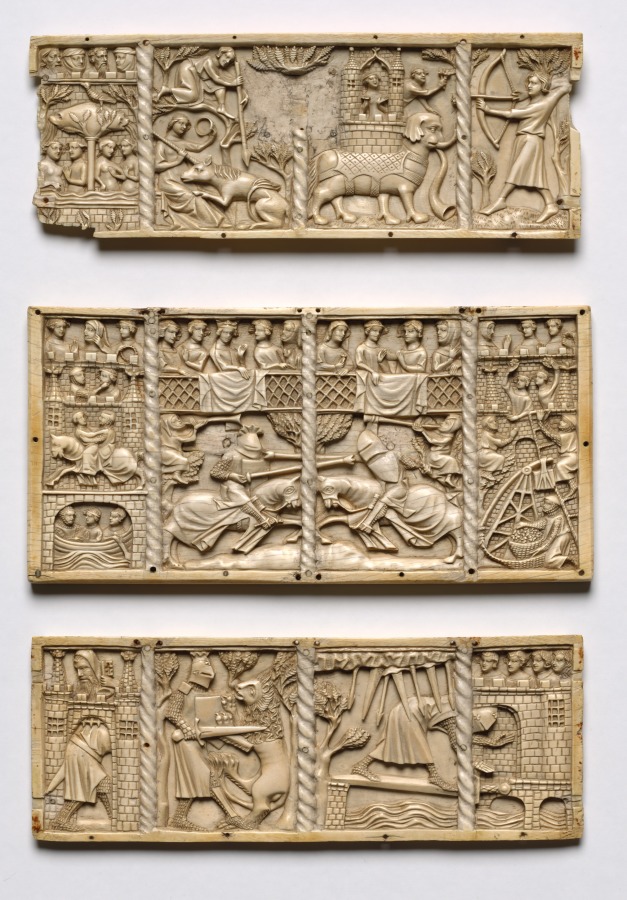
Set of Three Panels from a Casket with Scenes from Courtly Romances
Cleveland Museum of Art
#149379
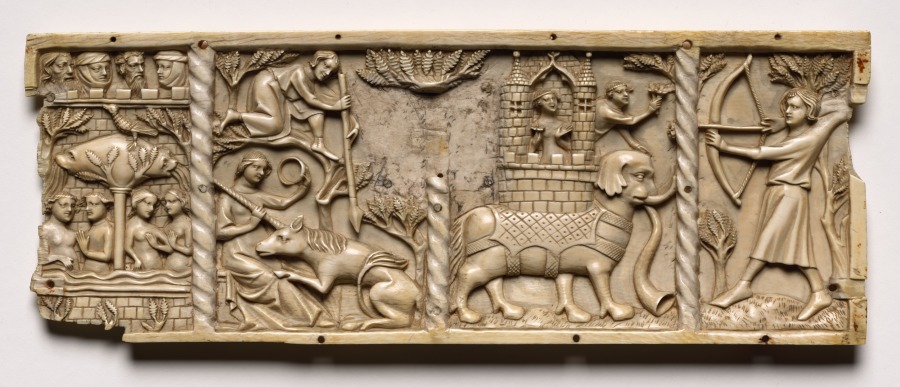
Panel from a Casket with Scenes from Courtly Romances
Cleveland Museum of Art
#149381
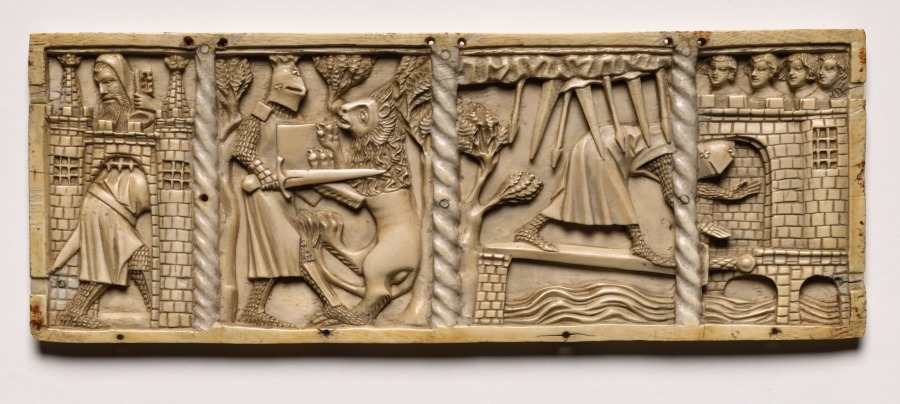
Panel from a Casket with Scenes from Courtly Romances
Cleveland Museum of Art
#149382
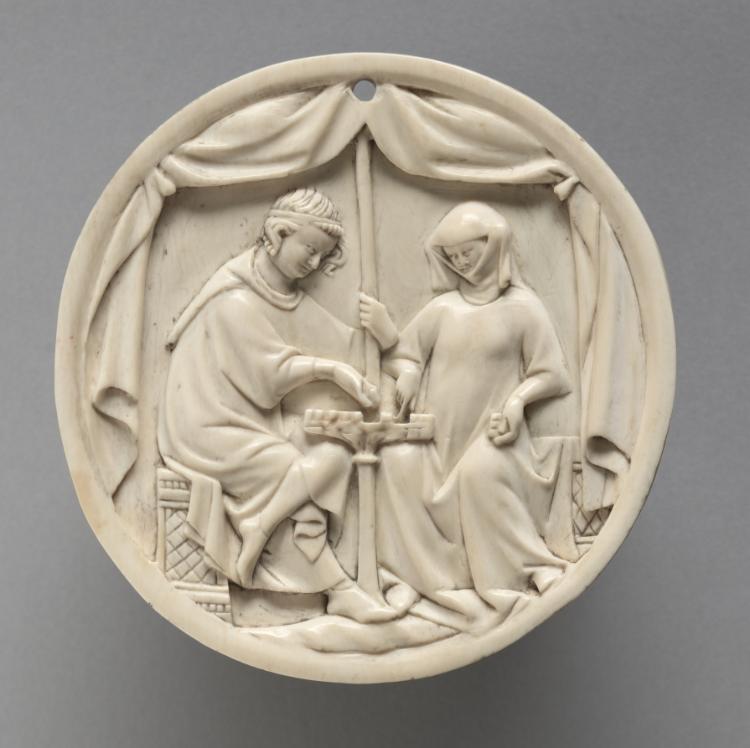
Mirror Case with a Couple Playing Chess
Cleveland Museum of Art
#119014
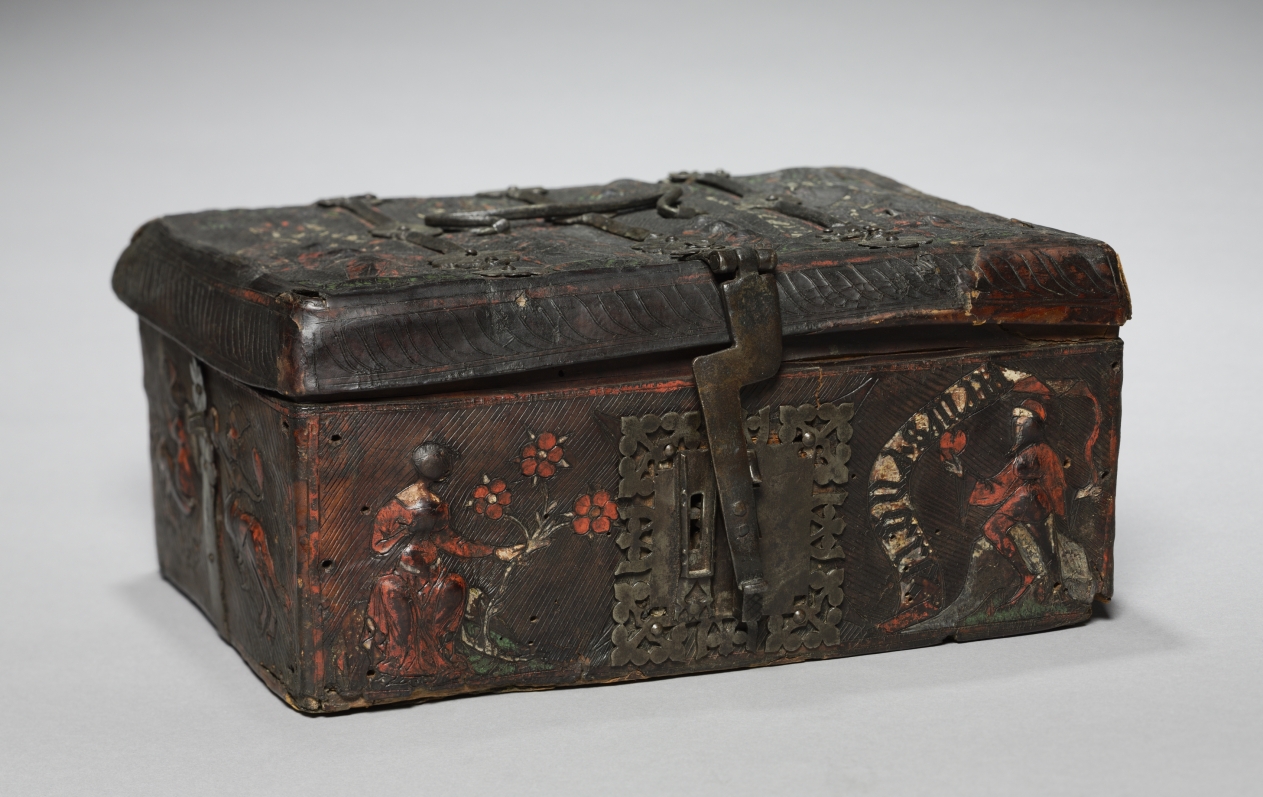
Leather Casket with Scenes of Courtly Love
Cleveland Museum of Art
#160939
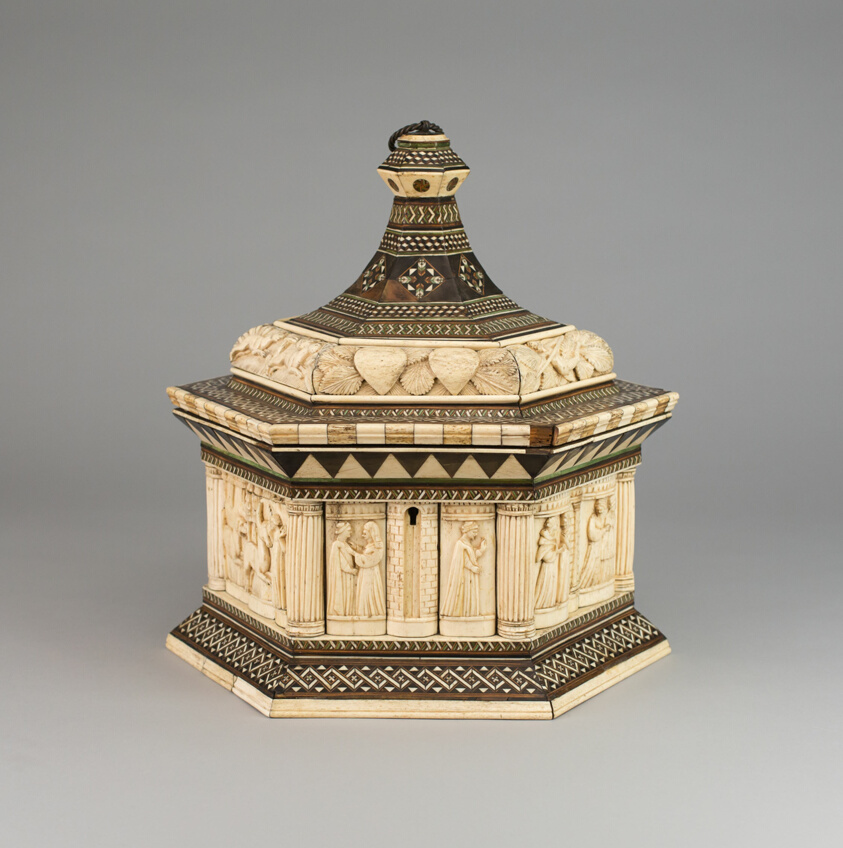
Casket
Art Institute of Chicago
#107681
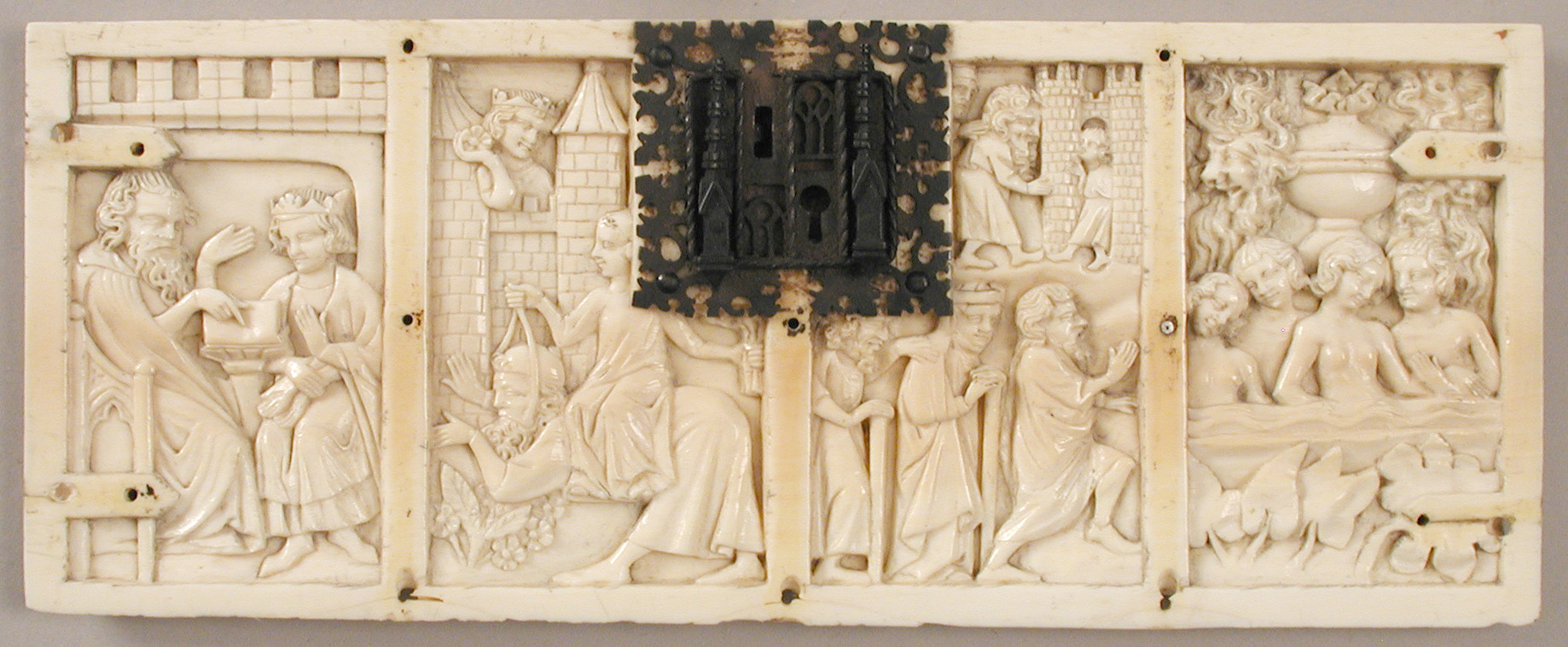
Panel from a Box with Scenes from Romance Literature
The Metropolitan Museum of Art
#464126

Panel with Hunting Scenes
The Metropolitan Museum of Art
#475488
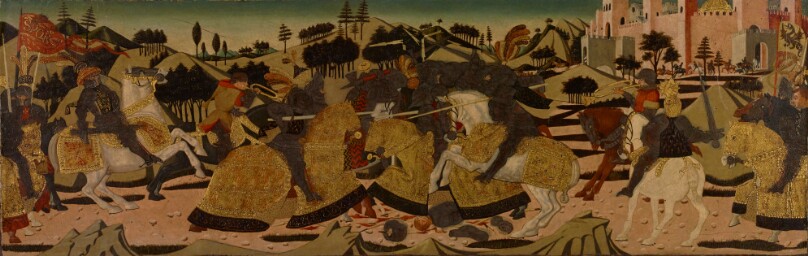
Battle Scene
Getty Museum
#ad7fe44e-45ec-4e10-90f1-9de86cf5416b
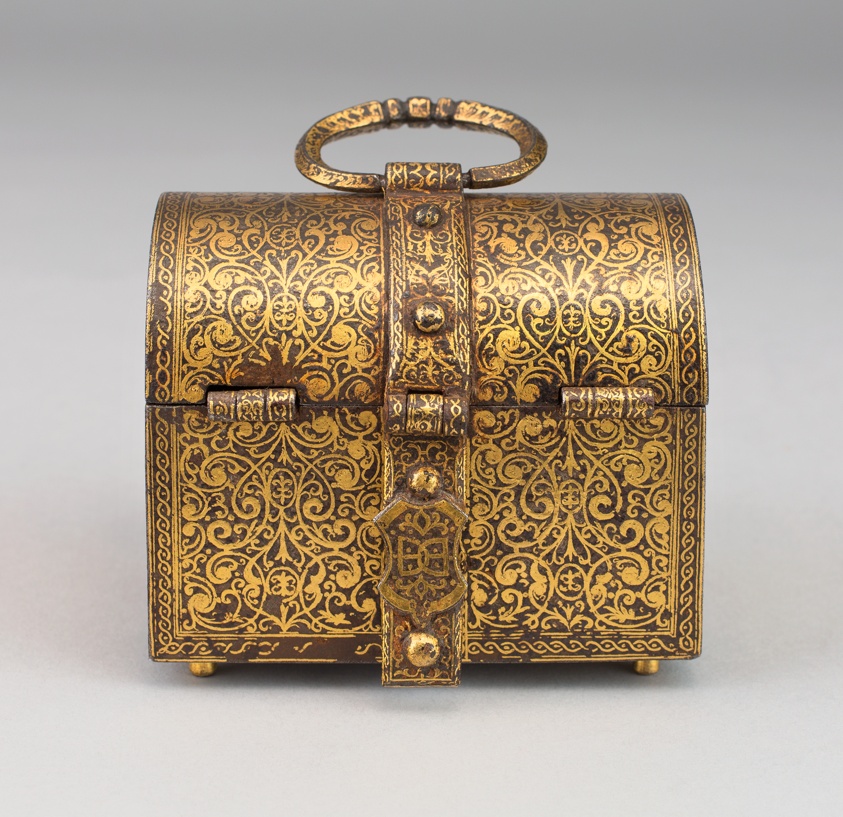
Casket
Art Institute of Chicago
#230001
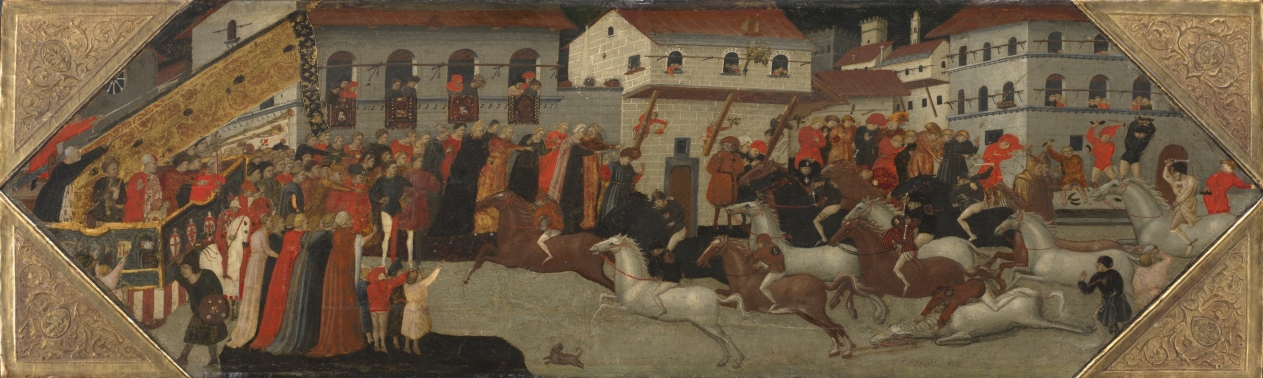
Panel from a Cassone: The Race of the Palio in the Streets of Florence
Cleveland Museum of Art
#97165
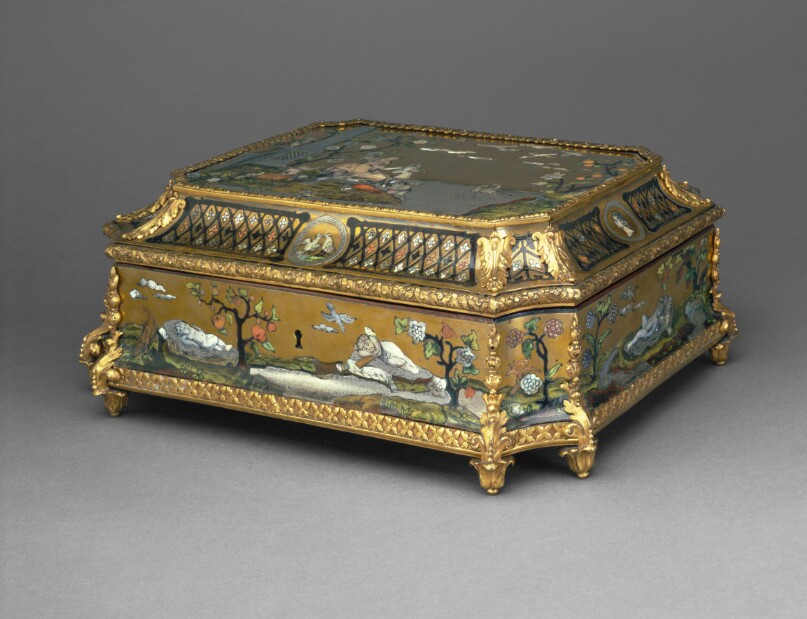
Casket (Carré de toilette)
Getty Museum
#f6a78cb7-d5b8-4d8c-a696-55b68cd356dd