Cleveland Museum of Art
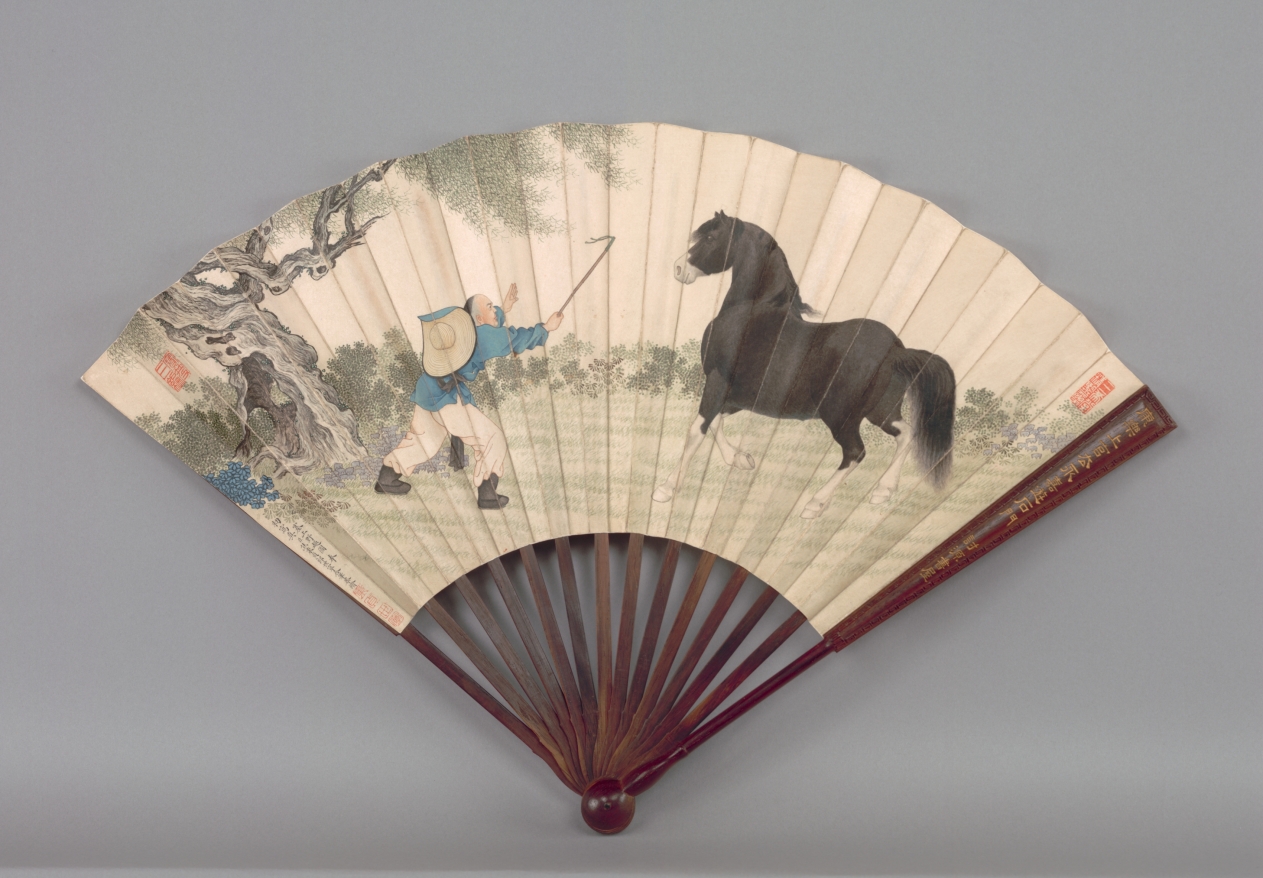
A Vignette of Life on the Frontier
Jiao BingzhenLinkedCulture matchlcp-1ad3b13542d4
- Date
- c. 1717–22
- Medium
- Folding fan; ink and color on paper
- Culture
- China, Qing dynasty (1644-1911), Kangxi period (1662-1722)
- Department
- Chinese Art
- Institution
- Cleveland Museum of Art
- Object ID
- 149590
From the Cleveland Museum of Art record
Jiao Bingzhen, a court painter largely active during the reign of the Kangxi Emperor, was the senior artist on this fan. Jiao painted the Manchu horse trainer and the setting into which the horse was inserted by Giuseppe Castiglione. Each artist was bonded to his own artistic tradition, while flexibly and harmoniously accommodating the others’ style. Jiao’s brushwork displays rigor and control, particularly in the twisting and turning trunk of the willow. The treatment of the figure and his clothes is an exercise in linearity. The horse trainer’s gesture and posture closely adhere to the known repertoire of the Chinese figural tradition, but the specificity supplies a sense of documentary reportage of life on the frontier. His shaved forehead and white temples identify him as a Manchu. The thick fabric of his garments was defined in a different sort of brush line than Jiao typically used for Chinese scholars or travelers. Jesuit priest Castiglione, a newcomer to China at the time this was painted, brought a sense of Western realism to the horse. Poised at a slight angle, the horse is alert, its eye gleaming. Its contours suggest the bulk of its anatomy with skilled but not overpowering modelling, and careful and subtly wrought attention to detail, such as fluttering strand of mane. Because of his ability to combine traditional Chinese painting techniques with Western methods of perspective and chiaroscuro, Castiglione went on to be the most favored and honored of the missionary artists who served the early Qing emperors. Throughout his career, in addition to imperial demands for portraits and records of court events, Castiglione continued to paint favored imperial horses. These animal subjects reflect the desire of Kangxi and his successors to celebrate their nomadic origins and to keep alive the martial prowess of the Manchu warriors in their new and sedentary world of conquered China. One horseshoe is visible beneath the uplifted hoof.
The authoritative record is held by Cleveland Museum of Art. LinkedCulture surfaces this object and its connections; it does not alter institutional metadata.
Get printable QR codesHide QR codes
Open QR codes for this object page and the museum record. They stay collapsed until needed.
Provenance & credit
As published by the source institution. Coverage varies — not every institution's open-data feed includes ownership history.
- Credit line
- Gift of Eleanor and Morris Everett
- Provenance
- Qing imperial collection (seals of the Qianlong Emperor, r. 1736–1795) | ?–1979: (David Newman [1936–2012], London, England, sold to the Cleveland Museum of Art) | 1979–: The Cleveland Museum of Art, Cleveland, OH
Related across collections
Semantically similar works from Cleveland Museum of Art and other institutions.

Riding in the Mountains
Minneapolis Institute of Art
#4562
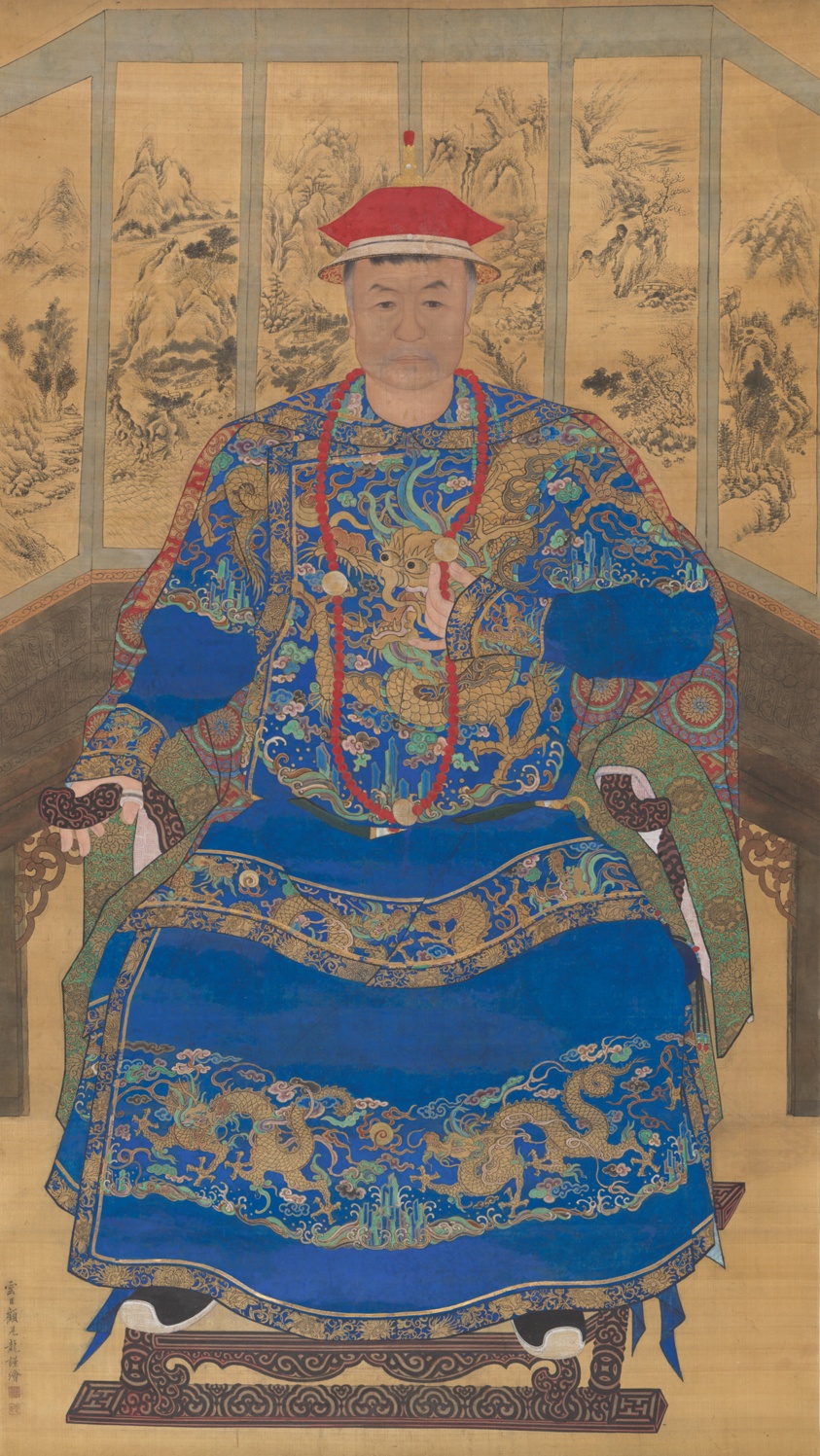
Portrait of a Manchu Prince
Art Institute of Chicago
#241750

Scholar Beneath Pines on Riverbank
Minneapolis Institute of Art
#127675

Scenes of riding, leisure, and the hunt
Minneapolis Institute of Art
#124692
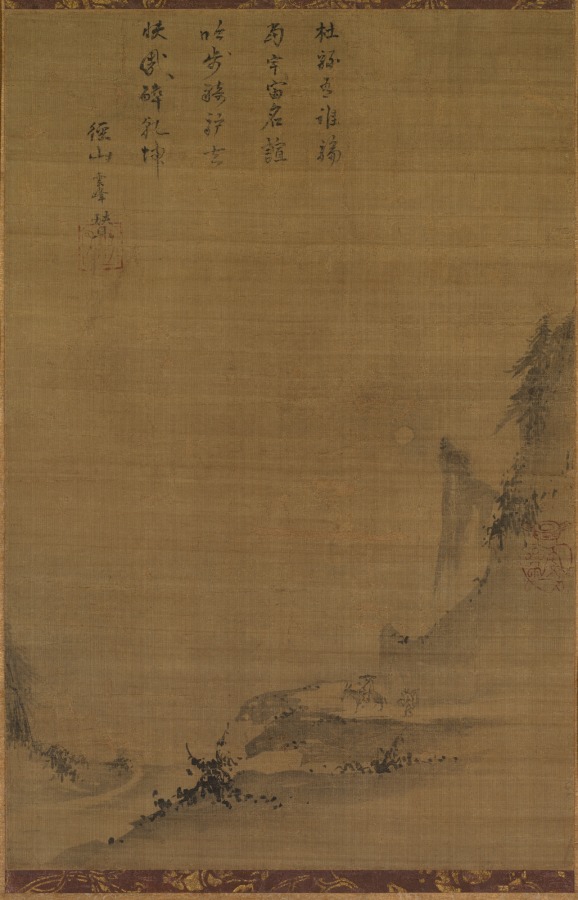
Mountain Landscape in Moonlight
Cleveland Museum of Art
#153729

Portrait of the Scholar Juan Yuan
Minneapolis Institute of Art
#61313
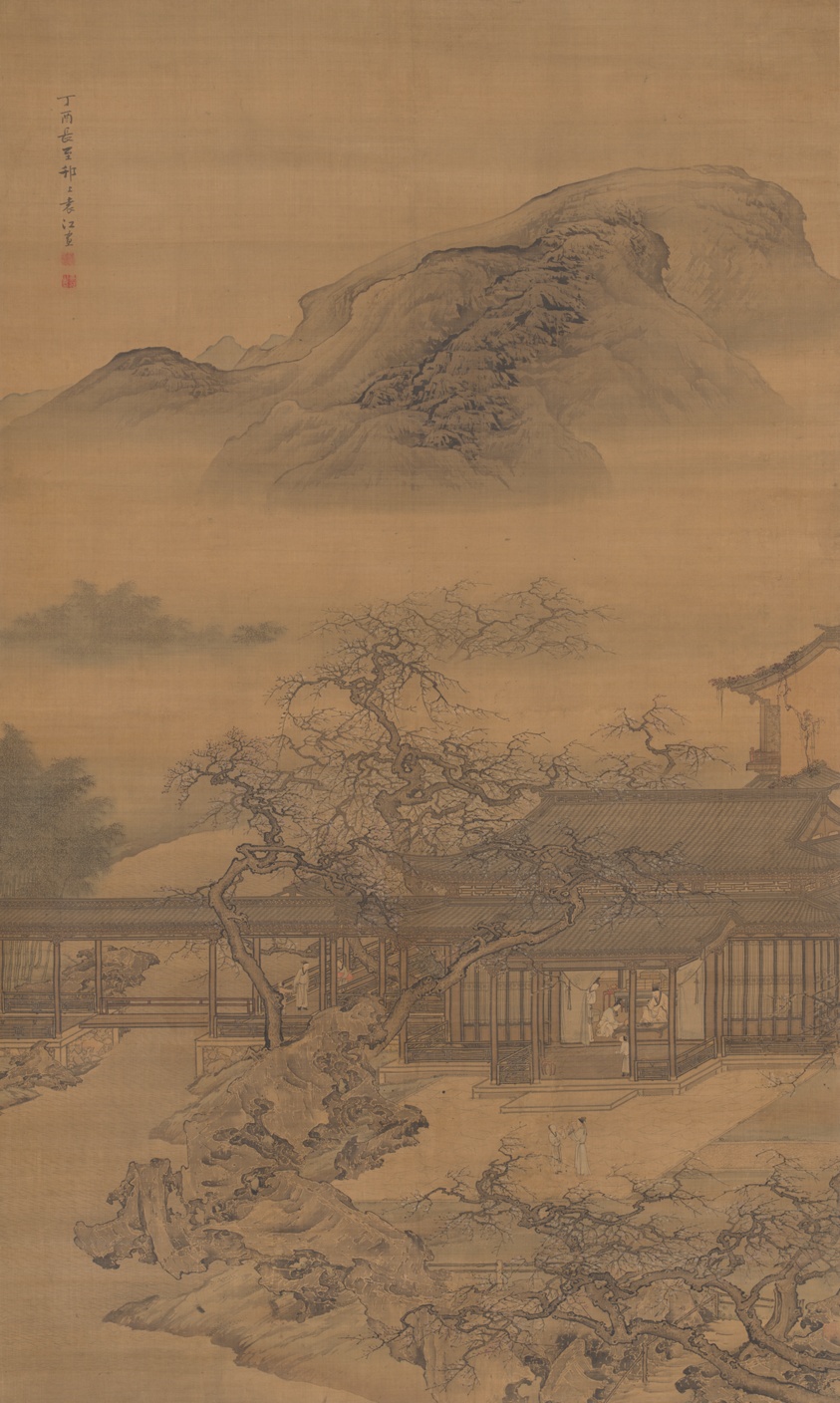
Spring Arriving in the Han Palace 漢宮春曉圖
Art Institute of Chicago
#50983
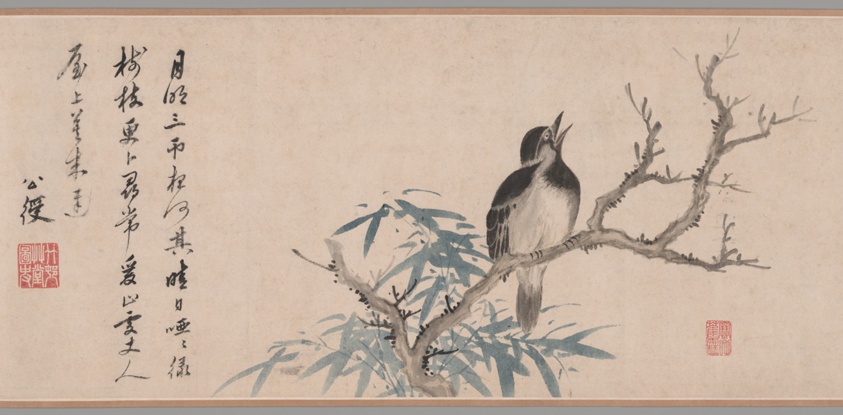
Pillars of the Country
Art Institute of Chicago
#79507
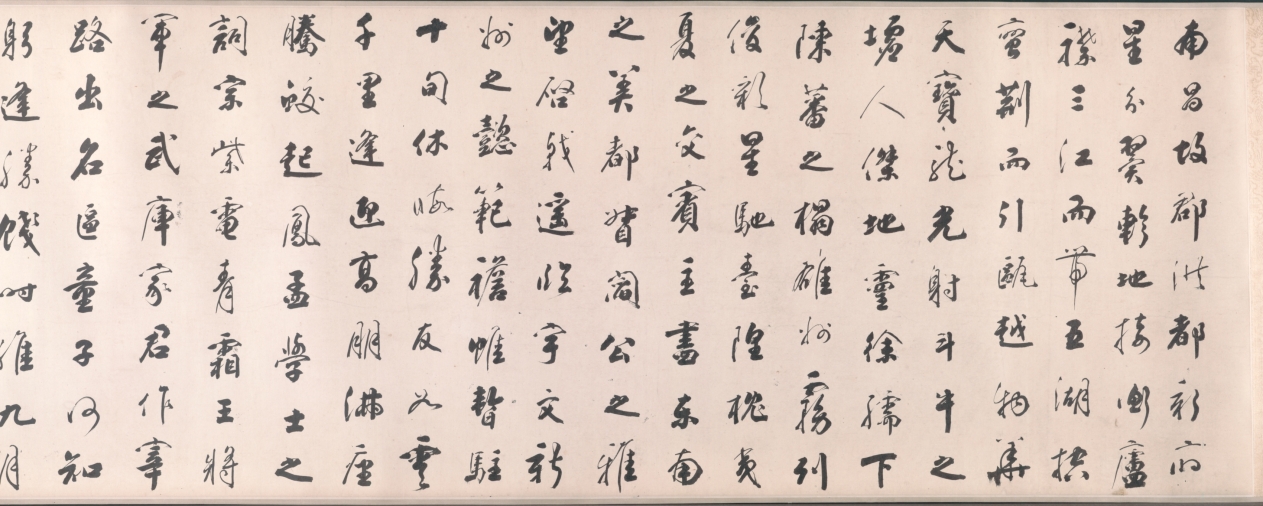
Calligraphy in Running Style based on Wang Bo's Essay on Tengwang Pavilion
Cleveland Museum of Art
#162091
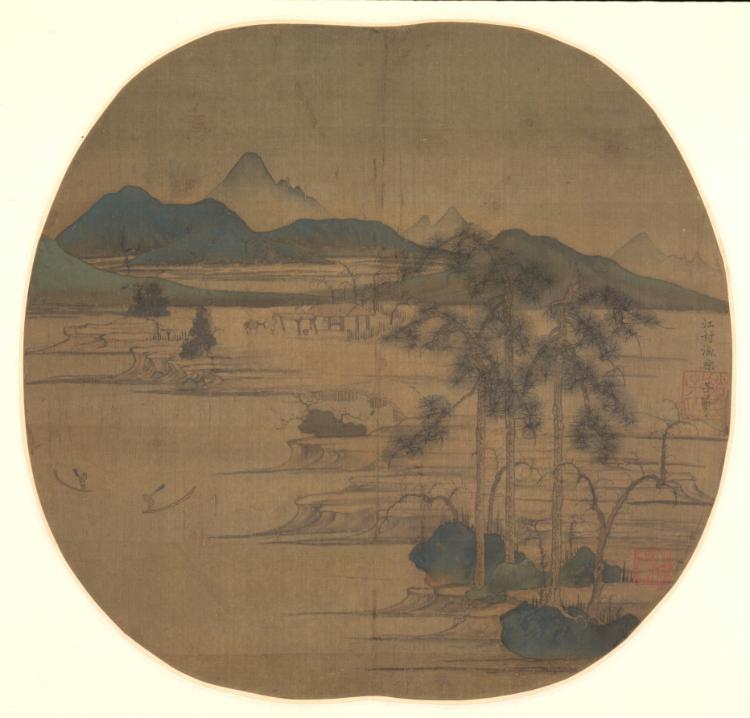
River Village: Fisherman's Joy
Cleveland Museum of Art
#149413

Misty River and Layered Peaks
Minneapolis Institute of Art
#5181
![Views of the Xiao and Xiang Rivers [left of a pair]](https://2.api.artsmia.org/800/19784.jpg)
Views of the Xiao and Xiang Rivers [left of a pair]
Minneapolis Institute of Art
#19784