Cleveland Museum of Art
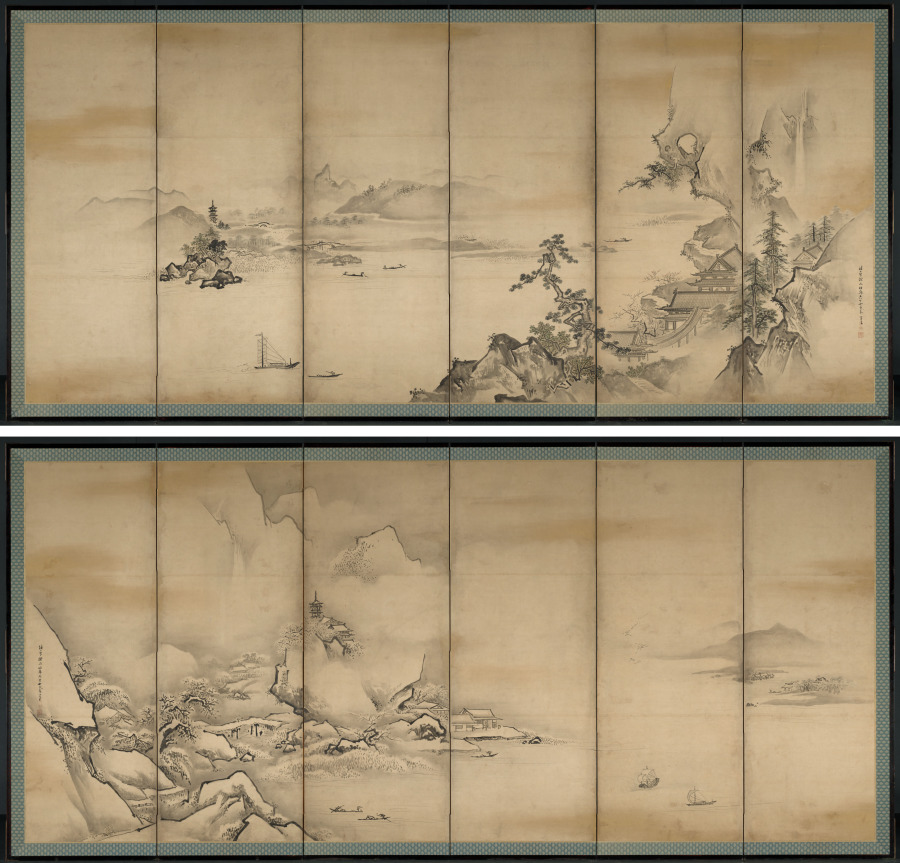
The Four Seasons
Kano Tan’yūLinkedCulture matchlcp-5ec56712c010
- Date
- 1668
- Medium
- pair of six-panel folding screens, ink and slight color on paper
- Culture
- Japan, Edo period (1615–1868)
- Department
- Japanese Art
- Institution
- Cleveland Museum of Art
- Object ID
- 156808
From the Cleveland Museum of Art record
Tan'yū's skills were honed early within the regimen of the Kano family's painting studio. His grandfather, Eitoku (1543–1590) was the Momoyama period's most sought-after painter, a champion of colorful, large-scale painting compositions who worked for several of the country's most powerful leaders. When the young Tan'yū was summoned to Edo in 1617 by the shogun to become a member of the new capital's official painting studio, few opportunities to work on similarly ambitious projects existed. Yet by the end of his career, Tan'yū had supervised the execution and installation of linked mural painting compositions in several of Japan's most prestigious residences and castles. As an official court painter to the first shogun, Tokugawa Ieyasu (reigned 1603–5), and then his successors, Tan'yū appears to have successfully juggled his official duties with private activities as a teacher, as the era's leading connoisseur of classic Chinese and Japanese painting, and as a practicing artist. His surviving compositions as well as thousands of sketches far surpass the oeuvre of any of his contemporaries. While studio assistants surely contributed to his oeuvre, just as later imitators consciously confused his accomplishments, a clearer image of the painter has emerged in recent years that better conforms with his contemporary acclaim as recorded in seventeenth- and eighteenth-century documents. Tan'yū can now be seen as an artist adept in virtually all traditional ink painting subject matter, which he often presented in novel interpretations. Equally important are his rare screen (byōbu) compositions executed in a pure yamato-e manner with vivid mineral pigments on a gold-foil background. This pair of byōbu presents Tan'yū's more orthodox approach to academic ink painting methods embracing Chinese themes that had been interpreted by numerous Japanese ink painters over the centuries. Thus a typical view of residences and human activities set along the shores of an impressive river (or lake) is enlivened by the Japanese proclivity for including seasonal references. Proceeding from right to left, the viewer passes sequentially from spring to the snow-laden branches of winter. Tan'yū lends considerable atmospherics to the panorama in his use of misty cloud banks, frequently set off by sharp, darkened ink lines or whole areas of ink washes of variegated tonalities. The spring and summer views are particularly notable in this regard, as is the presence of the artist's signature on both byōbu, attesting to their completion in Tan'yū's sixty-seventh year (1668)—50 years after he left Kyoto for the capital, and 30 years following his adoption of the artist name "Tan'yū" (in 1635). From 1622, when he began work on the mural paintings for Edo castle (the shogun's formal residence), through the completion of the painting cycle in 1636 for the Tokugawa family mausoleum in Nikkō to the north of Edo, Tan'yū's skills as head of an accomplished painting studio as well as a master painter found their most impressive expression in large-scale compositions. In 1638 he received the honorary Buddhist title Hōgen (Eye of the Law). It is intriguing therefore that relatively few independent byōbu paintings from the master's hand survive, particularly documented early works.
The authoritative record is held by Cleveland Museum of Art. LinkedCulture surfaces this object and its connections; it does not alter institutional metadata.
Get printable QR codesHide QR codes
Open QR codes for this object page and the museum record. They stay collapsed until needed.
Provenance & credit
As published by the source institution. Coverage varies — not every institution's open-data feed includes ownership history.
- Credit line
- Bequest of Maud Eells Corning
Related across collections
Semantically similar works from Cleveland Museum of Art and other institutions.

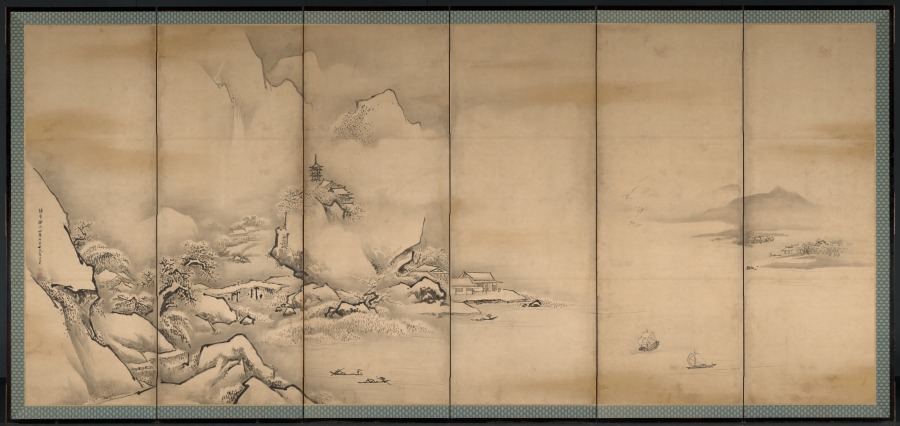
The Four Seasons
Cleveland Museum of Art
#156809
The Four Seasons
Cleveland Museum of Art
#156810
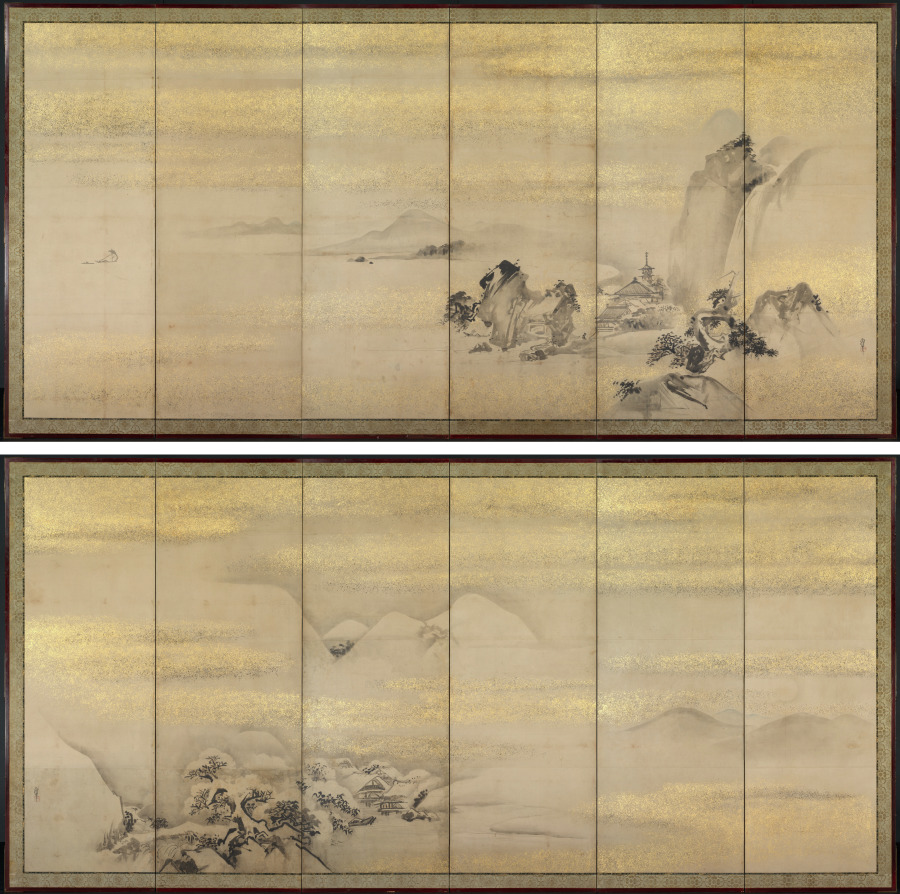
Summer and Winter Landscapes
Cleveland Museum of Art
#79589
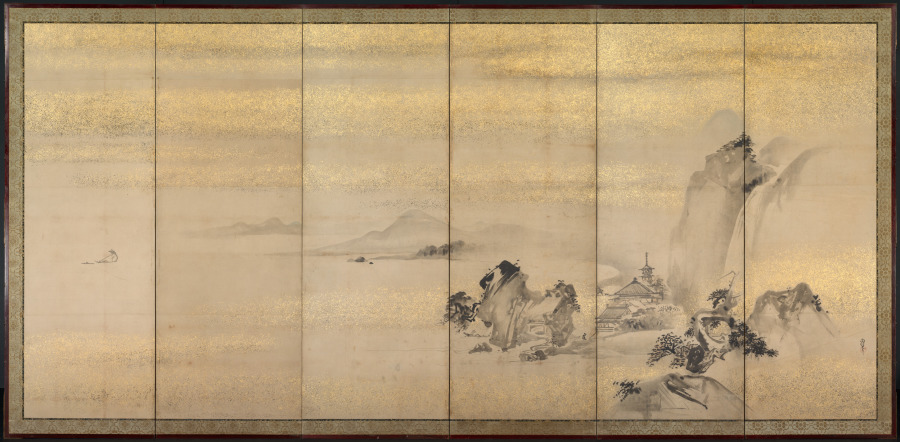
Summer and Winter Landscapes (one of a pair)
Cleveland Museum of Art
#86118
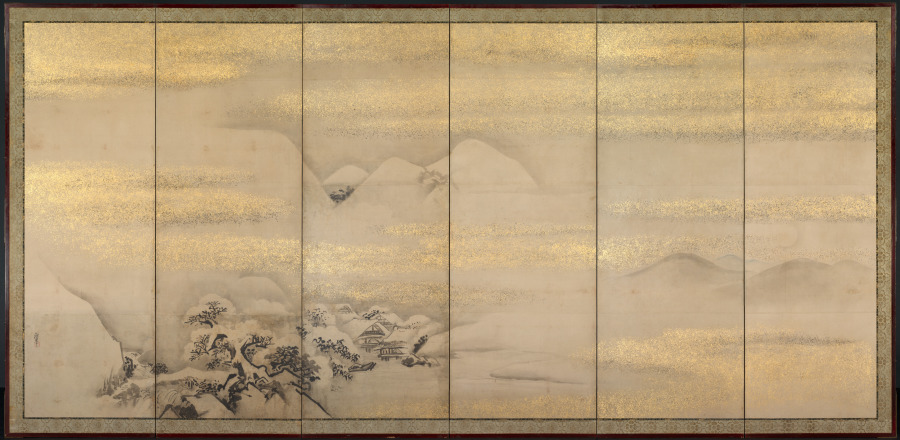
Summer and Winter Landscapes (one of a pair)
Cleveland Museum of Art
#86119
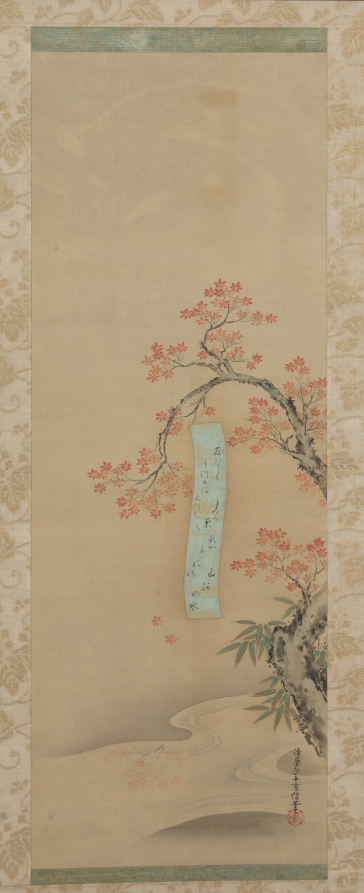
Autumn in Takao
Cleveland Museum of Art
#156124

Tiger Emerging from Bamboo
Minneapolis Institute of Art
#45653

Landscape, from a triptych of White-robed Kannon with Landscape and Tiger
Minneapolis Institute of Art
#62718

Eight Views of the Xiao and Xiang Rivers
Minneapolis Institute of Art
#122121
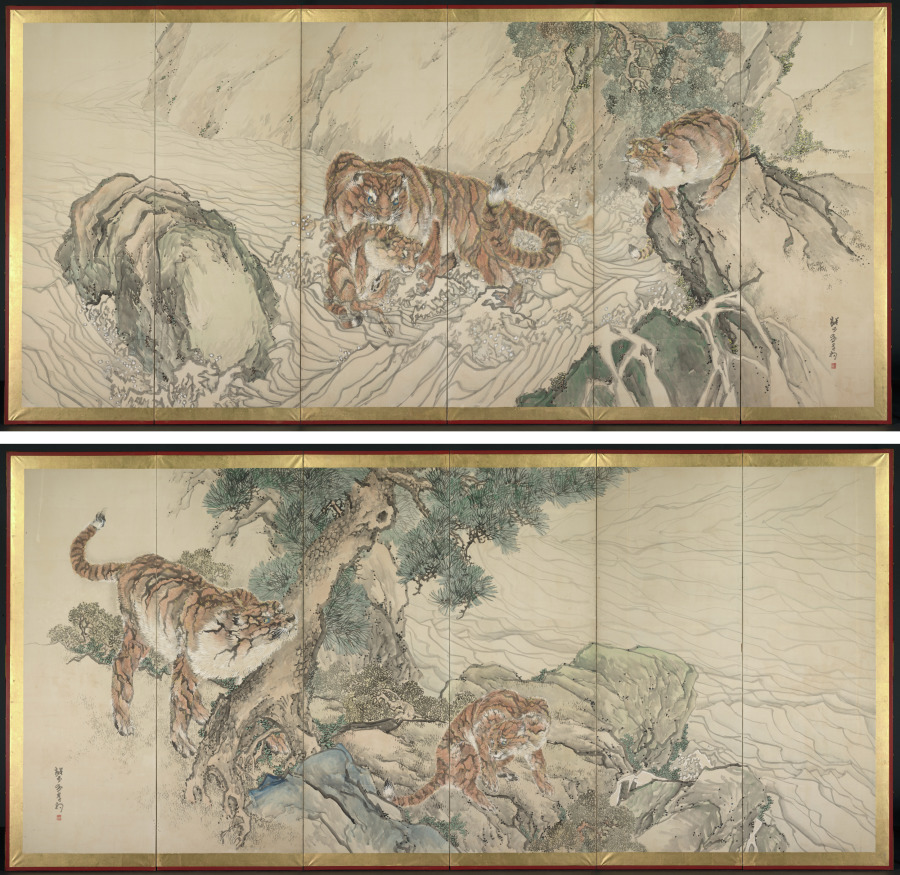
Tiger Family
Cleveland Museum of Art
#151446

Landscape
Minneapolis Institute of Art
#122130

Landscape with Temple
Minneapolis Institute of Art
#117418