Cleveland Museum of Art
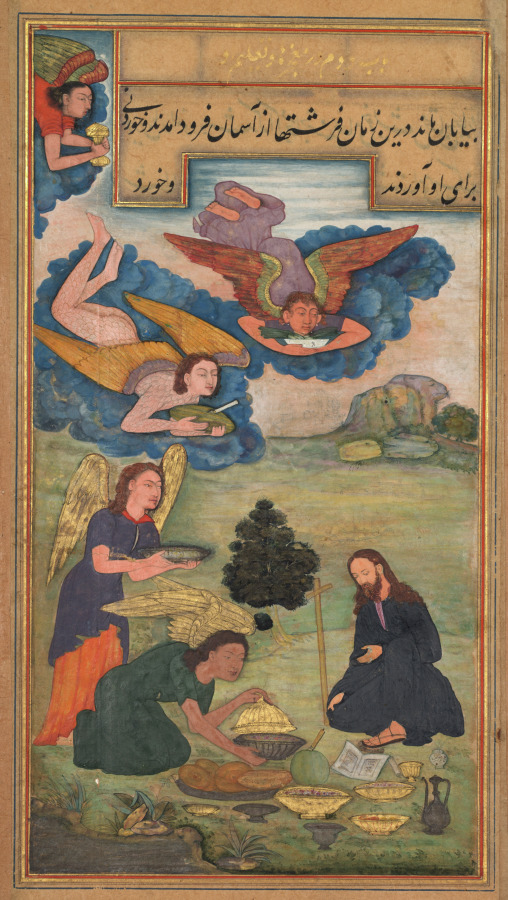
Angels bring food to Jesus in the wilderness (folio 55 recto), from a Mirror of Holiness (Mir’at al-quds) of Father Jerome Xavier
Muhammad SharifLinkedCulture matchlcp-b3e61d8e4099
- Date
- 1602–4
- Medium
- Gum tempera, ink, color, and gold on paper
- Culture
- Mughal India, Allahabad, made for Prince Salim (1569–1627)
- Department
- Indian and Southeast Asian Art
- Institution
- Cleveland Museum of Art
- Object ID
- 163653
From the Cleveland Museum of Art record
To end his 40-day fast, five angels brought Jesus refreshments from heaven: breads, melons each with a knife for convenient cutting, fresh leeks, and what appear to be fragrant rice dishes and curries, along with cups of wine. Four of the angels are dressed in robes, and one is clothed only in feathers. After his baptism, Jesus spent 40 days and nights in the desert where he fasted, practiced spiritual exercises, and successfully resisted the temptations of Satan. Many of the rocks in this painting have faces, called grotesques. This page is the only surviving folio from this manuscript that has an artist’s signature, written in the tiny pot by Jesus’s foot. The artist has put faces in the rocks, following a Persian convention.
The authoritative record is held by Cleveland Museum of Art. LinkedCulture surfaces this object and its connections; it does not alter institutional metadata.
Get printable QR codesHide QR codes
Open QR codes for this object page and the museum record. They stay collapsed until needed.
Provenance & credit
As published by the source institution. Coverage varies — not every institution's open-data feed includes ownership history.
- Credit line
- John L. Severance Fund
- Provenance
- before 1930s–2005: An Indian family in Great Britain, whose grandfather brought the manuscript to England in the 1930s or 1940s | 2005: (Oliver Forge and Brendan Lynch Ltd., London, England, sold to the Cleveland Museum of Art) | 2005–: The Cleveland Museum of Art, Cleveland, OH
Related across collections
Semantically similar works from Cleveland Museum of Art and other institutions.
The Agony in the Garden
Getty Museum
#4ff983c8-619e-45c8-90ad-e280e1df3ec7
The Ascension
Getty Museum
#4d466ad3-6aea-4115-bae6-30f39b0441e1
An Angel Standing in the Sun and Birds Invited to the Repast
Getty Museum
#9ffacaae-f55e-47fd-8c7d-a135ac8e4f02
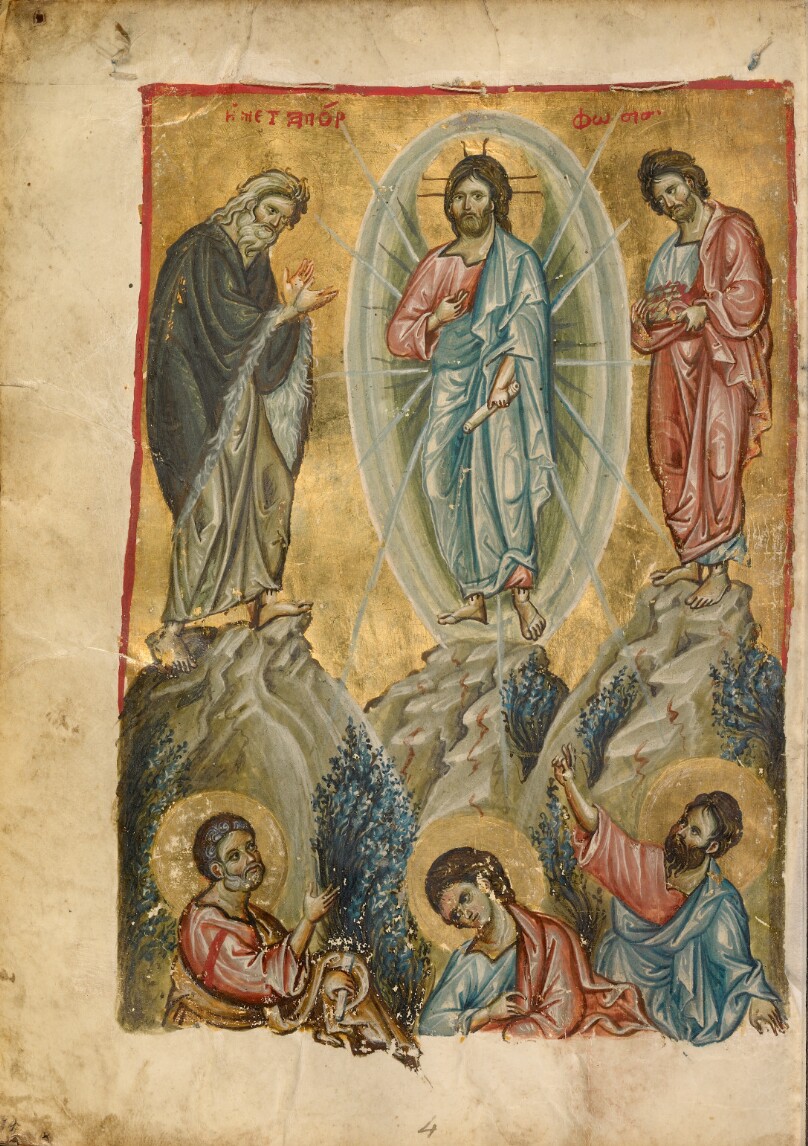
The Transfiguration
Getty Museum
#601d907b-2941-4724-9f14-7b7d22f2be63
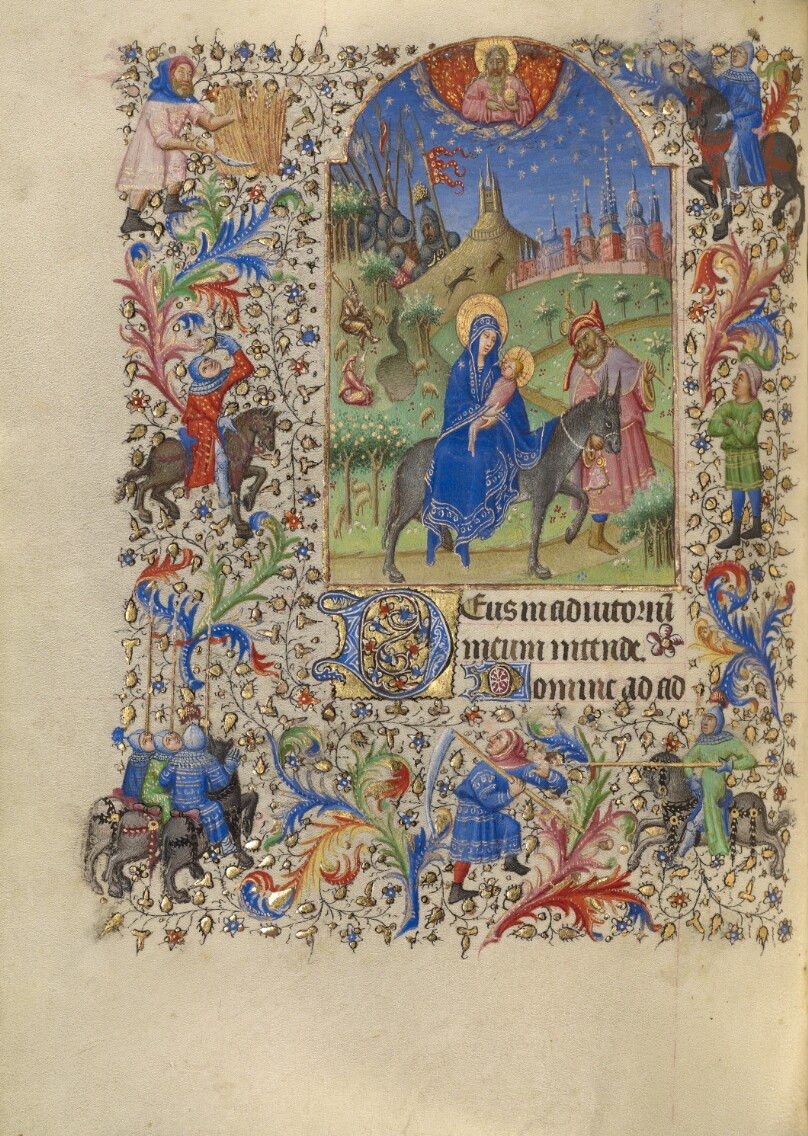
The Flight into Egypt
Getty Museum
#5ec0eb29-62a8-4f94-899d-5d7f6c39388a
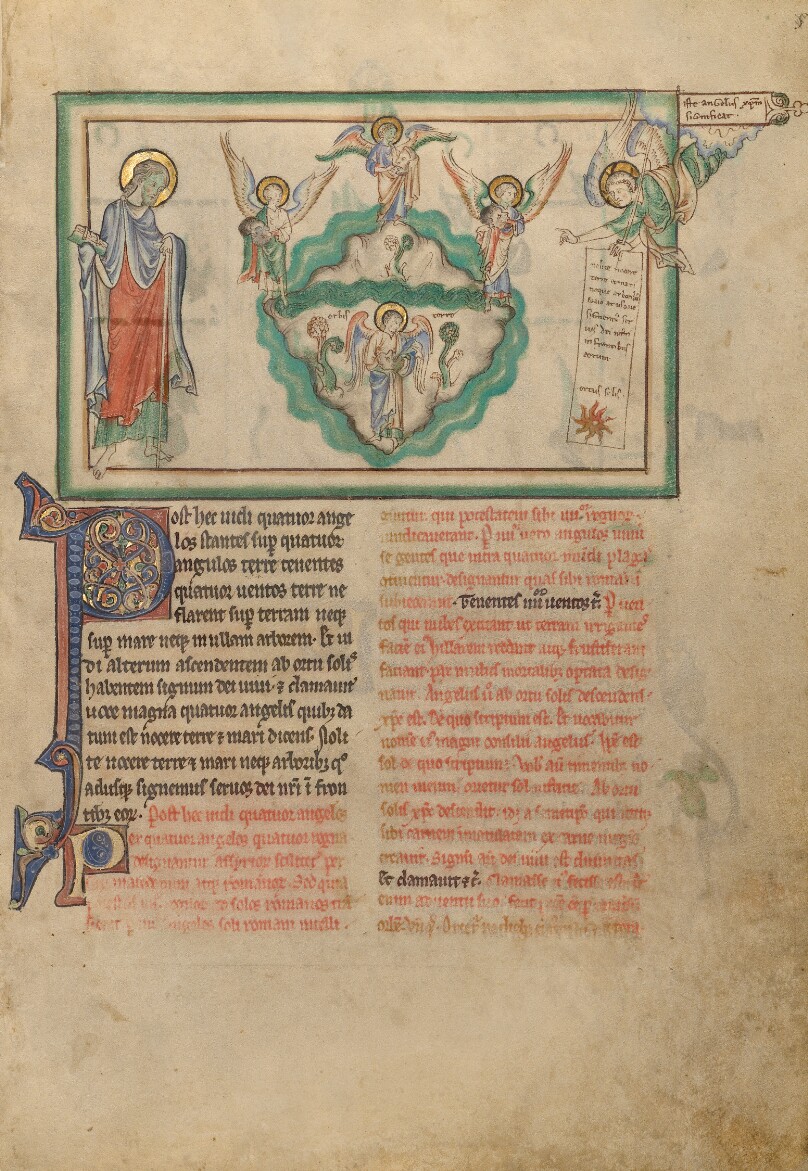
Angels Holding the Four Winds and an Angel Signifying Christ
Getty Museum
#7fe0e876-6592-4d23-b834-6a3cb7531244
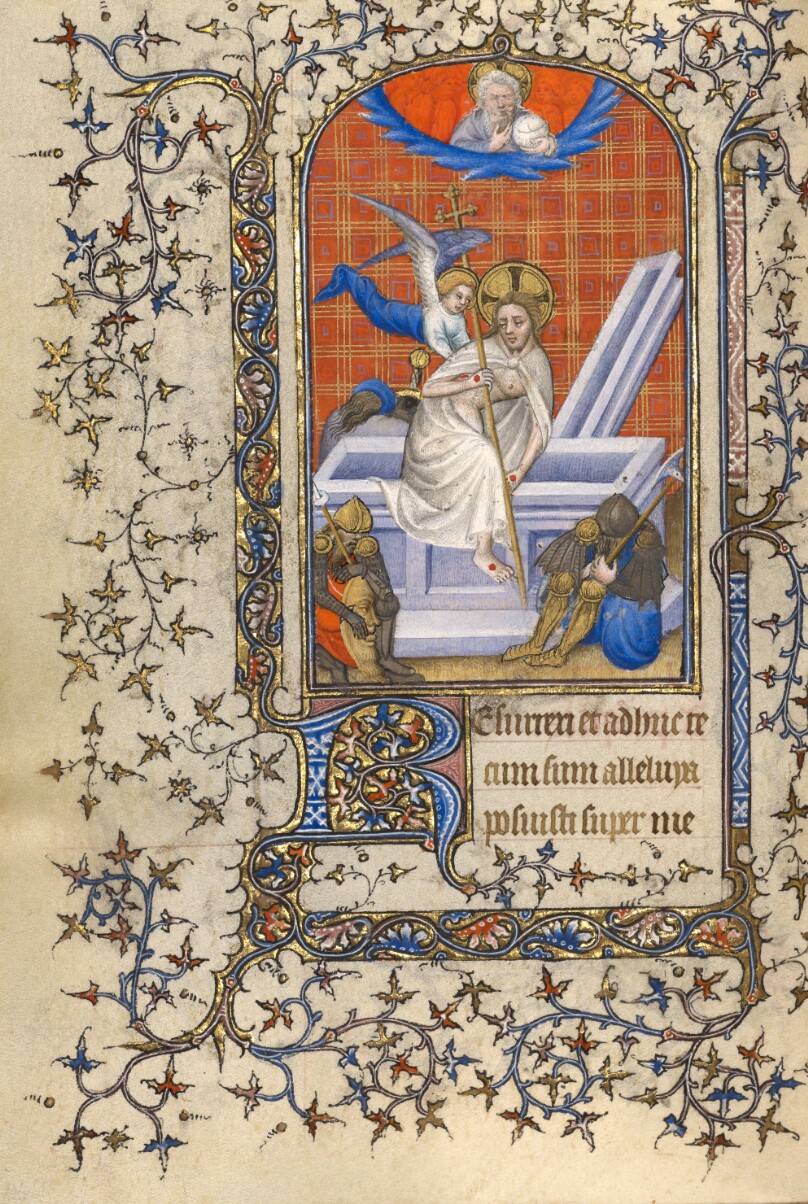
The Resurrection
Getty Museum
#8d13950f-7cf4-4af0-8f2e-df7004885010
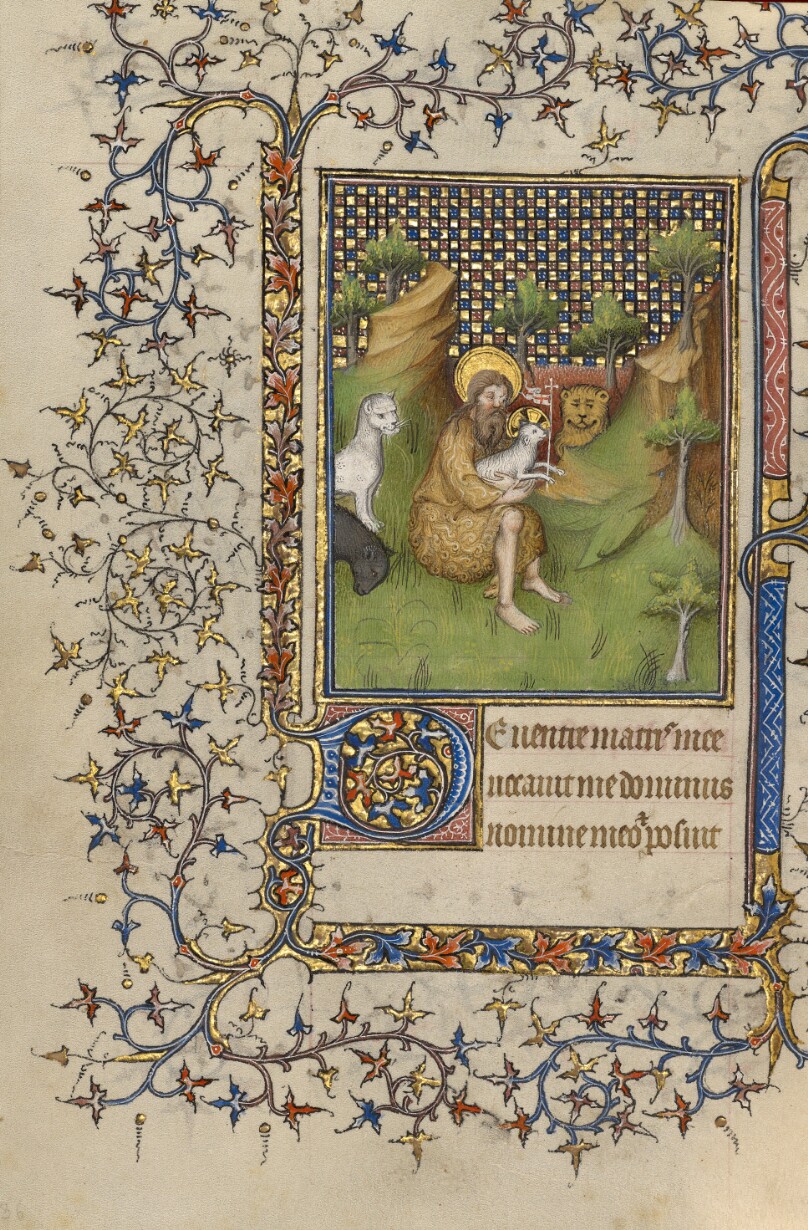
Saint John the Baptist in the Wilderness
Getty Museum
#aadb6b06-138e-4832-9251-e225c0d11f03
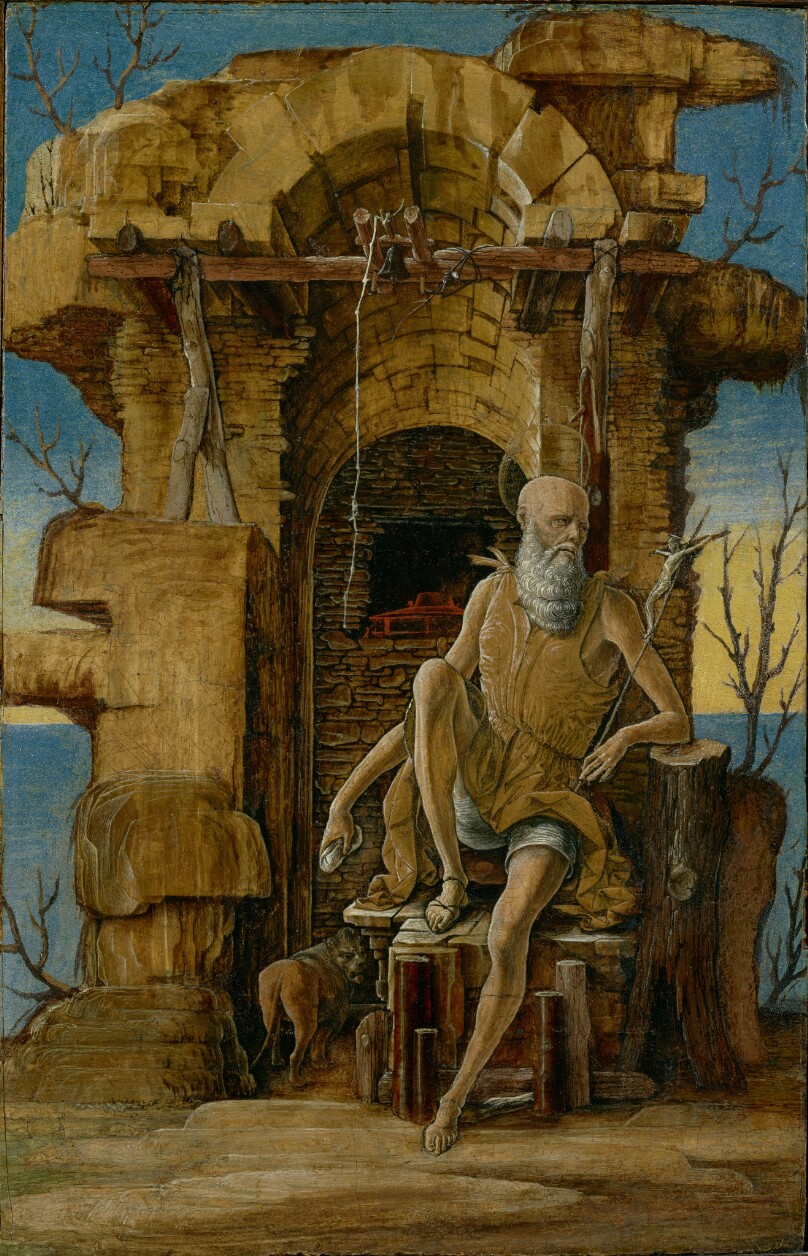
Saint Jerome in the Wilderness
Getty Museum
#3f67e110-42c1-4144-baca-d7a8ddc06fe8
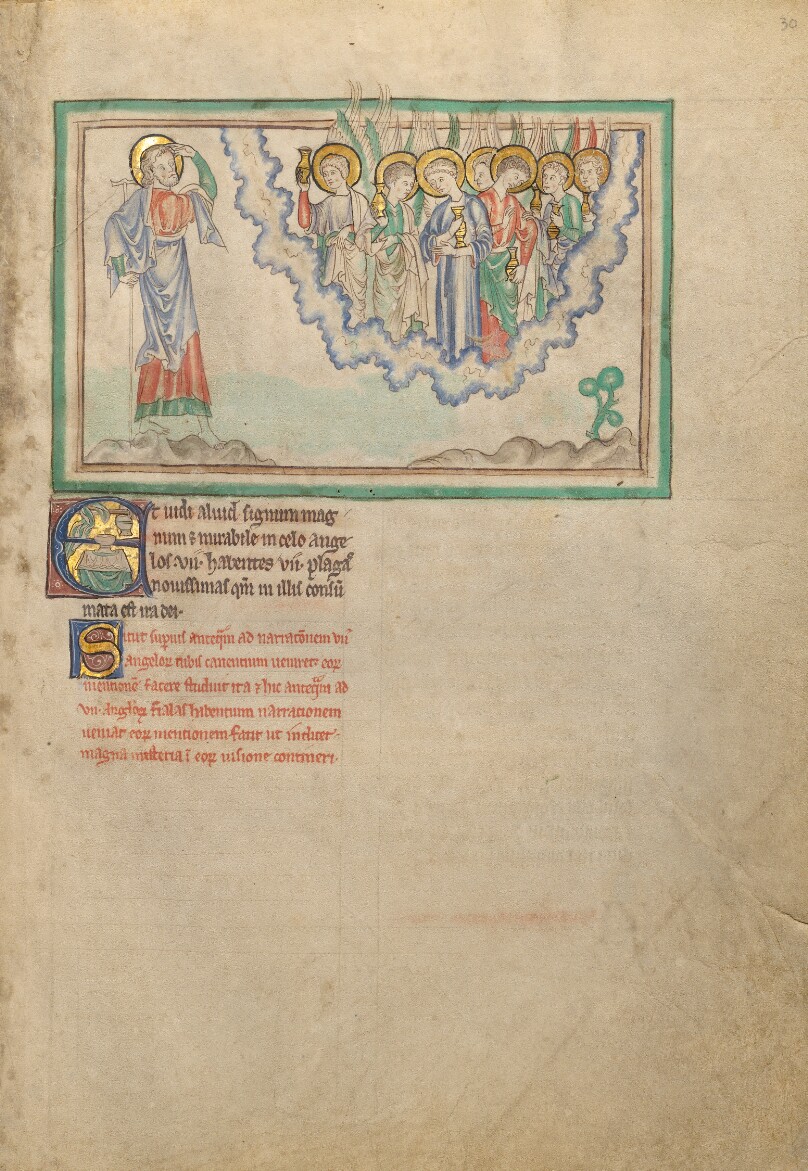
The Seven Angels with the Seven Vials
Getty Museum
#3c8cb8fd-5d97-4d4d-a1b9-ed3ef47ad5d1
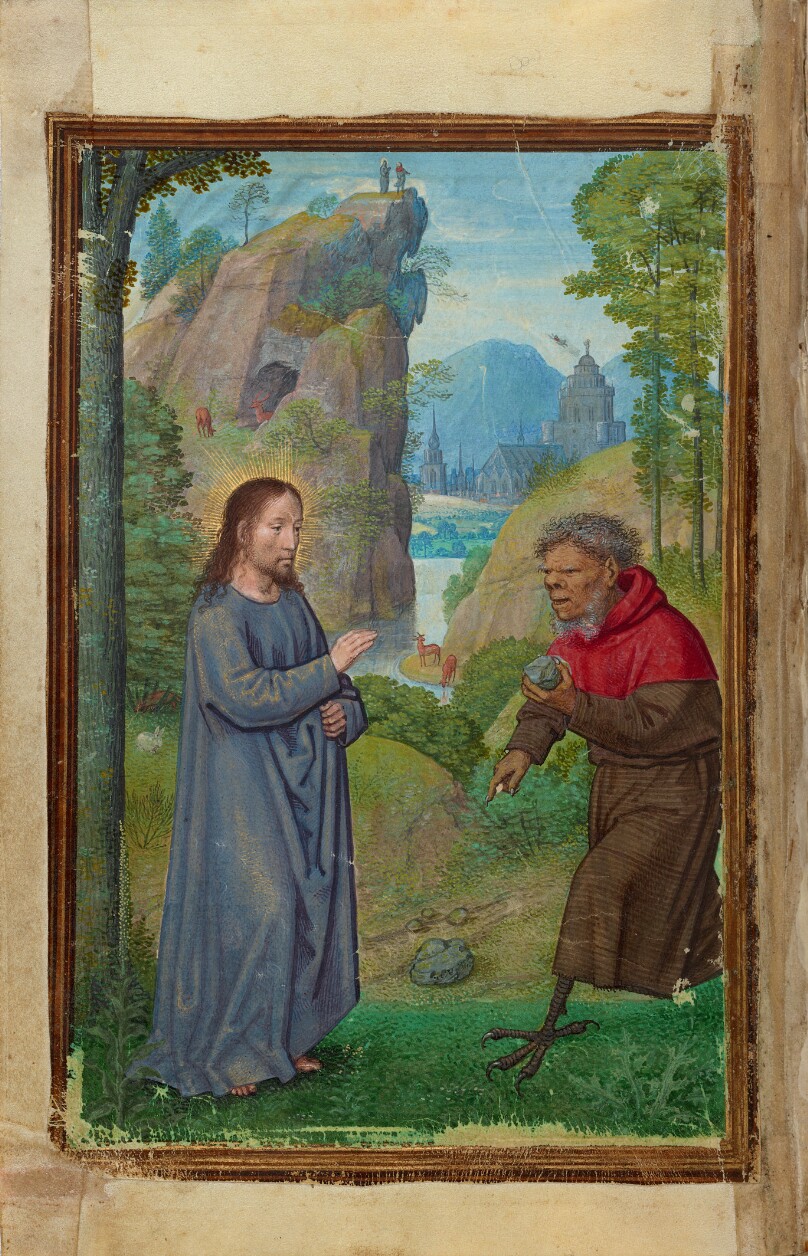
The Temptation of Christ
Getty Museum
#2397383d-3f94-49b8-b86a-687757d3211c
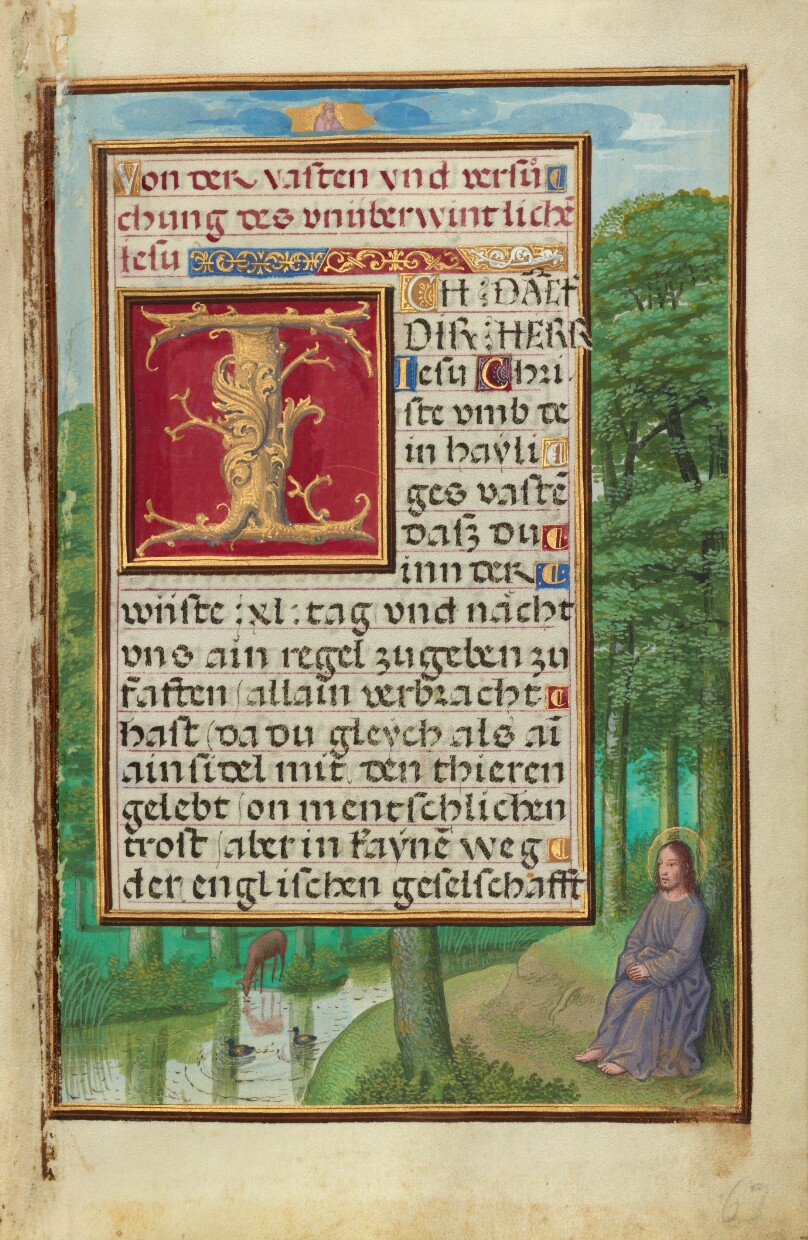
Border with Christ in the Wilderness
Getty Museum
#79a8689d-8feb-4ca5-9767-0279c645aa32