Getty Museum
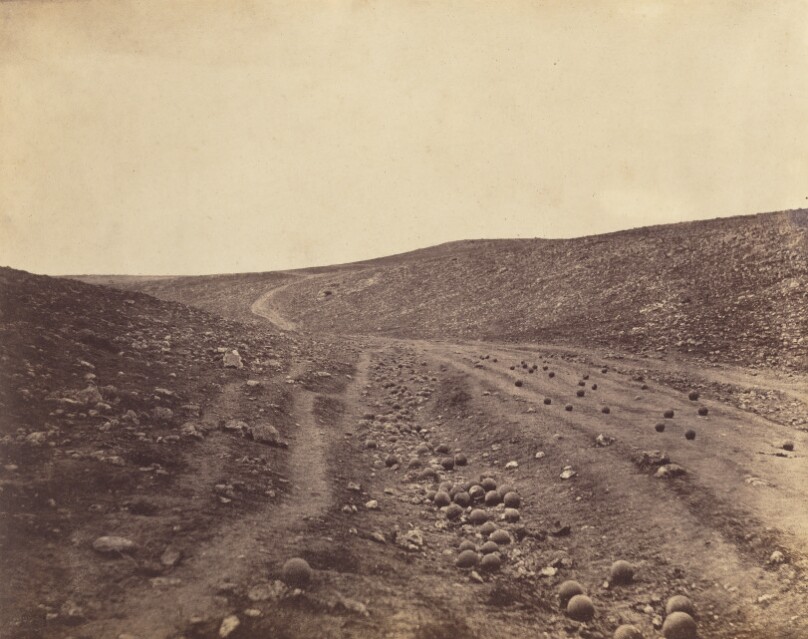
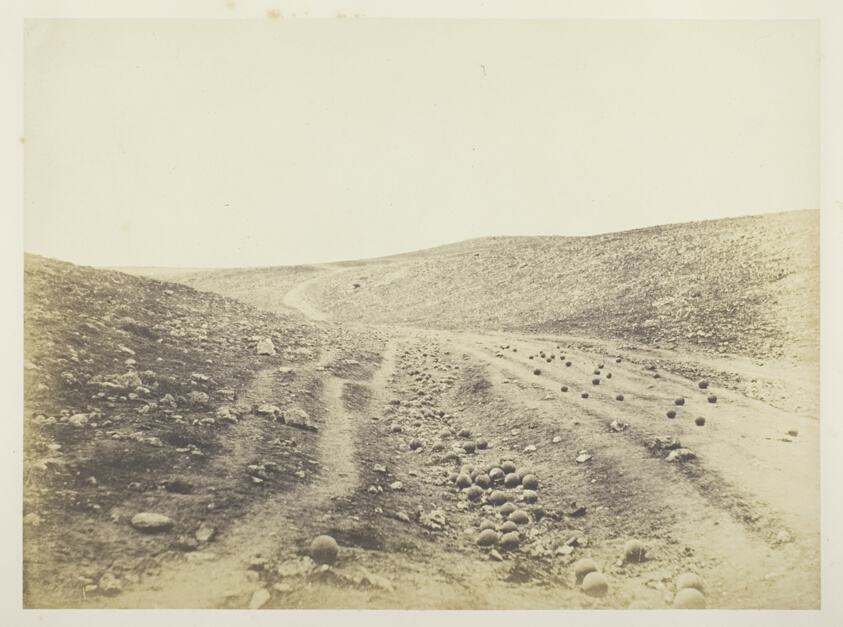
Valley of the Shadow of Death
Creator
Roger FentonPhotographer · 1819–1869
All works by this person →After studying law in London, Roger Fenton trained as a painter in London and Paris. He exhibited his paintings and helped found a drawing school that gave evening instruction to working men in London. Active in the arts, Fenton corresponded with French photographers Gustave Le Gray and Henri Le Secq, which may have led him to pursue photography. Fenton's photographic career was brilliant yet brie
More on Getty ULAN- Date
- April 23, 1855
- Medium
- Salted paper print
- Culture
- English
- Department
- Photographs
- Institution
- Getty Museum
- Object ID
- 075e7a93-ec20-45c4-be69-7235fd4ade68
From the Getty Museum record
>...in coming to a ravine called the valley of death, the sight passed all imagination: round shot and shell lay like a stream at the bottom of the hollow all the way down, you could not walk without treading upon them... >--Roger Fenton Fenton's most famous photograph is also one of the most well-known images of war. Across a desolate and featureless landscape, not a single figure can be found. The landscape is inhabited only by cannonballs--so plentiful that they first appear to be rocks--that stand in for the human casualties on the battlefield. The sense of emptiness and unease is heightened by the visual uncertainty created by the changing scale of the road and the sloping sides of the ravine. Borrowing from the Twenty-third Psalm of the Bible, the Valley of Death was named by British soldiers who came under constant shelling there. Fenton traveled to the dangerous ravine twice, and on his second visit he made two exposures. Fenton wrote that he had intended to move in closer at the site. But danger forced him to retreat back up the road, where he created this image. On a commissioned assignment, Fenton traveled in 1853 to the Crimean peninsula on the Black Sea, where England, France, and Turkey were fighting a war against Russia. To avoid offending Victorian sensibilities, Fenton refrained from photographing the dead and wounded. His more than three hundred images of encampments, battle sites, and portraits of all miltary ranks, became the first extensive photo-documentation of any war. When exhibited in England, Fenton's photographs of the Crimean War established his reputation.
The authoritative record is held by Getty Museum. LinkedCulture surfaces this object and its connections; it does not alter institutional metadata.
Get printable QR codesHide QR codes
Open QR codes for this object page and the museum record. They stay collapsed until needed.
Related across collections
Semantically similar works from Getty Museum and other institutions.
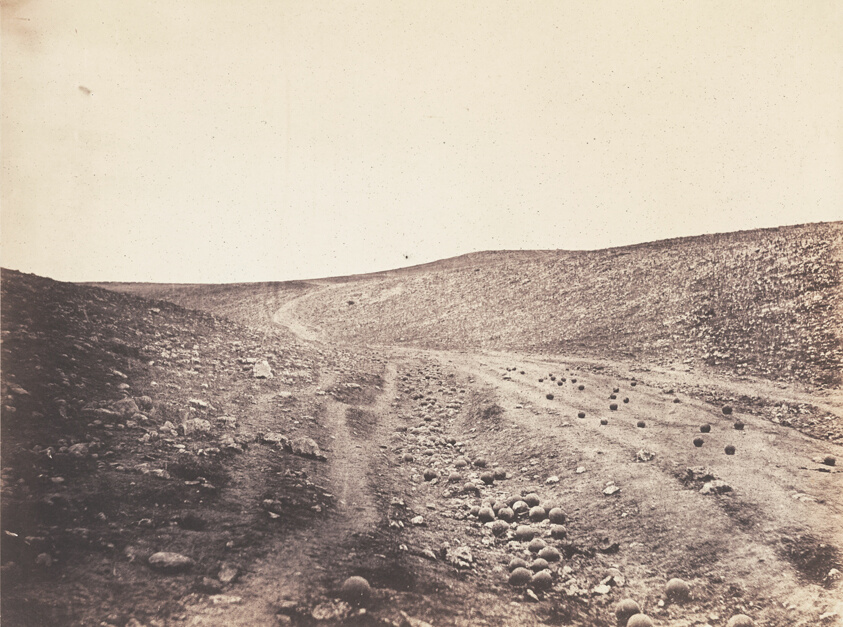
The Valley of the Shadow of Death
Art Institute of Chicago
#123407
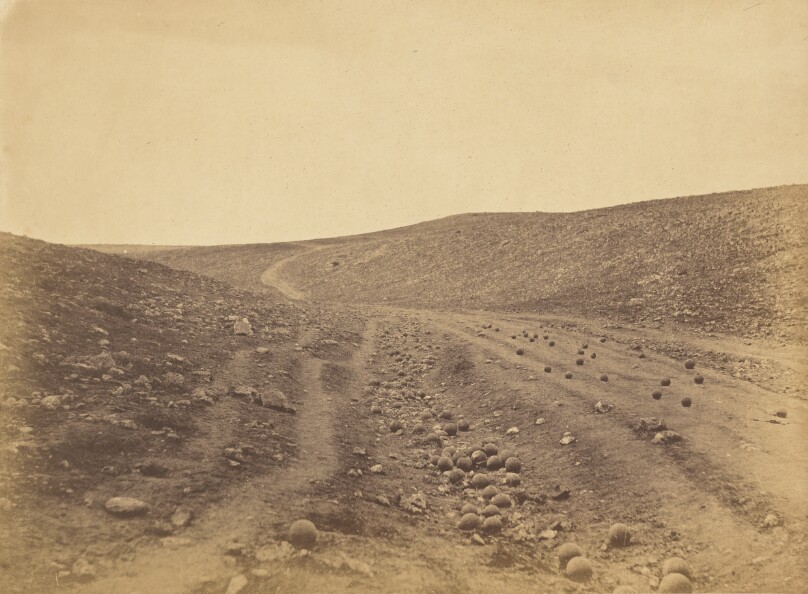
The Valley of the Shadow of Death
Getty Museum
#97afdf7d-0d21-4cbb-8ab3-167580a62ff5
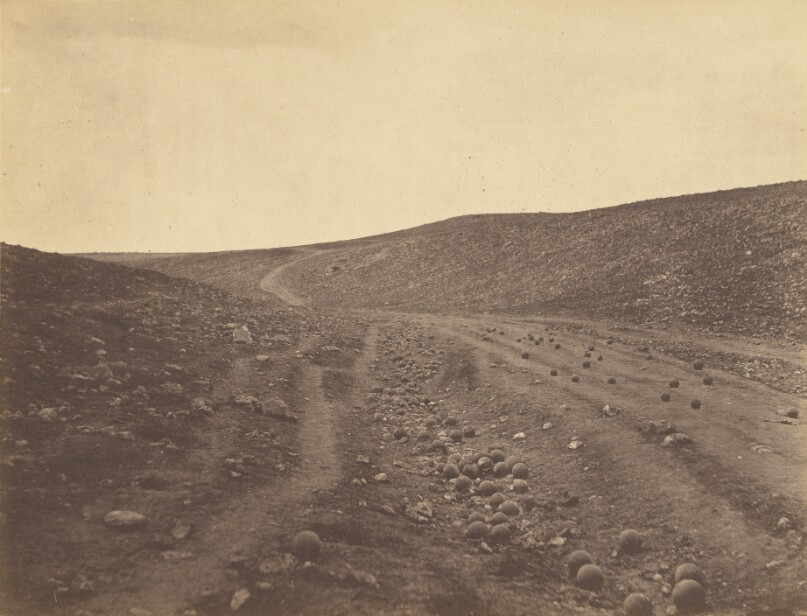
The Valley of the Shadow of Death
Getty Museum
#02da3c20-1286-49d1-b0d4-5c81c32d4cd0
The Valley of the Shadow of Death
Art Institute of Chicago
#146114
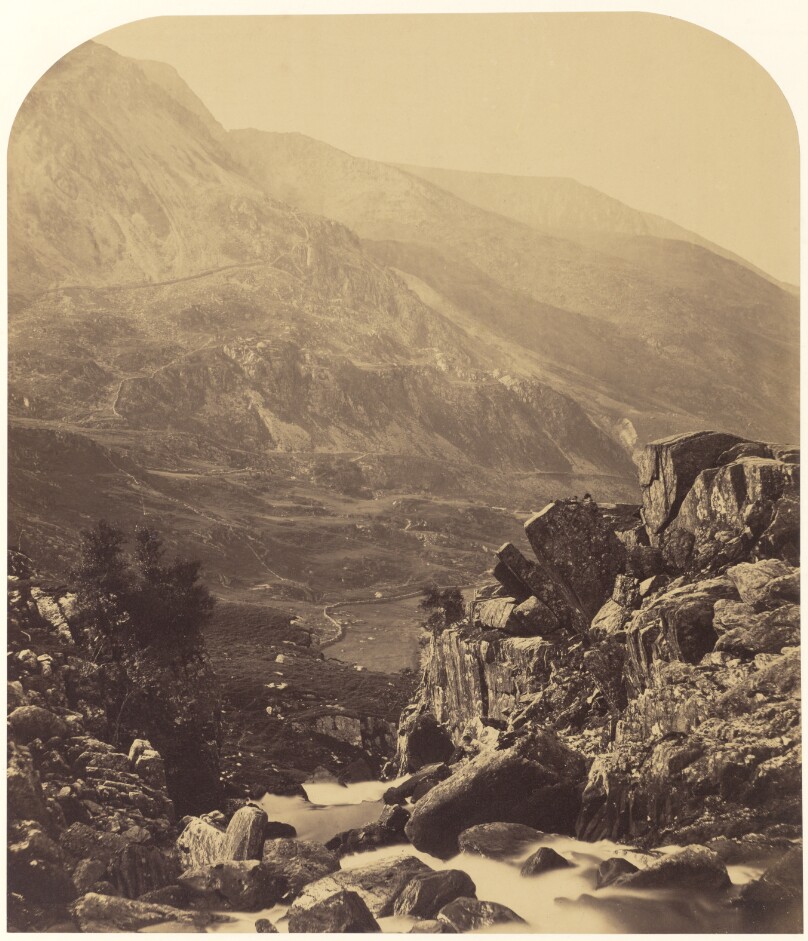
View from Ogwen Falls into Nan Francon
Getty Museum
#5366be8e-17e9-4e57-a6f8-3eb092780938
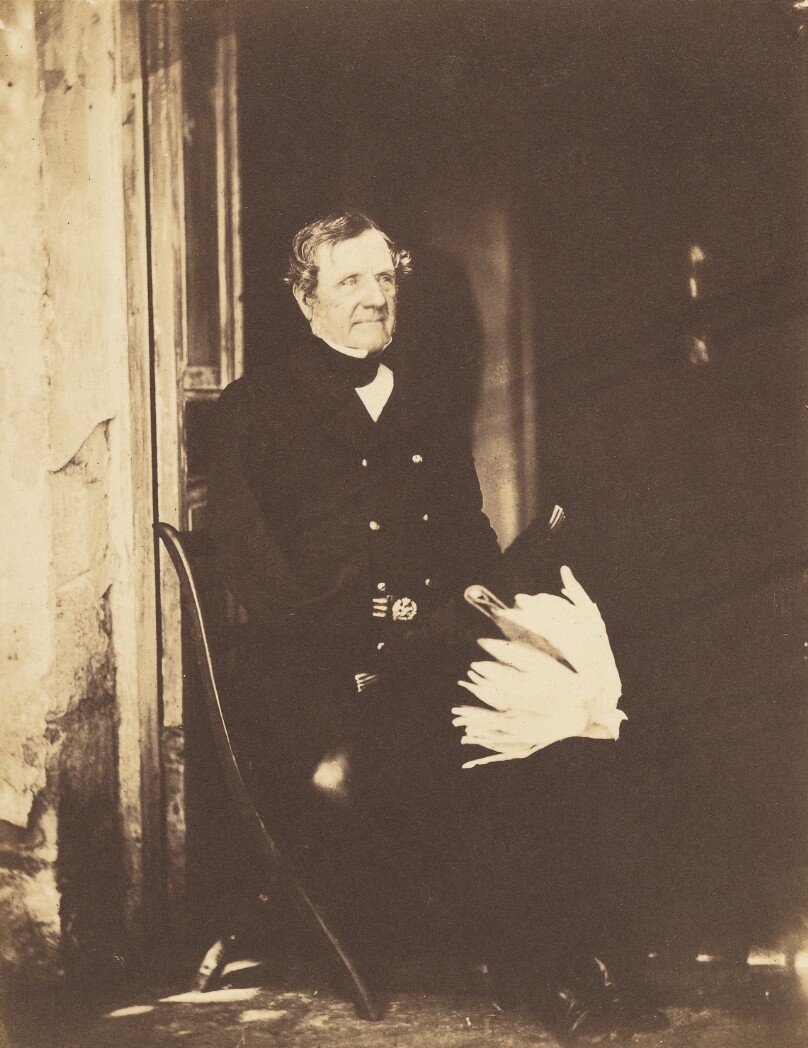
Field Marshall Lord Raglan
Getty Museum
#f364e362-143b-4521-9c27-4299536f9086
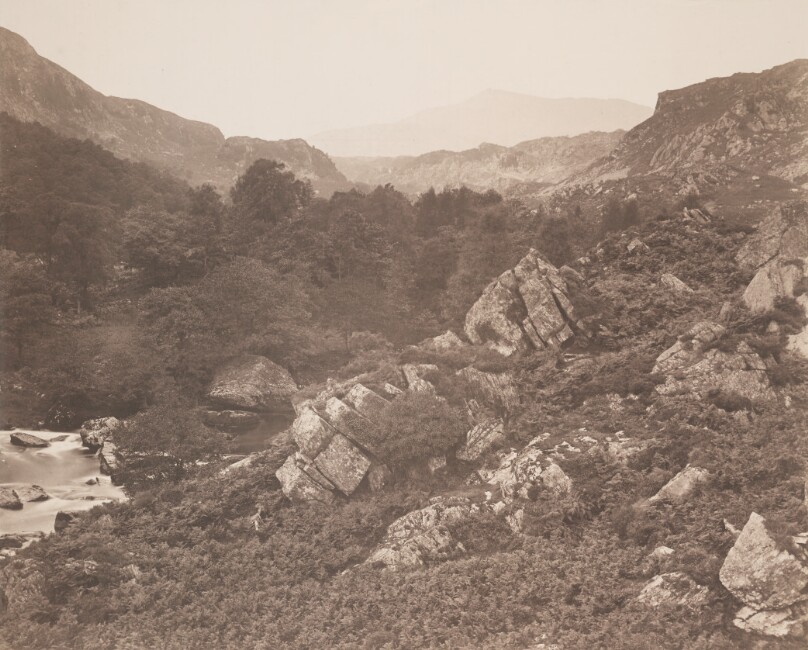
Moel Seabid, from the Lledr Valley
Getty Museum
#7345ffff-6bad-45a0-9d99-8067541b22c2
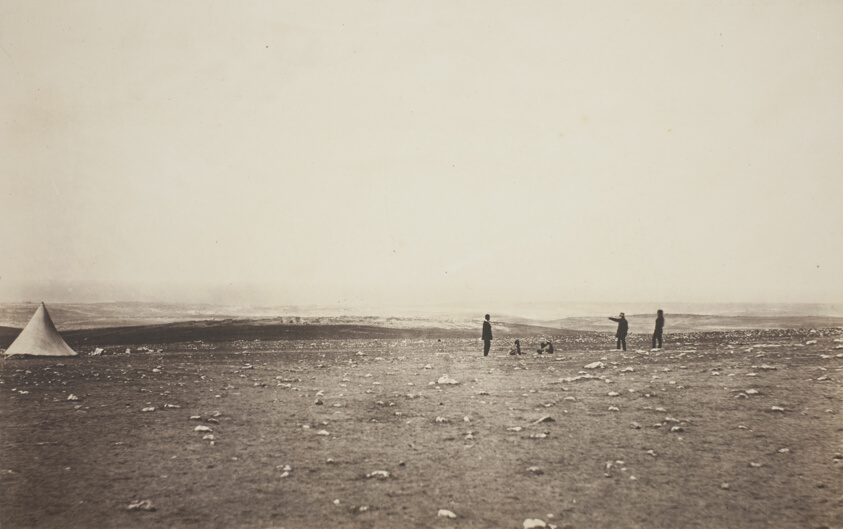
Sebastopol from Cathcart's Hill
Art Institute of Chicago
#123394
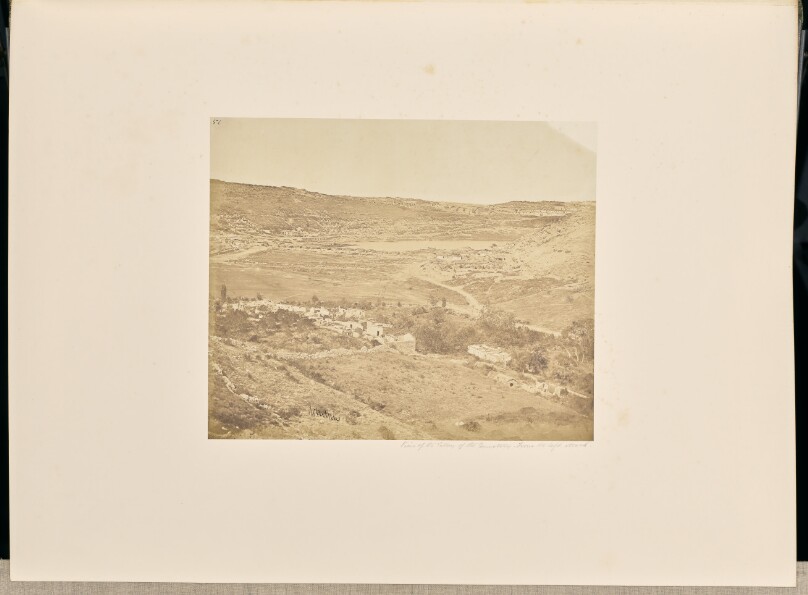
View of the Valley of the Cemetery. From the left attack
Getty Museum
#c77ae454-d731-4aa6-b12a-85ae2a8d7bcf
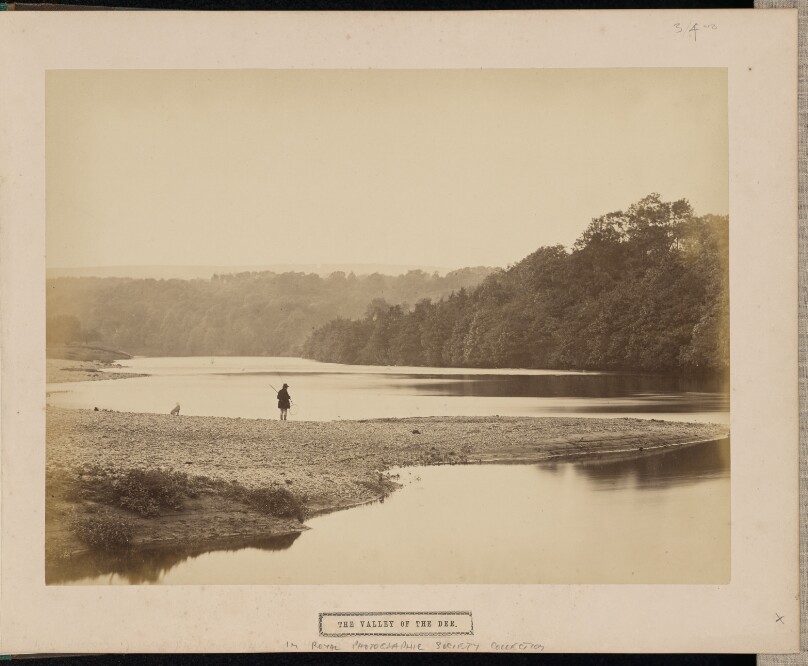
The Valley of the Dee.
Getty Museum
#06ce3482-b216-4418-9566-4082cc8851c4
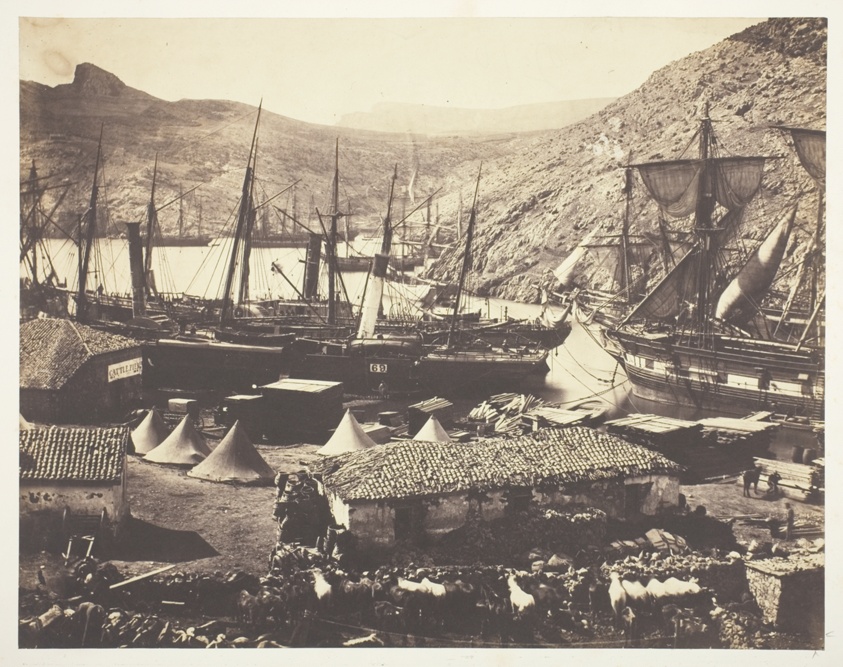
Cossack Bay, Balaklava
Art Institute of Chicago
#123393
The Advance-Guard, or The Military Sacrifice (The Ambush)
Art Institute of Chicago
#97910