Getty Museum
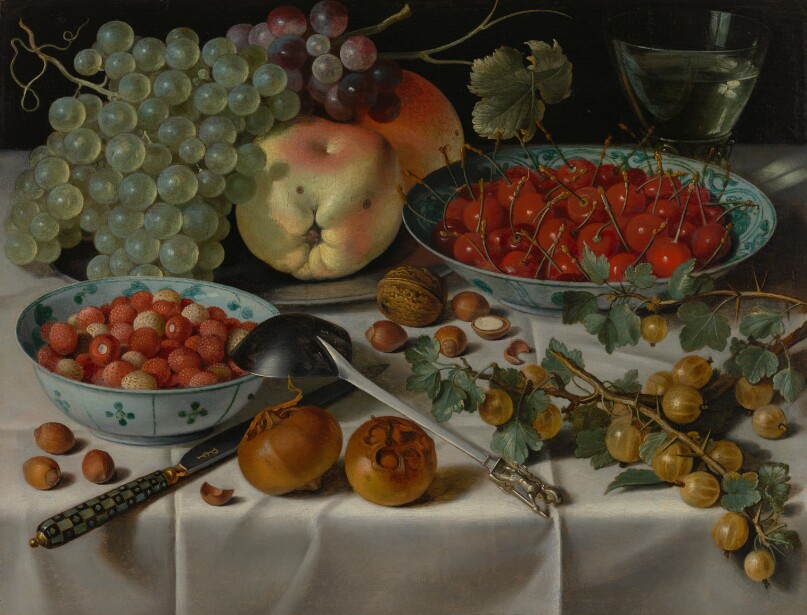
Still Life with Assorted Fruit
Creator
Pieter Claesz.Dutch Artist · 1597–1660
All works by this person →The Dutch still life specialist Pieter Claesz (1596/97–1660) was one of the most innovative and influential practitioners of a diverse and popular genre during the seventeenth century. Recent research clarified his birthplace in Berchem, near Antwerp in the Southern Netherlands, during the winter of 1596–1597, and not Steinfurt or Burgsteinfurt (Westphalia), as previously believed. The details of
More on Getty ULAN- Date
- about 1622
- Medium
- Oil on panel
- Culture
- Dutch
- Department
- Paintings
- Institution
- Getty Museum
- Object ID
- 5d4ac3ec-6500-4645-a14d-a63482d70e20
From the Getty Museum record
In this small painting Pieter Claesz presents the viewer with an array of perfectly ripe fruits, a few nuts, and a luminous glass of white wine on a freshy pressed plain-damask tablecloth. *Still Life with Assorted Fruit* is one of the earliest examples of a still life focused primarily on assorted fruits (known as a *fruijtagie*) and a key painting in Claesz’s early career. Instead of the more traditional wide and high bird’s-eye viewpoint, Claesz employed a compact composition and a more direct, frontal vantage, an integrated arrangement of fruit and vessels. Intense light from the upper left illuminates the vivid hues of the assembled foodstuffs, reflecting off smooth surfaces, casting shadows, and refracting the casement window of the room through the delicate greenish glass of the *berkemeyer*. An elegant knife diagonally balanced on the edge of the table connects the array with the viewer and establishes the illusion of the still life. Along with a thorny branch of golden gooseberries, the overturned silver spoon with a finial in the form of a figure of a Roman centurion direct the eye into the composition. All the fruits and nuts depicted by Claesz were readily available in the early seventeenth-century Netherlands. Delicate strawberries (left) and vibrant red cherries are displayed in imported blue and white Chinese porcelain dishes (sometimes referred to as *kraak* porcelain, a product from the reign of the Chinese emperor Wanli (1573-1619)). The polished pewter platter reflects the deep hues of white and red grapes and two golden apples. A pair of brown medlars, the fruit of a shrub in the rose family that was only edible once rotten, lie close to the front edge of the table. Scattered across its surface are whole and broken hazelnuts, and at the center a single walnut, wavy brushstrokes describing its shell, leans against the platter.
The authoritative record is held by Getty Museum. LinkedCulture surfaces this object and its connections; it does not alter institutional metadata.
Get printable QR codesHide QR codes
Open QR codes for this object page and the museum record. They stay collapsed until needed.
Related across collections
Semantically similar works from Getty Museum and other institutions.
Still Life
Art Institute of Chicago
#21682
Breakfast Still Life
Art Institute of Chicago
#257286

Still Life
Minneapolis Institute of Art
#10450
Still Life with Ewer, Vessels, and Pomegranate
Getty Museum
#84711e35-35e7-43e4-b9b0-80df1566b84f

Still Life with Fruit: Allegory of Summer
Minneapolis Institute of Art
#148529
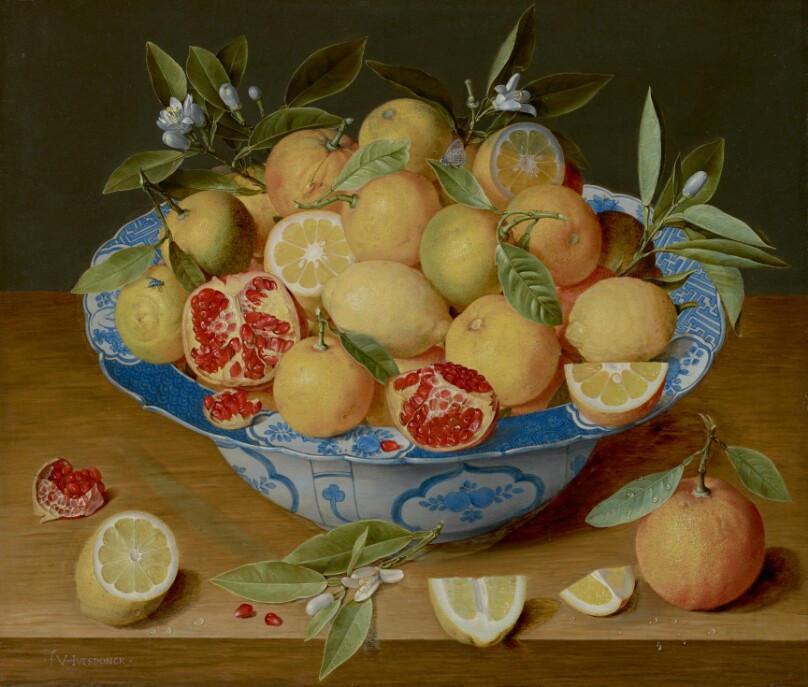
Still Life with Lemons, Oranges, and a Pomegranate
Getty Museum
#7bca04fe-6630-4b07-a221-ea9d0735b1c3
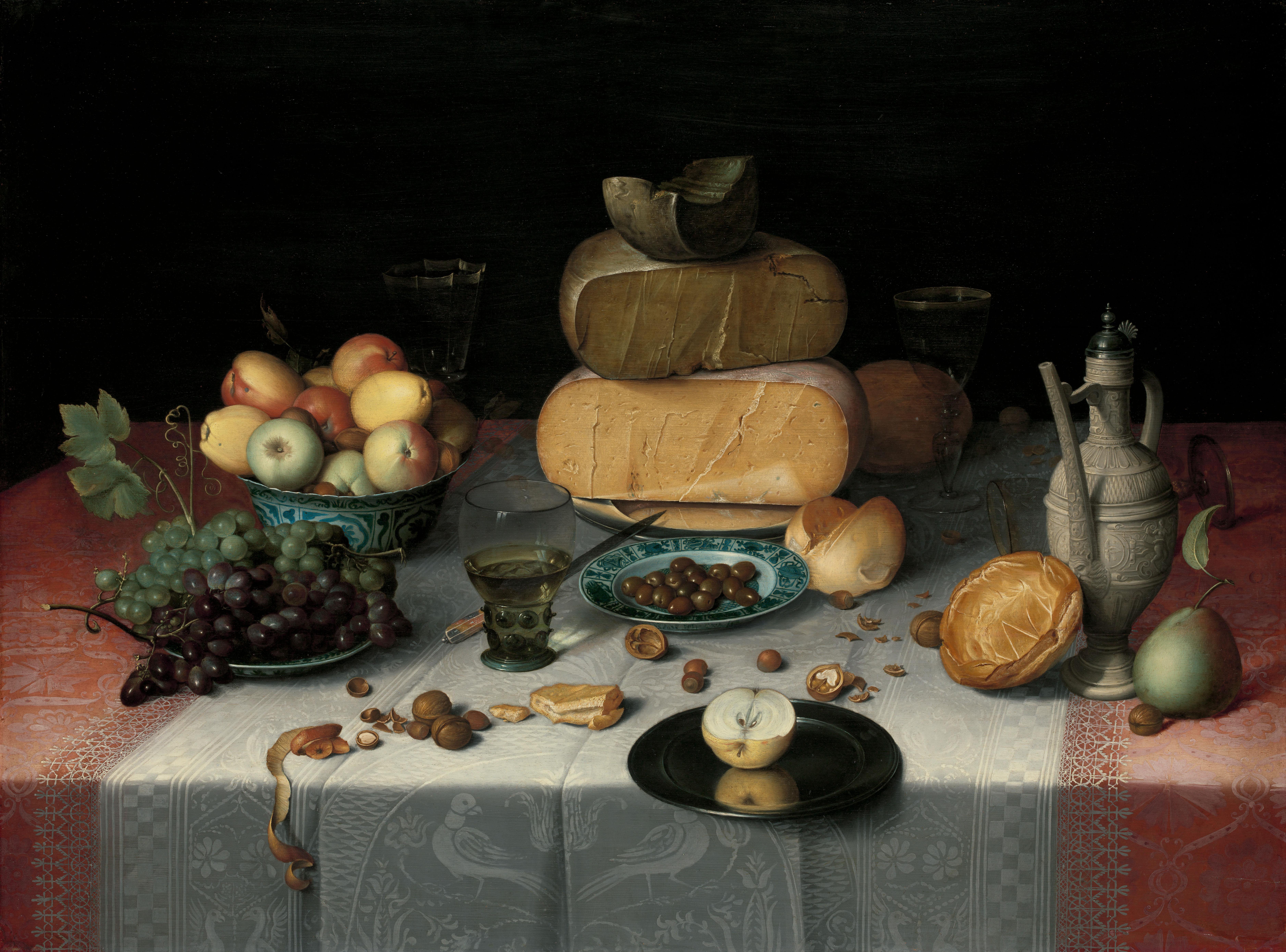
Still Life with Cheese
Rijksmuseum
#SK-A-4821
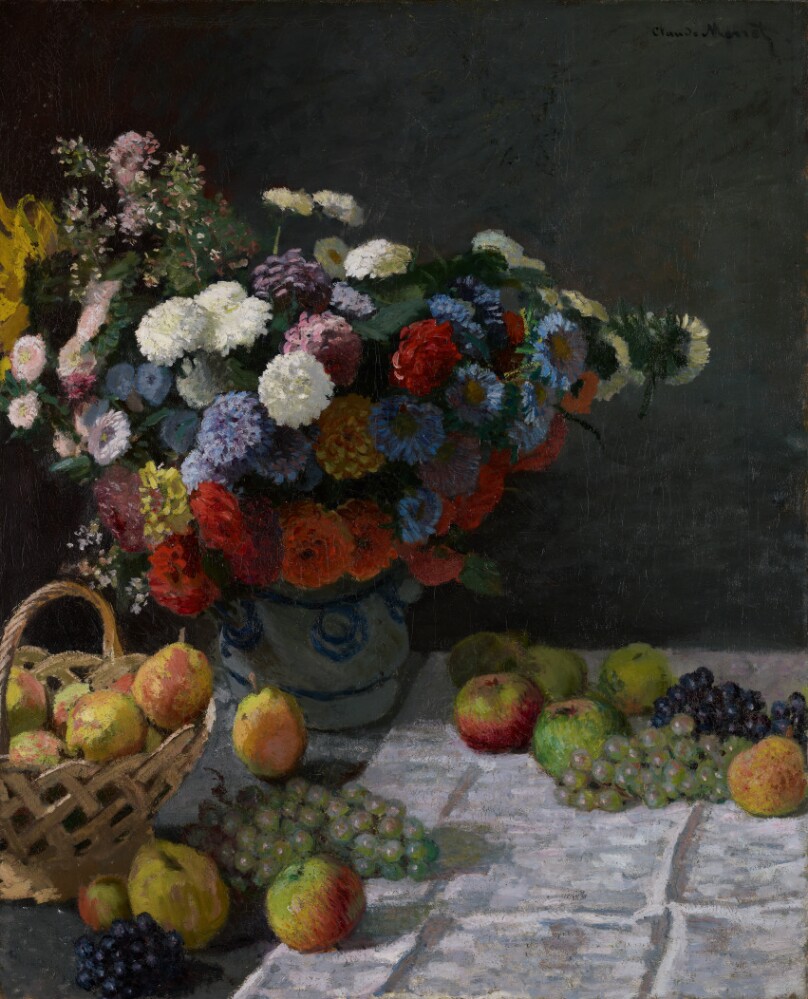
Still Life with Flowers and Fruit
Getty Museum
#41f860ac-2dcb-450d-84b5-bfb36eaf5d4b
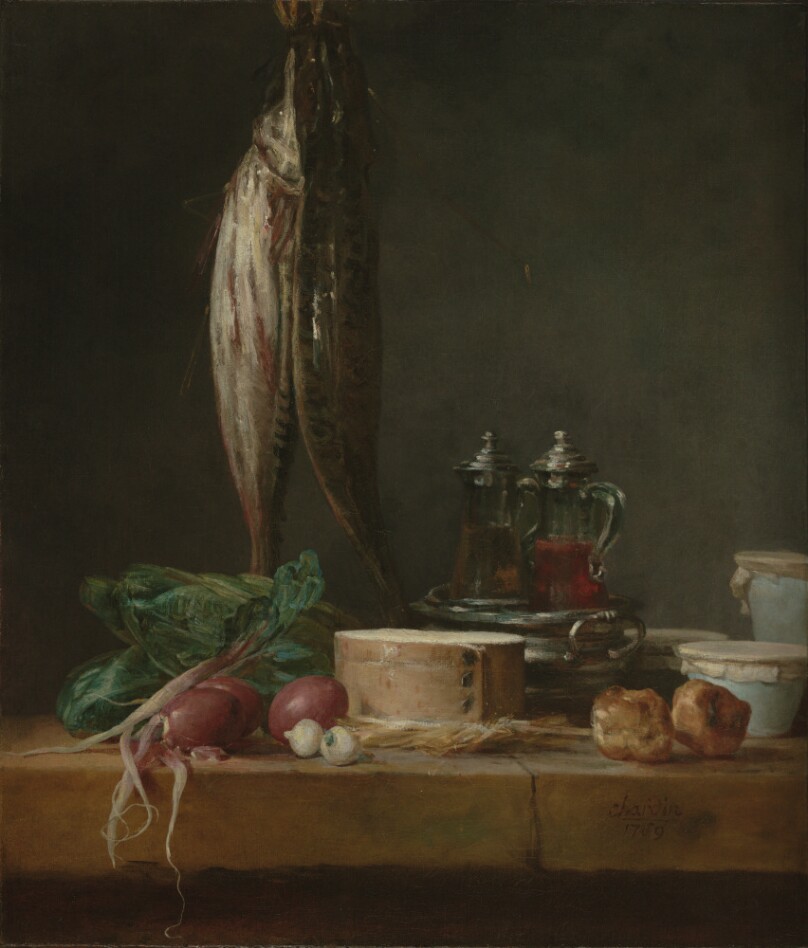
Still Life with Fish, Vegetables, Gougères, Pots, and Cruets on a Table
Getty Museum
#9b6950f9-abf1-47d5-9437-116a4ae4a1d7
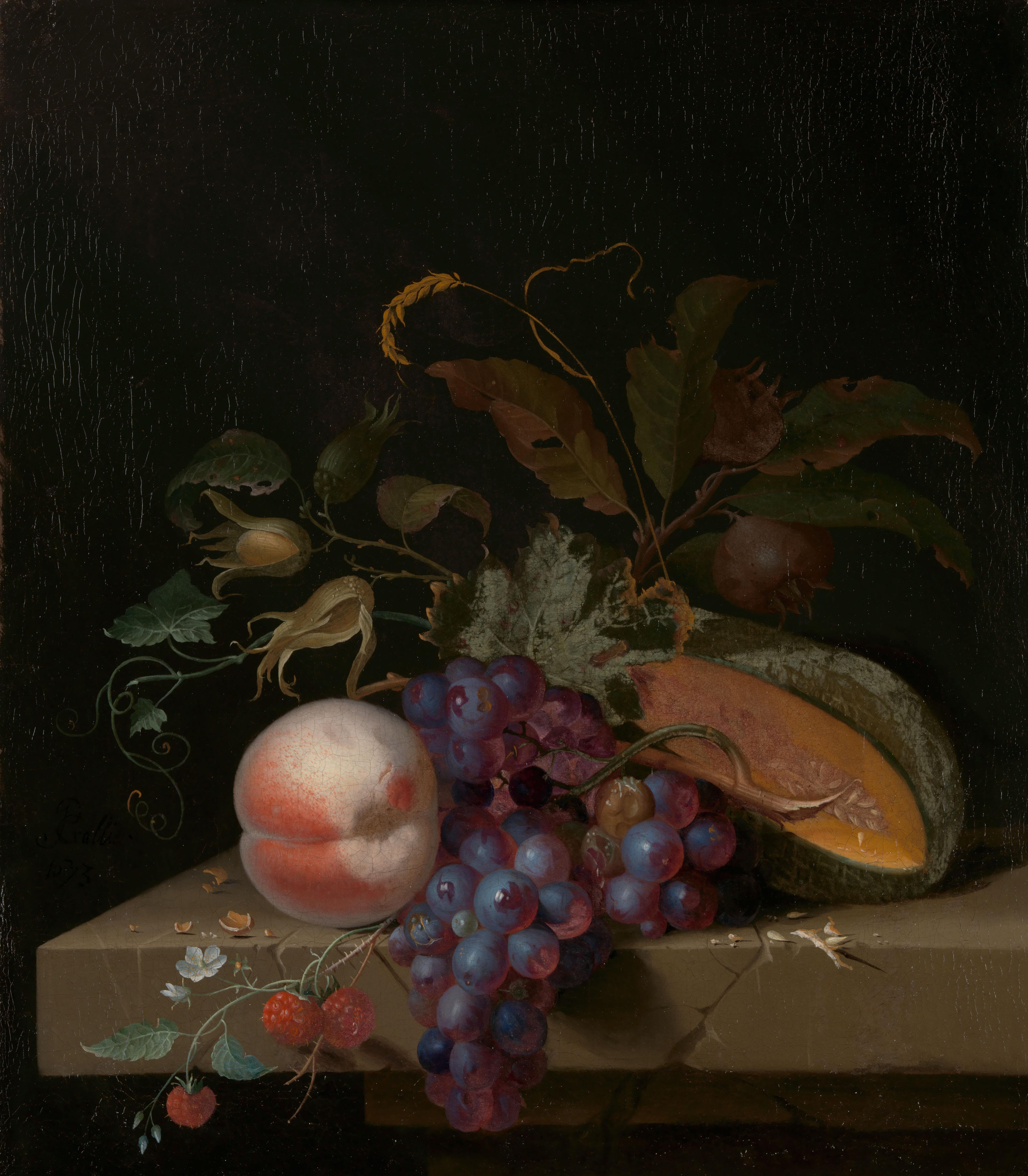
Still Life with Fruit
Rijksmuseum
#SK-A-1737
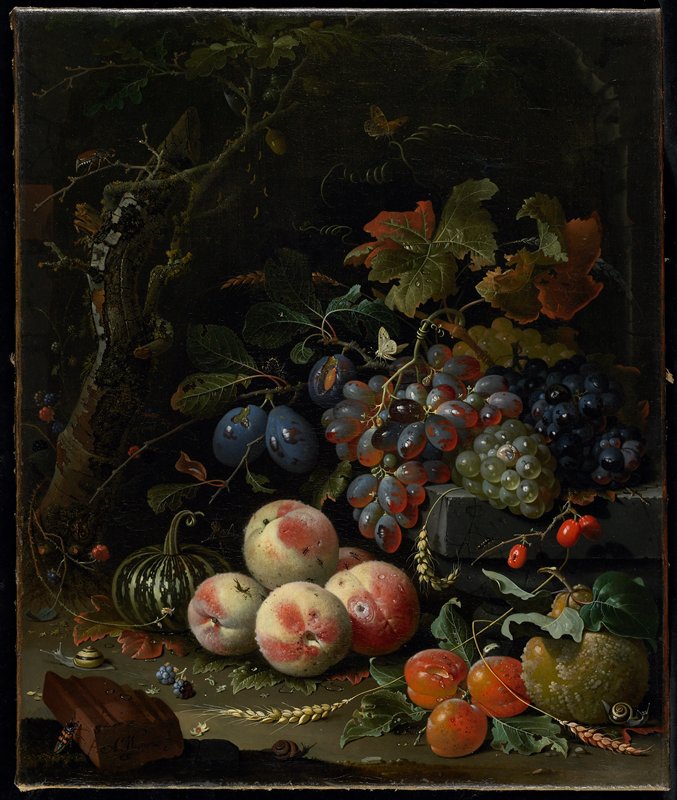
Still Life with Fruits, Foliage and Insects
Minneapolis Institute of Art
#3584
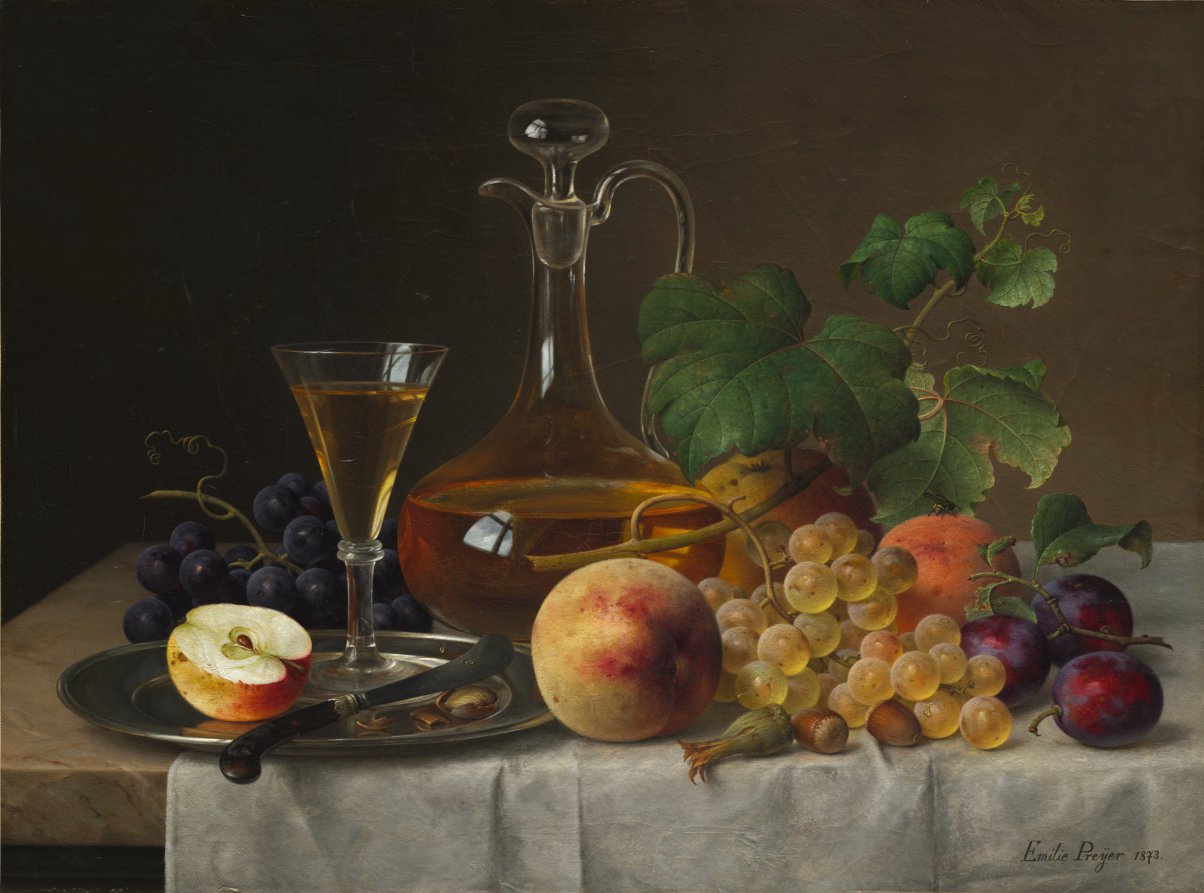
Still Life with Fruit
Cleveland Museum of Art
#173658