![[Portrait Painting of Barbara Slingsby, propped up in the Cloisters Courtyard at Lacock Abbey]](/api/proxy-image?url=https%3A%2F%2Fmedia.getty.edu%2Fiiif%2Fimage%2F4ae08c3e-eca5-42a9-9e66-83e88a813e1d%2Ffull%2F808%2C%2F0%2Fdefault.jpg)
Getty Museum
[Portrait Painting of Barbara Slingsby, propped up in the Cloisters Courtyard at Lacock Abbey]
- Date
- 1839–1840
- Medium
- Salted paper print
- Culture
- British
- Department
- Photographs
- Institution
- Getty Museum
- Object ID
- a99c680f-1a8a-47d9-b16a-f9e5736bbf32
From the Getty Museum record
> In an innocent scene certain to make a paintings conservator of the twenty-first century shudder, an oil portrait has been pulled from the halls of Lacock Abbey and propped haphazardly out in the sunlight in order to be photographed. Although the negative is not known, this print is laterally reversed from two similar ones formerly preserved in the Fox Talbot Museum in Lacock and now in the British Library, London. Lines on the Getty work indicate that it may have been copied from one of these. > > William Henry Fox Talbot’s informal outdoor studio at Lacock Abbey was a favorite place for him to photograph. Convenient to his workroom, the cloisters blocked some of the troublesome wind yet still let in copious rays of sunshine. In *The Pencil of Nature* (1844-1846) he wrote that “the cloisters . . . . are the most perfect which remain in any private residence in England. By moonlight, especially, their effect is very picturesque and solemn. Here, I presume, the holy sisterhood often paced in silent meditation; though in truth, they have left but few records to posterity to tell us how they lived and died. The ‘liber de Lacock’ is supposed to have perished in the fire of the Cottonian library. What it contained I know not—perhaps their private memoirs.” Had Talbot’s invention of photography been available centuries before, perhaps copies of these manuscripts would still survive, just as this photograph has preserved a now-lost painting. > > Talbot’s choice of subject—a three-quarter length painting of his ancestor Barbara Slingsby (1602-1658)—allowed him to explore two important uses for photography—portraiture and the reproduction of other art forms. At the time, long exposures made it very difficult, if not impossible, for people to keep still long enough so they would not appear simply as blurs in the final image. Photographing this two-dimensional woman may have offered Talbot some insights in preparation for a future when exposure times were shorter and human beings could easily be captured. Talbot and others also believed photography presented new opportunities in the field of art as an artist’s tool, a way to disseminate art to a wider audience, and a way to preserve art. > > Larry Schaaf, *William Henry Fox Talbot*, In Focus: Photographs from the J. Paul Getty Museum (Los Angeles: Getty Publications, 2002), 42. ©2002 J. Paul Getty Trust with additions by Carolyn Peter, J. Paul Getty Museum, 2019.
The authoritative record is held by Getty Museum. LinkedCulture surfaces this object and its connections; it does not alter institutional metadata.
Get printable QR codesHide QR codes
Open QR codes for this object page and the museum record. They stay collapsed until needed.
Related across collections
Semantically similar works from Getty Museum and other institutions.

The Ancient Vestry, Calvert Jones in the Cloisters of Lacock Abbey
Minneapolis Institute of Art
#2027
![[The Milliner's Window]](/api/proxy-image?url=https%3A%2F%2Fmedia.getty.edu%2Fiiif%2Fimage%2Fb3868872-cf7d-4202-9c2d-1b357238dc6b%2Ffull%2F808%2C%2F0%2Fdefault.jpg)
[The Milliner's Window]
Getty Museum
#e12126bc-4a99-48e2-b7da-7c868c64f4be
![["Cloisters, an ivy bush, 3' bright"] / [Detail of the Cloisters at Lacock Abbey]](/api/proxy-image?url=https%3A%2F%2Fmedia.getty.edu%2Fiiif%2Fimage%2Feed7199d-c5e6-42c0-8499-81b4c8fdb5dc%2Ffull%2F808%2C%2F0%2Fdefault.jpg)
["Cloisters, an ivy bush, 3' bright"] / [Detail of the Cloisters at Lacock Abbey]
Getty Museum
#436b28a6-d861-4e74-acdb-a9534aeed751
Cloisters of Lacock Abbey
Art Institute of Chicago
#39015
![[Articles of Glass on Three Shelves]](/api/proxy-image?url=https%3A%2F%2Fmedia.getty.edu%2Fiiif%2Fimage%2Fb10ac523-3983-4187-8644-281b367eb68a%2Ffull%2F808%2C%2F0%2Fdefault.jpg)
[Articles of Glass on Three Shelves]
Getty Museum
#428ce353-2846-47f3-a589-c53926cd3f78
Cloisters of Lacock Abbey
The Metropolitan Museum of Art
#289169
![[Lacock Abbey]](/api/proxy-image?url=https%3A%2F%2Fmedia.getty.edu%2Fiiif%2Fimage%2Fb3175c58-cd04-4c78-9c78-1eae3695aedb%2Ffull%2F808%2C%2F0%2Fdefault.jpg)
[Lacock Abbey]
Getty Museum
#e2a4d4d8-cbaf-465a-8593-8eab7c5fcd35
Cloisters of Lacock Abbey
Getty Museum
#3caf0883-7852-4edd-b8db-bede607f54f8
Cloisters of Lacock Abbey
Getty Museum
#a083aa59-f7b4-4bb2-ab7a-d8ce9f1d2c51
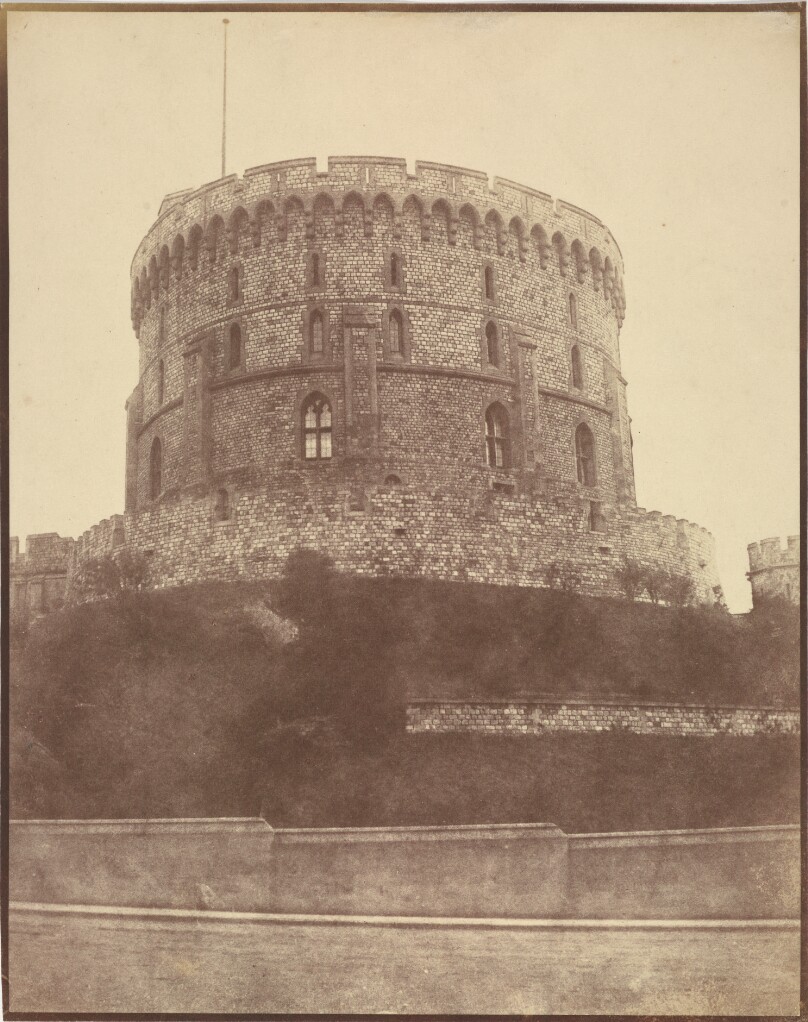
Round Tower, Windsor Castle
Getty Museum
#90093cf9-f5d4-4d9b-bb33-59d0457c9e33
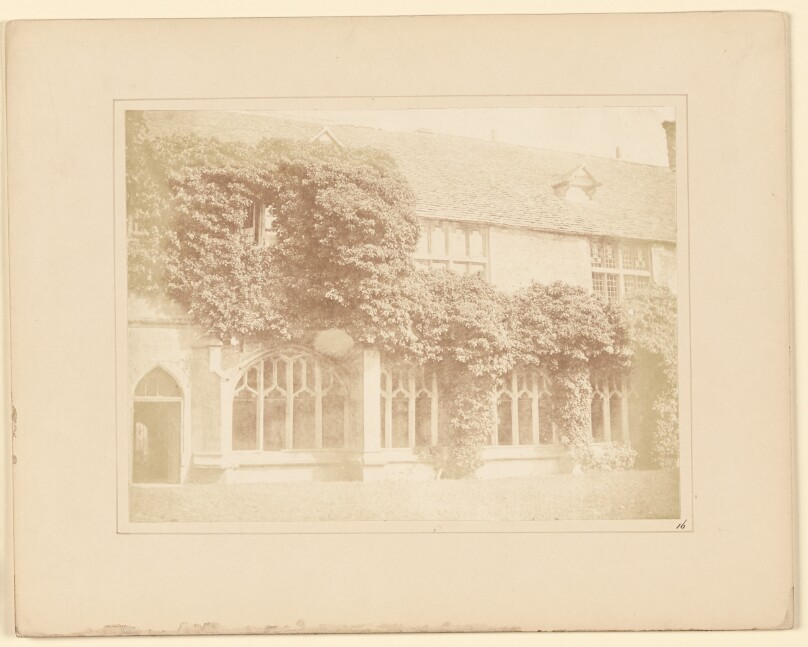
Cloisters of Lacock Abbey
Getty Museum
#b939f1eb-a262-4954-8190-c38c9238e978
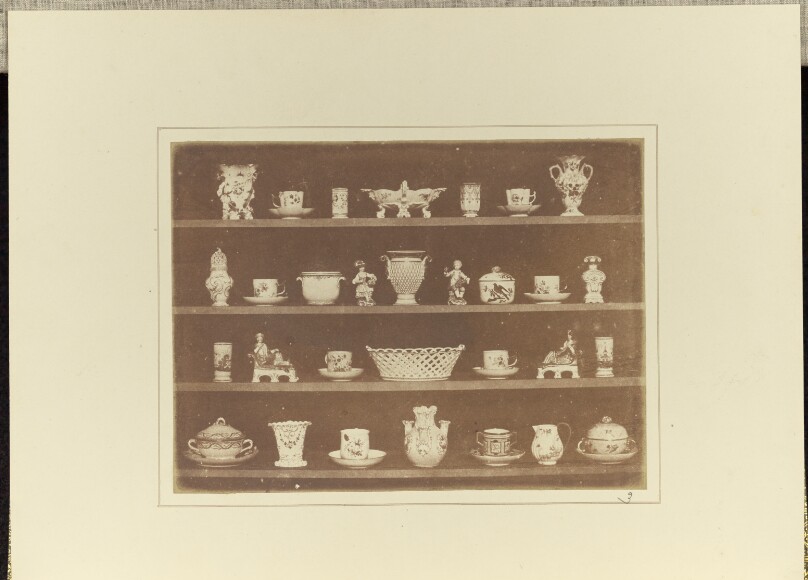
Articles of China
Getty Museum
#84888dde-6c32-42f8-9b66-e4a6849e6b95