
Minneapolis Institute of Art
Wine cistern
Paul de LamerieLinkedCulture matchlcp-41c4d5354eaf
- Date
- 1719–20
- Medium
- Silver
- Department
- European Art
- Institution
- Minneapolis Institute of Art
- Object ID
- 1451
From the Minneapolis Institute of Art record
Paul de Lamerie registered his first mark in 1712, only seven years before the creation of this masterpiece. This is the earliest known example of his highly decorative style, showing exceptional imagination and unexpected power in both form and ornament. Similar pieces in the French taste had been made by other goldsmiths before him, but at the time de Lamerie created this cistern, work of this importance and scale was virtually unknown. Bold, faun-like masks spring from the body to support the vigorous leaf rim. Moulded panels on a Régence scale-pattern ground enclose grotesque marks, and scrolls and shells are chased on the base. The superbly proportioned vessel is given power and individuality by two eccentrically-shaped handles bearing animals' masks on the upper volutes. The sum of the parts demonstrates Paul de Lamerie's ability to produce, even in the early years of his career, a massive piece of highest quality. During large banquets and parties, cisterns were used to chill wine bottles in cool water. This cistern was made for John Leveson-Gower, 1st Earl Gower, in 1719. His grandson, George Granville (1758-1833), was made 1st Duke of Sutherland in 1833. The cistern remained in the family from 1719 to 1961 when it was acquired by the Institute. England, Europe
The authoritative record is held by Minneapolis Institute of Art. LinkedCulture surfaces this object and its connections; it does not alter institutional metadata.
Get printable QR codesHide QR codes
Open QR codes for this object page and the museum record. They stay collapsed until needed.
Provenance & credit
As published by the source institution. Coverage varies — not every institution's open-data feed includes ownership history.
- Credit line
- The James S. Bell Memorial Fund
Related across collections
Semantically similar works from Minneapolis Institute of Art and other institutions.
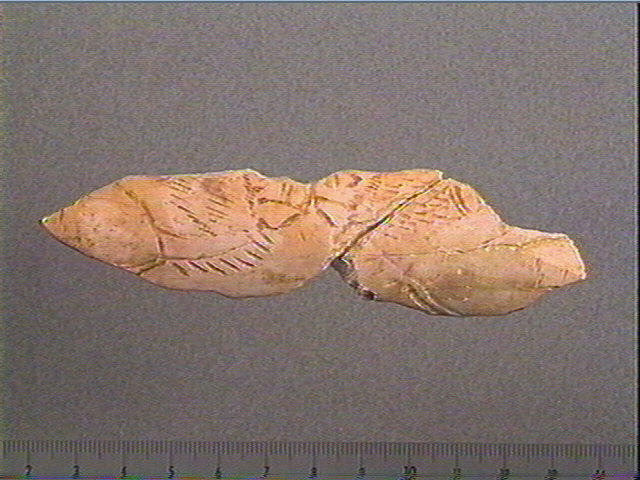
lame
Joconde
#50010008110
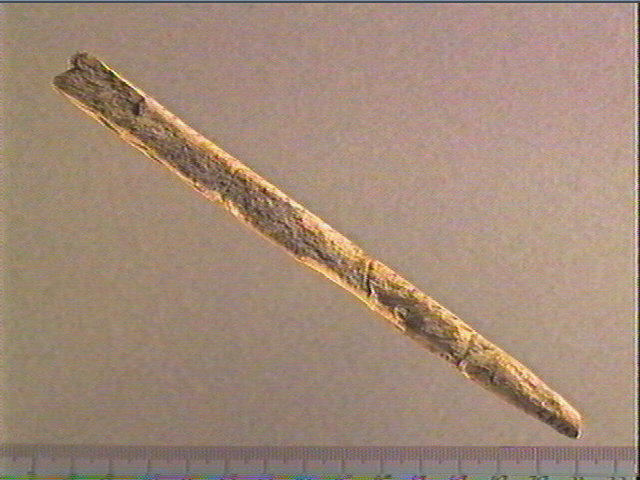
ciseau (2)
Joconde
#50010004868
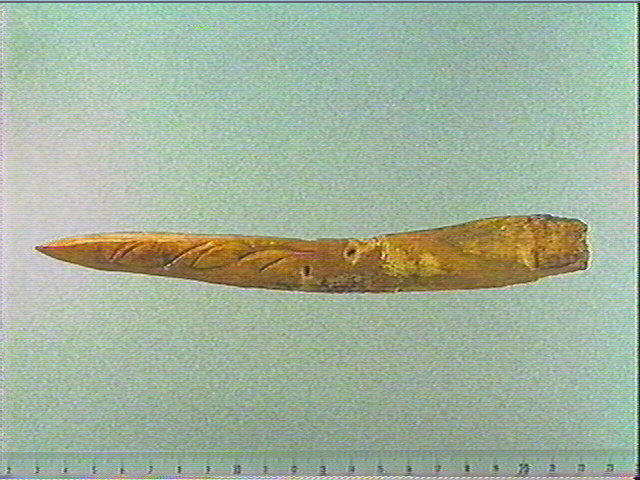
ciseau
Joconde
#50010008204

Pose de la première pierre de la caserne du Trocadéro, 31 août 1826
Musée Carnavalet, Histoire de Paris
#320056853
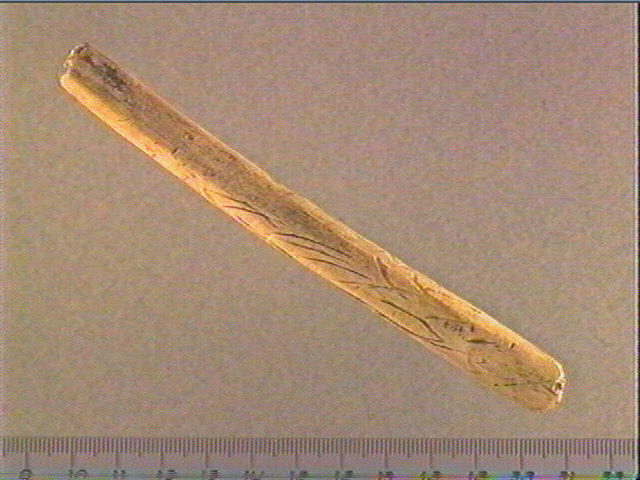
ciseau
Joconde
#50010008213
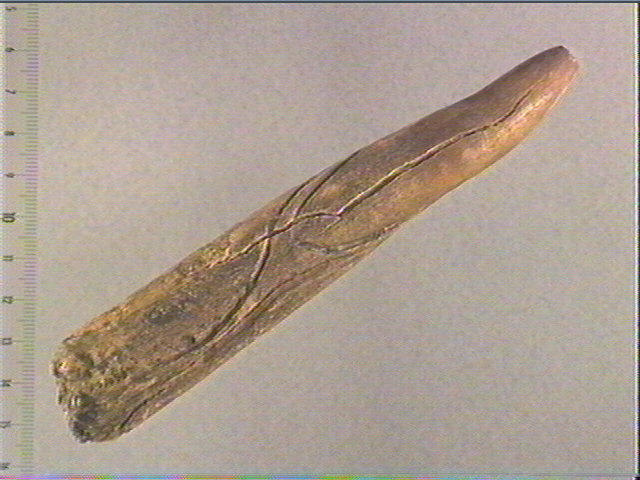
ciseau
Joconde
#50010008365
Marchands de vin-taverniers, 1651
Musée Carnavalet, Histoire de Paris
#320137661
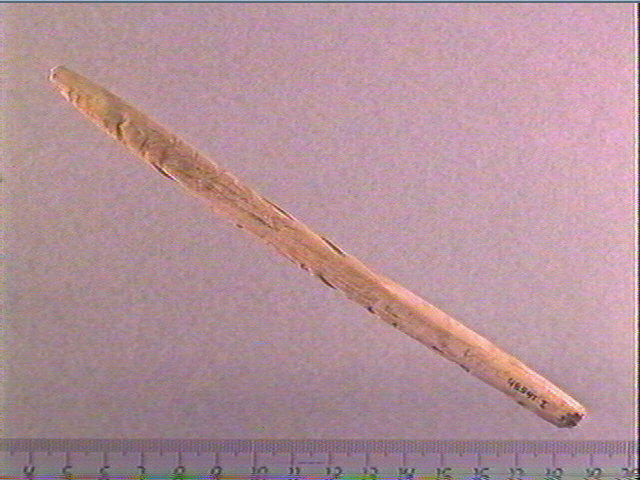
ciseau
Joconde
#50010008363
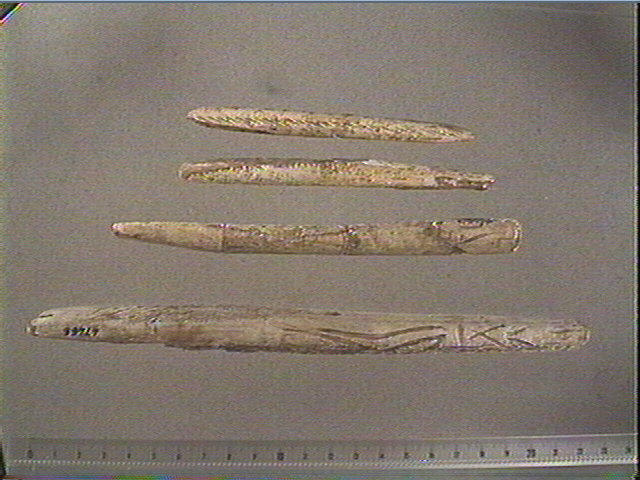
ciseau
Joconde
#50010008217
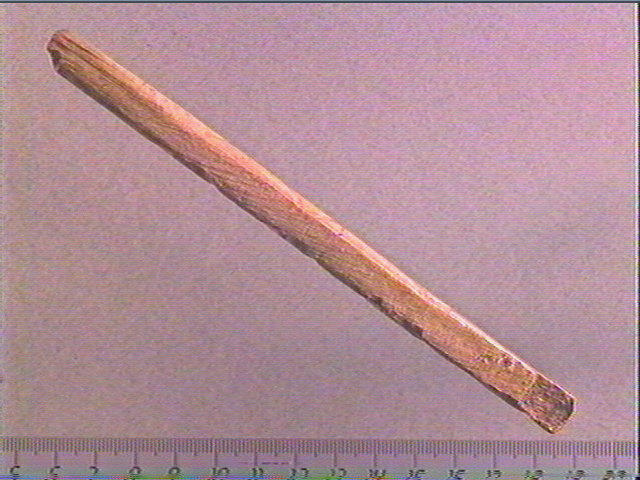
ciseau
Joconde
#50010004819
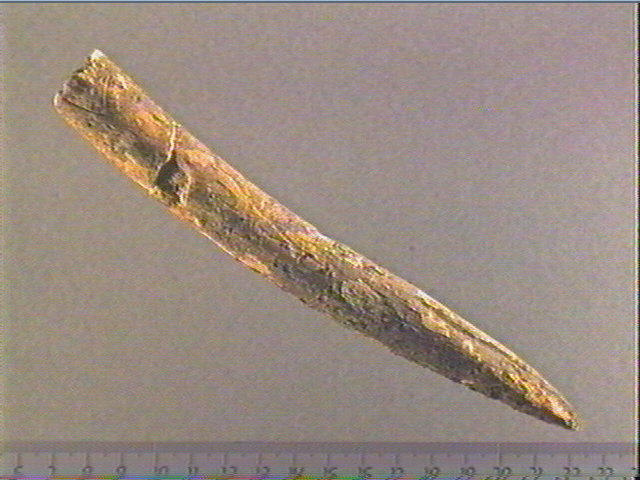
ciseau
Joconde
#50010004896
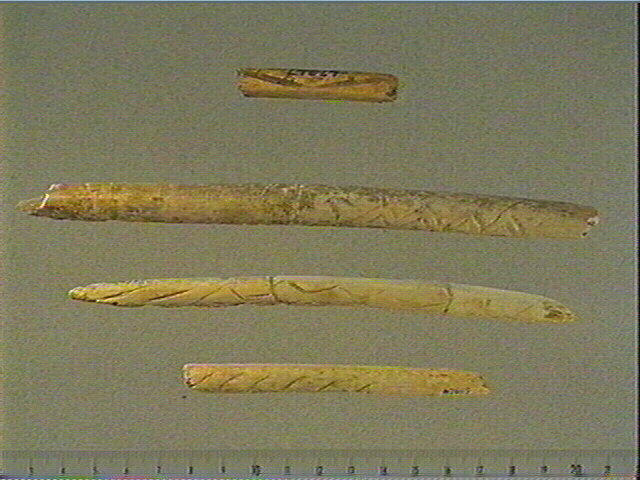
ciseau
Joconde
#50010004159