
Minneapolis Institute of Art
Campo Vaccino, Forum Romanum
Giovanni Battista PiranesiLinkedCulture matchlcp-4ee1b5daa952
- Date
- 1772
- Medium
- Etching with drypoint
- Department
- European Art
- Institution
- Minneapolis Institute of Art
- Object ID
- 55204
From the Minneapolis Institute of Art record
By Piranesi’s day, the grand Roman Forum had become the Campo Vaccino—the “cow field.” Three columns topped by a bit of crumbling entablature were all that remained of the Temple of Castor and Pollux, twins known as the Gemini. According to legend, the brave brothers helped the young republic defeat the last of Rome’s tyrant kings. The temple was dedicated in the year 6 CE. At the far left is the Temple of Antoninus and Faustina, completed in 141 CE. Emperor Antoninus dedicated it to his deceased and deified wife, Faustina. For a sense of scale, note that its columns are 56 feet—or about five stories—tall. The pagan structure was largely preserved because centuries later it was converted into a church. In the distance, we can see the Colosseum, the huge ancient Roman amphitheater, and the Basilica of Constantine. Italy, Europe
The authoritative record is held by Minneapolis Institute of Art. LinkedCulture surfaces this object and its connections; it does not alter institutional metadata.
Get printable QR codesHide QR codes
Open QR codes for this object page and the museum record. They stay collapsed until needed.
Provenance & credit
As published by the source institution. Coverage varies — not every institution's open-data feed includes ownership history.
- Credit line
- The William M. Ladd Collection Gift of Herschel V. Jones, 1916
Related across collections
Semantically similar works from Minneapolis Institute of Art and other institutions.
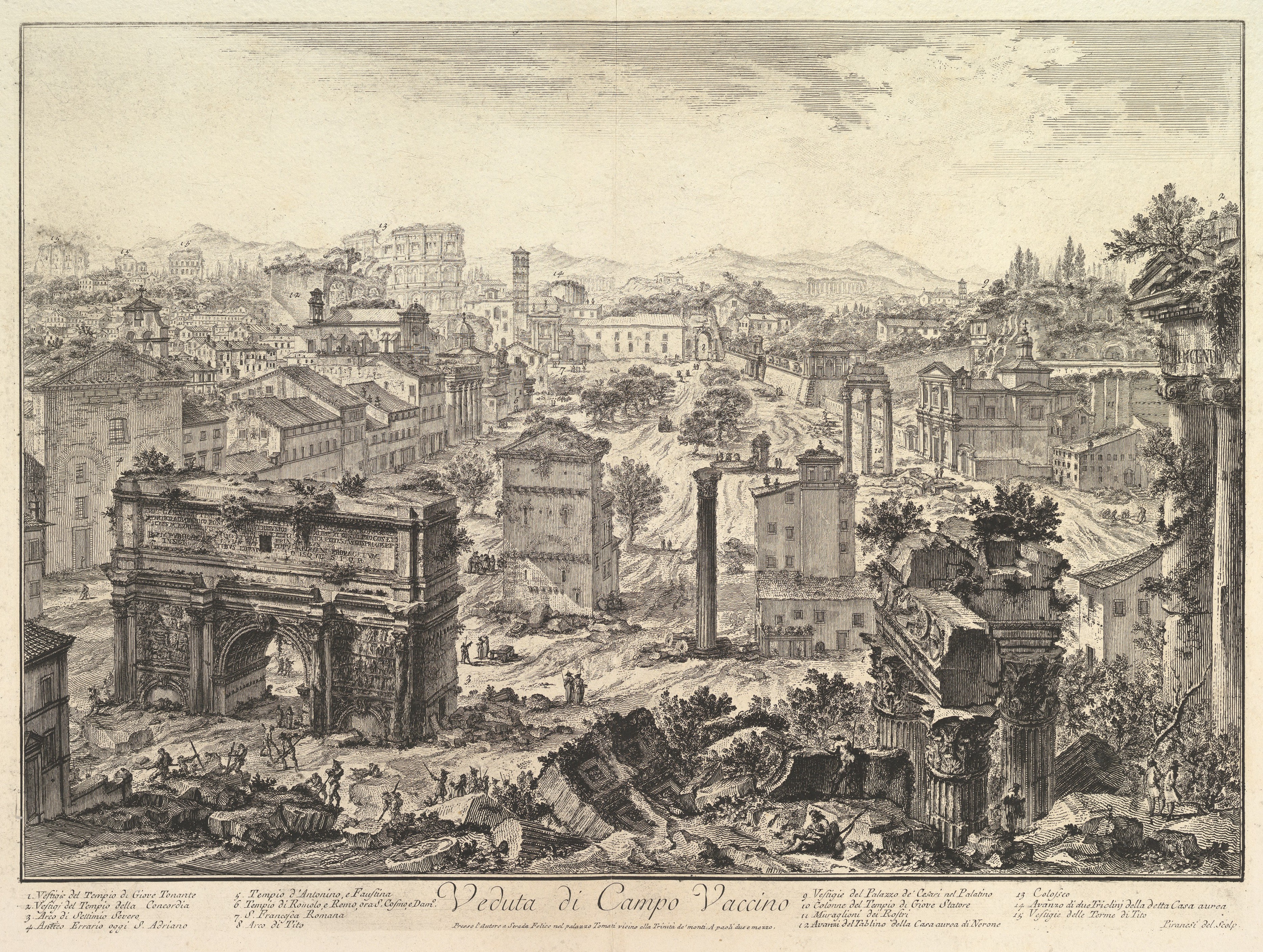
The Forum Romanum, or Campo Vaccino, from the Capitol, with the Arch of Septimius in the foreground left, Temple of Vespian right, and the Colosseum in the distance (Veduta di Campo Vaccino)
The Metropolitan Museum of Art
#363420

The columns of the Temple of Antoninus to right, a part of the Campo Vaccino in center and at left, along with various animals and figures, the Palatine ruins in the background, from "Six large views, four of Rome, and two of the Roman countryside" (Six grandes vues, dont quatre de Rome et deux de la Campagne romaine)
The Metropolitan Museum of Art
#377684
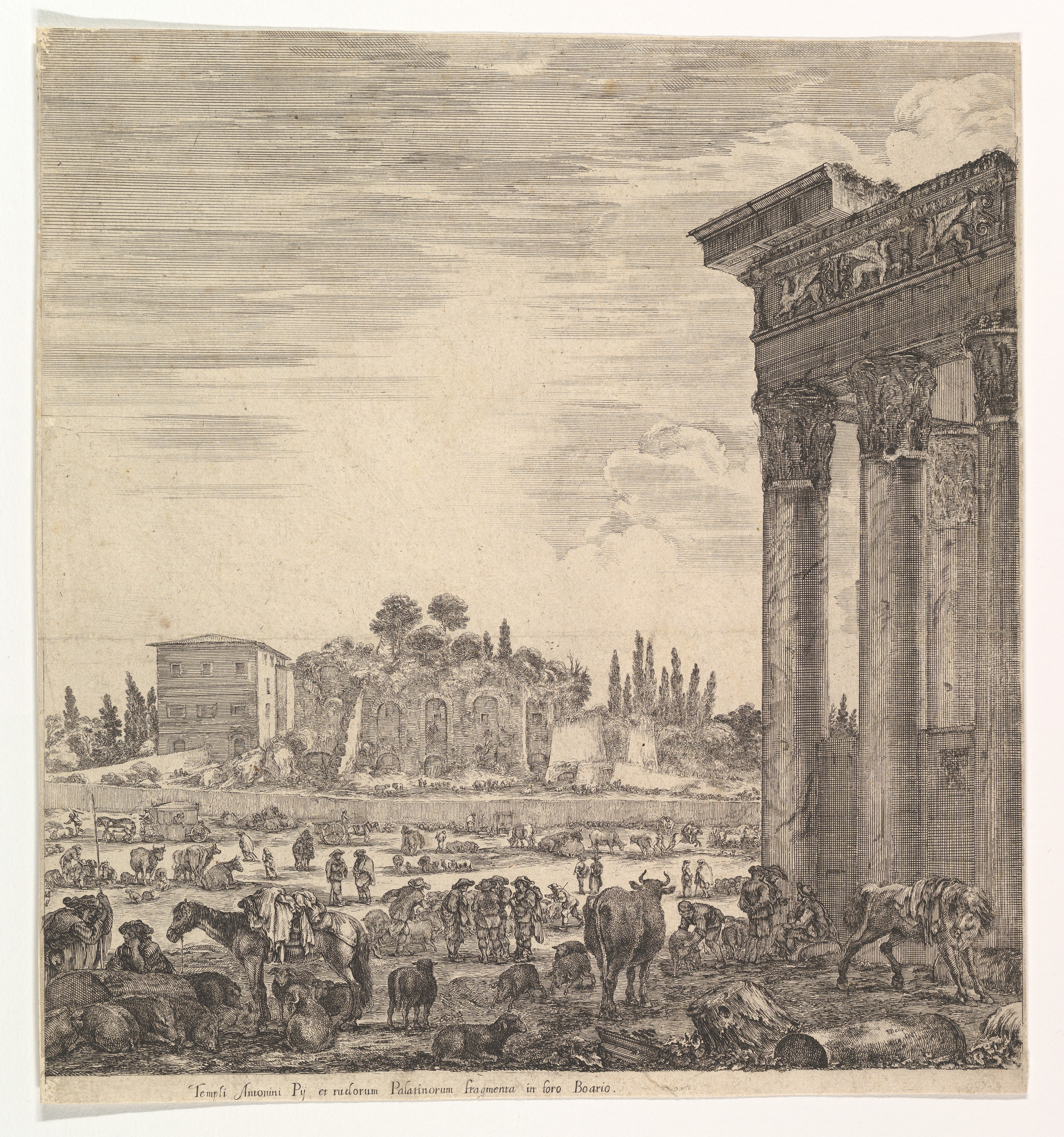
The columns of the Temple of Antoninus to right, a part of the Campo Vaccino in center and at left, along with various animals and figures, the Palatine ruins in the background, from "Six large views, four of Rome, and two of the Roman countryside" (Six grandes vues, dont quatre de Rome et deux de la Campagne romaine)
The Metropolitan Museum of Art
#400448

The columns of the Temple of Antoninus to right, a part of the Campo Vaccino in center and at left, from "Six large views, four of Rome, and two of the Roman countryside" (Six grandes vues, dont quatre de Rome et deux de la Campagne romaine)
The Metropolitan Museum of Art
#411208

Forum Romanum: Veduta di Campo Vaccino
Minneapolis Institute of Art
#55201
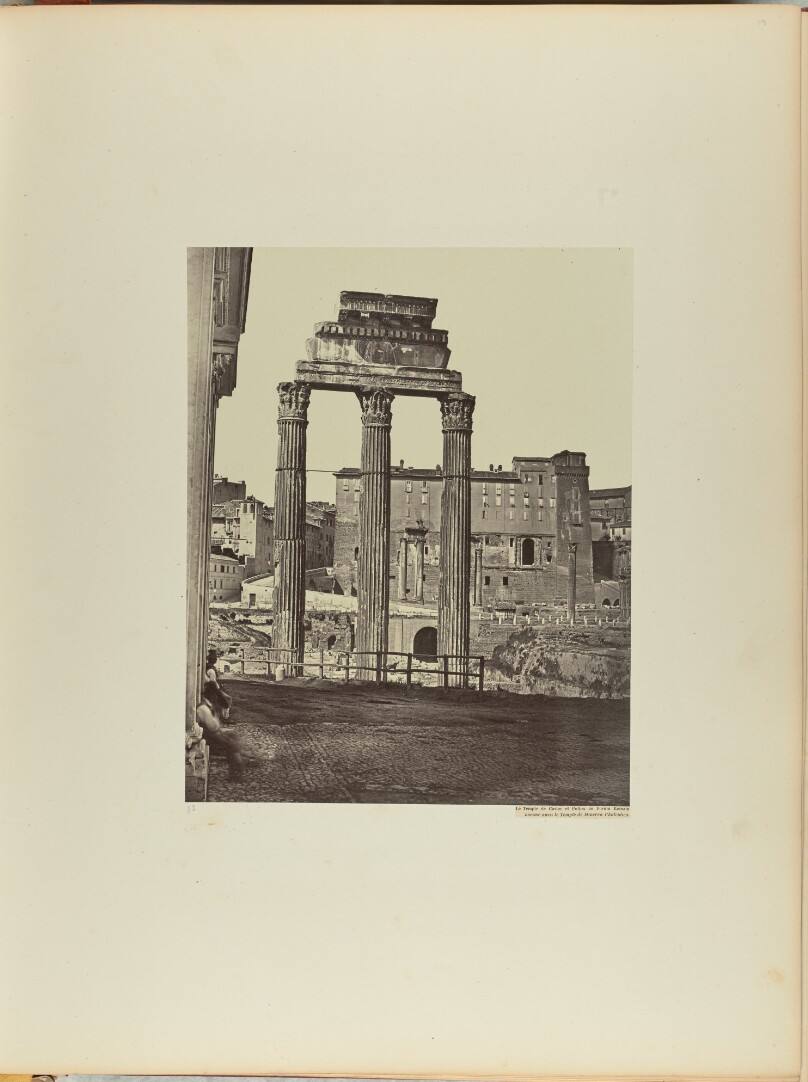
Le Temple de Castor et Pollux au Forum Romain nommé aussi le Temple de Minerva Chalcidica
Getty Museum
#b07018ec-da68-4664-a4b4-f881db3f1161
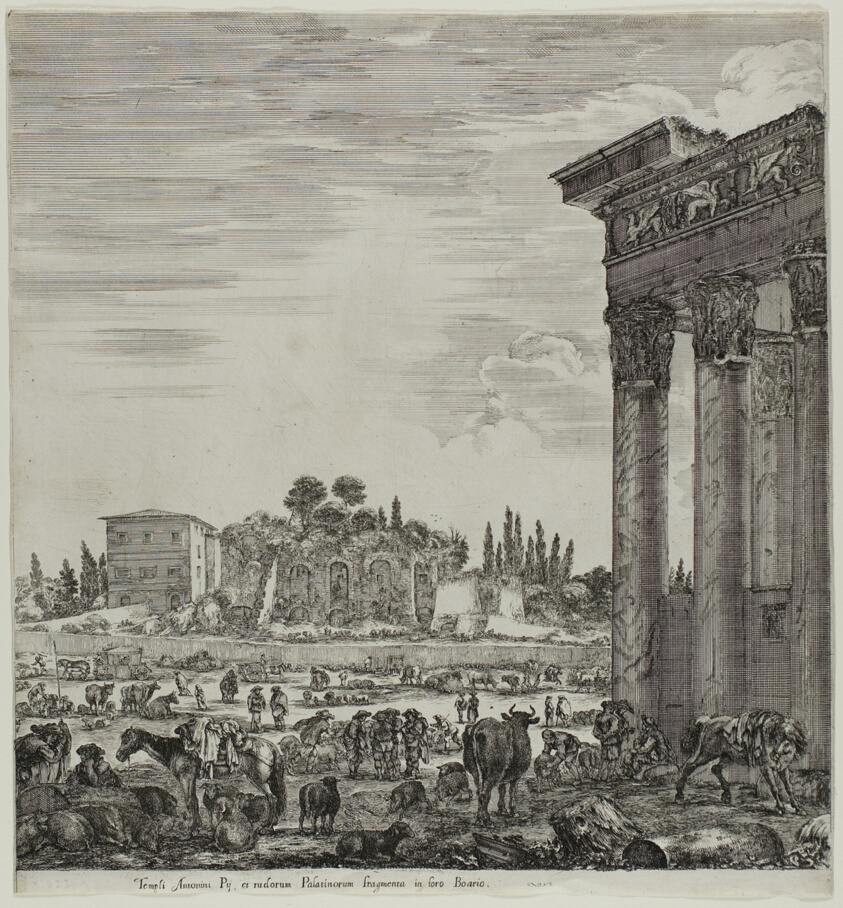
The Temple of Antonin and the Campo Vaccino
Art Institute of Chicago
#131078
![[Roman Forum]](/api/proxy-image?url=https%3A%2F%2Fmedia.getty.edu%2Fiiif%2Fimage%2F612e2ac1-392f-4971-92f7-599074d21ca5%2Ffull%2F808%2C%2F0%2Fdefault.jpg)
[Roman Forum]
Getty Museum
#bcc68806-5fc6-44a2-b457-a5b4b4bfdc6e

The Coliseum
Minneapolis Institute of Art
#55193

View of the Remains of the Dining Room of Nero's Golden House, commonly called the Temple of Peace
Minneapolis Institute of Art
#103176
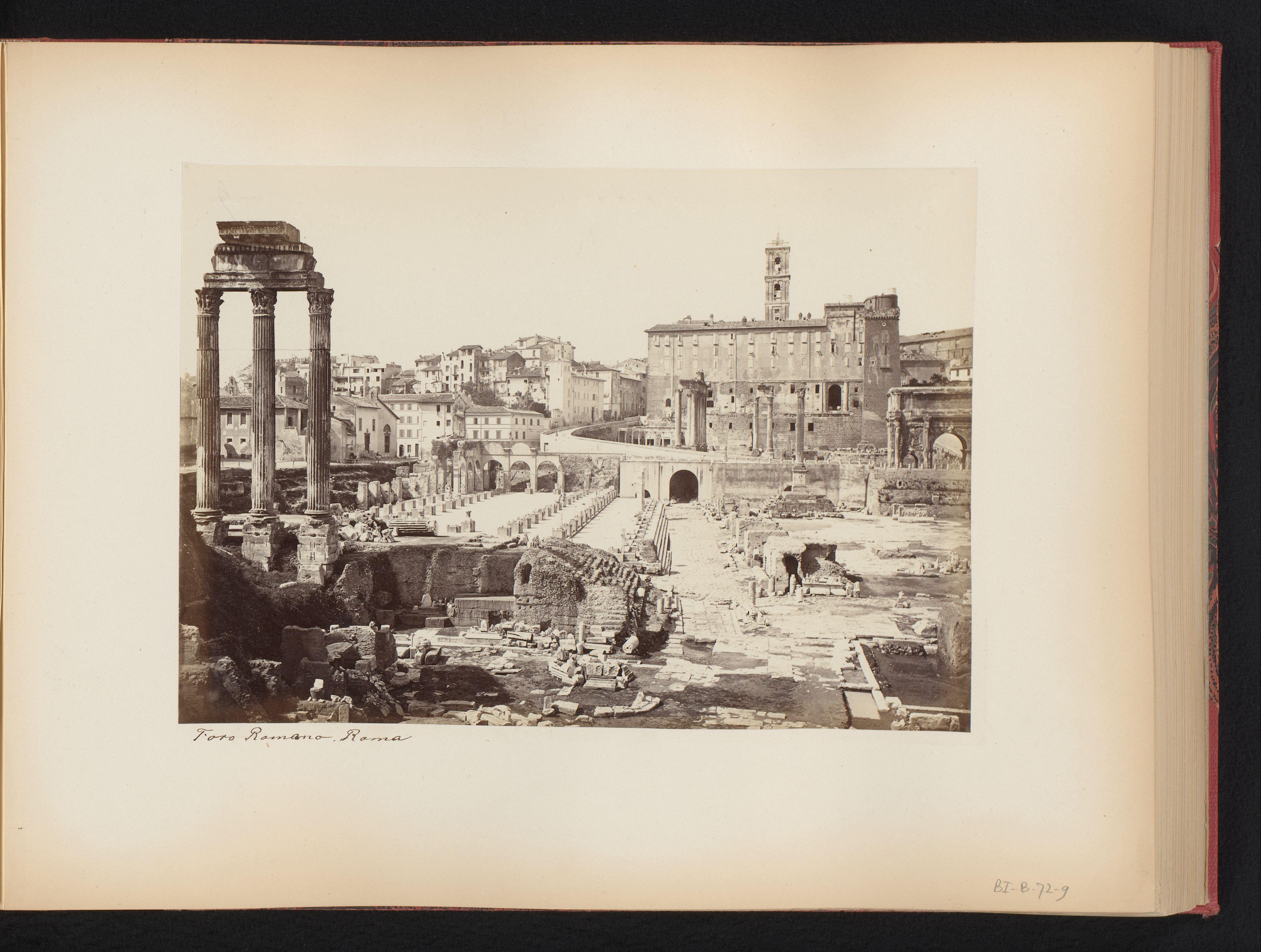
Gezicht op het Forum Romanum met de tempel van Castor en Pollux te Rome, Italië
Rijksmuseum
#BI-B-72-9

Walls and Pronaos, Temple of Saturn
Minneapolis Institute of Art
#55259