
Minneapolis Institute of Art
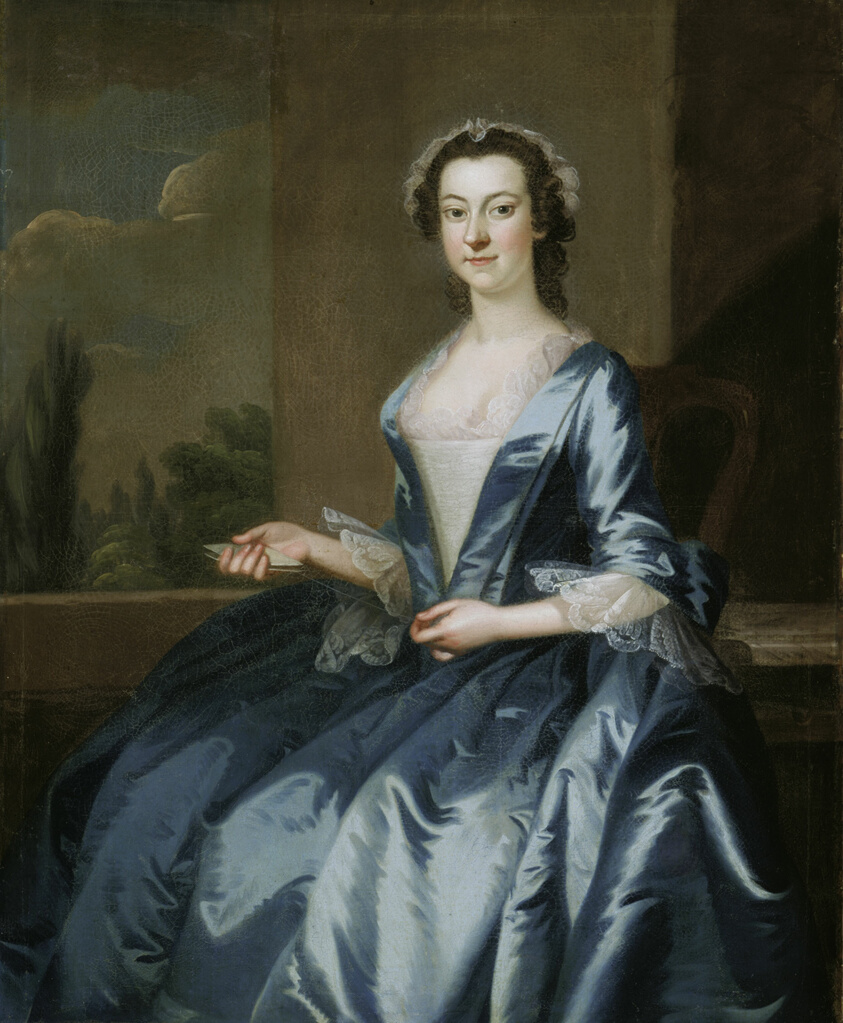
Portrait of Sarah Allen, née Sargent
John Singleton CopleyLinkedCulture matchlcp-d9e28c1b7235
- Date
- c. 1763
- Medium
- Oil on canvas
- Department
- Arts of the Americas
- Institution
- Minneapolis Institute of Art
- Object ID
- 593
From the Minneapolis Institute of Art record
Nathaniel Allen was a member of the new wealthy class in the mercantile and shipping business in Boston, and his wife, Sarah, was 34 at the time this work was painted. When commissioning portraits, successful American colonists wished to be portrayed in the manner of European aristocrats. This was accomplished by copying contemporary English portraits of ladies and gentlemen of fashion. Here, Copley adapted his composition from a mezzotint after William Hogarth's painting of Frances, Lady Byron. John Singleton Copley was the first great internationally renowned American painter. This work belongs to his most prolific period between 1762 and 1770, and coincides with the emergence of revolutionary ideas in Boston. Largely self-taught, he was the first full-time painter in the colonies. Excelling at capturing texture and surface details, Copley was also known for his uncompromising realism, giving the same meticulous attention to both psychological and formal details. With no attempt at idealization, Mrs. Allen is presented as a masculine-looking woman, appearing sturdy and confident as she daintily pulls on her glove. United States, Americas
The authoritative record is held by Minneapolis Institute of Art. LinkedCulture surfaces this object and its connections; it does not alter institutional metadata.
Get printable QR codesHide QR codes
Open QR codes for this object page and the museum record. They stay collapsed until needed.
Provenance & credit
As published by the source institution. Coverage varies — not every institution's open-data feed includes ownership history.
- Credit line
- The William Hood Dunwoody Fund
Part of a LinkedCulture topic
 Ancient Mediterranean Adornment
These objects are personal ornaments and accessories from ancient Mediterranean cultures, primarily from the Greco-Roman period in Egypt and the Parthian Empire, showcasing jewelry-making techniques across multiple civil
73 objects from 3 institutions
Related across collections
Semantically similar works from Minneapolis Institute of Art and other institutions.
Daniel Hubbard
Art Institute of Chicago
#59784
Mrs. Daniel Hubbard (Mary Greene)
Art Institute of Chicago
#59787
Catherine Greene
Cleveland Museum of Art
#94966
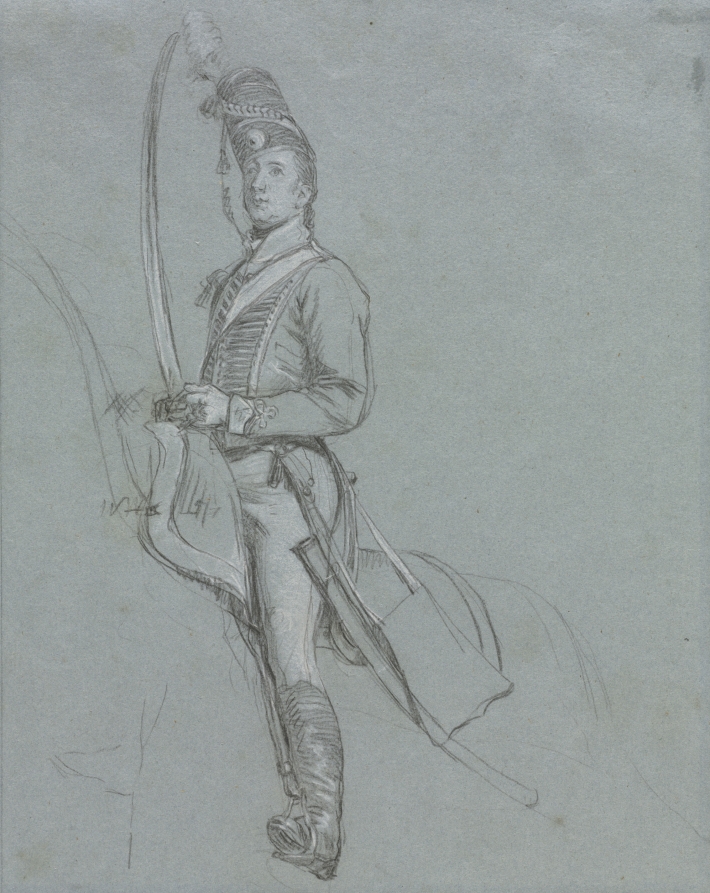
A Hussar Officer on Horseback
Cleveland Museum of Art
#127537
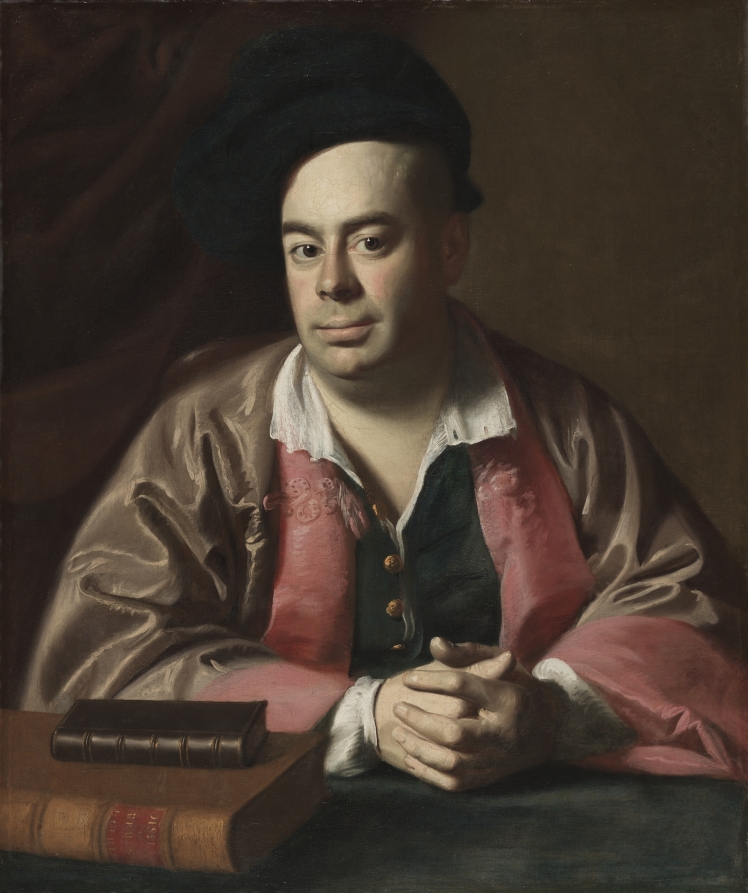
Nathaniel Hurd
Cleveland Museum of Art
#94979
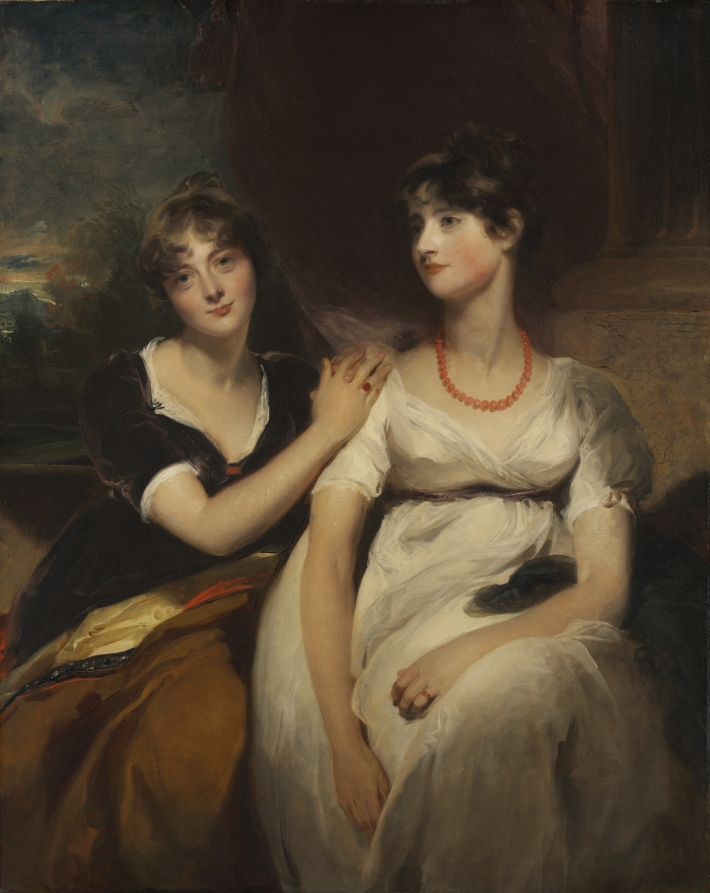
Portrait of Charlotte and Sarah Carteret-Hardy
Cleveland Museum of Art
#122346
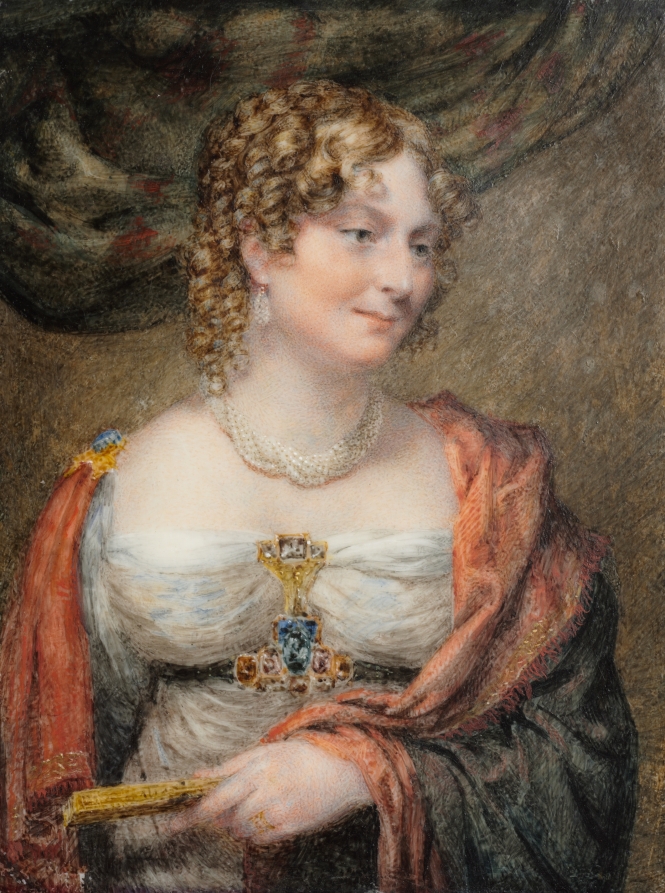
Portrait of Anne Law (née Towry), 1st Lady Ellenborough
Cleveland Museum of Art
#168764
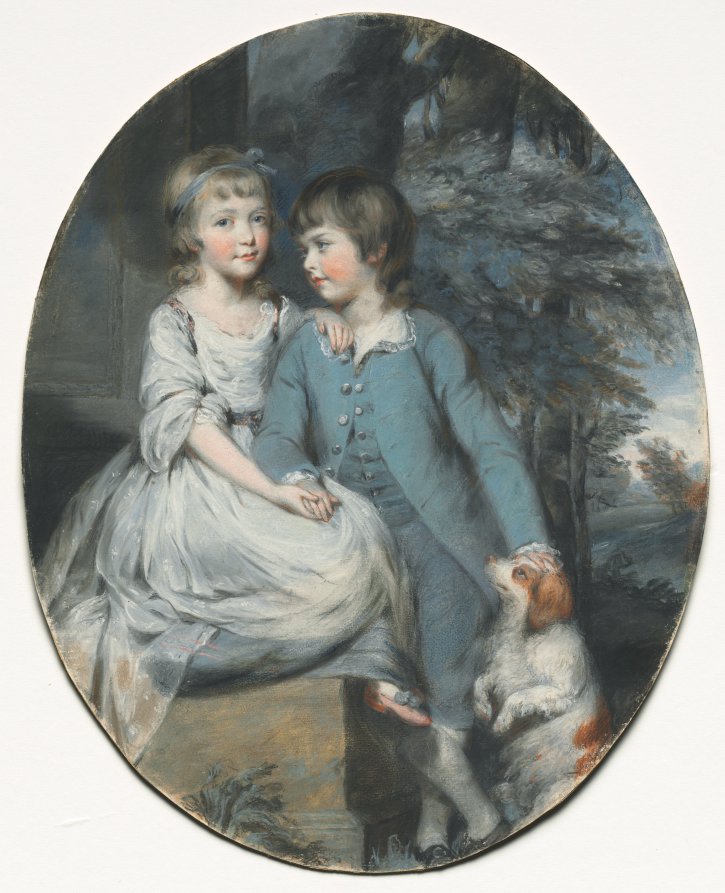
Cropley Ashley-Cooper (Later 6th Earl of Shaftesbury) with His Sister Mary Anne Ashley-Cooper, Later Lady Sturt of Crichel
Cleveland Museum of Art
#169320
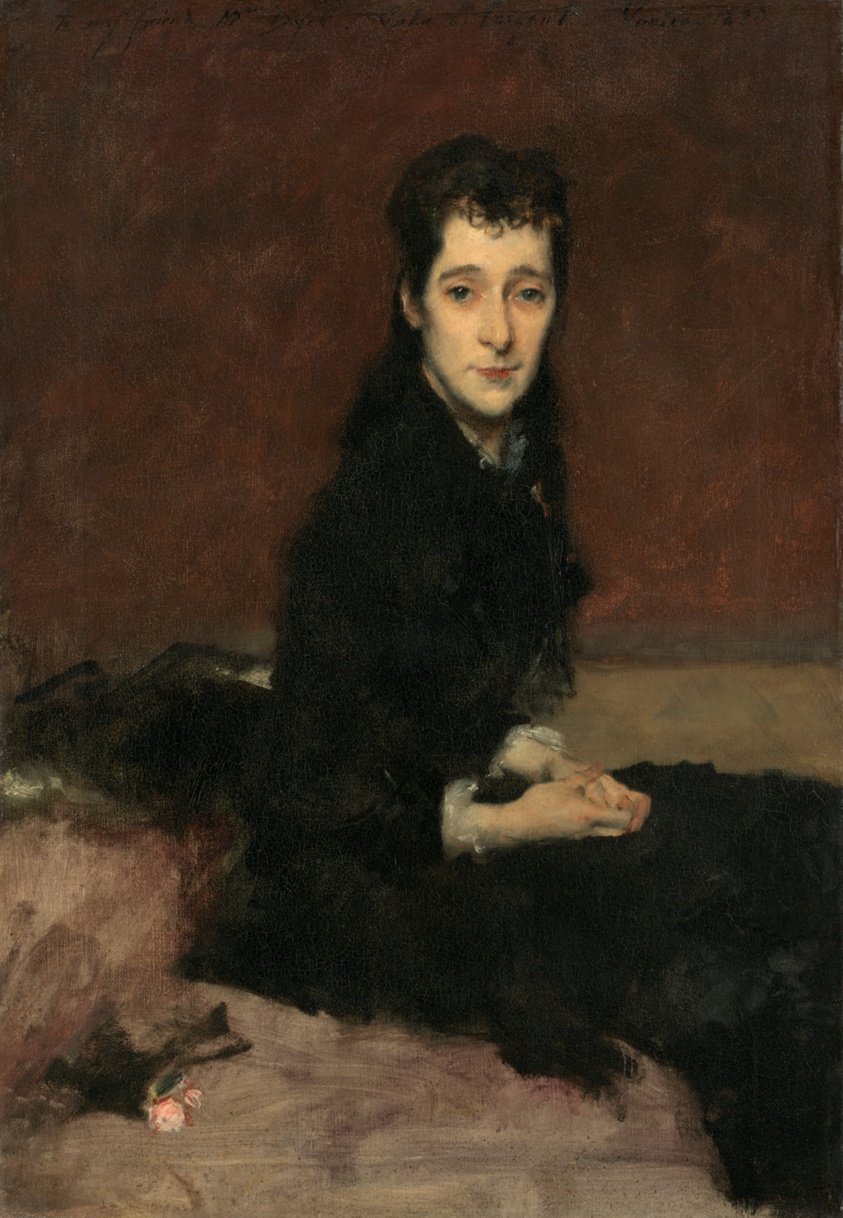
Mrs. Charles Gifford Dyer (Mary Anthony)
Art Institute of Chicago
#110879
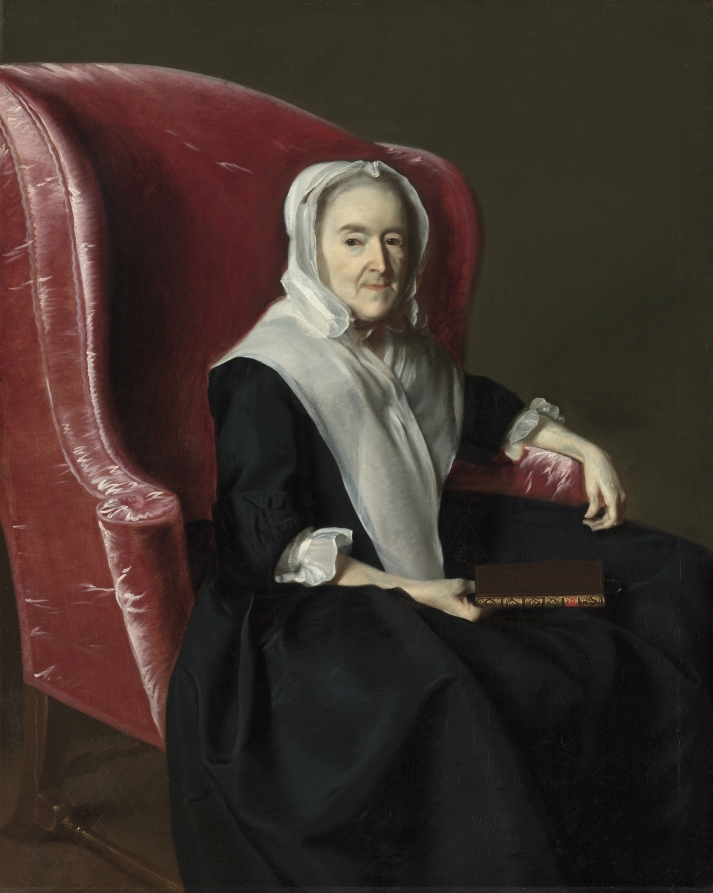
Anna Dummer Powell
Cleveland Museum of Art
#149978
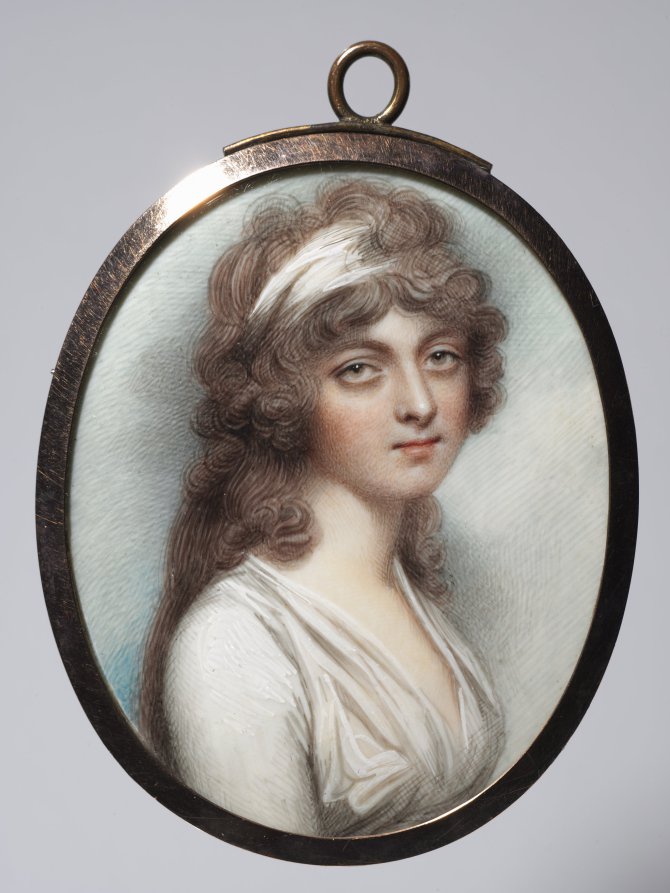
Portrait of Anna Walmesley
Cleveland Museum of Art
#123417
Portrait of a Woman
Art Institute of Chicago
#79765