
Minneapolis Institute of Art
Noblemen Viewing the Nunobiki Waterfall, Episode 87 of the Tales of Ise
Attributed to Tawaraya SōtatsuLinkedCulture matchlcp-f5fc5f951803
- Date
- first half 17th century
- Medium
- Album leaf, mounted as hanging scroll, ink and color on paper
- Department
- Asian Art
- Institution
- Minneapolis Institute of Art
- Object ID
- 8567
From the Minneapolis Institute of Art record
Tawaraya Sōtatsu, one of the founders of the Rinpa School during the early 17th century, was inspired by literary themes and painting styles from Japan's classical past. This album leaf illustrates a scene from the Tales of Ise (Ise monogatari) written around 950 recounting the life and loves of an unidentified gentleman, but probably loosely based on the courtier Ariwara Narihira (825-880). Thirty-seven leaves of this particular album by Sōtatsu and his studio are known. This leaf is the first of two that illustrate episode 87 in which a group of noblemen visit Nunobiki Waterfall, near present-day Kobe. One of the gentlemen, lamenting his low position at court, composed the inscribed poem by an unknown calligrapher: Which, I wonder, is higher- This waterfall or the fall of my tears As I wait in vain, Hoping today or tomorrow To rise in the world. (trans. Helen Craig McCullough) Sōtatsu portrayed the 10th century court nobles in a traditional manner using fine, even lines and stylized faces. He updated his composition, however, by using a technique known as tarashikomi, in which darker pigments are applied over still-wet lighter colors, resulting in softly mottled, abstract landscape forms. Asia
The authoritative record is held by Minneapolis Institute of Art. LinkedCulture surfaces this object and its connections; it does not alter institutional metadata.
Get printable QR codesHide QR codes
Open QR codes for this object page and the museum record. They stay collapsed until needed.
Provenance & credit
As published by the source institution. Coverage varies — not every institution's open-data feed includes ownership history.
- Credit line
- The John R. Van Derlip Fund
Related across collections
Semantically similar works from Minneapolis Institute of Art and other institutions.

Narihira at the Nunobiki Waterfall, from the Episode 87 of Tales of Ise
Art Institute of Chicago
#81128
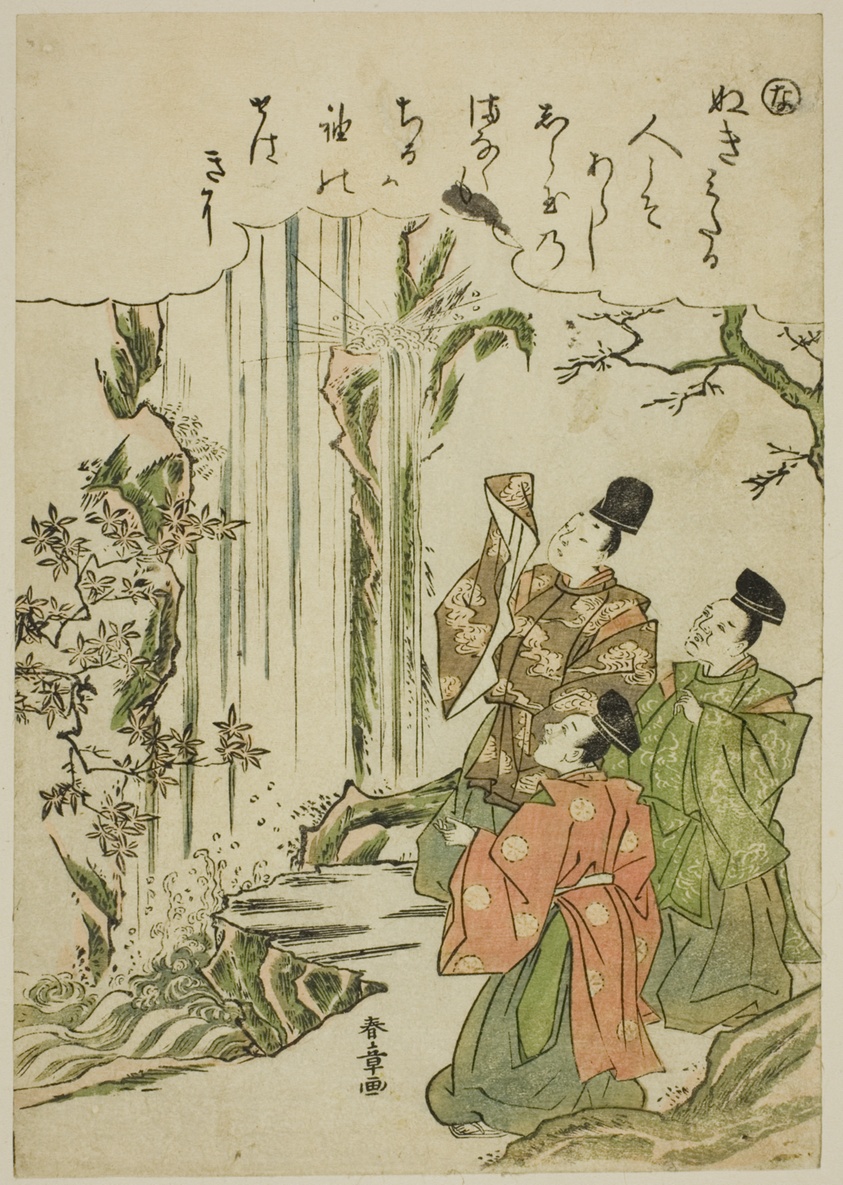
"Na": Nunobiki Waterfall, from the series "Tales of Ise in Fashionable Brocade Pictures (Furyu nishiki-e Ise monogatari)"
Art Institute of Chicago
#89209

Chiryū
Minneapolis Institute of Art
#61088
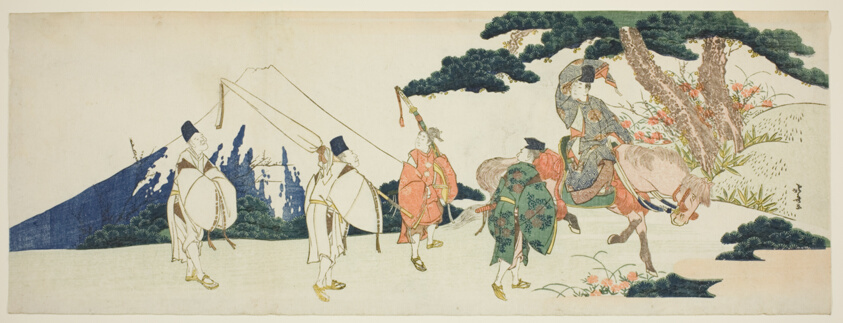
The Eastern Journey of the Celebrated Poet Ariwara no Narihira
Art Institute of Chicago
#24515

Narihira Riding Below Fuji
Minneapolis Institute of Art
#2008
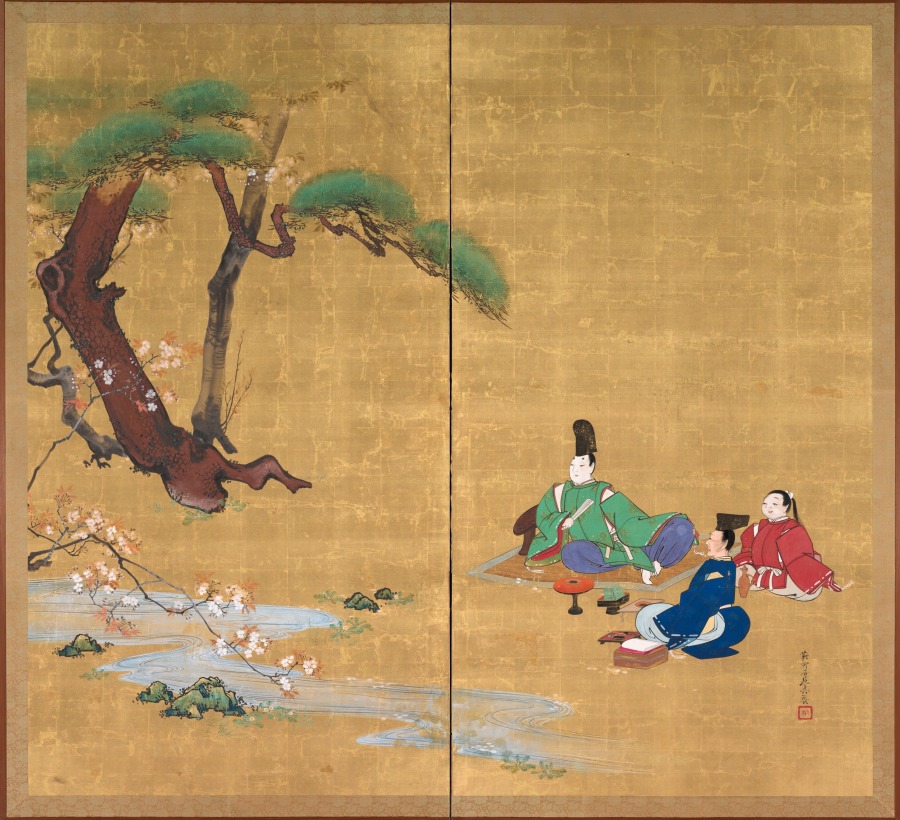
Nagisa Palace from the Tales of Ise
Cleveland Museum of Art
#150419
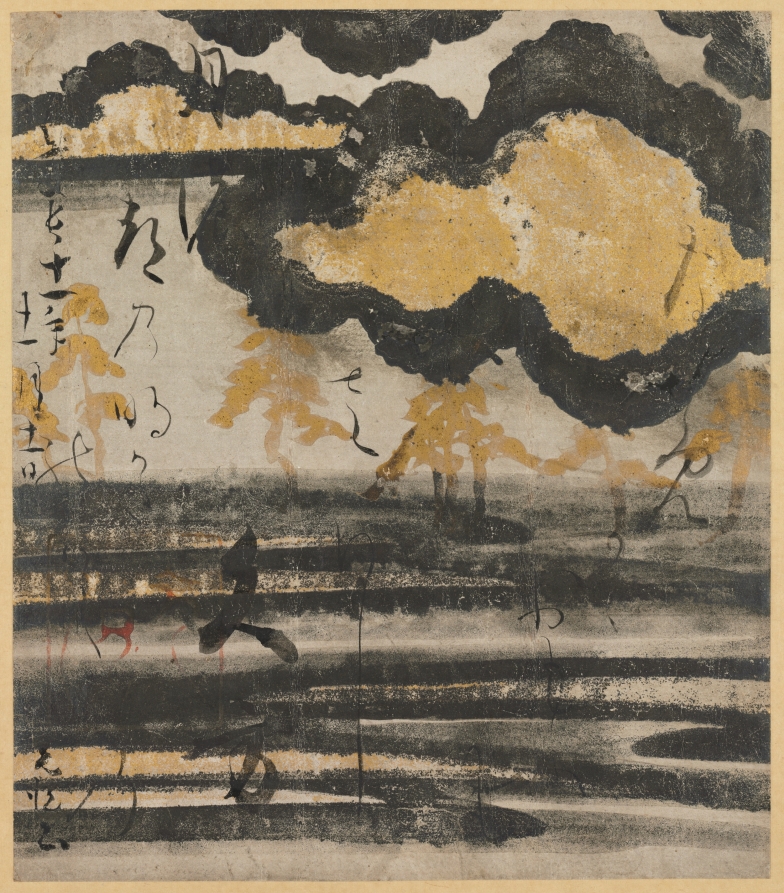
Poem-card from the Shinkokin wakashu (New Collection of Japanese Poems from Ancient and Modern Times) with Design of Pine on a Beach
Cleveland Museum of Art
#153763

Woman of Takayasu, from the Tales of Ise
Minneapolis Institute of Art
#118280
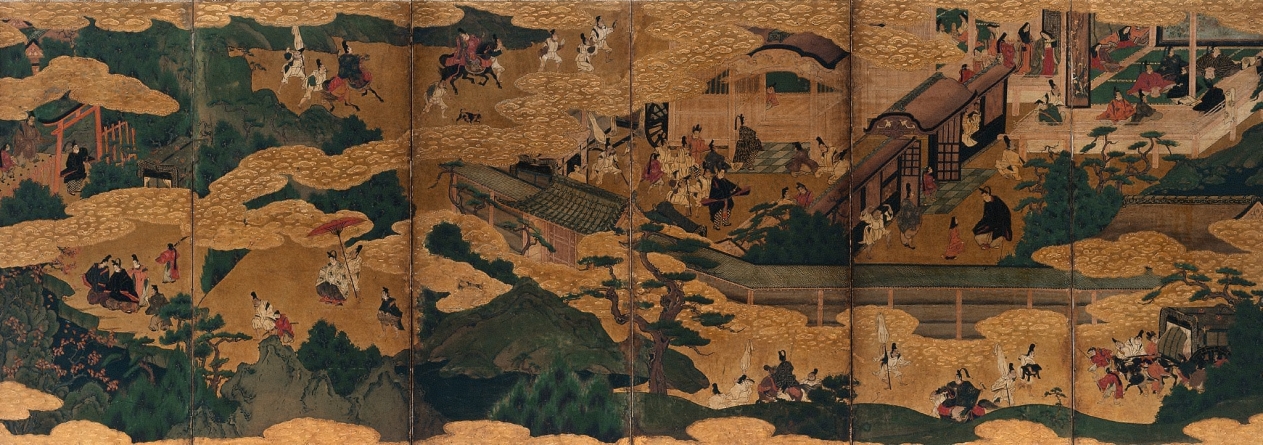
Scenes from the Tales of Ise
Cleveland Museum of Art
#144293
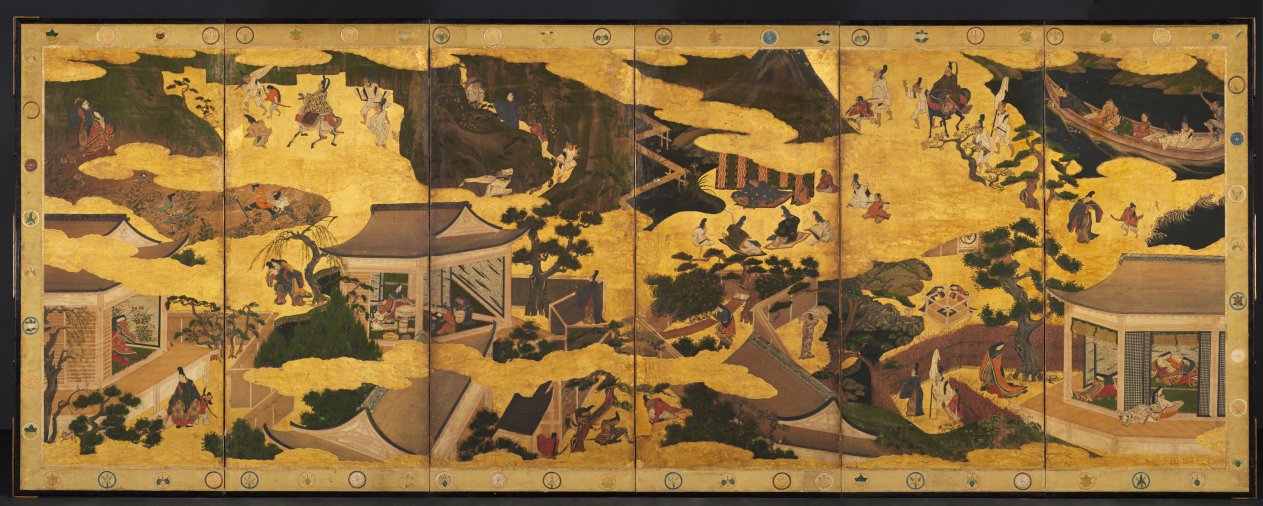
Scenes from the Tales of Ise
Cleveland Museum of Art
#144294
![Flowers of Autumn [left of a pair of Flowers of Summer and Autumn]](https://4.api.artsmia.org/800/40037.jpg)
Flowers of Autumn [left of a pair of Flowers of Summer and Autumn]
Minneapolis Institute of Art
#40037
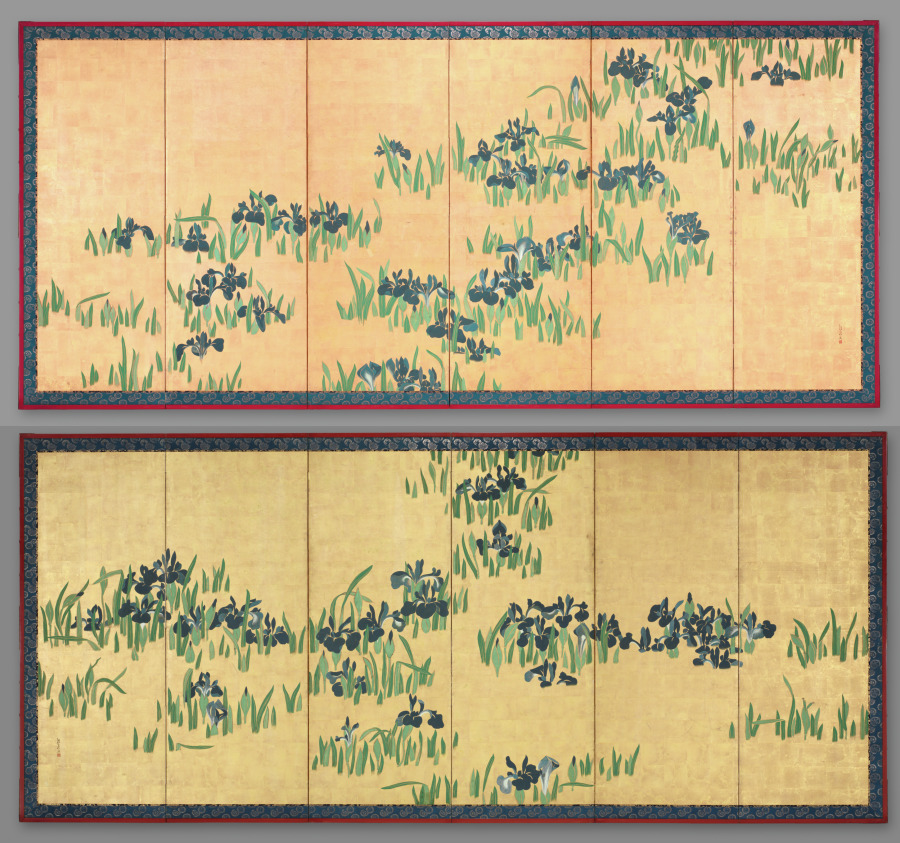
Irises
Cleveland Museum of Art
#132048