Art Institute of Chicago
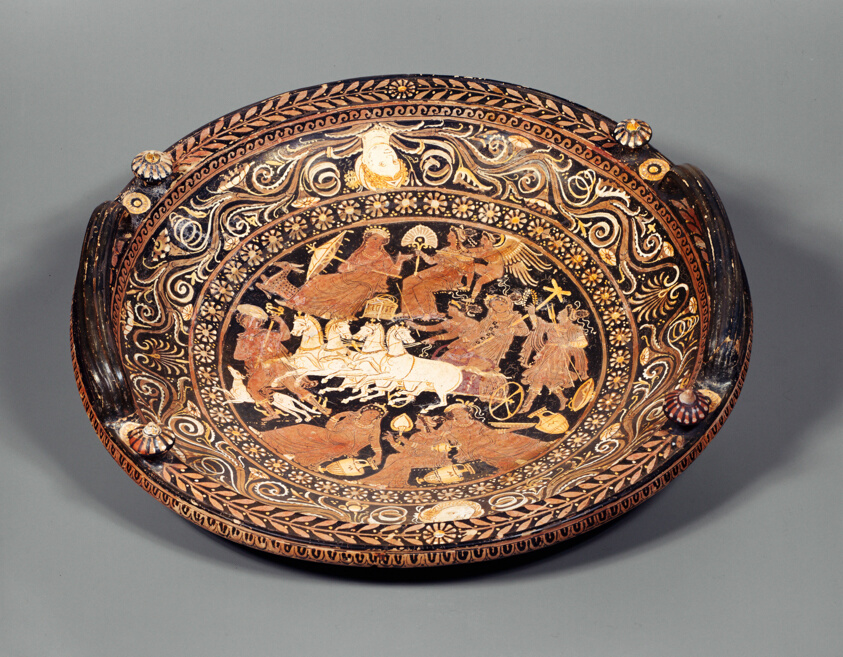
Knob-Handled Patera (Dish)
Attributed to the Baltimore Painter
- Date
- 330-320 BCE
- Medium
- terracotta, red-figure
- Culture
- Apulia
- Department
- Arts of Greece, Rome, and Byzantium
- Institution
- Art Institute of Chicago
The circular dish with knobs alongside its handles is a characteristically Apulian vessel. A patera was typically used to pour libations, but this example is unusually large. Bands of varying width containing repetitive patterns and scrolling tendrils interrupted by female heads surround a central scene depicting Hermes, the god of travelers, leading the harvest goddess Demeter and her daughter Persephone from the underworld, where the girl had been held captive by Hades. Persephone was forced to return for part of every year, and during that time Demeter’s displeasure would cause the fertile earth to turn barren. Her story symbolized the life, death, and rebirth of both crops and people.
The authoritative record is held by Art Institute of Chicago. LinkedCulture surfaces this object and its connections; it does not alter institutional metadata.
Linked open data
Authority identifiers that link this record into the wider web of cultural data — stable references you can follow to the source.
- Object type
- AAT300193015
Related across collections
Semantically similar works from Art Institute of Chicago and other institutions.

Apulian Red-Figure Patera with Anthropomorphic Handle
Getty Museum

Apulian Knob-Handled Patera
Getty Museum

Patera Handle in Kouros Form
Getty Museum
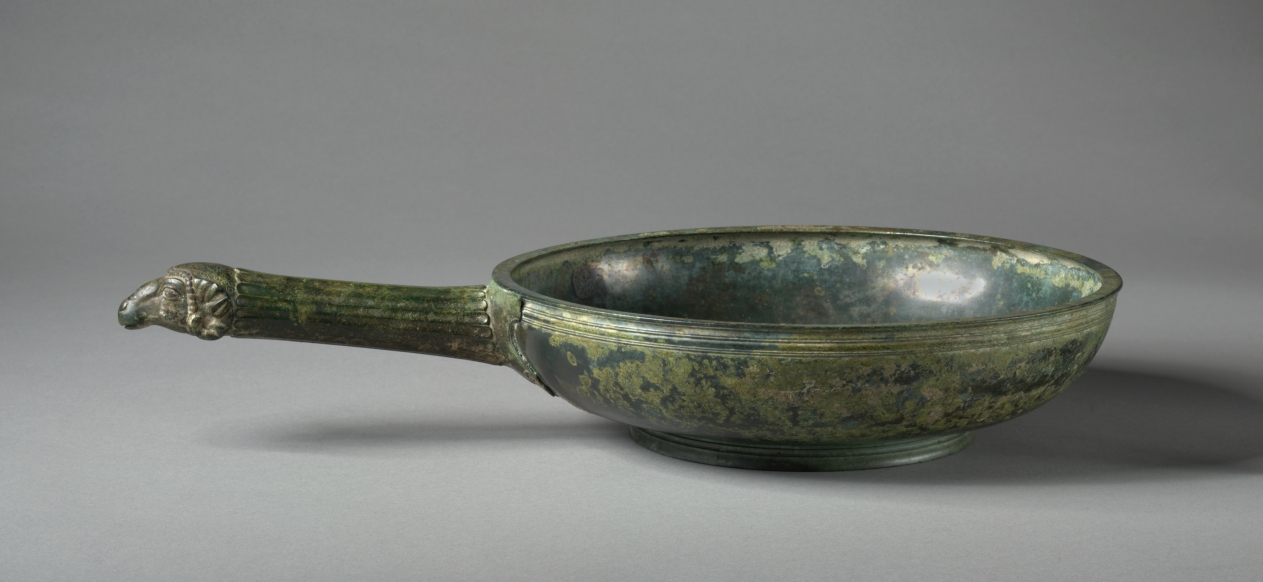
Patera with Fluted Handle and Ram Head Finial
Cleveland Museum of Art

Apulian Volute Krater
Getty Museum
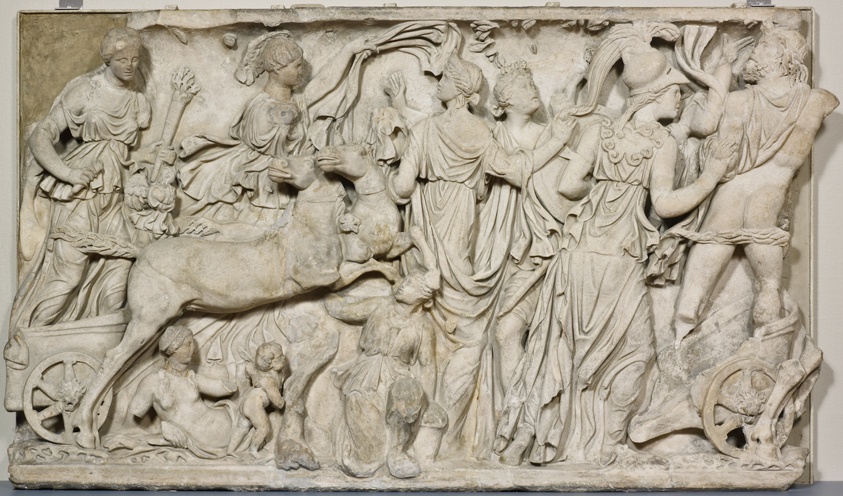
Panel from a Sarcophagus Depicting the Abduction of Persephone
Art Institute of Chicago

Apulian Bell Krater
Getty Museum

Patera
Getty Museum

Patera
Getty Museum
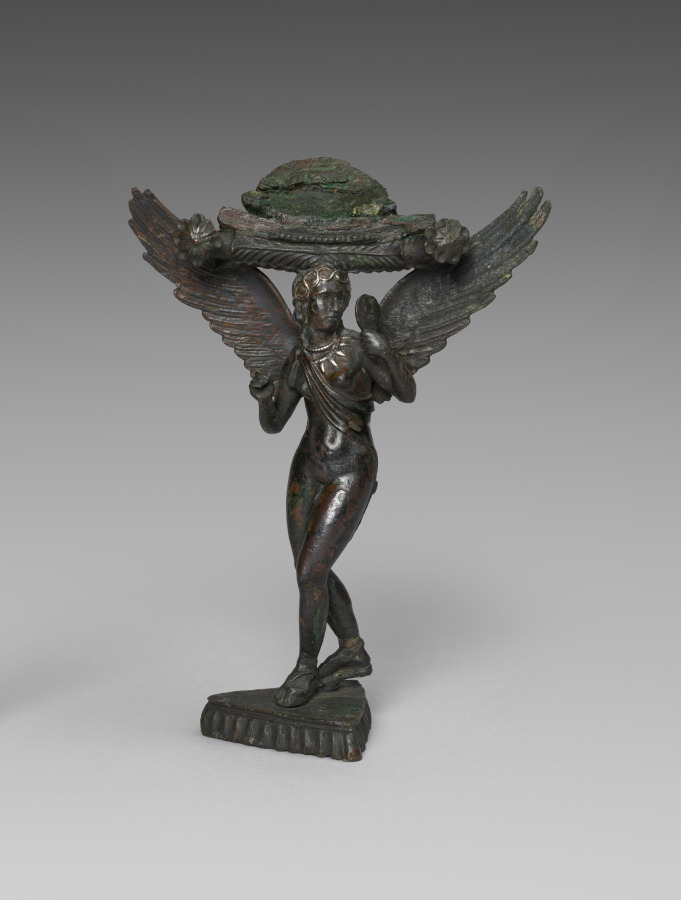
Patera Support: Lasa
Cleveland Museum of Art

Apulian Red-Figure Amphora
Getty Museum

Apulian Red-Figure Krater with Mascarons
Getty Museum