Art Institute of Chicago
Relief Plaque
Roman
- Date
- Early 1st century
- Medium
- terracotta
- Culture
- Rome
- Department
- Arts of Greece, Rome, and Byzantium
- Institution
- Art Institute of Chicago
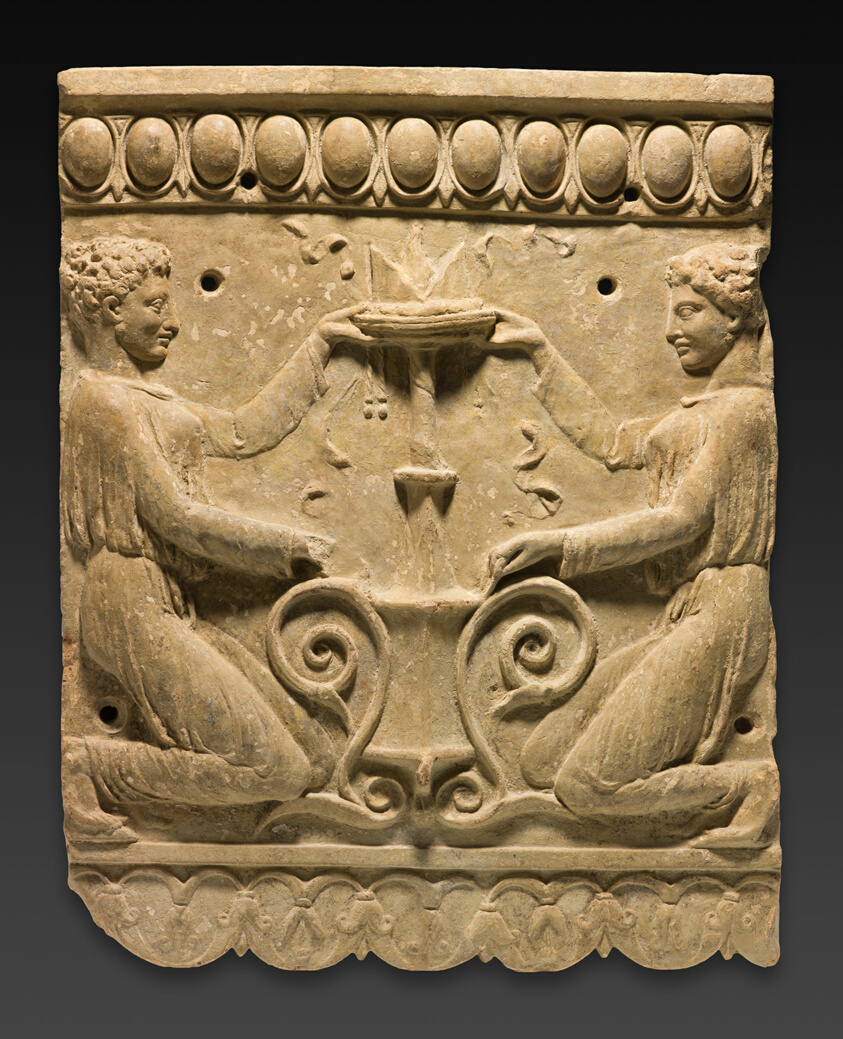
During the early Roman Empire, terra-cotta relief plaques were a popular form of interior decoration for houses, public baths, and tombs. The mold-made reliefs, which could be rapidly reproduced to create a decorative frieze, reflect an interest in older Greek styles. Here female temple attendants, whose costumes and hairstyles recall fashions worn at least 200 years earlier by the Greek occupants of southern Italy and Sicily, kneel before a tall incense burner, upon which they place an offering. The scene is bordered by an egg-and-dart pattern above and a lotus pattern below. The presence of four nailholes indicates that these panels were likely affixed to a wall.
The authoritative record is held by Art Institute of Chicago. LinkedCulture surfaces this object and its connections; it does not alter institutional metadata.
Linked open data
Authority identifiers that link this record into the wider web of cultural data — stable references you can follow to the source.
- Object type
- AAT300190691
Related across collections
Semantically similar works from Art Institute of Chicago and other institutions.

Relief with Two Maenads
Getty Museum
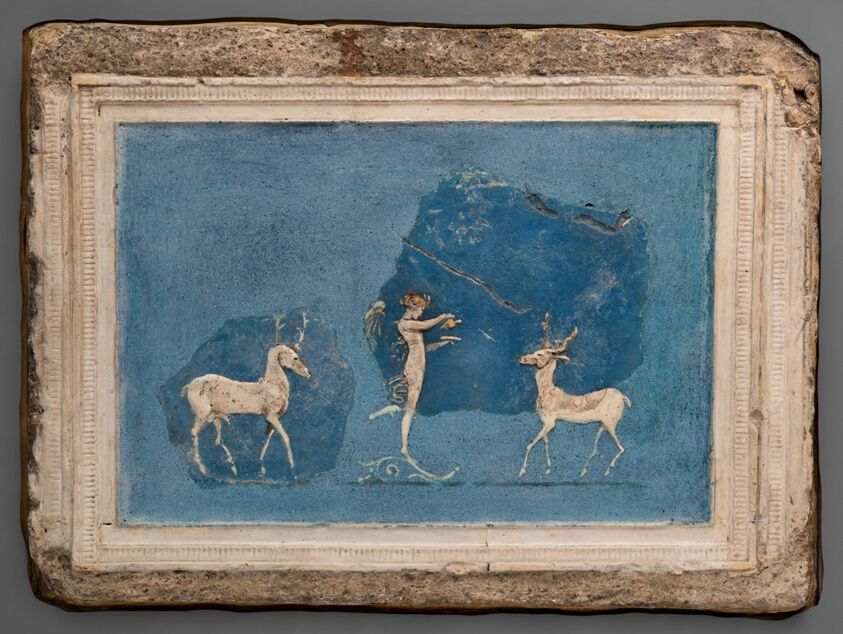
Relief Fragments Depicting a Winged Woman and Two Deer
Art Institute of Chicago
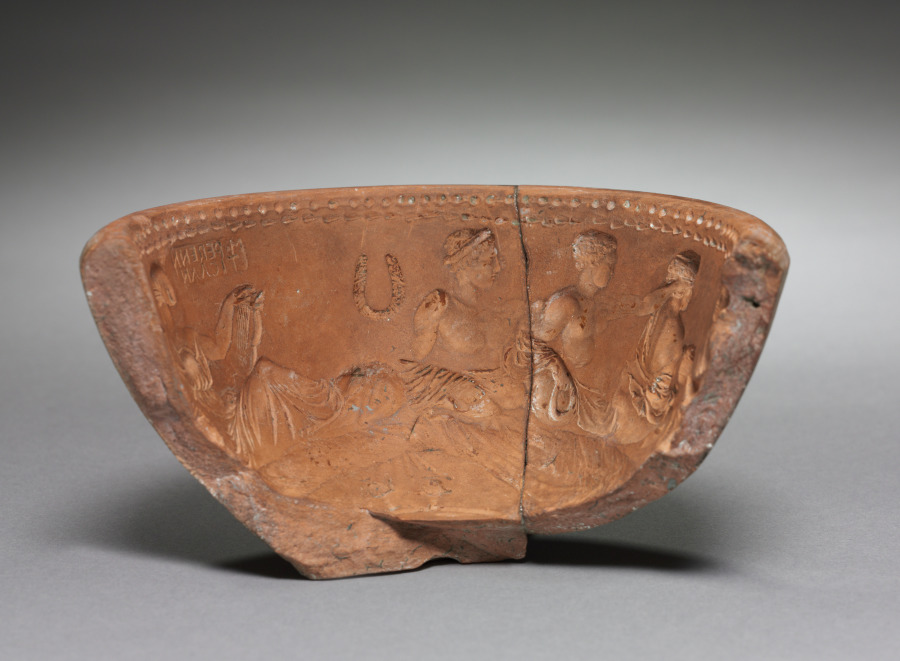
Fragment of a Mold for Arretine Bowl
Cleveland Museum of Art
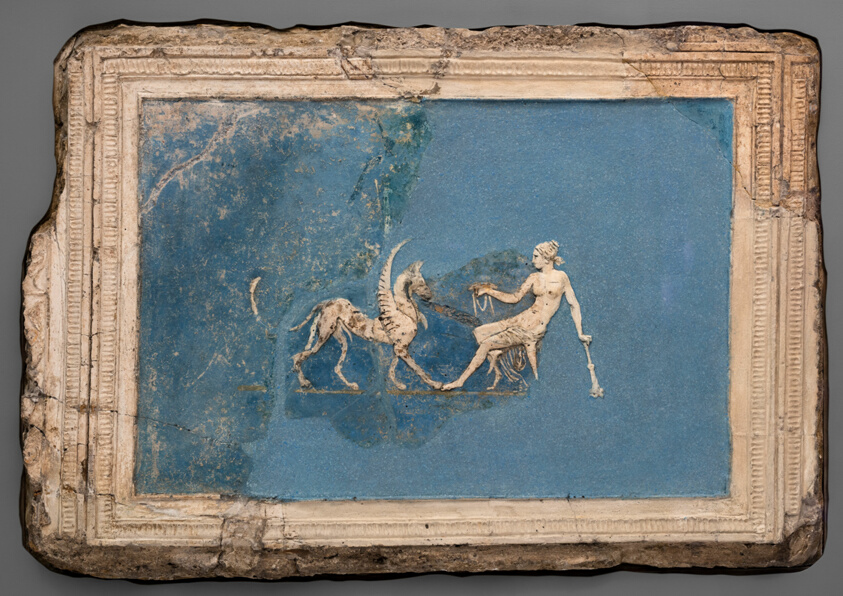
Relief Fragments Depicting a Seated Woman and a Griffin
Art Institute of Chicago

Lamp
Getty Museum

Plaque with a Woman
Getty Museum

Lamp
Getty Museum

Plaque with Ceres
Getty Museum

Interior of Roman Building with Figures
Getty Museum
Terracotta oil lamp
The Metropolitan Museum of Art

Relief Fragment
Getty Museum
Votive Plaque (Pinax) with Persephone Making her Bridal Bed
Cleveland Museum of Art