Art Institute of Chicago
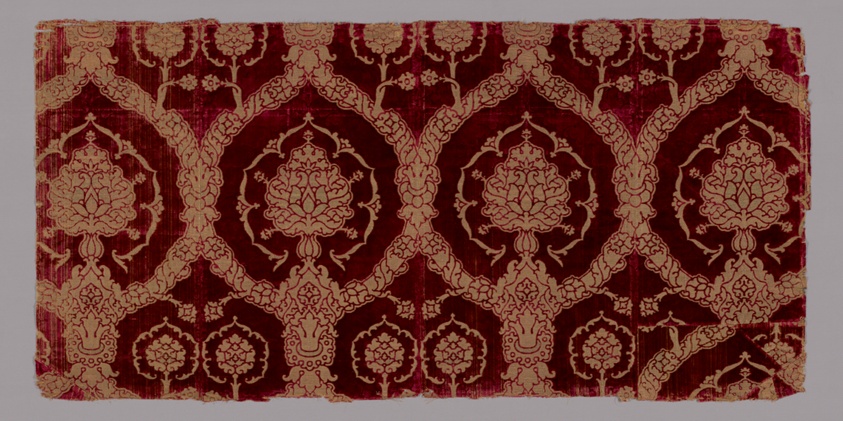
Altar Frontal
Spain or Italy
- Date
- 1480-1550
- Medium
- Silk, warp-float faced 3:1 'Z' twill weave with supplementary discontinuous facing brocading wefts forming areas of weft loops (known as bouclé) tied by secondary binding warps in weft-float faced 3:1 twill interlacing and supplementary pile warps forming cut, pile on pile, voided velvet
- Culture
- Spain
- Department
- Textiles
- Institution
- Art Institute of Chicago
Velvets fabrics often formed the foundation for the most sumptuous liturgical textiles used by European clergy. The altar frontal, a cloth that covers the front of the altar table, was once decorated with embroidery and it was likely part of a coordinating set of liturgical objects that include priests’ apparel and accessories. Variations of this popular velvet pattern were woven in both Italy and Spain and produced for many decades. A kaftan made of this design was part of the vast wardrobe of the Ottoman Sultan Ahmed I (r. 1603–17).
The authoritative record is held by Art Institute of Chicago. LinkedCulture surfaces this object and its connections; it does not alter institutional metadata.
Linked open data
Authority identifiers that link this record into the wider web of cultural data — stable references you can follow to the source.
- Object type
- AAT300312158
Related across collections
Semantically similar works from Art Institute of Chicago and other institutions.
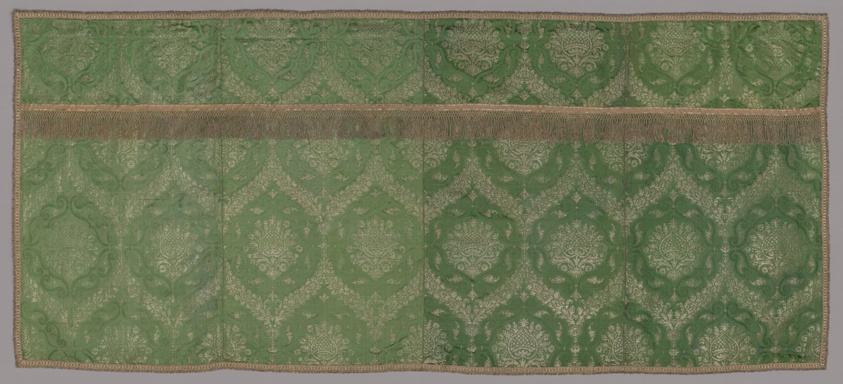
Altar Frontal
Art Institute of Chicago

Altar Frontal
Minneapolis Institute of Art
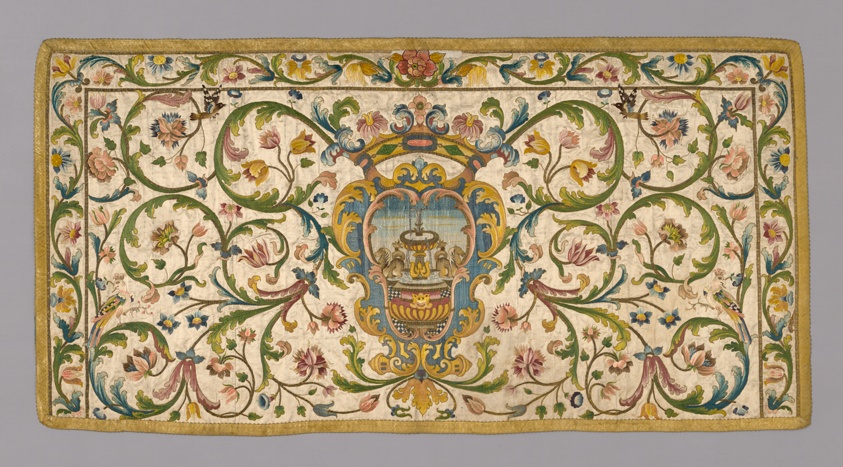
Altar Frontal
Art Institute of Chicago
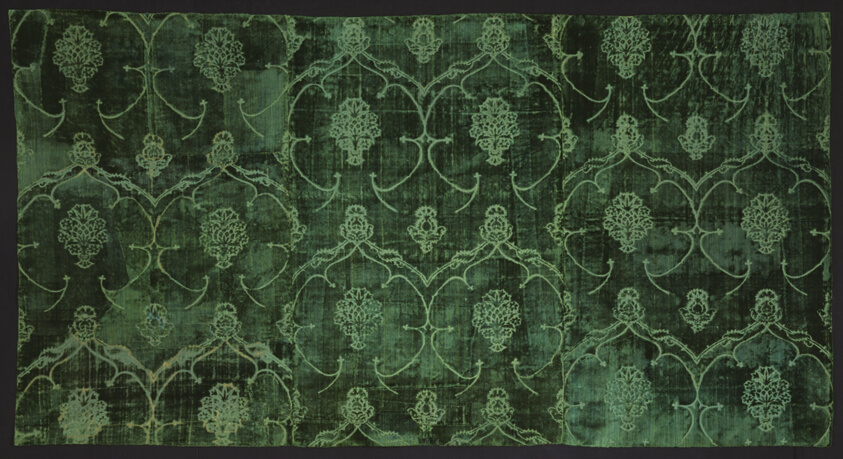
Altar Frontal
Art Institute of Chicago
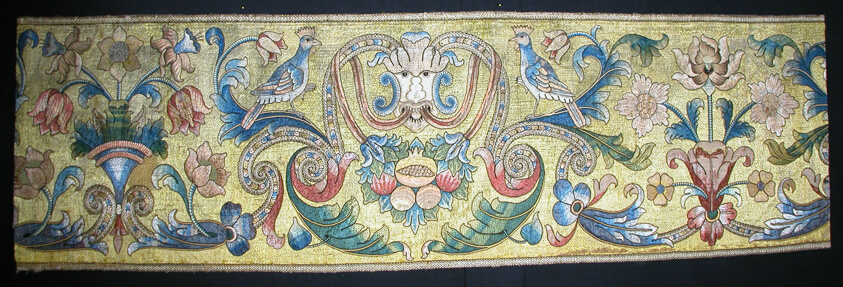
Altar Frontal
Art Institute of Chicago
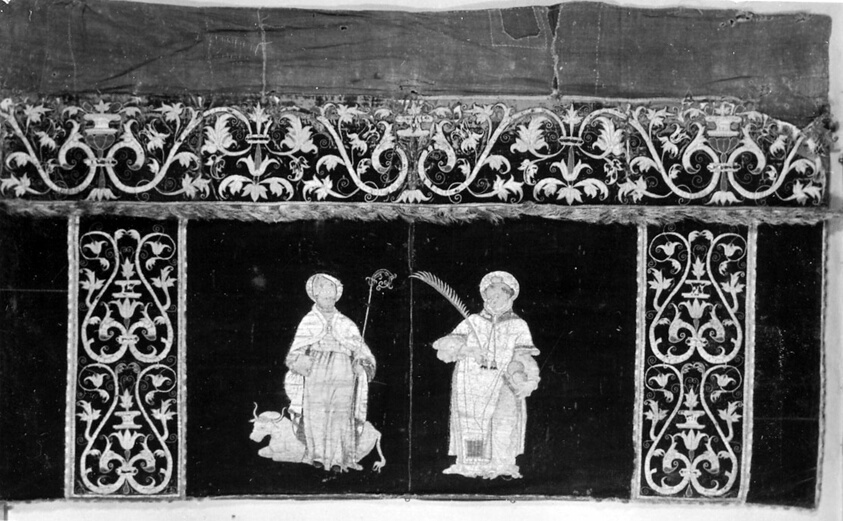
Altar Frontal
Art Institute of Chicago
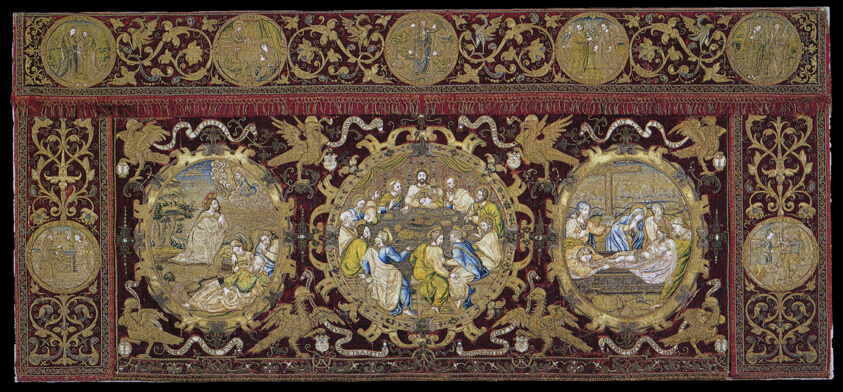
Altar Frontal Depicting Scenes from the Life of Christ
Art Institute of Chicago
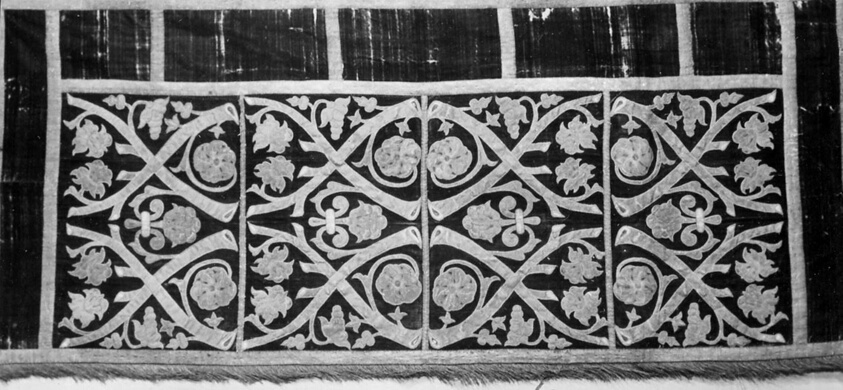
Altar Frontal
Art Institute of Chicago
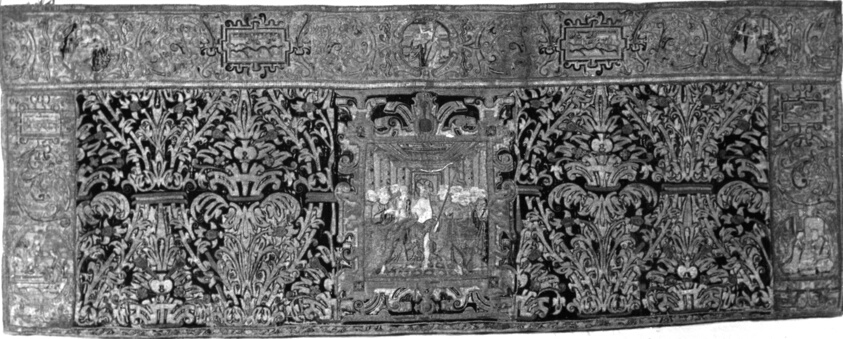
Altar Frontal
Art Institute of Chicago
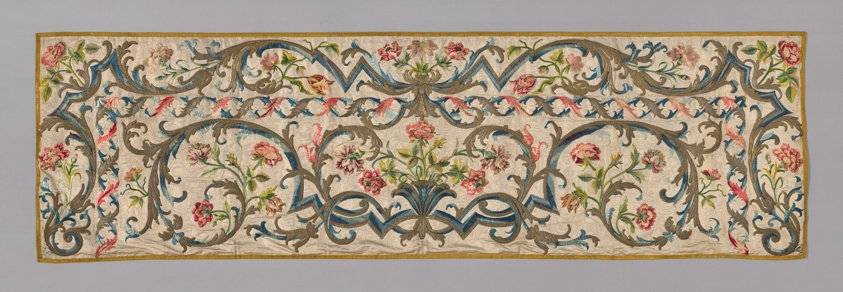
Altar Frontal
Art Institute of Chicago
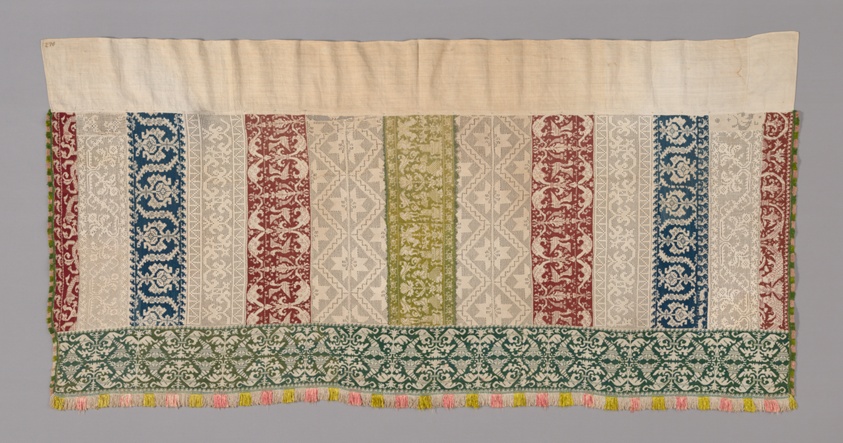
Altar Frontal
Art Institute of Chicago
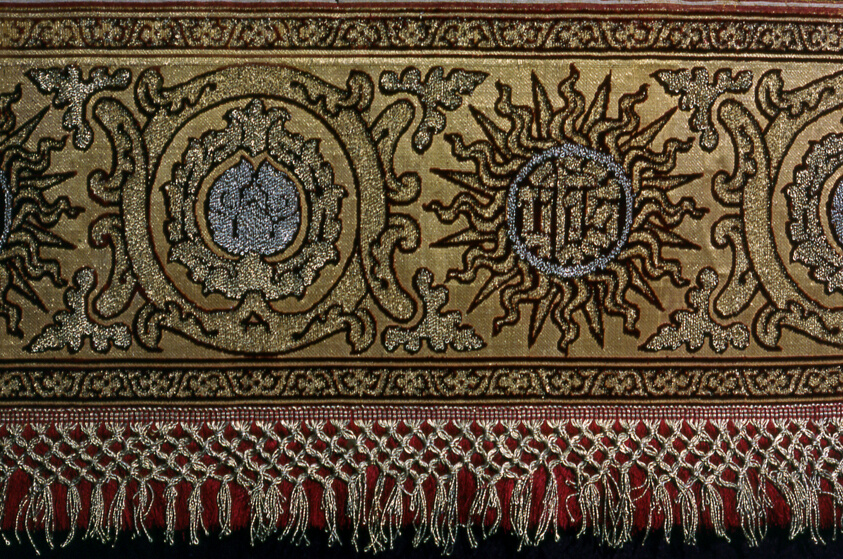
Portion (From Altar Frontal)
Art Institute of Chicago