Art Institute of Chicago
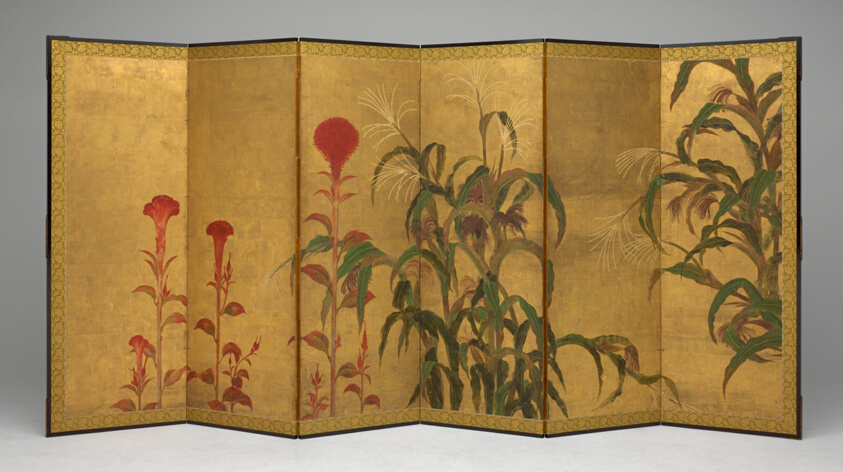
Maize and Cockscombs
Artist unknown
- Date
- mid 17th century
- Medium
- Six-panel screen; ink, color, and gold on paper
- Culture
- Japan
- Department
- Arts of Asia
- Institution
- Art Institute of Chicago
During the Edo period, the prosperity and political unification of Japan under the ruling Tokugawa shoguns led to the emergence of a magnificent Japanese decorative style characterized by a love of bold patterns and bright colors. This new style was supported by the military class, a disenfranchised aristocracy, and a thriving class of merchants and entrepreneurs. The surviving half of an original pair, this splendid screen elegantly embodies both the techniques of ancient court painters and the curiosity and confidence so prevalent in the Edo period. Bursting with sensual fullness, the maize and cockscombs are rendered with the accuracy of a botanical drawing, a testimony to the era’s interest in natural science. The appearance of maize, a grain not native to Japan, indicates a willingness to assimilate new subject matter on the part of Edo artists and patrons.
The authoritative record is held by Art Institute of Chicago. LinkedCulture surfaces this object and its connections; it does not alter institutional metadata.
Linked open data
Authority identifiers that link this record into the wider web of cultural data — stable references you can follow to the source.
- Object type
- AAT300033618
Related across collections
Semantically similar works from Art Institute of Chicago and other institutions.
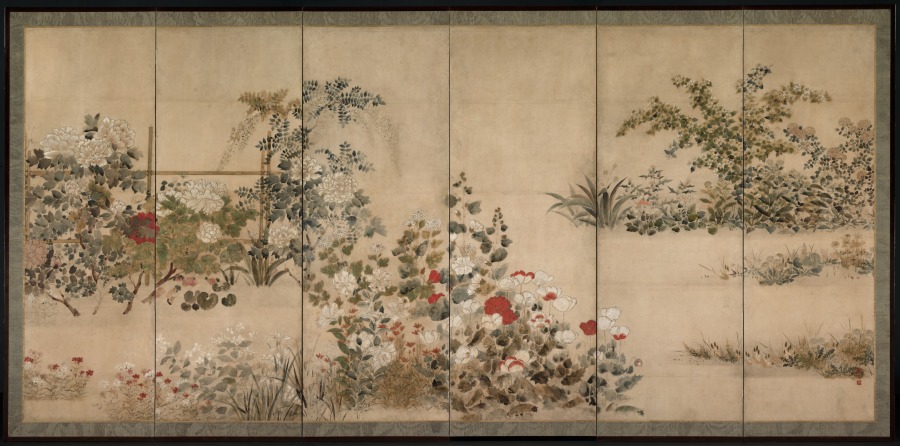
Flowers and Grasses
Cleveland Museum of Art
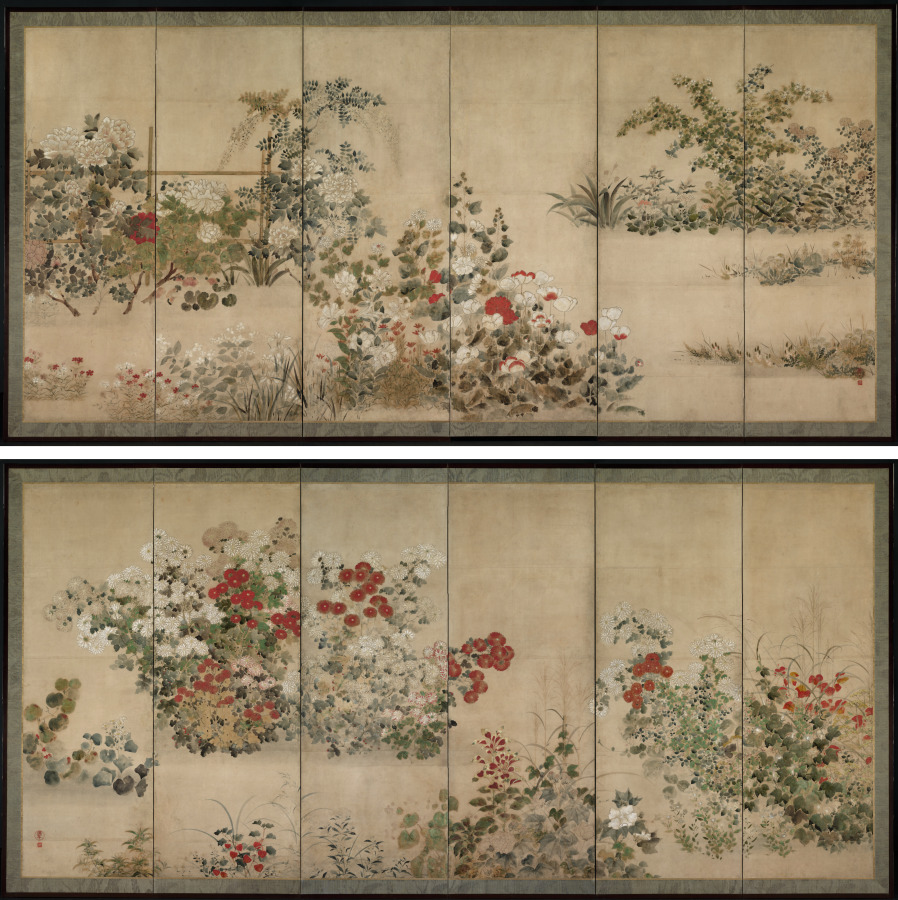
Flowers and Grasses
Cleveland Museum of Art
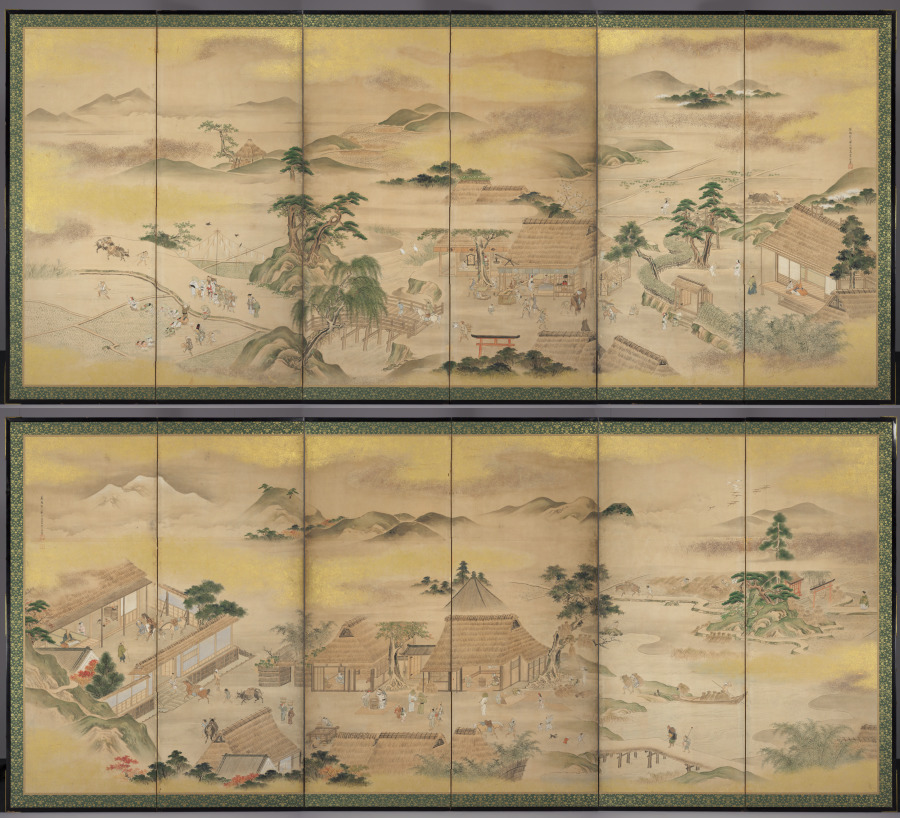
Spring and Autumn Farming
Cleveland Museum of Art
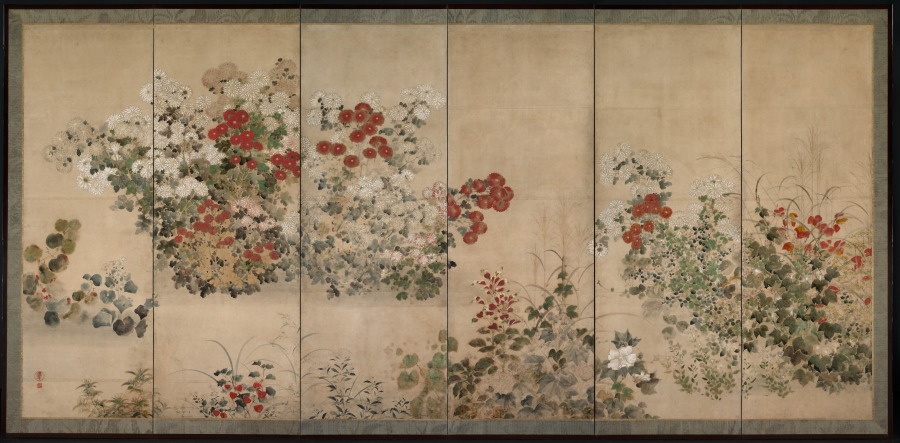
Flowers and Grasses
Cleveland Museum of Art
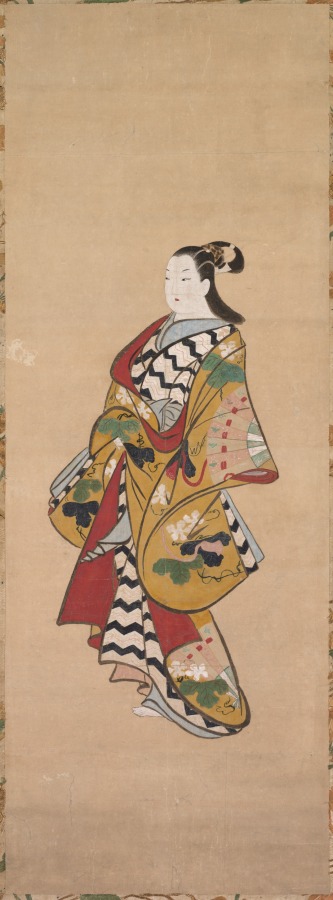
Courtesan
Cleveland Museum of Art
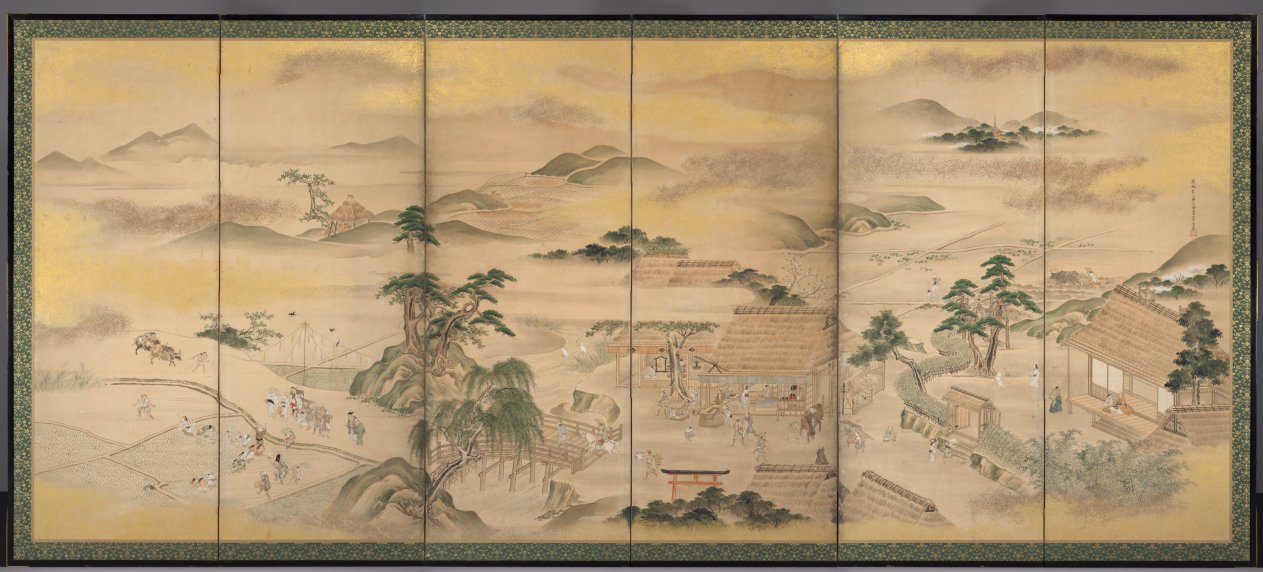
Spring and Autumn Farming (Spring)
Cleveland Museum of Art
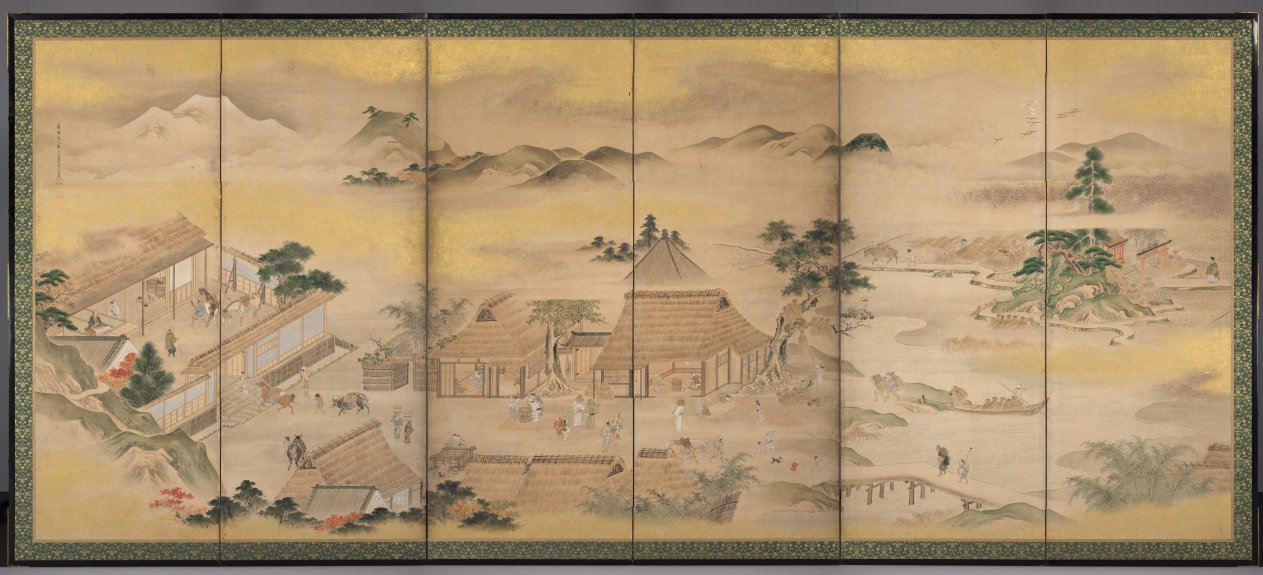
Spring and Autumn Farming (Autumn)
Cleveland Museum of Art
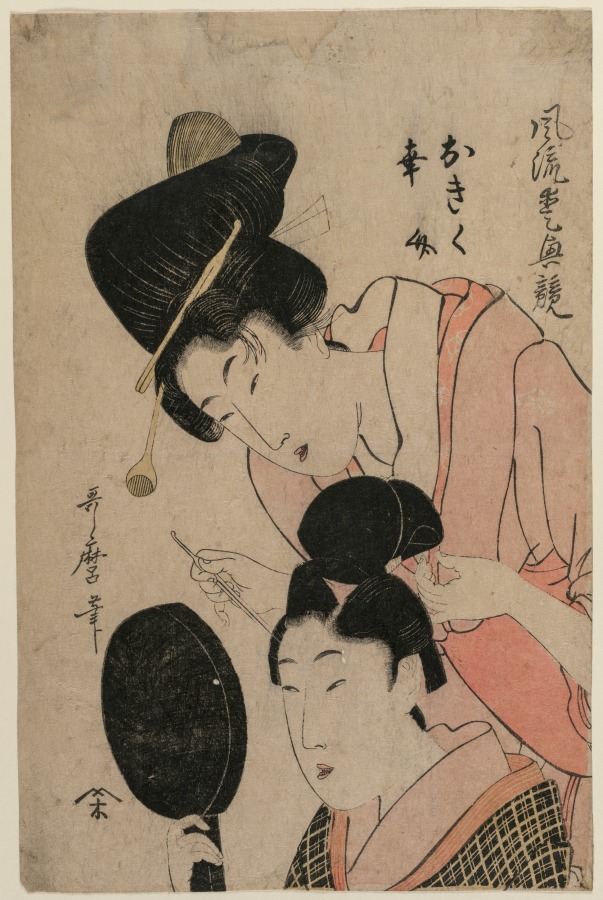
The Lovers Okiku and Kozuke (from the series An Elegant Comparison of Charming Features)
Cleveland Museum of Art
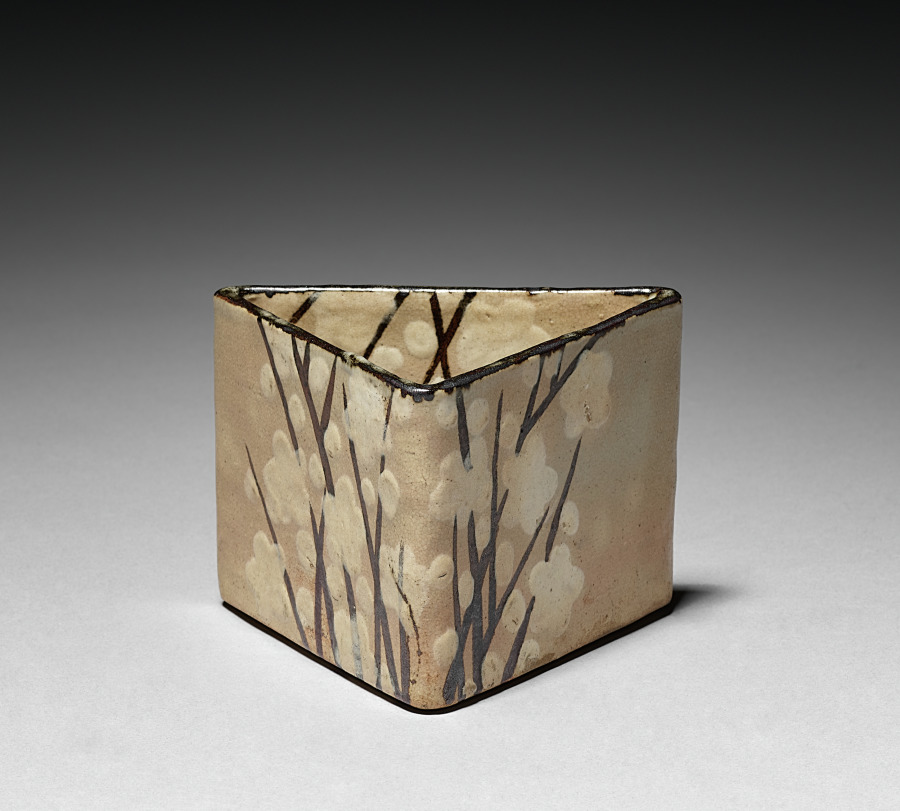
One of Five Serving Bowls (Mukozuke) with Prunus Design
Cleveland Museum of Art
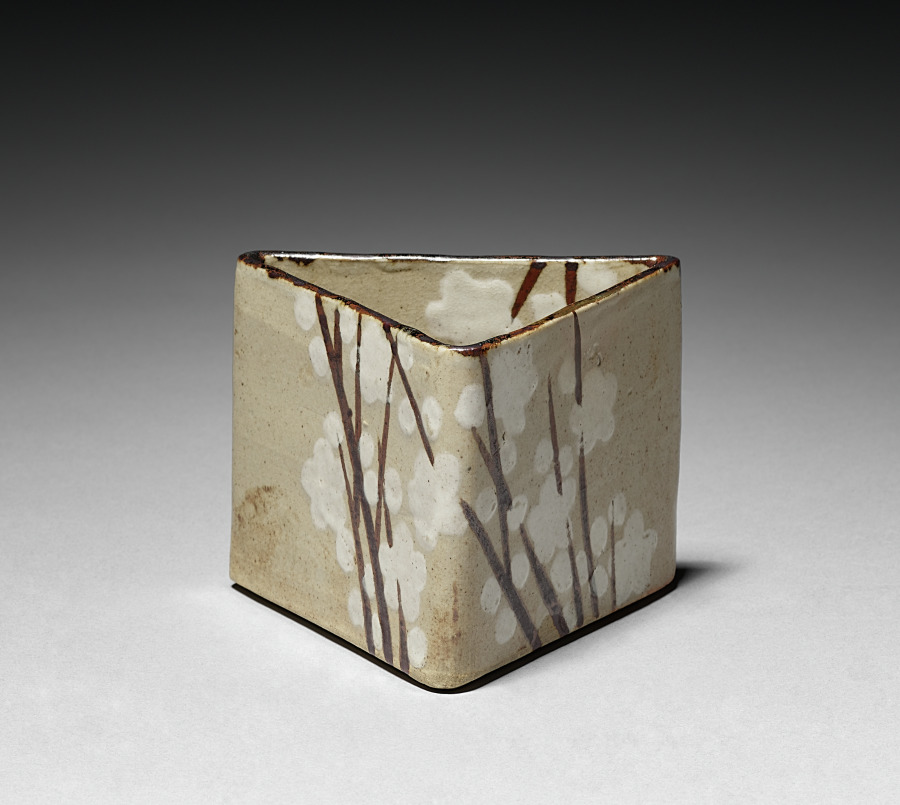
One of Five Serving Bowls (Mukozuke) with Prunus Design
Cleveland Museum of Art
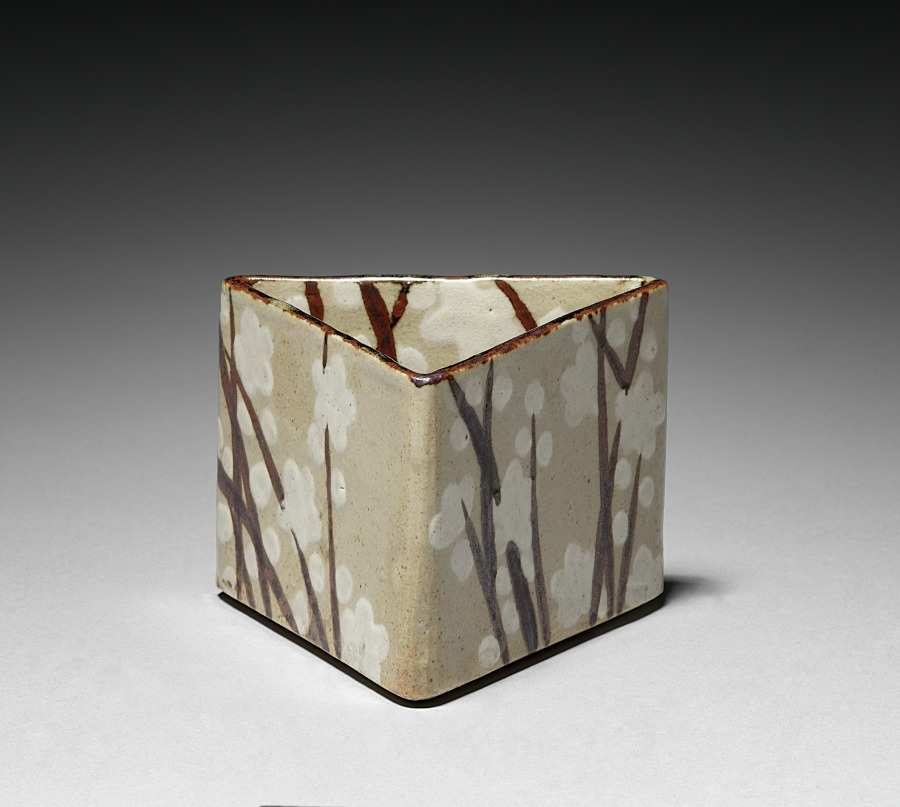
One of Five Serving Bowls (Mukozuke) with Prunus Design
Cleveland Museum of Art
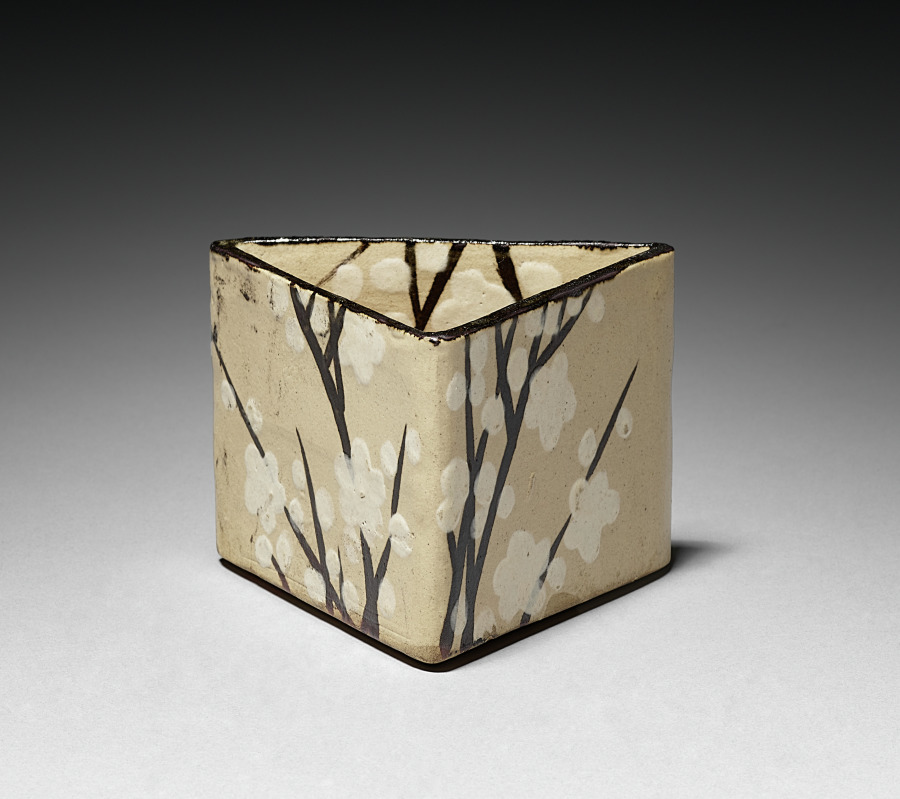
One of Five Serving Bowls (Mukozuke) with Prunus Design
Cleveland Museum of Art