Art Institute of Chicago
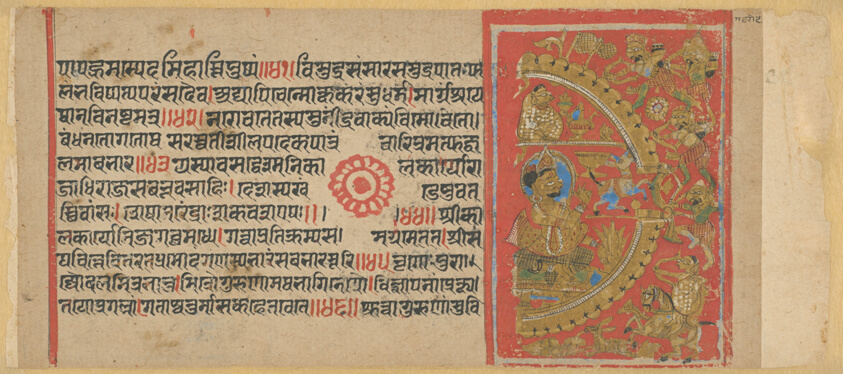
The Siege of Ujjain and the Slaying of the Magic Donkey, from a copy of the Kalakacharyakatha
India
- Date
- c. 1450
- Medium
- Opaque watercolor and gold on paper
- Culture
- India
- Department
- Arts of Asia
- Institution
- Art Institute of Chicago
The authoritative record is held by Art Institute of Chicago. LinkedCulture surfaces this object and its connections; it does not alter institutional metadata.
Linked open data
Authority identifiers that link this record into the wider web of cultural data — stable references you can follow to the source.
- Object type
- AAT300033618
Related across collections
Semantically similar works from Art Institute of Chicago and other institutions.
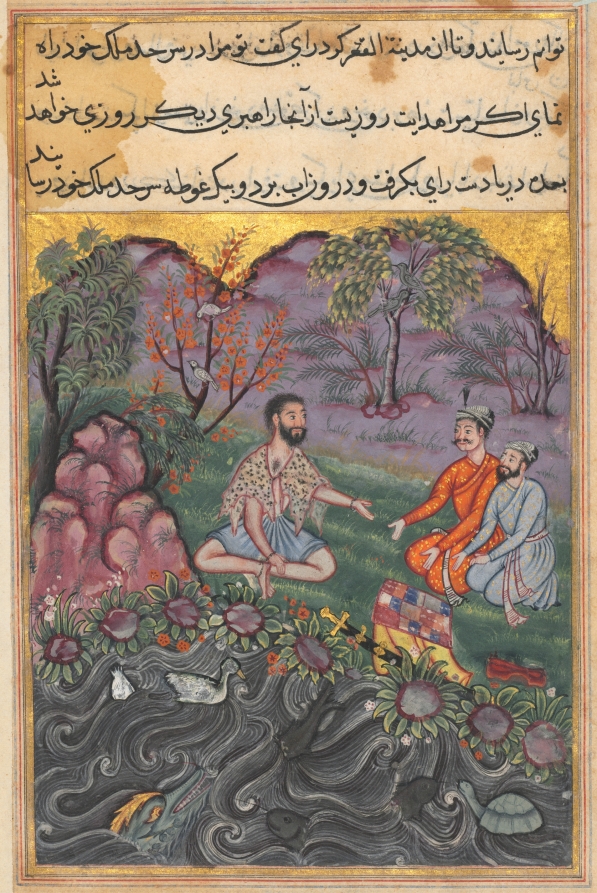
The Raja of Ujjain, who is traveling in the guise of a yogi, meets two brothers who ask him to equitably partition their father’s possession, from a Tuti-nama (Tales of a Parrot): Forty-sixth Night
Cleveland Museum of Art
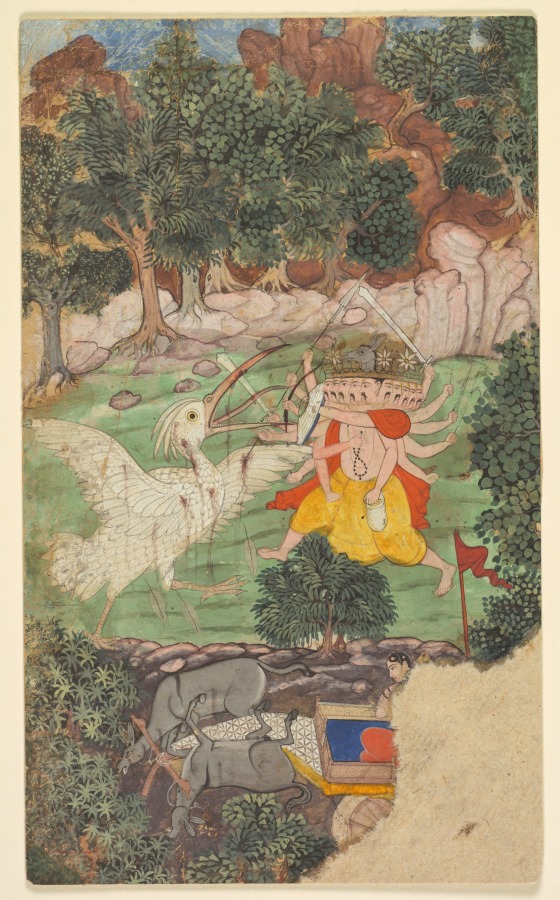
Battle of Ravana and Jatayu, from Chapters 50 and 51 of the Aranya Kanda (Book of the Forest) of Valmiki's Ramayana (Rama’s Journey); folio from the "Burnt" Ramayana
Cleveland Museum of Art
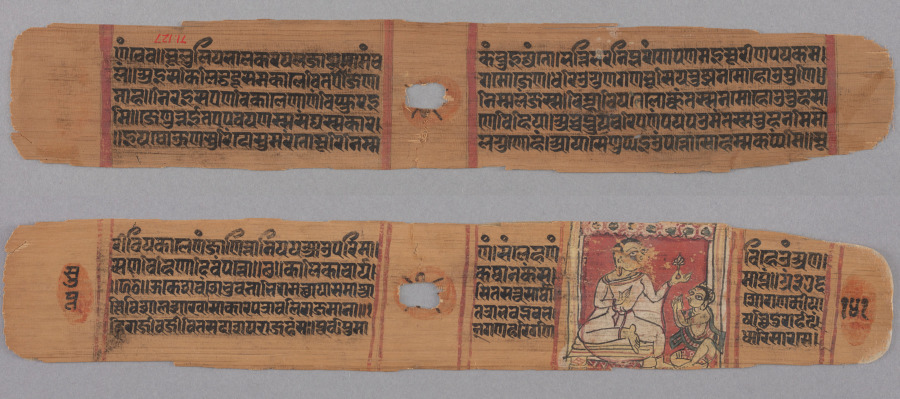
Folio 141, from a Kalpa-sutra and Story of Kalakacharya: Text (recto); Monk Holding a Flower Venerated by a Lay disciple (verso)
Cleveland Museum of Art
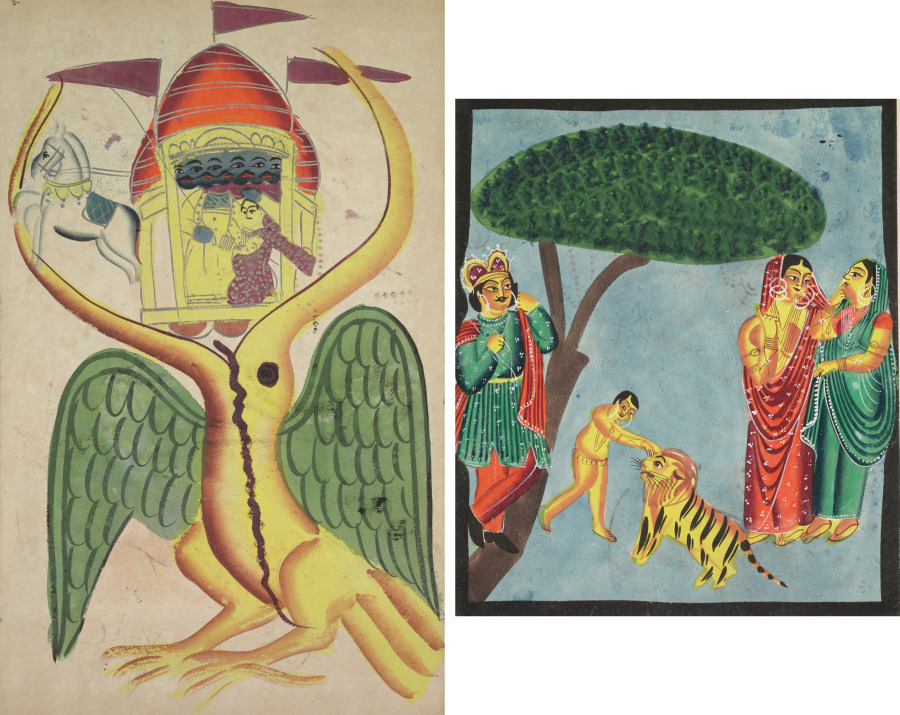
Leaf from a Kalighat album: Jatayu hinders Ravana’s chariot, trying to prevent the abduction of Sita (recto); Dushyanta watching his son Bharat playing with the tiger at the end of the Abhijnanashakuntalam (verso)
Cleveland Museum of Art
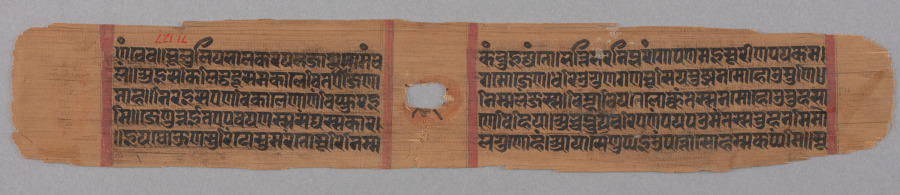
Folio 141 (recto), from a Kalpa-sutra and Story of Kalakacharya
Cleveland Museum of Art

Siege of Lanka, Illustration from a Ramayana Series
Minneapolis Institute of Art
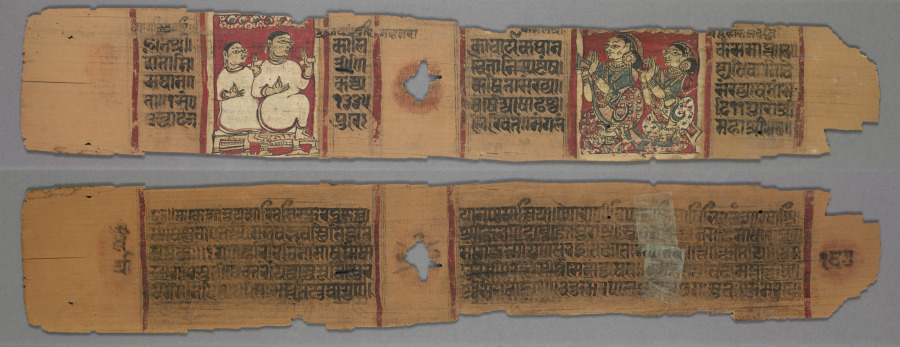
Folio 167, from a Kalpa-sutra and Story of Kalakacharya: two nuns teaching lay women (recto); genealogical text (verso)
Cleveland Museum of Art
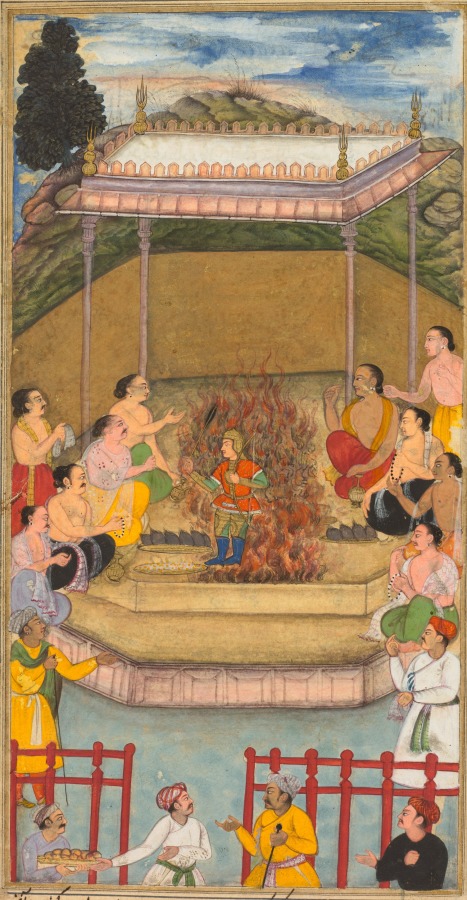
Yaja and Upayaja perform a sacrifice for the emergence of Dhrishtadyumna from the fire, from Adi-parva (volume one) of the Razm-nama (Book of Wars) adapted and translated into Persian by Mir Ghiyath al-Din Ali Qazvini, known as Naqib Khan (Persian, d. 1614) from the Sanskrit Mahabharata
Cleveland Museum of Art
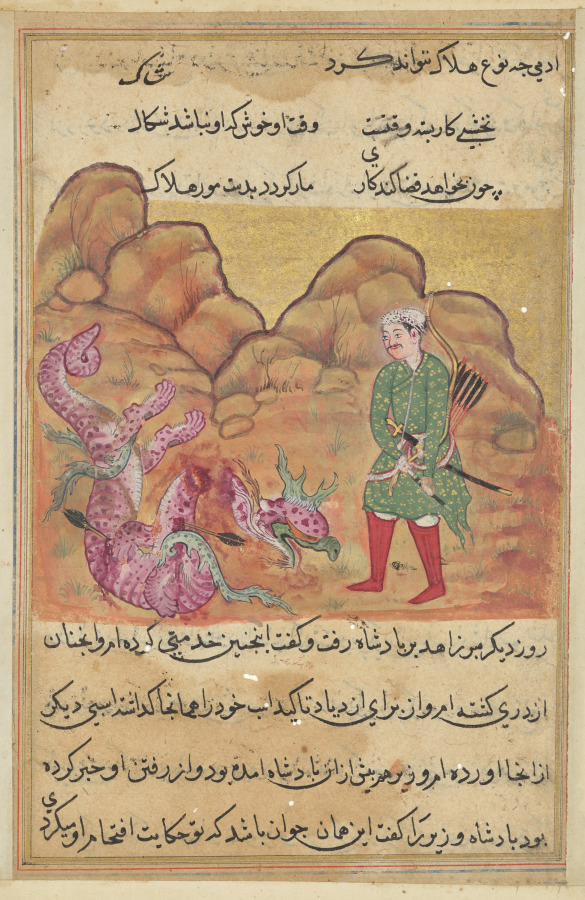
The son of the pious man slays the dragon, from a Tuti-nama (Tales of a Parrot): Fifty-second Night
Cleveland Museum of Art
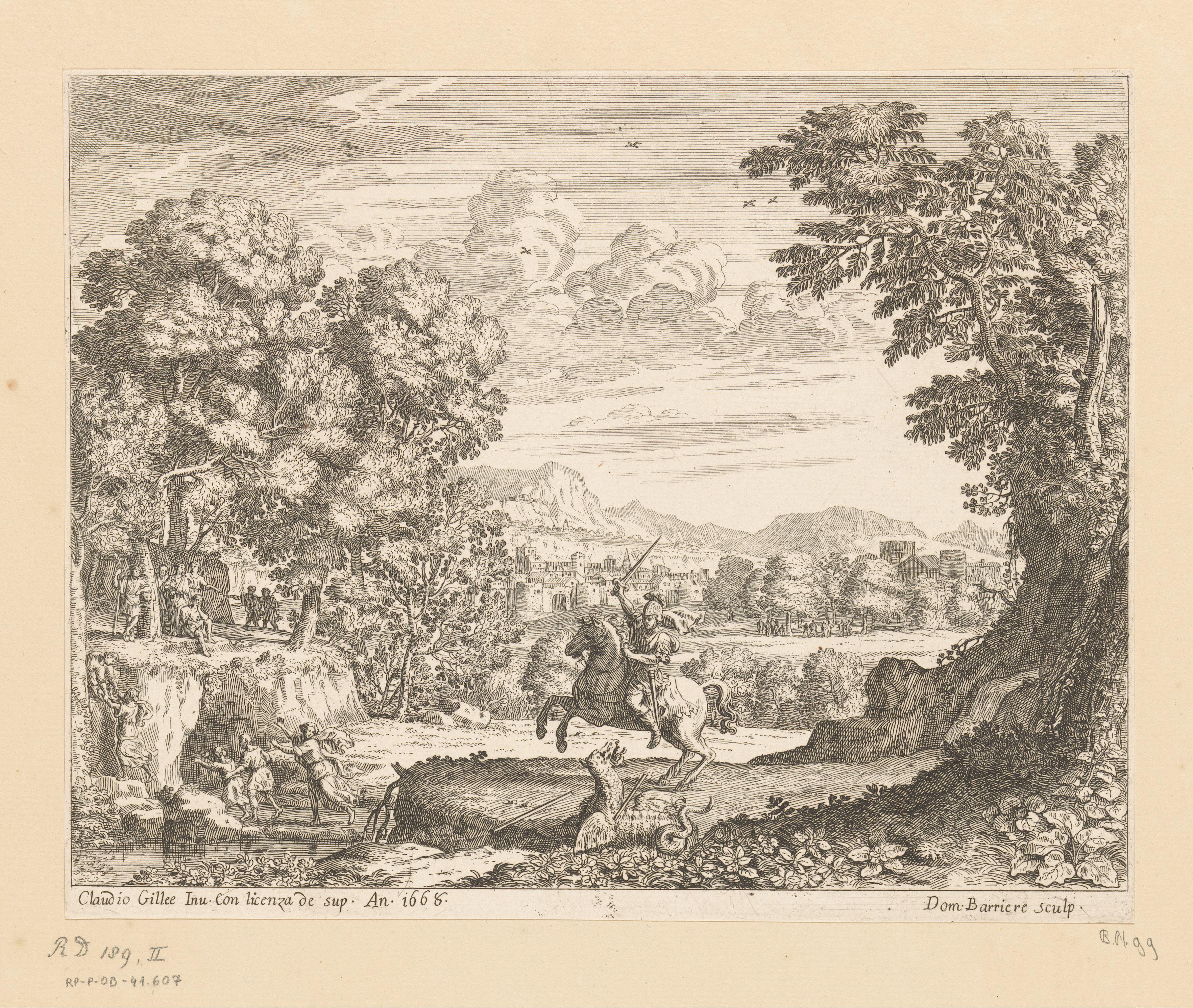
Sint Joris en de draak
Rijksmuseum

Kalaha Preaches to King Sahr / Mahavira’s Departure with Indra / Adoration of a Tirthankara
Minneapolis Institute of Art
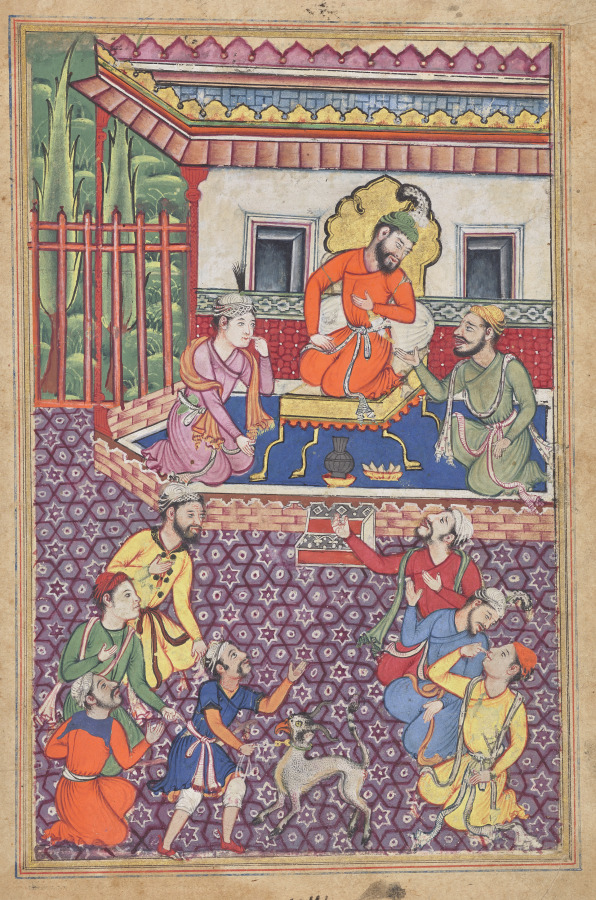
The court of the Raja of Ujjain, from a Tuti-nama (Tales of a Parrot): Forty-sixth Night
Cleveland Museum of Art