Art Institute of Chicago
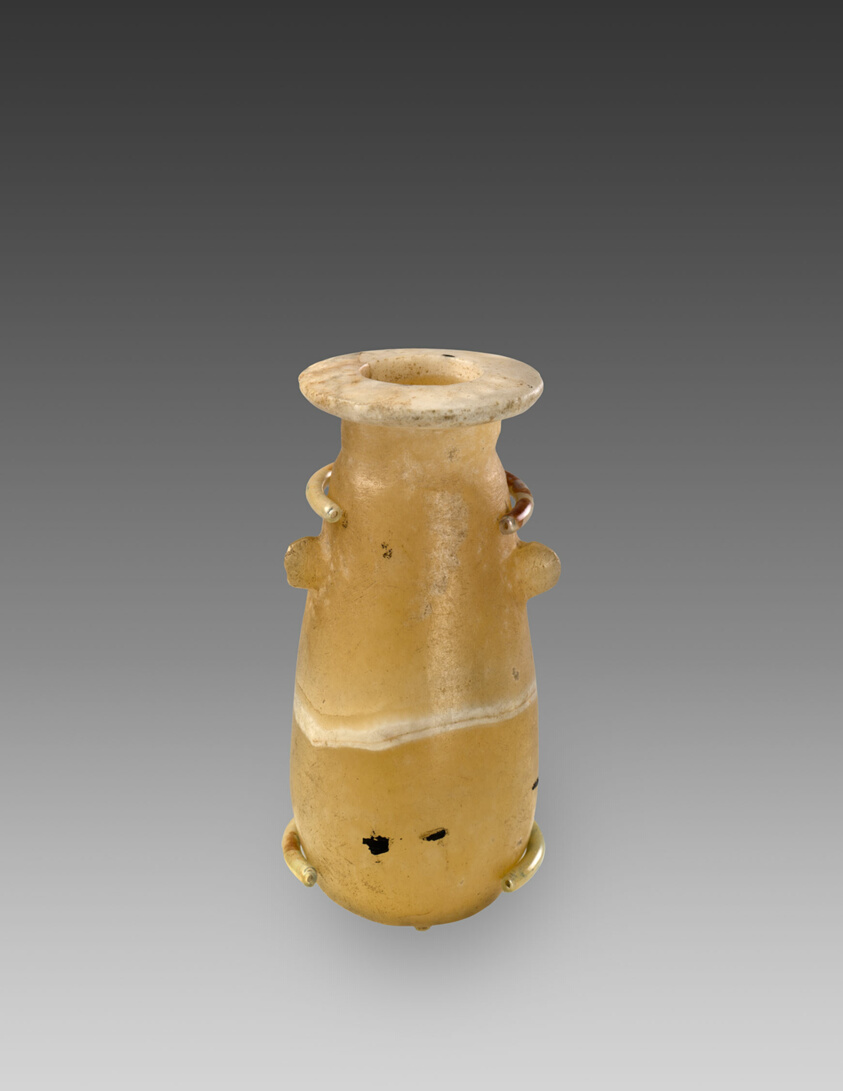
Alabastron (Container for Scented Oil)
EgyptianLinkedCulture matchlcp-b3f2759025d0
- Date
- 7th century BCE/1st century CE
- Medium
- Alabaster
- Culture
- Egypt
- Department
- Arts of Africa
- Institution
- Art Institute of Chicago
- Object ID
- 136427
From the Art Institute of Chicago record
Before soap was invented, scented oils were used for bathing or perfume and stored in vials like this one. This early Egyptian example was carved from alabaster, a translucent stone that is plentiful in Egypt. Through trade the Greeks obtained and then copied the shape in colored glass or clay, calling the shape an “alabastron,” after the stone used for the vessels. Because they were considered very personal belongings, alabastrons were often buried with their owners and have been found frequently in tombs.
The authoritative record is held by Art Institute of Chicago. LinkedCulture surfaces this object and its connections; it does not alter institutional metadata.
Get printable QR codesHide QR codes
Open QR codes for this object page and the museum record. They stay collapsed until needed.
Provenance & credit
As published by the source institution. Coverage varies — not every institution's open-data feed includes ownership history.
- Credit line
- Gift of Henry H. Getty and Charles L. Hutchinson
- Provenance
- Reverend Chauncey Murch (1859-1907), Luxor, Egypt; sold to the Art Institute of Chicago, 1894; price reimbursed by Henry H. Getty and Charles L. Hutchinson, 1894.
Linked open data
Authority identifiers that link this record into the wider web of cultural data — stable references you can follow to the source.
- Object type
- AAT300193015
Related across collections
Semantically similar works from Art Institute of Chicago and other institutions.