Art Institute of Chicago
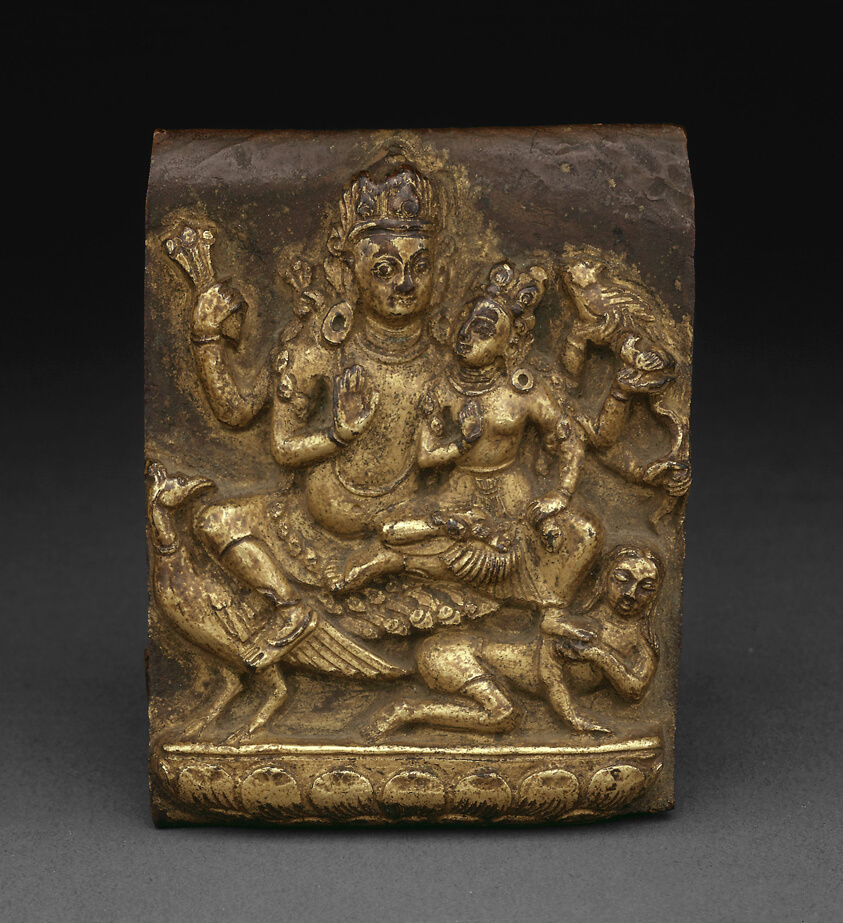
Plaque with Local Deity Ghantakarna and Spouse
Nepal
- Date
- c. 1600
- Medium
- Gilt bronze
- Culture
- Kathmandu Valley
- Department
- Arts of Asia
- Institution
- Art Institute of Chicago
This small plaque, meant for a miniature shrine, most likely in the home, portrays Ghantakarna (“Bell-Eared”), a folk deity who became a manifestation or a companion of Kumara, the God of War. Like Kumara, Ghantakarna is seated on his vehicle, the peacock, while his spouse sits on his knee, supported by her vehicle, a crouching man. He holds various attributes in three of his arms: peacock feathers, a rooster, and a serpent. His fourth arm makes the gesture of reassurance. This folk deity, popular in the Kathmandu Valley, is worshipped for protecting cattle and warding off small-pox.
The authoritative record is held by Art Institute of Chicago. LinkedCulture surfaces this object and its connections; it does not alter institutional metadata.
Linked open data
Authority identifiers that link this record into the wider web of cultural data — stable references you can follow to the source.
- Object type
- AAT300312158
Related across collections
Semantically similar works from Art Institute of Chicago and other institutions.
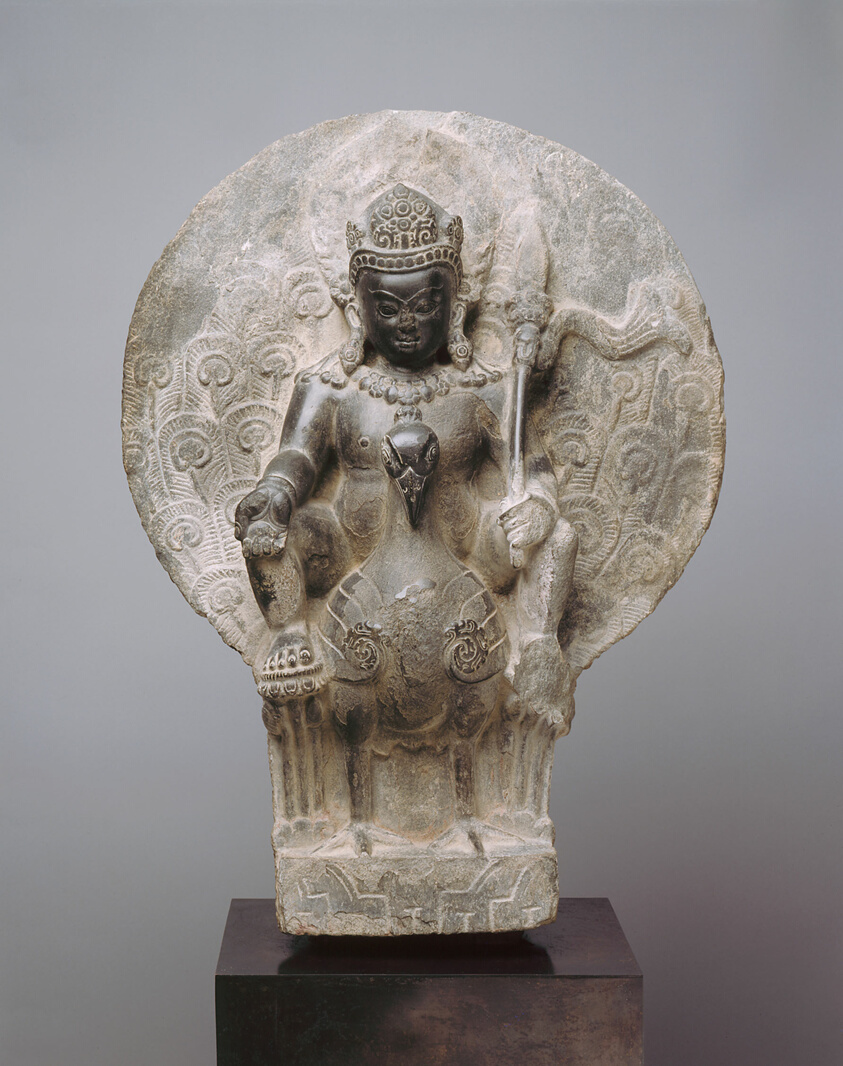
Kumara, the Youthful God of War on his Peacock Mount
Art Institute of Chicago
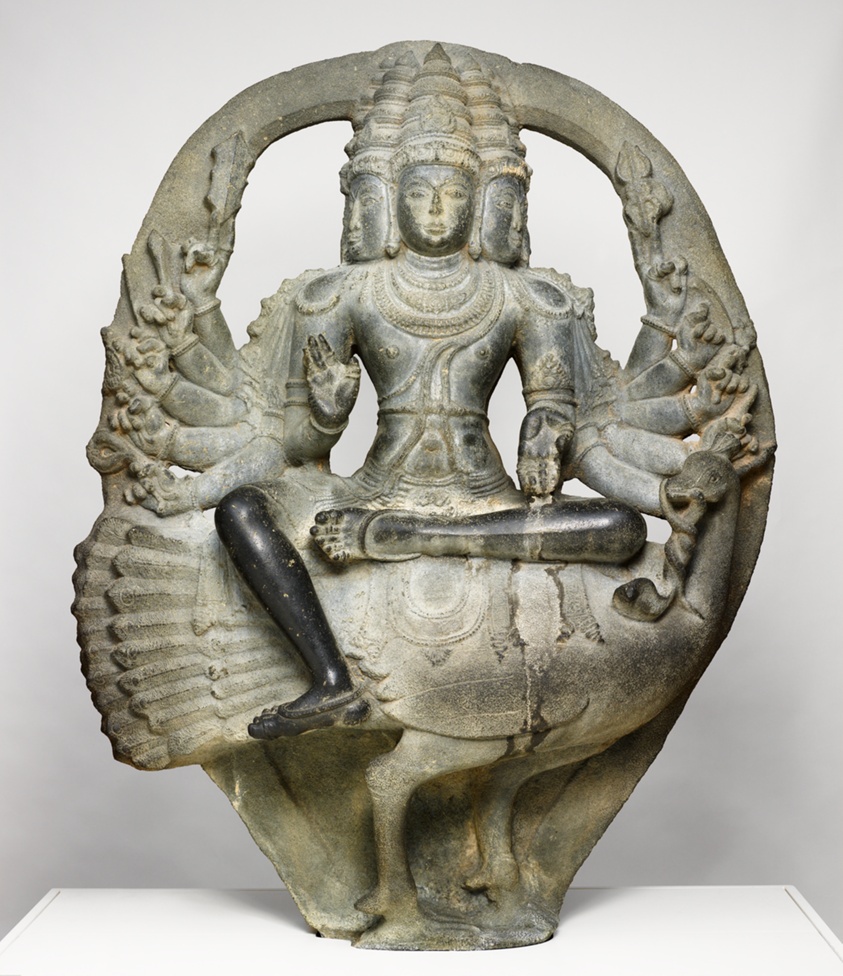
Karttikeya, Commander of the Divine Army, Seated on a Peacock
Art Institute of Chicago
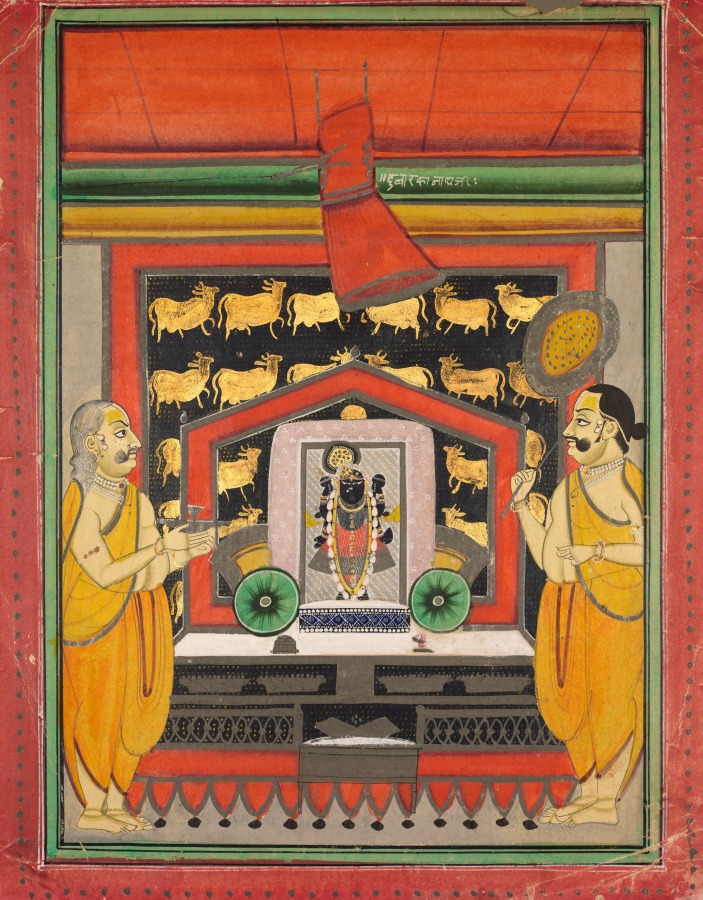
Worship of Dvaraka Nathji at Kankroli
Cleveland Museum of Art

Kumara, the Divine Commander Seated Holding a Spear
Art Institute of Chicago
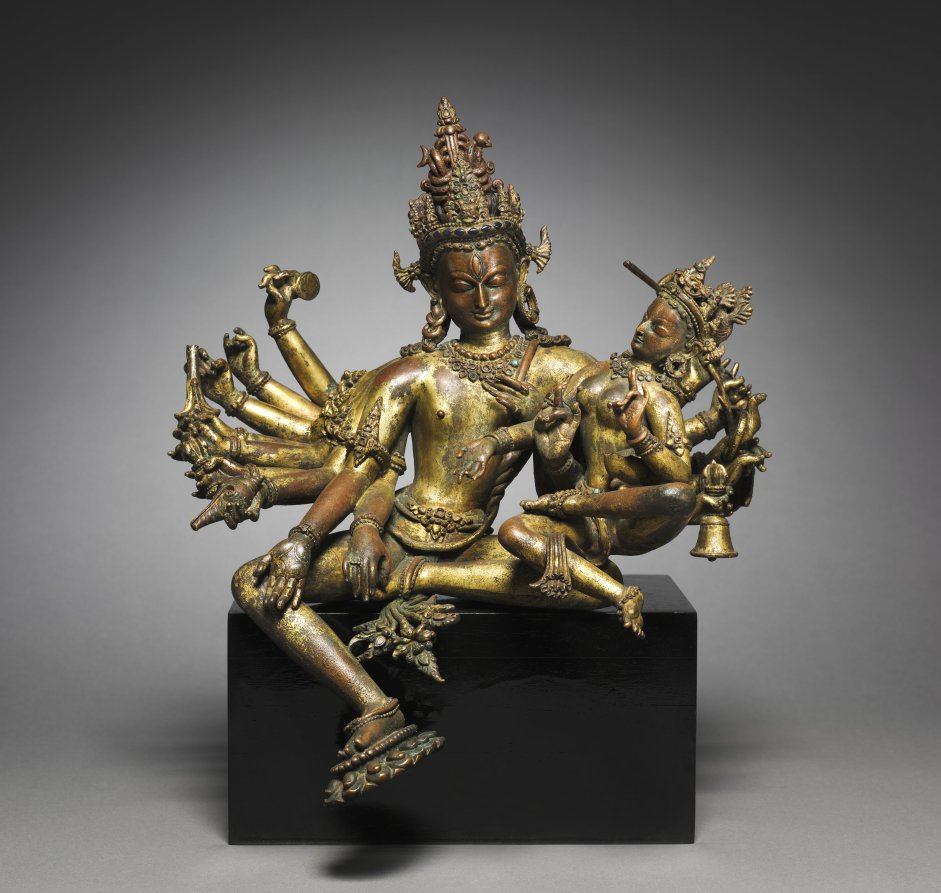
Kubjika–Navatman
Cleveland Museum of Art
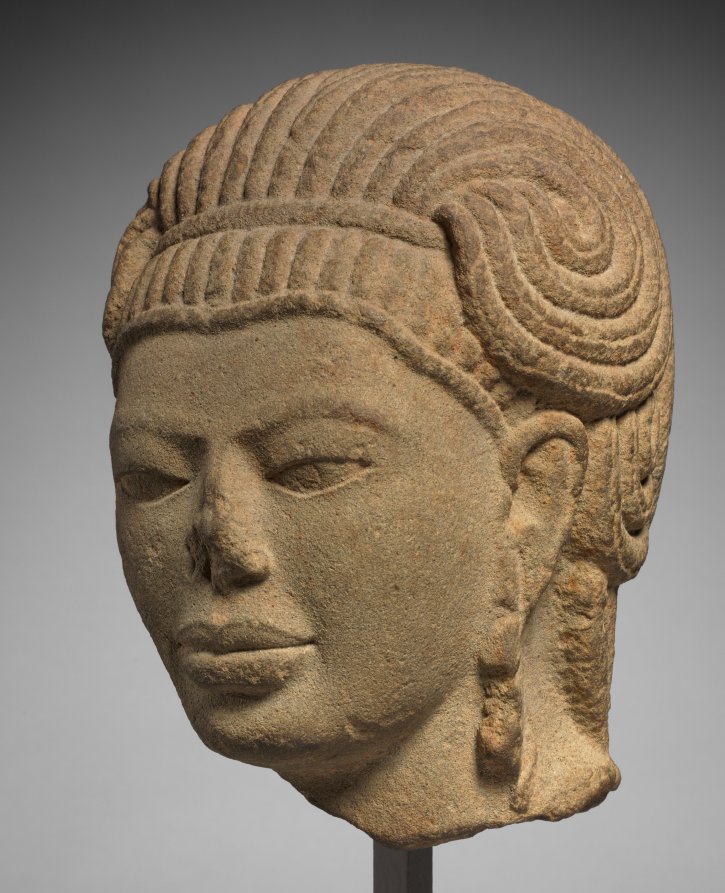
Head of Male Deity, possibly Aiyanar
Cleveland Museum of Art
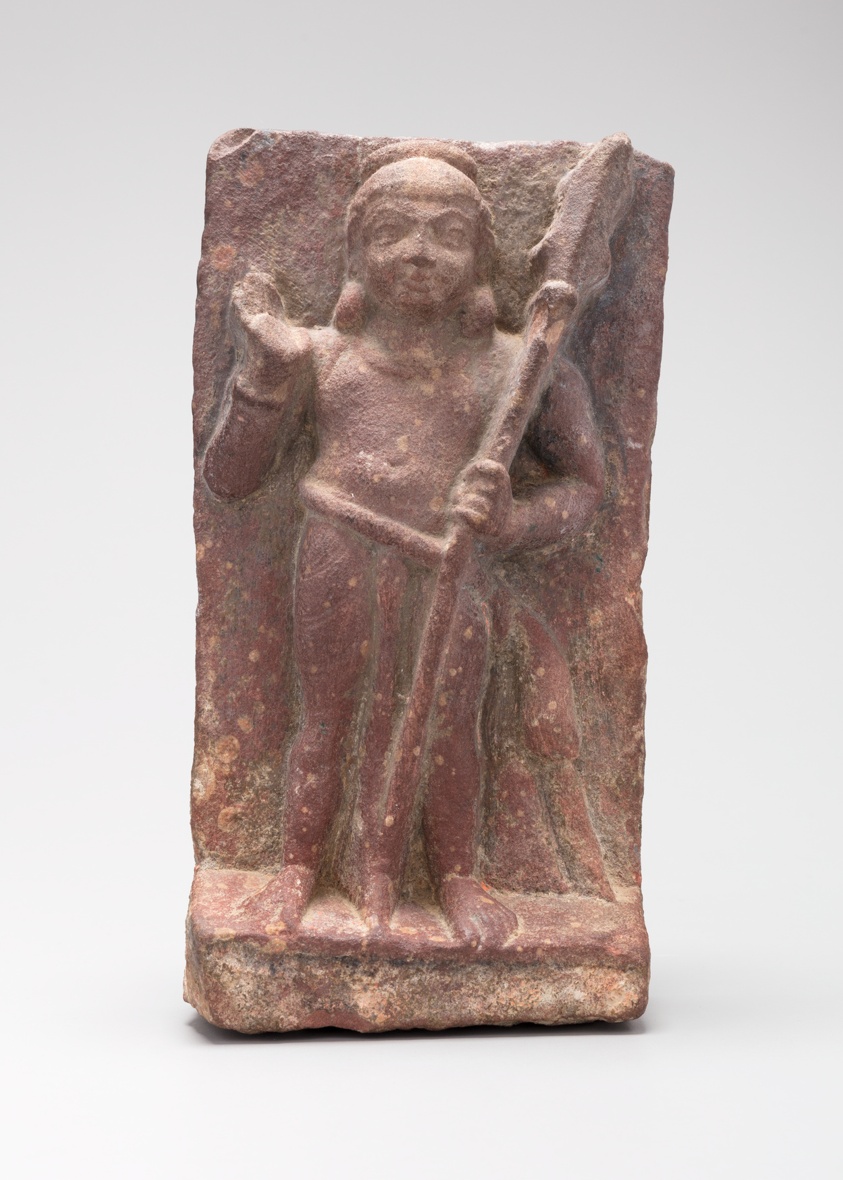
Karttikeya, God of War, Holding a Spear
Art Institute of Chicago

Uma-Maheshvara
Minneapolis Institute of Art
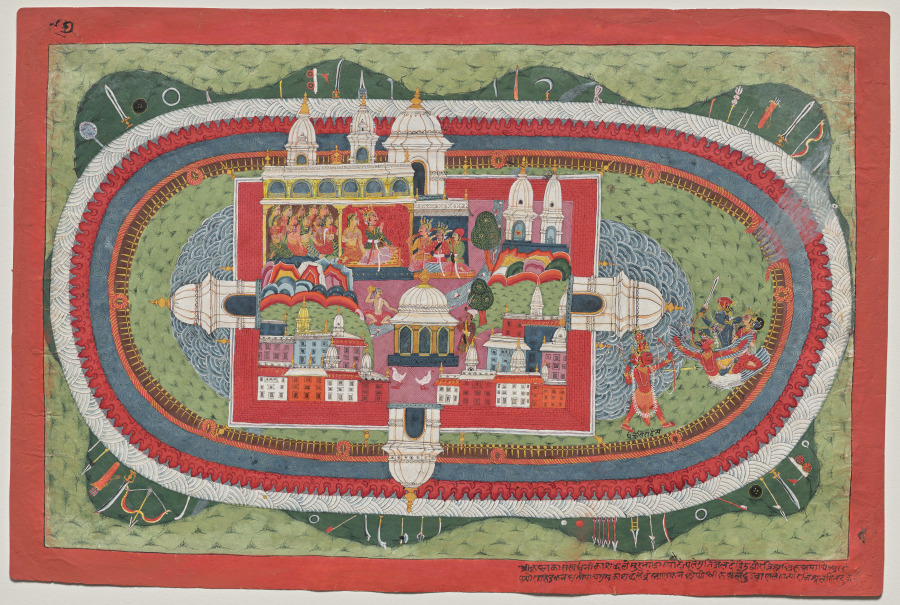
Krishna and Satyabhama Storm the Citadel of Naraka, folio 97 from a Bhagavata Purana
Cleveland Museum of Art
Icon Plaque (Kakebotoke) with bodhisattva
Art Institute of Chicago
Four-Armed Standing Tantric Male Divinity
Cleveland Museum of Art
Krishna's Marriage to Kalinda, page from a Dispersed Bhagavata Purana manuscript
Art Institute of Chicago