Art Institute of Chicago
Homer's Iliad, Homer's Odyssey, Aeschylus's Tragedies and les Argonautes
Tommaso Piroli (Italian, 1750-1824), after John Flaxman (English, 1755-1826), Iliad, Odyssey and TragediesLinkedCulture matchlcp-ff8e116db129
- Date
- 1793/1810 (Iliad, 2nd ed, published 1793; Odyssey, published 1793; Tragedies, published 1795; Les argonautes, 1799; 3rd ed, published 1807/10)
- Medium
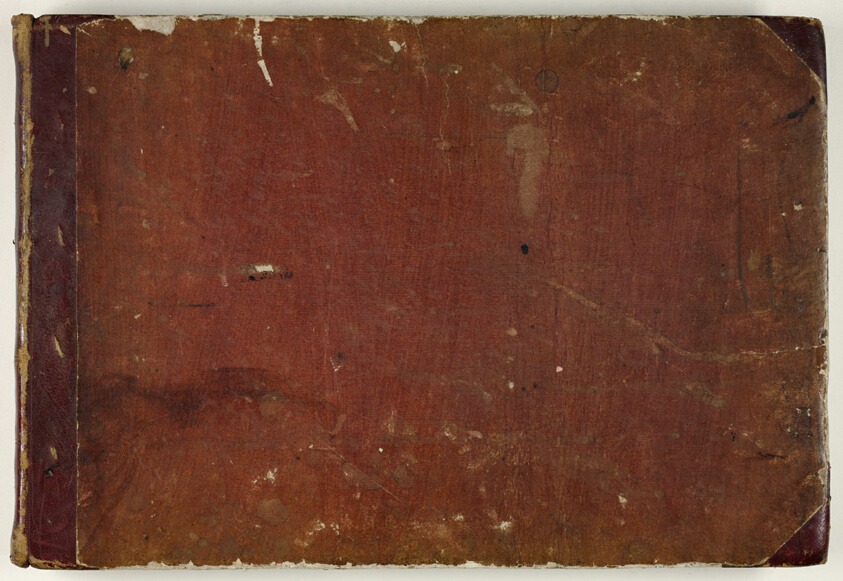
- Engravings in black on cream laid paper, bound with cardboard covers covered in paper, with leather spine and corners, and decorative end papers with block printing in blue
- Culture
- Italy
- Department
- Prints and Drawings
- Institution
- Art Institute of Chicago
- Object ID
- 181338
From the Art Institute of Chicago record
Flaxman pioneered a style of drawing, inspired by Greek vase painting, that rejected perspective and modeling in favor of pure line. With this, he meant to rediscover a lost simplicity and purity in art. In the 1790s, Flaxman produced a series of illustrations made into engravings for the works of Homer, Aeschylus, and Dante. These proved enormously influential, earning the sculptor lasting fame. Little of the texts was included in these editions, as Flaxman set out to tell the story through images.
The authoritative record is held by Art Institute of Chicago. LinkedCulture surfaces this object and its connections; it does not alter institutional metadata.
Get printable QR codesHide QR codes
Open QR codes for this object page and the museum record. They stay collapsed until needed.
Provenance & credit
As published by the source institution. Coverage varies — not every institution's open-data feed includes ownership history.
- Credit line
- John H. Wrenn Memorial Collection
Linked open data
Authority identifiers that link this record into the wider web of cultural data — stable references you can follow to the source.
- Object type
- AAT300028051
Related across collections
Semantically similar works from Art Institute of Chicago and other institutions.