Art Institute of Chicago
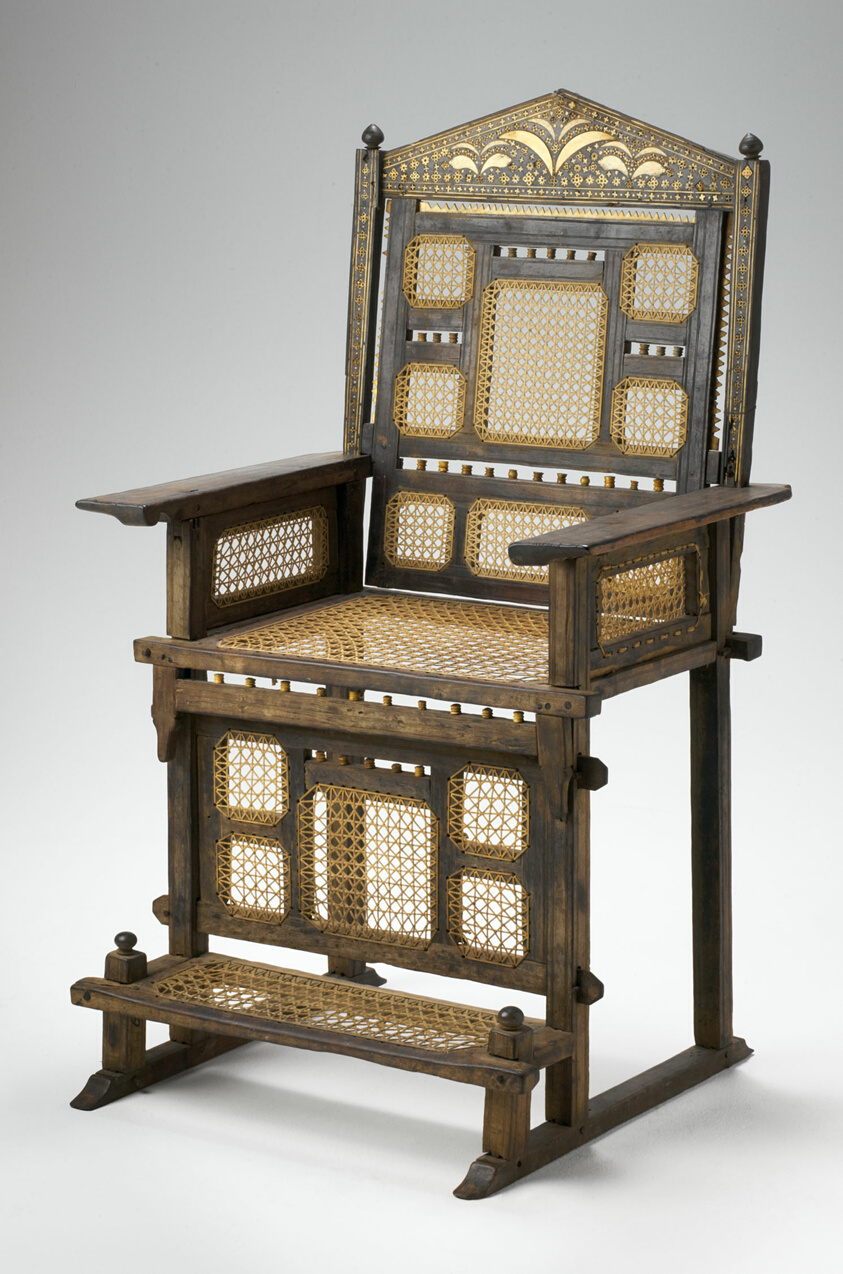
Chair (Kiti Cha Enzi)
Swahili
- Date
- 19th century
- Medium
- Wood, ivory, and cotton fiber
- Culture
- Kenya
- Department
- Arts of Africa
- Institution
- Art Institute of Chicago
This style of high-backed seat with bone and ivory inlay, known as a “chair of power” or “grandee’s chair” ( kiti cha enzi ), is a graphic reminder of the complex history of international trade and conquest in the region known as the Swahili Coast. As early as the first century, the region’s natural harbors invited exchange with partners in the Persian Gulf and Western India. Later the Portuguese, Omani, and British imposed their authority on its inhabitants. With each conquering state, newly imported goods and practices took root as symbols of authority and power among the Swahili elite. The upright form of the kiti cha enzi chair bears strong resemblance to sixteenth- and seventeenth-century chairs imported from Portugal and Spain, as well as to Portuguese- and Spanish-influenced examples made in India. Comparisons have also been made with chairs from the Mamluk period (1250–1517) in Egypt. In any case, the Swahili version is clearly the result of foreign influences that have been artfully synthesized and reshaped by local artisans. Most such chairs in collections today date from the nineteenth century and were made in large, specialized workshops. They could be found conspicuously displayed in wealthy households along the Swahili Coast into the first half of the twentieth century.
The authoritative record is held by Art Institute of Chicago. LinkedCulture surfaces this object and its connections; it does not alter institutional metadata.
Linked open data
Authority identifiers that link this record into the wider web of cultural data — stable references you can follow to the source.
- Object type
- AAT300037336
Related across collections
Semantically similar works from Art Institute of Chicago and other institutions.
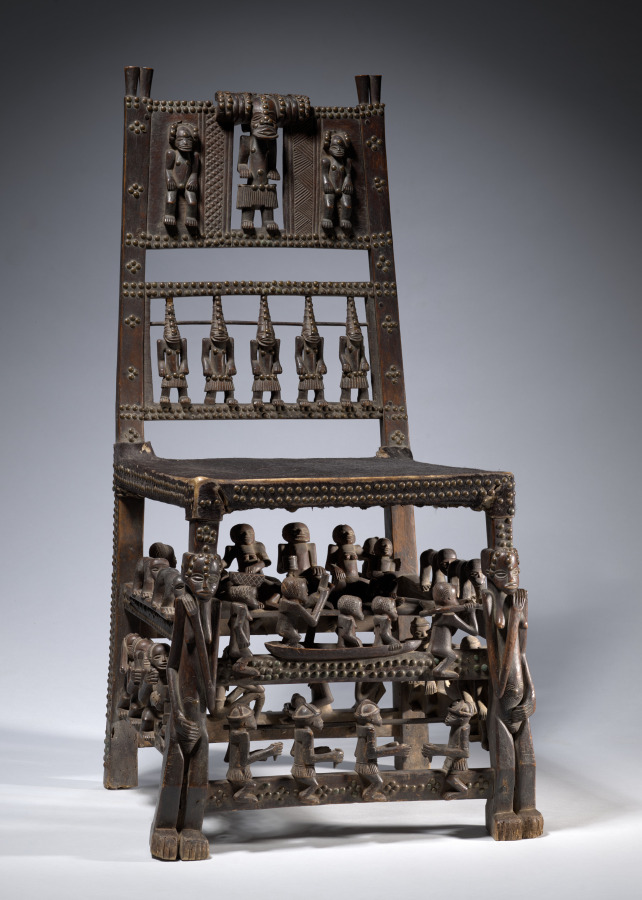
Ceremonial Chair or Throne (citwamo ca mangu)
Cleveland Museum of Art

Chief's chair
Minneapolis Institute of Art
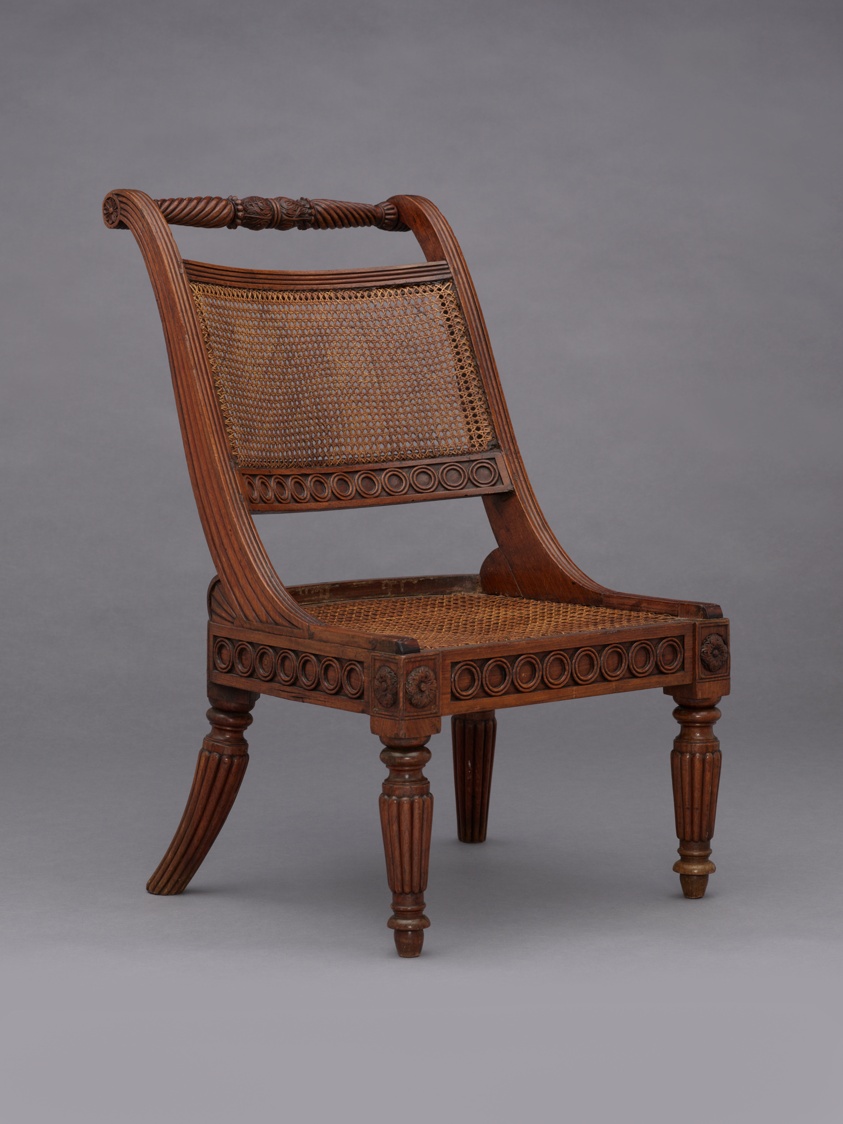
Chair
Art Institute of Chicago
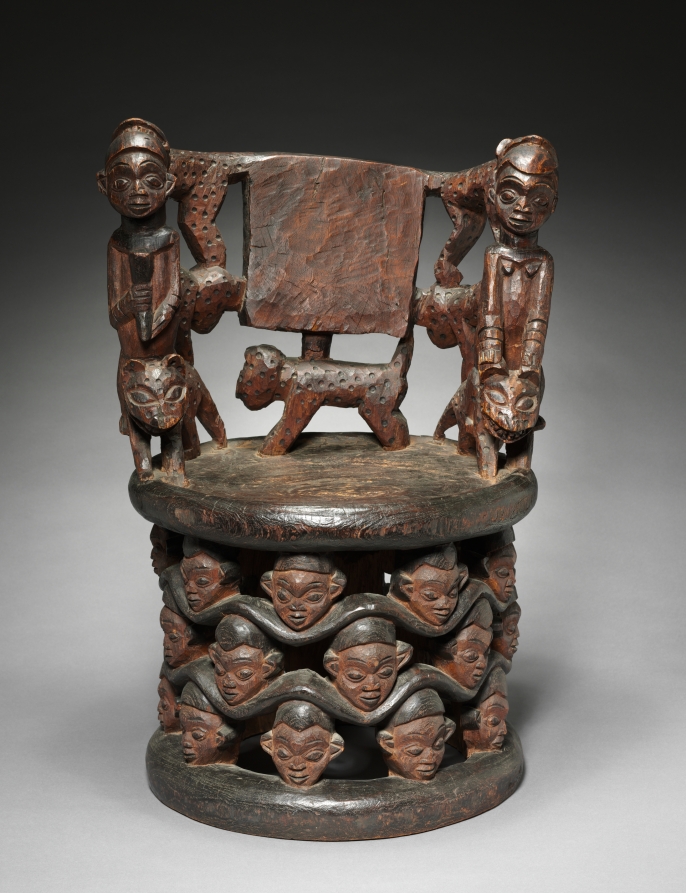
Prestige Chair
Cleveland Museum of Art
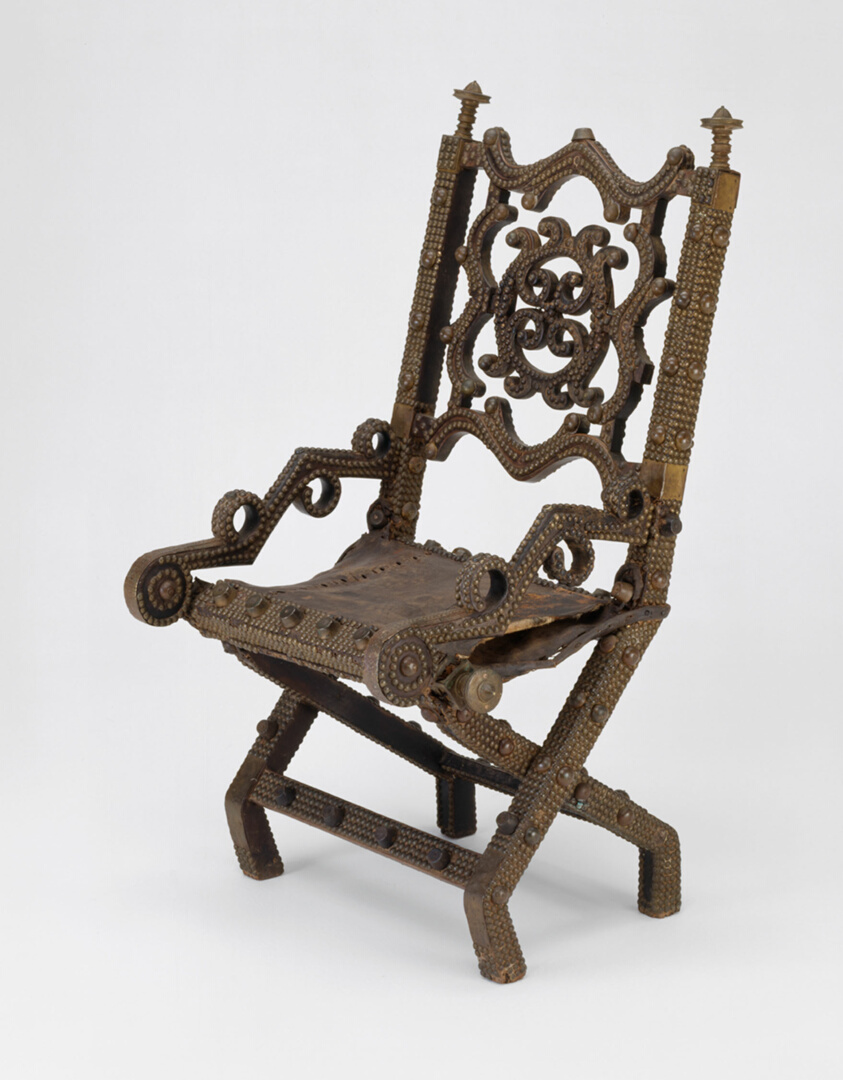
Royal Chair (Akonkromfi)
Art Institute of Chicago
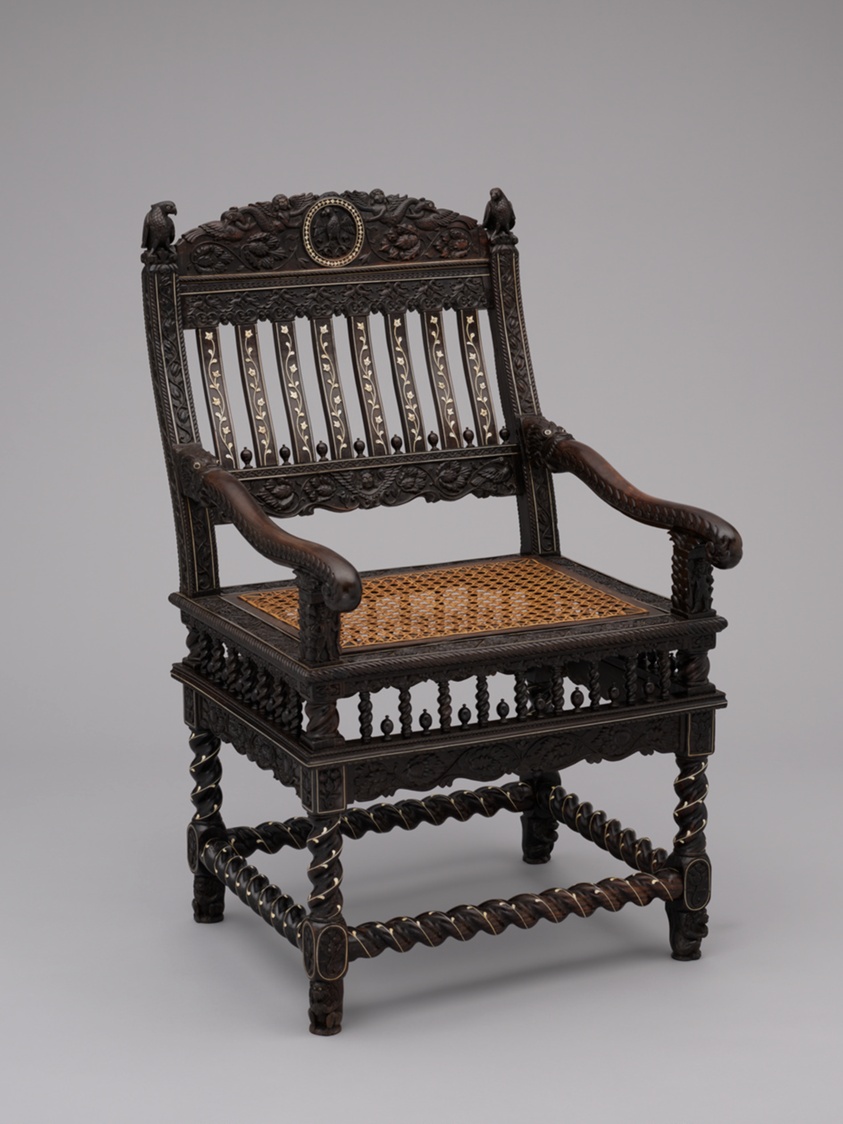
Armchair
Art Institute of Chicago
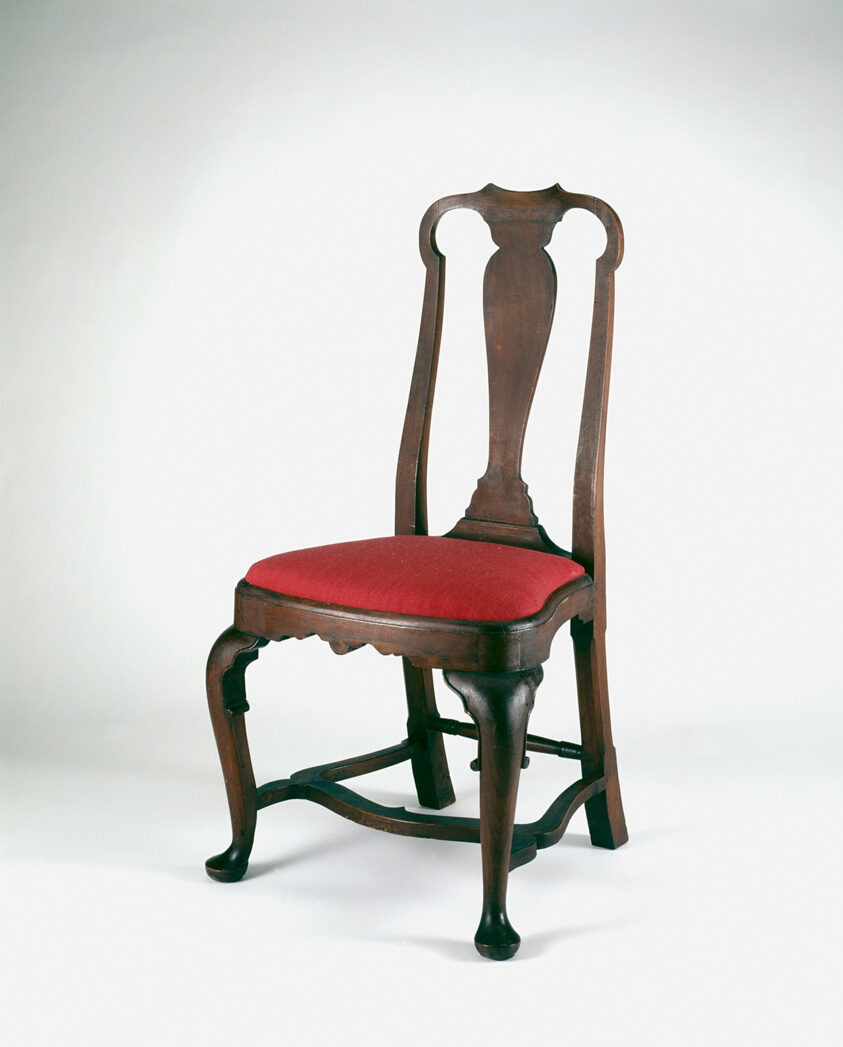
Side Chair
Art Institute of Chicago
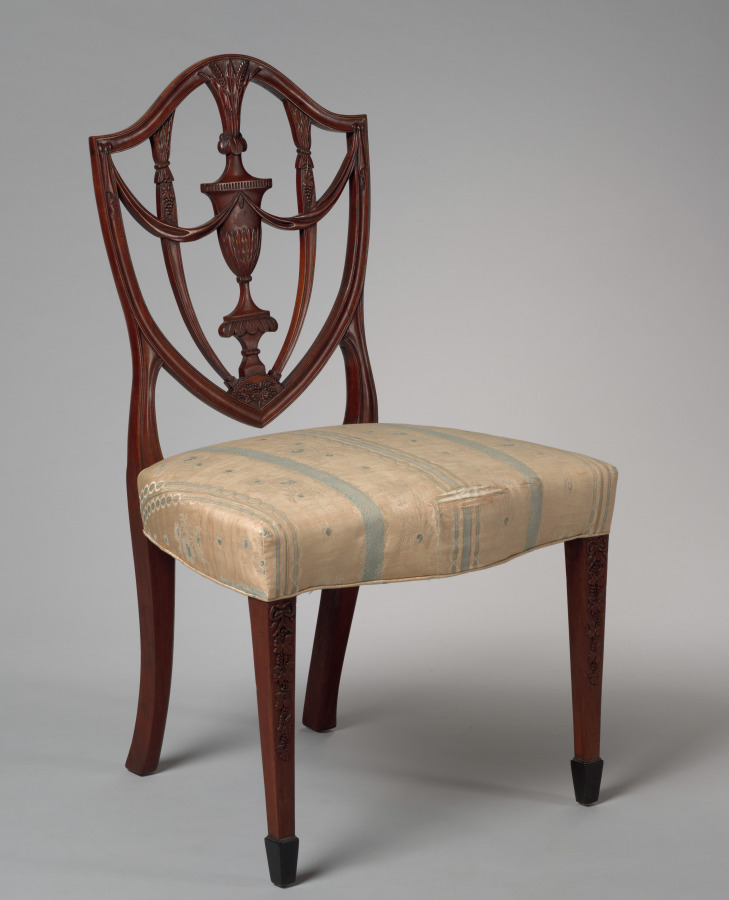
Chair
Cleveland Museum of Art
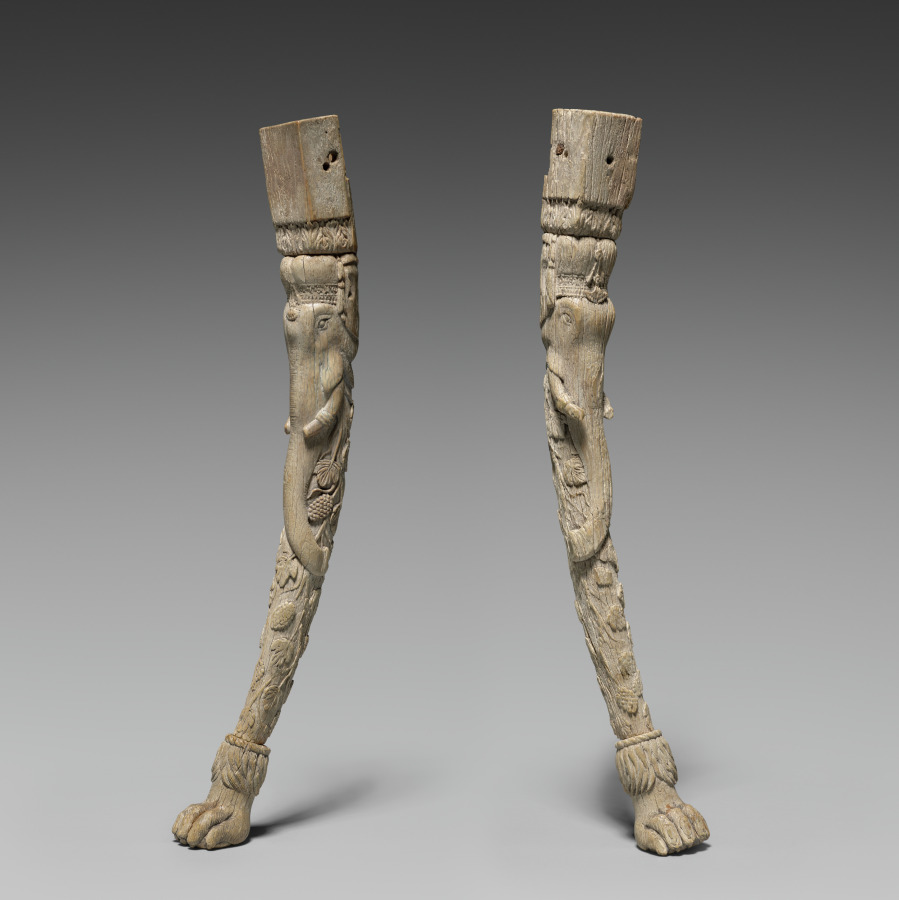
Chair Legs and Panel
Cleveland Museum of Art
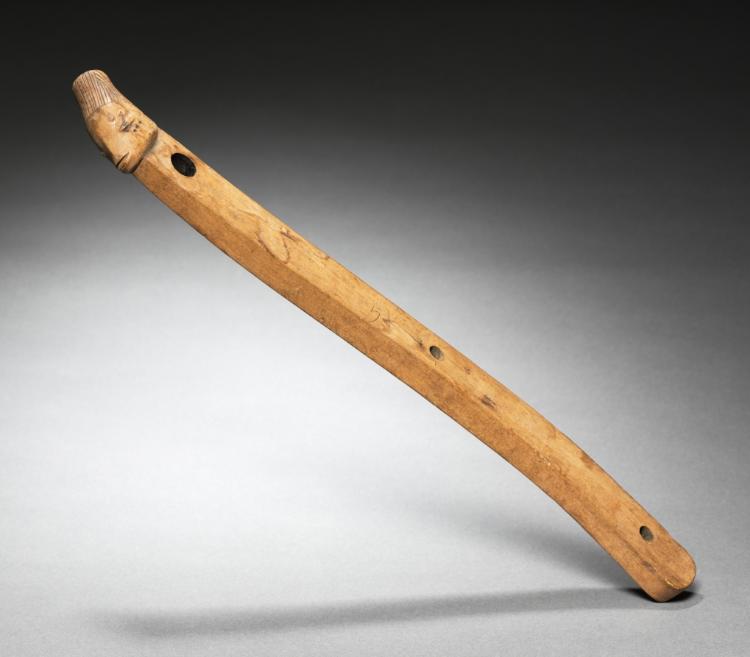
Part of a chair
Cleveland Museum of Art
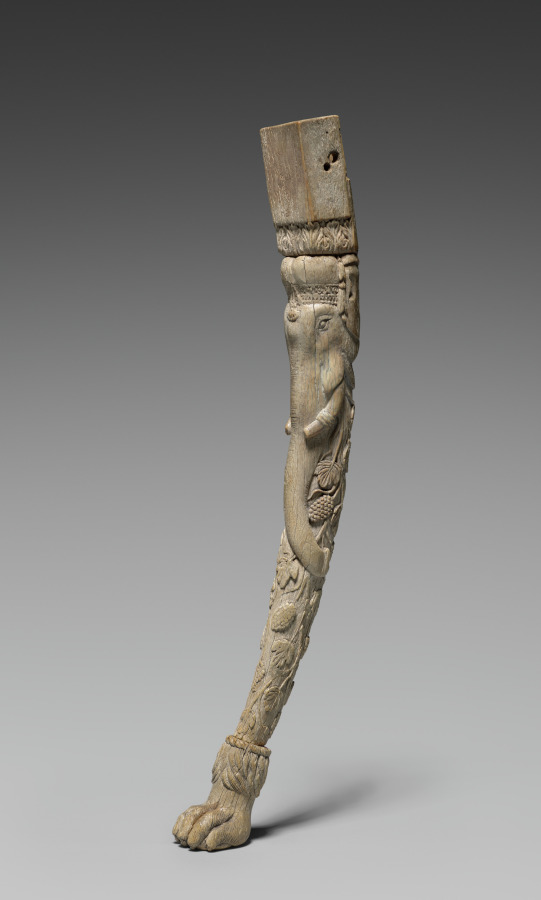
Chair Leg
Cleveland Museum of Art
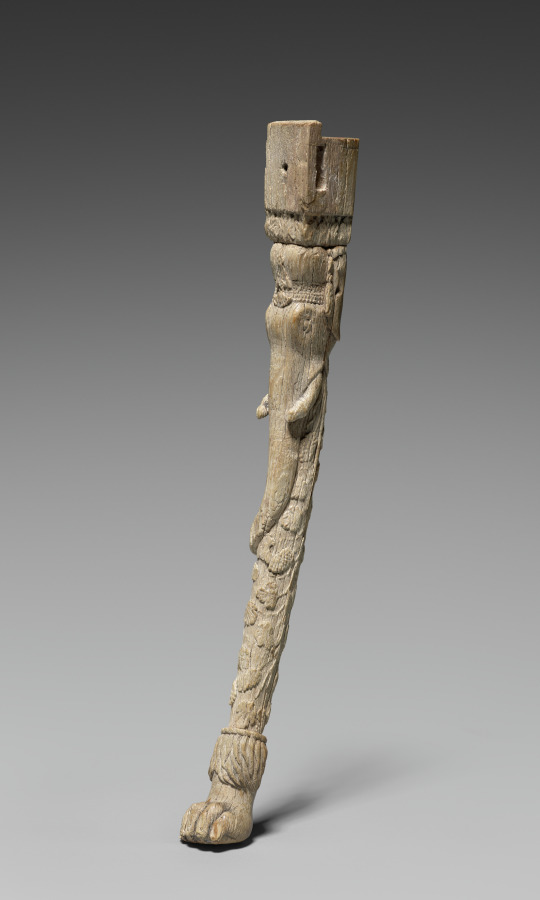
Chair Leg
Cleveland Museum of Art