Art Institute of Chicago
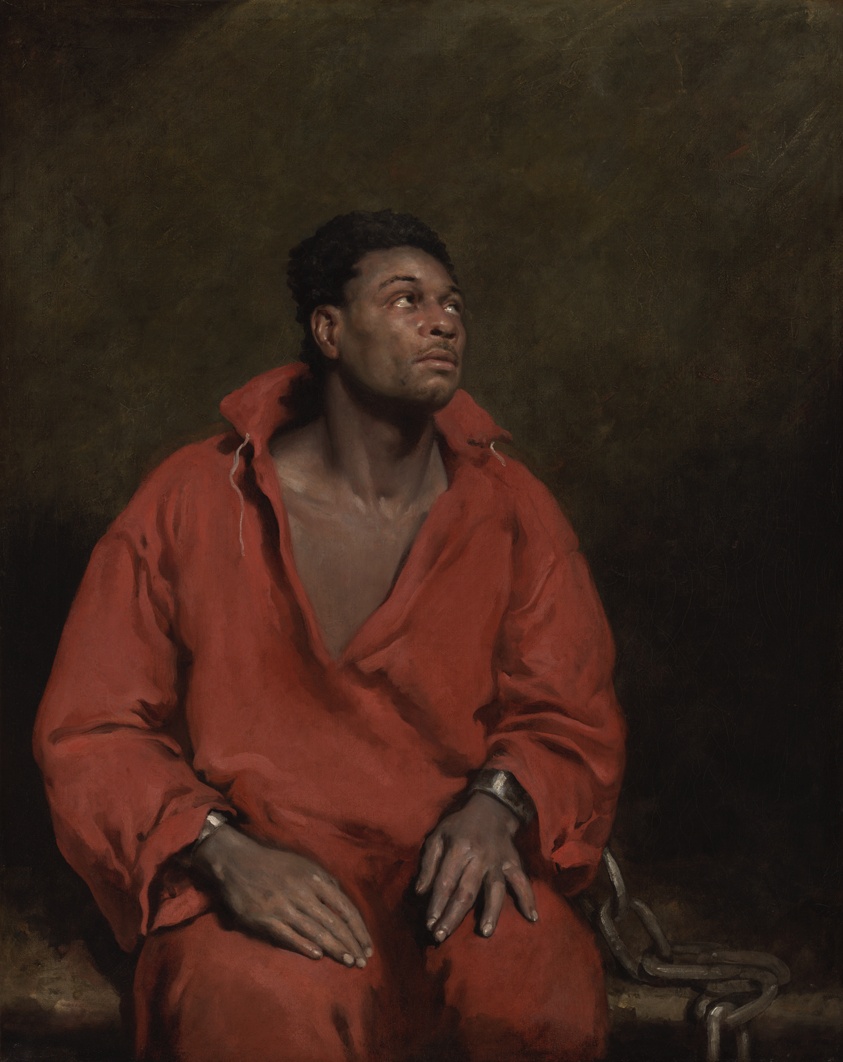
The Captive Slave (Ira Aldridge)
John Philip Simpson (English, 1782–1847)
- Date
- 1827
- Medium
- Oil on canvas
- Culture
- England
- Department
- Painting and Sculpture of Europe
- Institution
- Art Institute of Chicago
In the years leading up to the British Emancipation Act of 1833, this painting of an enslaved man constituted a timely abolitionist appeal. Set against a deeply shadowed background, the figure’s upward gaze suggests a yearning for freedom as he sits manacled to a bench. The composition echoes conventional imagery of Christian saints and martyrs; artist John Philip Simpson used familiar iconography to appeal to the sentimentality of wealthy white viewers with the requisite power to sway public policy. But the deeply moving pose also reflects the artistic contribution of the man who modeled for the figure, now identified as Ira Aldridge, a freeborn American actor famous for playing the title role in Shakespeare’s Othello. His performance in Thomas Morton’s musical drama The Slave may have been the immediate inspiration for Simpson’s painting. Aldridge was also renowned for his impassioned speeches for the abolitionist cause. In 1827, when The Captive Slave was first exhibited at the Royal Academy of Arts in London, the accompanying catalogue included the following excerpt from William Cowper’s 1782 antislavery poem, “Charity”: “But ah! what wish can prosper, or what prayer, / For merchants rich in cargoes of despair.” An engraving of this work, published by Edward Finden in 1827, is also in the Art Institute’s collection.
The authoritative record is held by Art Institute of Chicago. LinkedCulture surfaces this object and its connections; it does not alter institutional metadata.
Linked open data
Authority identifiers that link this record into the wider web of cultural data — stable references you can follow to the source.
- Object type
- AAT300033618
Related across collections
Semantically similar works from Art Institute of Chicago and other institutions.
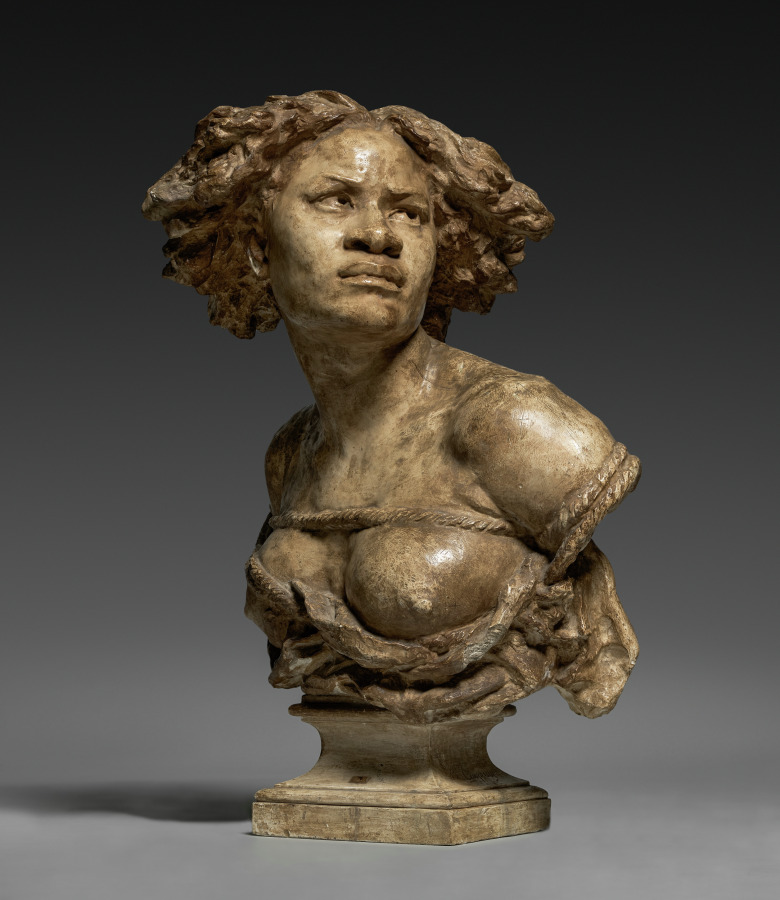
Why Born Enslaved!
Cleveland Museum of Art
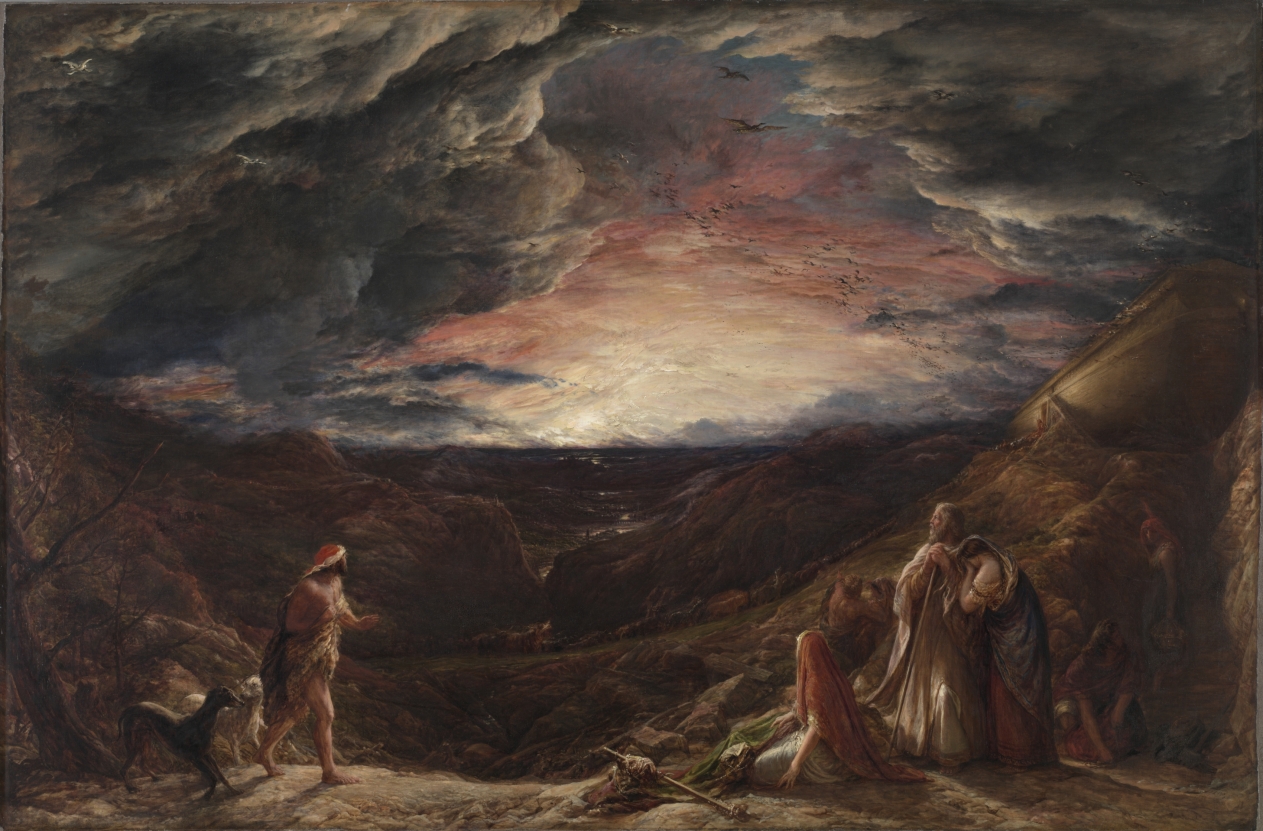
Noah: The Eve of the Deluge
Cleveland Museum of Art

The Ransom
Getty Museum
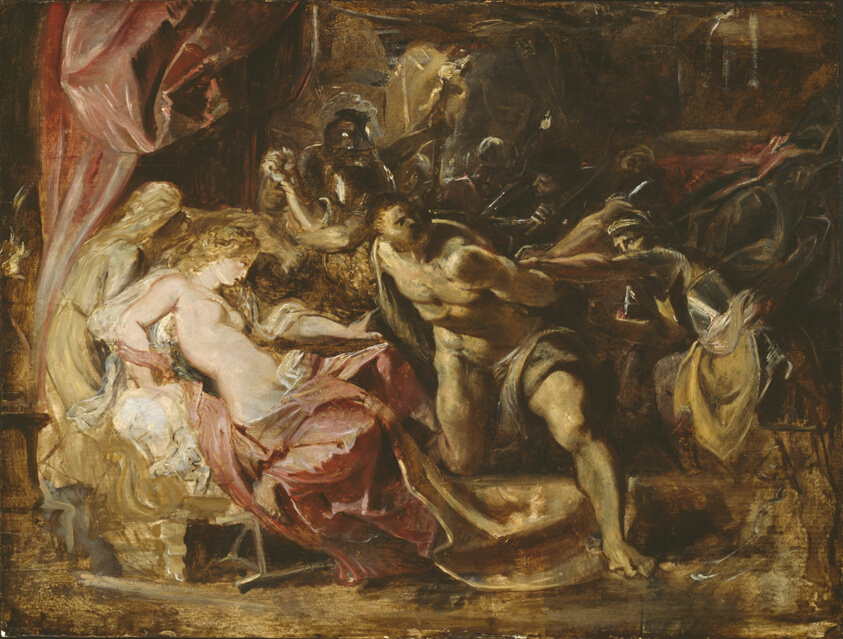
The Capture of Samson
Art Institute of Chicago

The Liberation of Saint Peter
Getty Museum
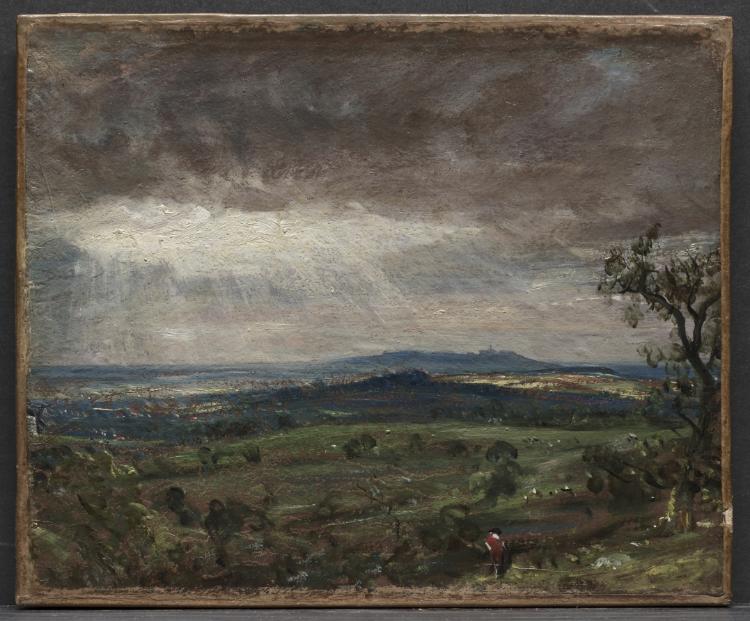
Hampstead Heath, Looking Toward Harrow
Cleveland Museum of Art
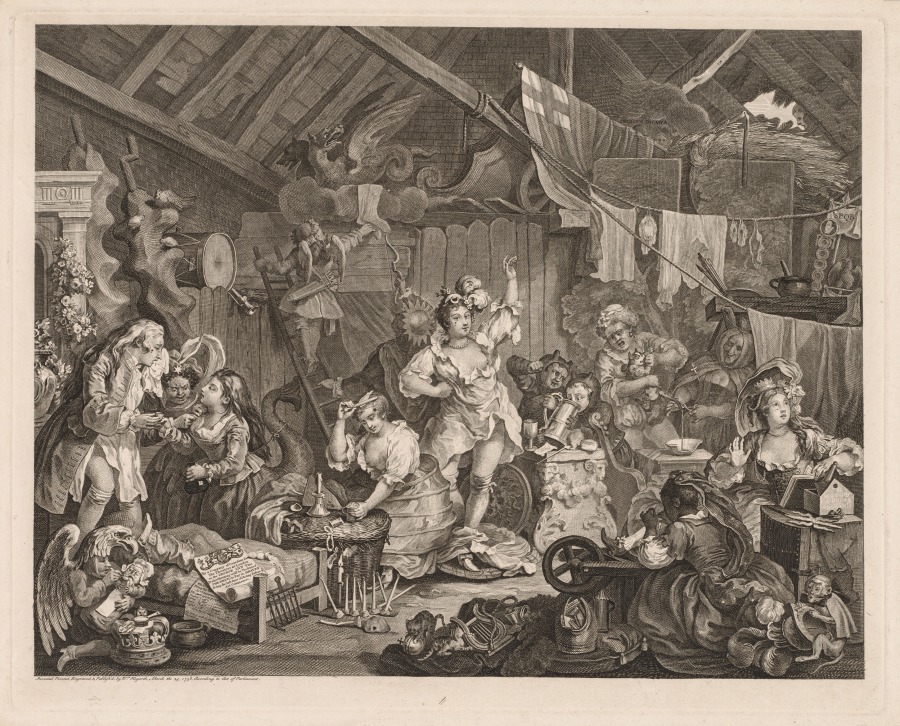
Strolling Actresses Dressing in a Barn
Cleveland Museum of Art

The Apostle Simon
Getty Museum
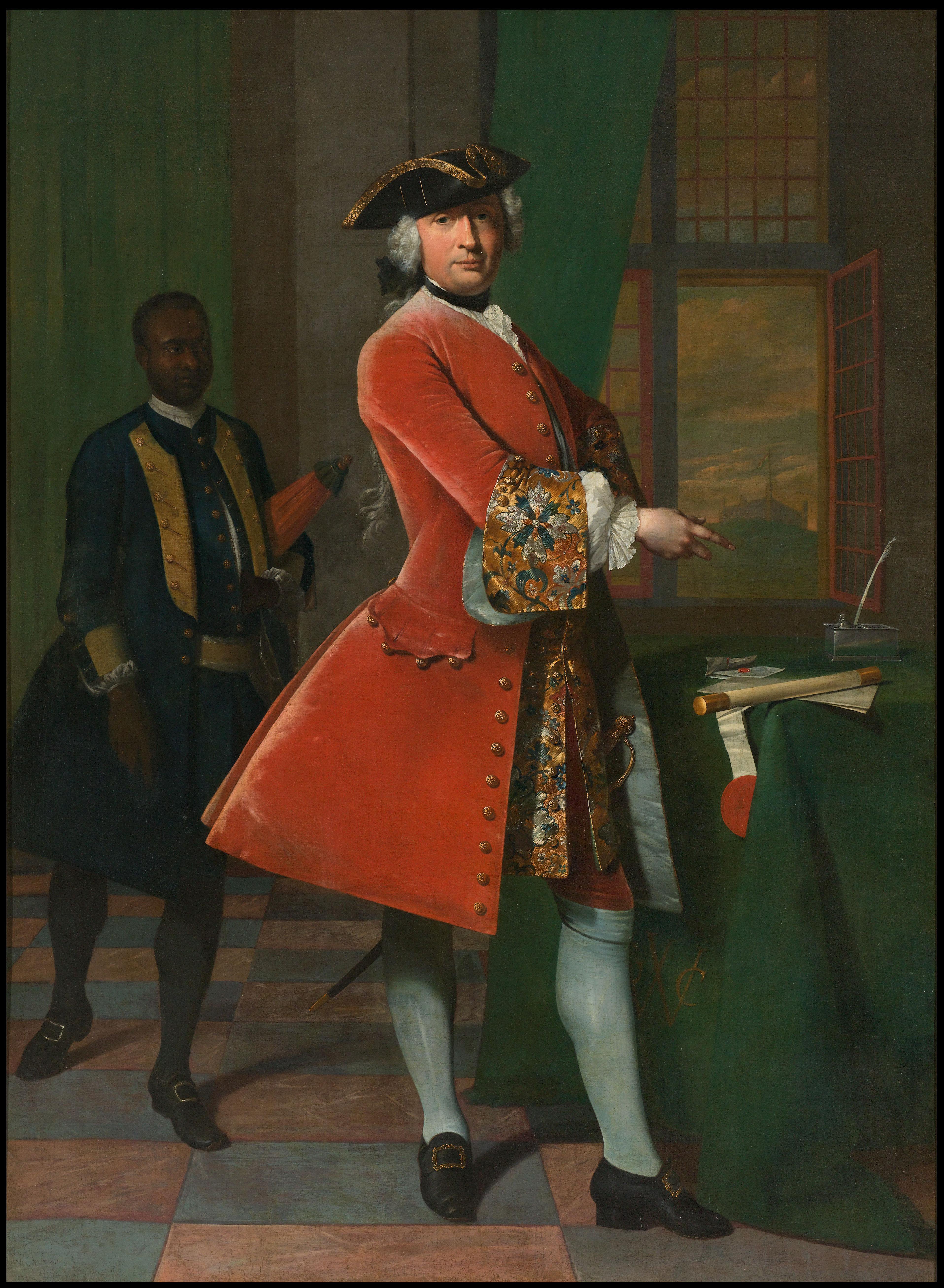
Portrait of Jan Pranger and an Enslaved Servant
Rijksmuseum
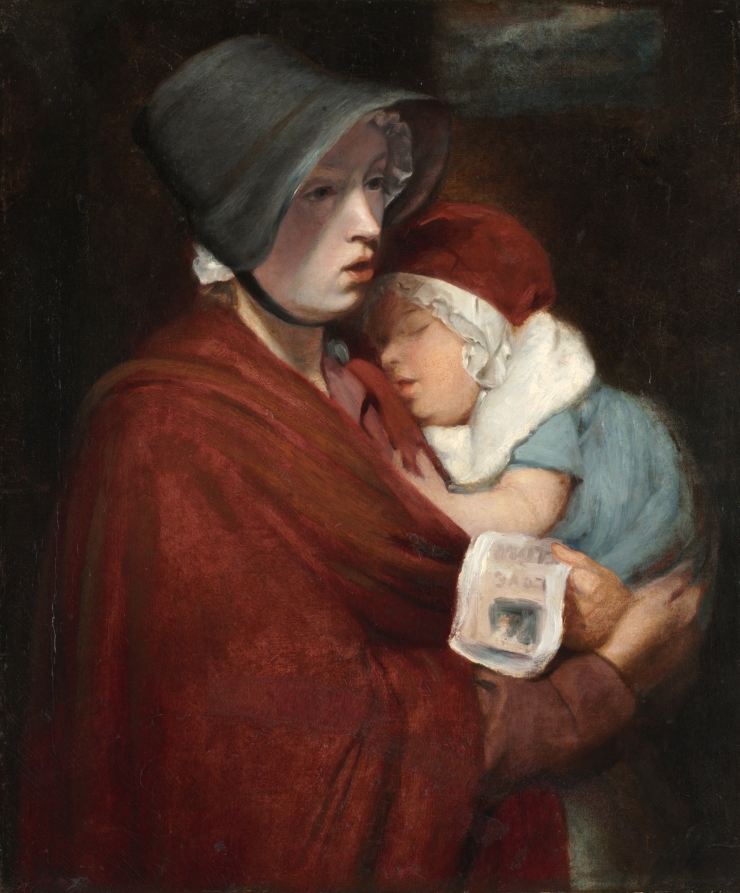
Street Singer and Child
Cleveland Museum of Art
Portrait of Emmanuel Rio
Art Institute of Chicago
The Sacrifice of Isaac
Cleveland Museum of Art