Art Institute of Chicago
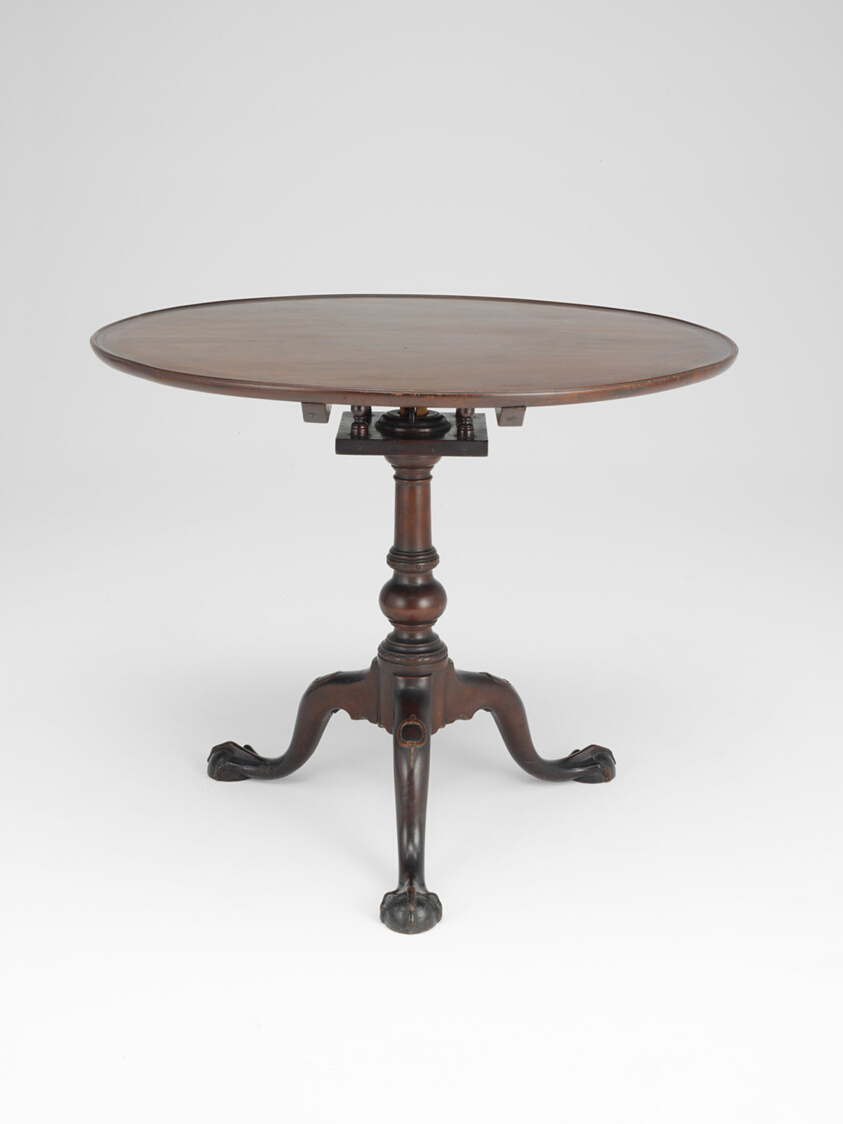
Tea Table
Artist unknown (American, 18th century)
- Date
- 1750–90
- Medium
- Mahogany
- Culture
- Philadelphia
- Department
- Arts of the Americas
- Institution
- Art Institute of Chicago
In the 18th century, Americans delighted in the genteel art of tea drinking, which facilitated socializing based on strict rules of engagement. First introduced to New York in the 1740s, the tilt-top tea table, designed in the service of fashionable domestic tea parties, was a popular form in colonial Philadelphia and New York. The spindled “birdcage” mechanism allowed rotation, which provided the hostess with a measure of gentility by enabling her to spin the table so that she did not have to reach for anything; the table also flipped into a vertical position, permitting efficient storage against a wall. Illustrating the understated Quaker aesthetic present in late-18th-century Philadelphia, this tilt-top tea table was likely used in the parlor or drawing room of a middle- to upper-middle-class home.
The authoritative record is held by Art Institute of Chicago. LinkedCulture surfaces this object and its connections; it does not alter institutional metadata.
Related across collections
Semantically similar works from Art Institute of Chicago and other institutions.
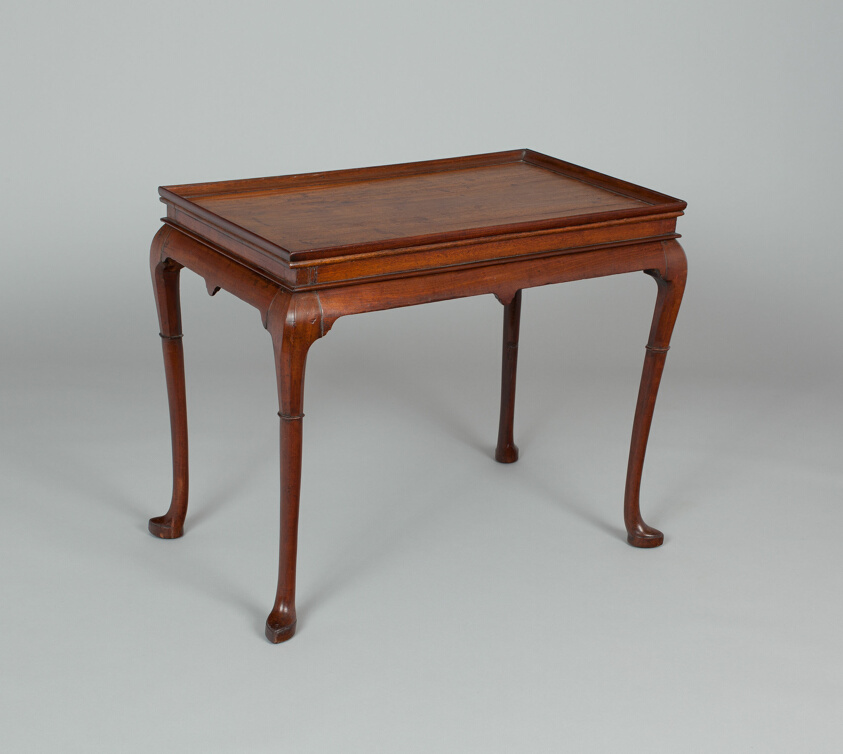
Tea Table
Art Institute of Chicago

Square Tea Table
The Metropolitan Museum of Art
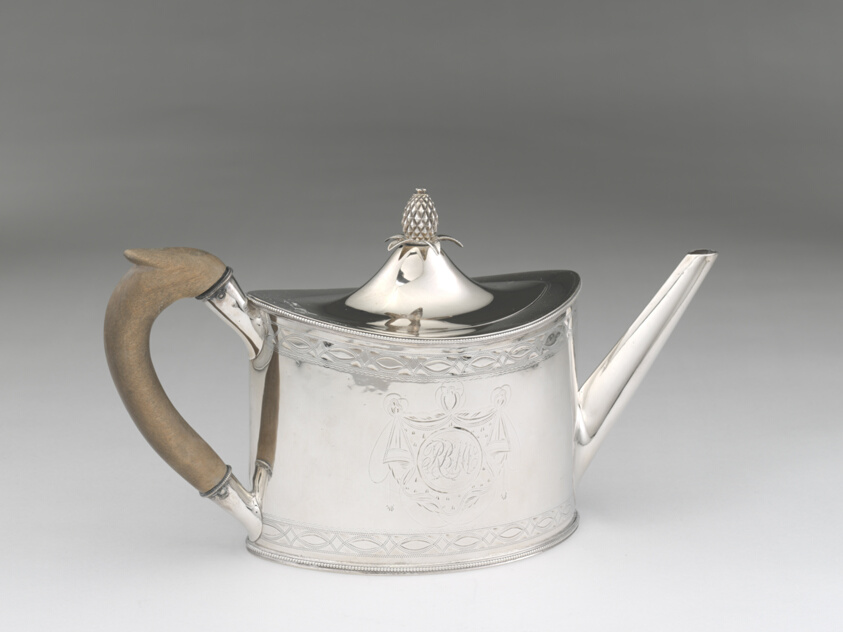
Teapot
Art Institute of Chicago
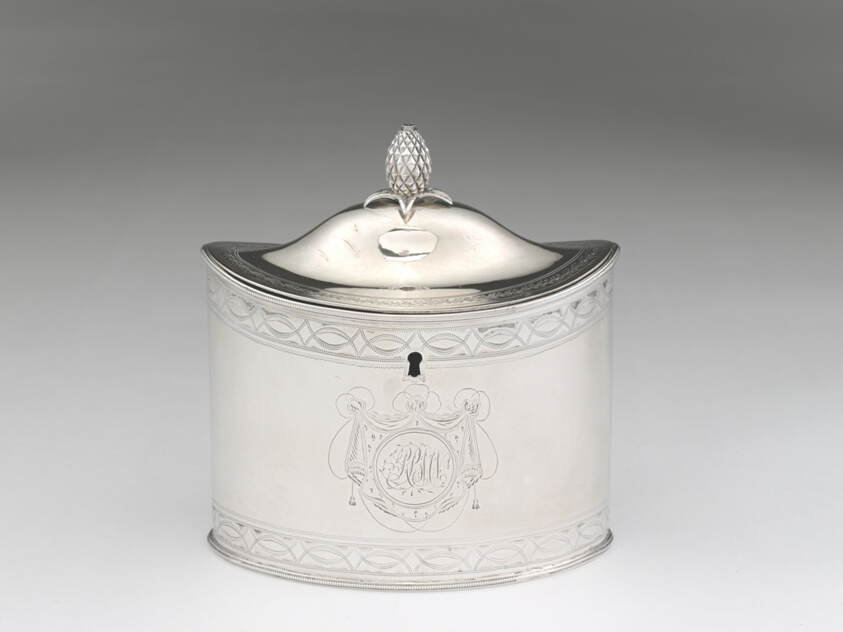
Tea Caddy
Art Institute of Chicago
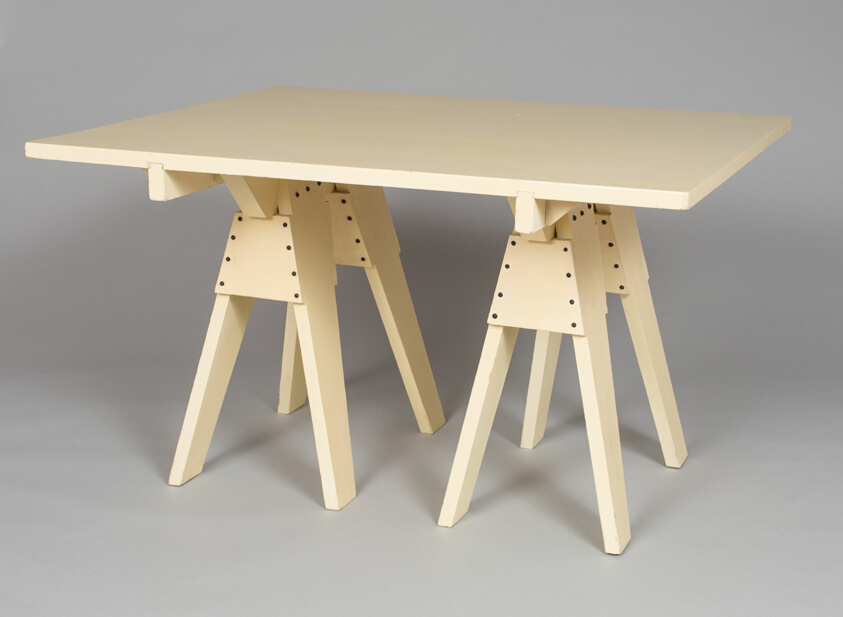
Table (part of a set)
Art Institute of Chicago
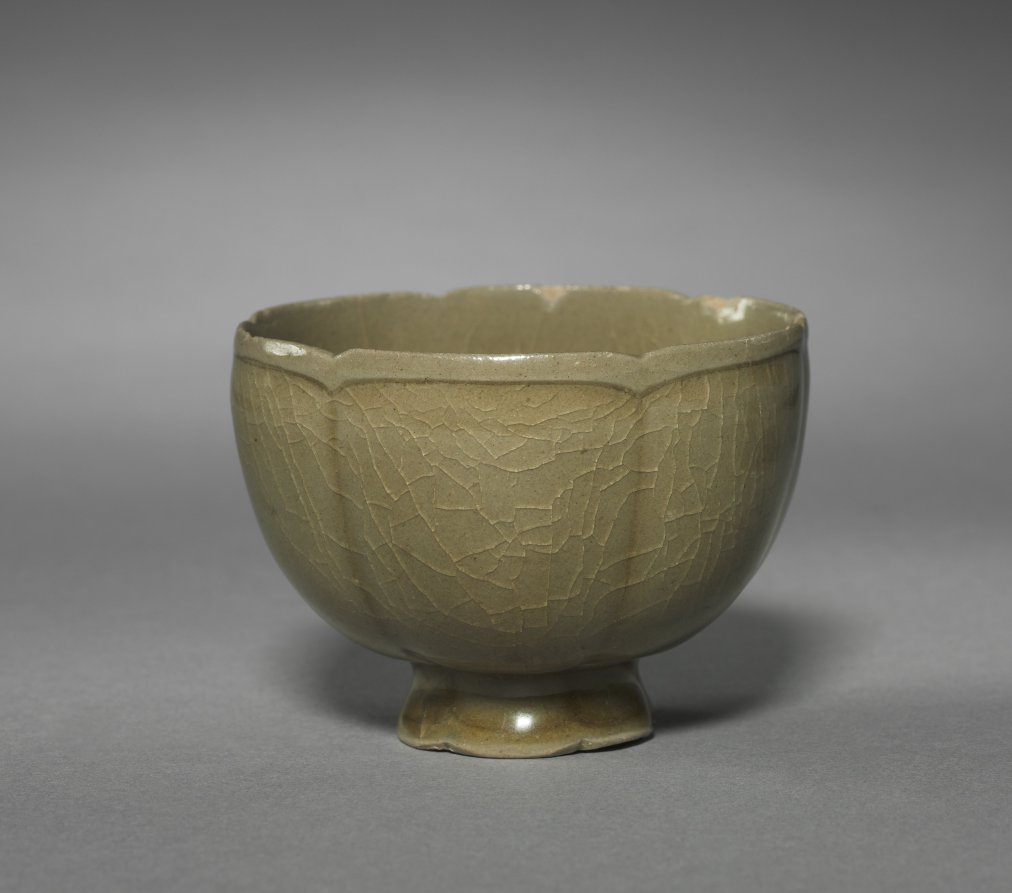
Floral-shaped Cup
Cleveland Museum of Art
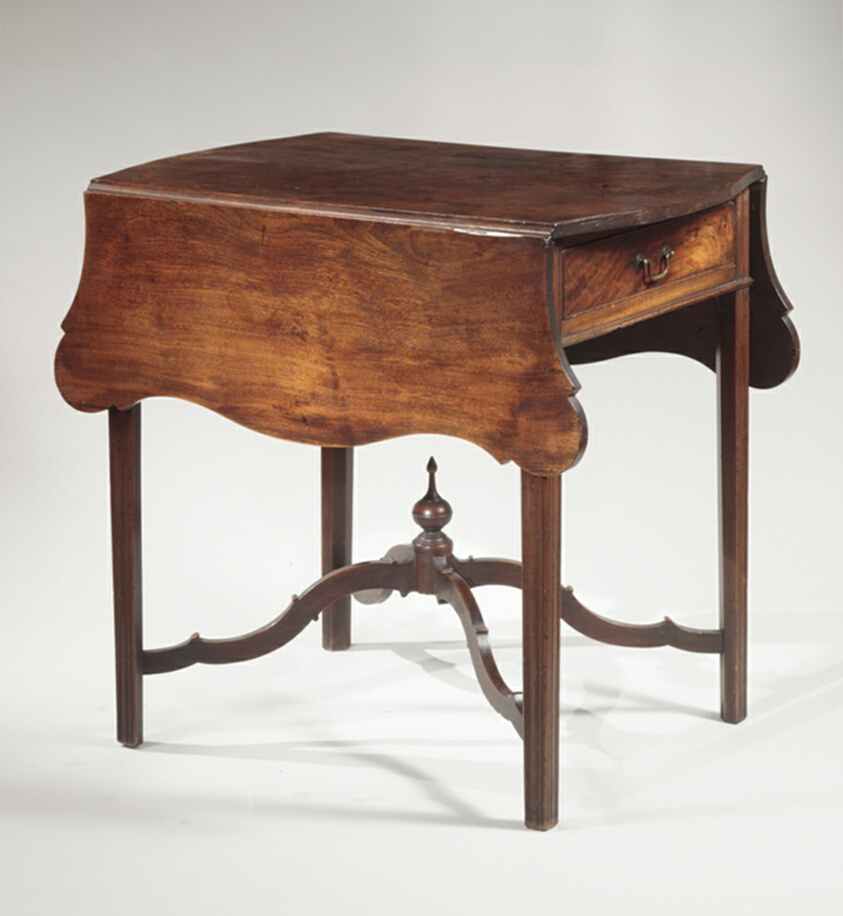
Pembroke Table
Art Institute of Chicago
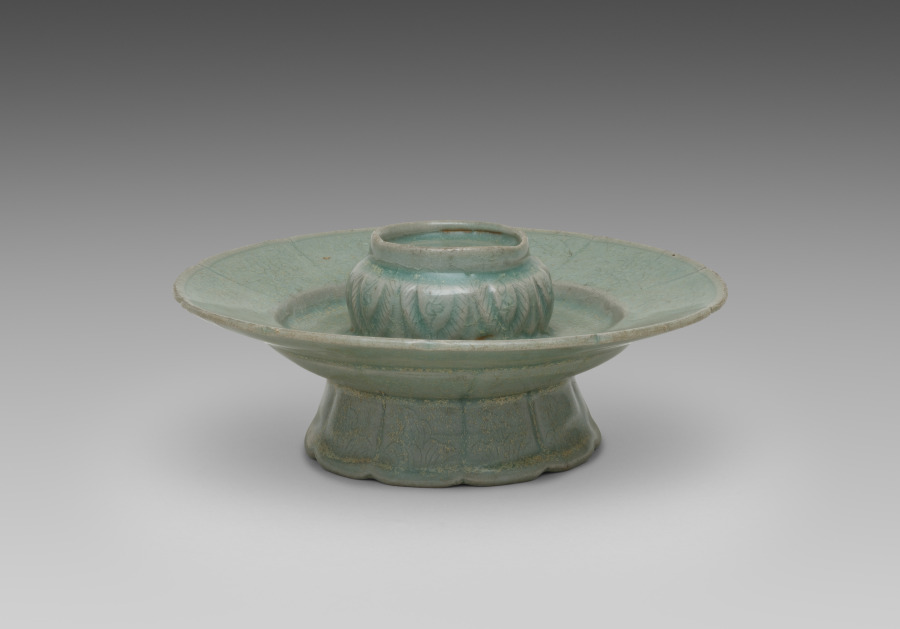
Floral-shaped Cup Stand
Cleveland Museum of Art
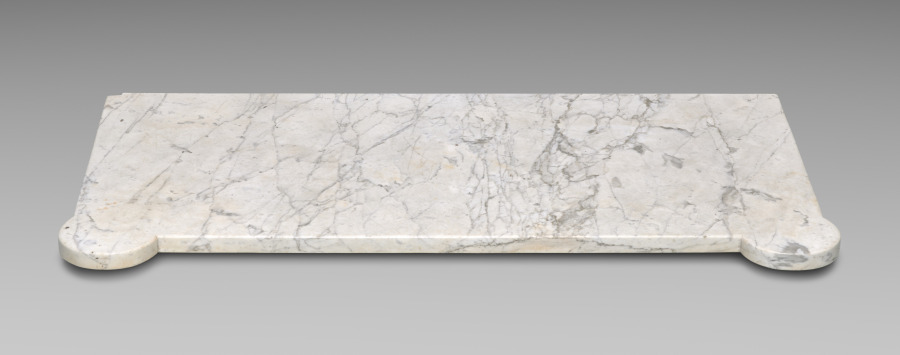
Pier Table (marble top)
Cleveland Museum of Art
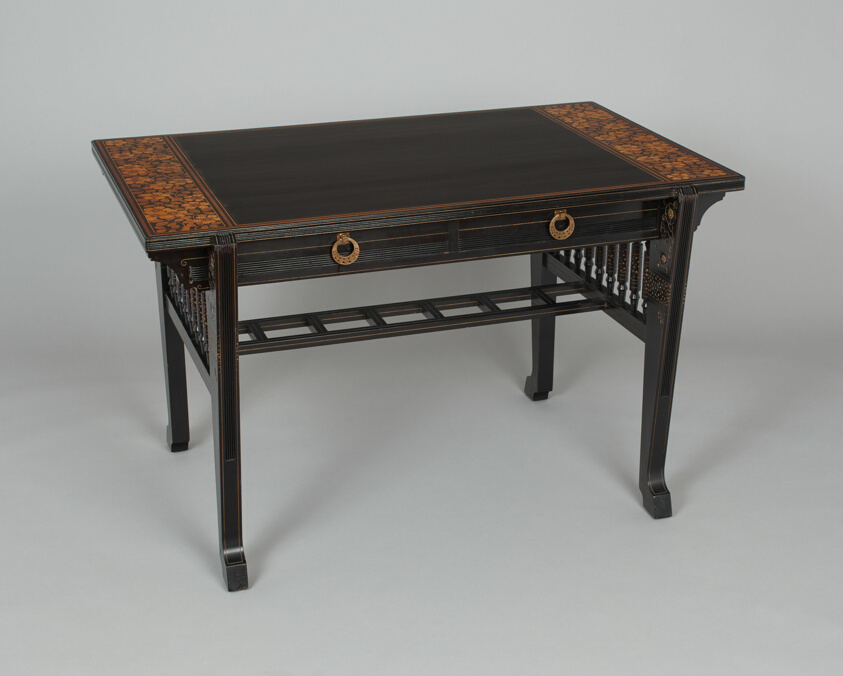
Table
Art Institute of Chicago

Tea table
Minneapolis Institute of Art
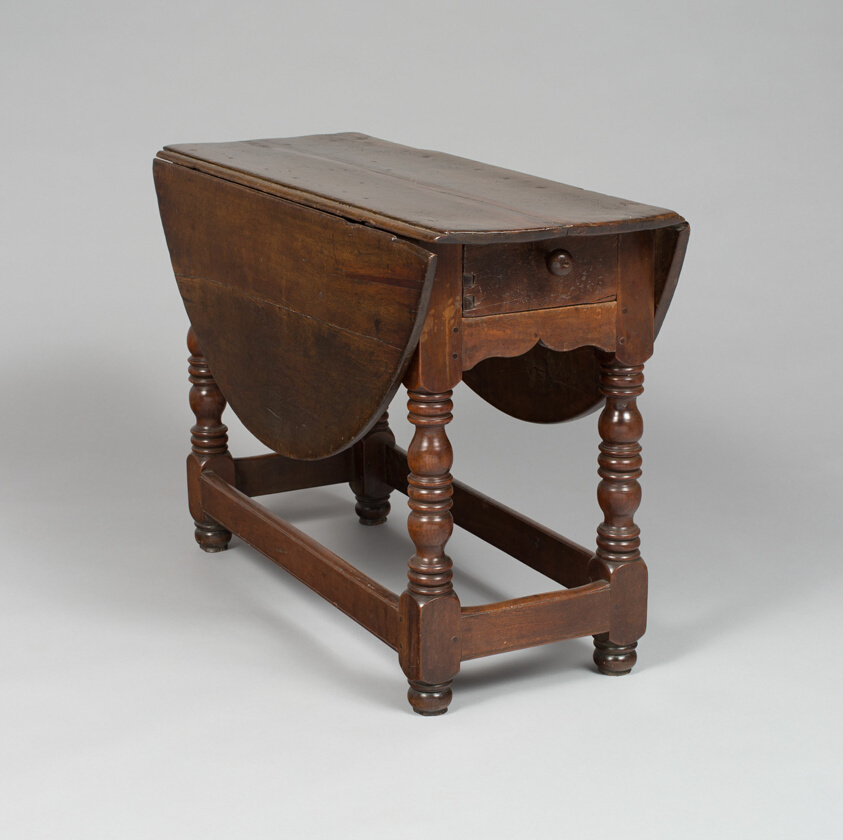
Table
Art Institute of Chicago