Art Institute of Chicago
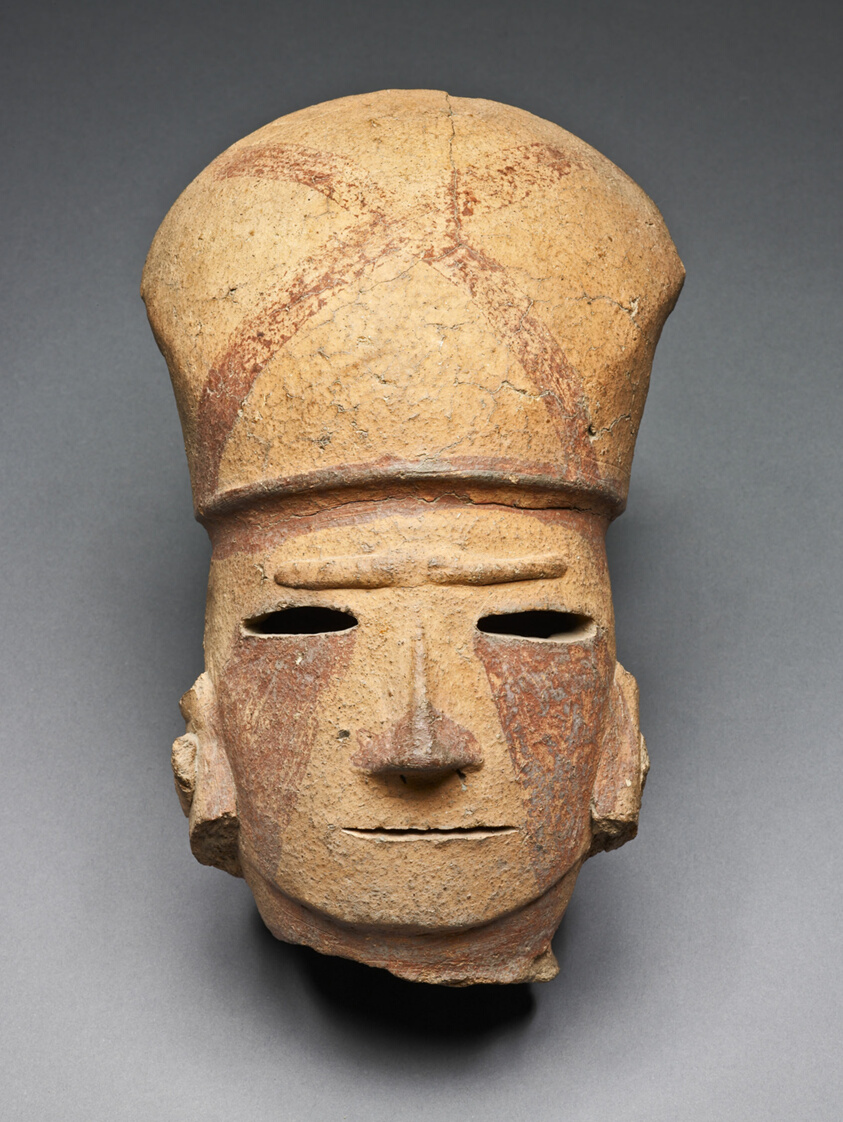
Head of a Warrior
Japan
- Date
- 6th century Kofun period (mid 3rd–6th century A.D.)
- Medium
- Earthenware
- Culture
- Japan
- Department
- Arts of Asia
- Institution
- Art Institute of Chicago
This head of a warrior from an earthenware tomb figurine (haniwa) is from the late Kofun (literally “old burial mound”) period, which is typified by a complex hierarchical society with advanced burial rituals. Several burial mounds or tumuli for chieftains and emperors still exist today, particularly around the Nara area, and it is from such locations that haniwa figurines have been excavated. In the early Kofun period, haniwa were tubular in form so that they could be easily filled with earth and buried. In the fifth century, haniwa were made in a multitude of representational forms, including male and female figures, animals, and houses. Although there are losses, most notably above the ears and at the back of the head, this sculpture has no repairs or restoration. The calm expression and symmetrical facial features make it one of the most dignified extant haniwa heads. It was once in the collection of the famed potter Hamada Shôji.
The authoritative record is held by Art Institute of Chicago. LinkedCulture surfaces this object and its connections; it does not alter institutional metadata.
Linked open data
Authority identifiers that link this record into the wider web of cultural data — stable references you can follow to the source.
- Object type
- AAT300312158
Related across collections
Semantically similar works from Art Institute of Chicago and other institutions.

Head of a Male Warrior
Getty Museum

Warrior Head
Getty Museum
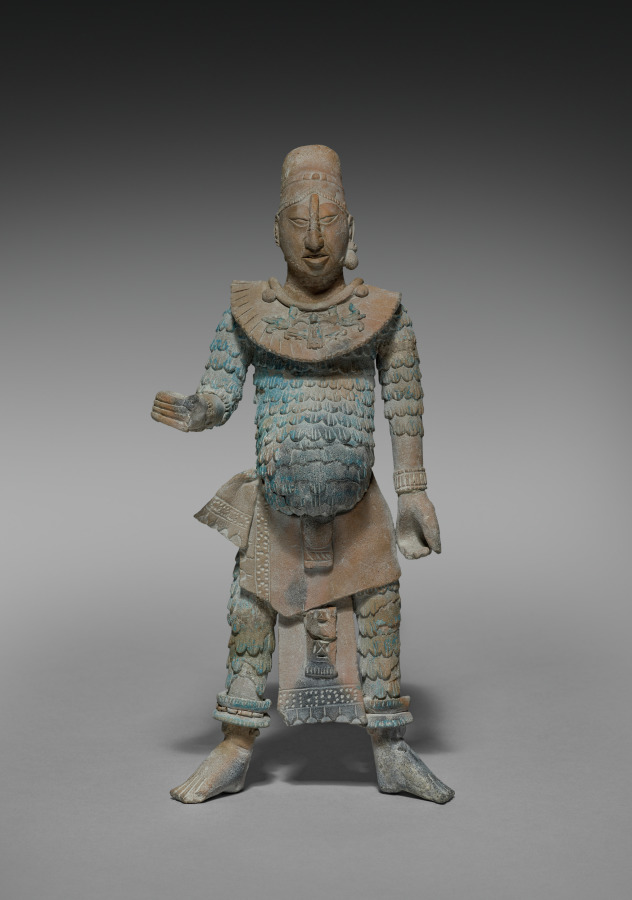
Warrior Figurine with Removable Headdress
Cleveland Museum of Art
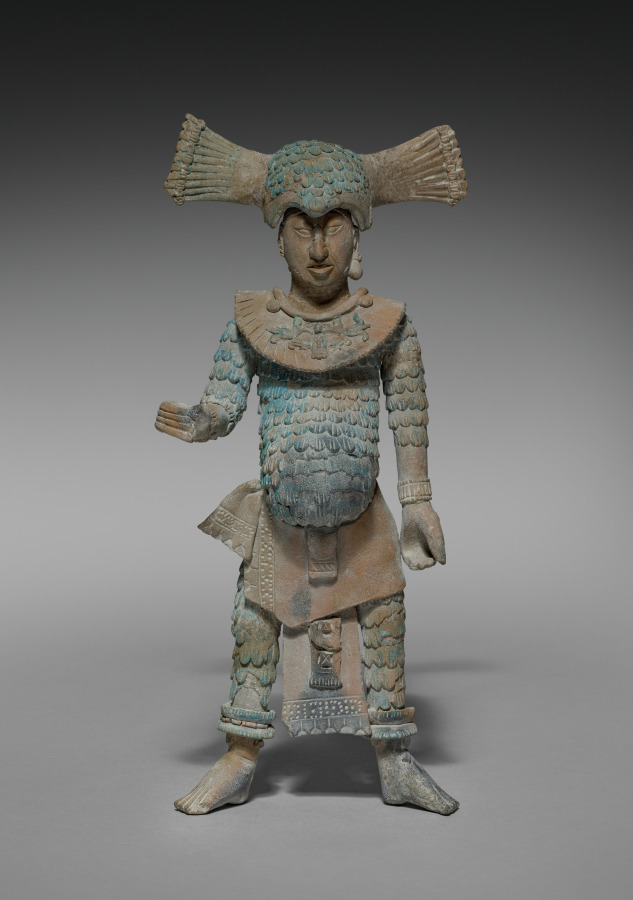
Warrior Figurine with Removable Headdress
Cleveland Museum of Art

Male Warrior Head
Getty Museum
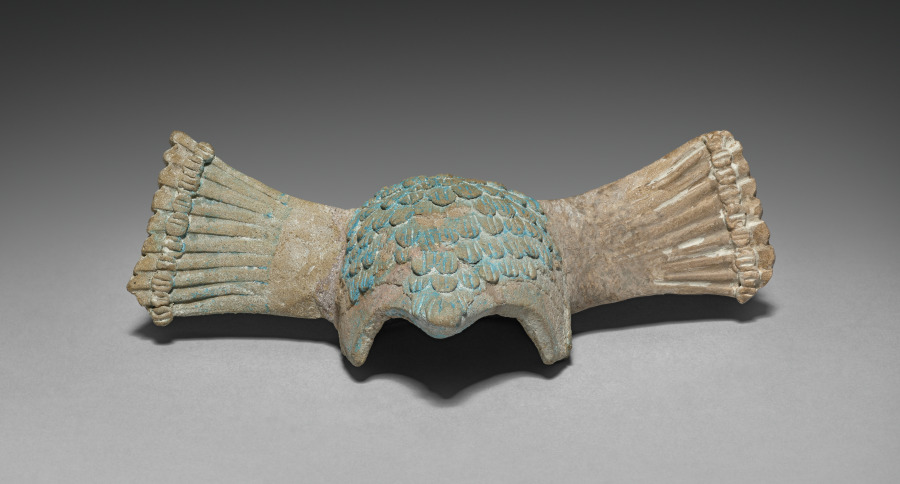
Warrior Figurine with Removable Headdress (headdress)
Cleveland Museum of Art
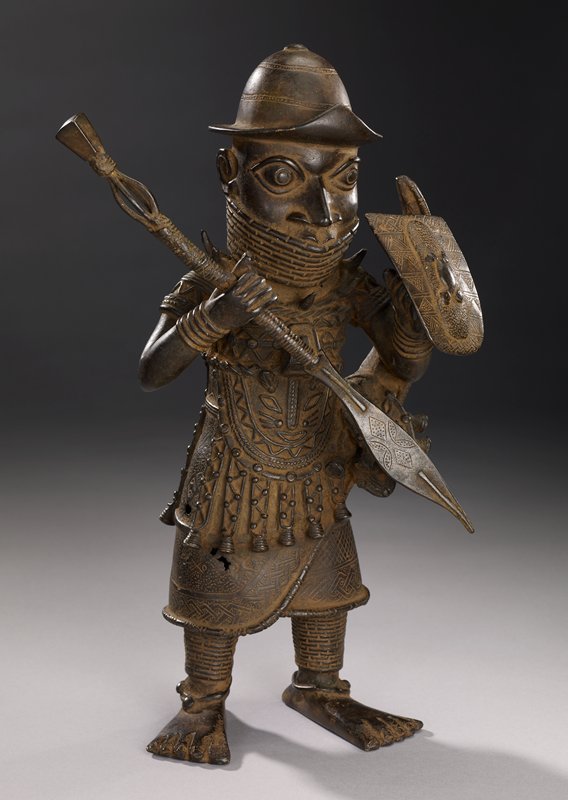
Warrior Chief
Minneapolis Institute of Art
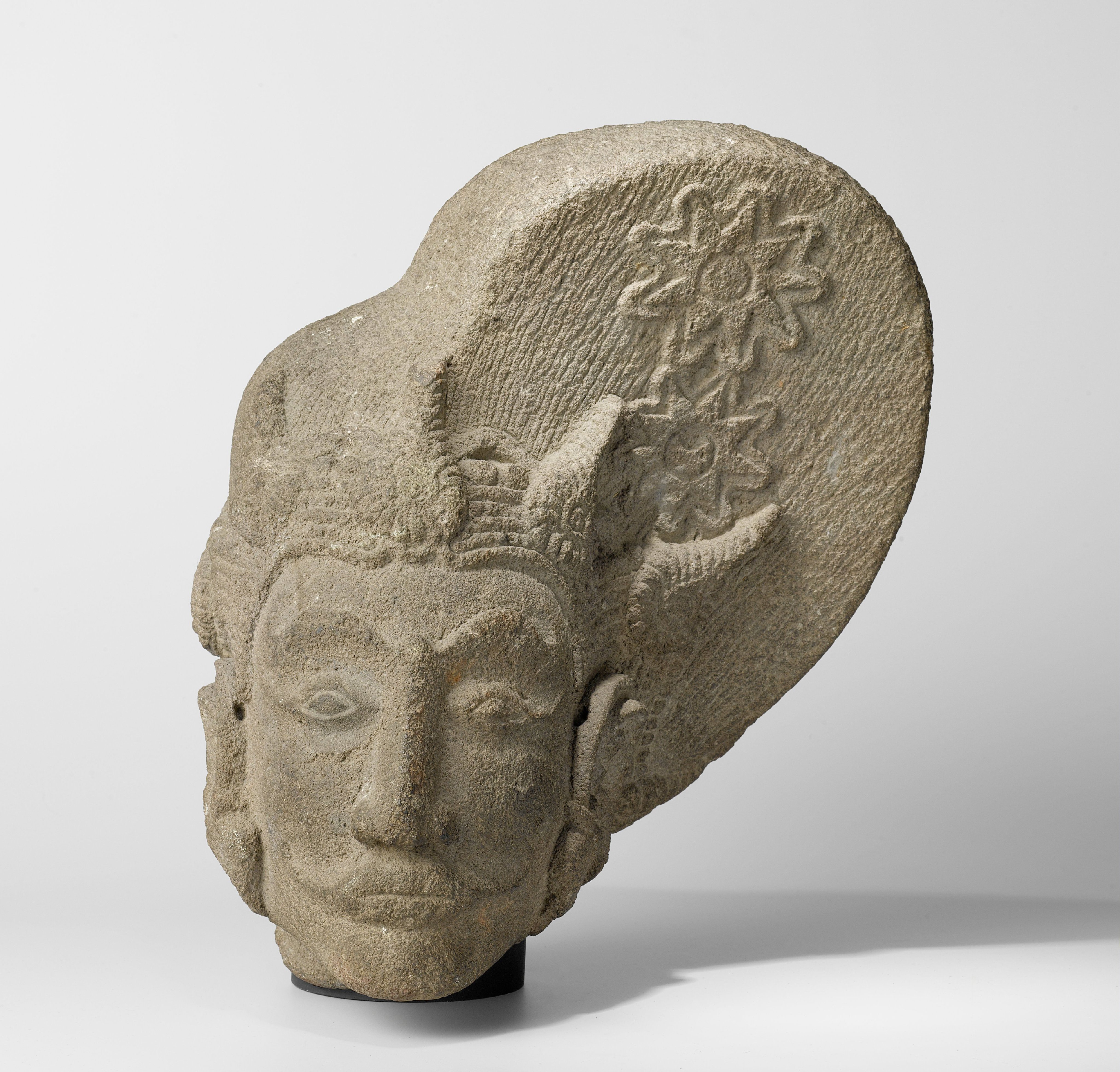
Head of a deity
Rijksmuseum

Vajra Warrior (one of a pair)
Minneapolis Institute of Art

Vajra Warrior (one of a pair)
Minneapolis Institute of Art
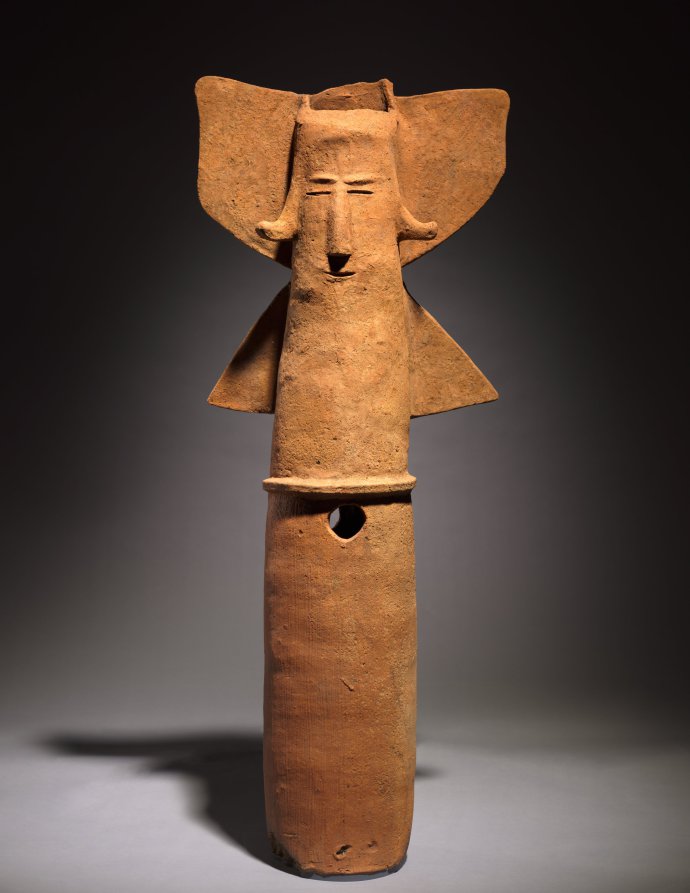
Haniwa in the Form of a Shield
Cleveland Museum of Art
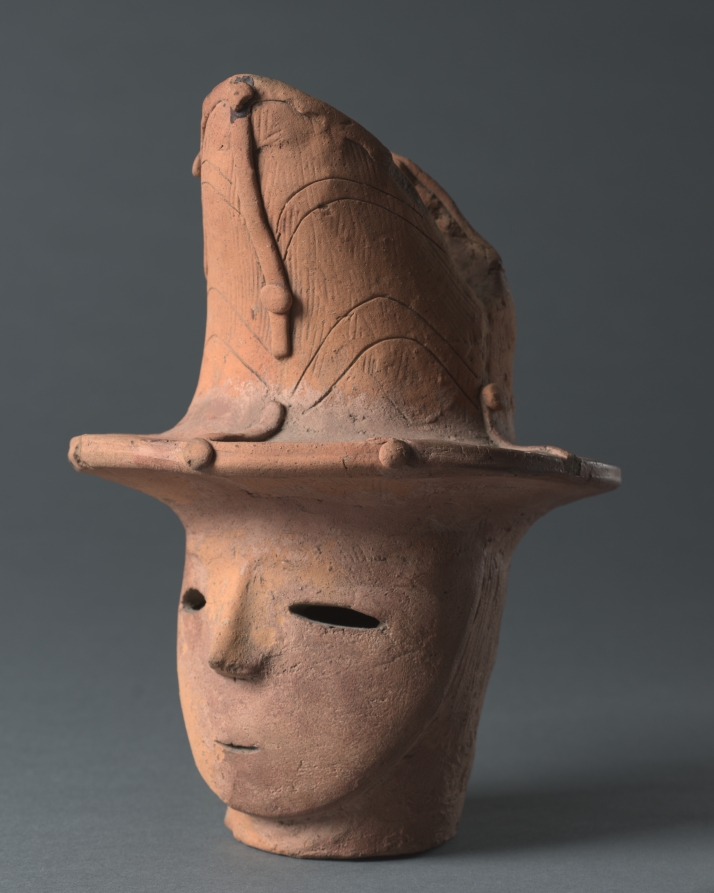
Male Haniwa Head
Cleveland Museum of Art