Art Institute of Chicago
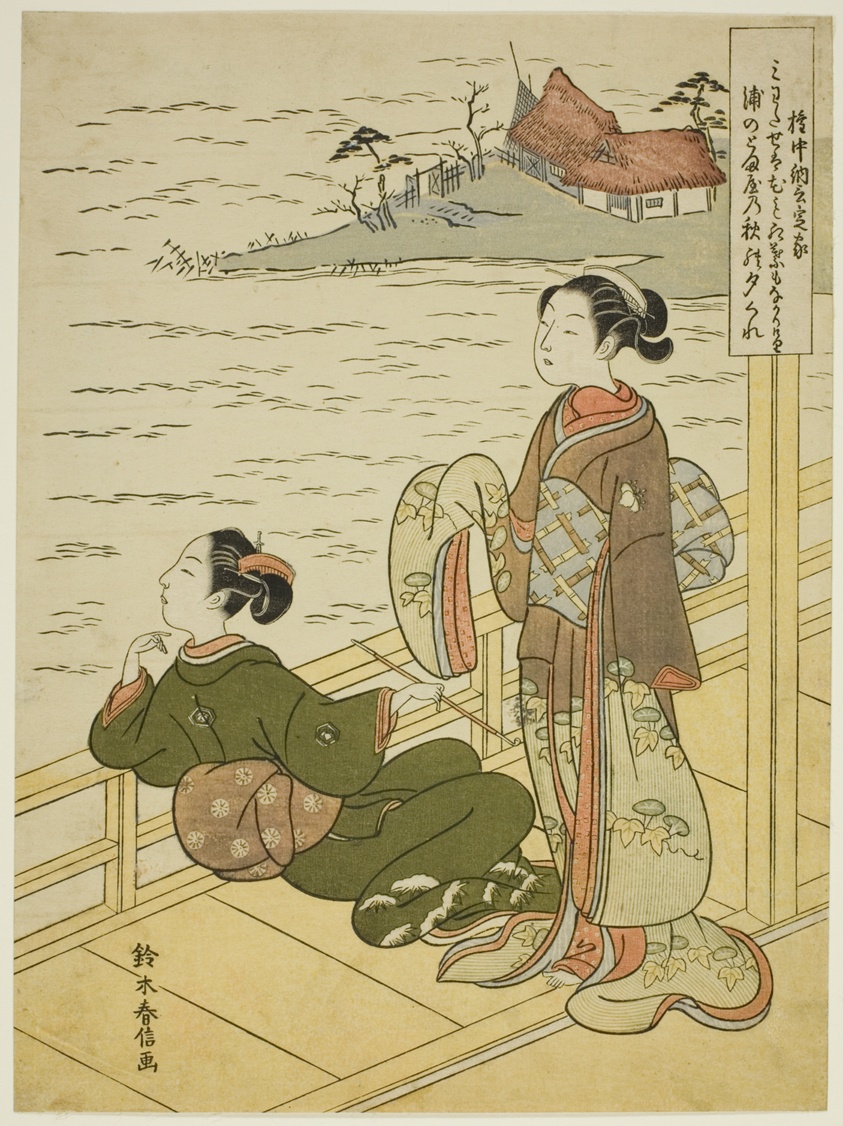
Gonchunagon Sadaie (Fujiwara no Teika), from an untitled series of parodies of the Three Evening Poems
Suzuki Harunobu 鈴木 春信
- Date
- c. 1767/68
- Medium
- Color woodblock print; chuban
- Culture
- Japan
- Department
- Arts of Asia
- Institution
- Art Institute of Chicago
The authoritative record is held by Art Institute of Chicago. LinkedCulture surfaces this object and its connections; it does not alter institutional metadata.
Linked open data
Authority identifiers that link this record into the wider web of cultural data — stable references you can follow to the source.
- Object type
- AAT300041273
Related across collections
Semantically similar works from Art Institute of Chicago and other institutions.
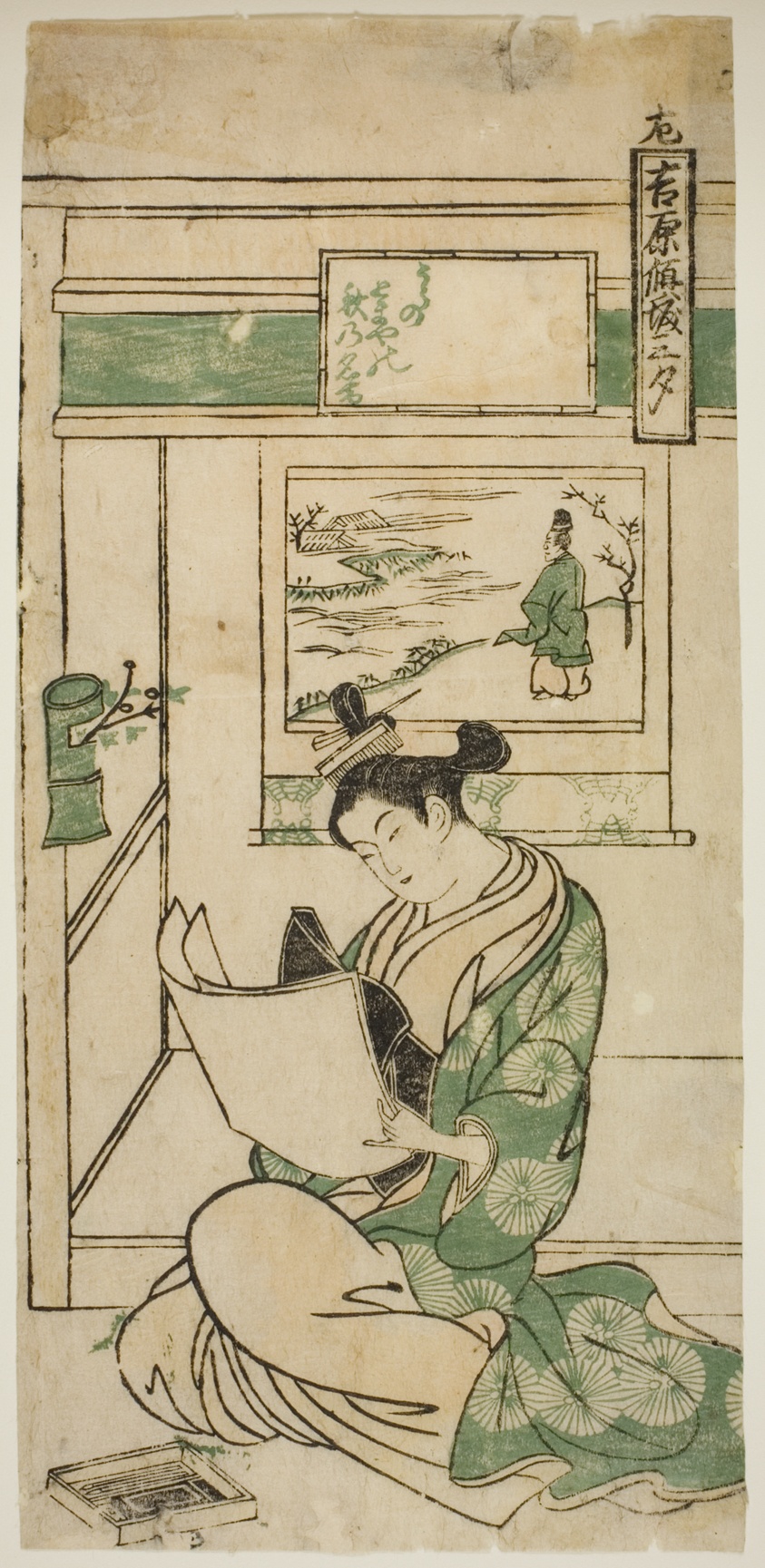
Poem by Fujiwara no Teika, from the series "Yoshiwara Courtesans in the Three Evenings (Yoshiwara keisei sanseki)"
Art Institute of Chicago

Visual Parody of Fujiwara no Teika's Poem Crossing the Sano
Minneapolis Institute of Art
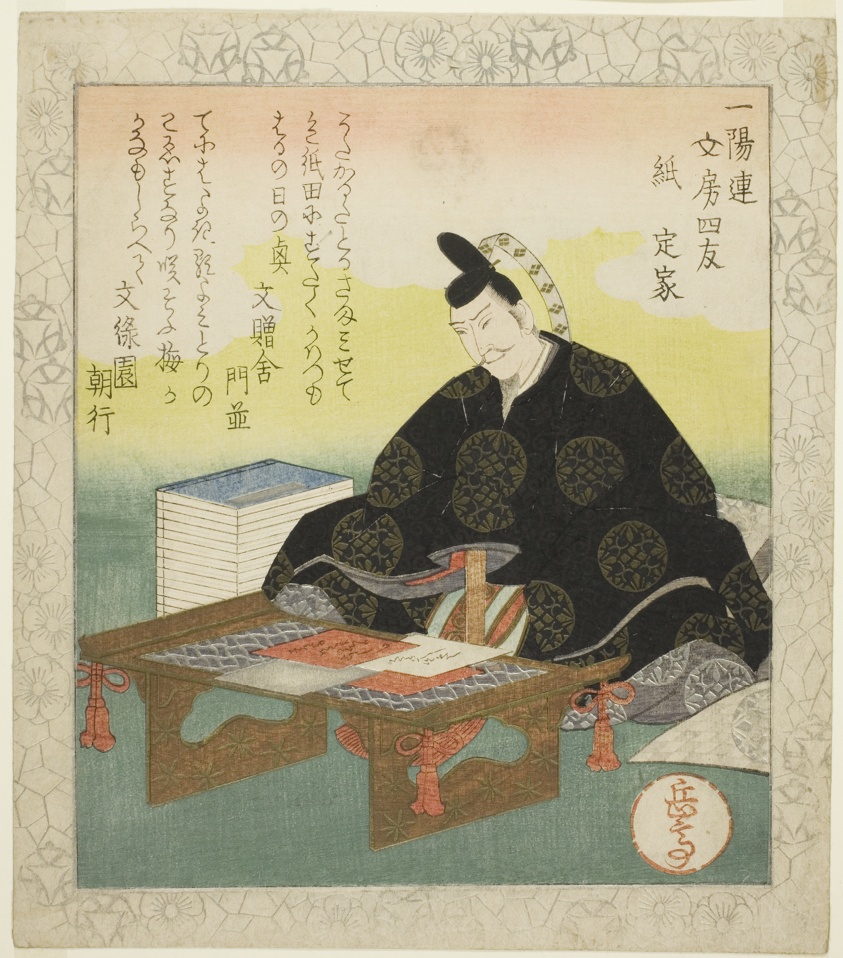
Paper: Fujiwara no Sadaie (Kami: Teika), from the series "The Four Friends of the Writing Table for the Ichiyo Circle (Ichiyoren bunbo shiyu)"
Art Institute of Chicago
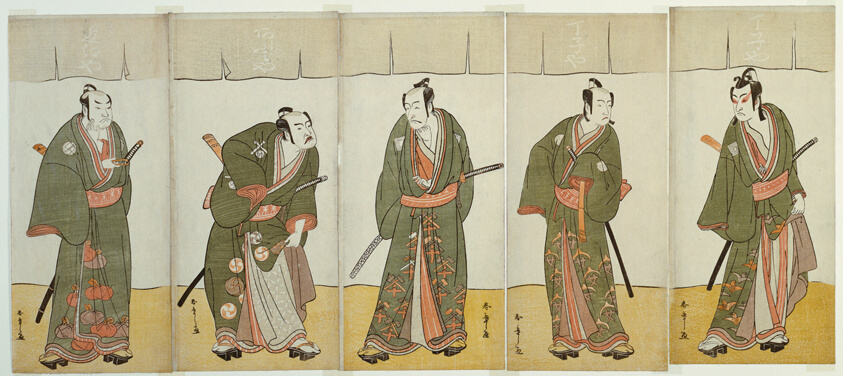
The Actors Ichikawa Monnosuke II as Karigane Bunshichi, Bando Mitsugoro I as An no Heibei, Ichikawa Danjuro V as Gokuin Sen'emon, Nakamura Sukegoro II as Kaminari Shokuro, and Sakata Hangoro II as Hotei Ichiemon (right to left), in "Gonin Otoko" (Five Chivalrous Commoners), an Interlude in Part Two of the Play Hatsumombi Kuruwa Soga (A Soga Drama on the First Festival Day in the Pleasure District), Performed at the Nakamura Theater from the First Day of the Second Month, 1780
Art Institute of Chicago
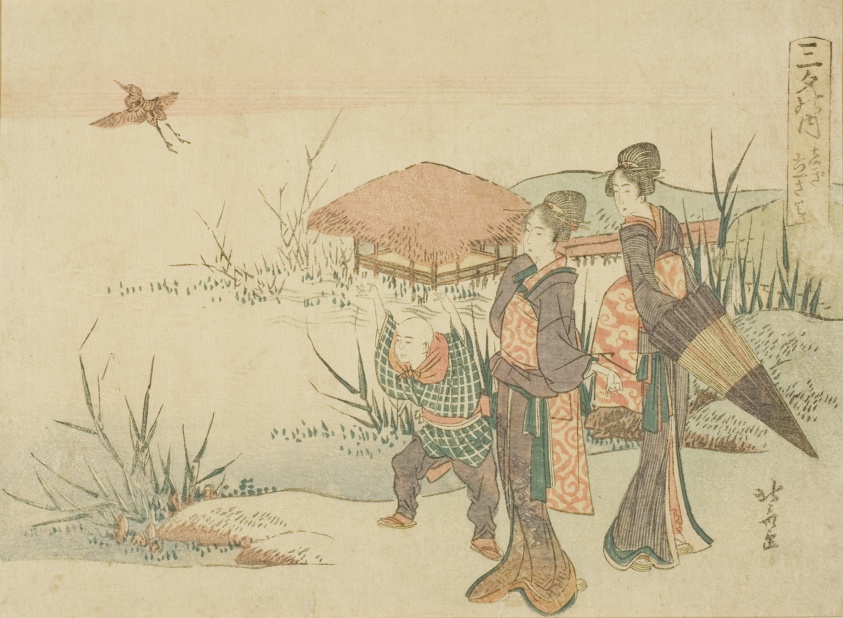
The Marsh Where the Snipe Takes Flight (Shigi tatsu sawa), from the series "Three Evening Poems (Sanseki no uchi)"
Art Institute of Chicago

Fujiwara Teika, from One Poet One Poem (Ikkasen isshu)
Minneapolis Institute of Art
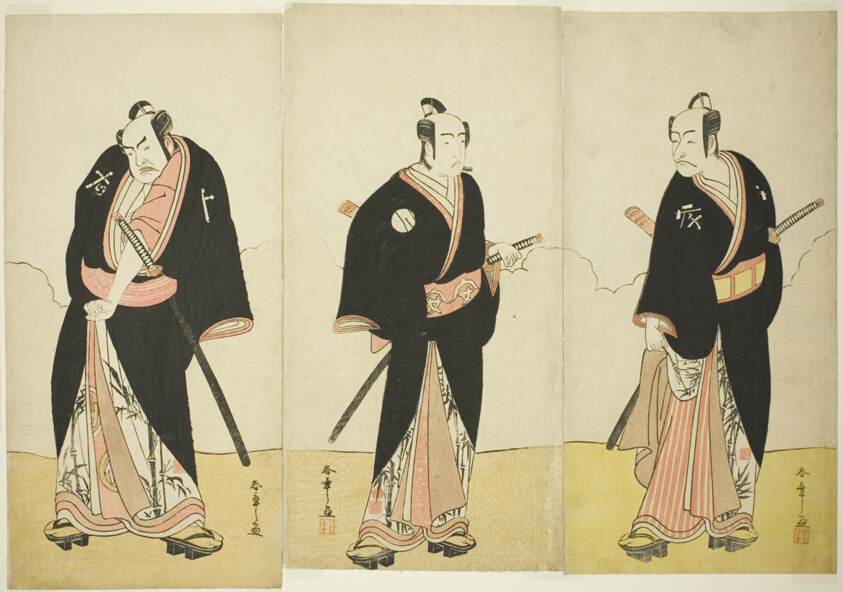
Actors Ichikawa Danjôrô V as Gokuin Sen’emon, Bandô Mitsugorô I as An no Heibei, and Nakamura Sukegorô II as Kaminari Shôkurô in “A Soga Drama on the First Festival Day in the Pleasure District” (“Hatsumombi Kuruwa Soga”)
Art Institute of Chicago
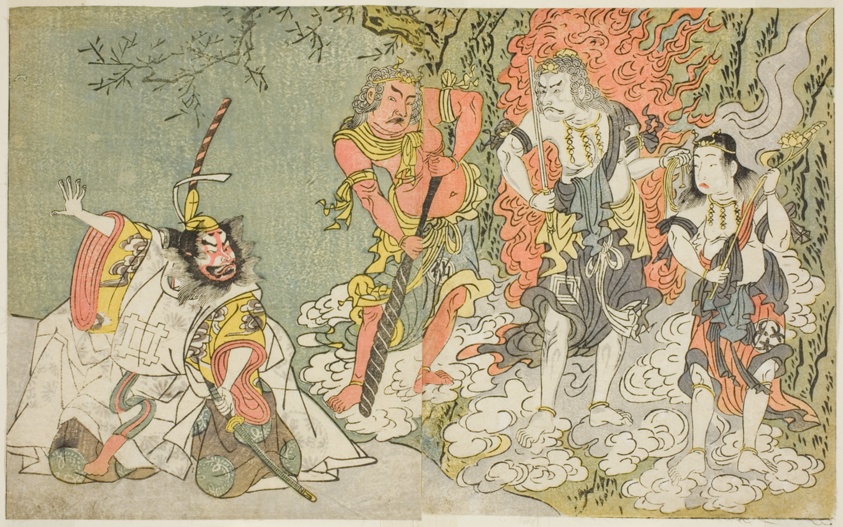
The Actors Sawamura Kijuro I as Ikazuchi Shinno, Prince of Thunder (far left), Ichikawa Danjuro V as the Buddhist Deity Fudo (second from left), Nakamura Sukegoro II as Seitaka Doji (second from right), and Bando Mitsugoro I as Kongara Doji (far right), in the Play Fuki Kaete Tsuki mo Yoshiwara (Rethatched Roof: The Moon also Shines Over the Yoshiwara Pleasure District), Performed at the Morita Theater in the Eleventh Month, 1771
Art Institute of Chicago
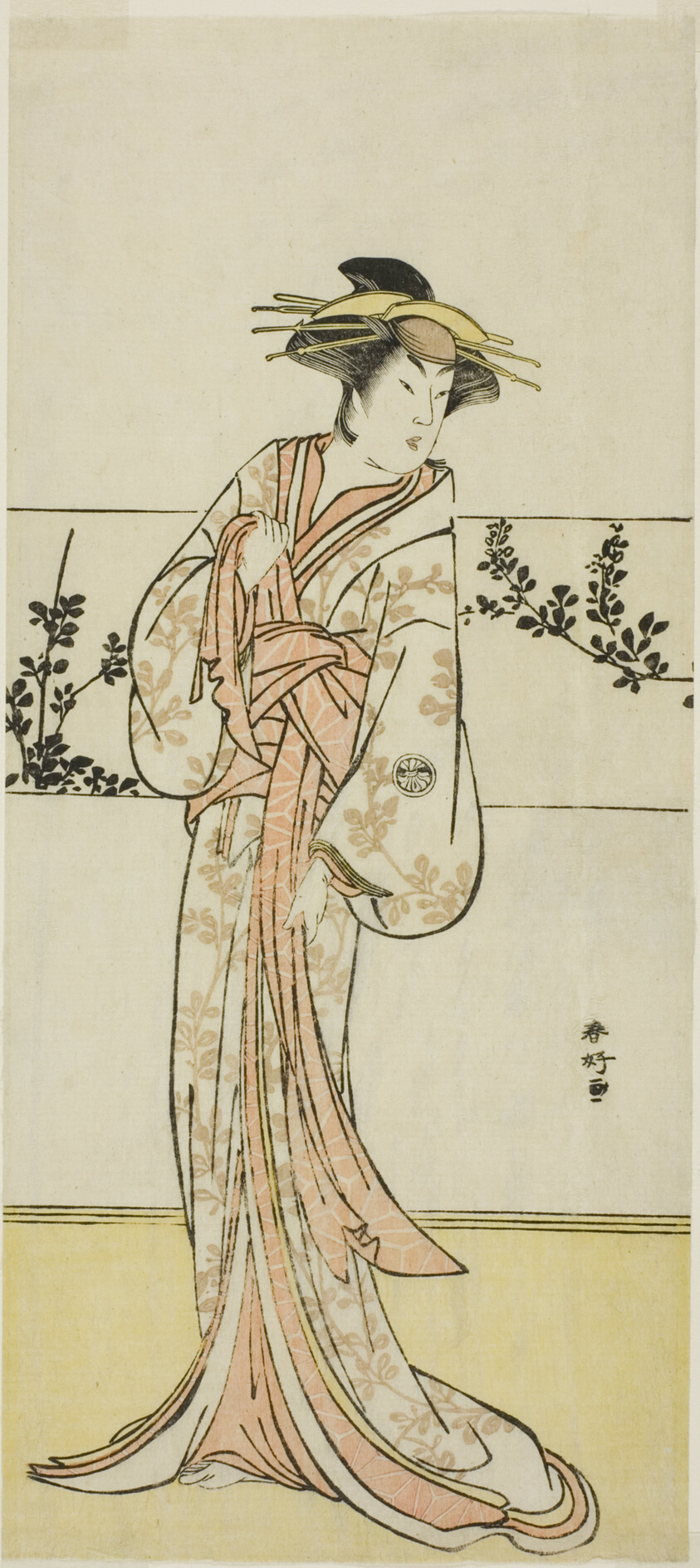
The Actor Segawa Kikunojo III, Possibly as the Courtesan Kojoro of Hakata, in the Play Chiyo no Hajime Ondo no Seto (Beginnings of Eternity: The Ondo Straits in the Seto Inland Sea) (?), Performed at the Kiri Theater from the Twenty-seventh Day of the Seventh Month, 1785
Art Institute of Chicago
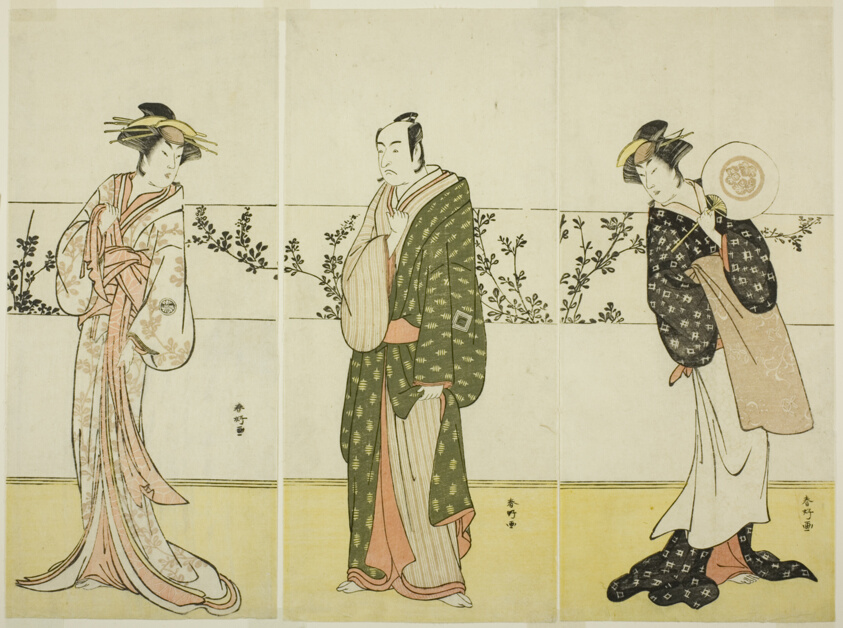
The Actors Osagawa Tsuneyo II (right), Ichikawa Monnosuke II (center), and Segawa Kikunojo III (left), Possibly as Misao Gozen, Matsuya Soshichi, and the Courtesan Kojoro of Hakata, in the Play Chiyo no Hajime Ondo no Seto (Beginnings of Eternity: The Ondo Straits in the Seto Insland Sea) (?), Performed at the Kiri Theater from the Twenty-seventh Day of te Seventh Month, 1785
Art Institute of Chicago
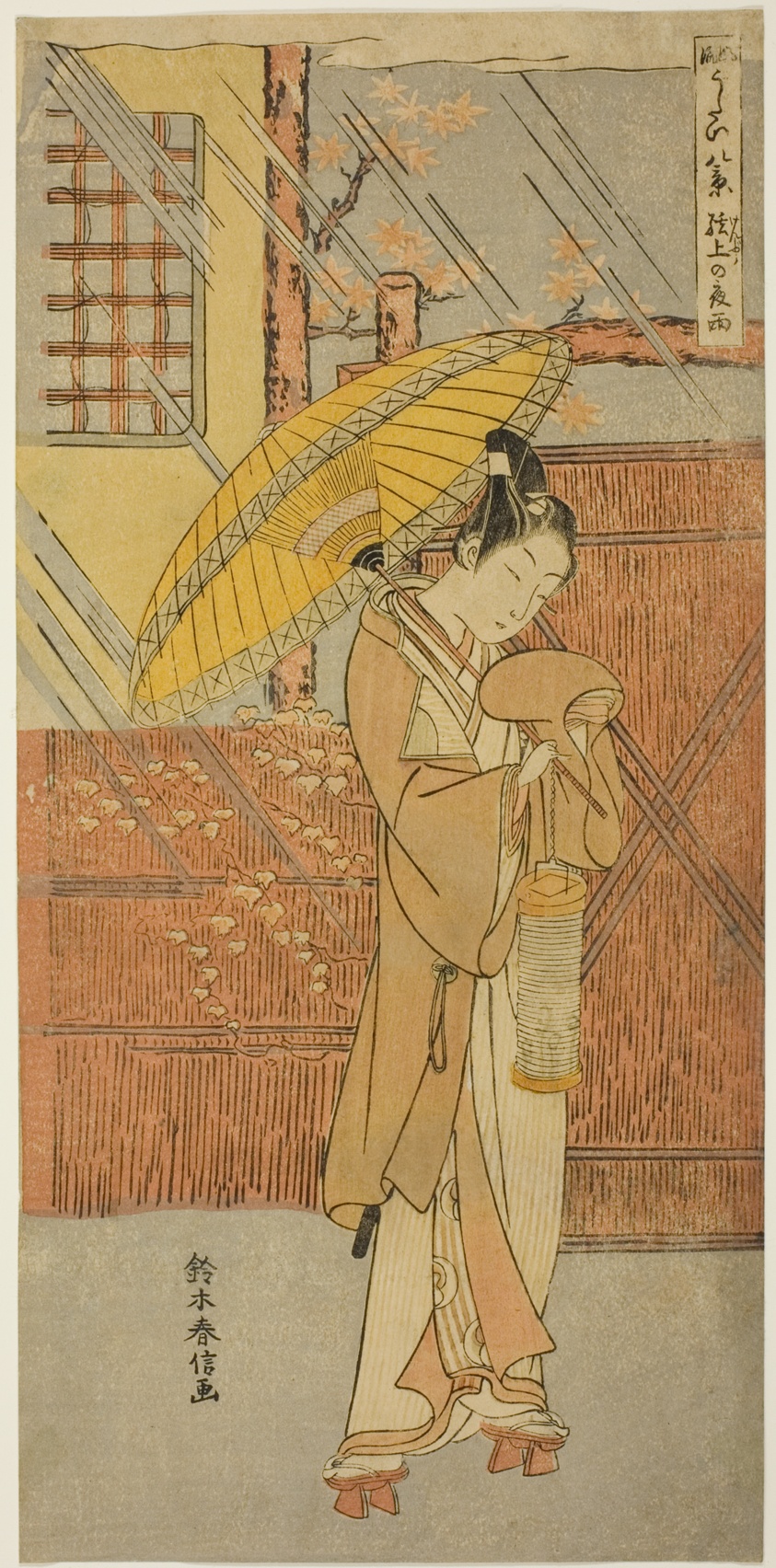
Night Rain of Genjo (Genjo no yau), from the series "Parodies of Eight Scenes from Noh Chants (Furyu utai hakkei)"
Art Institute of Chicago
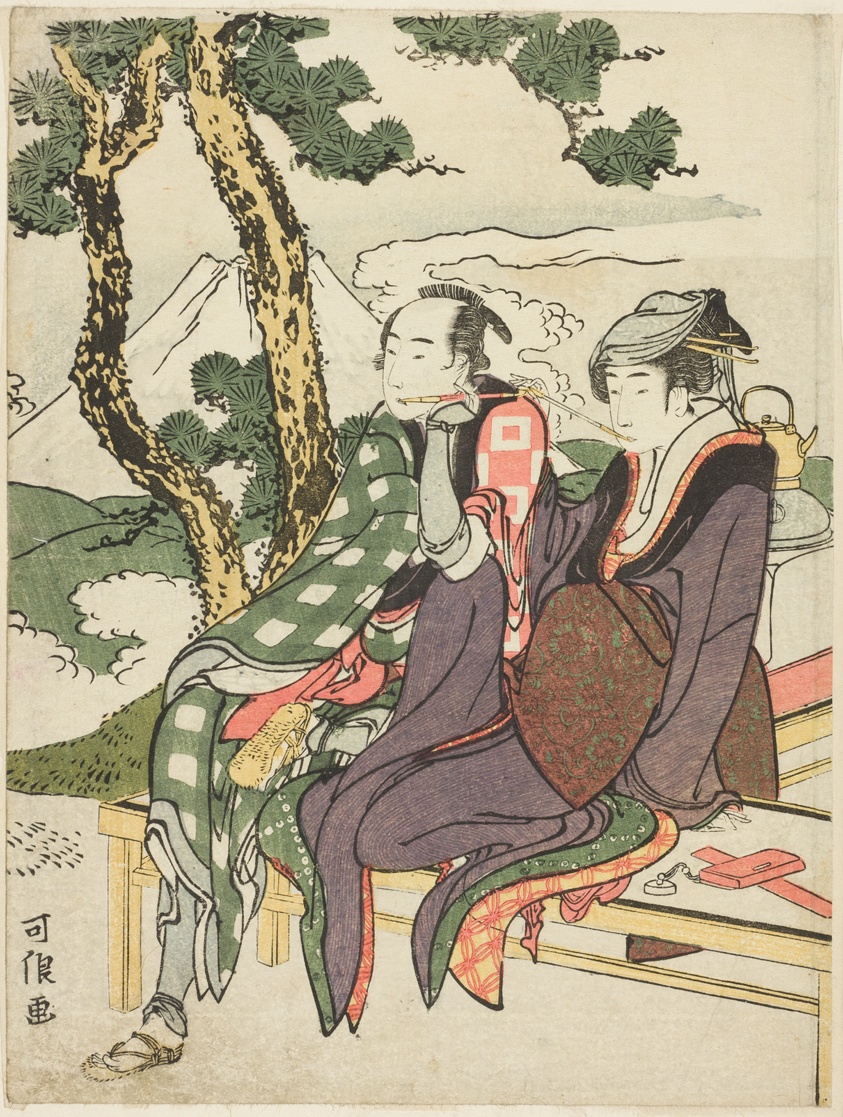
Evening Glow for Date no Yosaku and Seki no Koman, from the untitled series known as "Eight Views of Tragic Lovers (Michiyuki hakkei)"
Art Institute of Chicago