Art Institute of Chicago
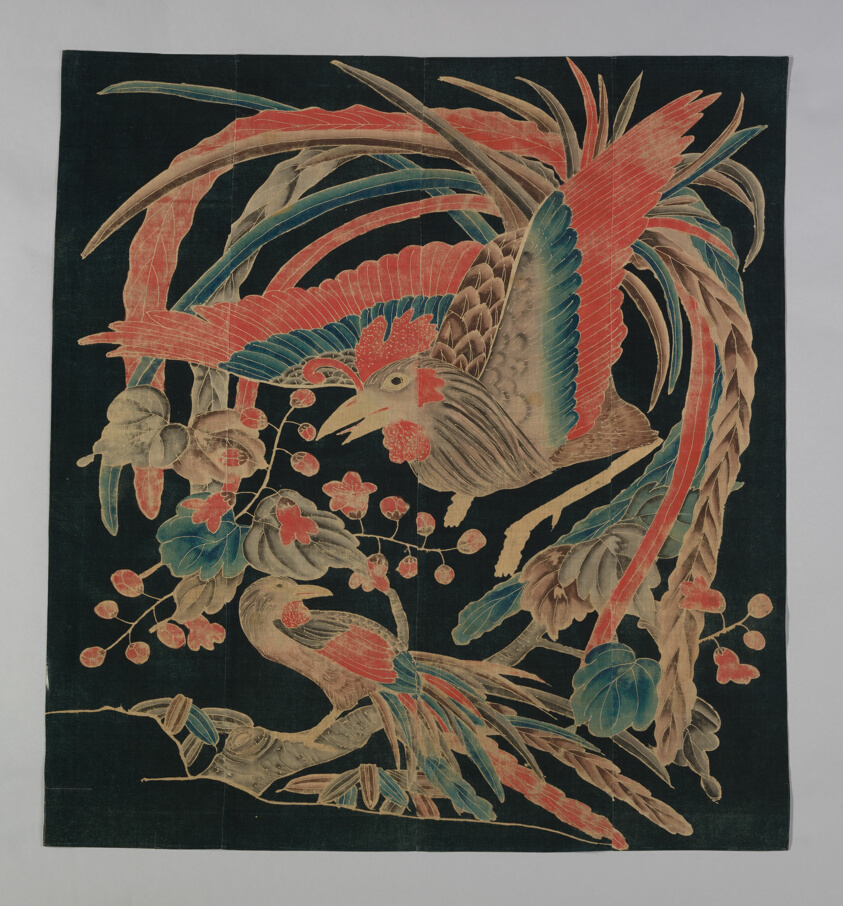
Futon Cover (Futonji)
Japan
- Date
- Meiji period (1868–1912), 19th century
- Medium
- Cotton, plain weave; hand-painted, resist dyed (tsutsugaki); four loom widths joined
- Culture
- Japan
- Department
- Textiles
- Institution
- Art Institute of Chicago
The traditional Japanese bedding set, known as a futon, typically consists of a padded mattress and a quilted bedcover. the latter often incorporates a decorated cover that would have been made as part of a bride's trousseau. This example bears an elaborate pattern of two phoenixes—a larger male in mid-flight prepares to join a smaller female on the branch of a Paulownia tree. The combination of a phoenix with a Paulownia tree symbolizes peace, sincerity, and benevolence—appropriate attributes for a wedding textile. -A Global View: Recent Acquisitions of Textiles, 2012-2016, April 8-September 5, 2016
The authoritative record is held by Art Institute of Chicago. LinkedCulture surfaces this object and its connections; it does not alter institutional metadata.
Linked open data
Authority identifiers that link this record into the wider web of cultural data — stable references you can follow to the source.
- Object type
- AAT300014063
Related across collections
Semantically similar works from Art Institute of Chicago and other institutions.
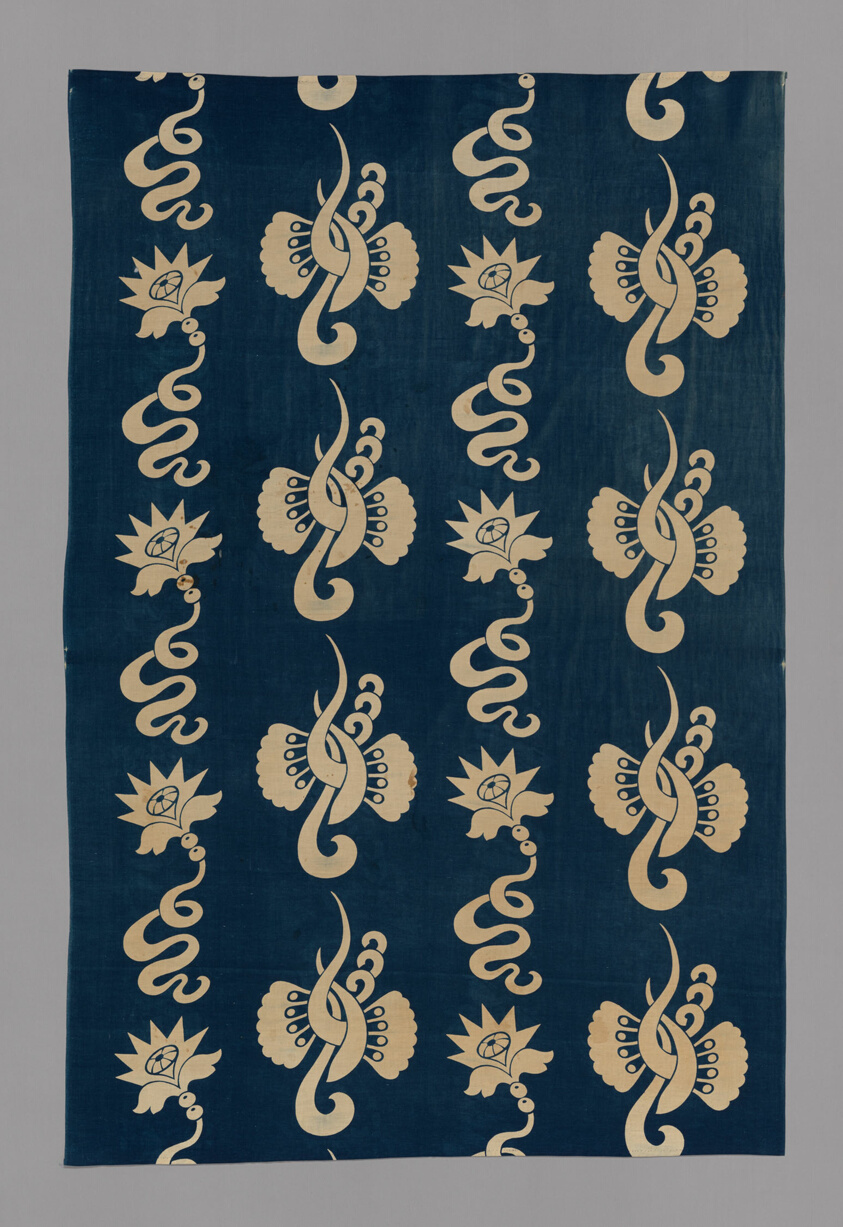
Futon Cover
Art Institute of Chicago
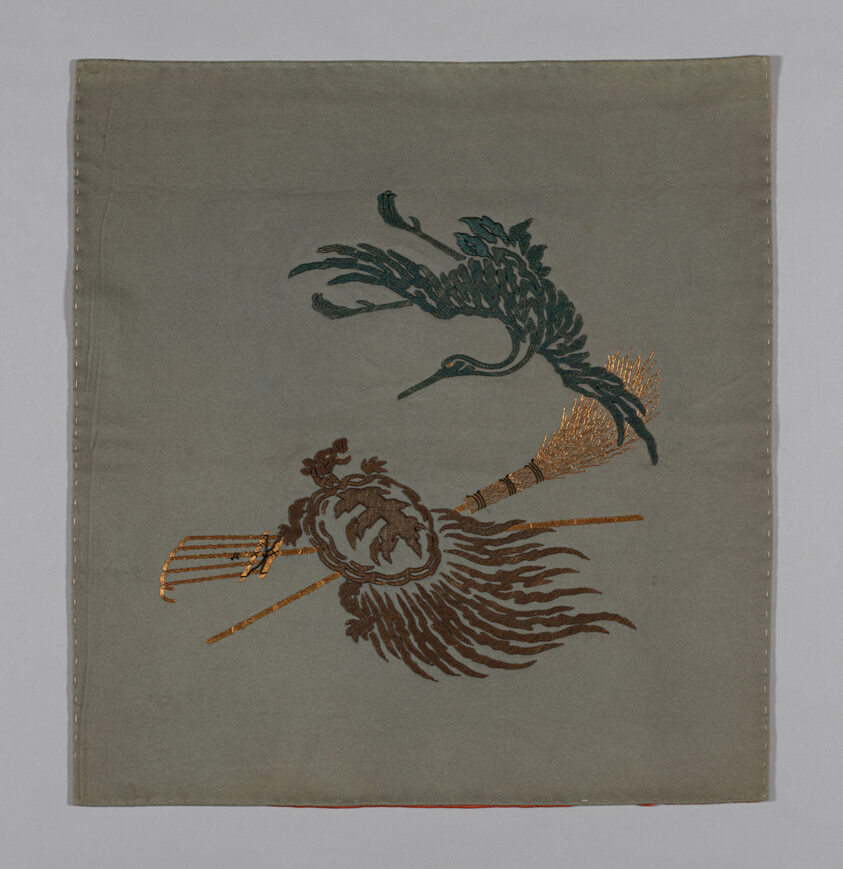
Fukusa (Gift Cover)
Art Institute of Chicago

Fukusa (Gift Cover)
Art Institute of Chicago
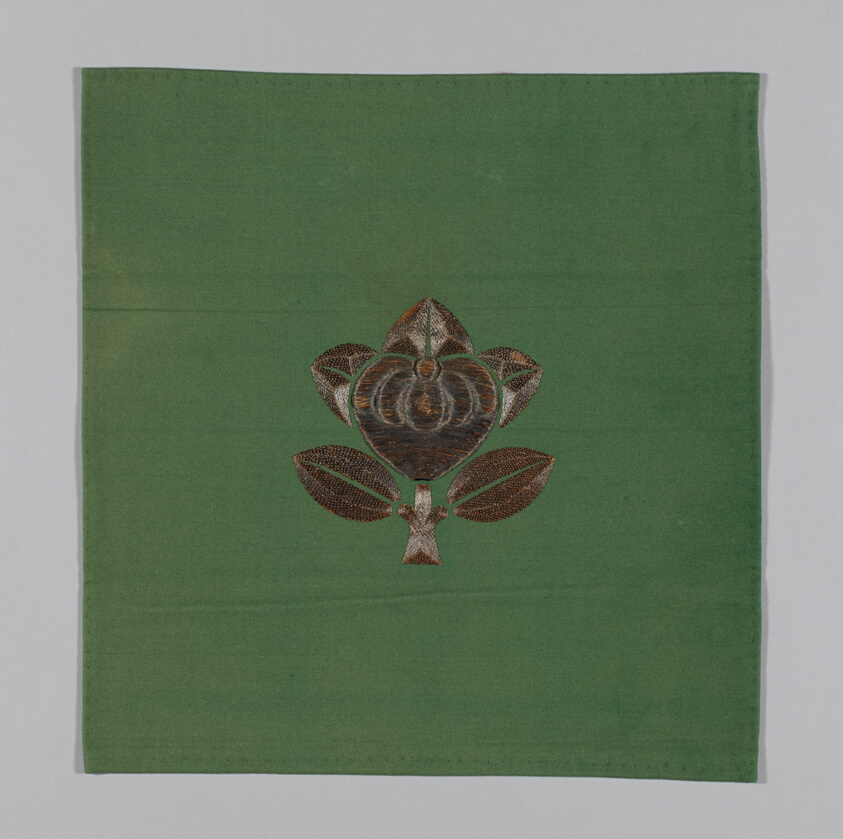
Fukusa (Gift Cover)
Art Institute of Chicago
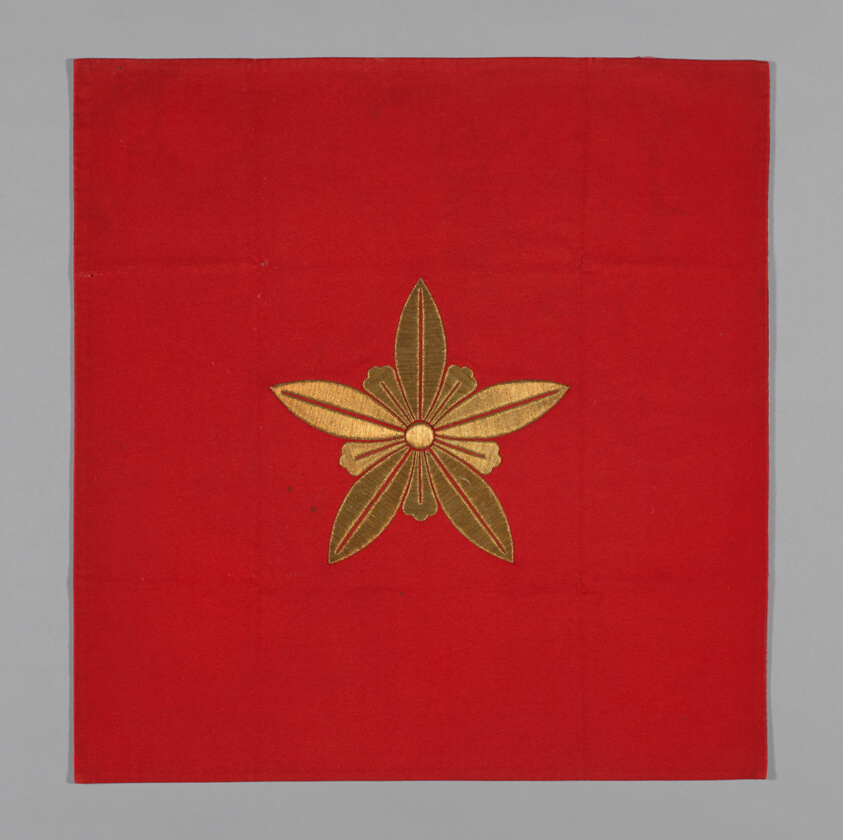
Fukusa (Gift Cover)
Art Institute of Chicago
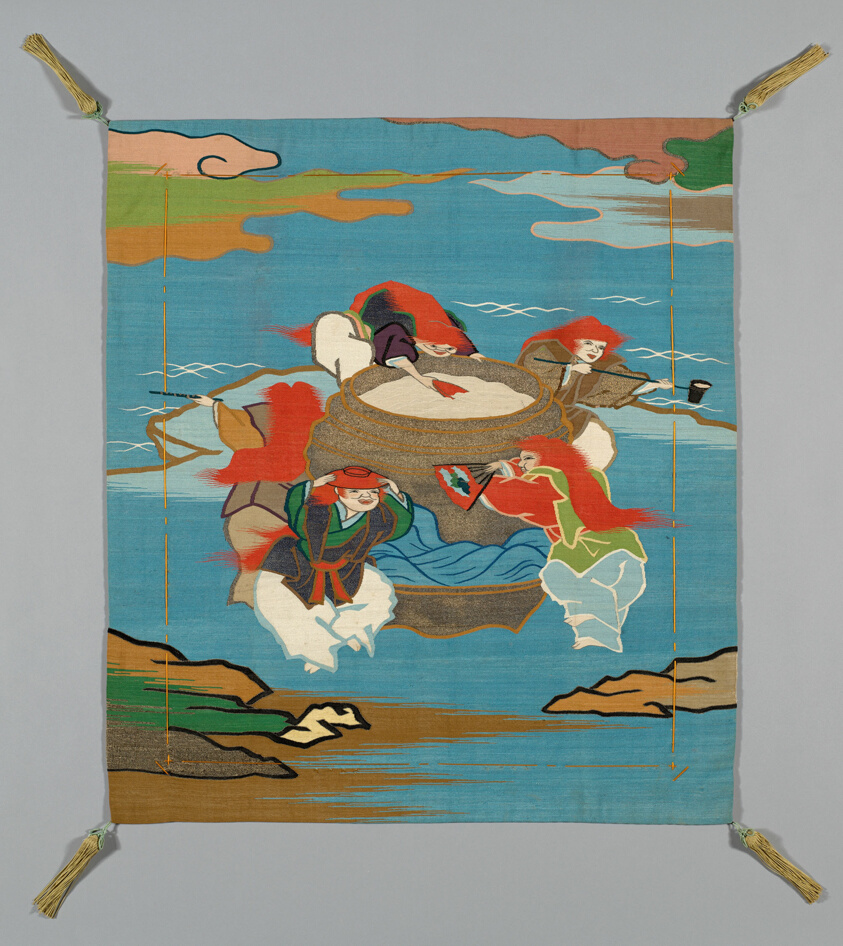
Fukusa (Gift Cover)
Art Institute of Chicago
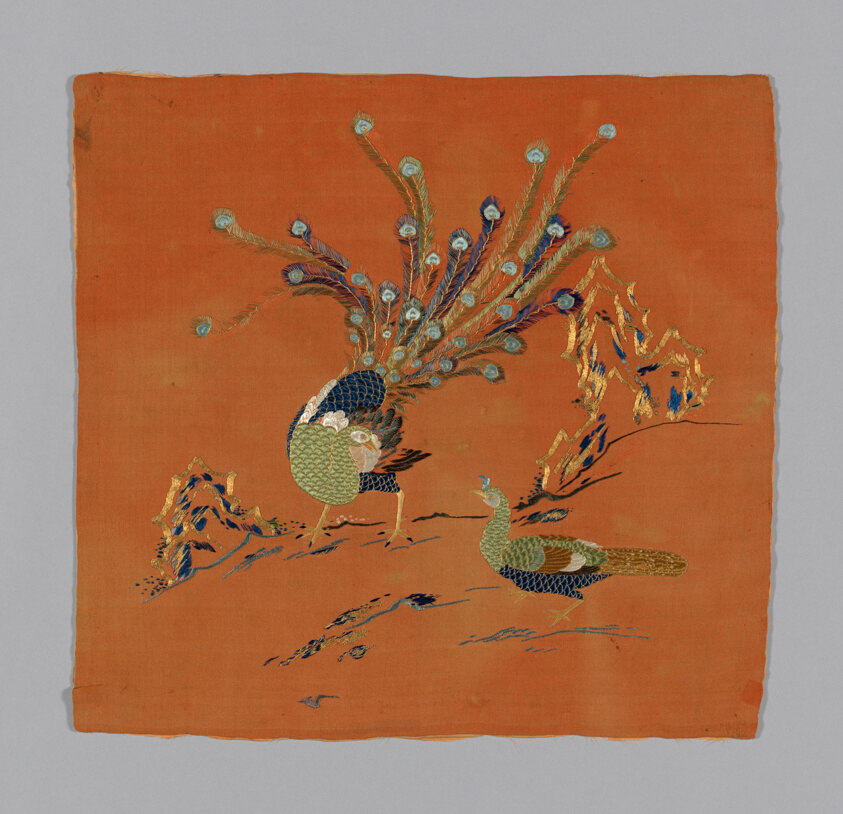
Fukusa (Gift Cover)
Art Institute of Chicago
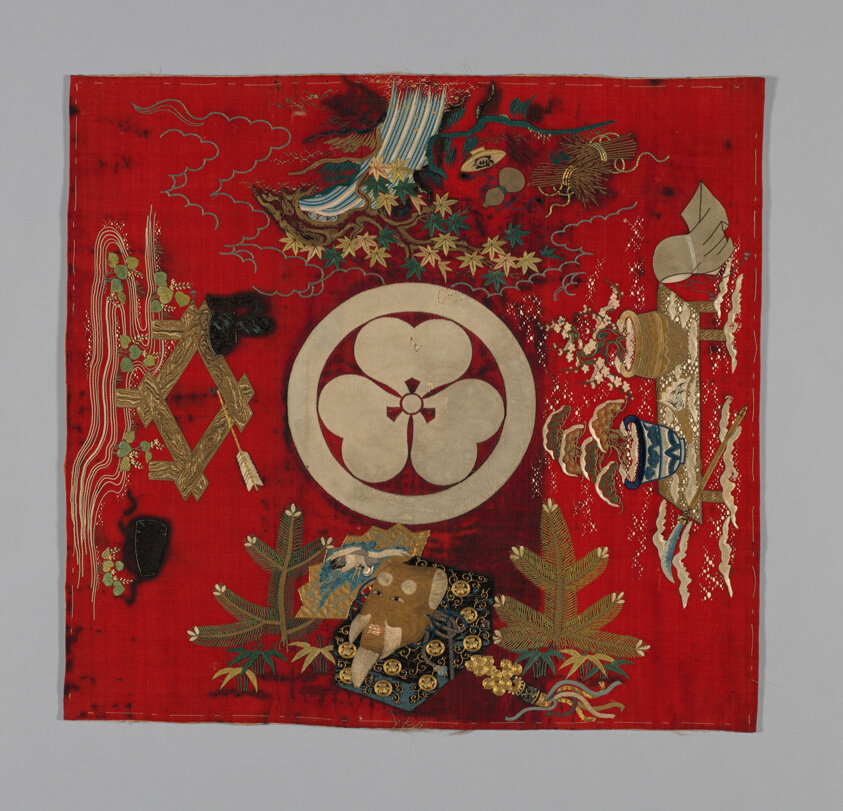
Fukusa (Gift Cover)
Art Institute of Chicago
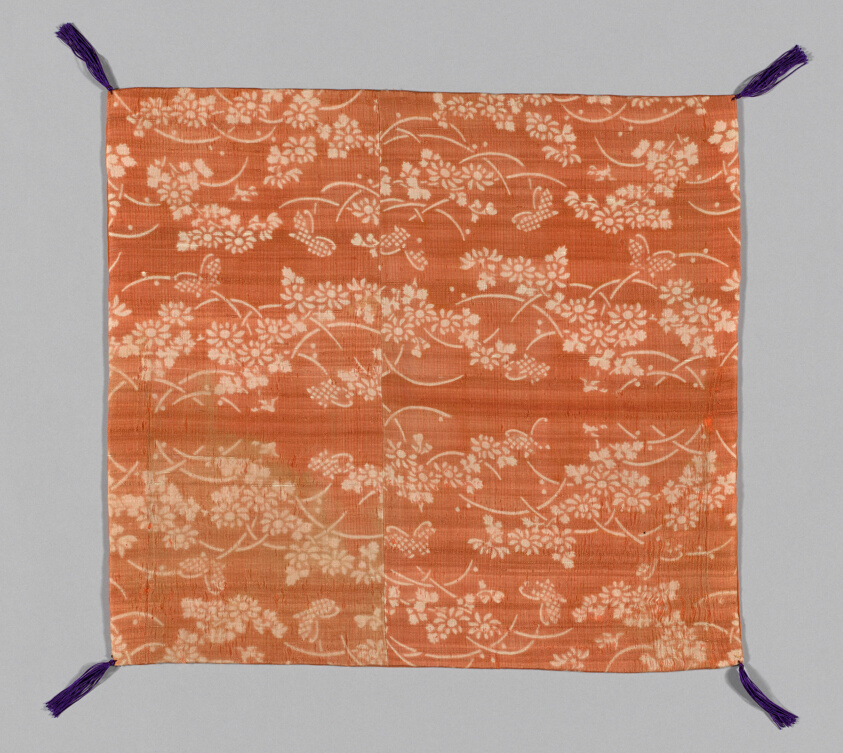
Fukusa (Gift Cover)
Art Institute of Chicago
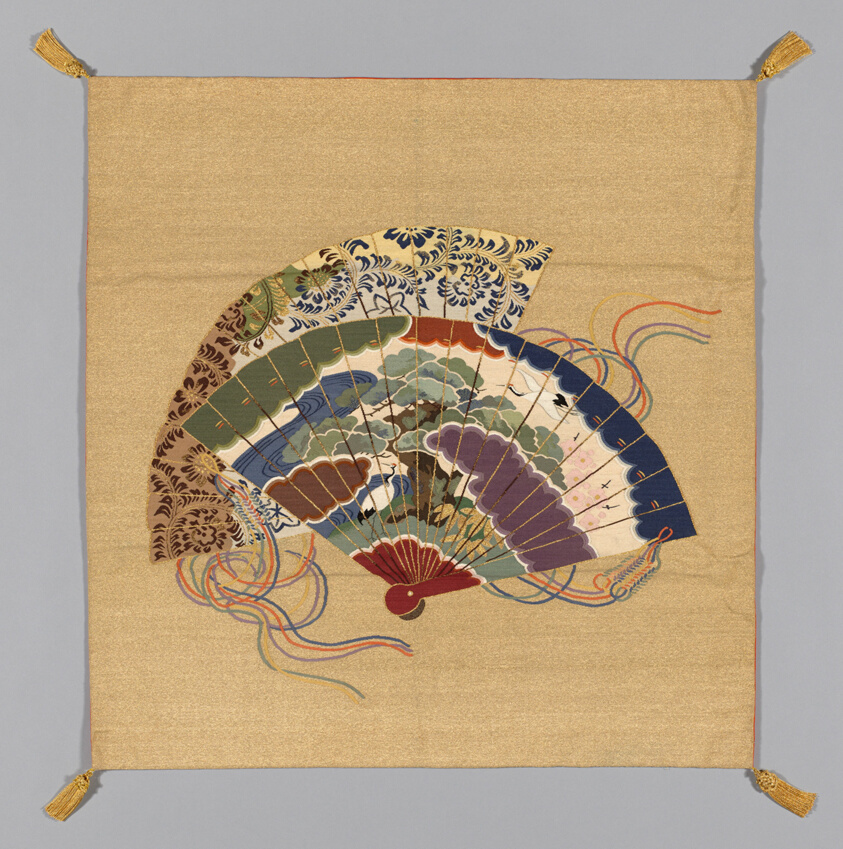
Fukusa (Gift Cover)
Art Institute of Chicago
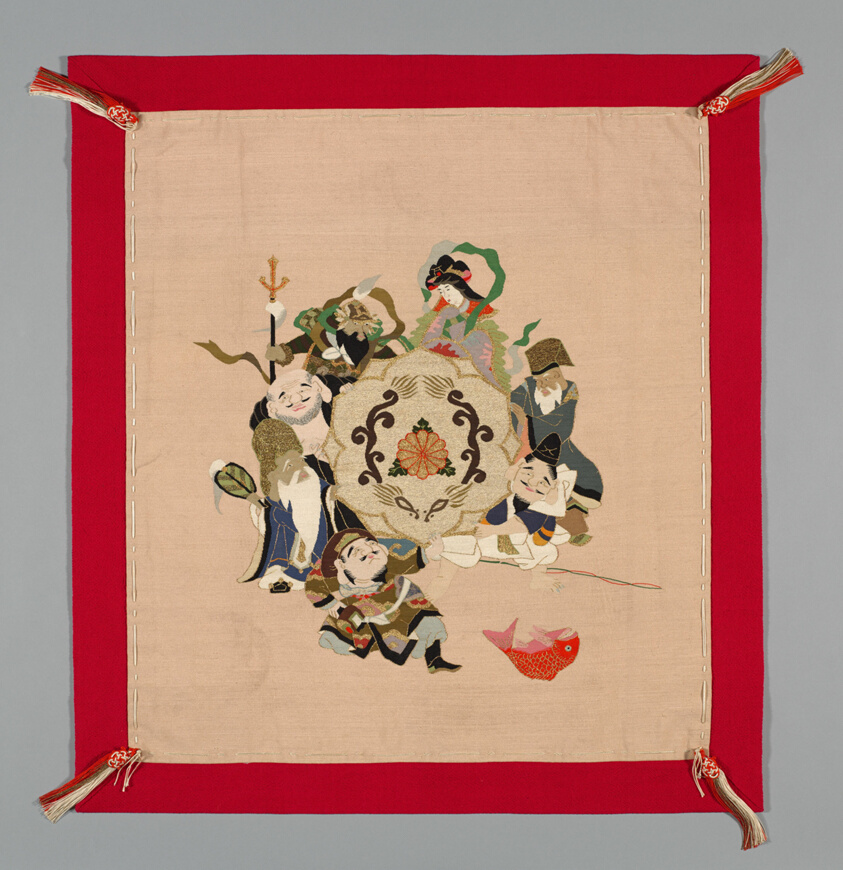
Fukusa (Gift Cover)
Art Institute of Chicago
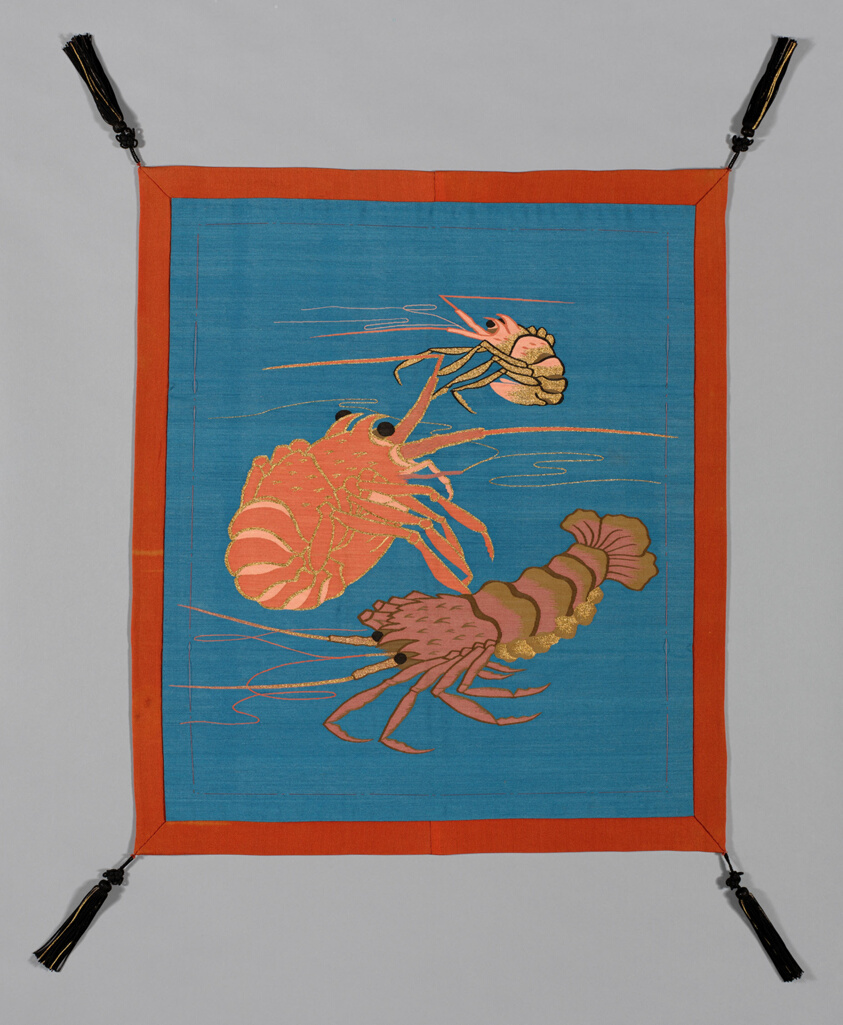
Fukusa (Gift Cover)
Art Institute of Chicago