Art Institute of Chicago
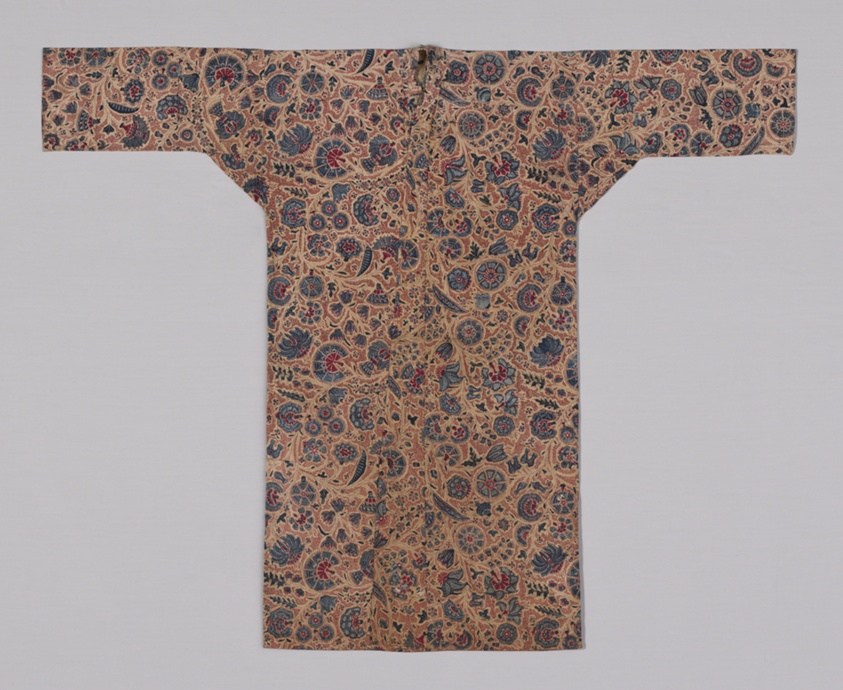
Man's Informal Robe
Made in Coromandel Coast, India, probably for the Indonesian market
- Date
- Mid-18th century
- Medium
- Cotton, plain weave foundation; painted and resist-dyed
- Culture
- India
- Department
- Textiles
- Institution
- Art Institute of Chicago
This type of robe was called a banyan in 18th-century Europe, but the style was worn around the world. This garment could have belonged to a native of Sumatra, or a Dutch trader living in what is now modern-day Indonesia. Dutch settlers who came to the region with the Dutch East India Company (a global commercial and colonial enterprise founded in 1602 that established a major administrative hub on the island of Java soon after) often adopted regional clothing styles, such as this Indian painted cotton, which may have been manufactured for the Indonesian market.
The authoritative record is held by Art Institute of Chicago. LinkedCulture surfaces this object and its connections; it does not alter institutional metadata.
Linked open data
Authority identifiers that link this record into the wider web of cultural data — stable references you can follow to the source.
- Object type
- AAT300209261
Related across collections
Semantically similar works from Art Institute of Chicago and other institutions.
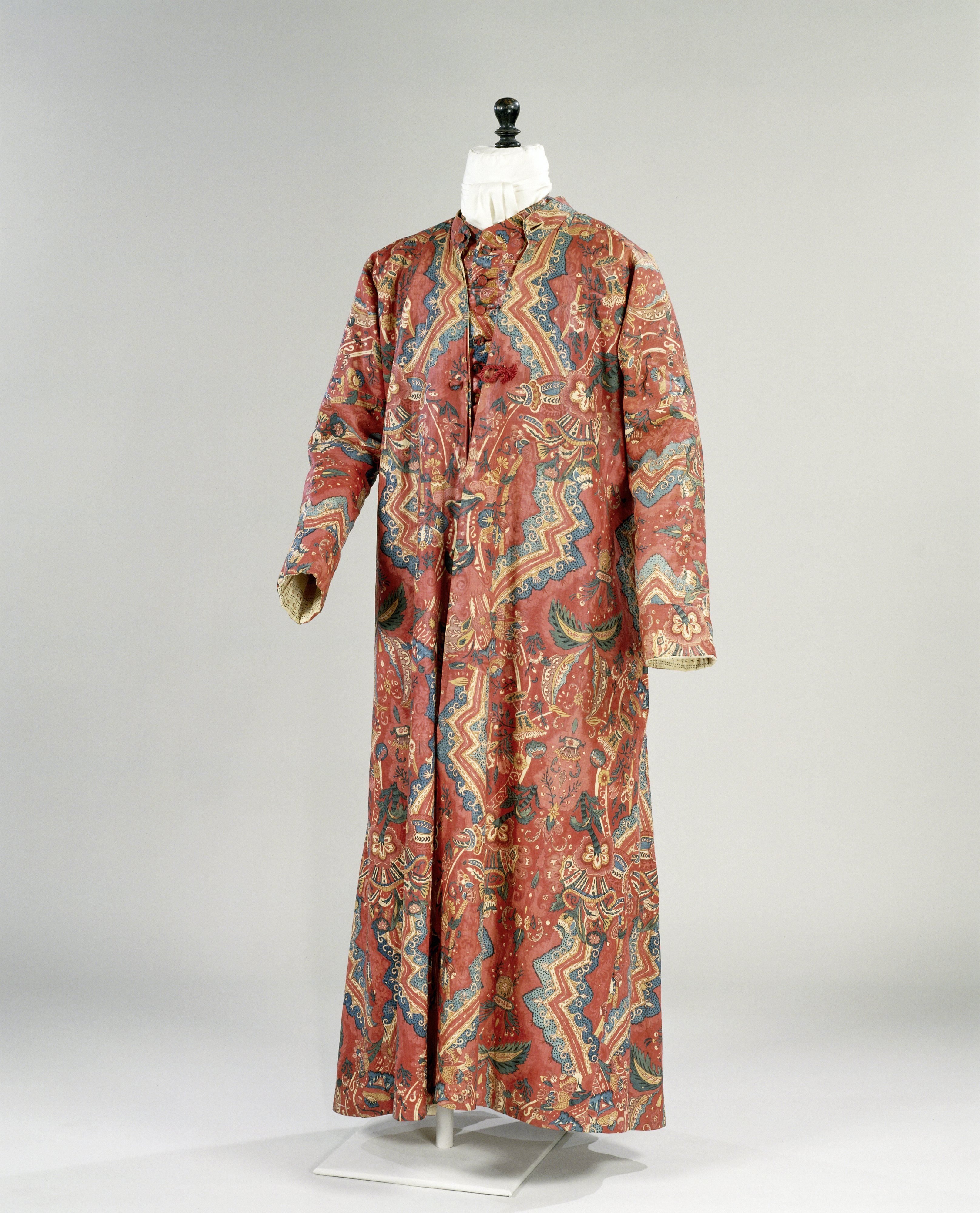
Cambaay
Rijksmuseum
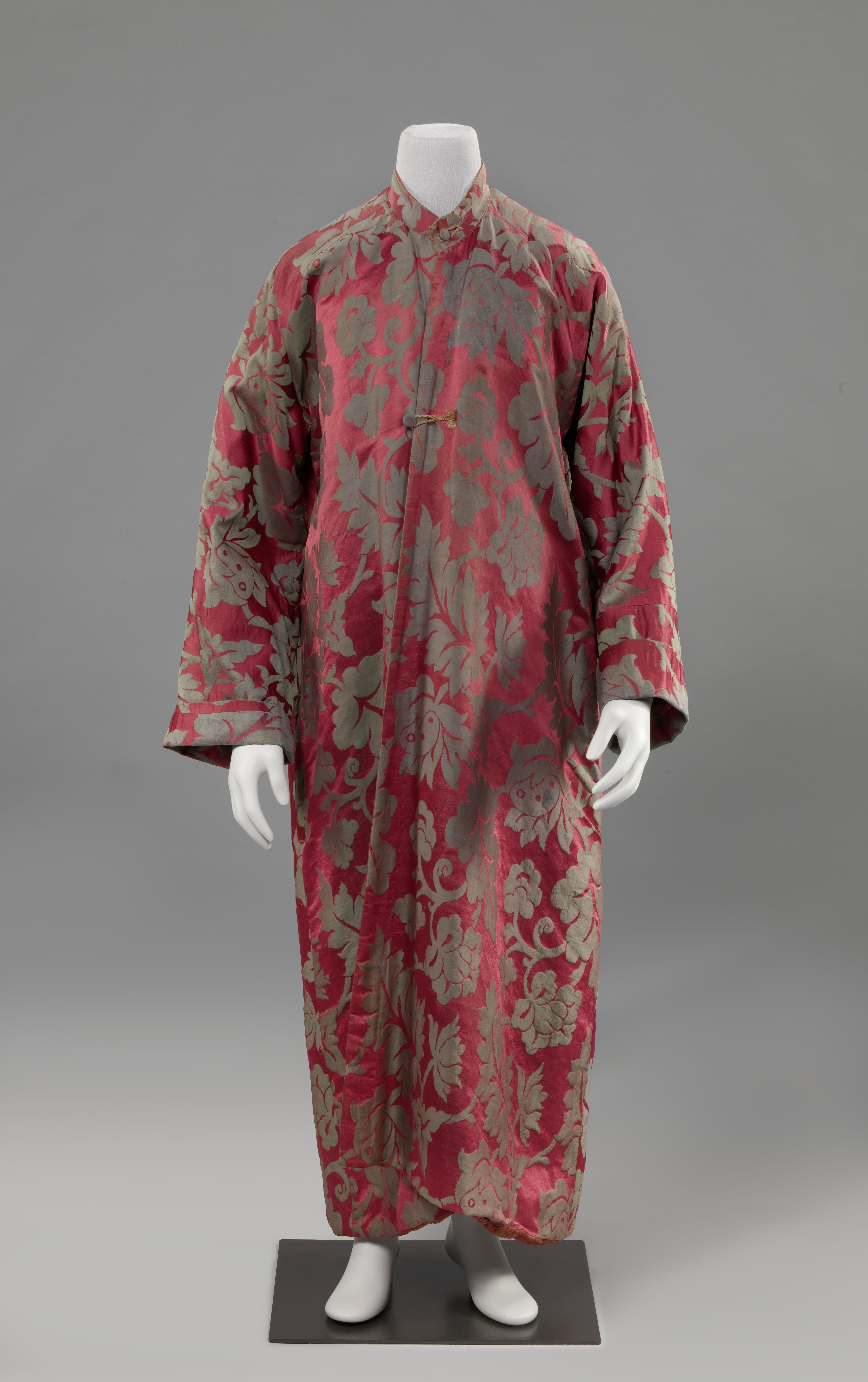
Banyan
Rijksmuseum
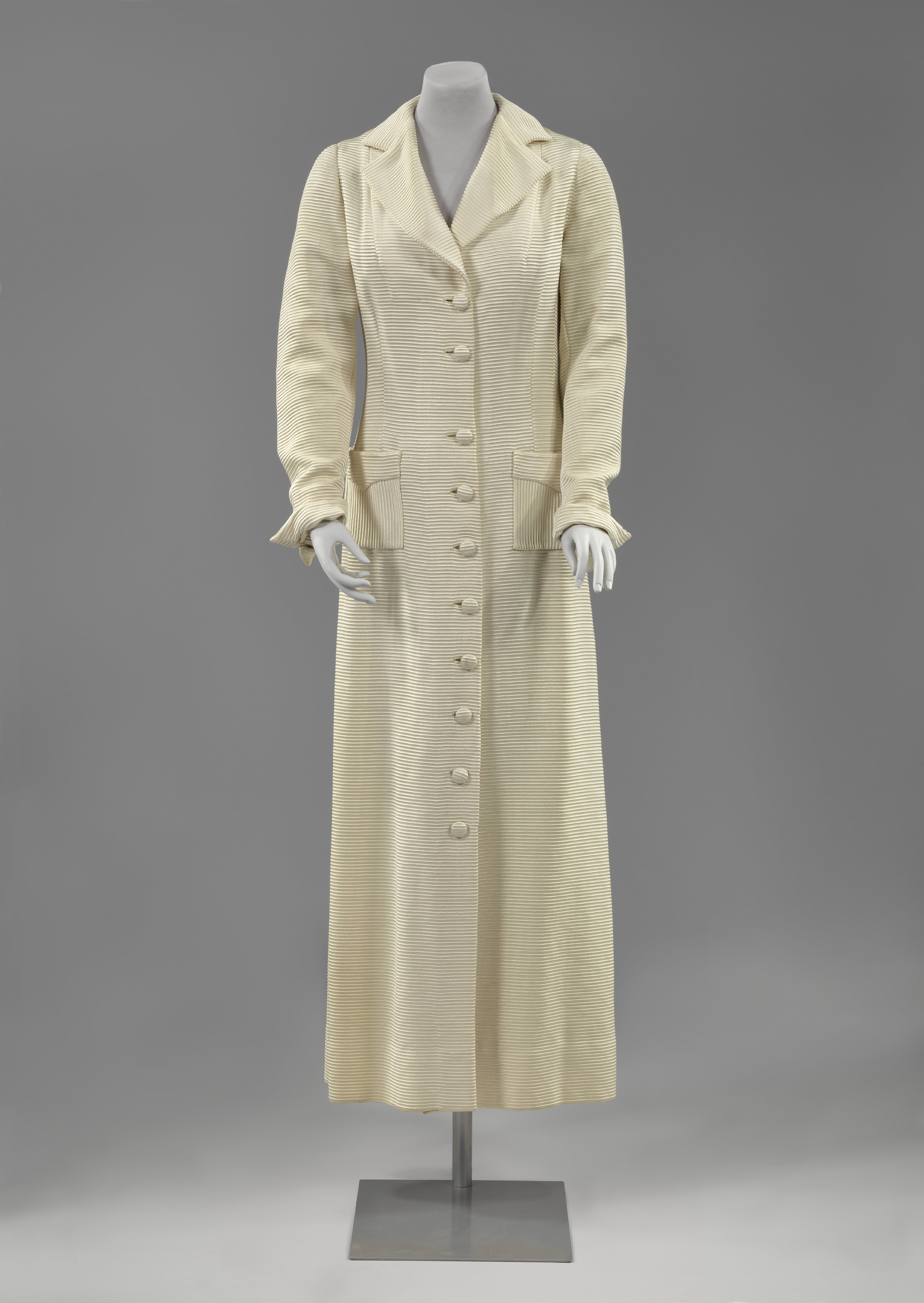
Huisjas van geribde stof
Rijksmuseum
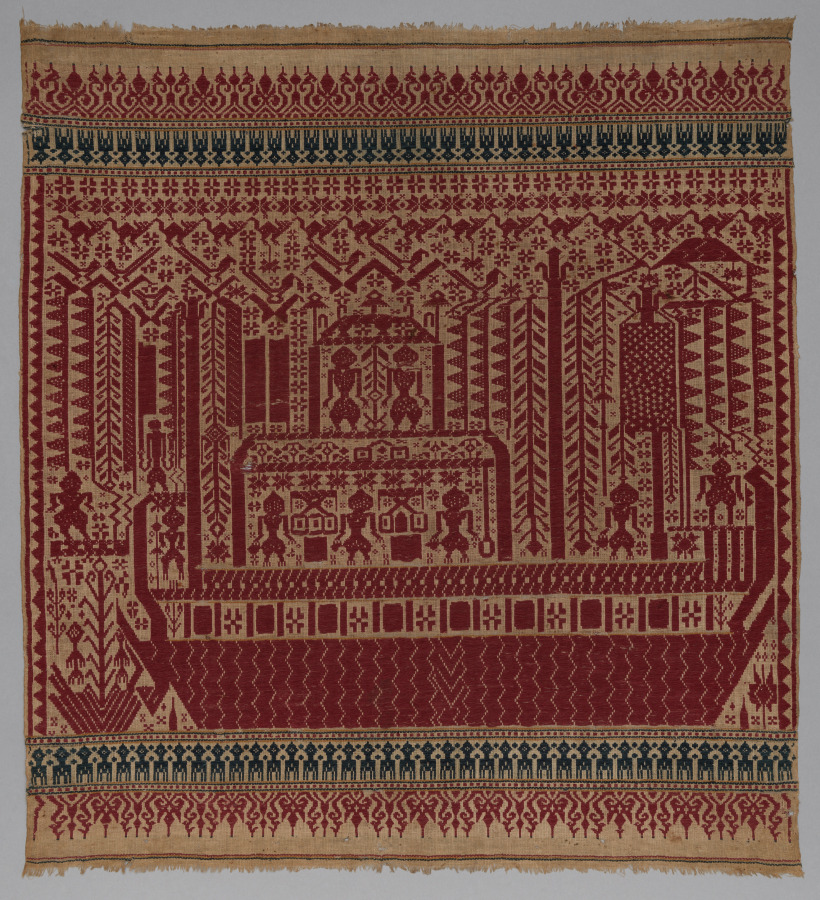
Tampan Pasisir (Ship Cloth)
Cleveland Museum of Art
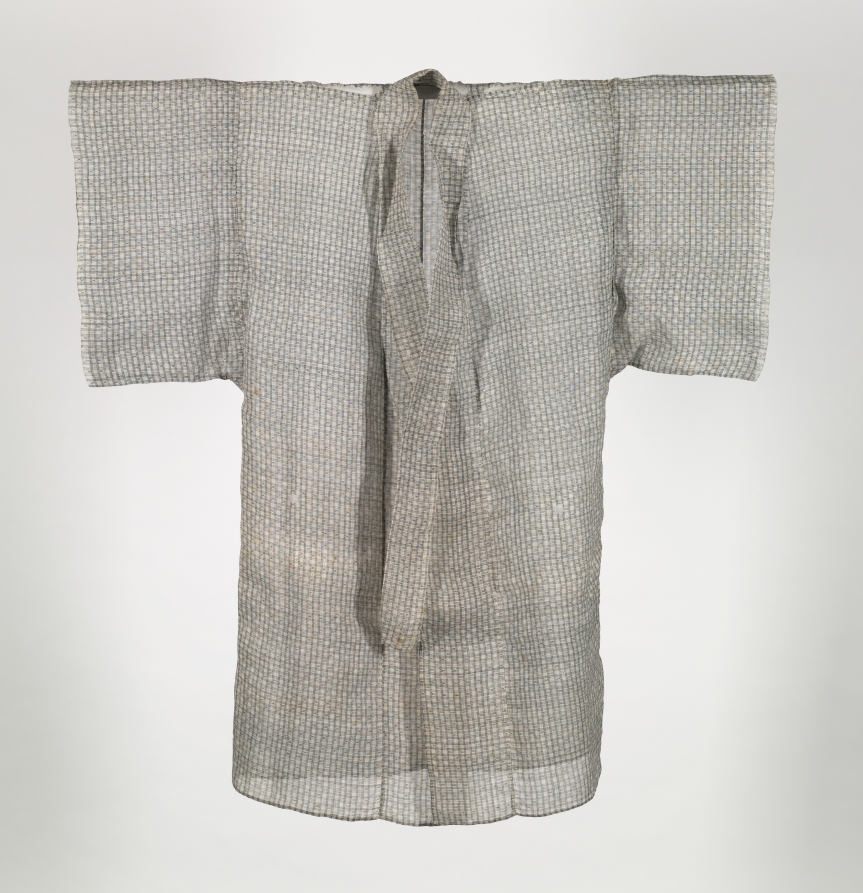
Robe
Cleveland Museum of Art
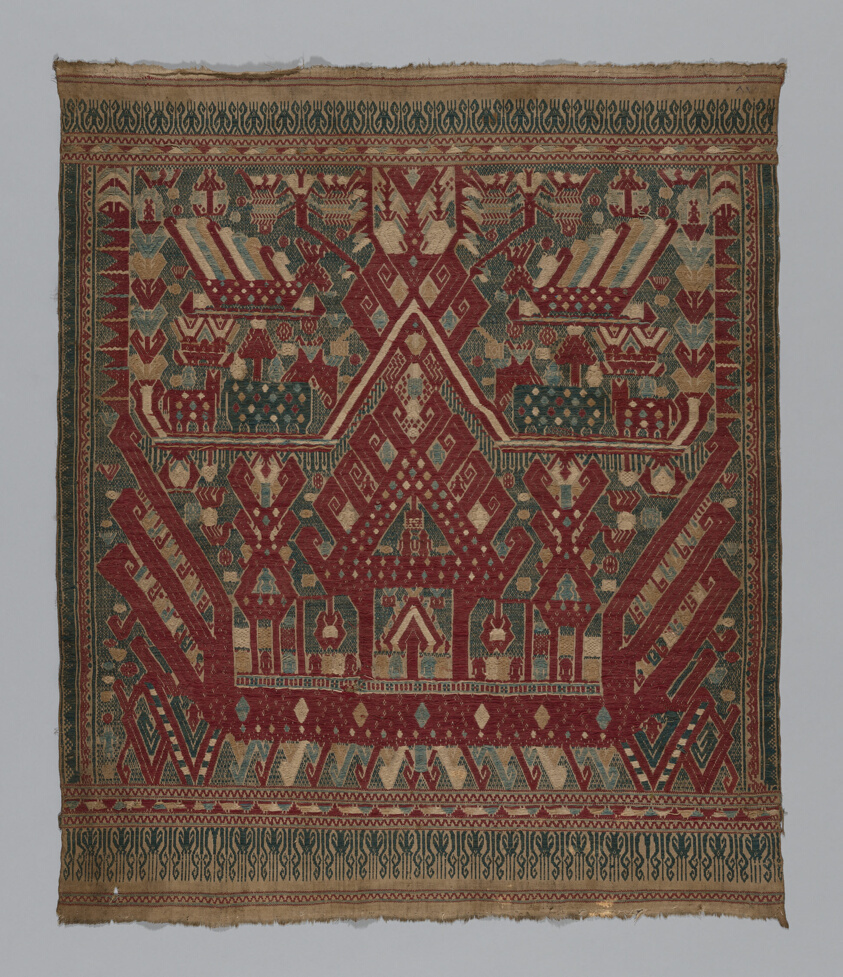
Tampan (Ceremonial Cloth)
Art Institute of Chicago
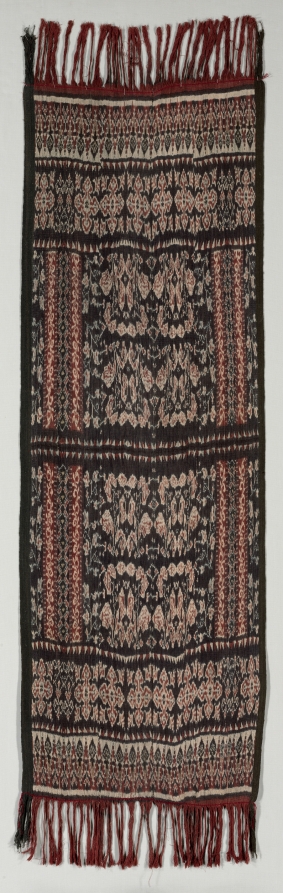
Man's Wearing Cloth
Cleveland Museum of Art
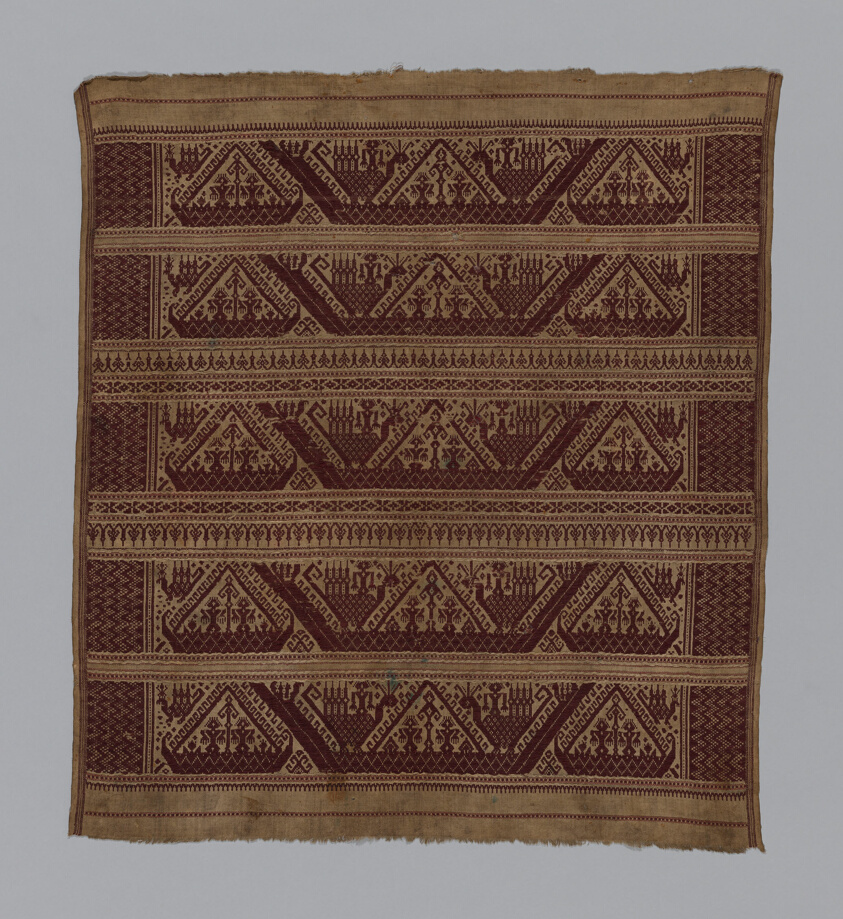
Tampan (Ceremonial Cloth)
Art Institute of Chicago
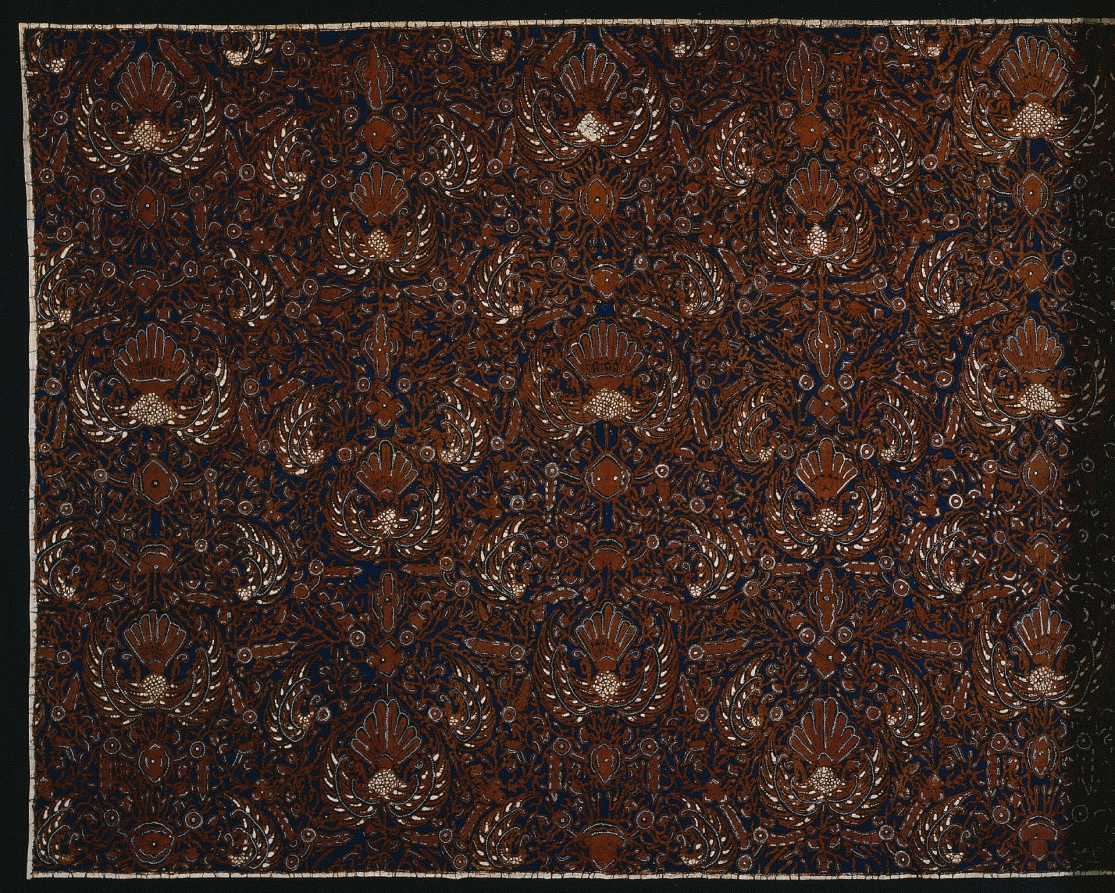
Kain Panjan (Skirt)
Cleveland Museum of Art

Skirt cloth (kain sarong)
Minneapolis Institute of Art
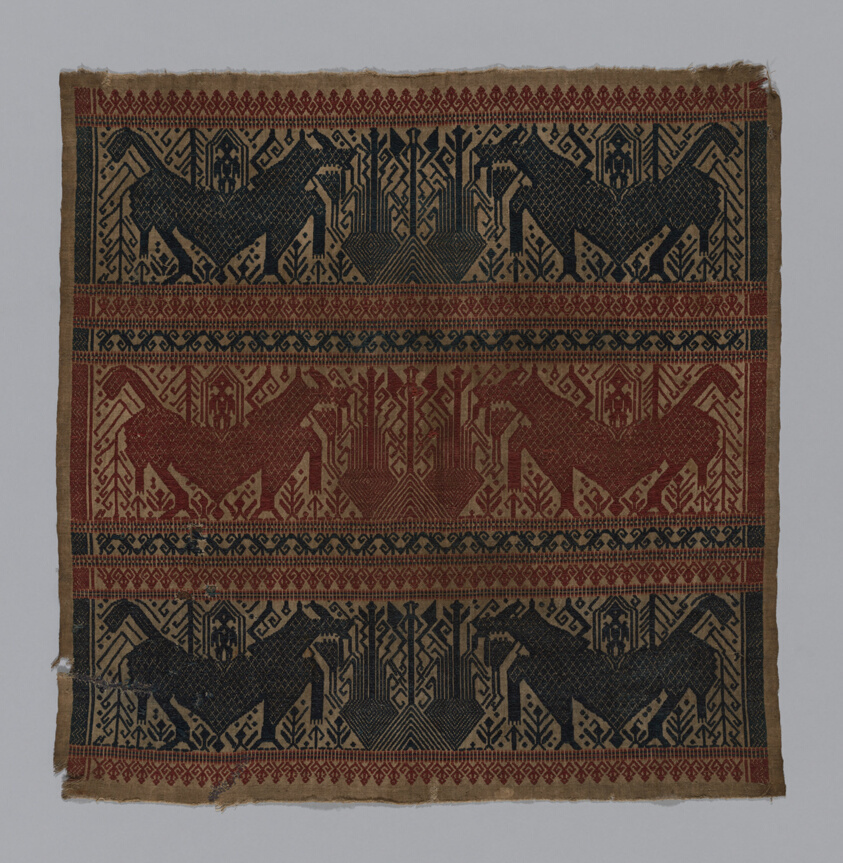
Tampan (Ceremonial Cloth)
Art Institute of Chicago
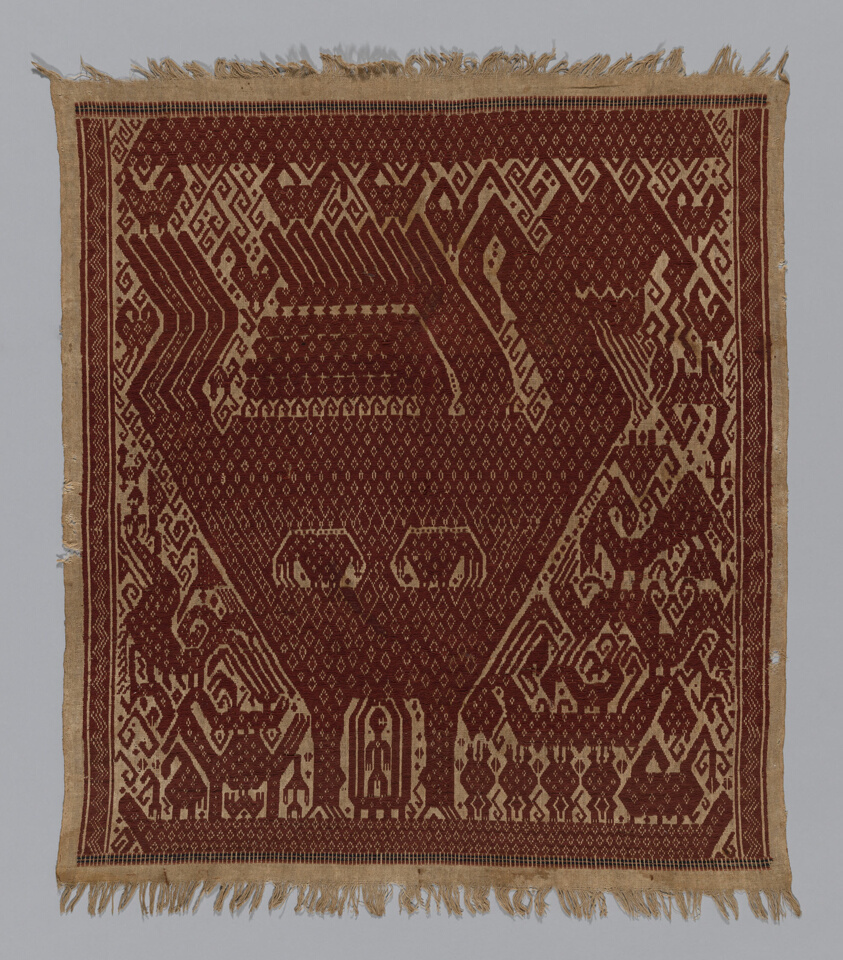
Tampan (Ceremonial Cloth)
Art Institute of Chicago