Art Institute of Chicago
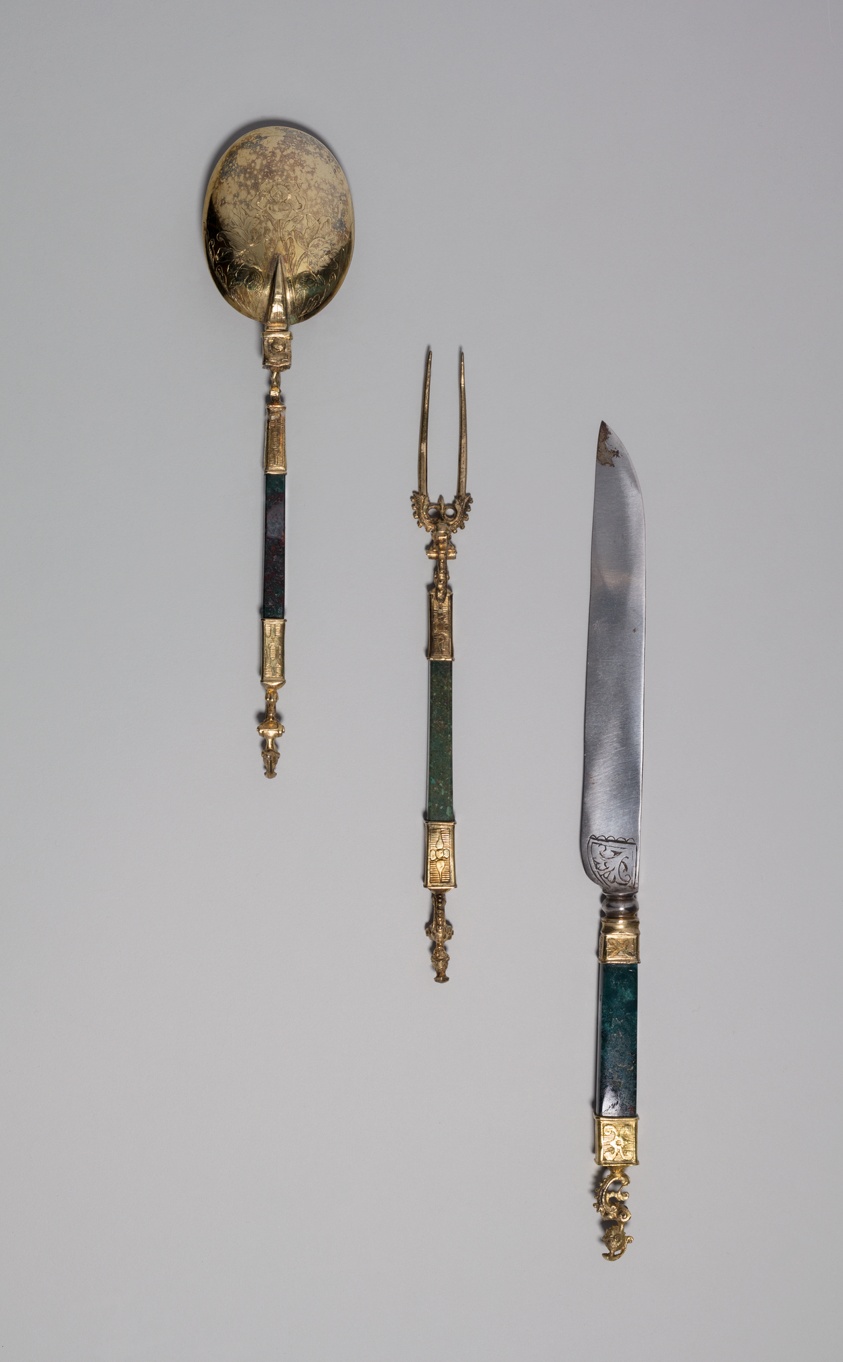
Fork, Knife, and Spoon
Southern Germany
- Date
- c. 1600
- Medium
- Bloodstone (Heliotrope), silver, gilding, and steel
- Culture
- Southern Germany
- Department
- Applied Arts of Europe
- Institution
- Art Institute of Chicago
This rare complete set of cutlery consists of a fork, knife, and spoon that are all finely worked with precious materials. The delicate scrolling silver-gilt mounts and finials with diminutive helmeted heads of the goddess Minerva date these utensils to around 1600, which was when personal cutlery sets became increasingly popular in court culture. For the banqueting elite of German courts, having a personal cutlery set was a requisite sign of civility. As objects they were equally prized for use at the table or as art pieces found in Kunstkammeren (collector’s cabinets of curiosities). Utensils using hardstones were especially sought after as the material was believed to have curative properties.
The authoritative record is held by Art Institute of Chicago. LinkedCulture surfaces this object and its connections; it does not alter institutional metadata.
Linked open data
Authority identifiers that link this record into the wider web of cultural data — stable references you can follow to the source.
- Object type
- AAT300411548
Related across collections
Semantically similar works from Art Institute of Chicago and other institutions.

Knife, from a two-piece cutlery set
Minneapolis Institute of Art
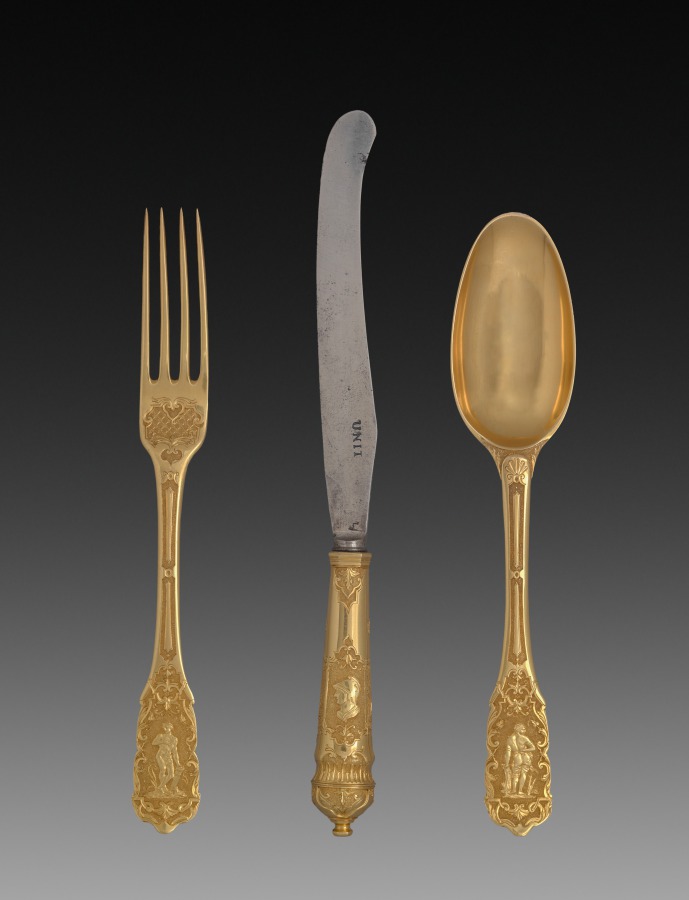
Knife, Fork, and Spoon
Cleveland Museum of Art
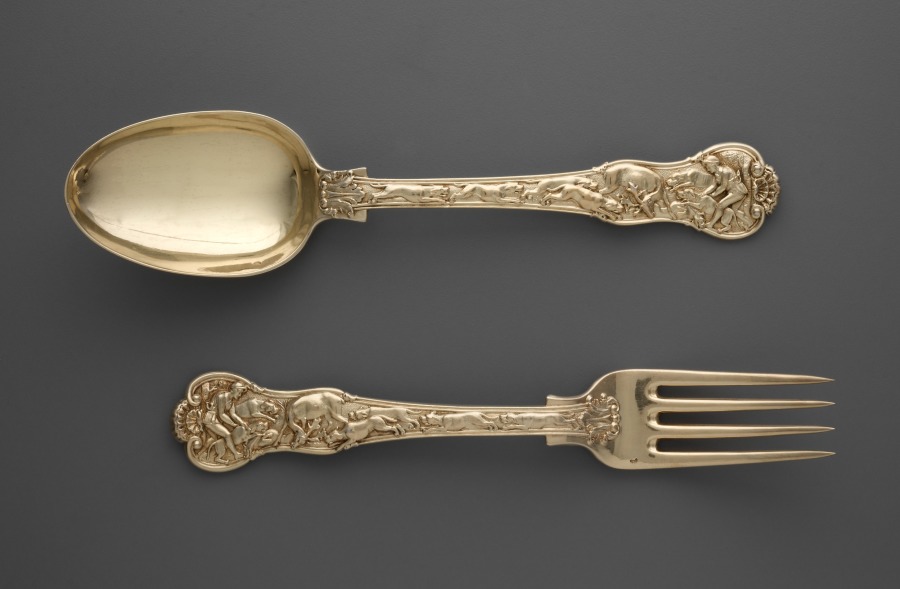
Dessert Fork and Spoon with Hunt Scenes
Cleveland Museum of Art
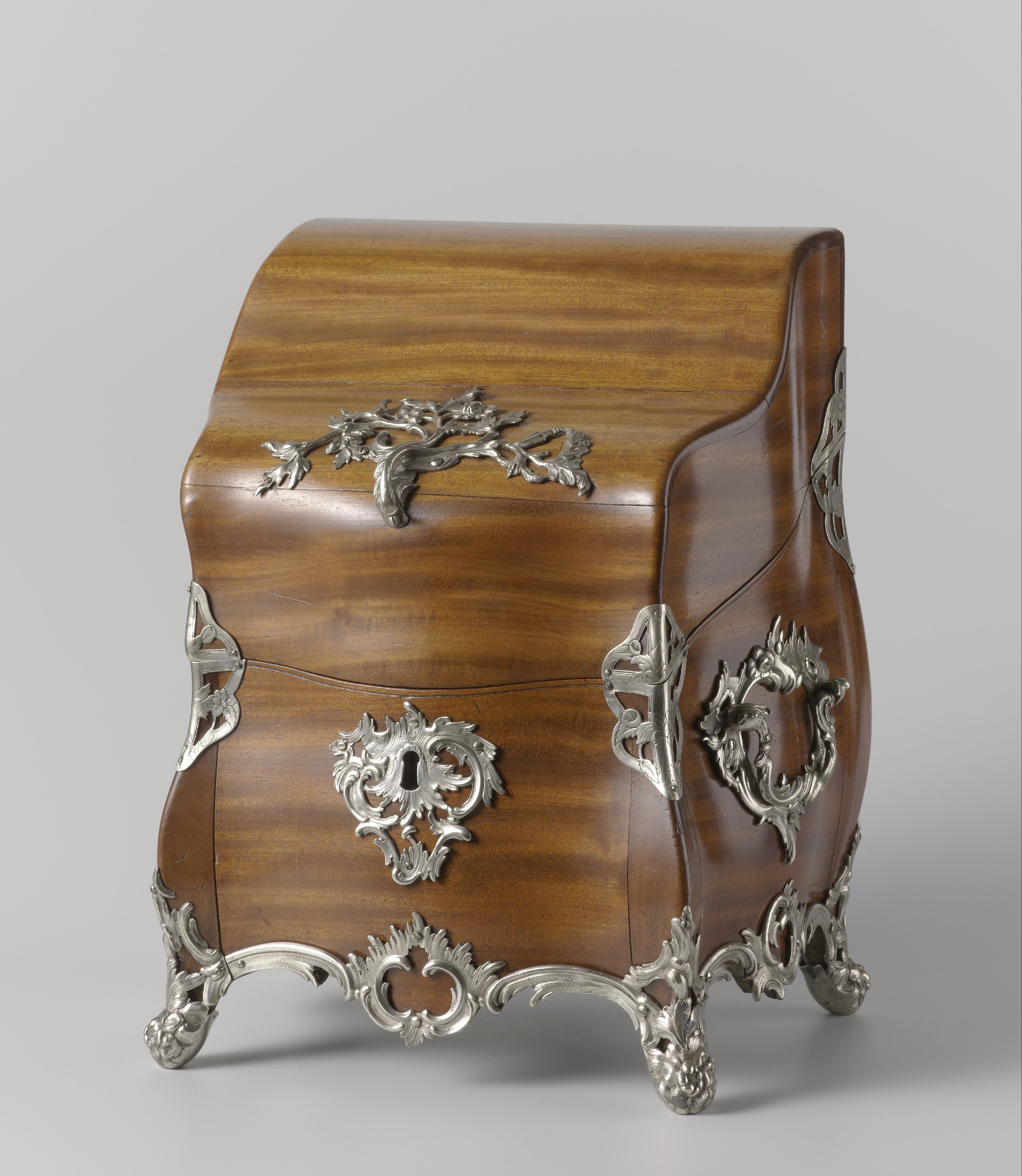
Bestekfoedraal
Rijksmuseum
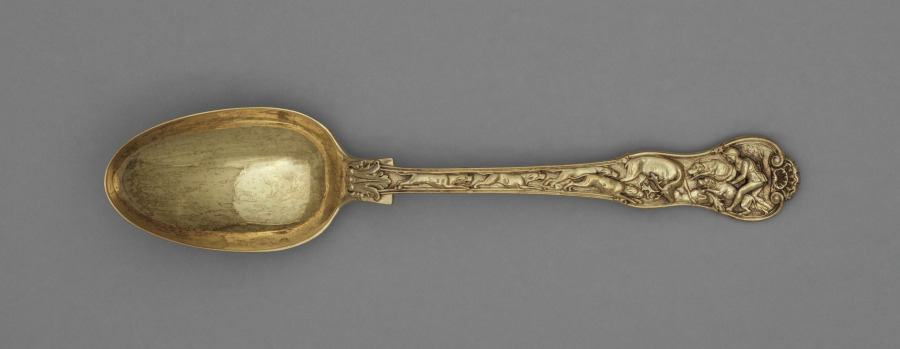
Dessert Spoon with Hunt Scenes
Cleveland Museum of Art
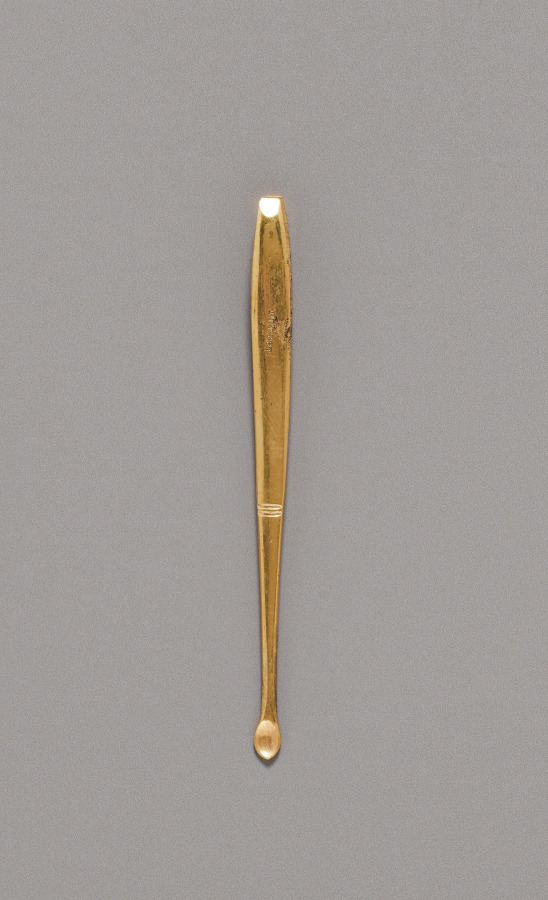
Snuff Spoon
Cleveland Museum of Art
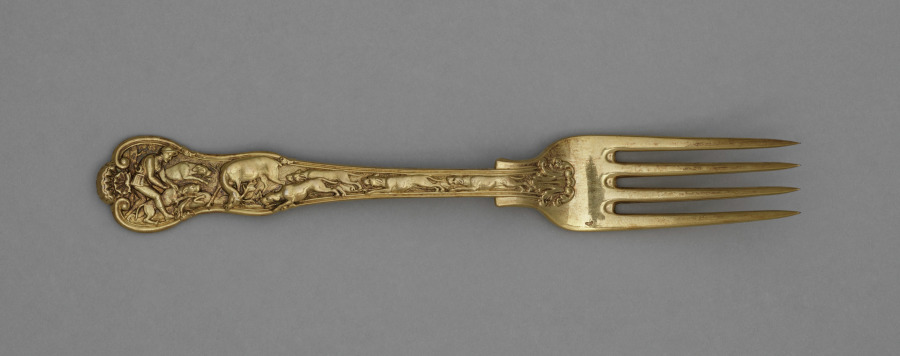
Dessert Fork with Hunt Scenes
Cleveland Museum of Art
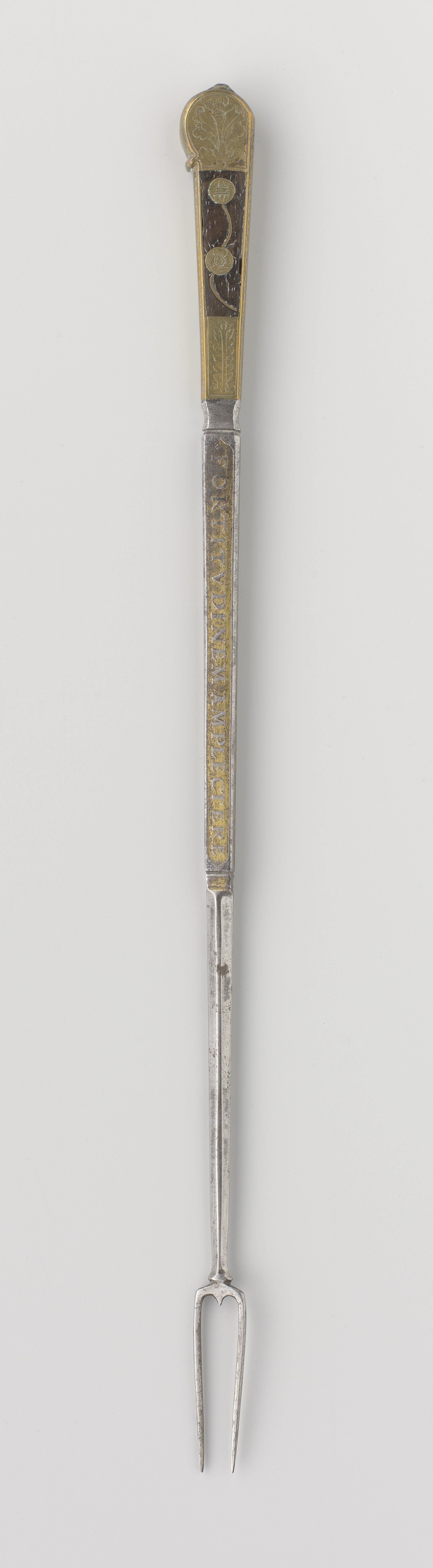
Four knives and a fork belonging to Emperor Charles V
Rijksmuseum

Fork, from a two-piece cutlery set
Minneapolis Institute of Art
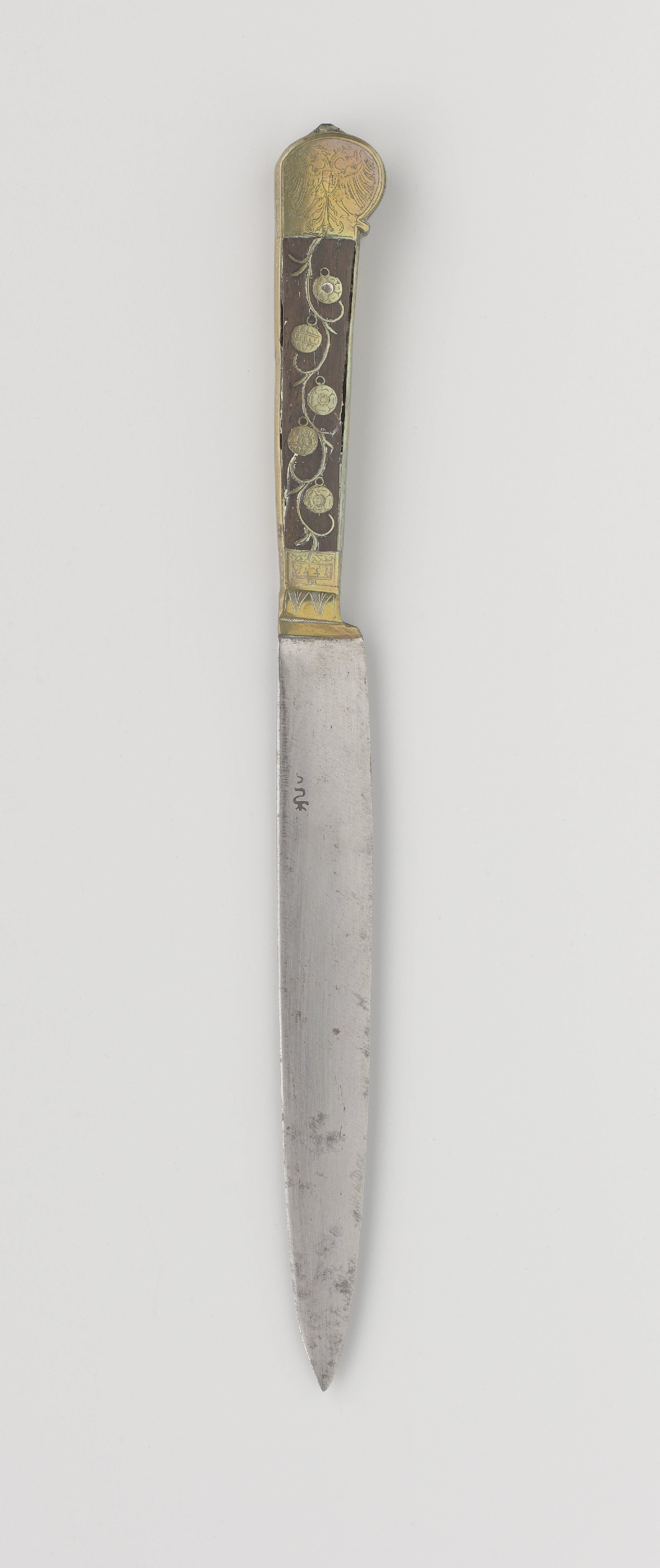
Four knives and a fork belonging to Emperor Charles V
Rijksmuseum
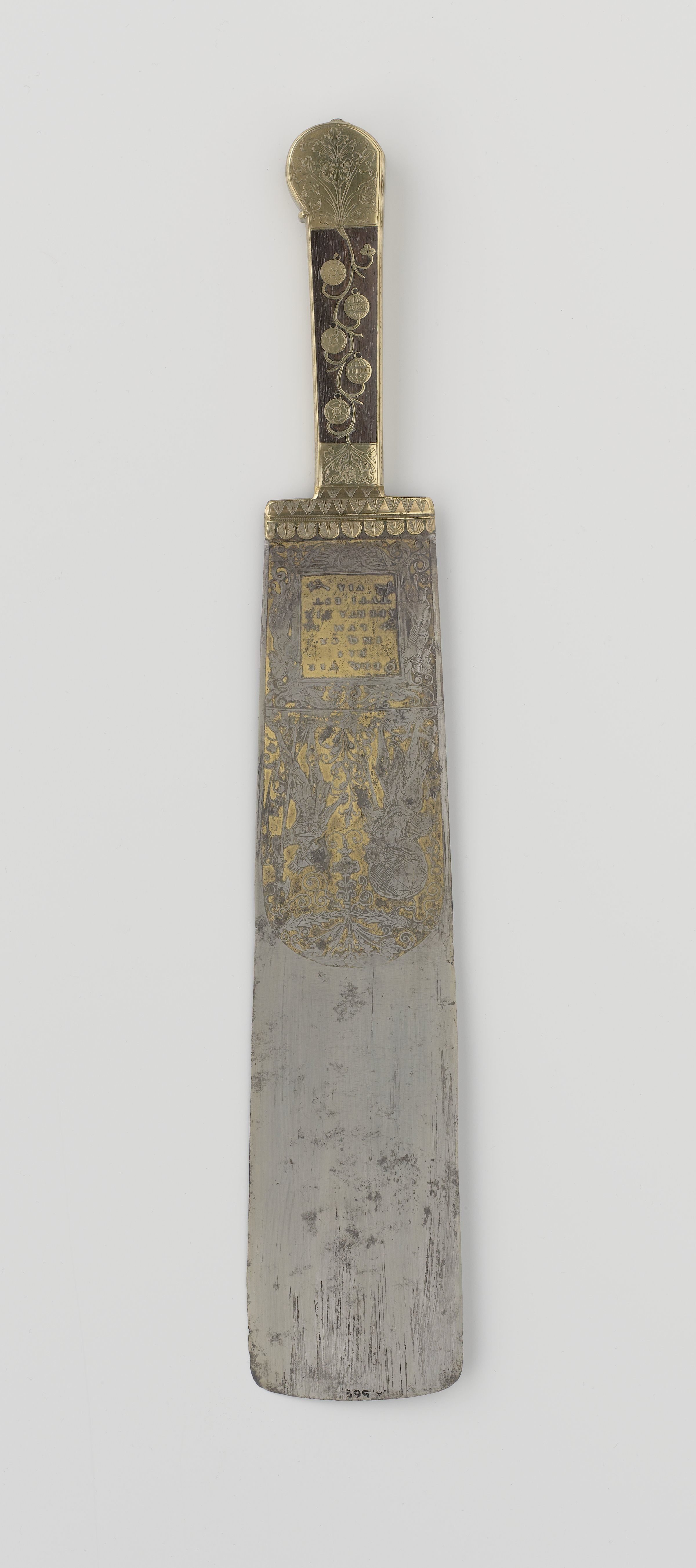
Four knives and a fork belonging to Emperor Charles V
Rijksmuseum
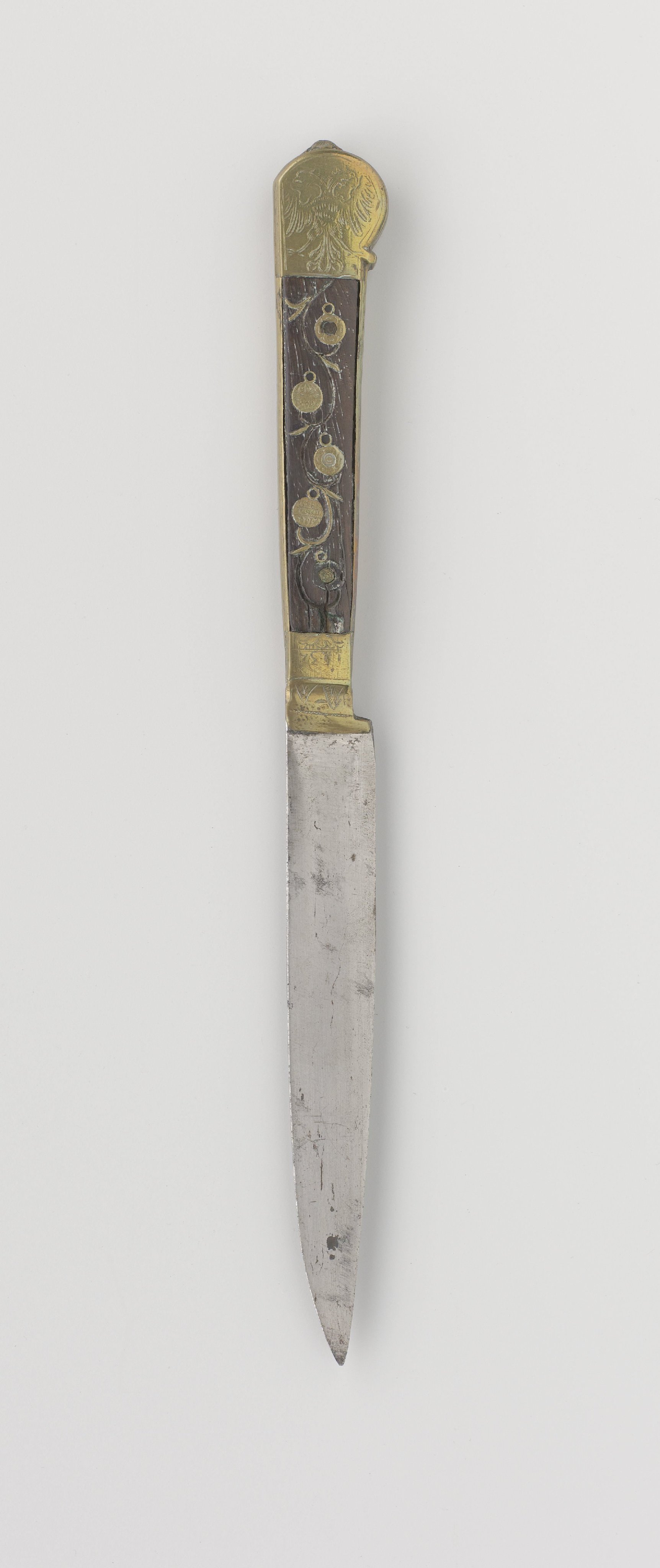
Four knives and a fork belonging to Emperor Charles V
Rijksmuseum