Art Institute of Chicago
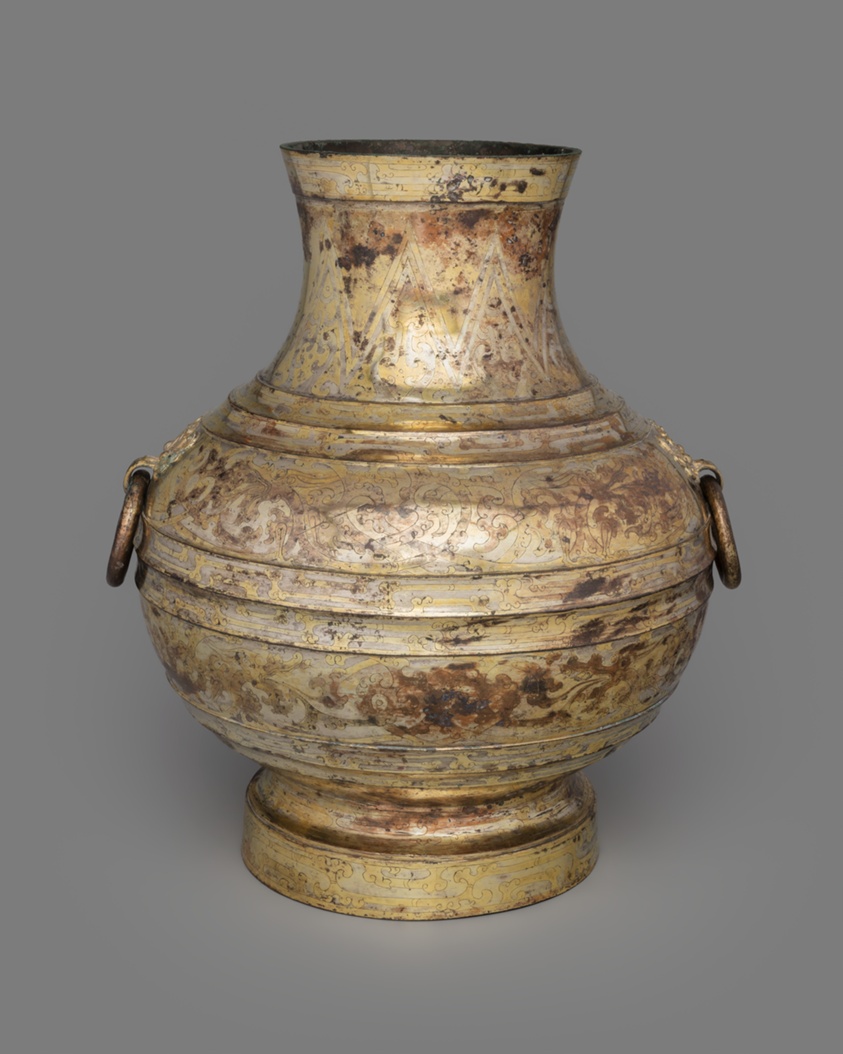
Jar (hu or zhong)
China
- Date
- Western Han dynasty (206 B.C.–A.D.9)
- Medium
- Bronze with gilding
- Culture
- China
- Department
- Arts of Asia
- Institution
- Art Institute of Chicago
The dragon became prominent during the Han as an auspicious creature associated with imperial authority and with the ever-changing nature of the universe. Since the dragon was endowed with the same dynamic energy that animated clouds and vapors, it was graphically combined with expanding and contracting patterns of great imagination and vitality. Here, dragons with interlaced trunks merge with scrolling "cloud" patterns to create continuous bands of ornament. This fluent decor was incised into the bronze after casting. Filings of gold and silver were then liquefied in separate baths of hot mercury and these butter-like solutions brushed onto the bronze; the vessel was reheated to vaporize the mercury and then burnished, leaving a thin but brilliant two-toned surface. This technique, variously known as amalgam-, mercury-, or fire-gilding, created a splendid object with economic expenditure of precious metals.
The authoritative record is held by Art Institute of Chicago. LinkedCulture surfaces this object and its connections; it does not alter institutional metadata.
Linked open data
Authority identifiers that link this record into the wider web of cultural data — stable references you can follow to the source.
- Object type
- AAT300193015
Related across collections
Semantically similar works from Art Institute of Chicago and other institutions.
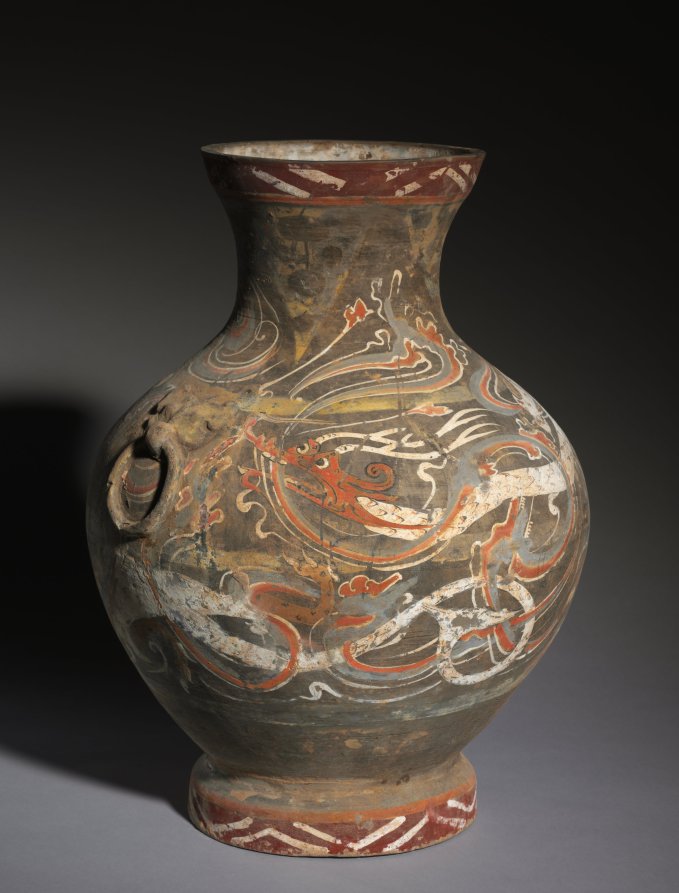
Jar (Hu)
Cleveland Museum of Art
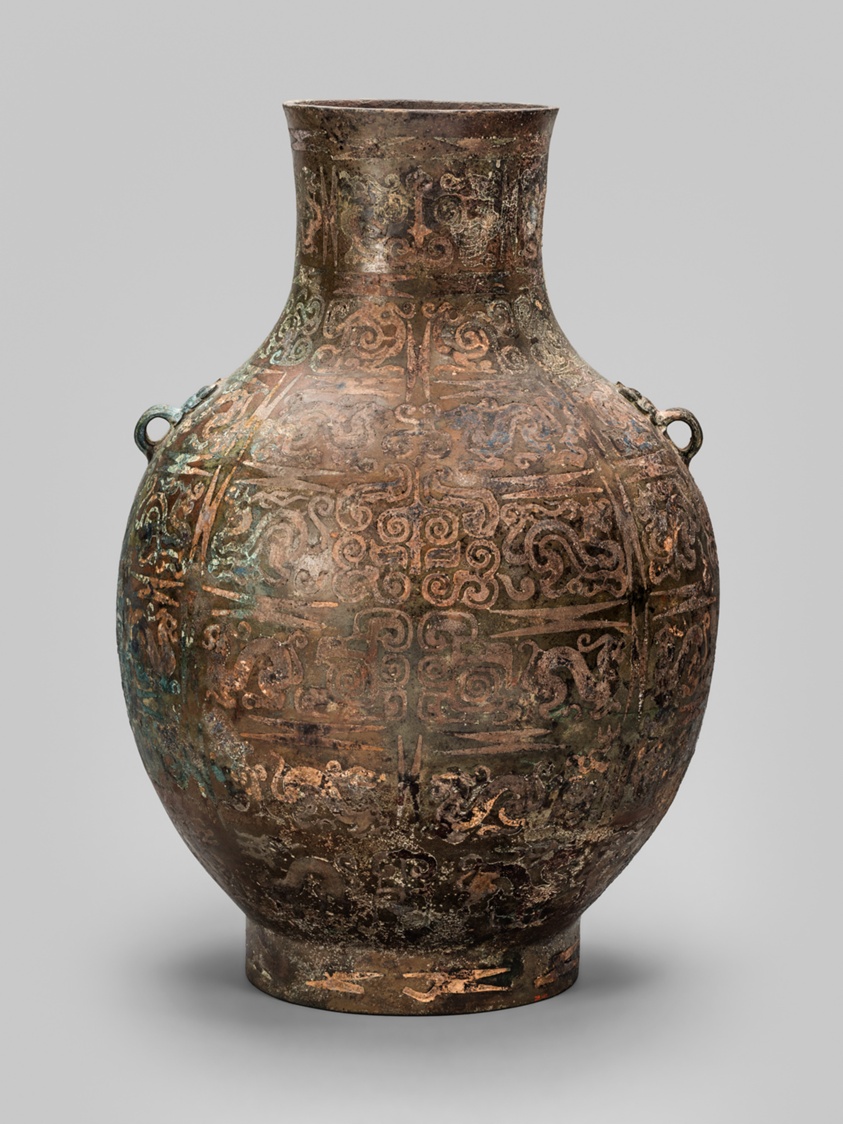
Jar (hu)
Art Institute of Chicago
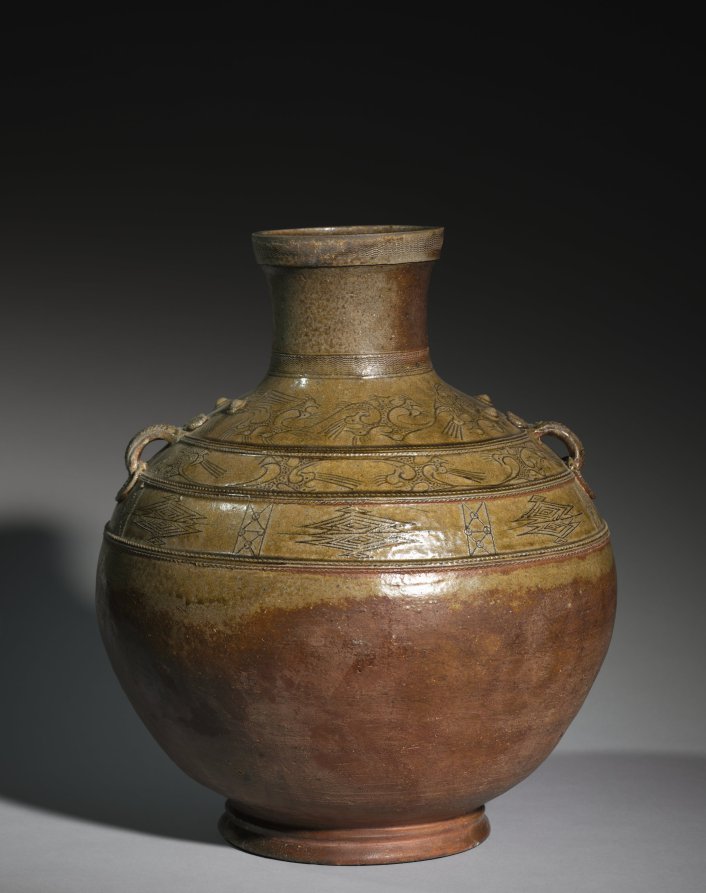
Jar (Hu)
Cleveland Museum of Art
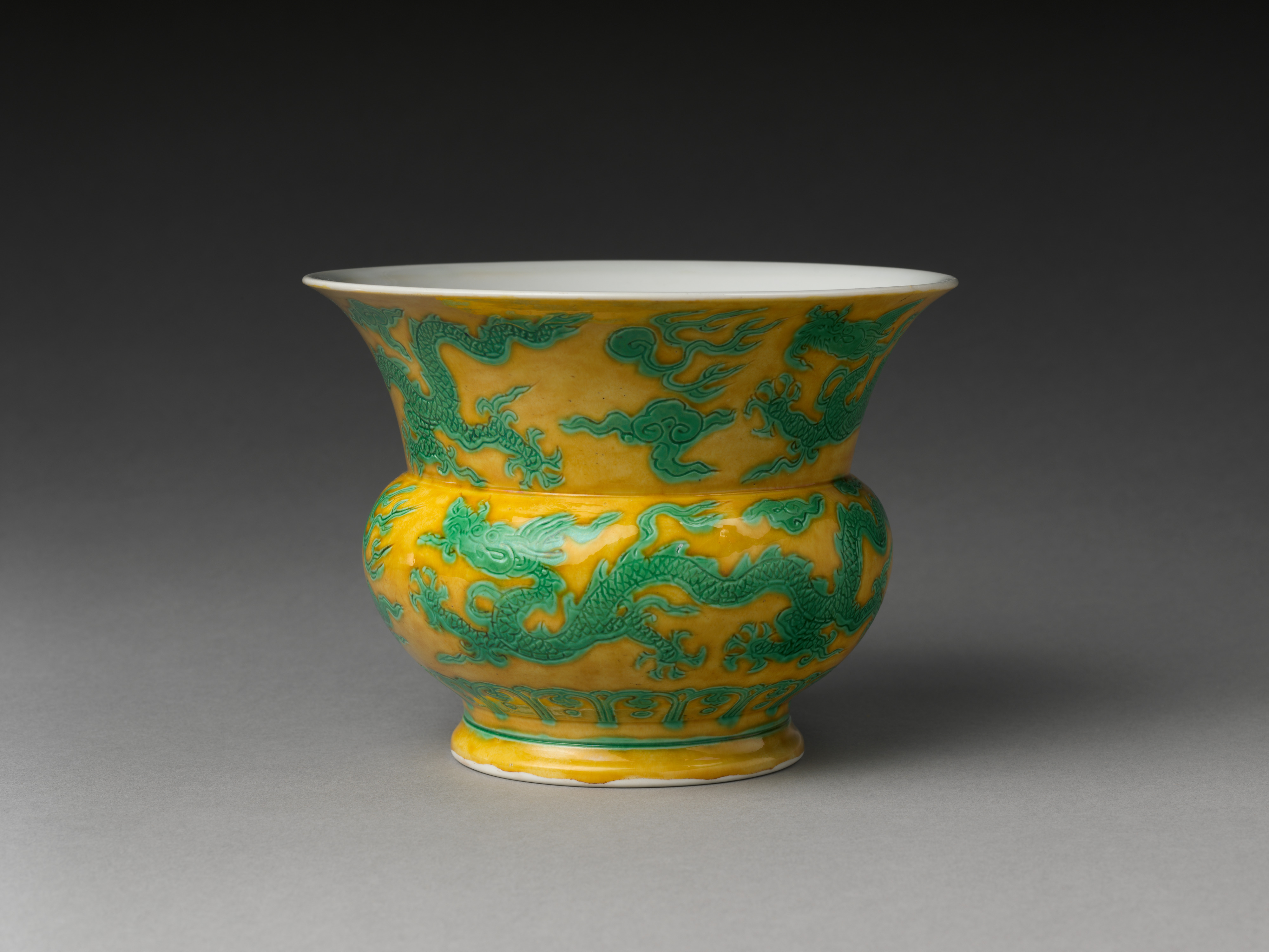
Jar with Dragon
The Metropolitan Museum of Art
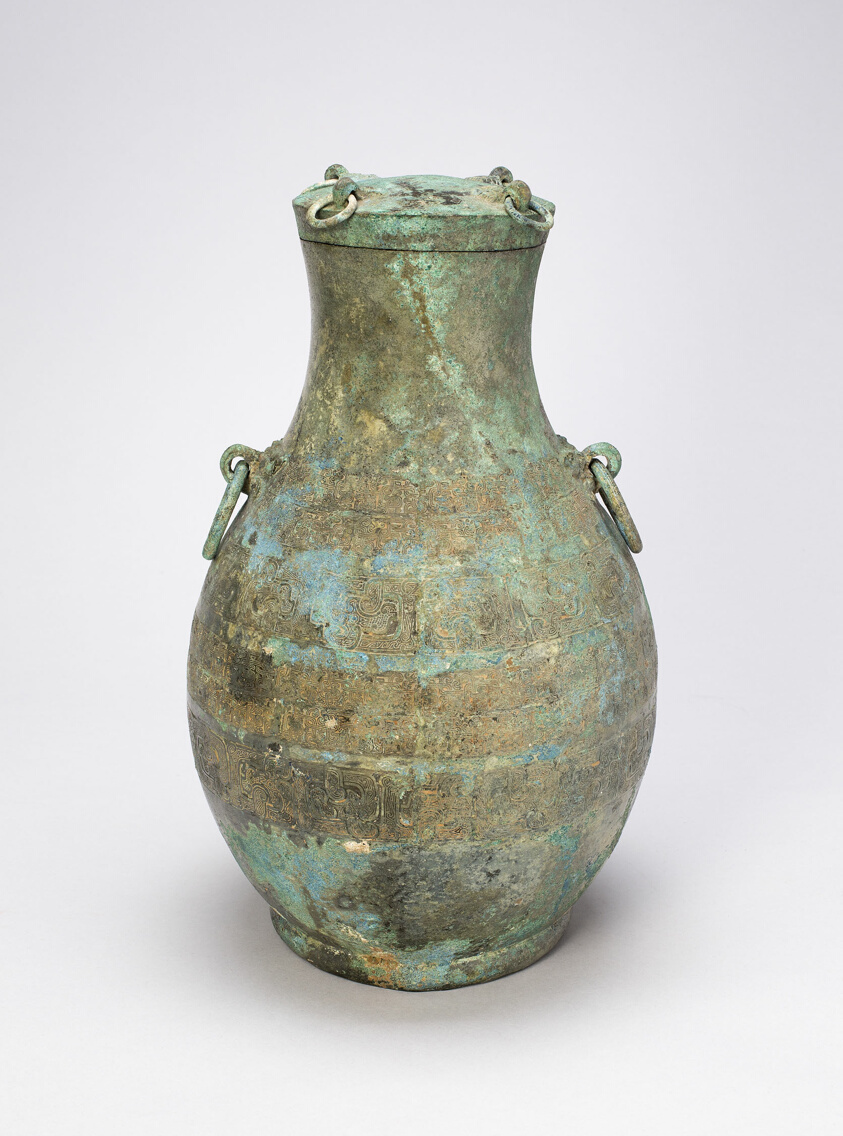
Wine Jar (Hu)
Art Institute of Chicago

Jar
Minneapolis Institute of Art

Jar with Dragon and Clouds
Minneapolis Institute of Art
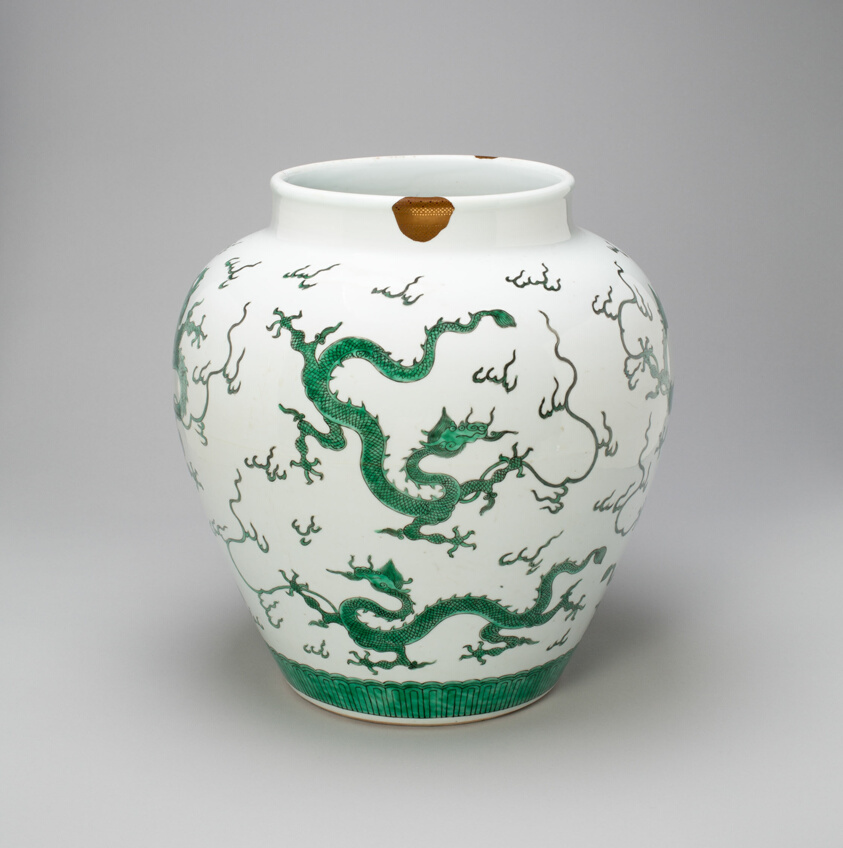
Jar with Dragons
Art Institute of Chicago
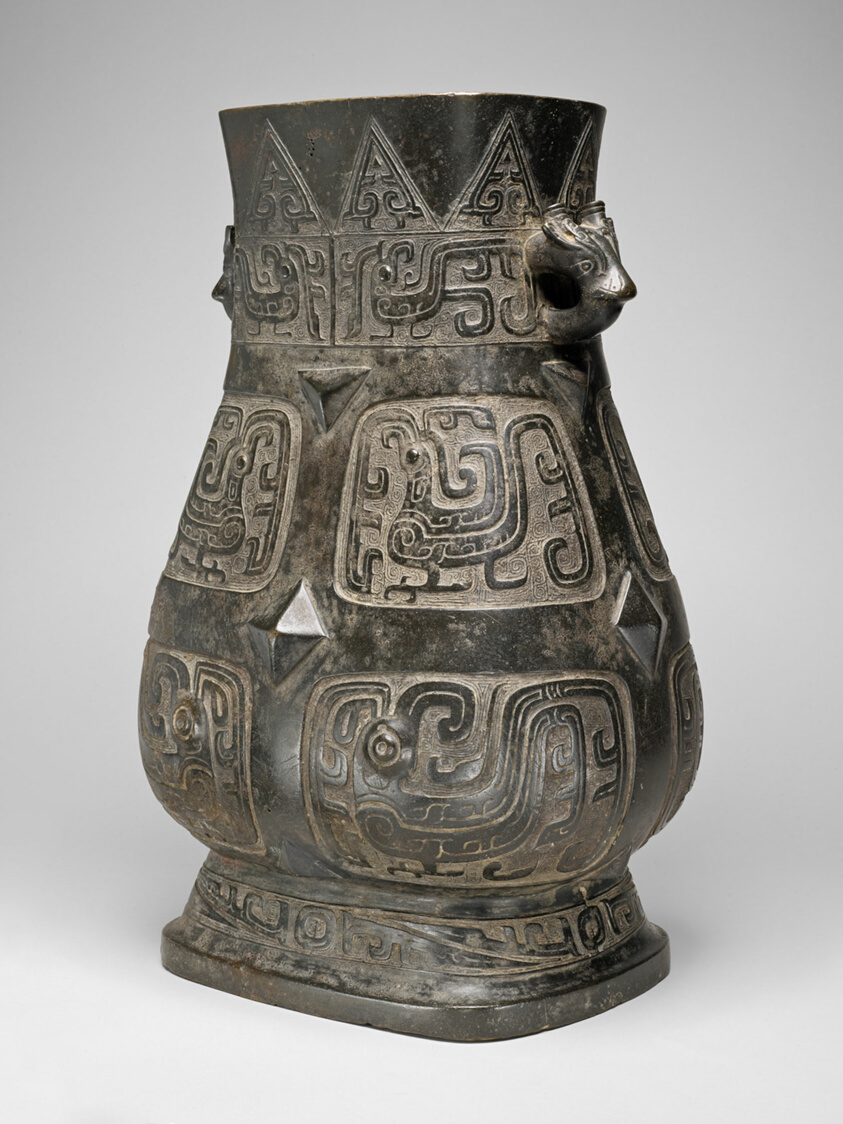
Jar (hu)
Art Institute of Chicago
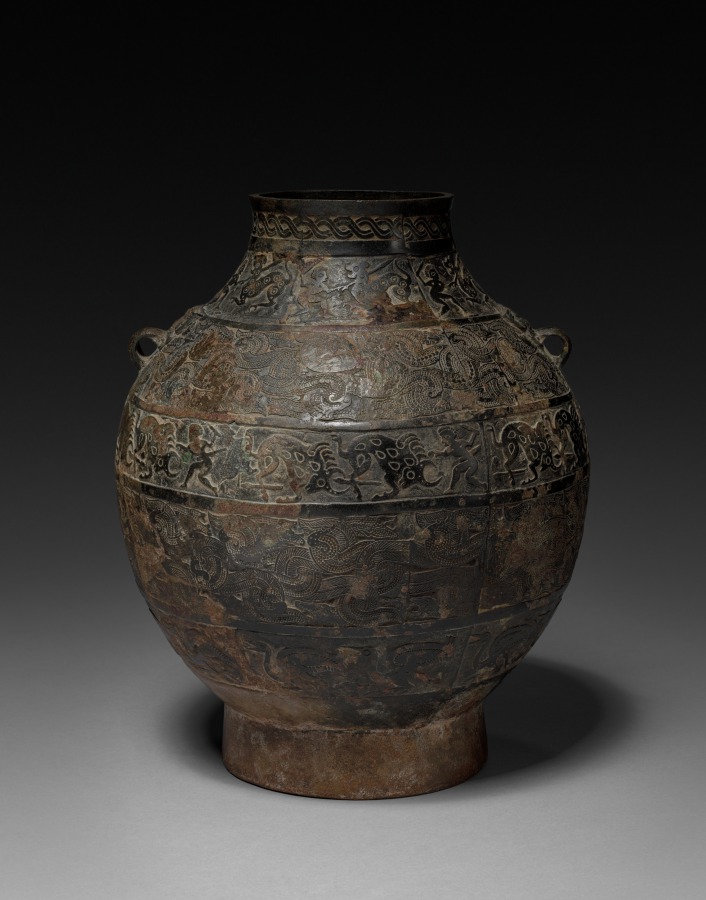
Hu (Jar)
Cleveland Museum of Art
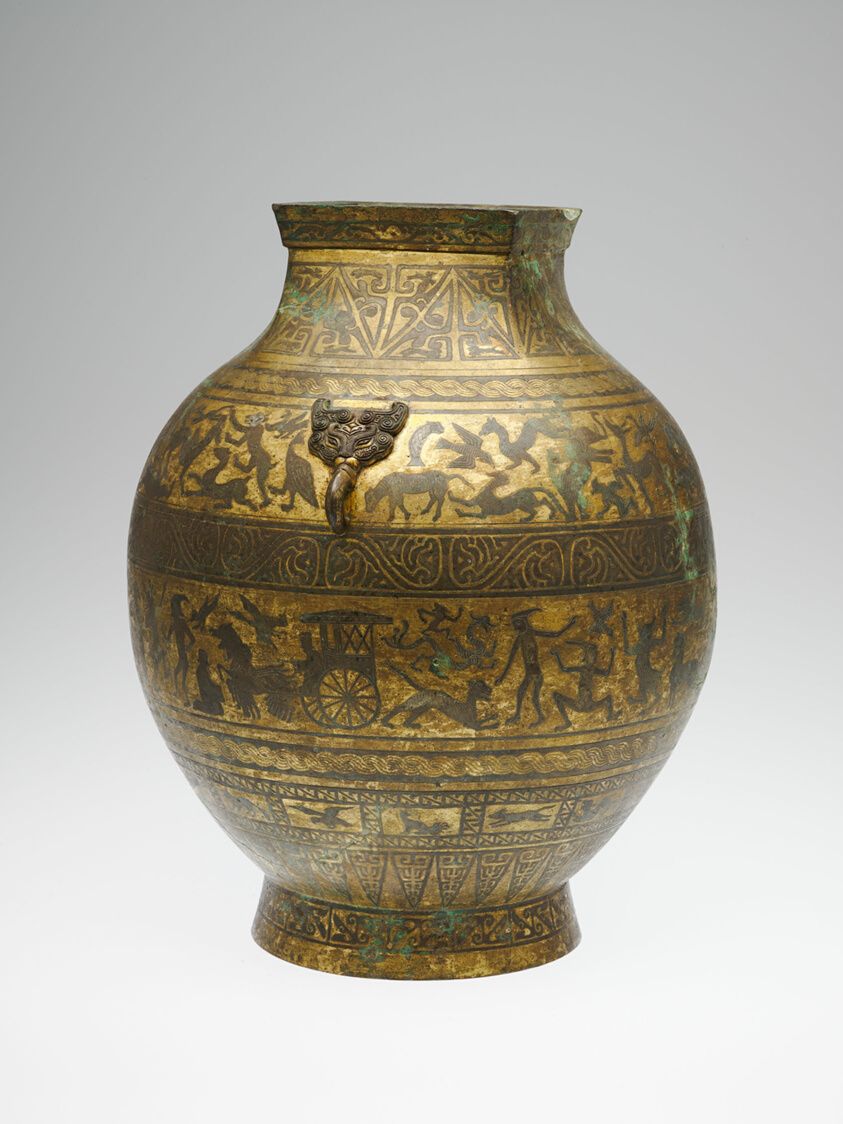
Jar (Hu)
Art Institute of Chicago
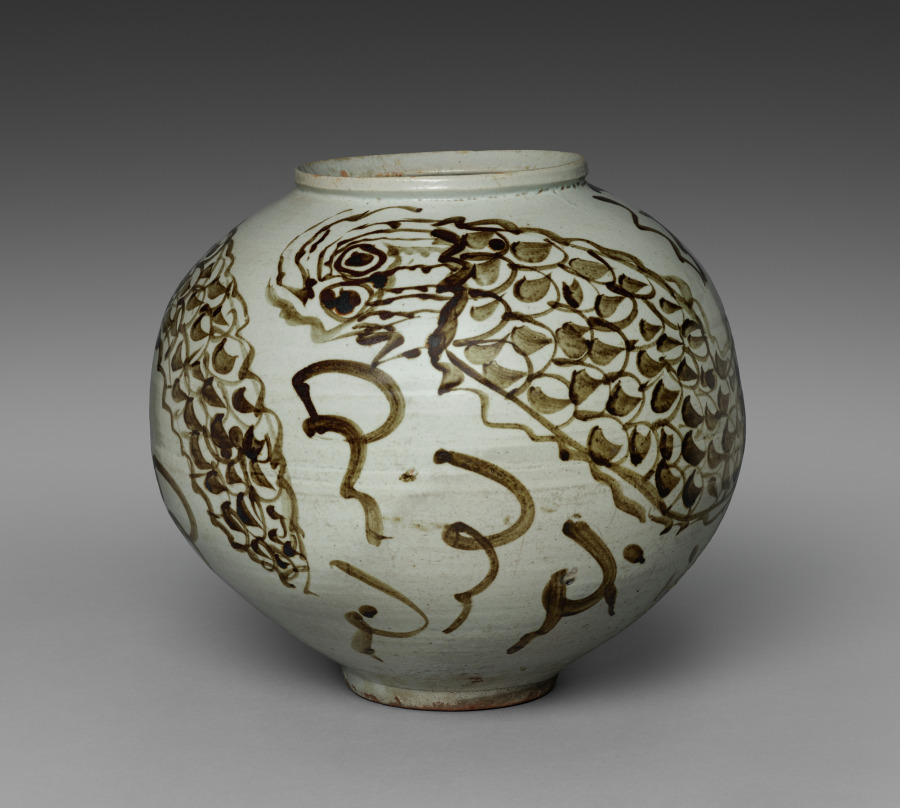
Jar with Dragon and Clouds Design
Cleveland Museum of Art