
Art Institute of Chicago
Plaque with Virgin and Child
Italian
- Date
- 1580–1600
- Medium
- Gilt bronze set against a field lapis lazuli, agate, and Sicilian jasper
- Culture
- Italy
- Department
- Applied Arts of Europe
- Institution
- Art Institute of Chicago
Opus sectile , or the art of inlaying stones, was a form of ancient Roman decoration revived during the 16th century in Milan, Rome, and Florence. It was employed for the decoration of tabletops, cabinets, and other ecclesiastical and secular furnishings, and it combined marbles with hard stones like agate, which were much more difficult to cut, to form abstract patterns or images. This plaque would have been a small devotional object for a wealthy household and was probably made in Rome during the last quarter of the 16th century, when there was a revival of such decoration.
The authoritative record is held by Art Institute of Chicago. LinkedCulture surfaces this object and its connections; it does not alter institutional metadata.
Linked open data
Authority identifiers that link this record into the wider web of cultural data — stable references you can follow to the source.
- Object type
- AAT300301253
Related across collections
Semantically similar works from Art Institute of Chicago and other institutions.
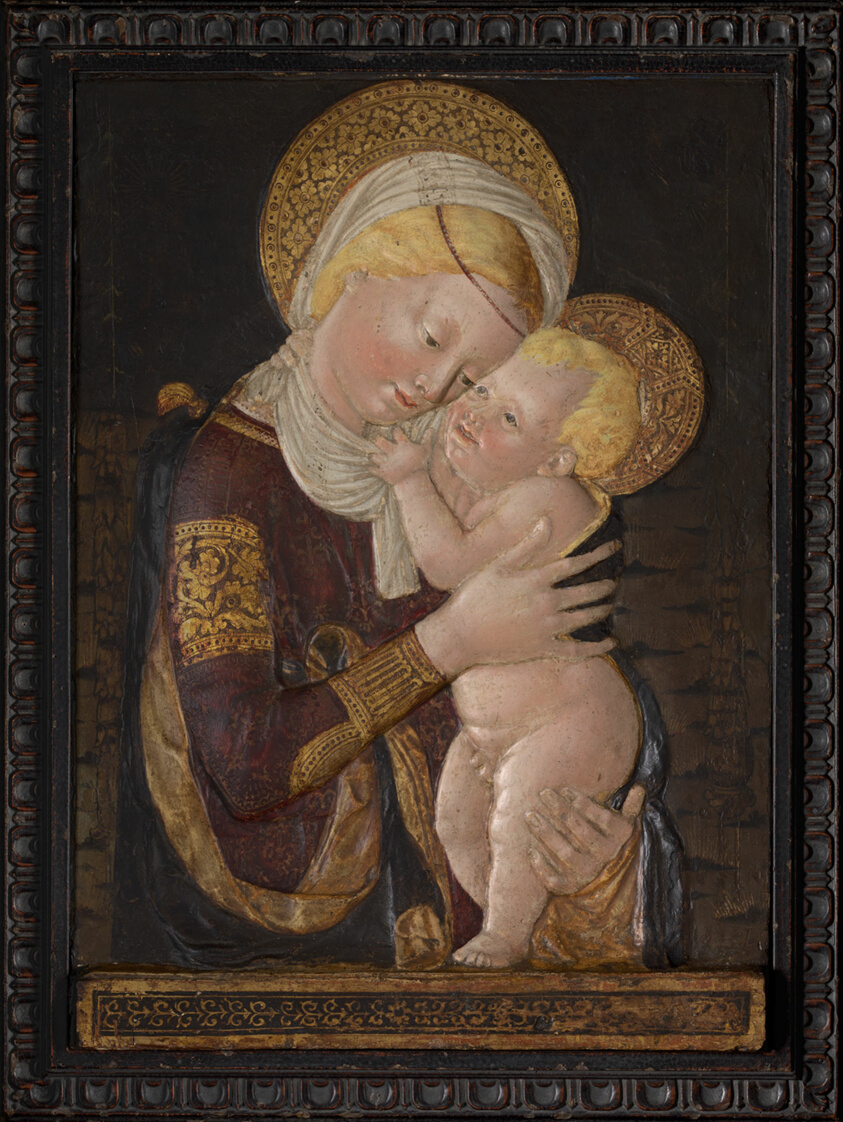
Virgin and Child
Art Institute of Chicago
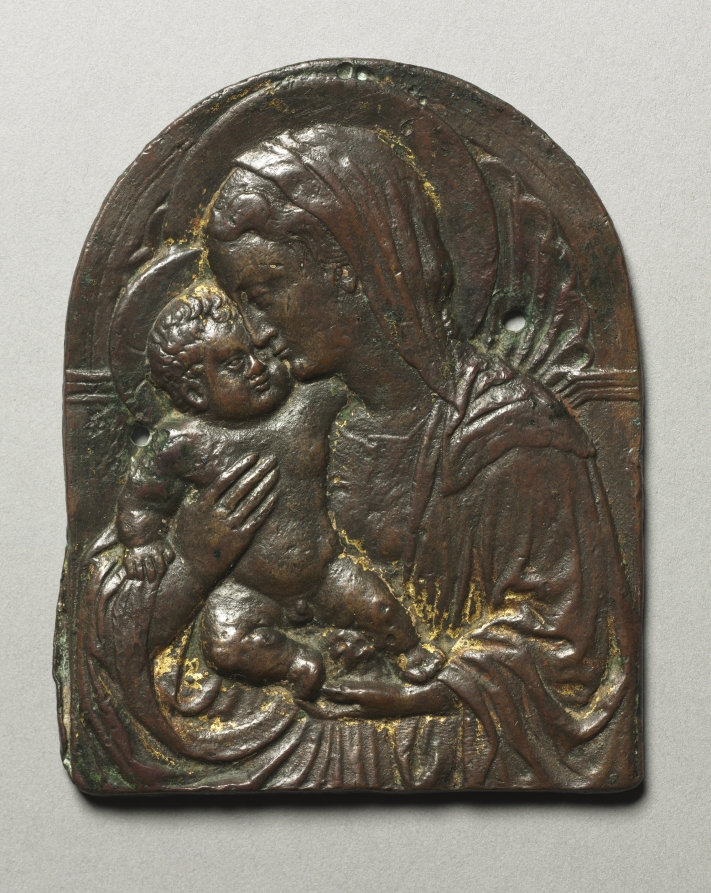
Virgin and Child
Cleveland Museum of Art
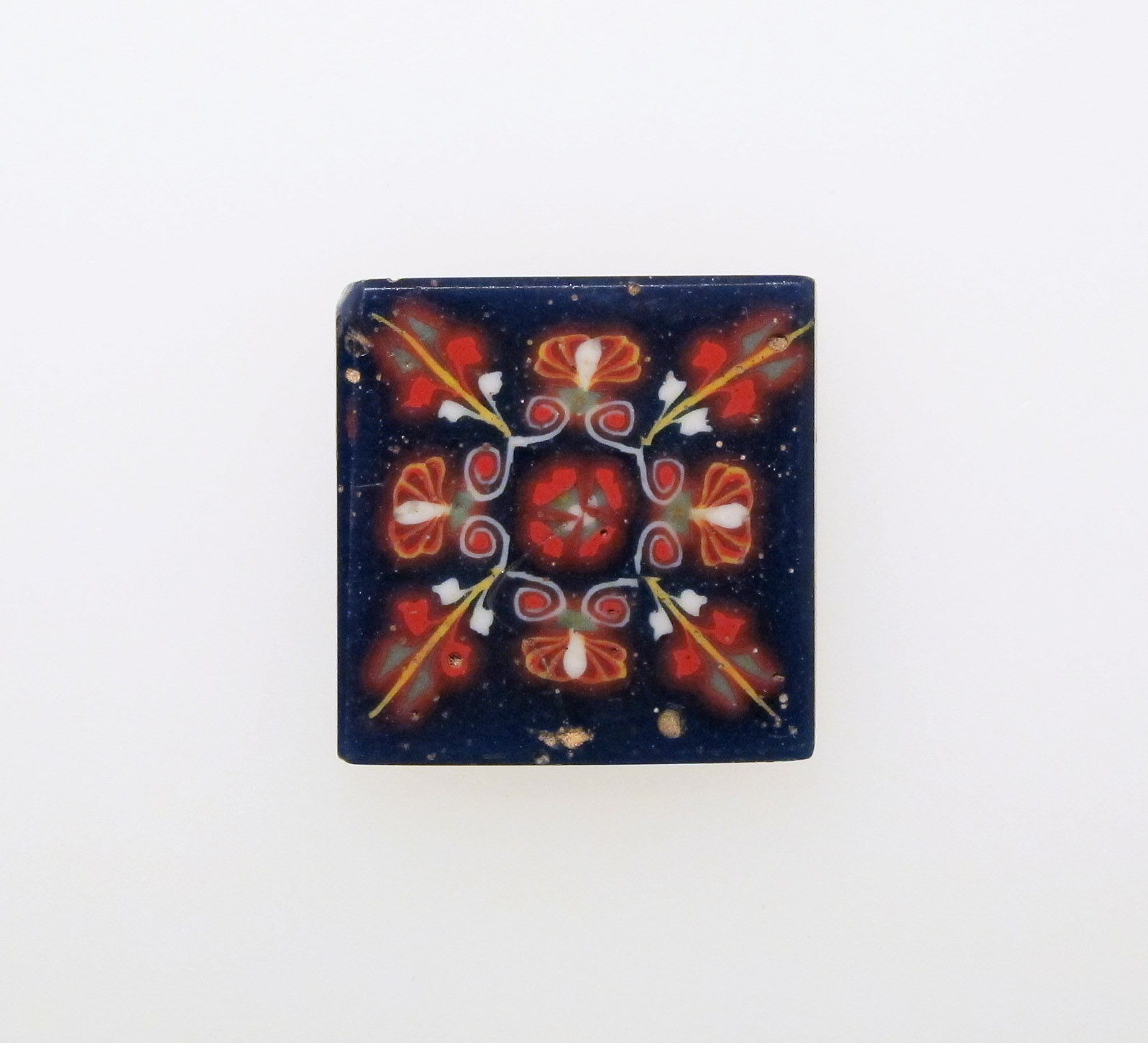
Mosaic glass inlay
The Metropolitan Museum of Art
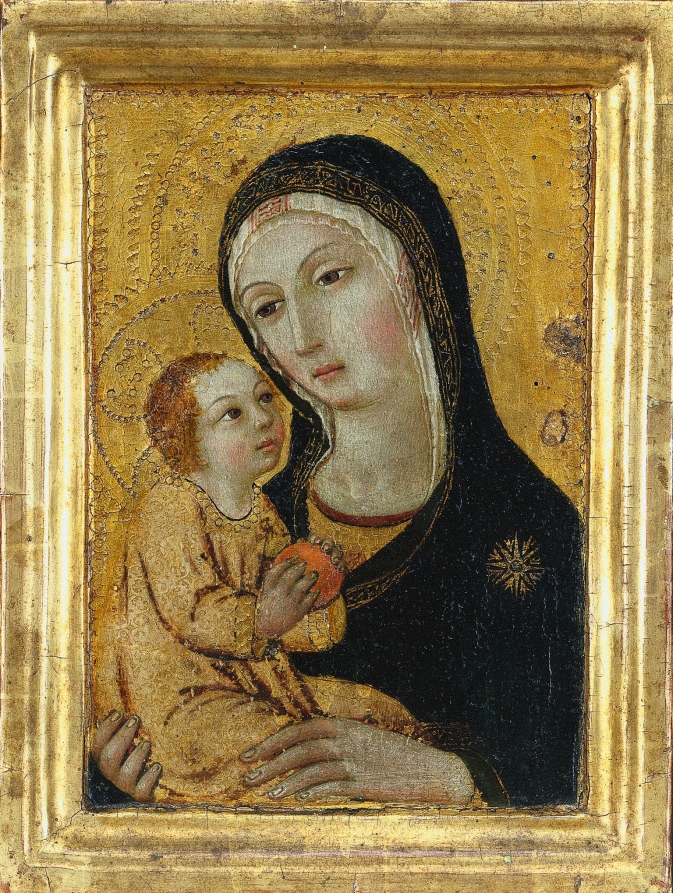
Virgin and Child
Cleveland Museum of Art
Virgin and Child with Saint Cecilia
Harvard Art Museums
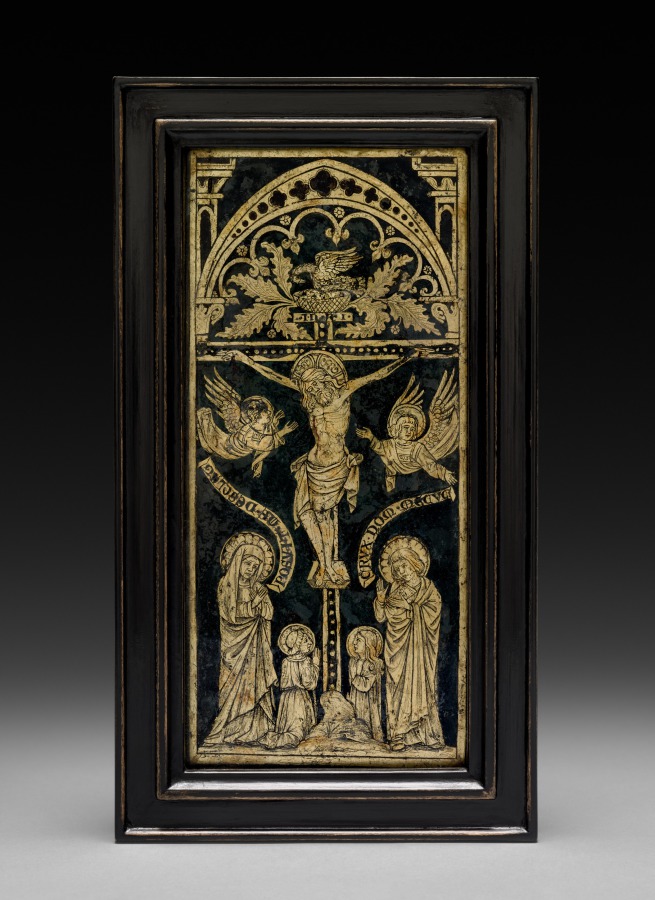
Plaque: The Crucifixion with Angels and Saints
Cleveland Museum of Art
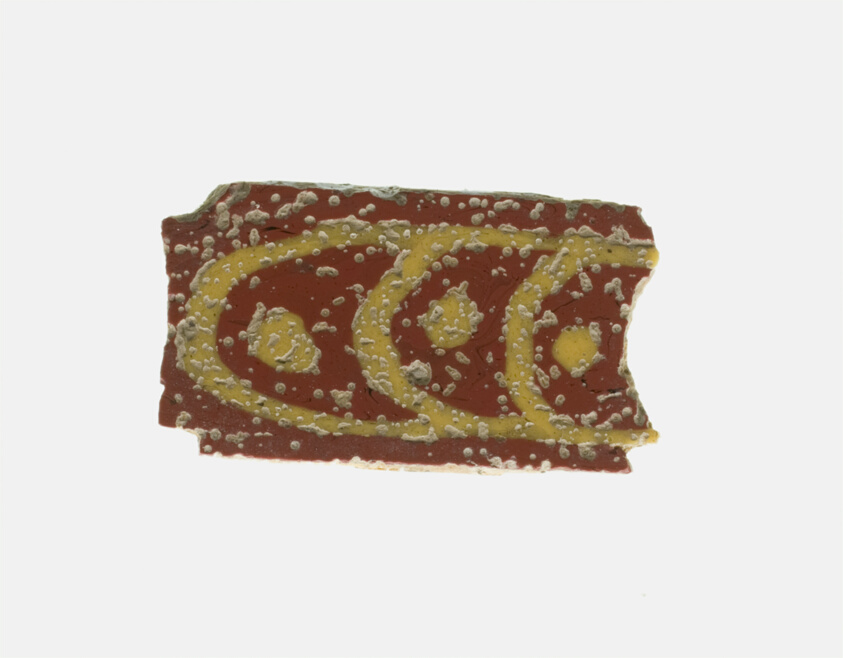
Fragment of an Inlay
Art Institute of Chicago
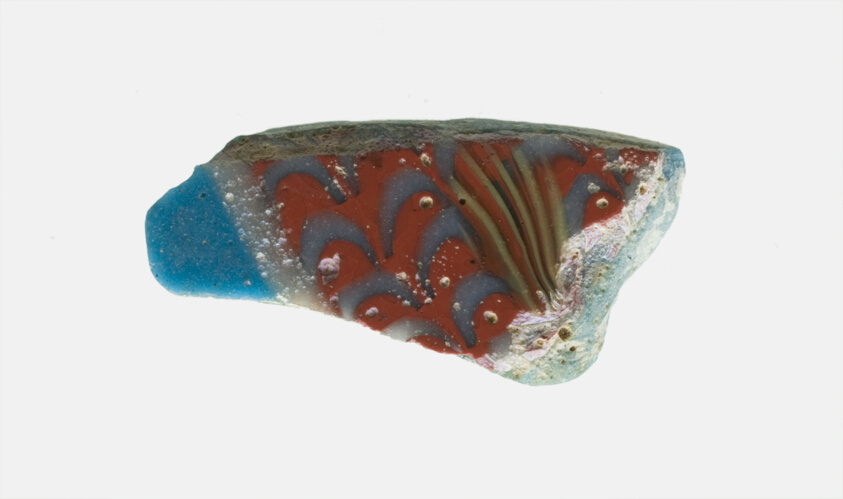
Fragment of an Inlay
Art Institute of Chicago
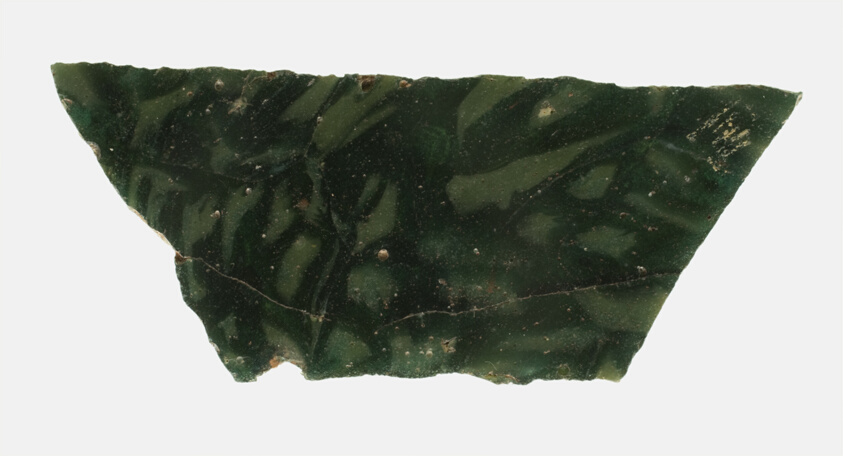
Fragment of an Inlay
Art Institute of Chicago
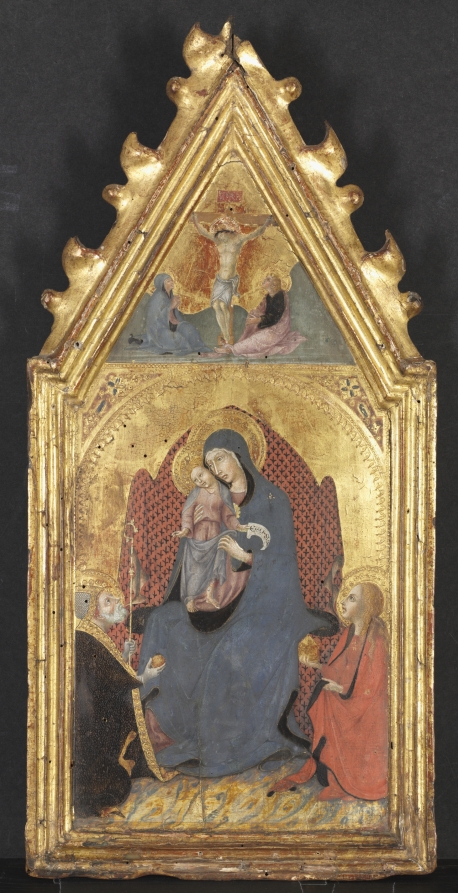
Virgin and Child Adored by Saints Mary Magdalene and Nicolas of Bari; Christ Crucified with the Virgin and Saint John the Evangelist
Cleveland Museum of Art
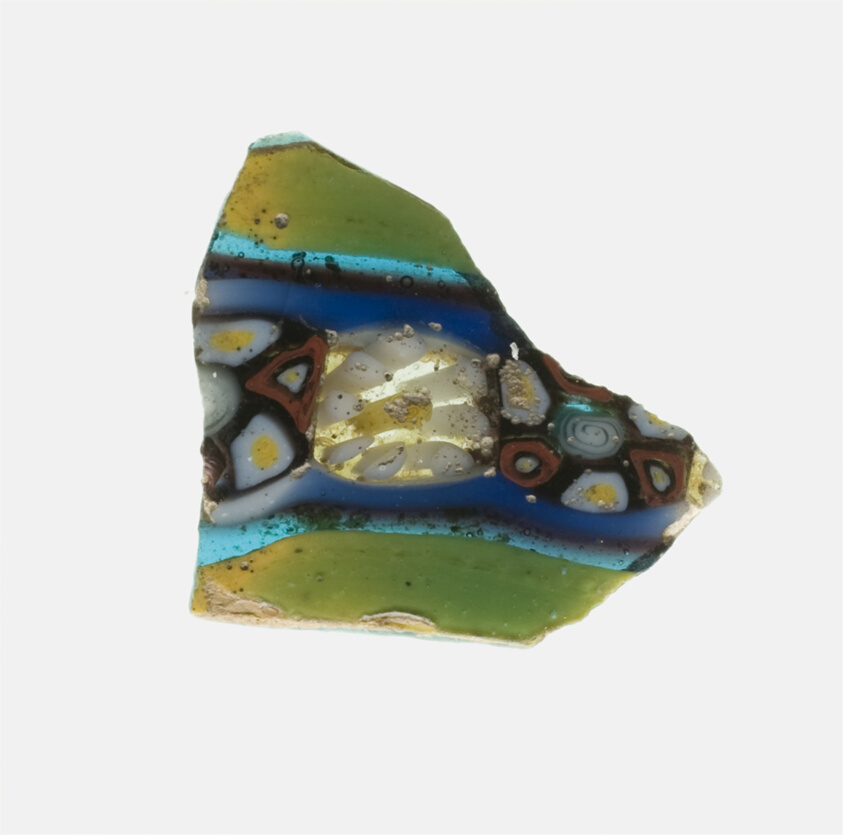
Fragment of an Inlay
Art Institute of Chicago
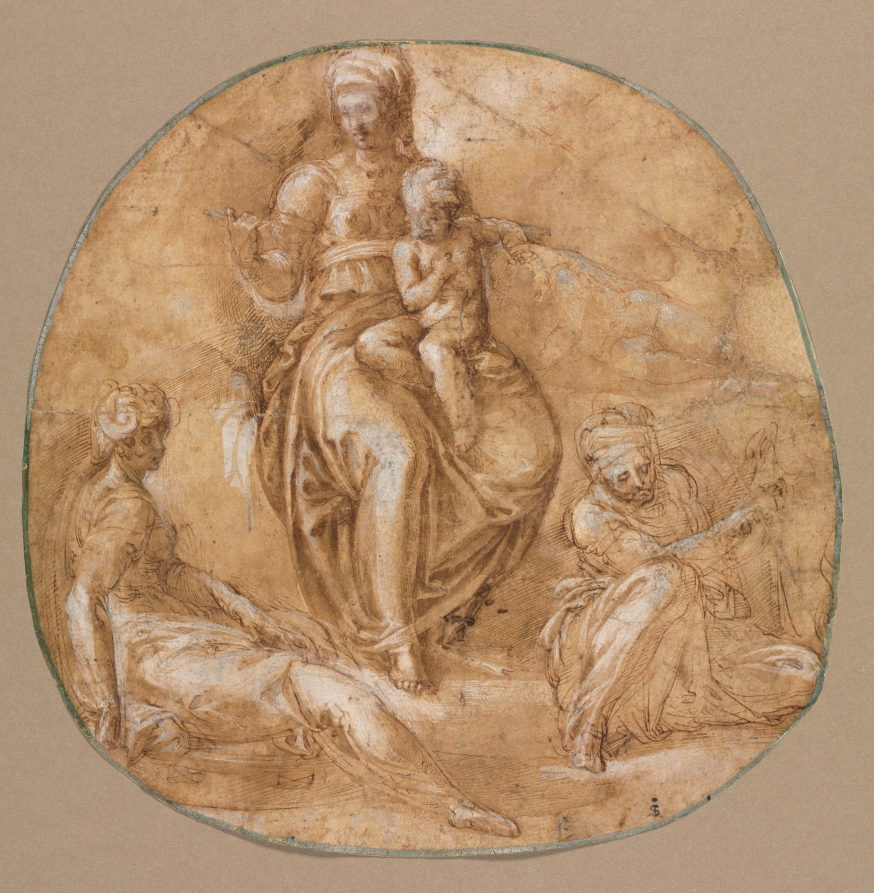
Virgin and Child with St. Catherine of Alexandria and Saint Anne (?)
Cleveland Museum of Art