Art Institute of Chicago
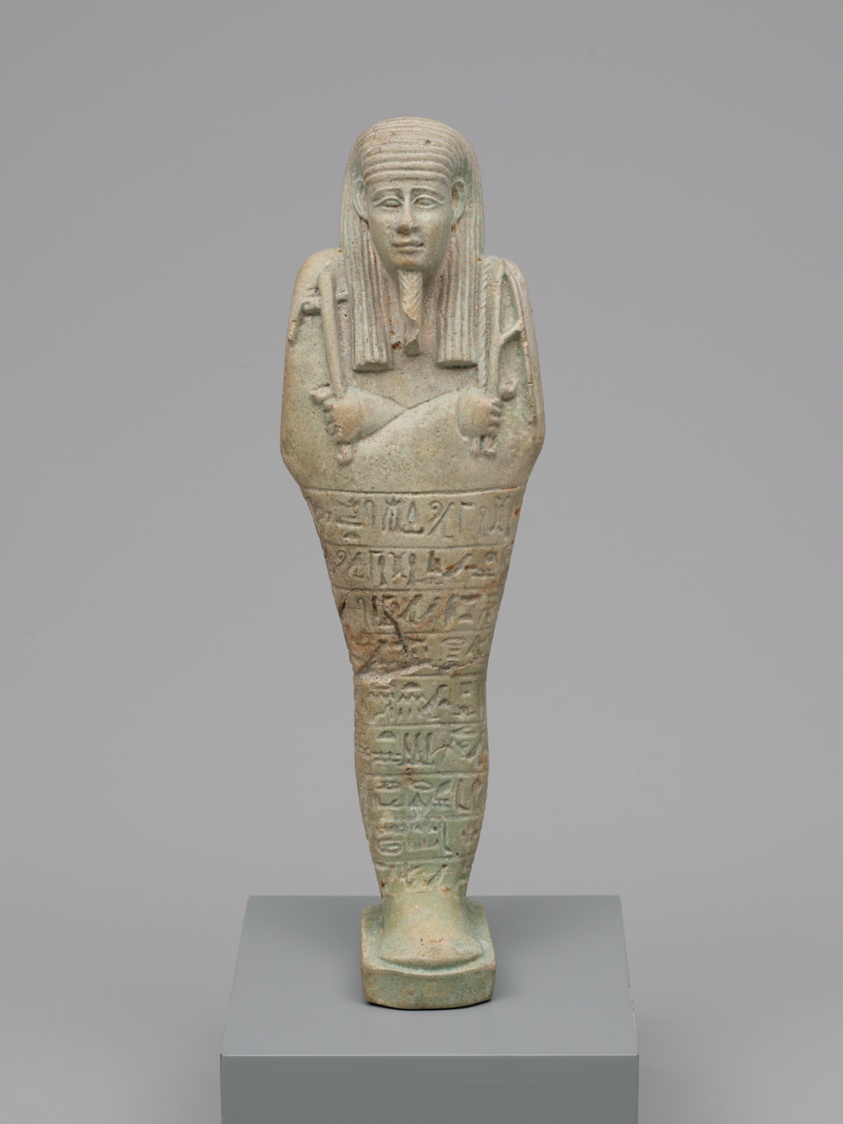
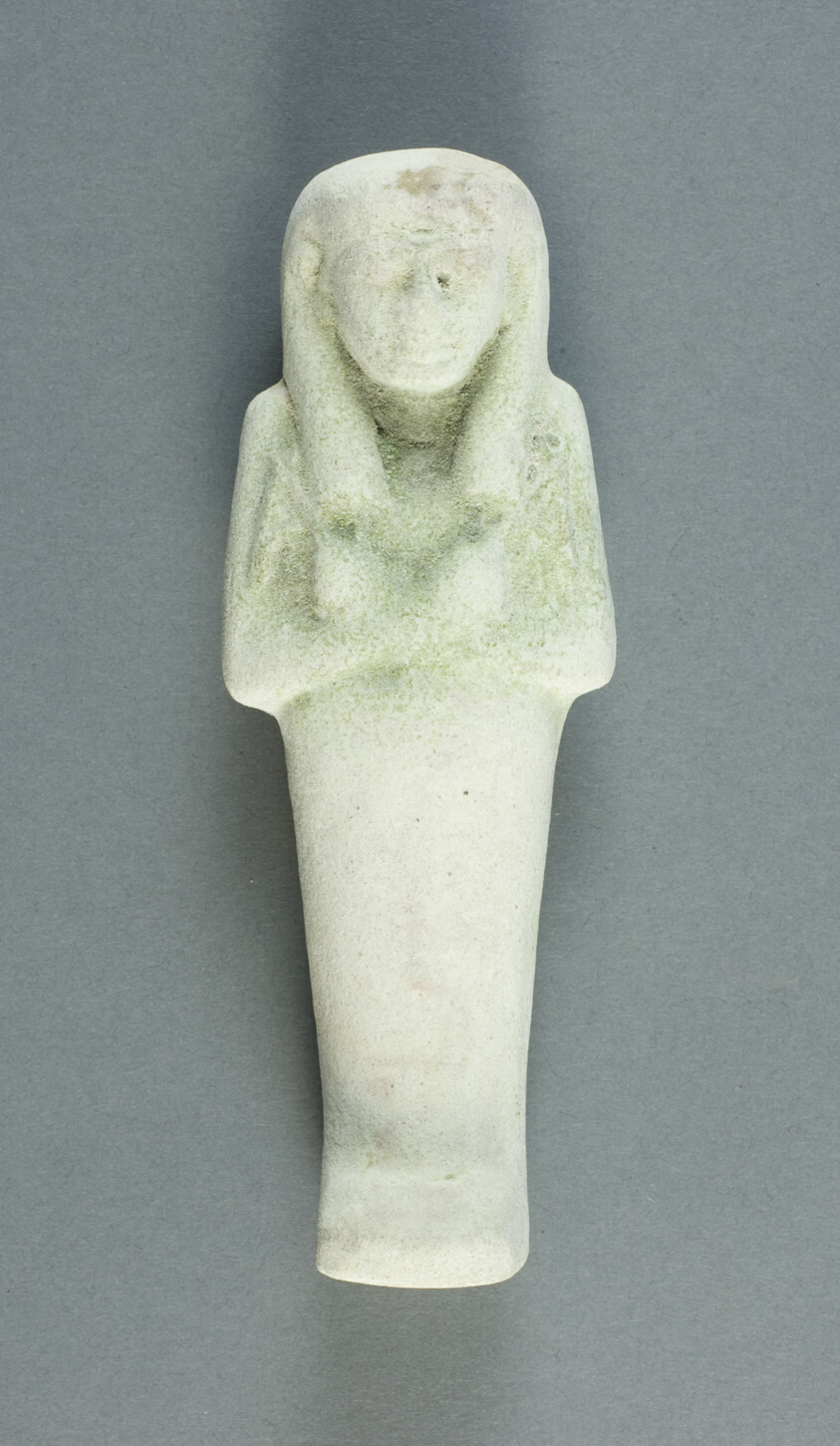
Ushabti (Funerary Figurine) of Horudja
Egyptian; Hawara, Egypt
- Date
- Late Period, Dynasty 30 (380–343 BCE)
- Medium
- Faience
- Culture
- Egypt
- Department
- Arts of Africa
- Institution
- Art Institute of Chicago
To assure themselves a comfortable afterlife, Egyptians stocked their tombs with at least one figurine called an ushabti, who acted as a servant in the afterlife. The message carved on each of the figurines explained that if the deceased is called on to do any work in the afterlife, the ushabti will respond with “Here I am” and will do the job. Some tombs had as many as one ushabti for every day of the year and another 36 overseers to keep order. All but the poorest citizens provided themselves with some kind of funerary furnishings. Products for burial and the labor to produce them made up a large industry in Egypt.
The authoritative record is held by Art Institute of Chicago. LinkedCulture surfaces this object and its connections; it does not alter institutional metadata.
Related across collections
Semantically similar works from Art Institute of Chicago and other institutions.
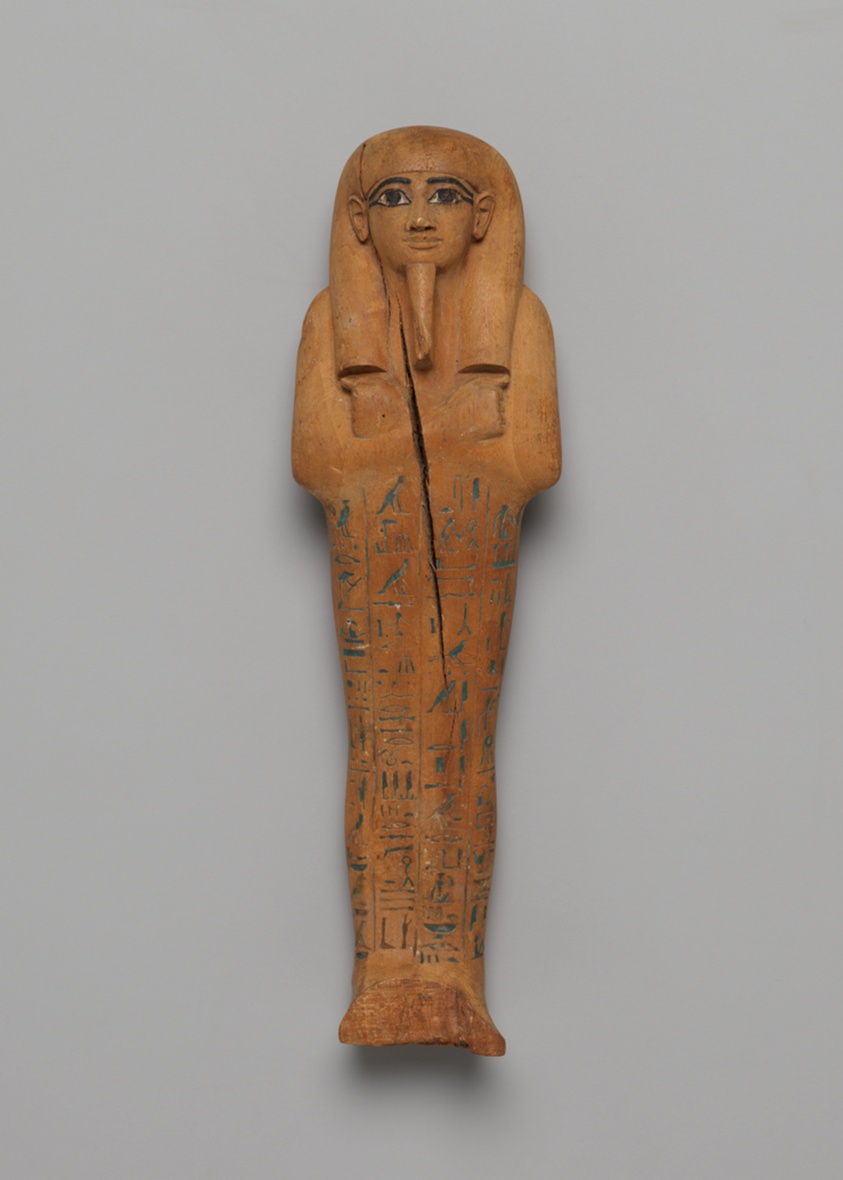
Shabti (Funerary Figurine) of Nebseni
Art Institute of Chicago
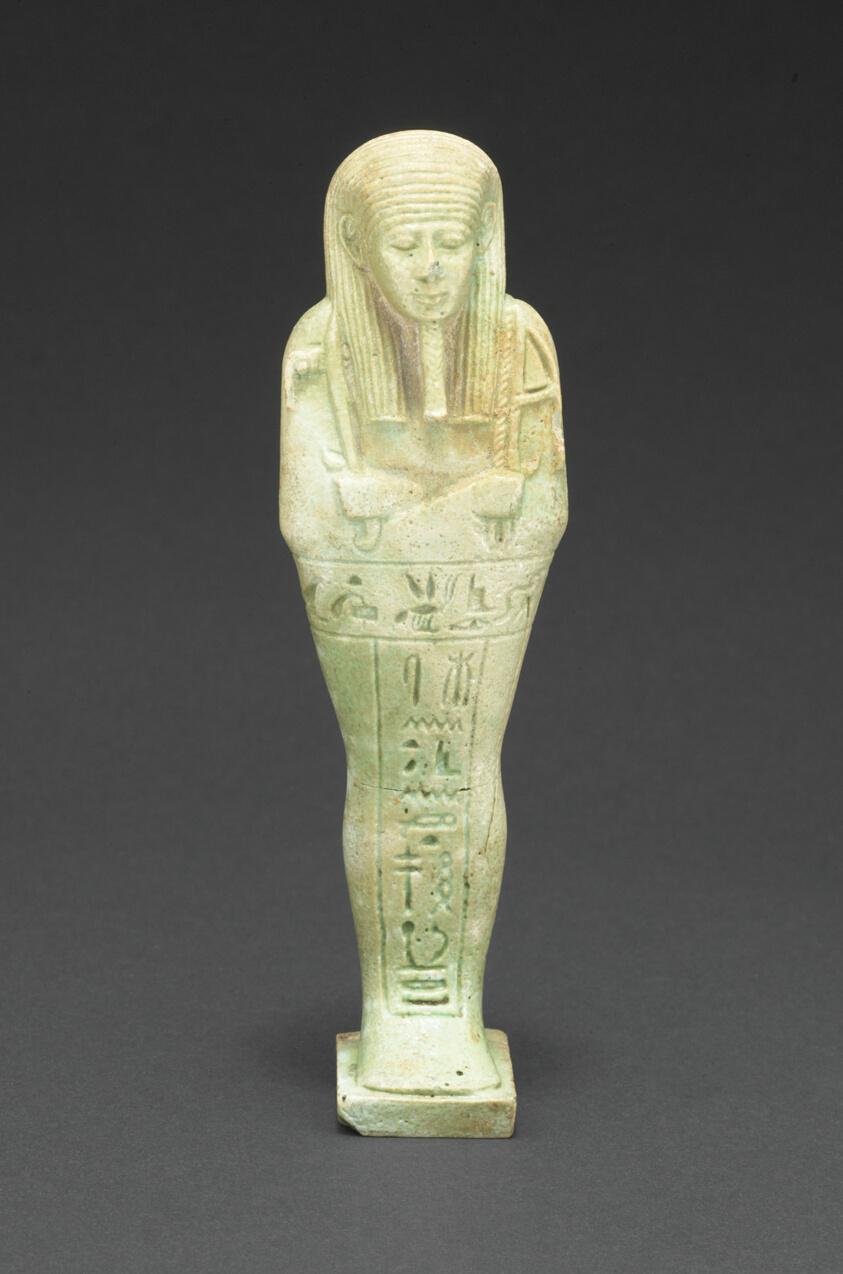
Shabti of Horu
Art Institute of Chicago
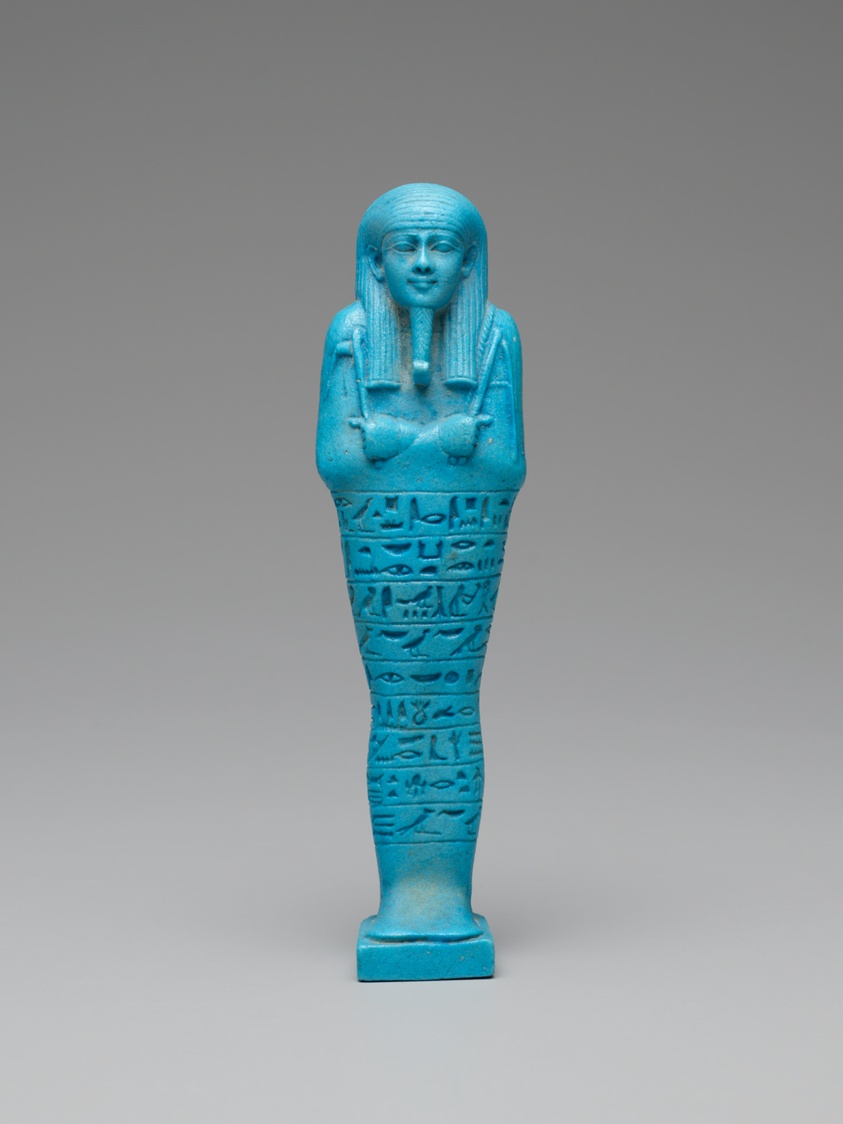
Ushabti (Funerary Figurine) of Psamtek
Art Institute of Chicago
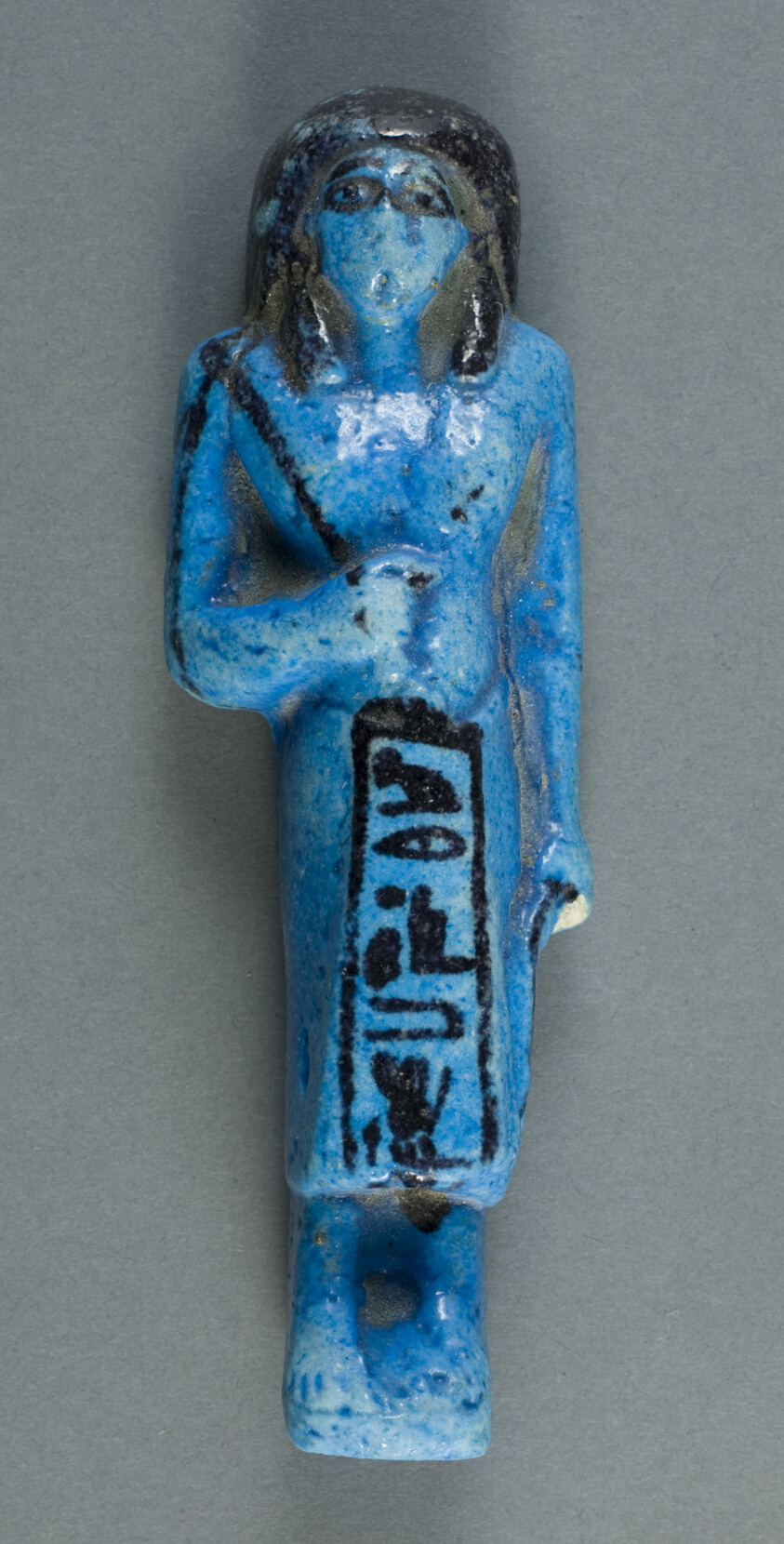
Overseer Shabti of Isetemkheb
Art Institute of Chicago
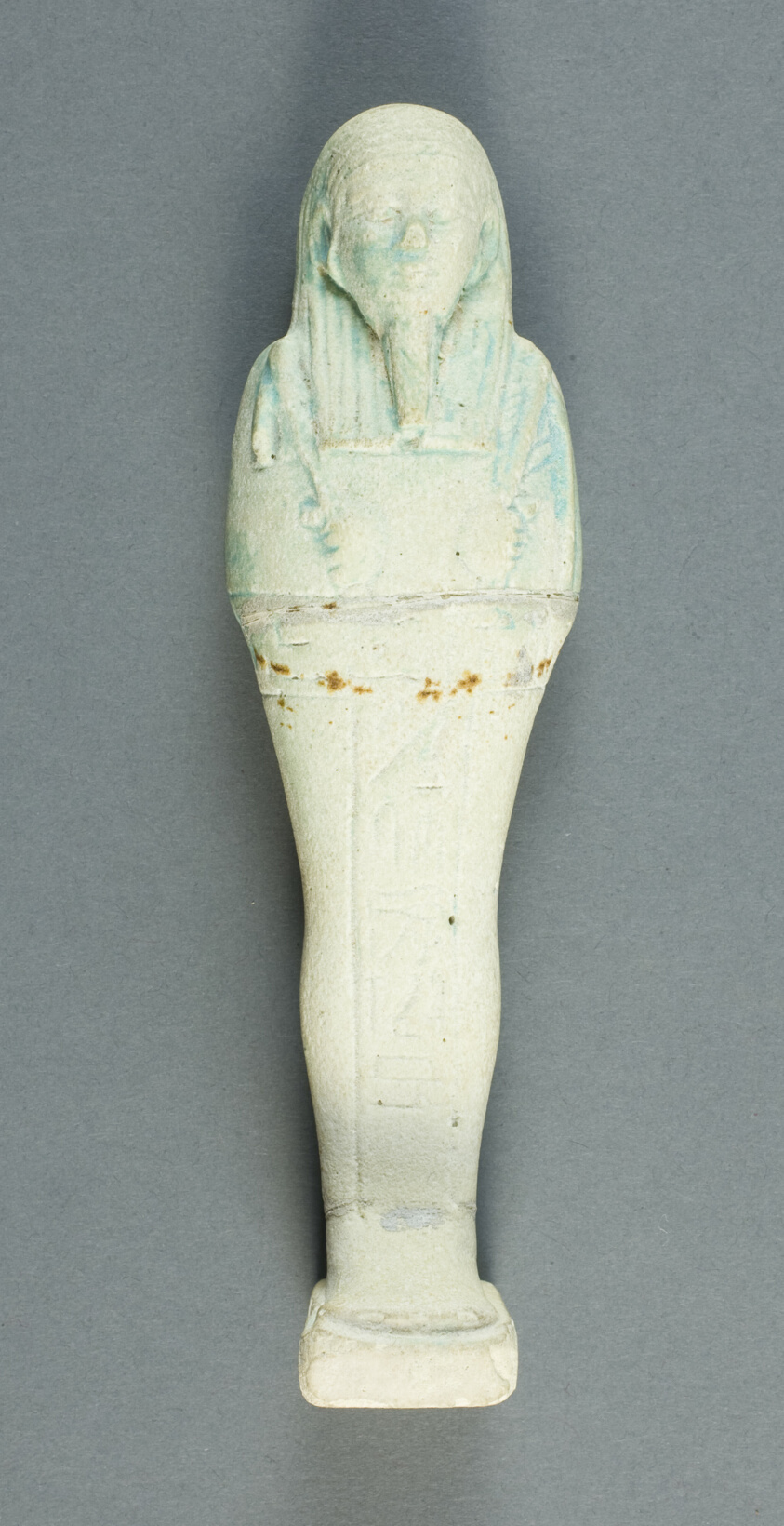
Shabti of Osiris
Art Institute of Chicago
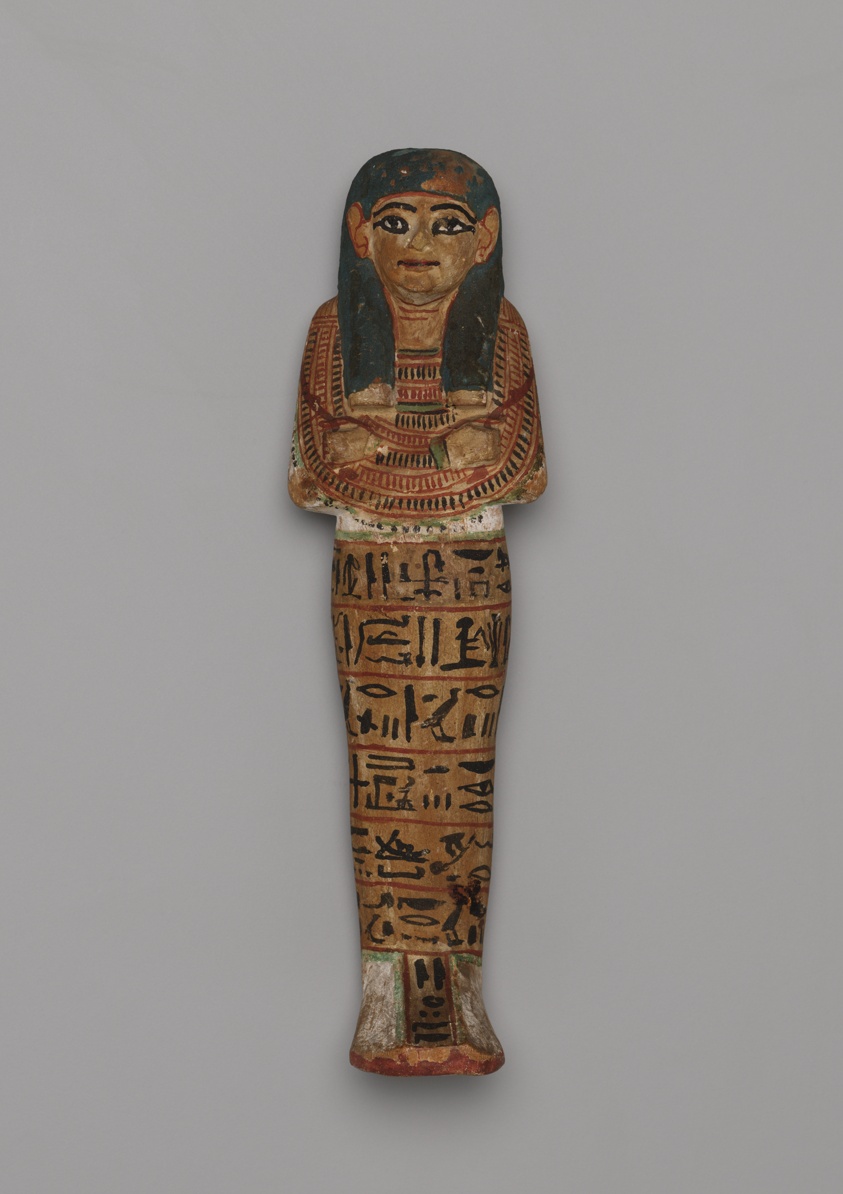
Shabti (Funerary Figurine) of Mayat
Art Institute of Chicago
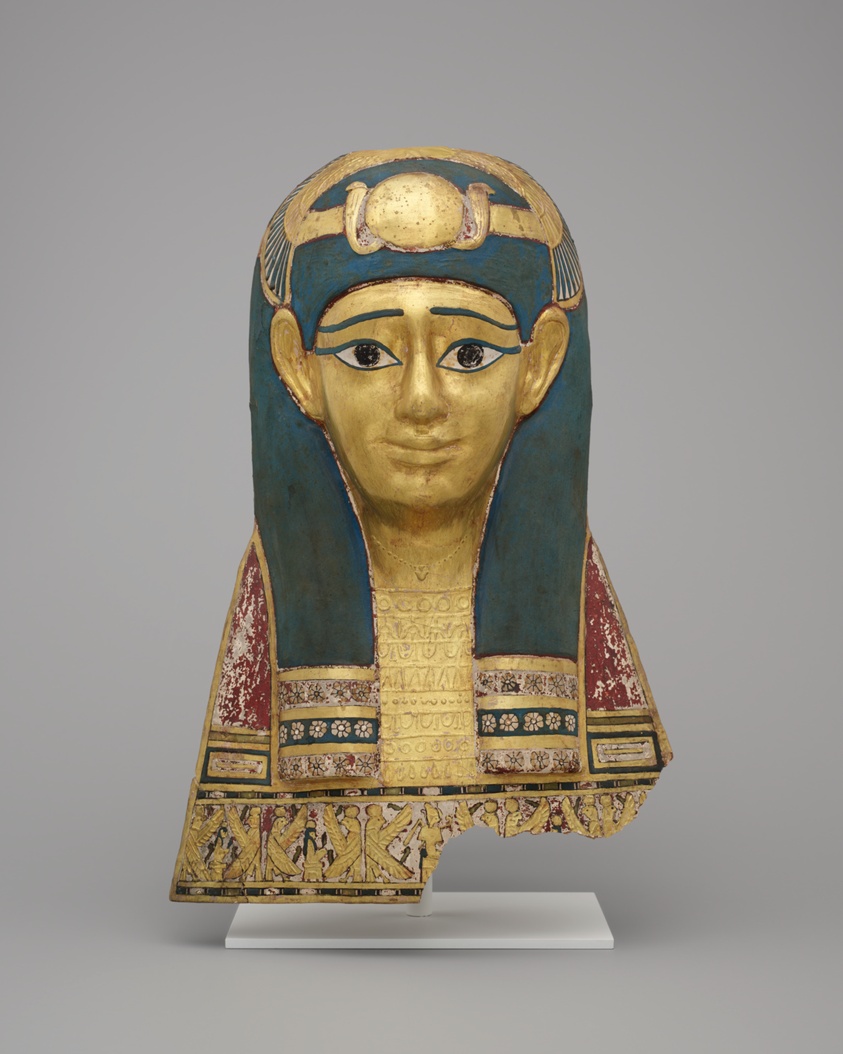
Funerary Mask
Art Institute of Chicago
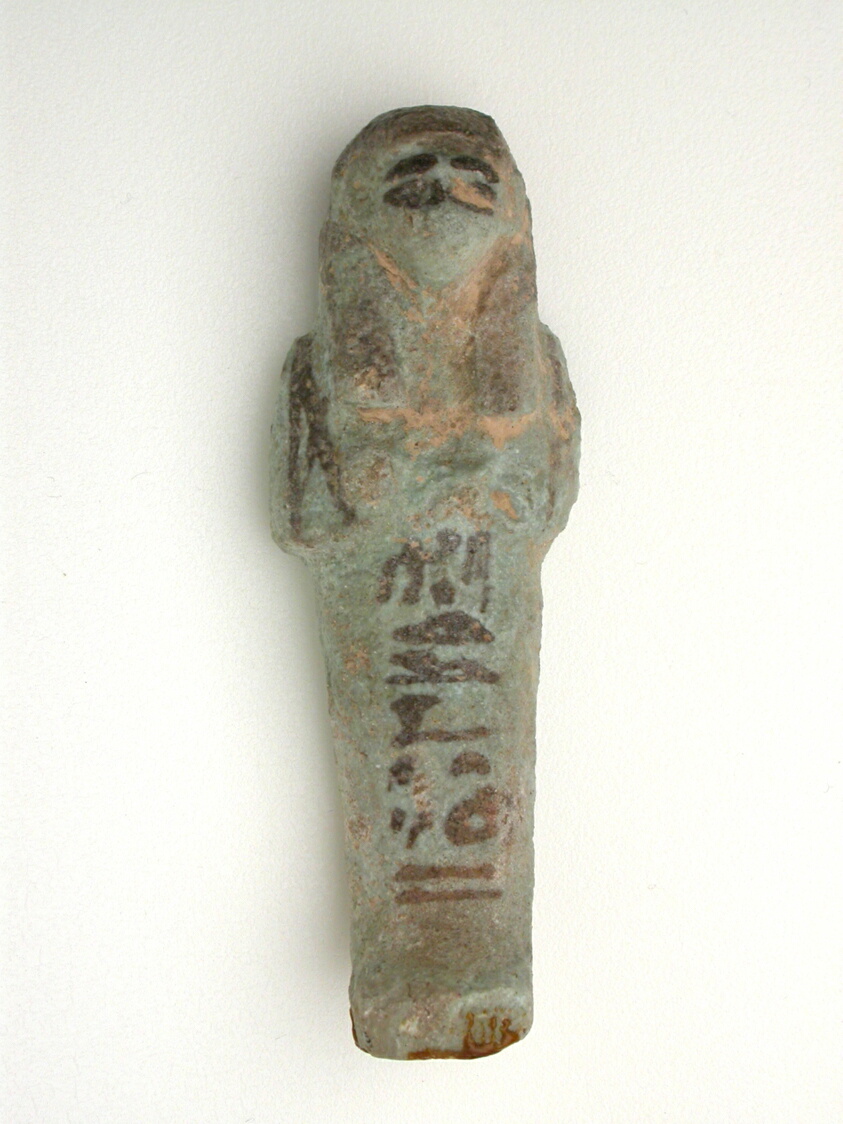
Shabti
Art Institute of Chicago
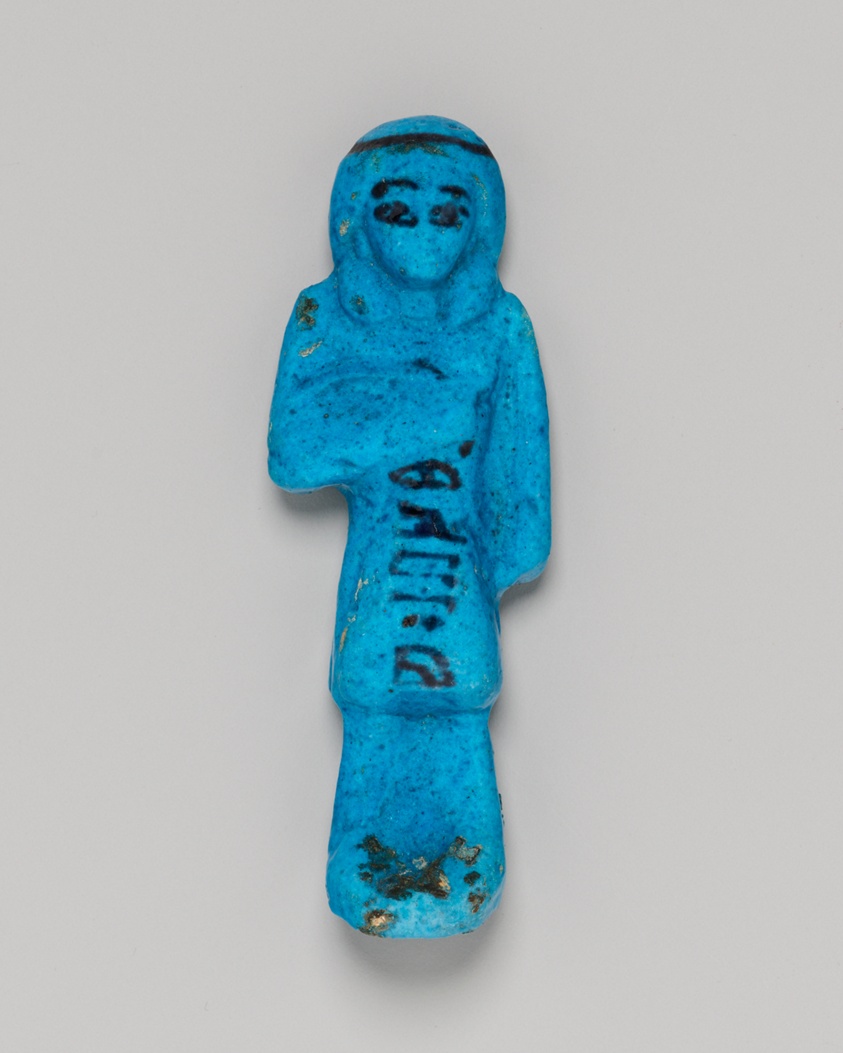
Overseer Shabti of Tjenet-ipet
Art Institute of Chicago
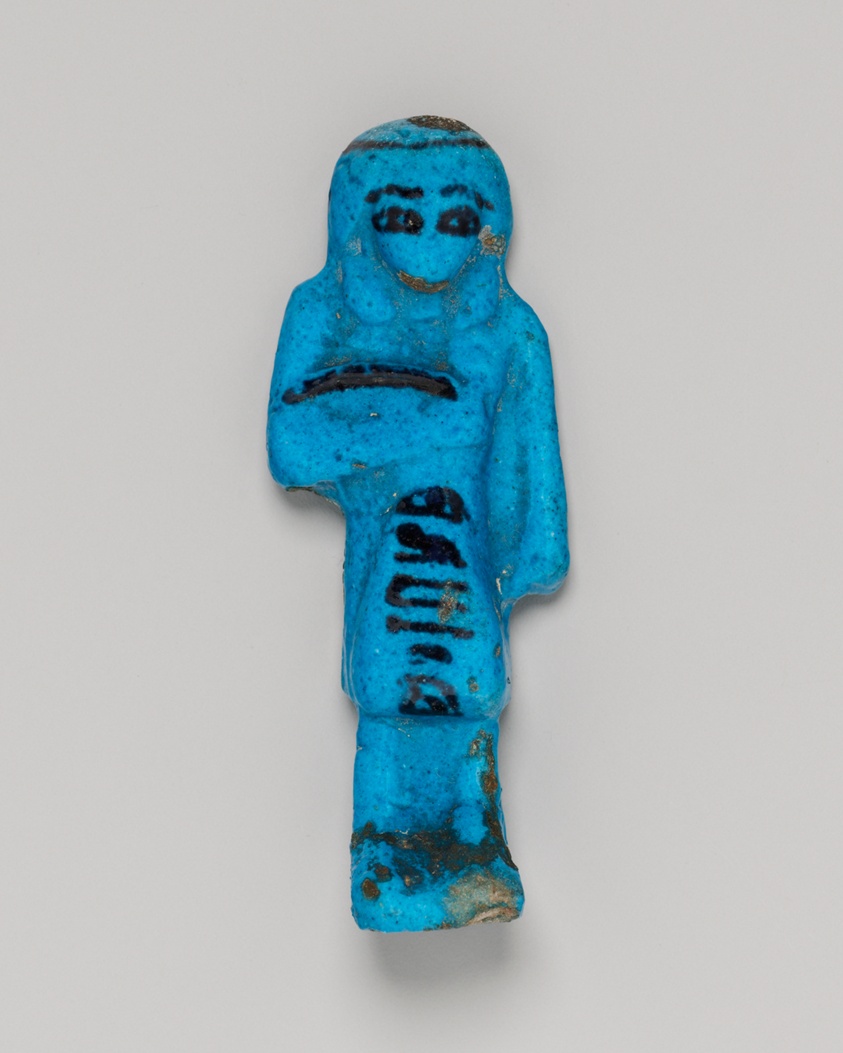
Overseer Shabti of Tjenet-ipet
Art Institute of Chicago
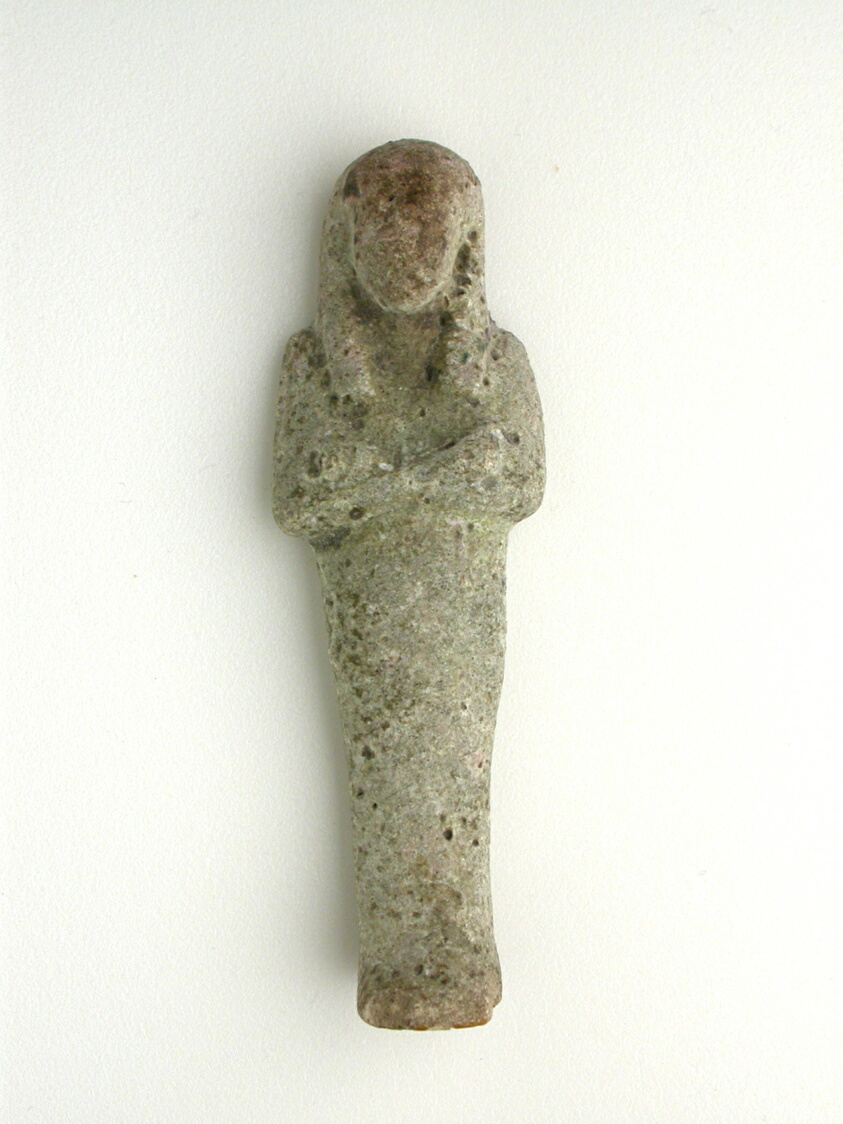
Shabti
Art Institute of Chicago
Shabti
Art Institute of Chicago