Art Institute of Chicago
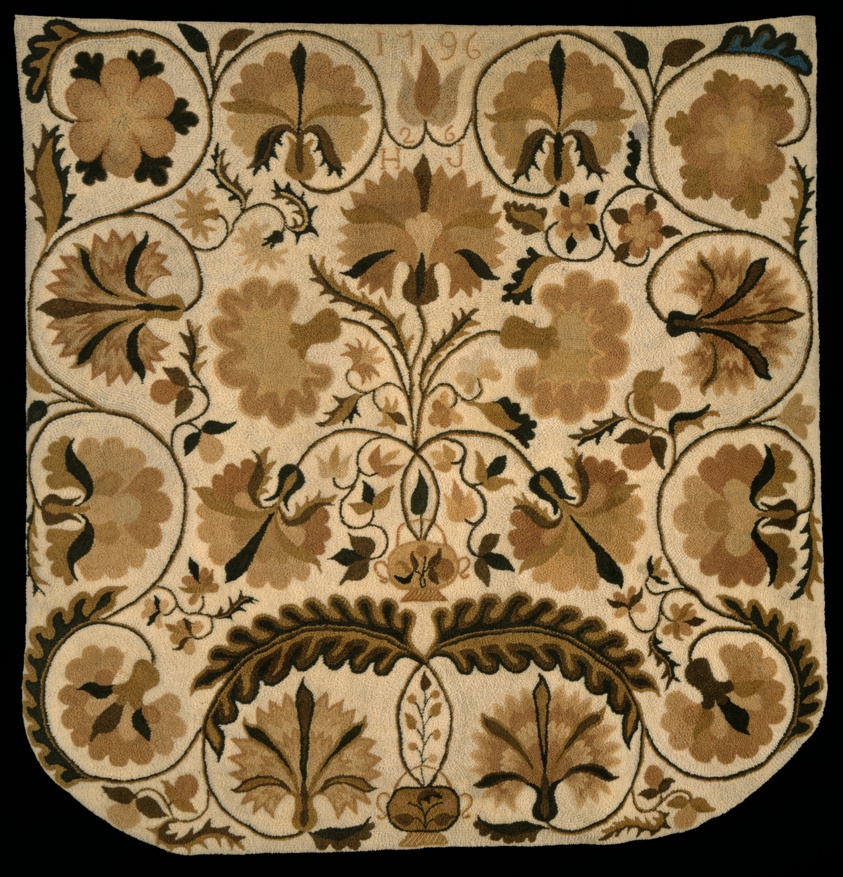
Bed Rug
Hannah Johnson (American, 1770–1848)
- Date
- 1796
- Medium
- Wool, plain weave; with cut pile formed by wool yarns embroidered in looped running stitches
- Culture
- Connecticut
- Department
- Textiles
- Institution
- Art Institute of Chicago
It is not surprising that early American textiles reflect the strong influence of European, especially English, designs and techniques. Materials were scarce and making utilitarian objects such as bedcoverings depended entirely on raw products that could be raised by a family or community. Yet indigenous forms of American needlework did develop, as can be seen in this masterful bed rug. Although the coiling tendrils of its design are reminiscent of motifs that appear in sixteenth- and seventeenth-century English textiles, their application to a bedcovering and the technique of looped running stitches embroidered through a wool support fabric are typically American. The term rugge or rugg appears in colonial inventories, where it refers to a woven yardage fabric used to make bedcovers. Such pieces were unique to the Connecticut River Valley. The information provided by the needlework contributes to the rarity of this piece: the initials H. J. refer to its maker, Hannah Johnson, the daughter of Ebenezer and Anna Johnson. It is dated 1796 and carries the number 26, which indicates that Johnson was twenty-six years old when she made it.
The authoritative record is held by Art Institute of Chicago. LinkedCulture surfaces this object and its connections; it does not alter institutional metadata.
Linked open data
Authority identifiers that link this record into the wider web of cultural data — stable references you can follow to the source.
- Object type
- AAT300014063
Related across collections
Semantically similar works from Art Institute of Chicago and other institutions.
Embroidered Bed Rug
Cleveland Museum of Art
Bedcover
Art Institute of Chicago
Bed Curtain and Valance
Art Institute of Chicago
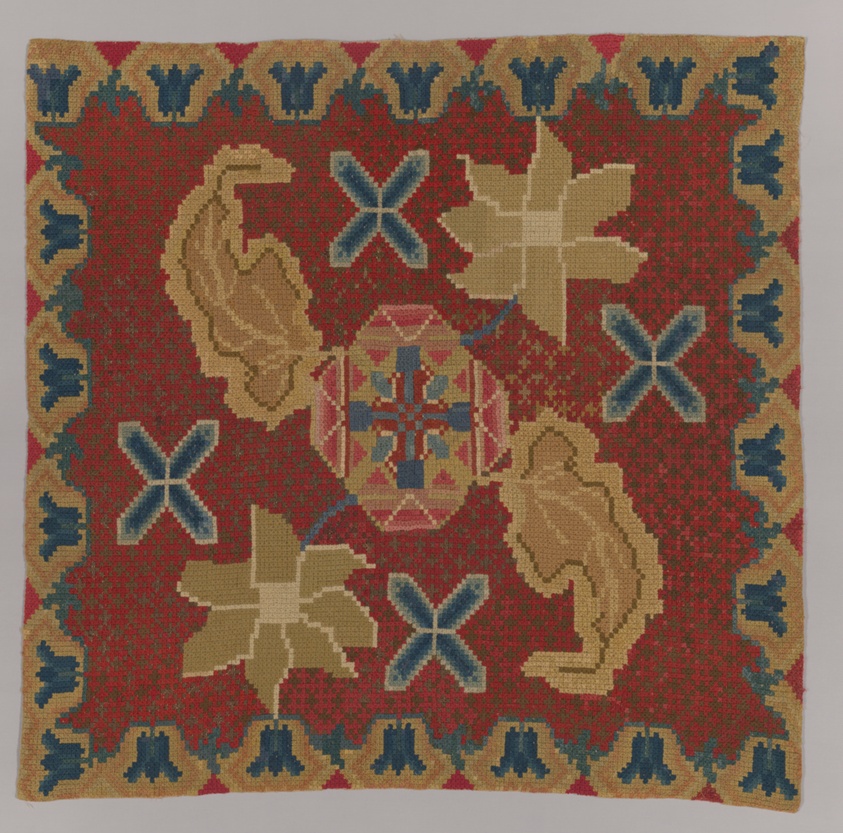
Needlework Rug
Art Institute of Chicago
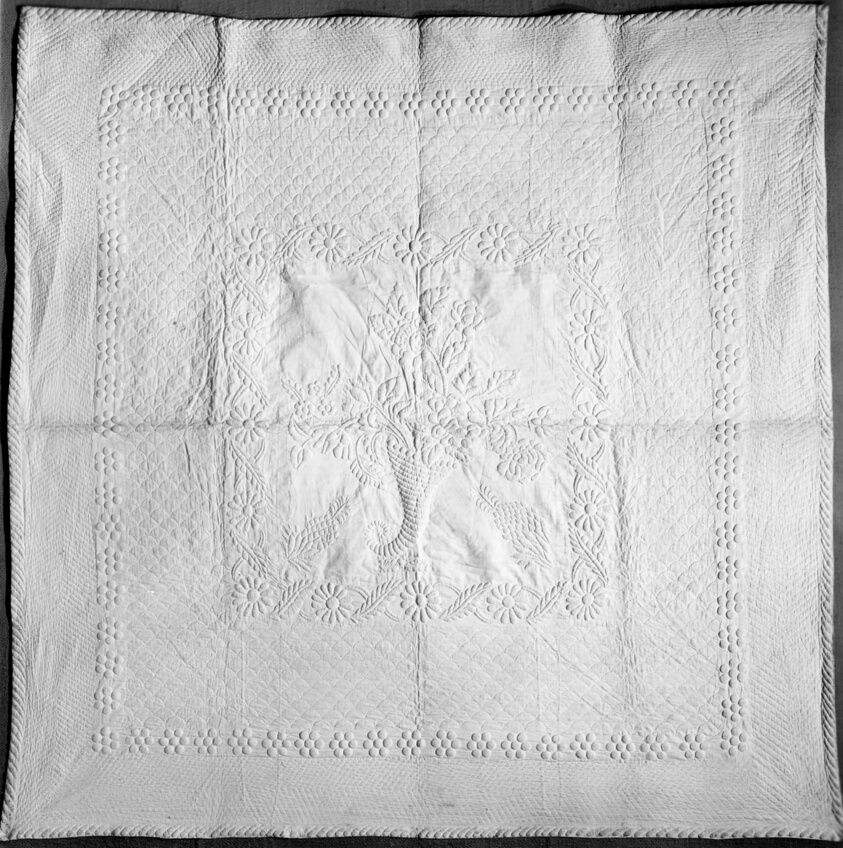
Bedcover
Art Institute of Chicago

Bed Curtain
Minneapolis Institute of Art
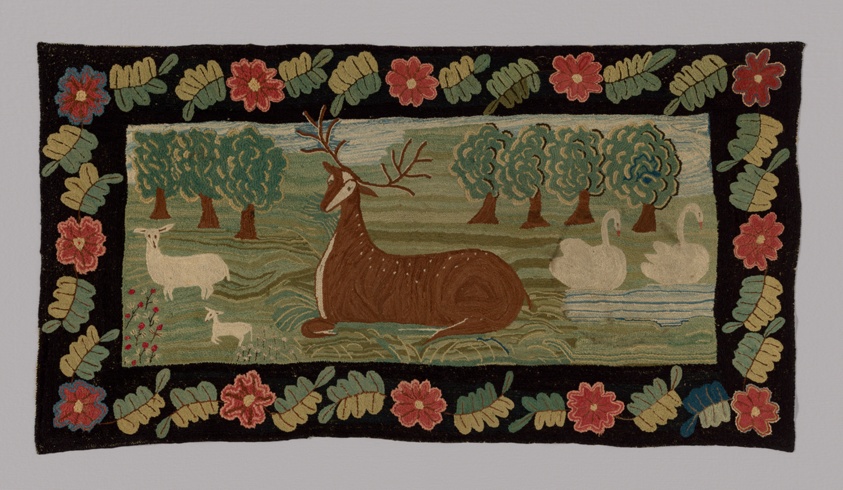
Rug
Art Institute of Chicago
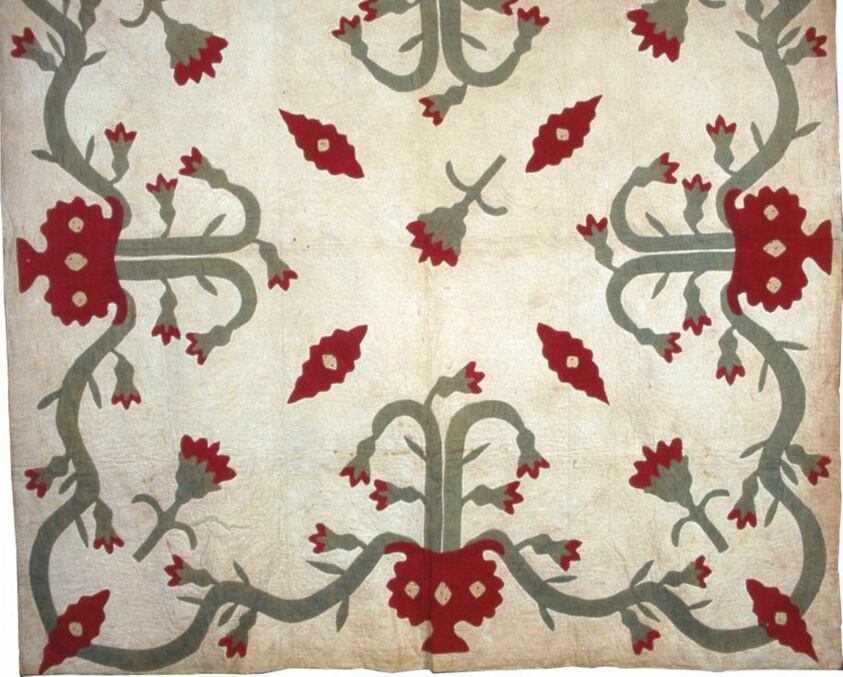
Bedcover
Art Institute of Chicago
Bedcover
Art Institute of Chicago
Bedcover
Art Institute of Chicago
Bedcover
Art Institute of Chicago
Bedcover
Art Institute of Chicago