Art Institute of Chicago
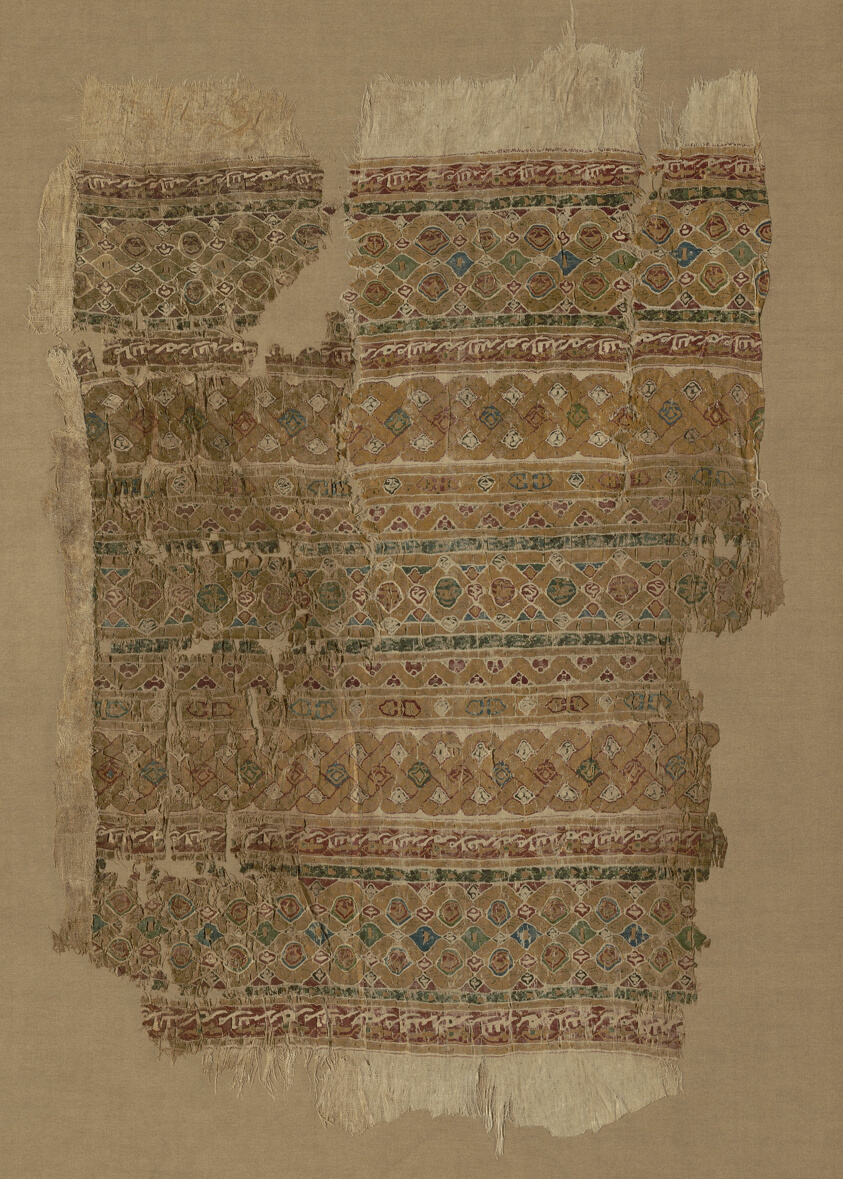
Fragment
Egypt
- Date
- Fatimid period (969–1171), late 11th/early 12th century
- Medium
- Silk, tapestry weave
- Culture
- Egypt
- Department
- Textiles
- Institution
- Art Institute of Chicago
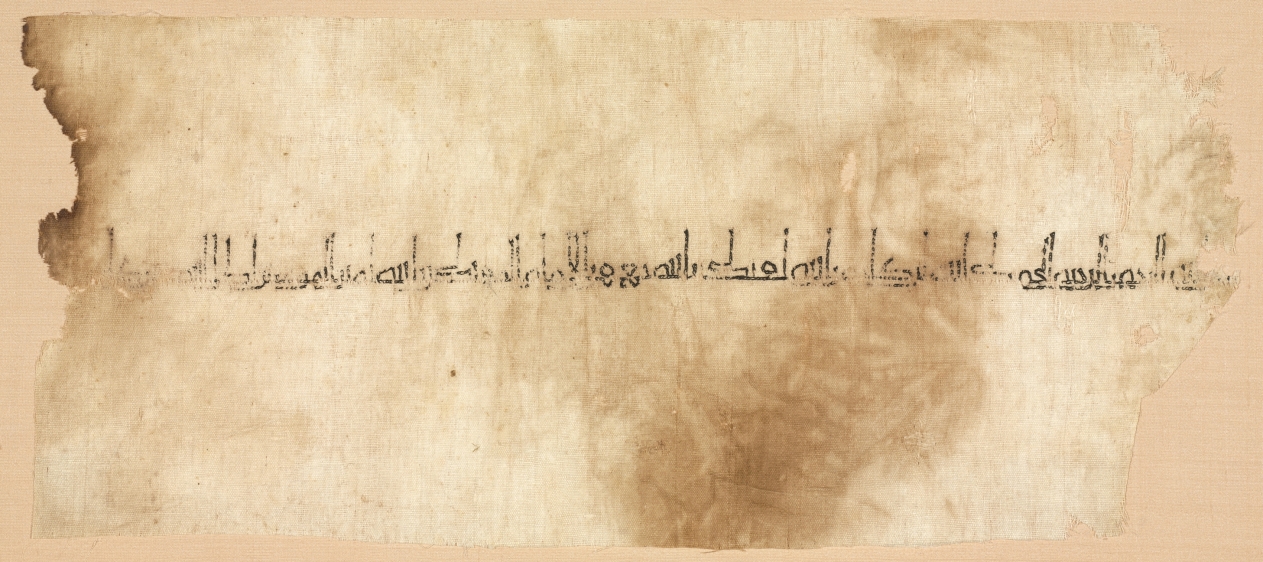
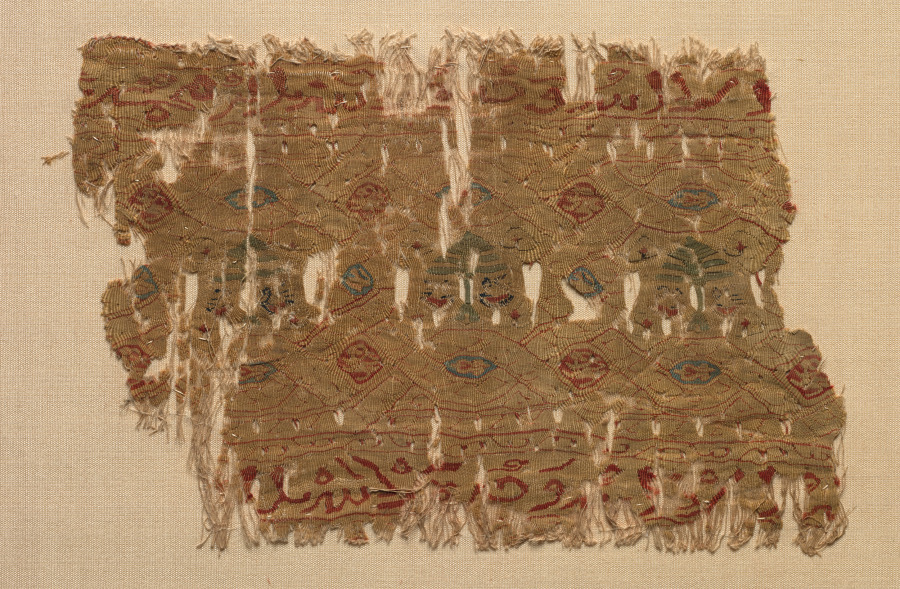
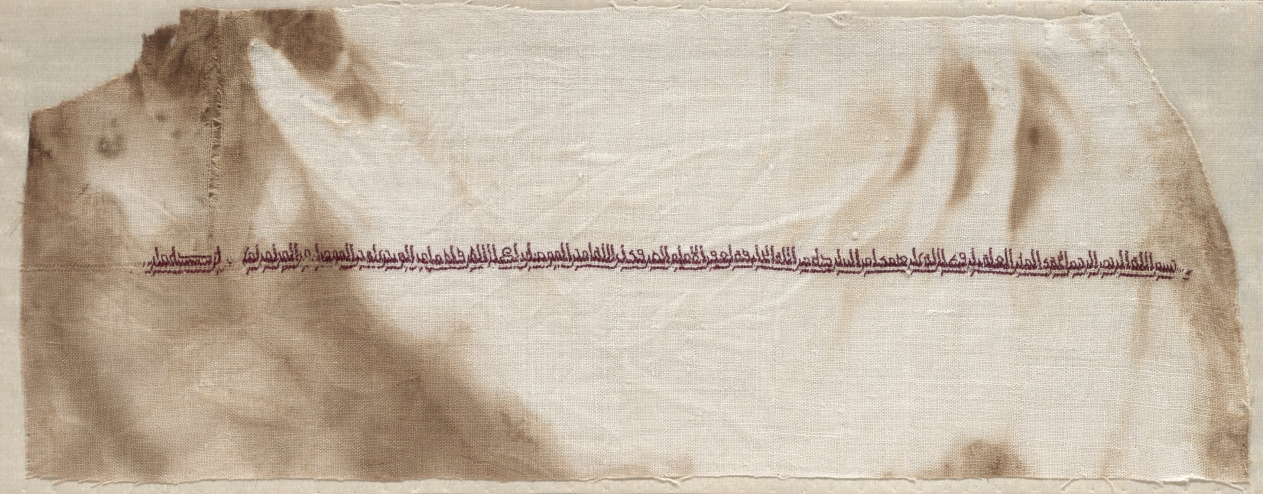
In early and medieval times (from the late 7th century to about 1200), throughout the Islamic world, state-owned factories produced textiles both for use at court and for commercial sale. Known as tiraz (after the word for embroidery, suggesting the original technique), these textiles were intended as furnishing fabrics or robes, to be conferred as royal gifts. early examples were decorated with narrow bands of ornament and inscriptions that often included the name of the patron and the location of the factory. Later examples tend to be more decorative.
The authoritative record is held by Art Institute of Chicago. LinkedCulture surfaces this object and its connections; it does not alter institutional metadata.
Linked open data
Authority identifiers that link this record into the wider web of cultural data — stable references you can follow to the source.
- Object type
- AAT300014063
Related across collections
Semantically similar works from Art Institute of Chicago and other institutions.
Fragment of a Tiraz
Cleveland Museum of Art
Fragment of a Tiraz
Cleveland Museum of Art
Fragment of a Tiraz
Cleveland Museum of Art
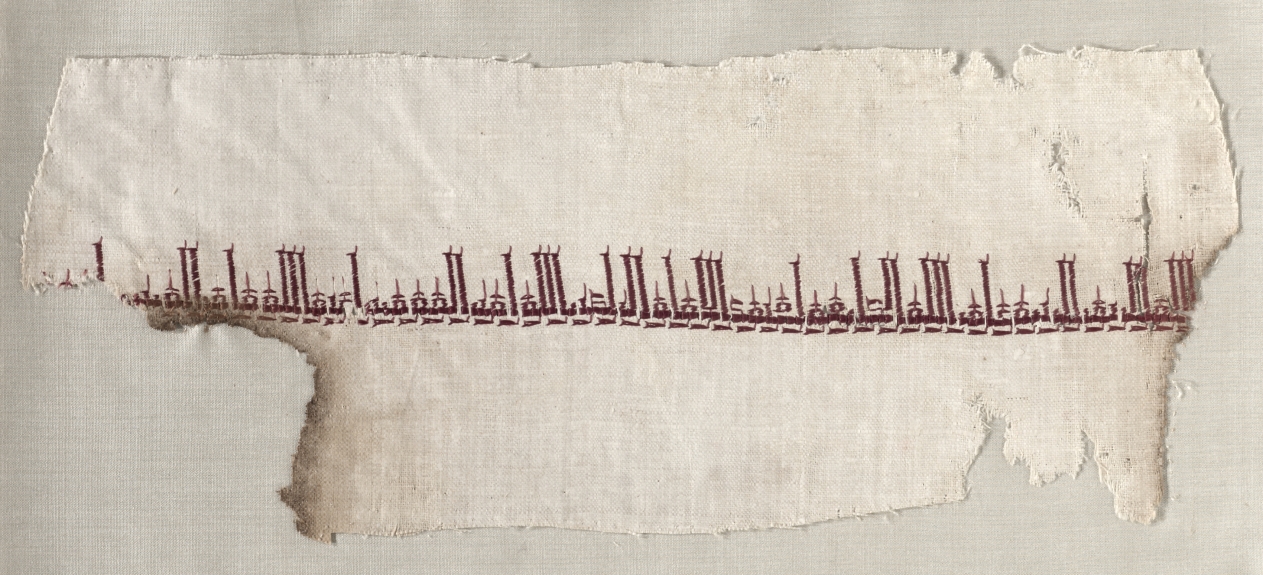
Fragment of a Tiraz
Cleveland Museum of Art
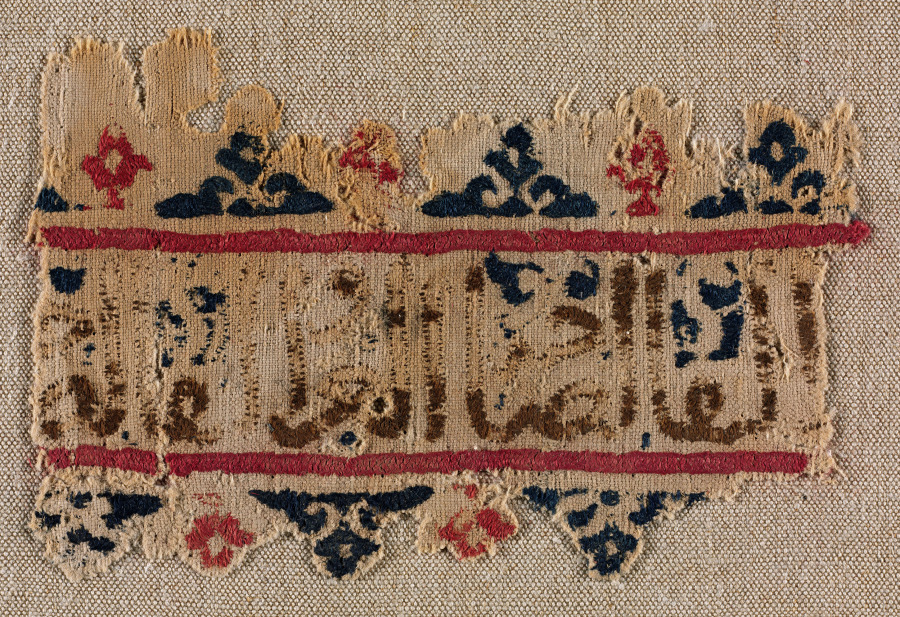
Fragment of a Tiraz-Style Textile
Cleveland Museum of Art
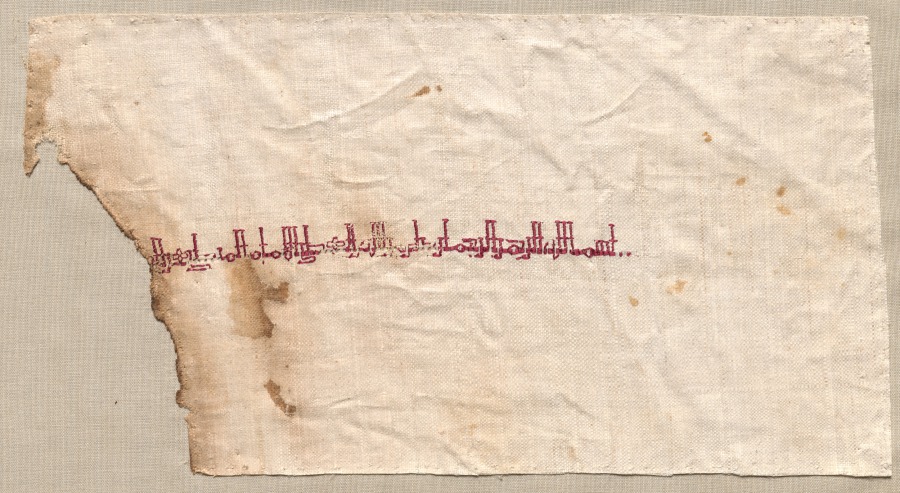
Fragment of a Tiraz
Cleveland Museum of Art
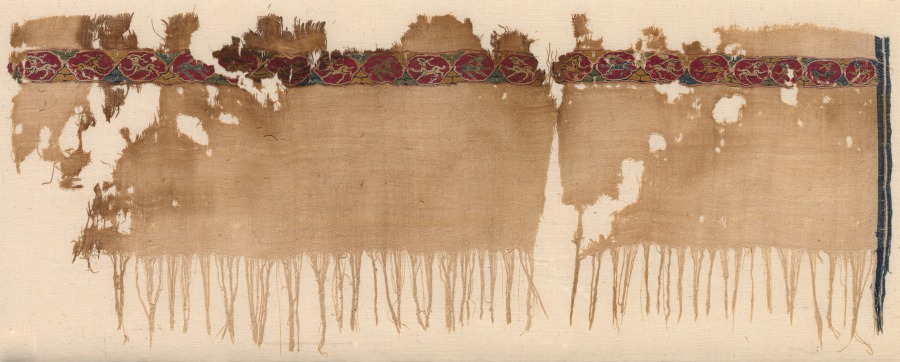
Fragment of a Tiraz
Cleveland Museum of Art

Fragment of a Tiraz
Cleveland Museum of Art
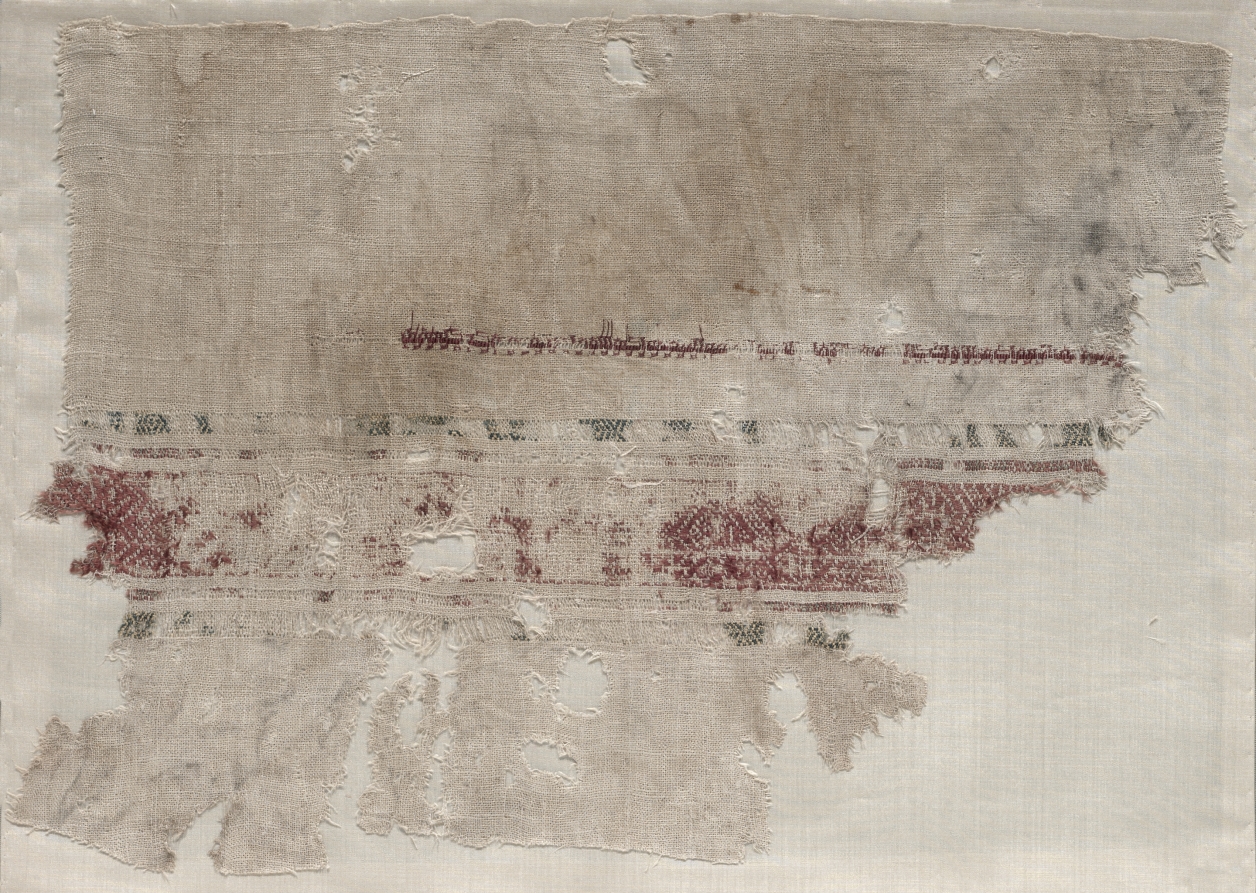
Fragment of a Tiraz
Cleveland Museum of Art
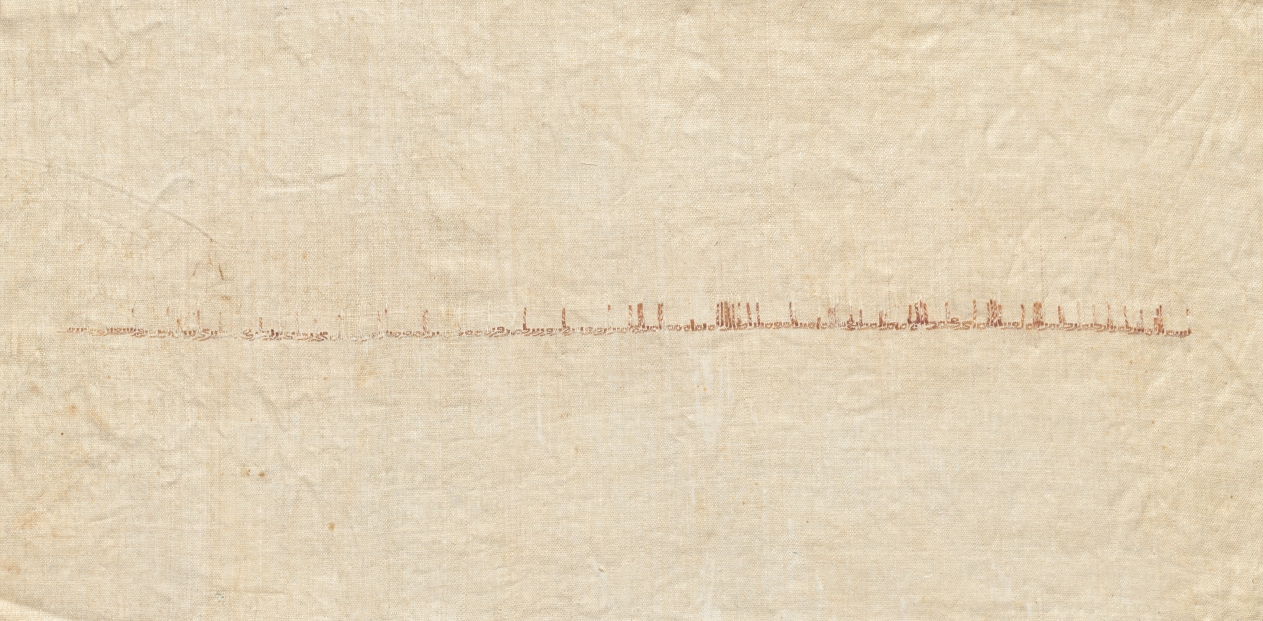
Fragment of a Tiraz
Cleveland Museum of Art
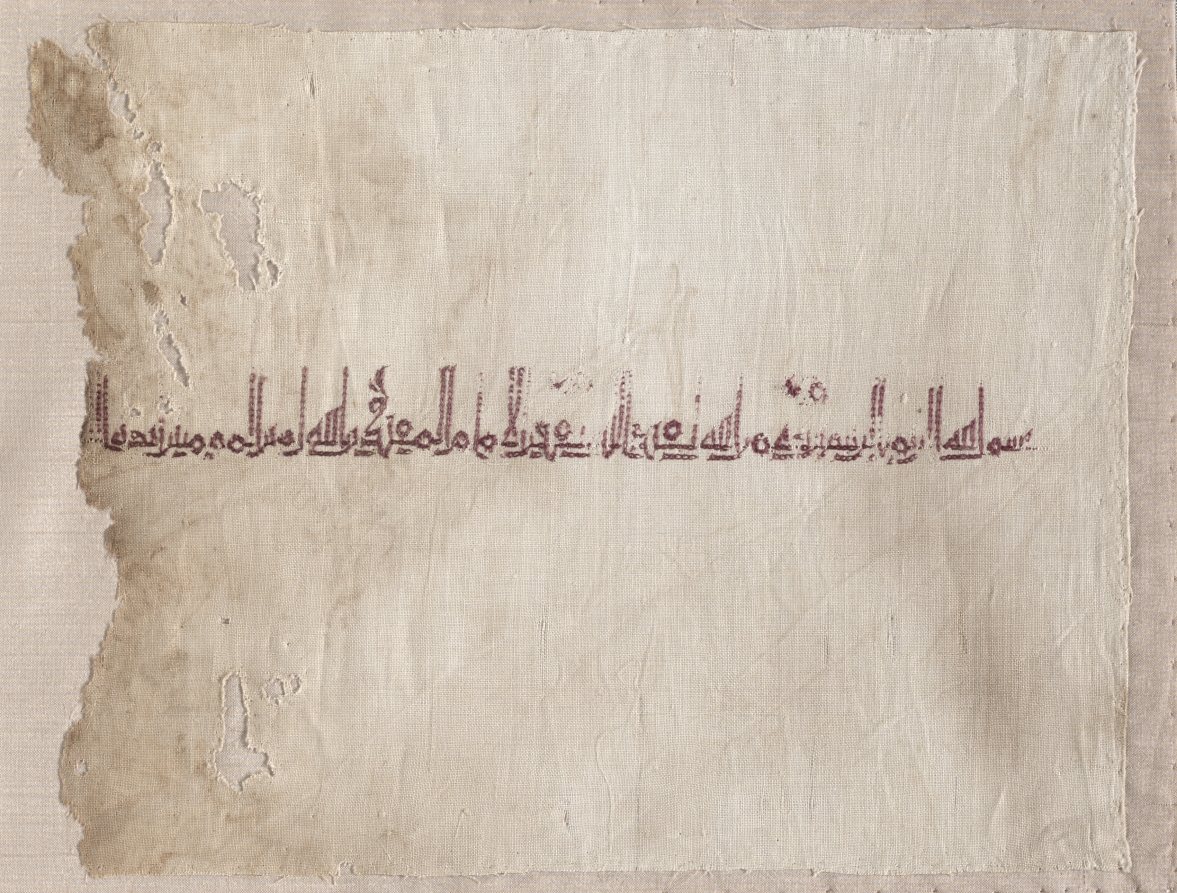
Fragmentary embroidered tiraz
Cleveland Museum of Art
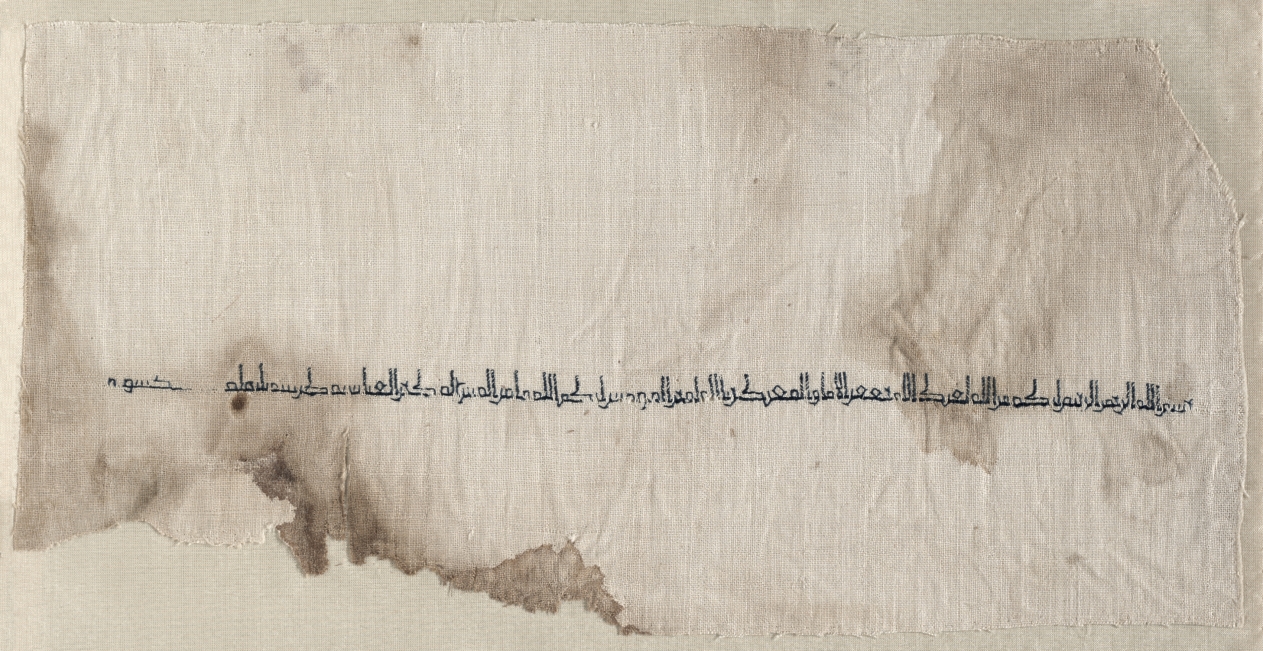
Fragment of a Tiraz
Cleveland Museum of Art