Art Institute of Chicago
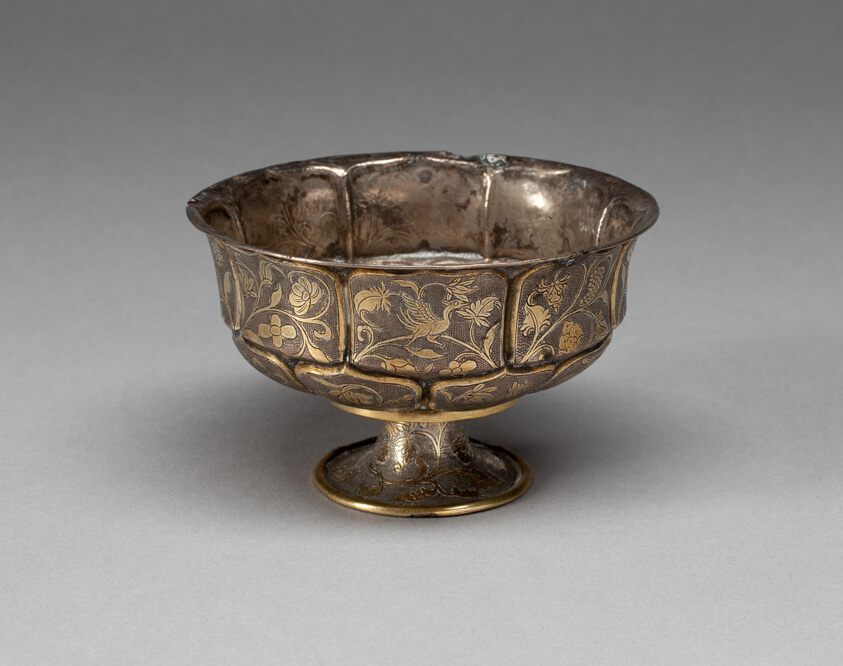
Stem Cup
China
- Date
- Tang dynasty (618–907), 9th century
- Medium
- Silver with parcel gilt decoration
- Culture
- China
- Department
- Arts of Asia
- Institution
- Art Institute of Chicago
The form of this wine cup was inspired by goblets made in the Sasanian and Sogdian empires, but originally derived from Hellenistic styles of the Mediterranean world. Its low, spreading foot gently flares into faceted petals suggesting a lotus flower. Since the introduction of Buddhism to China, the lotus—which emerges unstained from muddy water and therefore carries associations of purity and non-attachment to worldly concerns—had become a pervasive motif in secular as well as religious art. Two layers of petals, beaten in repousse, enclose birds, floral sprays, and clusters of grapes—all delicately chased and gilded against a ringmatted ground. This mixture of native and imported decorative motifs, which followed the seventh-century introduction of grapevines and grape wine from Iranian and Turkic lands, is executed with a linear fluency that is distinctively Chinese.
The authoritative record is held by Art Institute of Chicago. LinkedCulture surfaces this object and its connections; it does not alter institutional metadata.
Linked open data
Authority identifiers that link this record into the wider web of cultural data — stable references you can follow to the source.
- Object type
- AAT300411641
Related across collections
Semantically similar works from Art Institute of Chicago and other institutions.
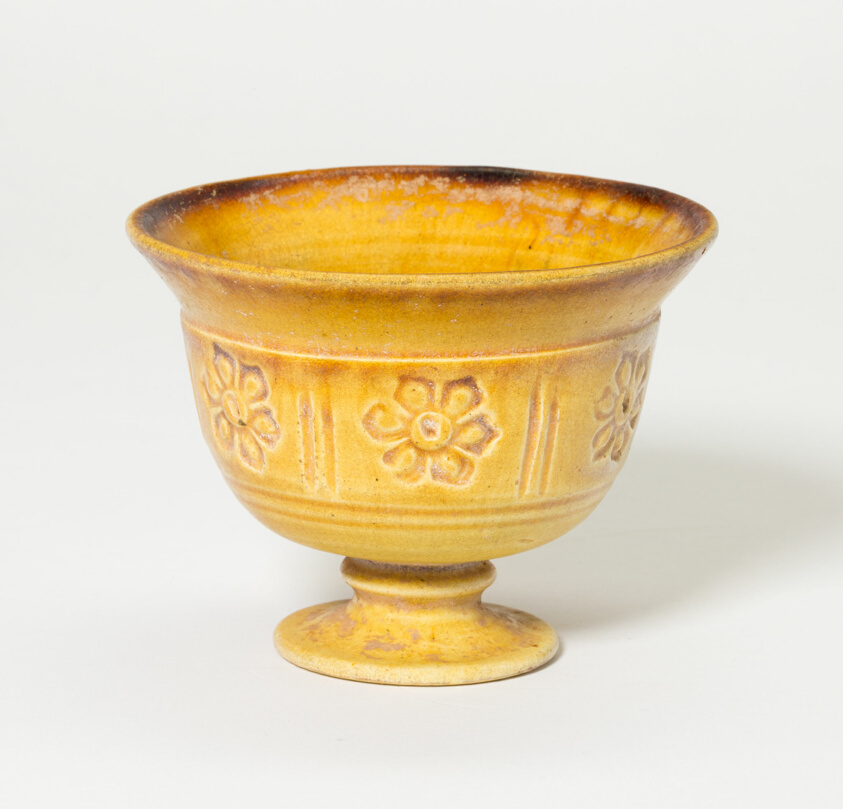
Stem Cup with Florets
Art Institute of Chicago
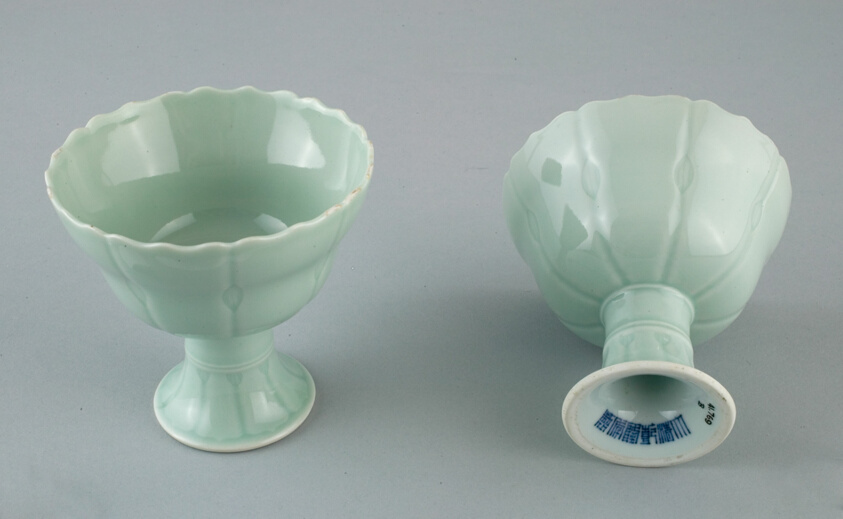
Lotus Stemcup
Art Institute of Chicago
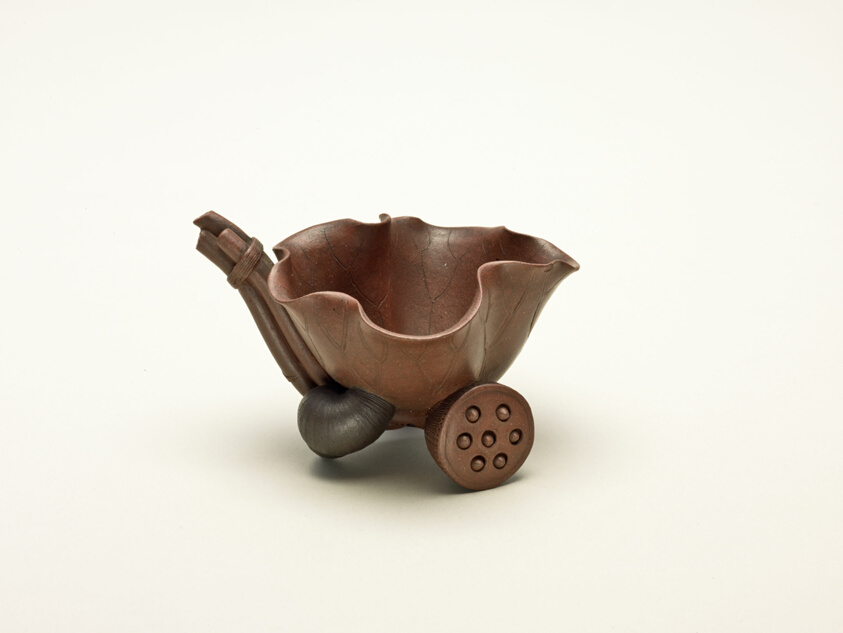
Lotus Cup
Art Institute of Chicago
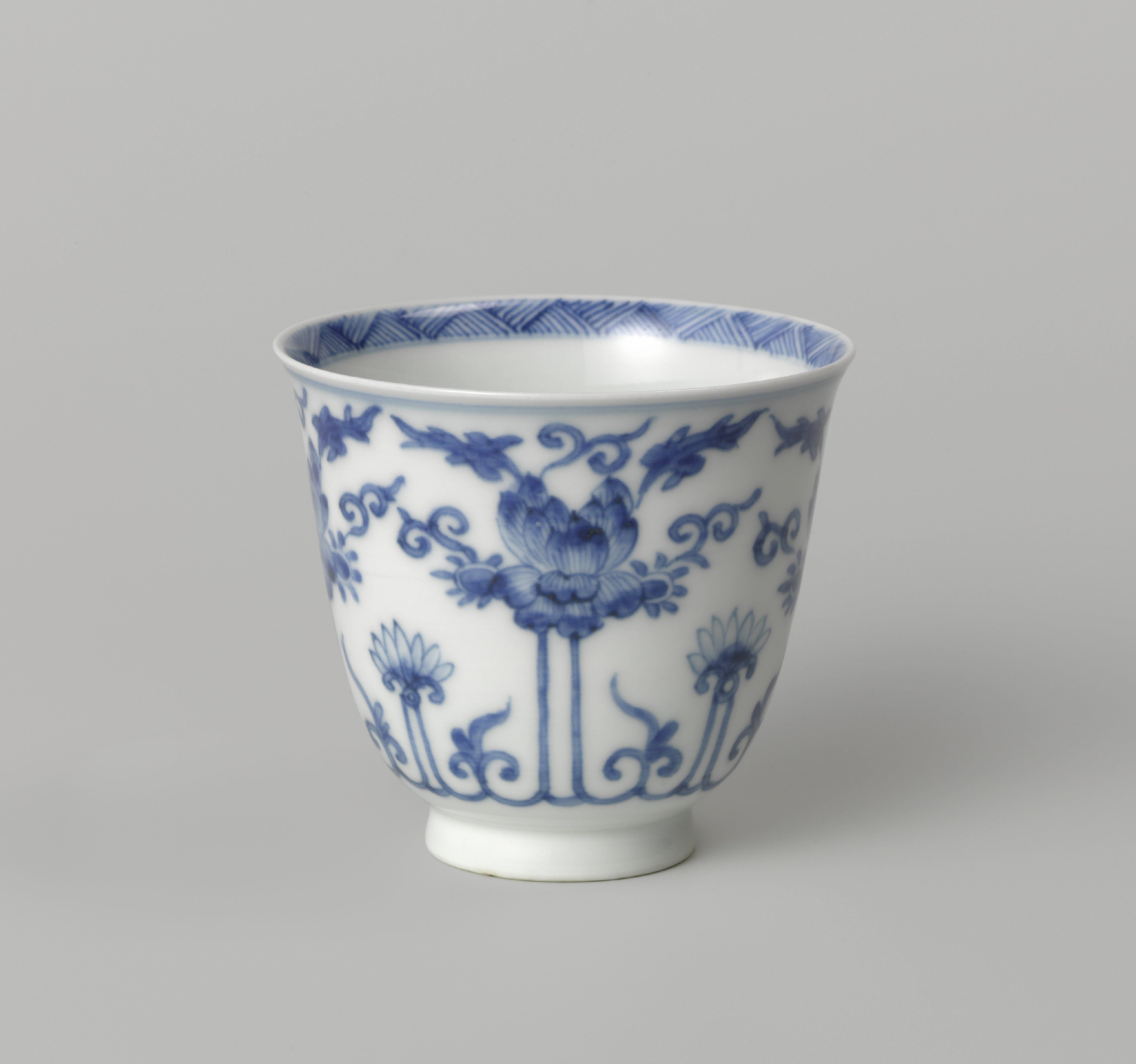
Bell-shaped cup with lotus scrolls
Rijksmuseum
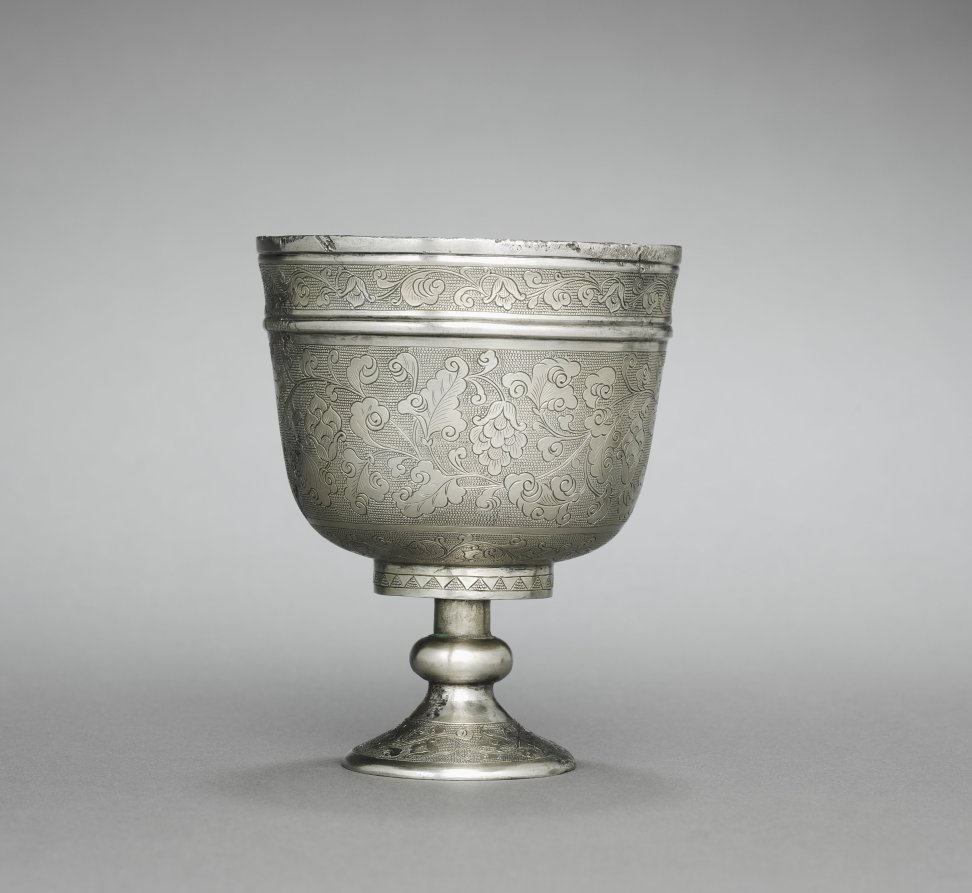
Stem Cup
Cleveland Museum of Art
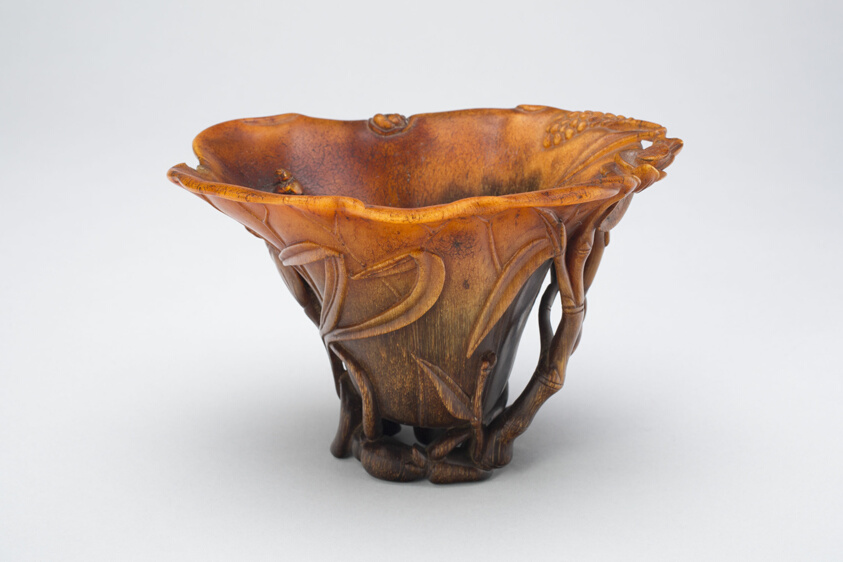
Cup in the Form of an Open Lotus Leaf, with Water Weeds and Grasses Amongst Lotus Buds and Stalks
Art Institute of Chicago
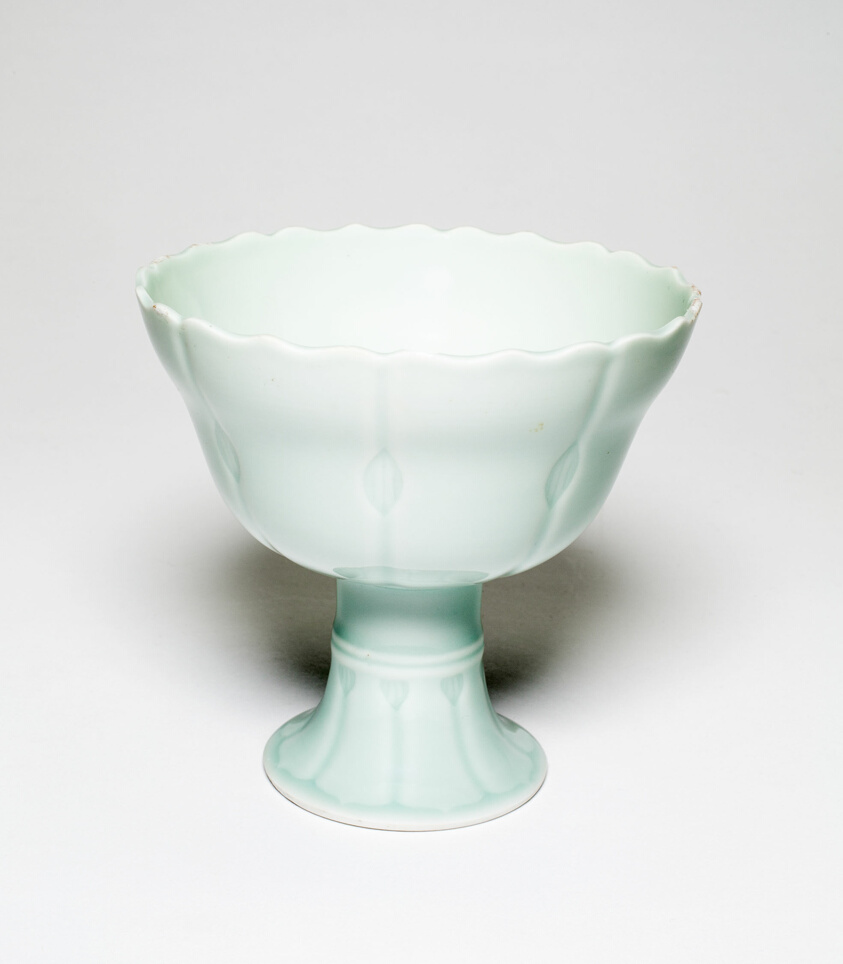
Celadon glazed lotus stemcup
Art Institute of Chicago
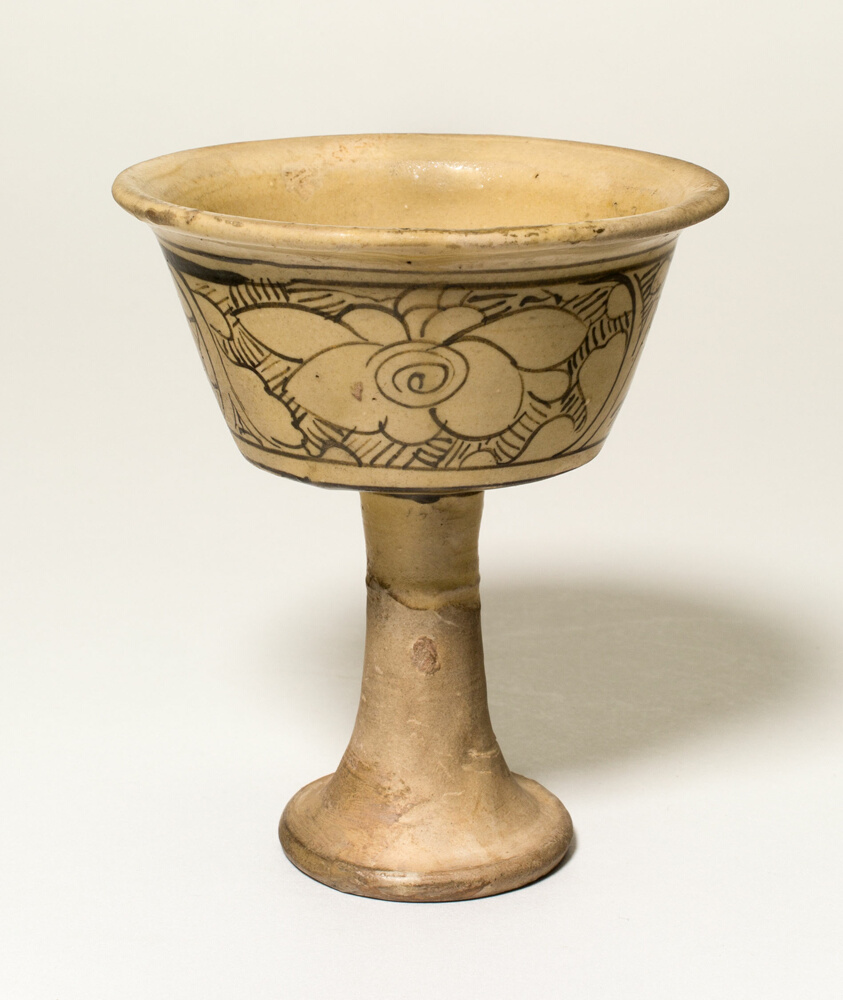
Stem Cup with Flowers
Art Institute of Chicago
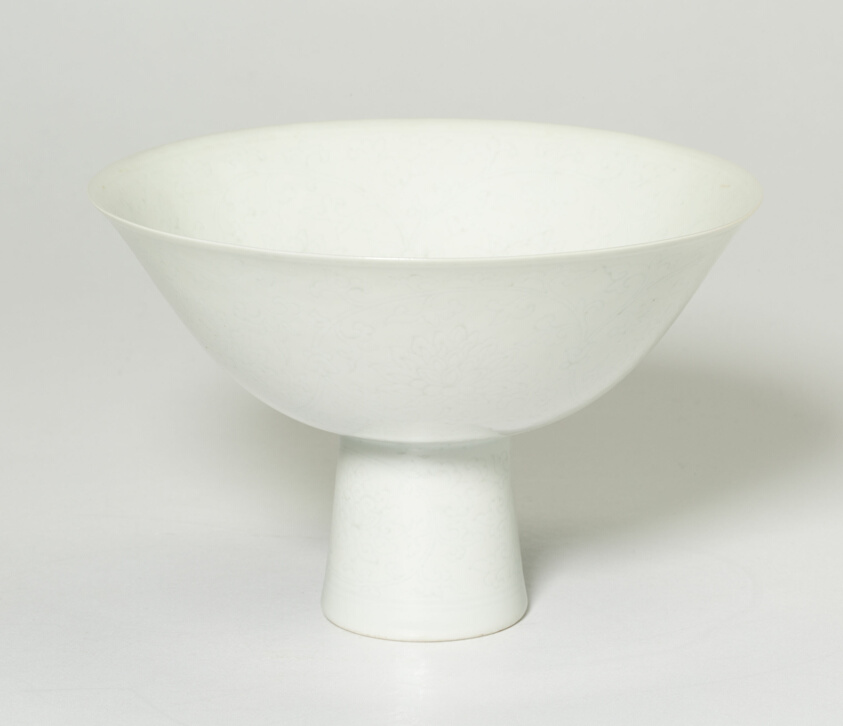
Stem Cup
Art Institute of Chicago
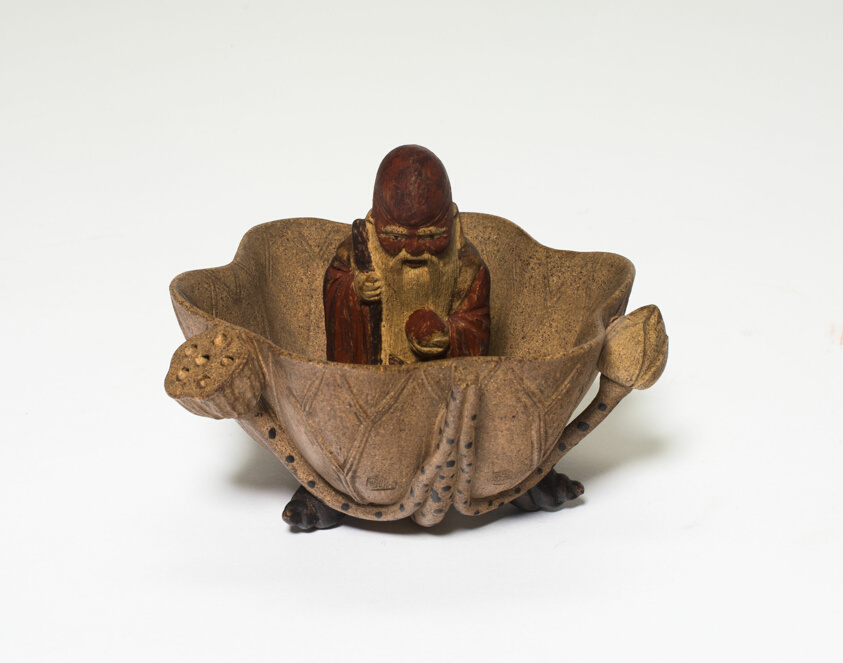
Cup in the Shape of a Lotus Flower with a Figure of an Immortal
Art Institute of Chicago

Stemmed and Prunted Goblet
Getty Museum
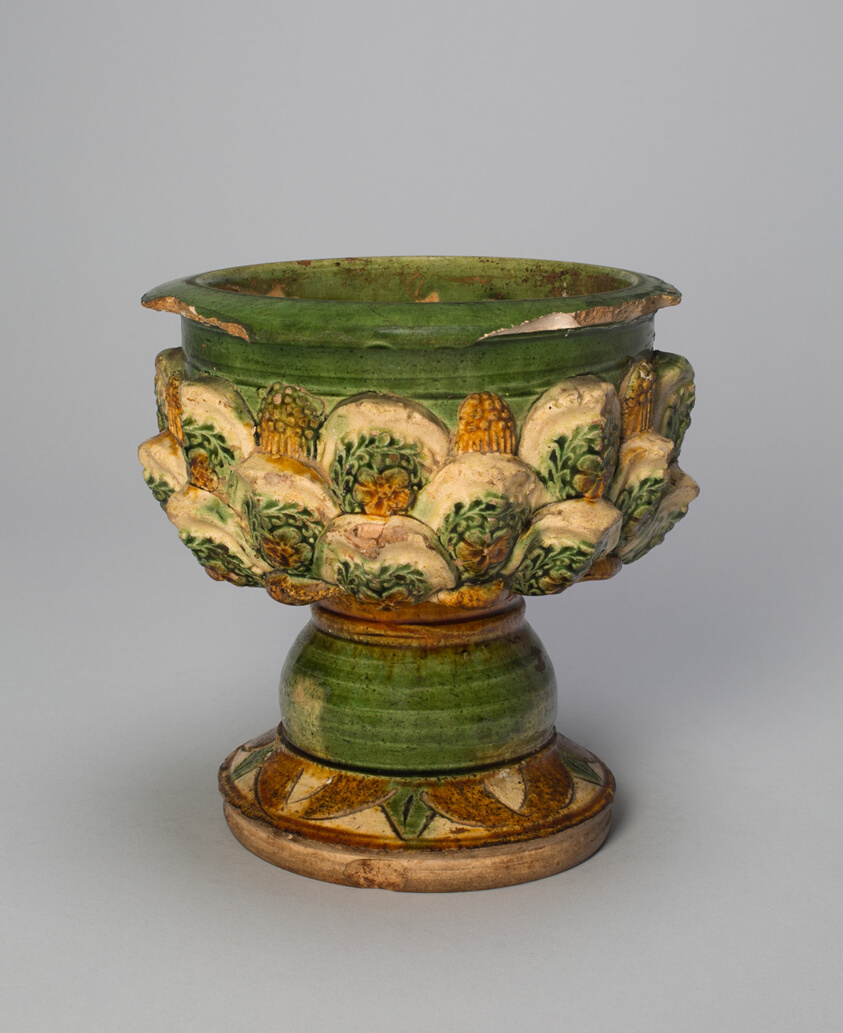
Stem Cup
Art Institute of Chicago