Art Institute of Chicago
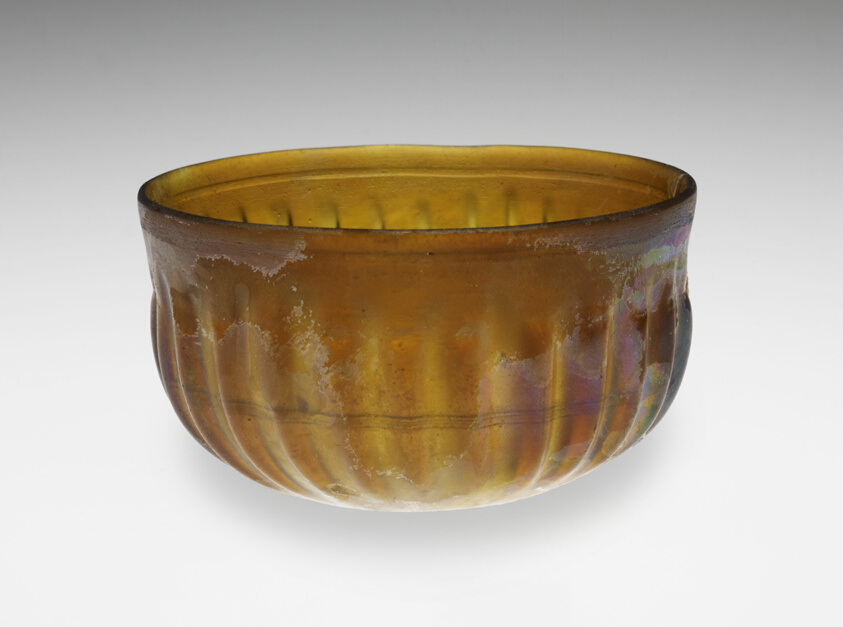
Bowl
Roman; coast of Syria or Palestine
- Date
- late 1st century BCE-early 1st century CE
- Medium
- Glass, cast (sagged?)
- Culture
- Syria
- Department
- Arts of Greece, Rome, and Byzantium
- Institution
- Art Institute of Chicago
Initially affordable only among the wealthy, glass was used in ancient Rome as containers for oils, perfume, and tablewares. The variety of glass-making techniques reveals the changing tastes and fashions over the centuries. During the 1st century A.D., cast glass was a novel form that was a luxury for the Roman household, but by the end of the century, the innovation of blown glass allowed for less labor-intensive and less expensive production, which meant people of lesser means could afford it. Blown glass became so popular it nearly supplanted ceramic and even bronze wares in the home. Ribbed bowls were a luxury ware and a recent development of Hellenized glass workshops in the Eastern Mediterranean that flourished, producing for a new Roman market after Rome’s expansion.
The authoritative record is held by Art Institute of Chicago. LinkedCulture surfaces this object and its connections; it does not alter institutional metadata.
Related across collections
Semantically similar works from Art Institute of Chicago and other institutions.
Bowl
Art Institute of Chicago
Bowl or Cup
Art Institute of Chicago
Bowl or Cup
Art Institute of Chicago
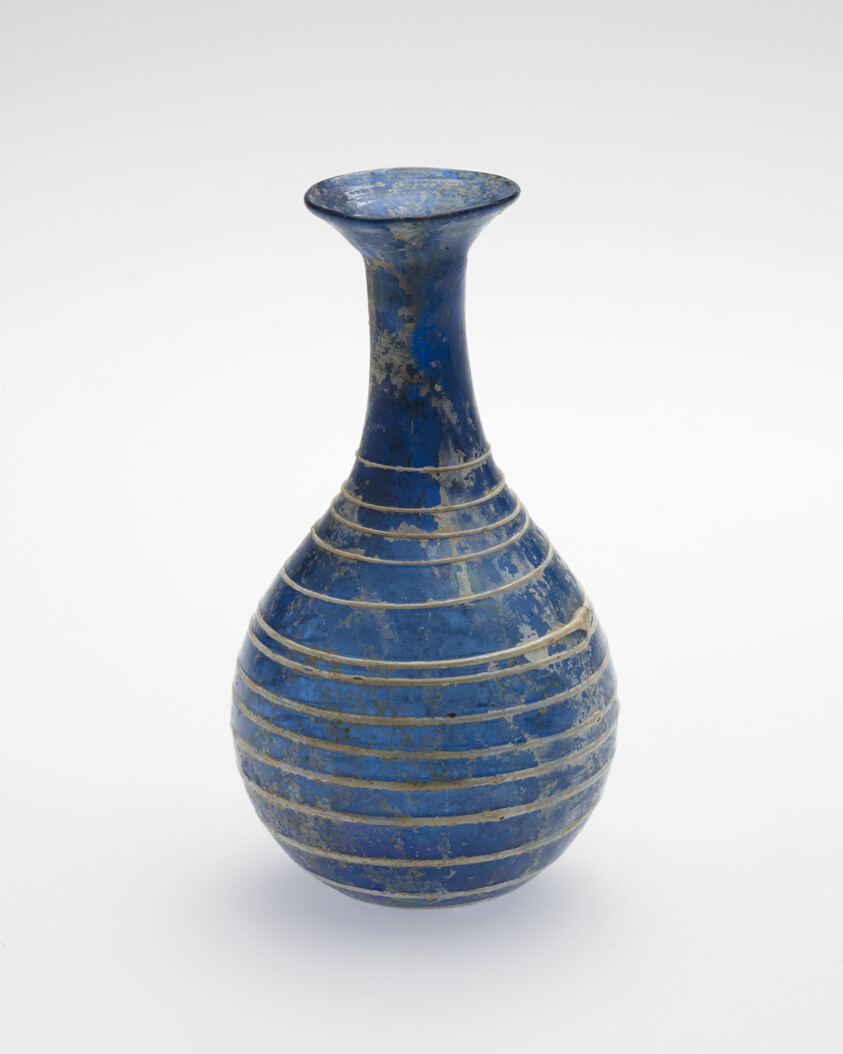
Bottle
Art Institute of Chicago
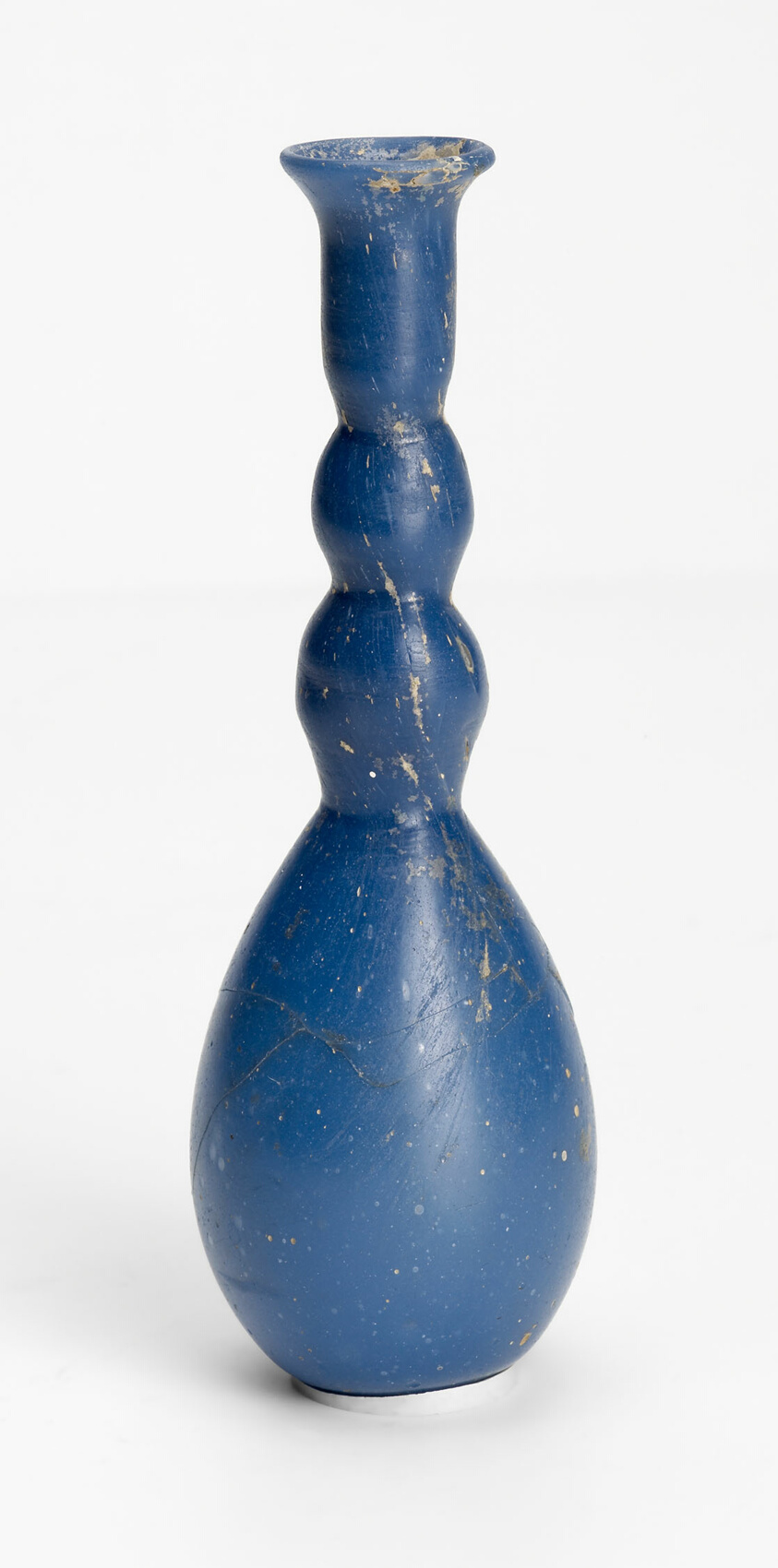
Bottle
Art Institute of Chicago
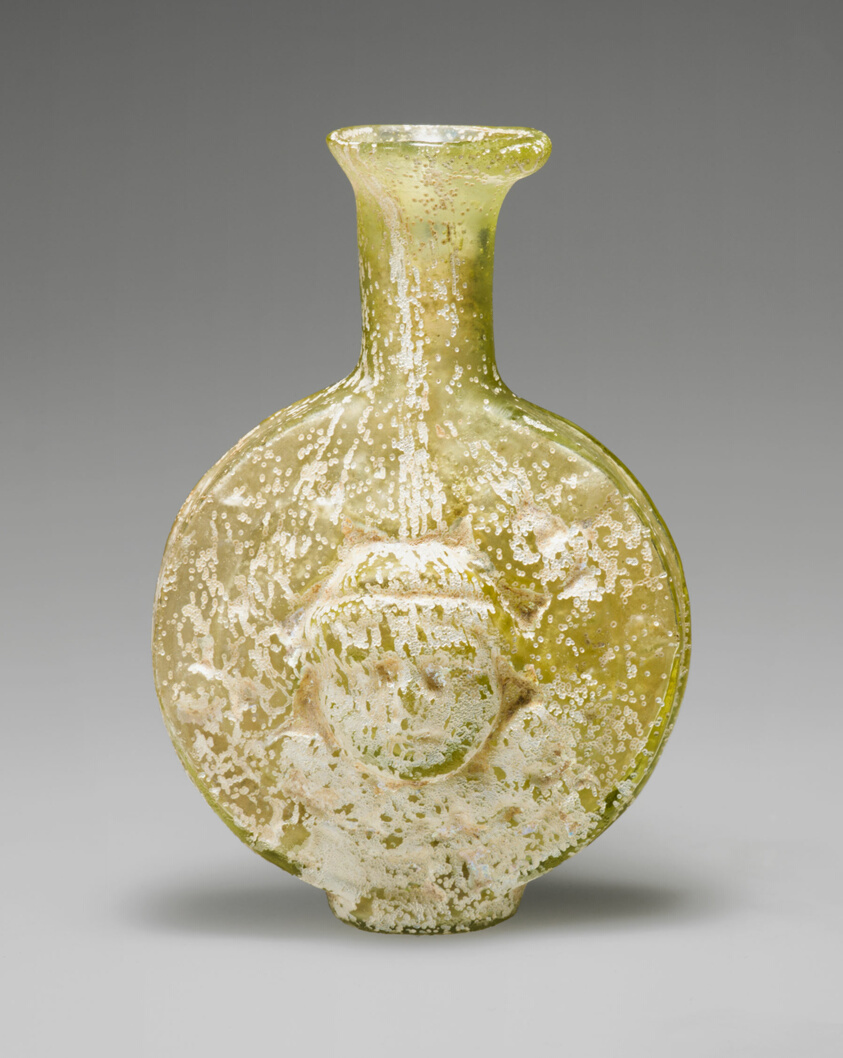
Bottle
Art Institute of Chicago
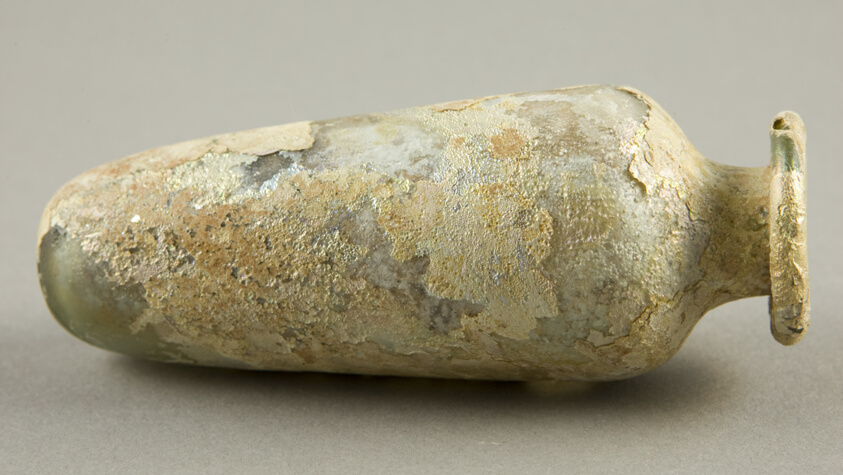
Bottle
Art Institute of Chicago
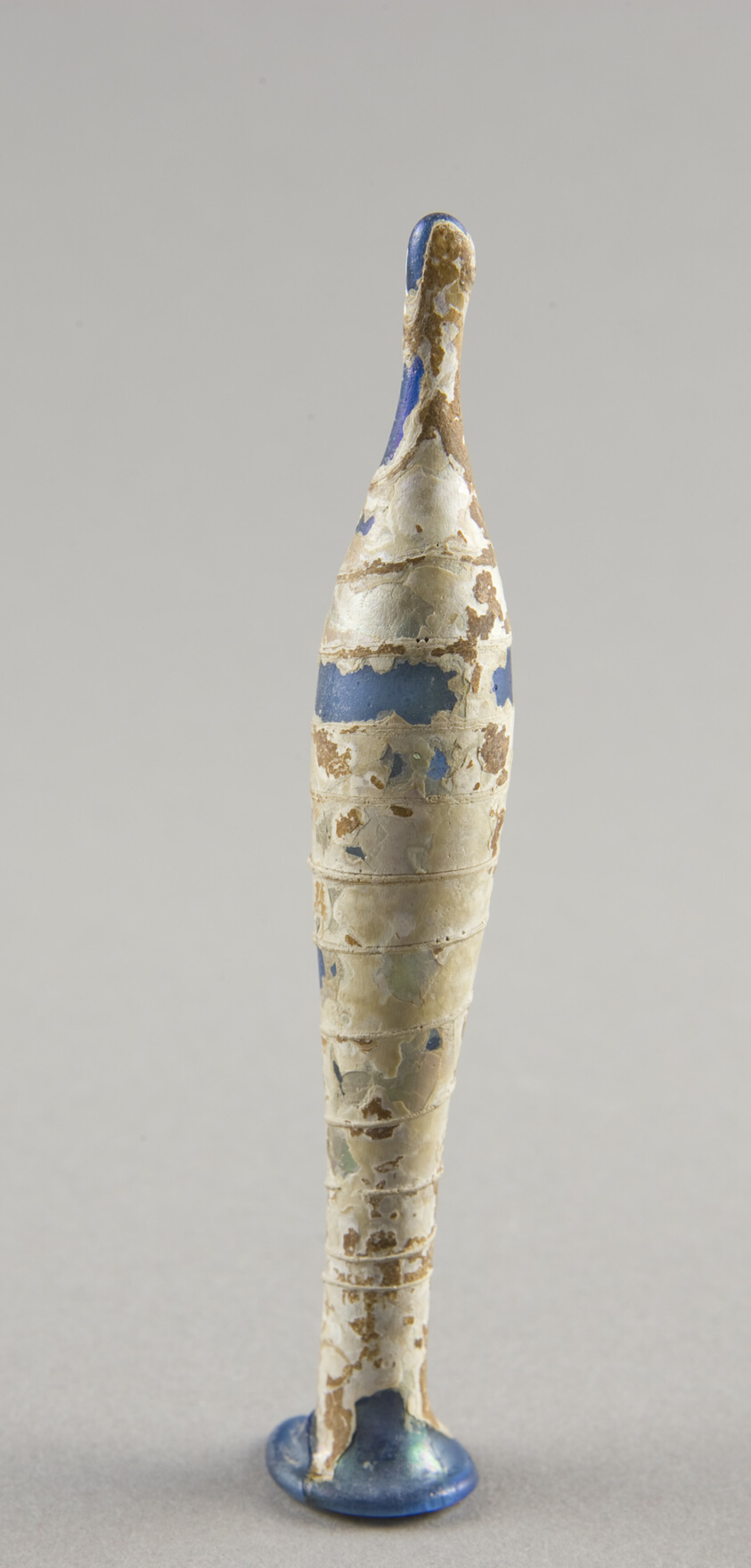
Bottle
Art Institute of Chicago
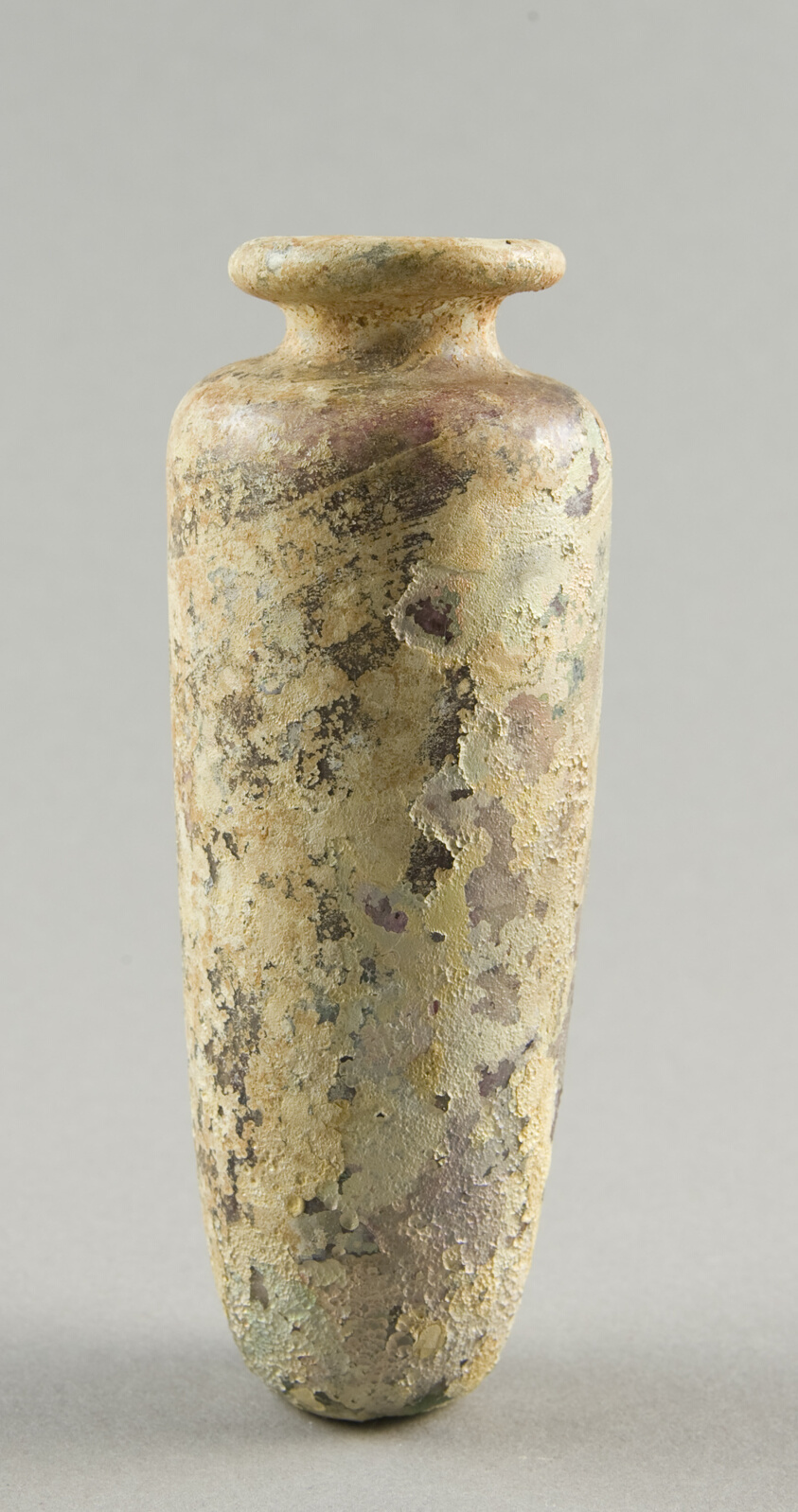
Bottle
Art Institute of Chicago
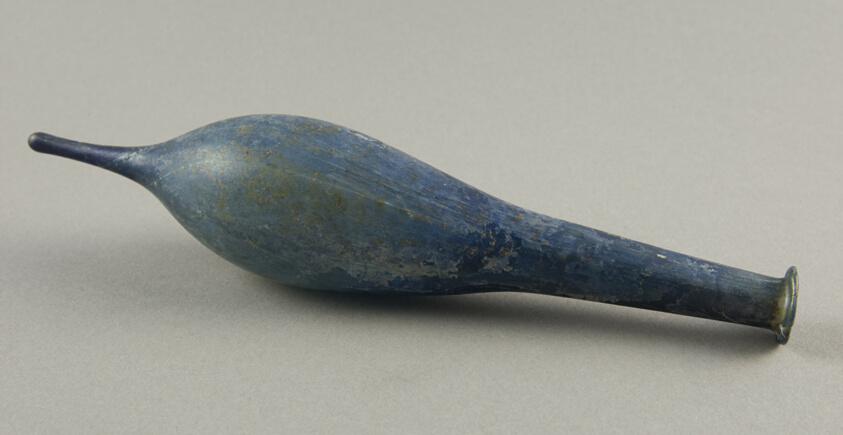
Bottle
Art Institute of Chicago
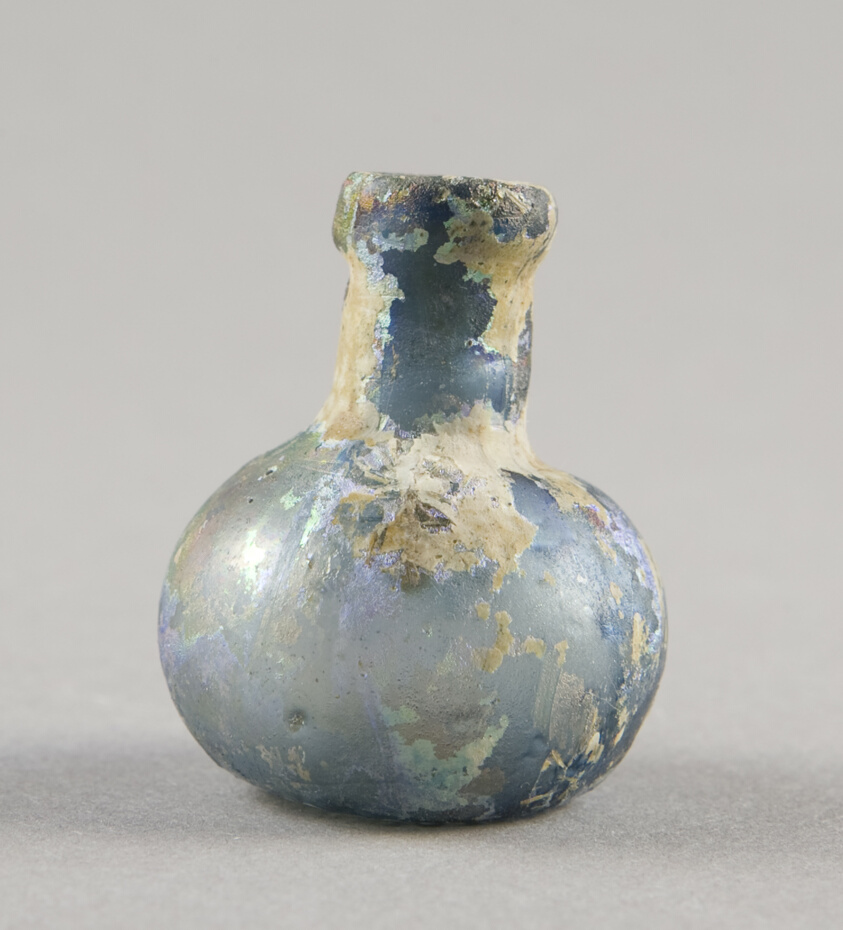
Bottle
Art Institute of Chicago
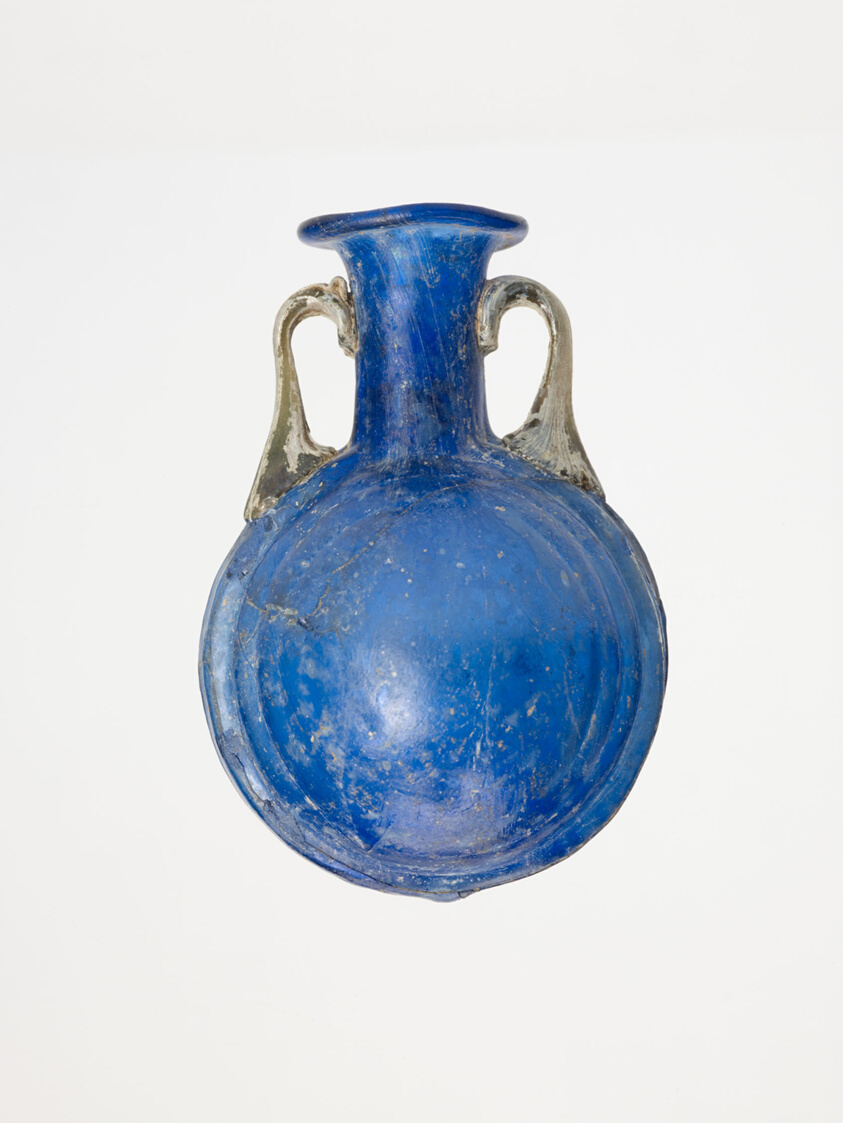
Bottle
Art Institute of Chicago