Art Institute of Chicago
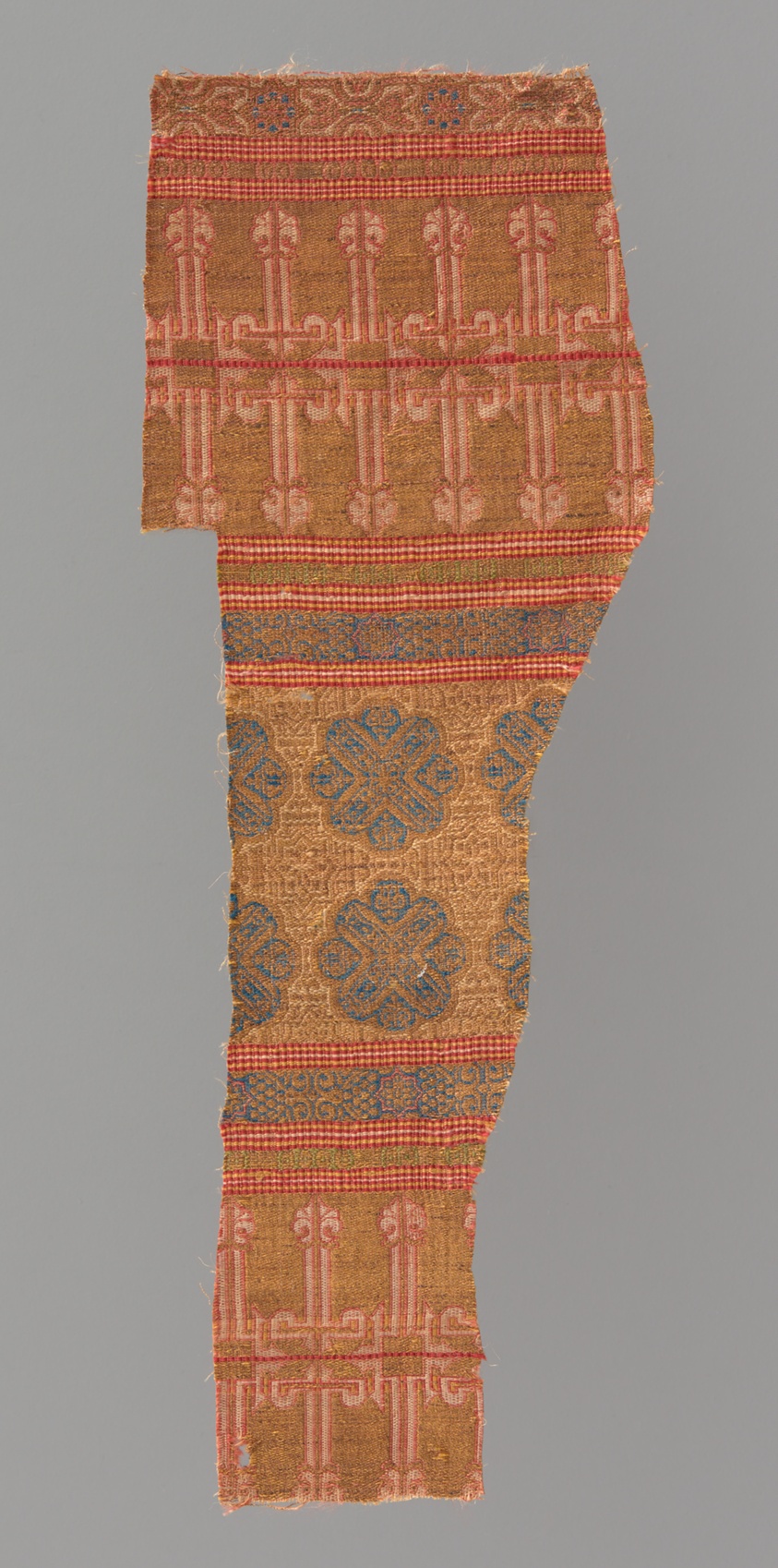
Fragment from the Mantle of Don Felipe
Villalcázar de Sirga, provence of Palencia, Kingdom of Castile (present day Spain)
- Date
- 1275-1300
- Medium
- Silk and gilt-animal-substrate-wrapped silk, bands of plain weave with inner warps and complementary weft plain weave with inner warps
- Culture
- Villalcázar de Sirga
- Department
- Textiles
- Institution
- Art Institute of Chicago
Luxury textiles produced in Islamic Andalucía were so highly valued by Christians living in northern Spain—and indeed throughout Europe as a whole—that they were sought by the nobility and worn not only in life but also in death. Such was the case with this woven silk fragment, found in the tomb of Don Felipe (died 1271 or 1274) and his second wife, Doña Inés de Guevara y Cisneros at the Church of Santa María la Blanca in Villalcázar de Sirga. Their tombs were set on either side of the main altar in the sanctuary of a fortress-temple dedicated to the Virgin Mary. The miraculous powers of Our Lady of Villasirga are recorded in the Cantigas de Santa Maria, a collection of songs attributed to King Alfonso X of Castile and León (ruled 1252-84), Don Felipe's brother. These works were written in Galician, a Romance language, but utilized the zajal, a poetic form of Andalusian Arabic origin. Such cultural hybridity reflects the temper of Alfonso's lively court, in which Christians, Jews, and Muslims were active participants. Despite this climate of interchange, Christian armies fought to expand their domain during his reign and were only stopped at the border of the Islamic kingdom of Granada. Involved in his own protracted battle with Alfonso, in 1272 Don Felipe offered his services to Muhammad I (ruled 1238-73), head of the Nasrid dynasty. One year later, he and his men fought for Muhammad II (ruled 1273-1302), and documentary evidence suggests that they were richly rewarded with horses, weapons, and clothing, which perhaps included the splendid mantle from which this fragment survives. The brocaded silk fragment, possibly woven in the province of Granada, bears an elegant geometric design further enriched with gold thread. Framing a band of circular medallions are two rows of an inscription in Kufic, a stylized Arabic script. The text repeats the word baraka (“blessing”) in mirror image. The exotic origin of silk, the most precious of natural fibers, further underscores this garment's international characteristics. According to legend, Byzantine monks carried silkworms from China to Constantinople in hollow walking sticks; with the spread of Islam, sericulture was transported to the Middle East and North Africa and, in 710, to the Iberian Peninsula.
The authoritative record is held by Art Institute of Chicago. LinkedCulture surfaces this object and its connections; it does not alter institutional metadata.
Linked open data
Authority identifiers that link this record into the wider web of cultural data — stable references you can follow to the source.
- Object type
- AAT300014063
Related across collections
Semantically similar works from Art Institute of Chicago and other institutions.
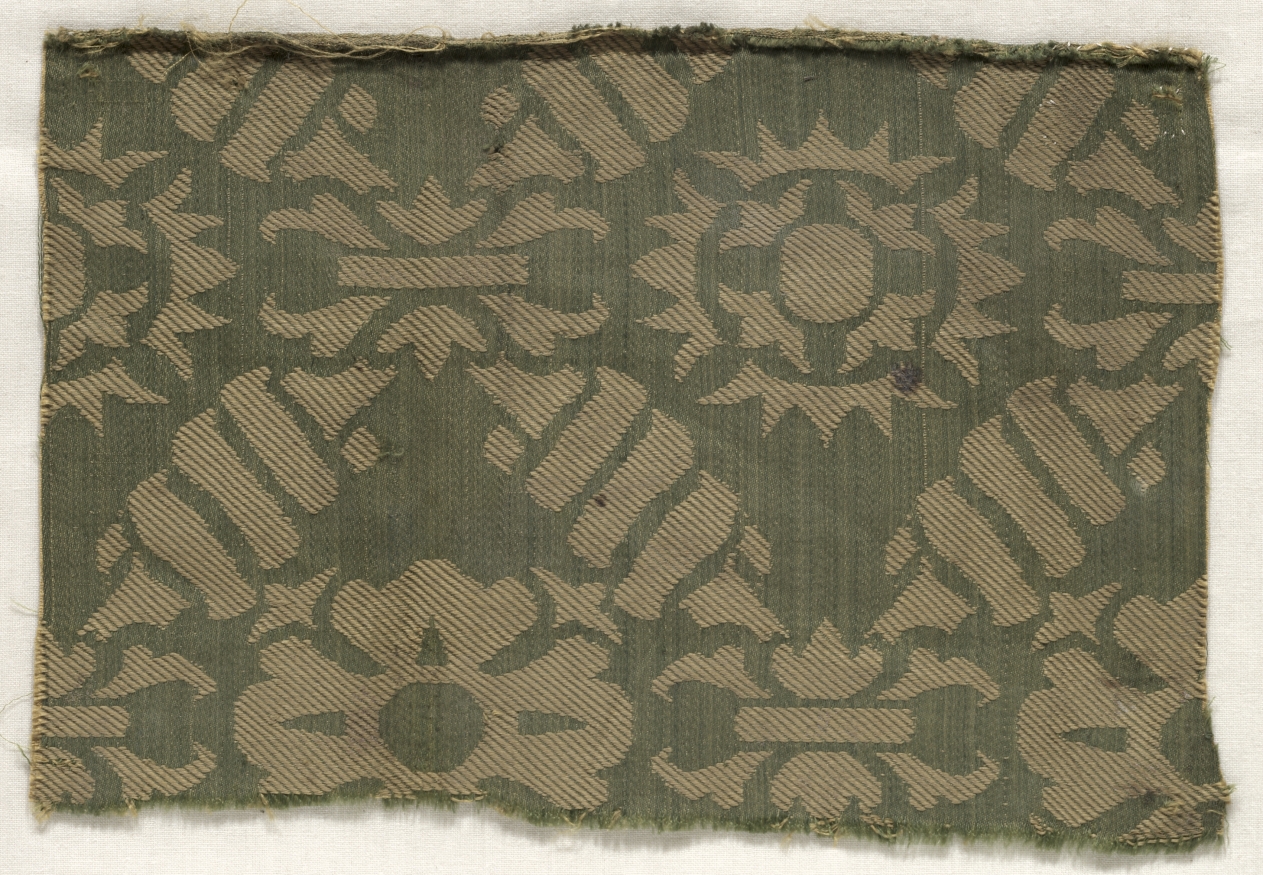
Fragment
Cleveland Museum of Art

Initial P: Saint Bernard Displaying the Host to William of Aquitaine
Getty Museum
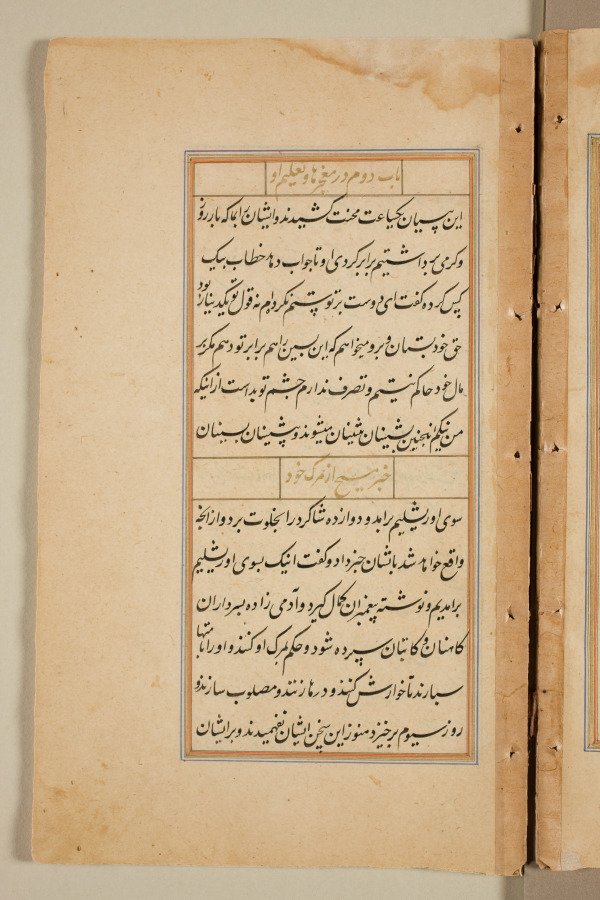
Text page from a Mirror of Holiness (Mir’at al-quds) of Father Jerome Xavier
Cleveland Museum of Art
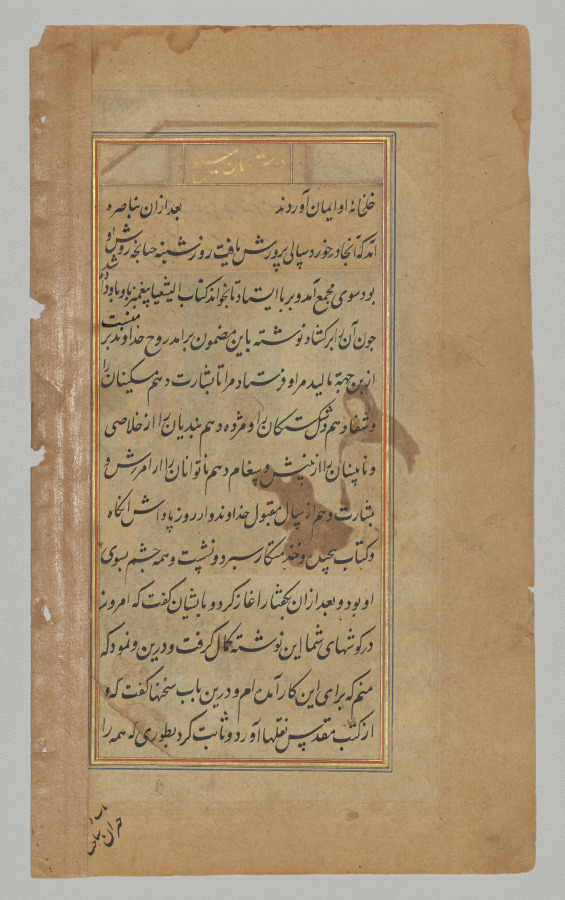
Text page from a Mirror of Holiness (Mir’at al-quds) of Father Jerome Xavier
Cleveland Museum of Art
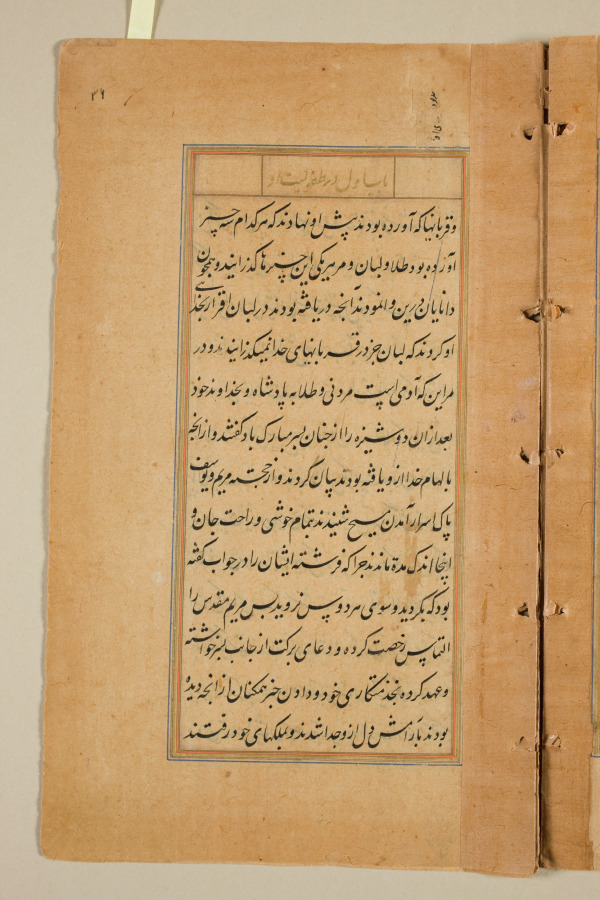
Text page from a Mirror of Holiness (Mir’at al-quds) of Father Jerome Xavier
Cleveland Museum of Art
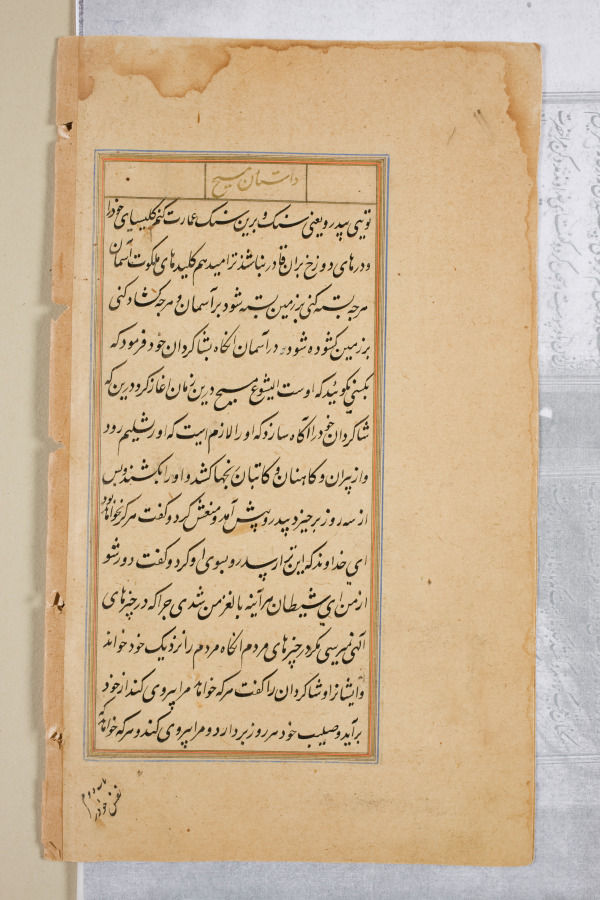
Text page from a Mirror of Holiness (Mir’at al-quds) of Father Jerome Xavier
Cleveland Museum of Art
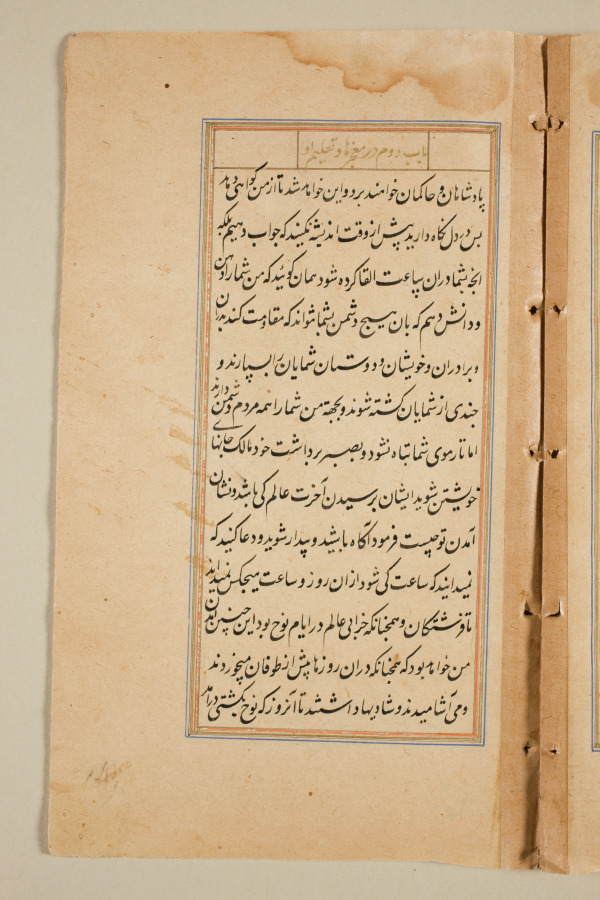
Text page from a Mirror of Holiness (Mir’at al-quds) of Father Jerome Xavier
Cleveland Museum of Art
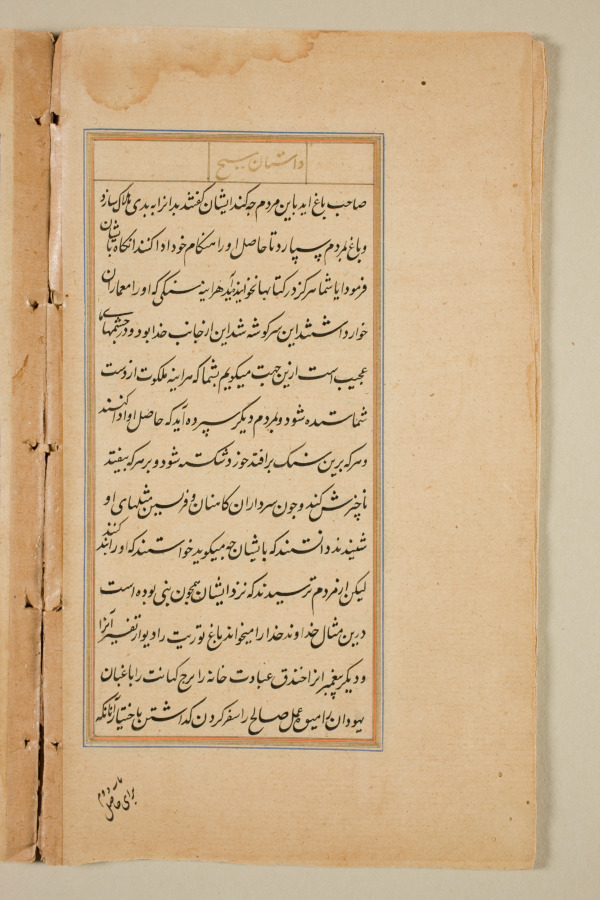
Text page from a Mirror of Holiness (Mir’at al-quds) of Father Jerome Xavier
Cleveland Museum of Art
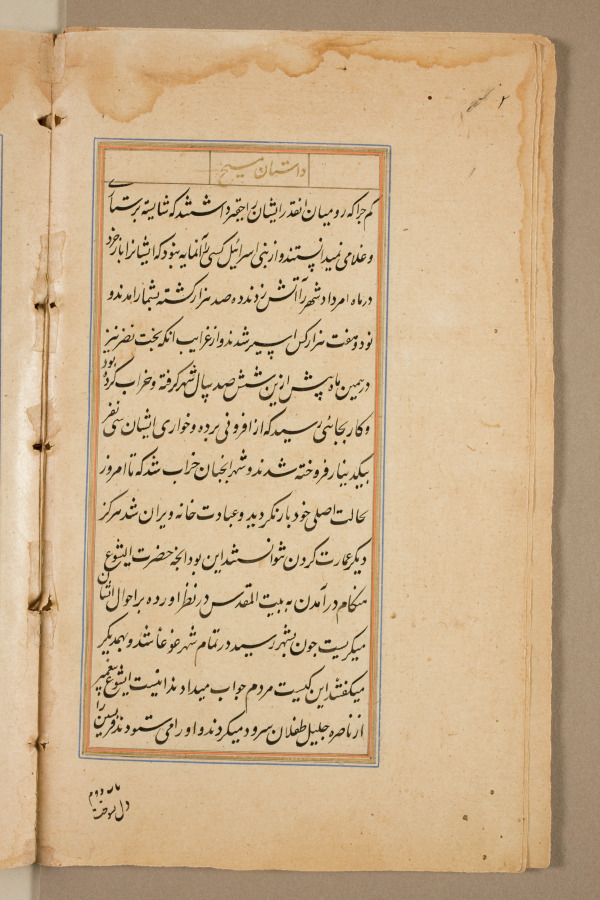
Text page from a Mirror of Holiness (Mir’at al-quds) of Father Jerome Xavier
Cleveland Museum of Art
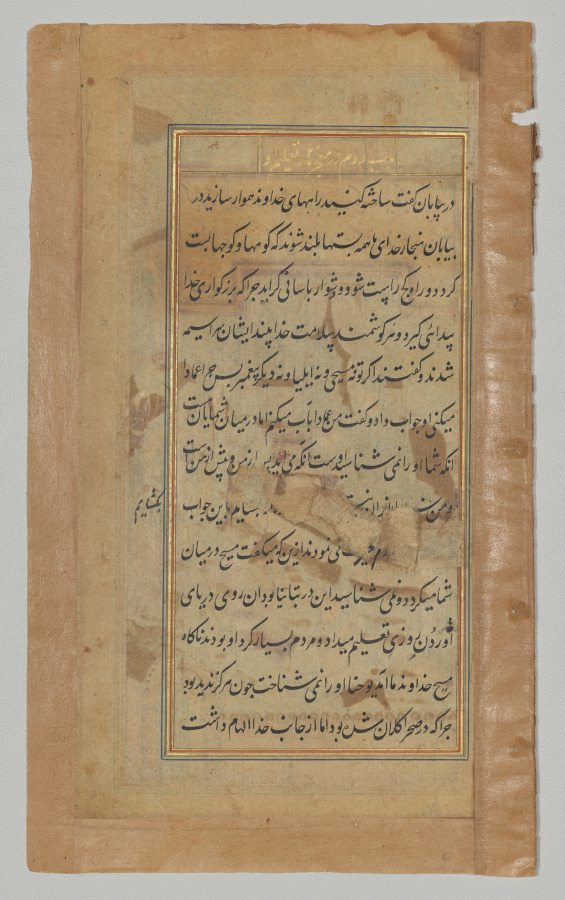
Text page from a Mirror of Holiness (Mir’at al-quds) of Father Jerome Xavier
Cleveland Museum of Art
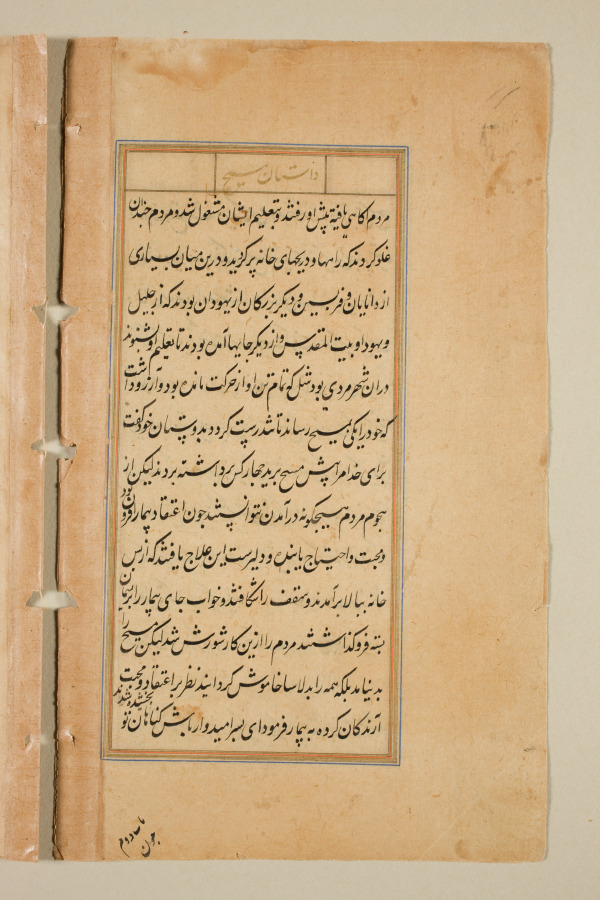
Text page from a Mirror of Holiness (Mir’at al-quds) of Father Jerome Xavier
Cleveland Museum of Art
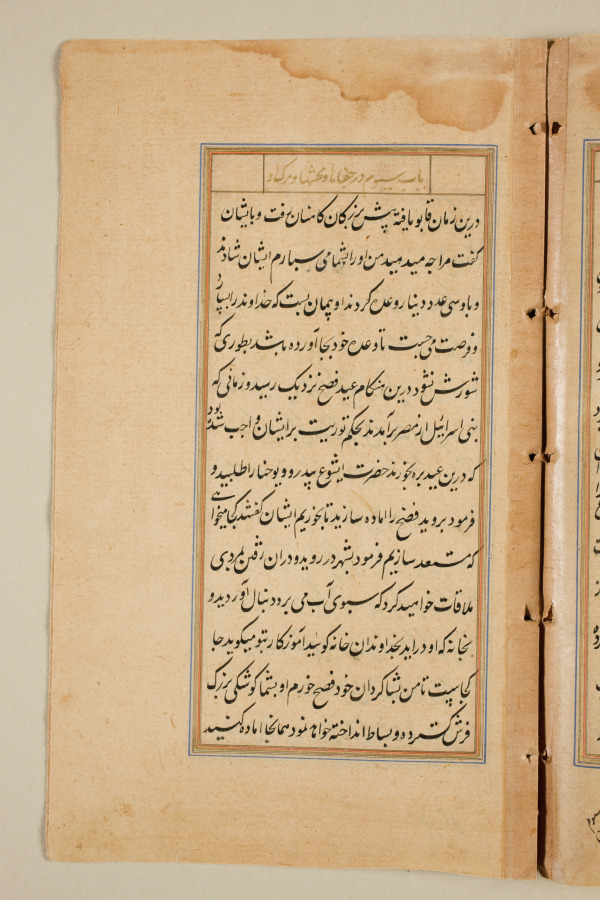
Text page from a Mirror of Holiness (Mir’at al-quds) of Father Jerome Xavier
Cleveland Museum of Art