Art Institute of Chicago
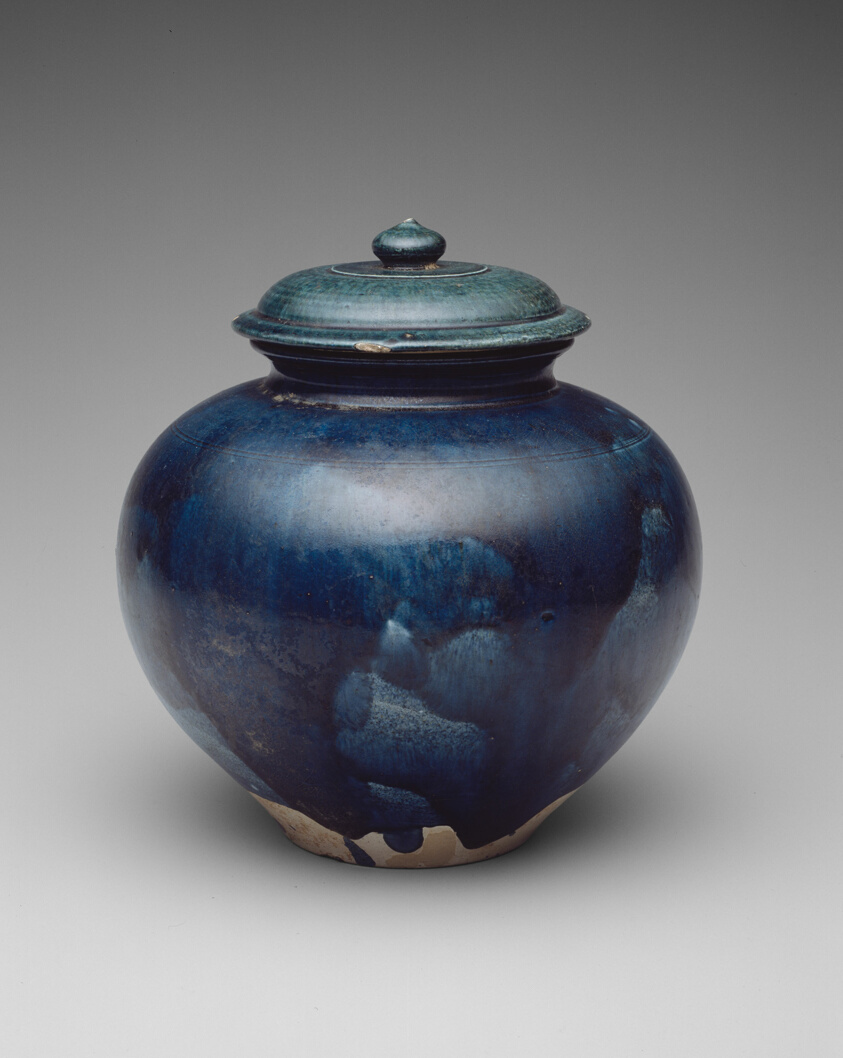
Jar with Cover
China
- Date
- Tang dynasty (618–906), first half of 8th century
- Medium
- Earthenware with blue lead glaze
- Culture
- China
- Department
- Arts of Asia
- Institution
- Art Institute of Chicago
In China, the use of finely ground cobalt blue ore as a colorant for lead glaze originated in the Tang dynasty. Perhaps intending to emulate vibrant blue glass imported from the Middle East, Chinese potters applied this glaze to off-white earthenwares and low-fired stonewares that were intended primarily for burial. The source of Tang cobalt has been subject to ongoing debate. For many years, most scholars assumed that Chinese potters imported cobalt ore from the Middle East. Recent analyses of Tang blue glazes, however, show these to be chemically distinct from those of Middle Eastern ceramics and may indicate a domestic Chinese source for this colorant.
The authoritative record is held by Art Institute of Chicago. LinkedCulture surfaces this object and its connections; it does not alter institutional metadata.
Related across collections
Semantically similar works from Art Institute of Chicago and other institutions.
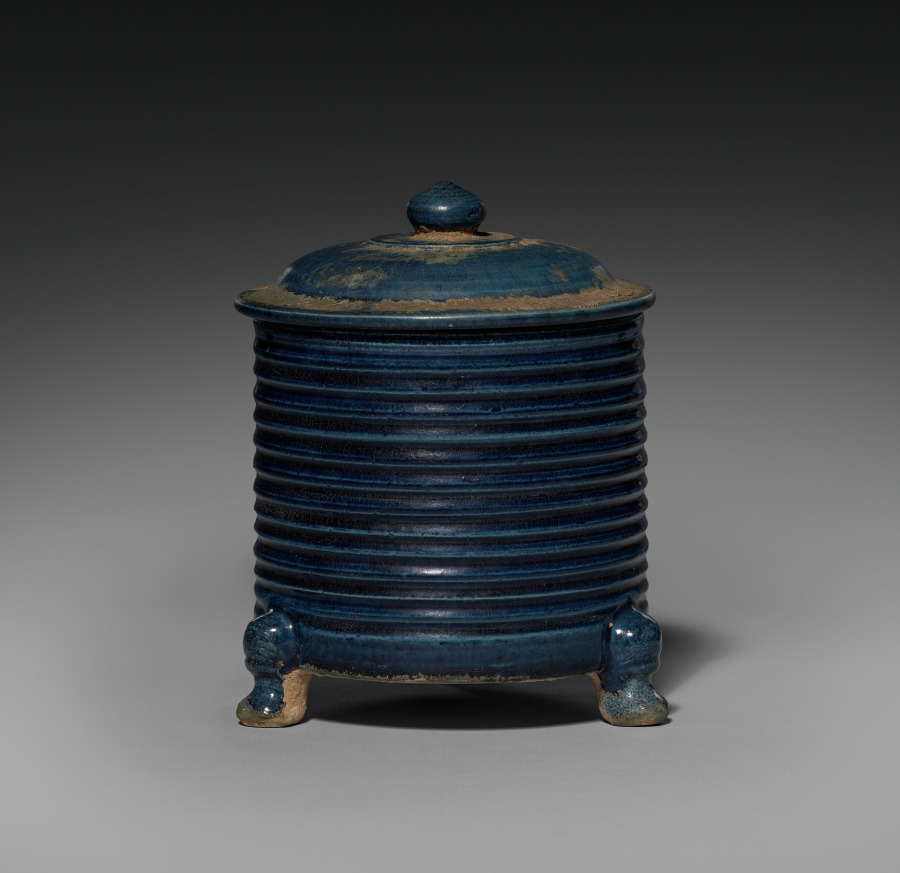
Covered Jar
Cleveland Museum of Art
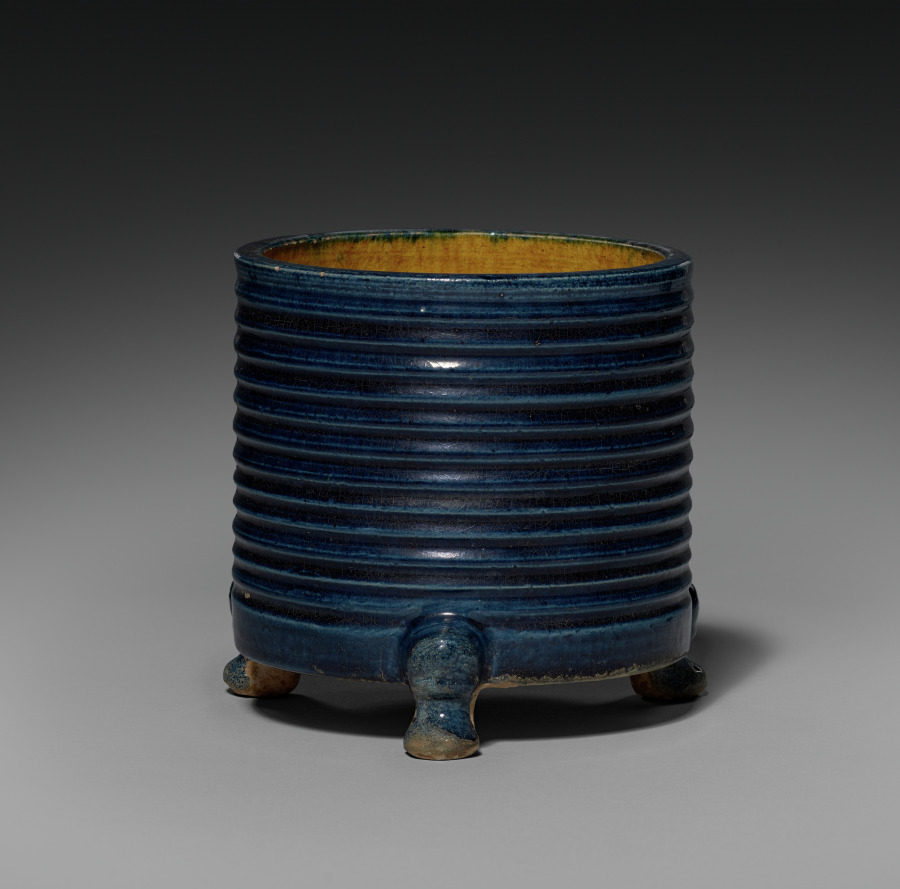
Covered Jar
Cleveland Museum of Art
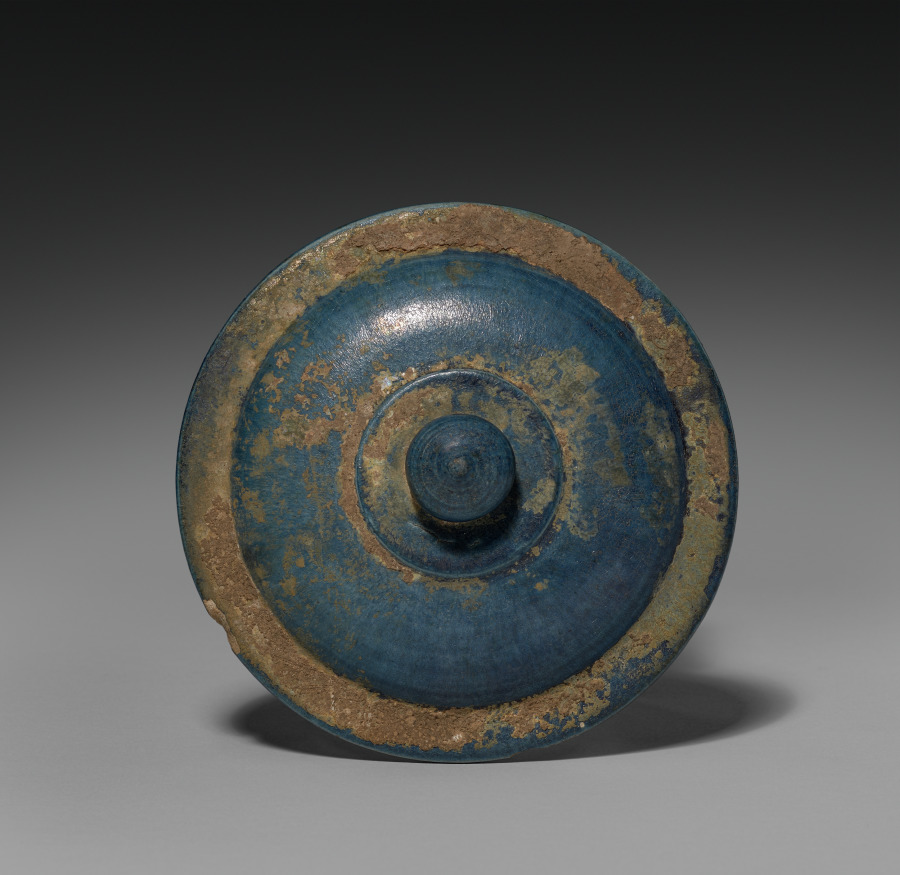
Covered Jar (lid)
Cleveland Museum of Art

Jar
Minneapolis Institute of Art

Storage Jar and Cover
Minneapolis Institute of Art
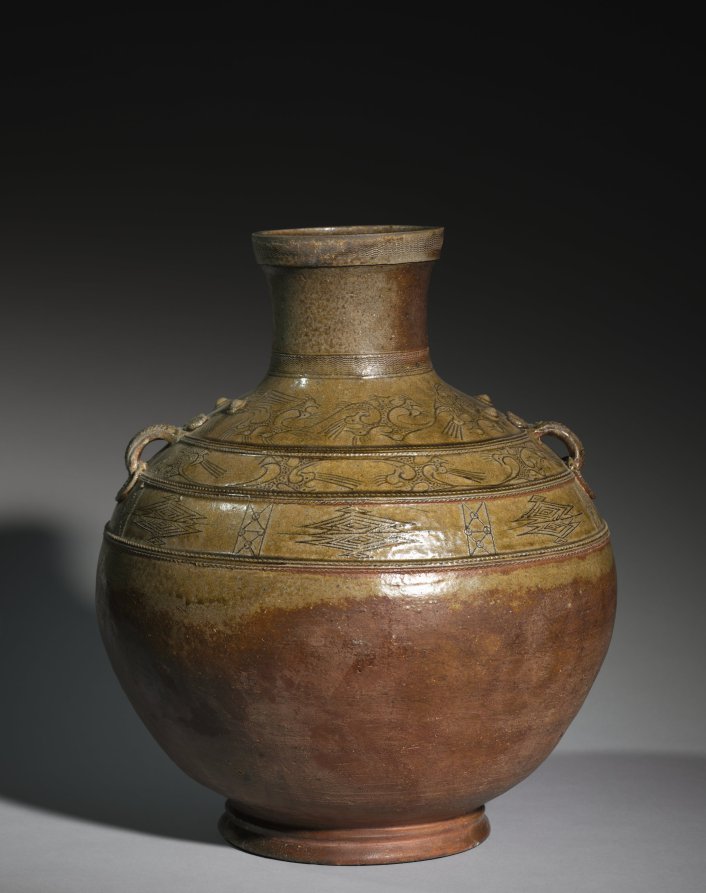
Jar (Hu)
Cleveland Museum of Art
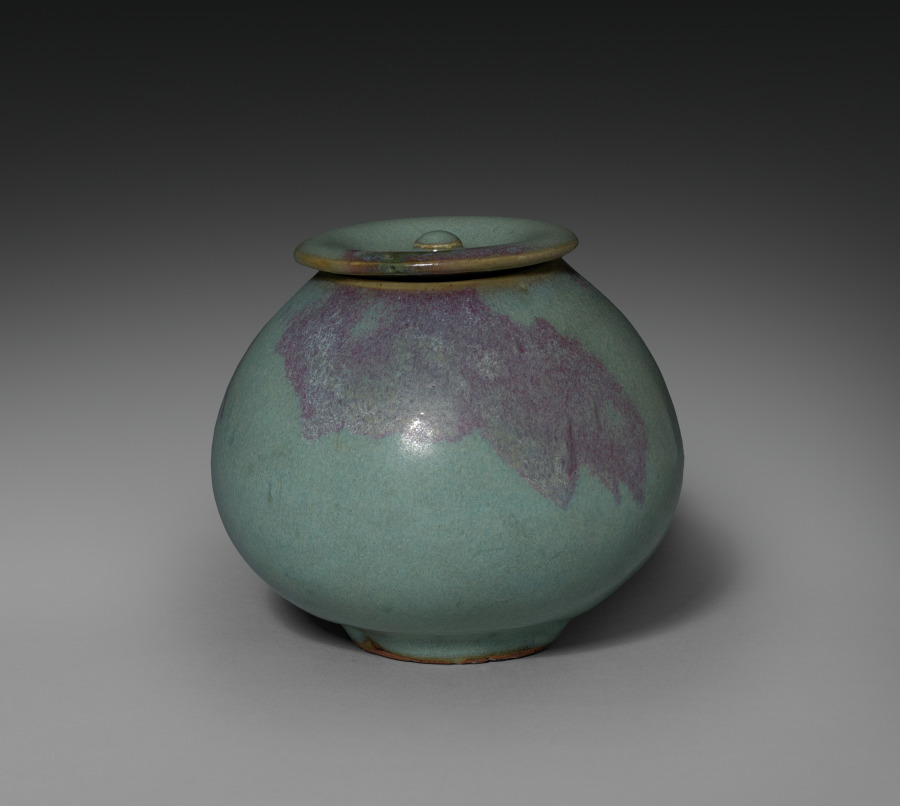
Jar with Cover
Cleveland Museum of Art
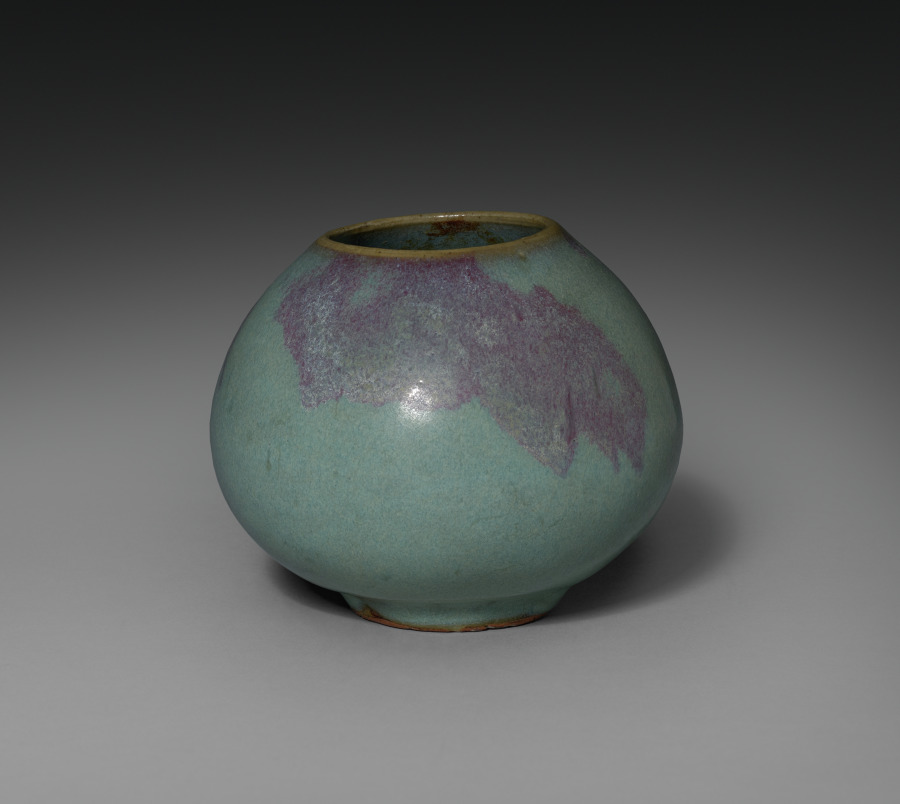
Jar with Cover
Cleveland Museum of Art

Jar
Minneapolis Institute of Art
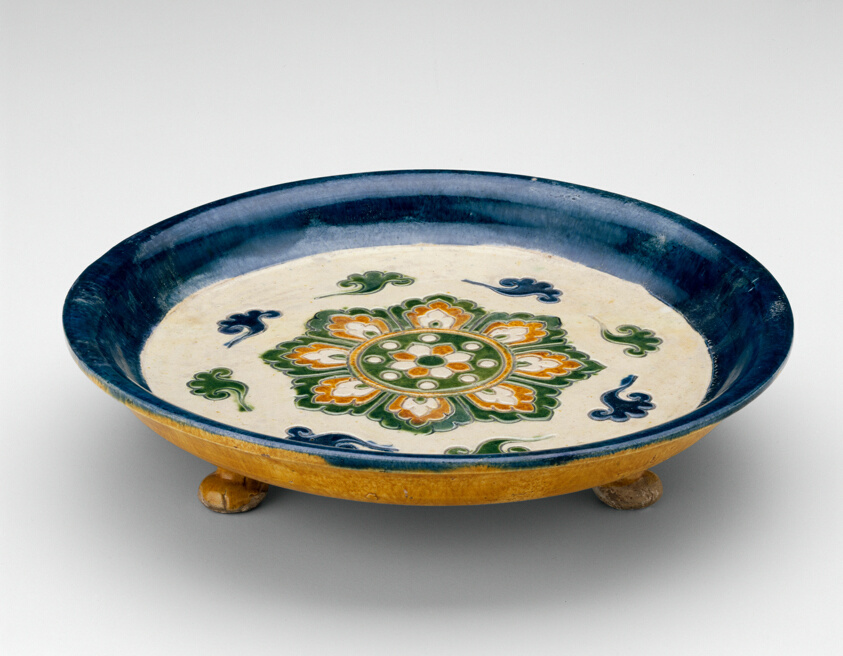
Footed Dish with Lotus Medallion and Cloud Scrolls
Art Institute of Chicago
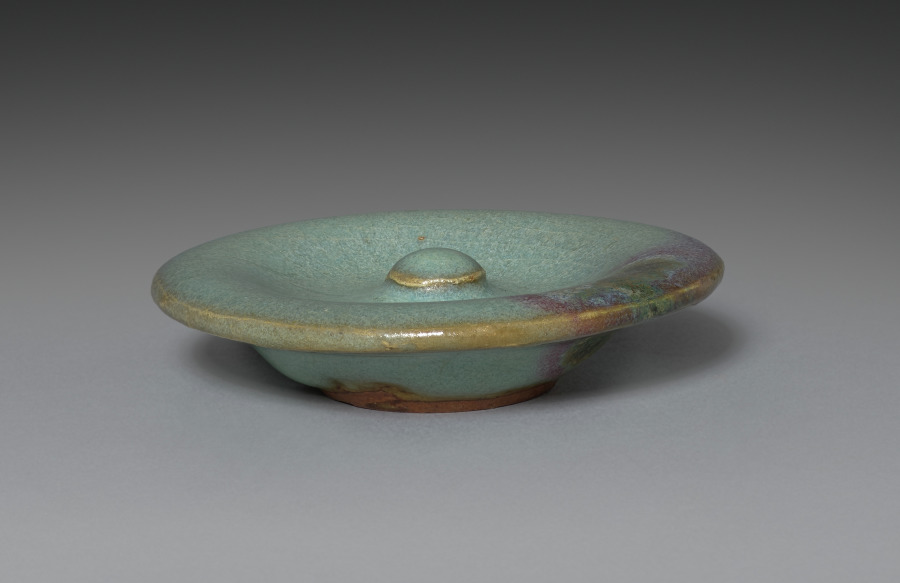
Jar with Cover (cover)
Cleveland Museum of Art

Ewer
Minneapolis Institute of Art