Art Institute of Chicago
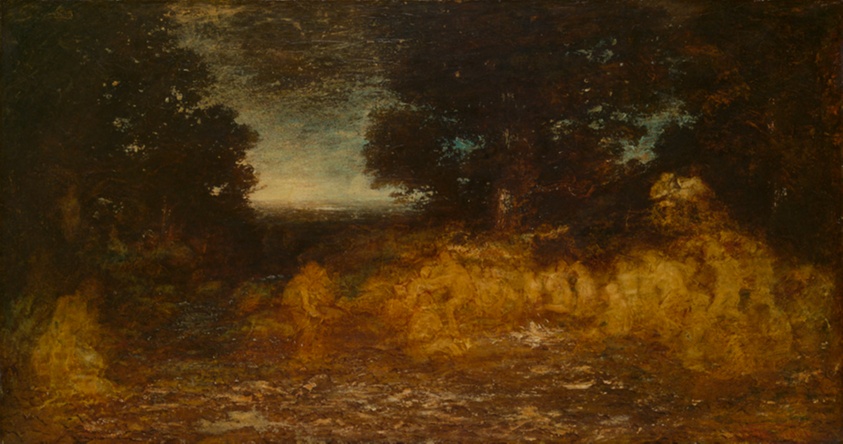
Ghost Dance (The Vision of Life)
Ralph Albert Blakelock (American, 1847-1919)
- Date
- 1895–97
- Medium
- Oil on canvas
- Culture
- United States
- Department
- Arts of the Americas
- Institution
- Art Institute of Chicago
The Ghost Dance, or “Messiah Craze” as the press called it, fused elements of Native American religions and Christianity to express ideas about the resurrection and rejuvenation of indigenous cultures. An assertion of Native American pride and empowerment in the late 1880s, these ceremonies drew the attention of ethnographers and aroused the suspicions of United States government and military officials. After the murders of Big Foot and Sitting Bull and the massacre at Wounded Knee in 1890, the Ghost Dance became part of the mythology of the vanishing Indian. In Ralph Blakelock’s murky, deliberately ambiguous composition, the dancing figures appear as ghosts or shadows—insubstantial fragments of a memory or a dream. Indeed, the artist's understanding of such performances was drawn from accounts in newspapers and magazines. He had not traveled to the West since the early 1870s, more than 20 years before painting this work.
The authoritative record is held by Art Institute of Chicago. LinkedCulture surfaces this object and its connections; it does not alter institutional metadata.
Linked open data
Authority identifiers that link this record into the wider web of cultural data — stable references you can follow to the source.
- Object type
- AAT300033618
Related across collections
Semantically similar works from Art Institute of Chicago and other institutions.
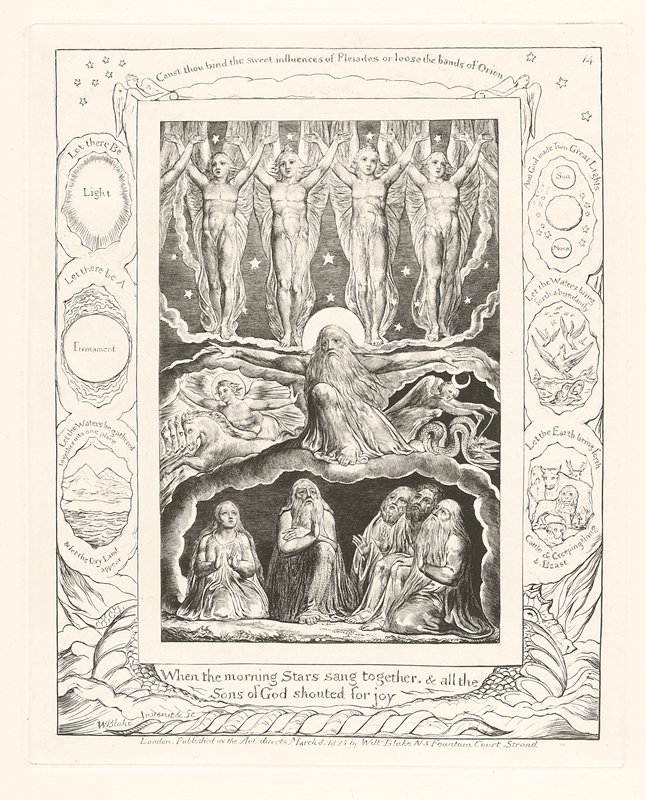
When the morning Stars sang together, & all the Sons of God shouted for joy
Minneapolis Institute of Art

Danse Macabre
Minneapolis Institute of Art

The Israelites Dancing around the Golden Calf
Getty Museum

The Death Song of Lone Wolf
Minneapolis Institute of Art

Scenes of Plains Indian Life
Minneapolis Institute of Art
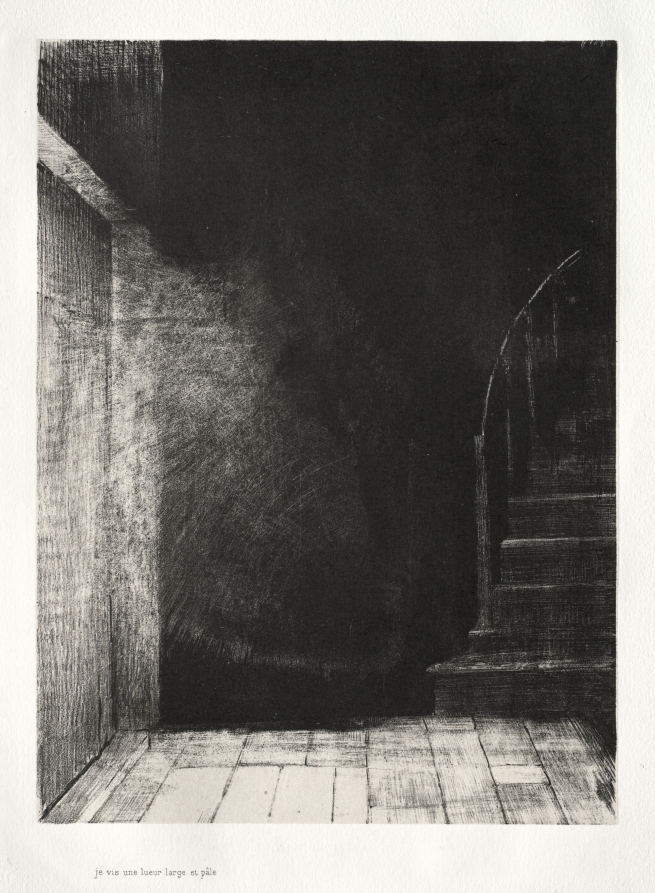
I Saw a Flash of Light, Large and Pale
Cleveland Museum of Art
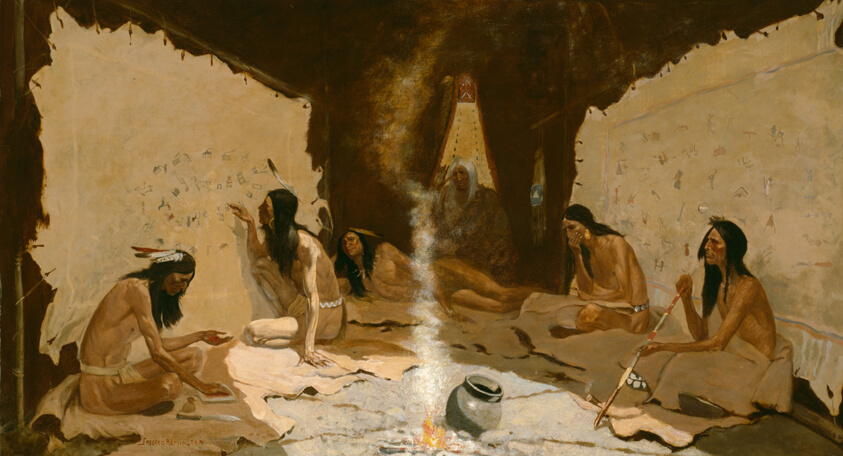
Historians of the Tribe
Art Institute of Chicago
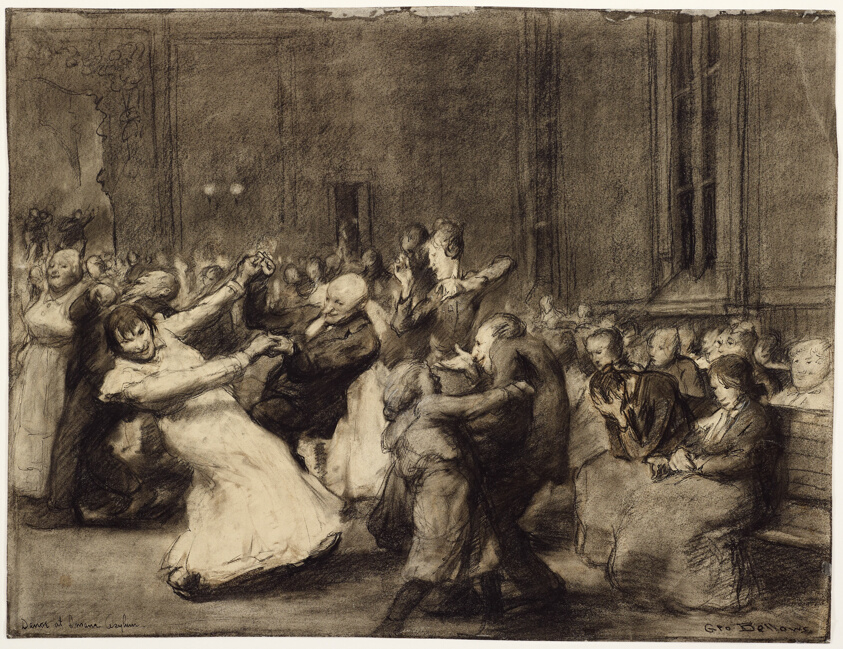
Dance at Insane Asylum
Art Institute of Chicago
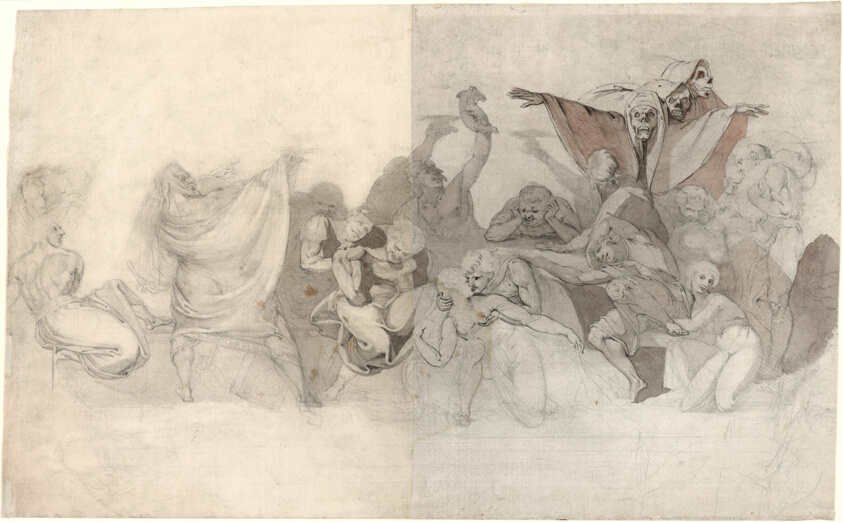
Triumph of Death: Three Skeletons Invading a Bacchanal Orchestrated by a Magician or an Evil Demon
Art Institute of Chicago
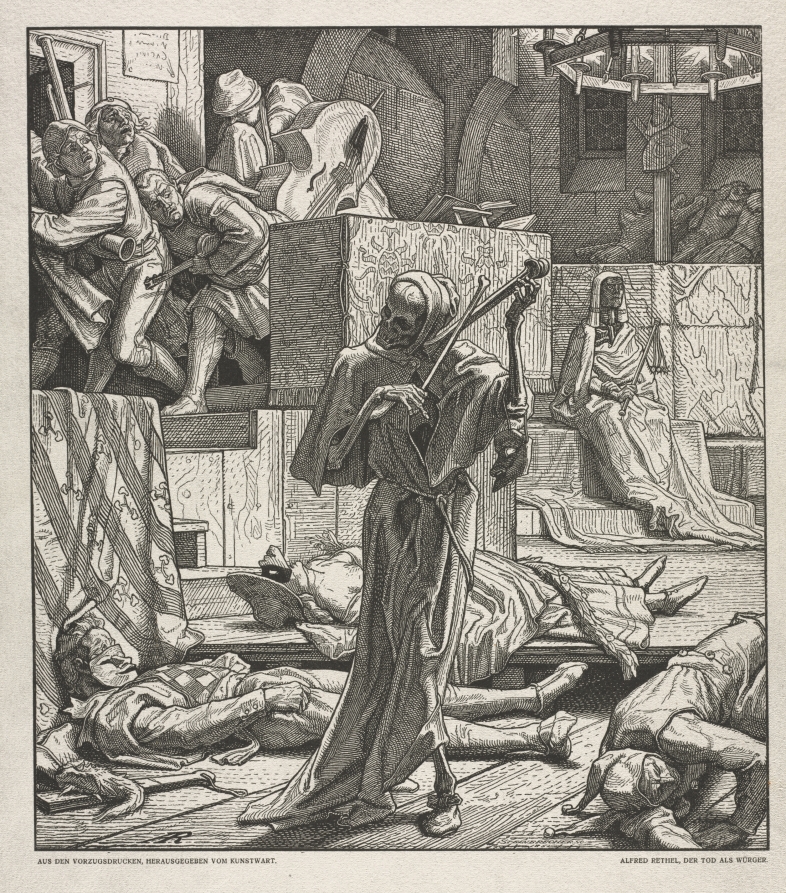
Dance of Death: Death the Strangler
Cleveland Museum of Art
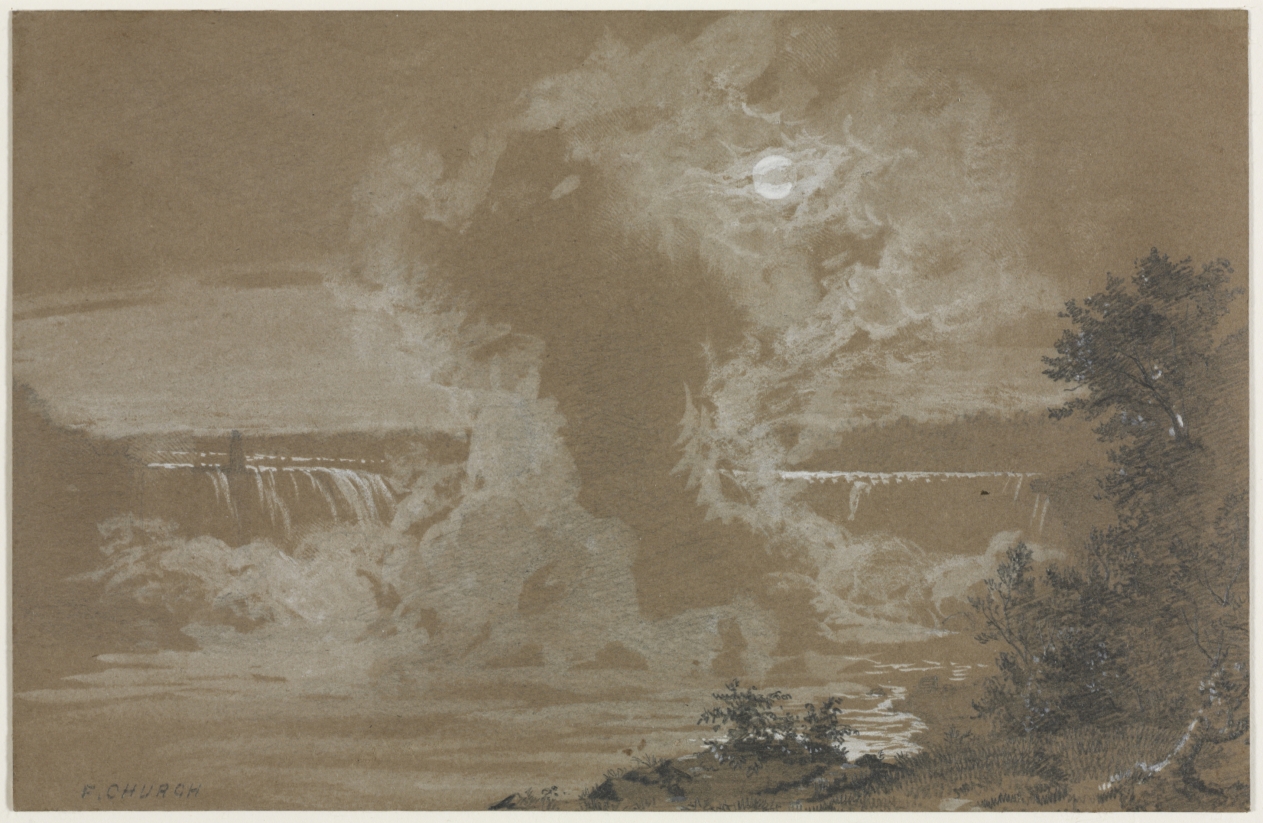
Niagara Falls by Moonlight
Cleveland Museum of Art

Dog Dance of the Dacotahs
Minneapolis Institute of Art