Art Institute of Chicago
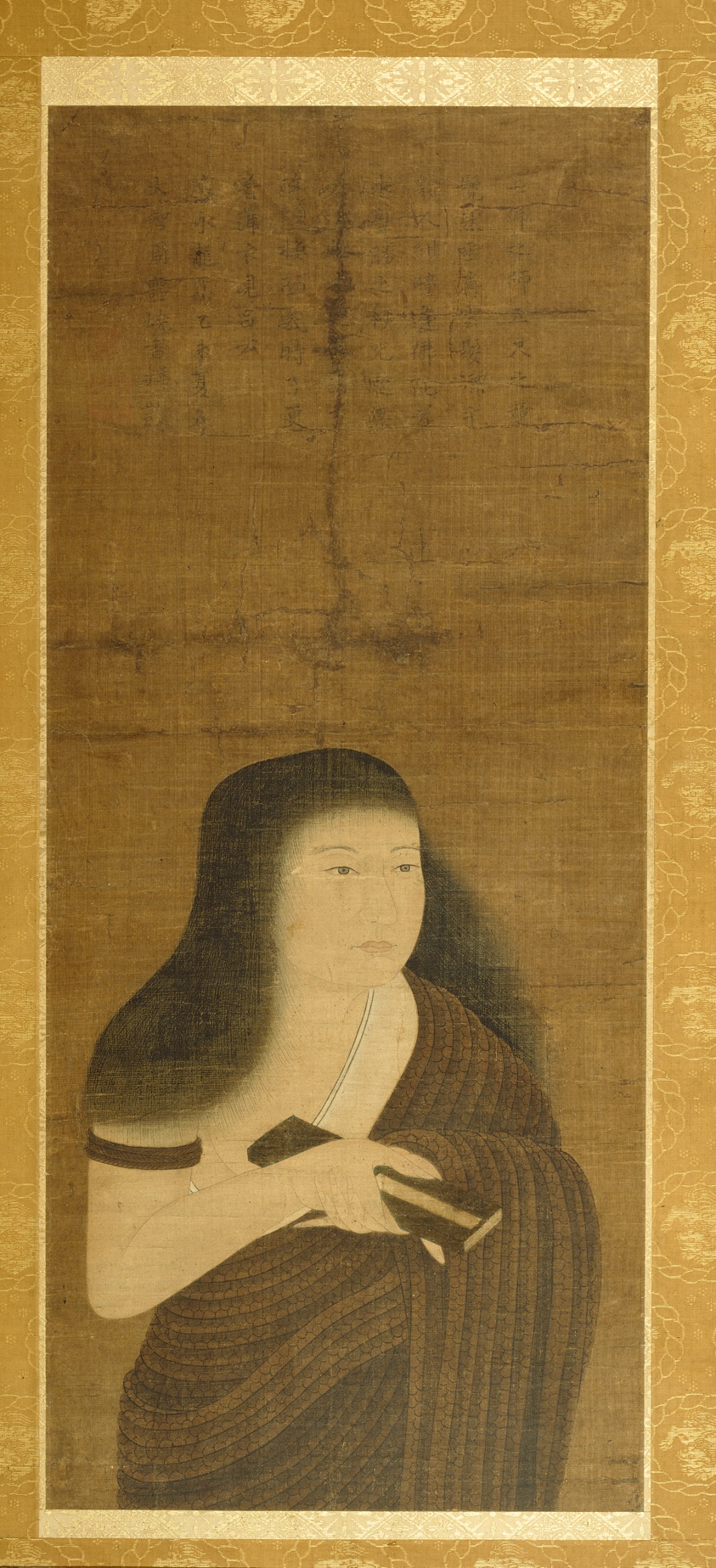
Monju Dressed in a Robe of Braided Grass (Nawa Monju)
JapaneseLinkedCulture matchlcp-bd4535a942c5
- Date
- dated 1415
- Medium
- Hanging scroll; ink and color on paper
- Culture
- Japan
- Department
- Arts of Asia
- Institution
- Art Institute of Chicago
- Object ID
- 90437
From the Art Institute of Chicago record
The earthly abode of Monju, the bodhisattva of wisdom, was thought to be on Mount Wutai in Shanxi province, China. At this site, pilgrims reported seeing the deity in a variety of more humble manifestations. In an account by the 11th-century scholar Lu Huiqing, Monju appeared as a strangely clad boy, advising Lu that the Buddha’s teachings were simple and clear despite the pedantic commentaries that obscured them. Lu scolded the youth for his impertinence, only to realize that he was speaking with Monju. An inscription dated 1415 by the monk Godaichi Shûgaku attests to the particular affection in which Monju was held in Zen circles. In the search for enlightenment, Monju’s scorn for excessive dependence on academic learning underscored a fundamental precept of the Japanese Zen branch of Buddhism.
The authoritative record is held by Art Institute of Chicago. LinkedCulture surfaces this object and its connections; it does not alter institutional metadata.
Get printable QR codesHide QR codes
Open QR codes for this object page and the museum record. They stay collapsed until needed.
Provenance & credit
As published by the source institution. Coverage varies — not every institution's open-data feed includes ownership history.
- Credit line
- Samuel M. Nickerson Fund
Linked open data
Authority identifiers that link this record into the wider web of cultural data — stable references you can follow to the source.
- Object type
- AAT300033618
Related across collections
Semantically similar works from Art Institute of Chicago and other institutions.