Art Institute of Chicago
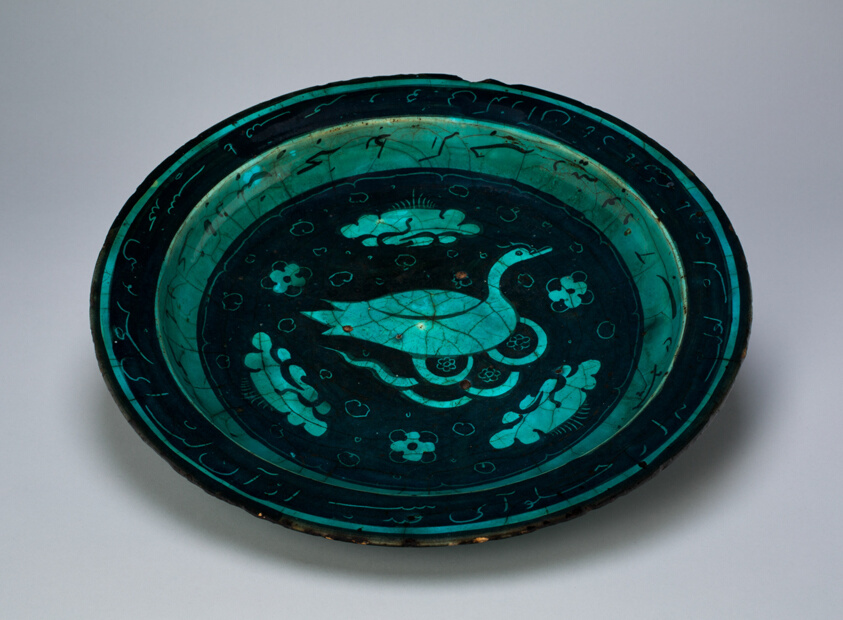
Inscribed Bowl with a Duck
Iran
- Date
- Timurid dynasty (1370–1507), Late 15th century
- Medium
- Fritware, painted in black under a transparent turquoise glaze
- Culture
- Iran
- Department
- Arts of Asia
- Institution
- Art Institute of Chicago
The rule of the Timurids (1307-1507) brought increased economic and artistic interaction between Iran and China, and the ceramics produced during this time are strong examples of this exchange. Although the color scheme of this bowl reflects the 12th-century Iranian practice of decorating with black under a turquoise glaze, the imagery certainly owes much to Chinese models. The form of the central duck surrounded by stylized cloud formations borrows from contemporary Chinese ceramics and painting traditions. Timur, the founder of the Timurid dynasty, championed these types of exchanges, as he had originally assembled a diverse array of artisans from conquered lands to reside at his court and create stunning works of art in every medium.This bowl has been attributed to the latter part of the Timurid dynasty and has also been referred to as Kubachi ware. Kubachi ware refers to a group of ceramics found in the town of Kubachi, which is located in modern-day Russia. Despite their place of discovery, these ceramics were not necessarily produced in Kubachi. Rather, they were most likely crafted at other centers known for their artistic production during the medieval period.
The authoritative record is held by Art Institute of Chicago. LinkedCulture surfaces this object and its connections; it does not alter institutional metadata.
Linked open data
Authority identifiers that link this record into the wider web of cultural data — stable references you can follow to the source.
- Object type
- AAT300411641
Related across collections
Semantically similar works from Art Institute of Chicago and other institutions.

Bowl with phoenix motifs
Minneapolis Institute of Art

Bowl
Minneapolis Institute of Art
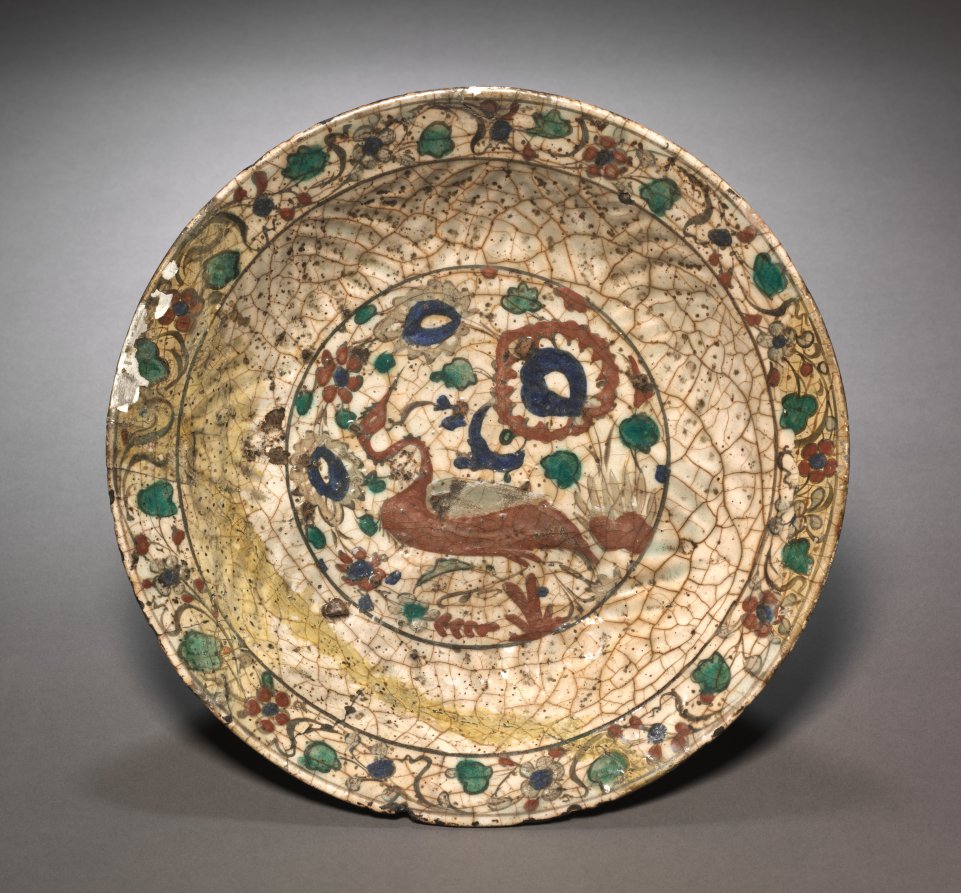
Bowl
Cleveland Museum of Art
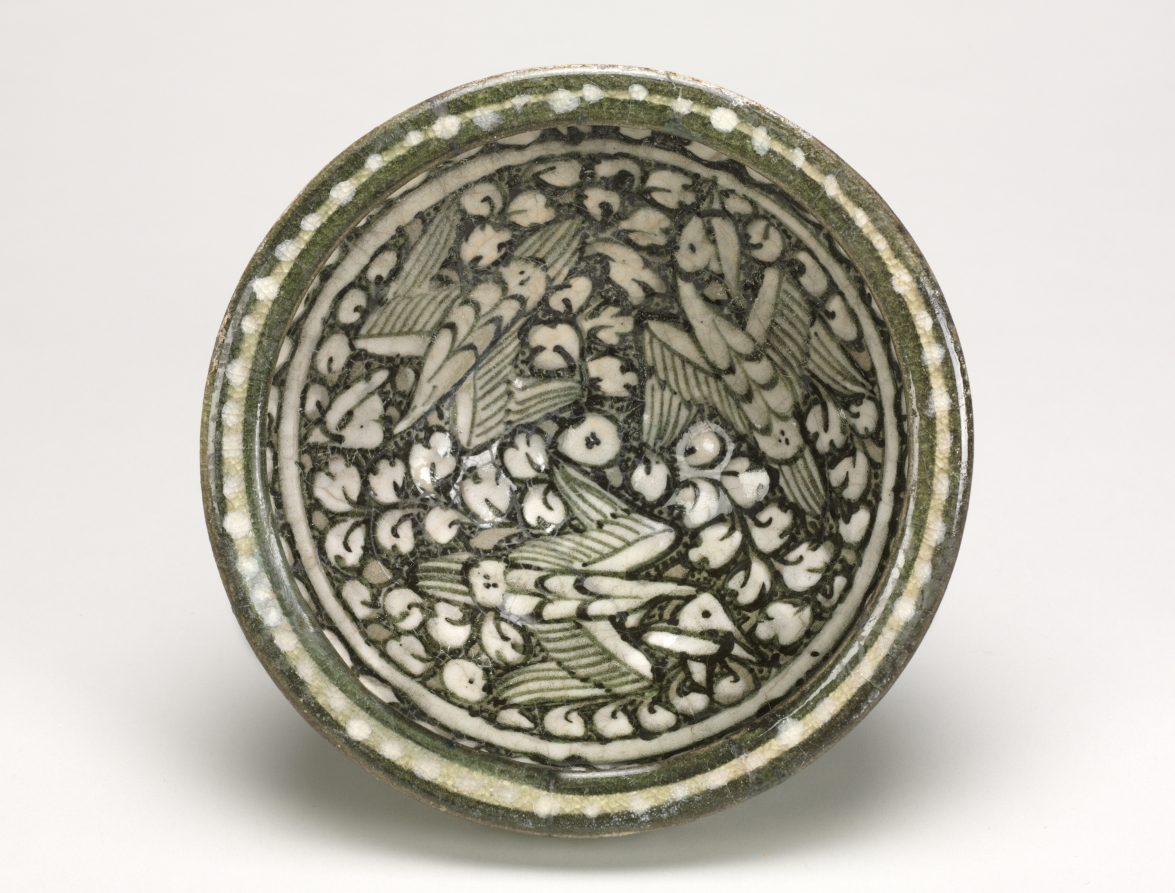
Bowl with Flying Birds
Cleveland Museum of Art
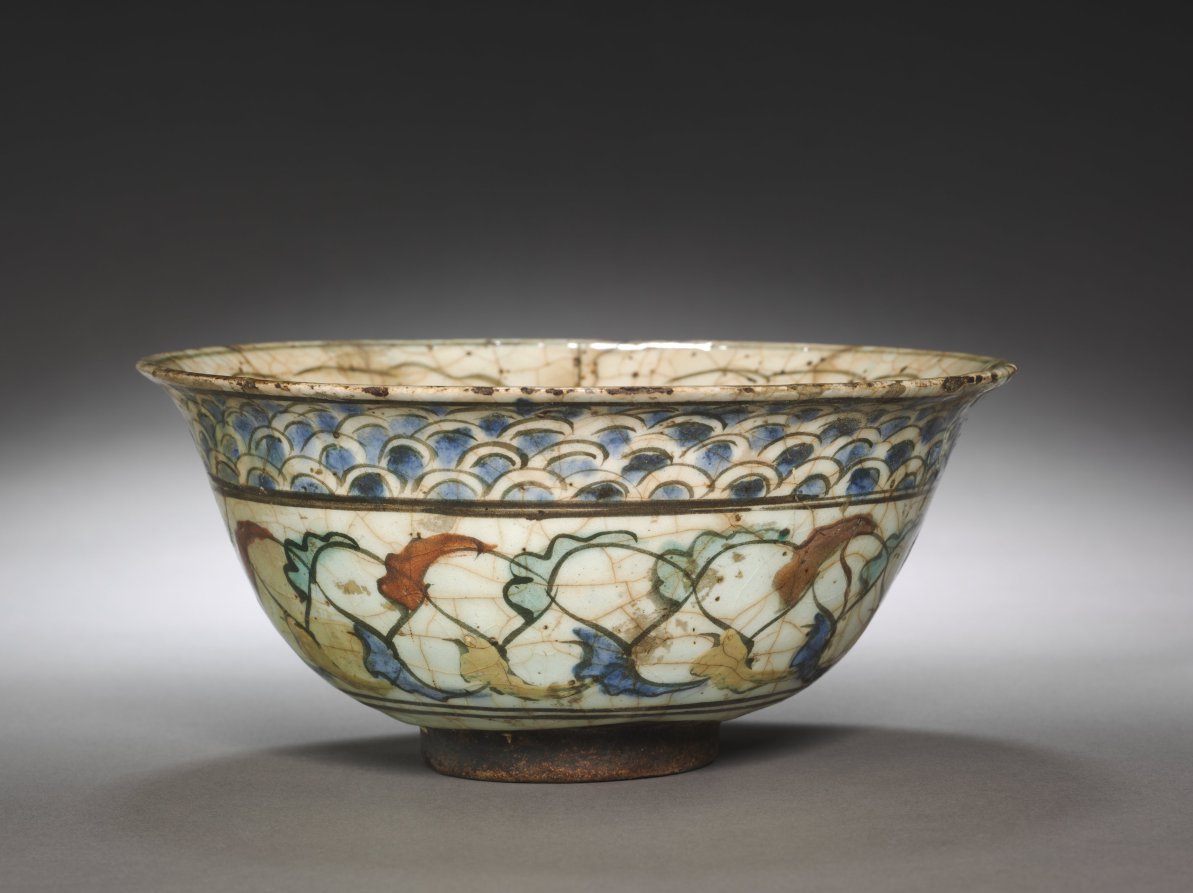
Bowl
Cleveland Museum of Art
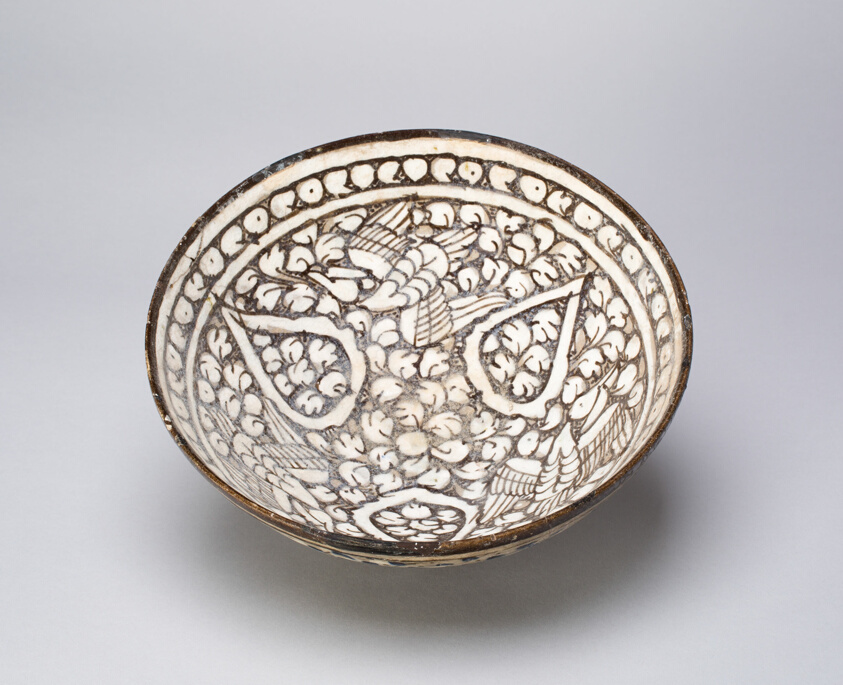
Bowl with Birds
Art Institute of Chicago
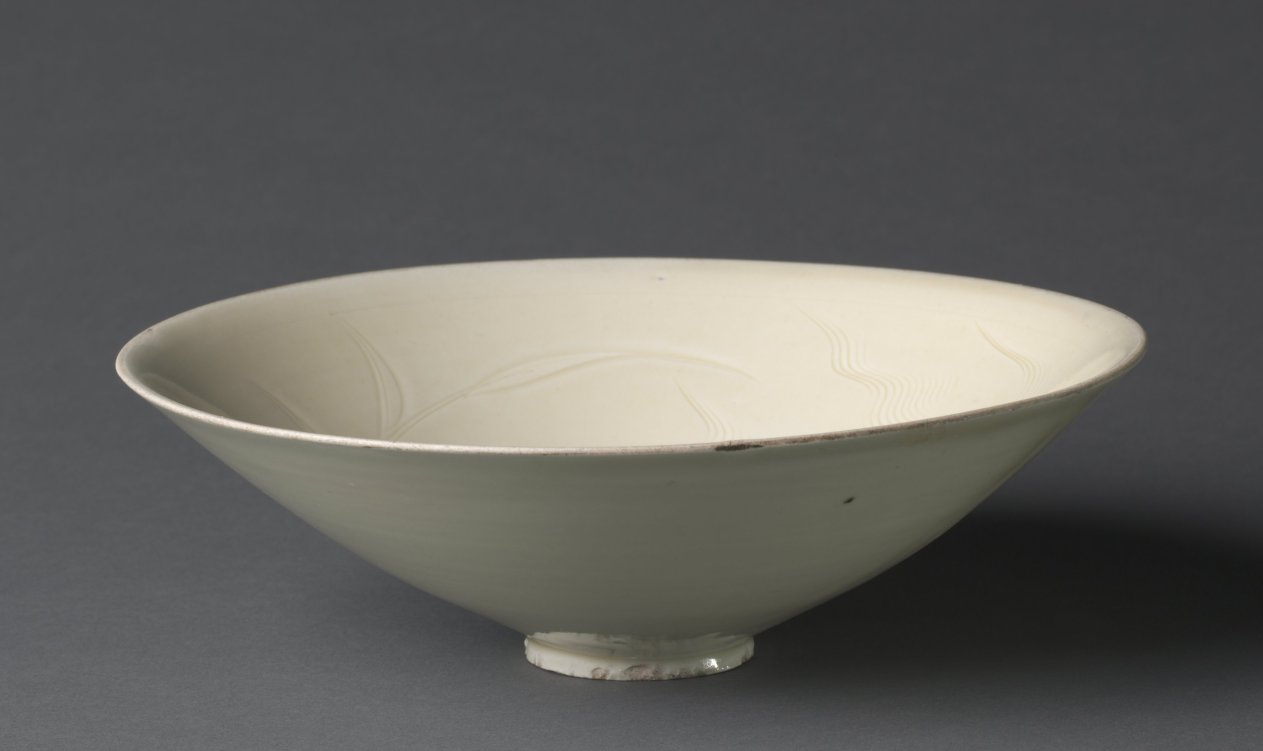
Bowl with Ducks among Waves and Reeds
Cleveland Museum of Art

Bowl with ‘Willow Tendril’ designs
Minneapolis Institute of Art

Large bowl with Kufic and Palmette motifs
Minneapolis Institute of Art
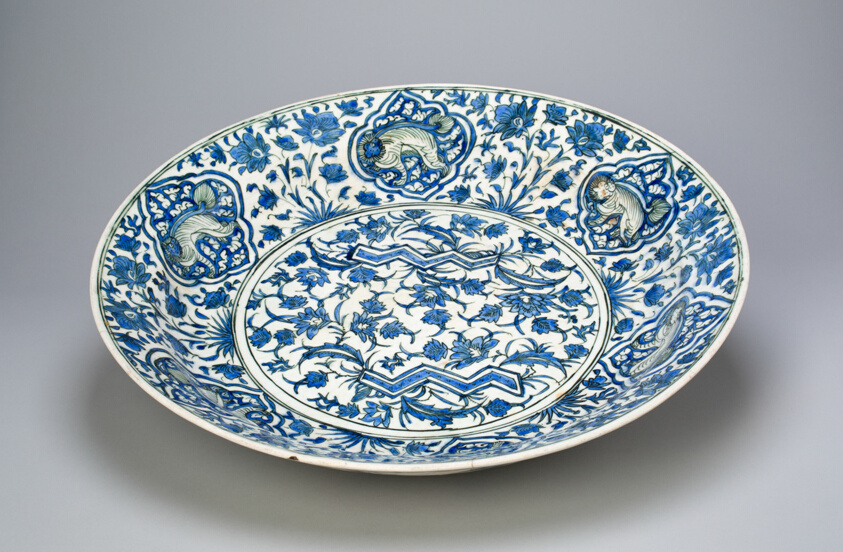
Dish with Floral and Animal Decoration
Art Institute of Chicago
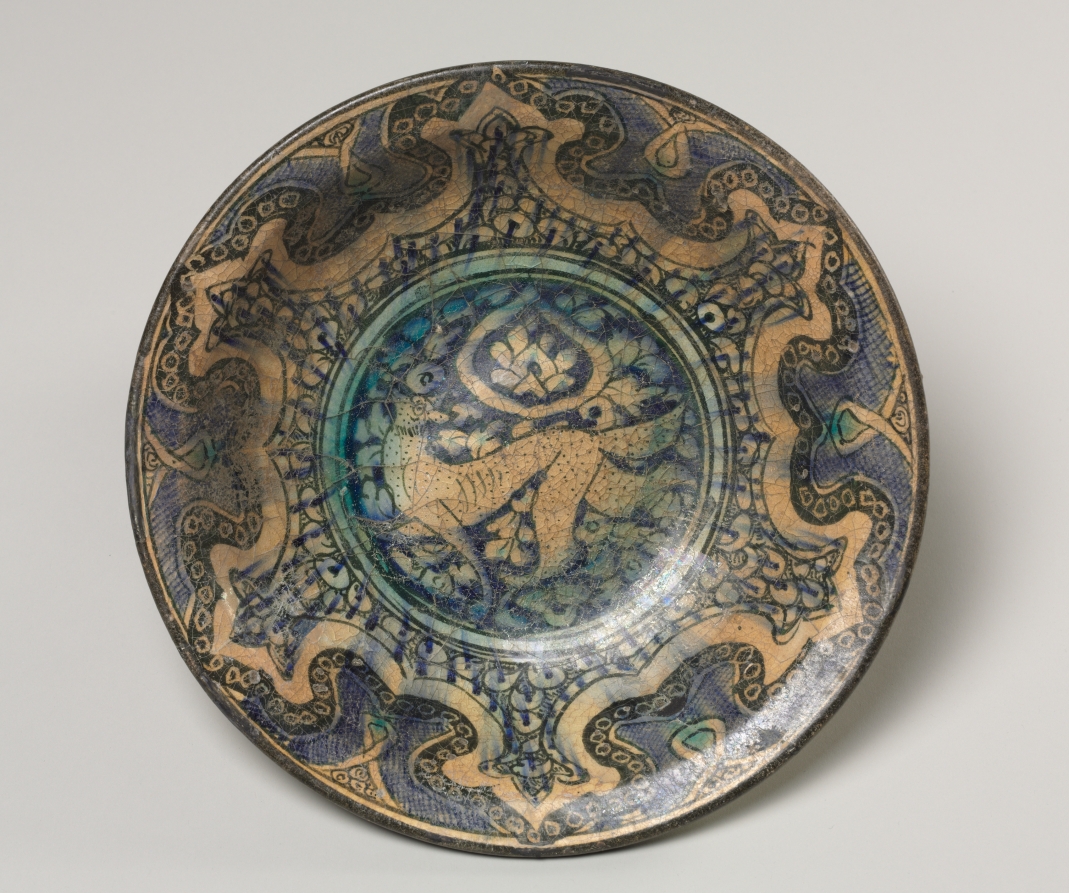
Bowl
Cleveland Museum of Art

Bowl
Minneapolis Institute of Art