Cleveland Museum of Art
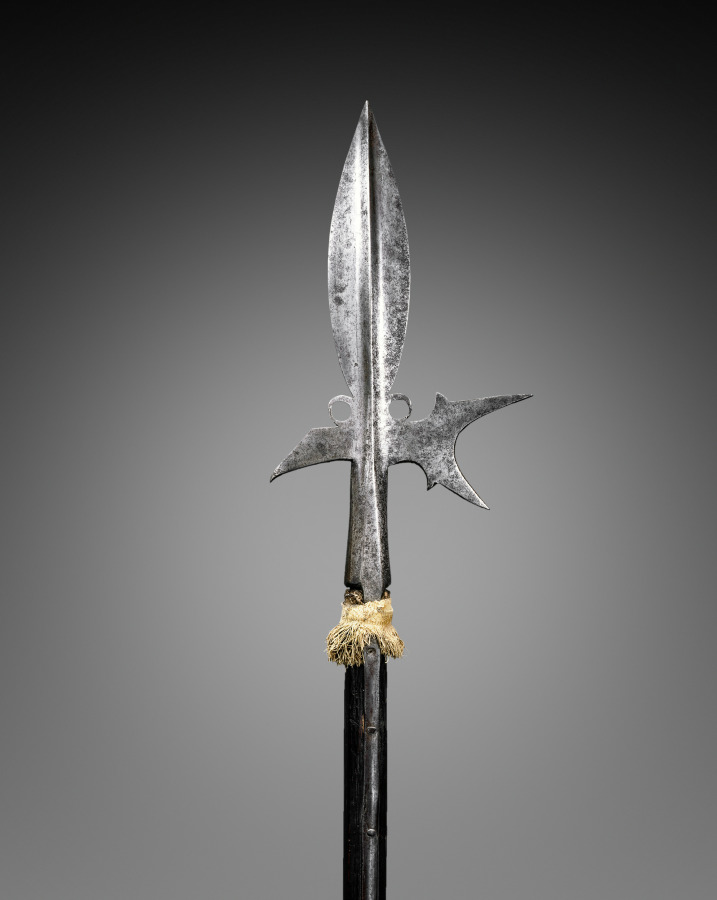
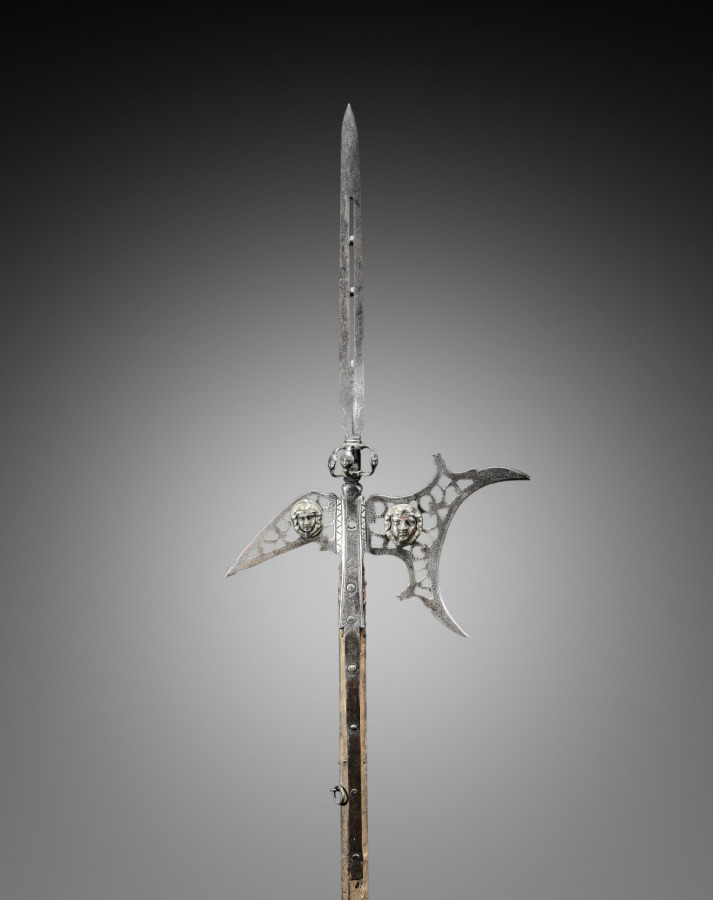
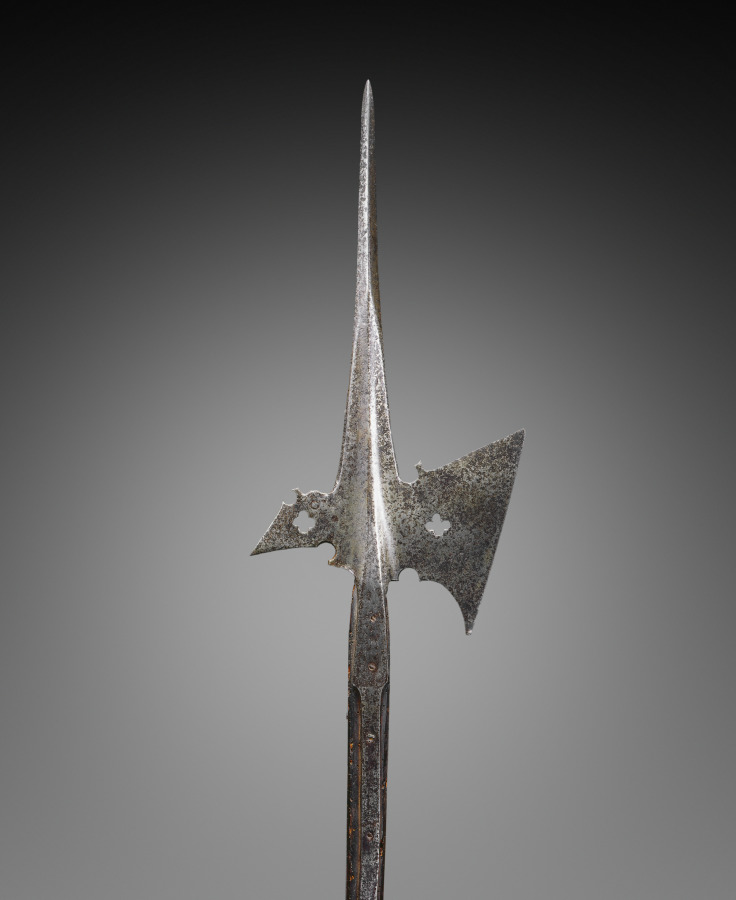
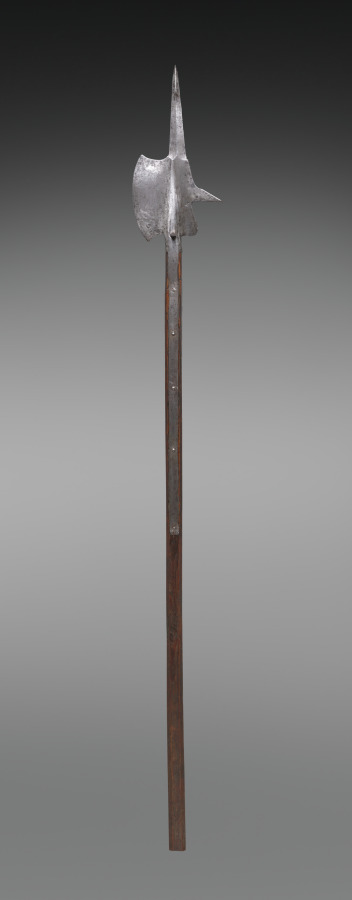
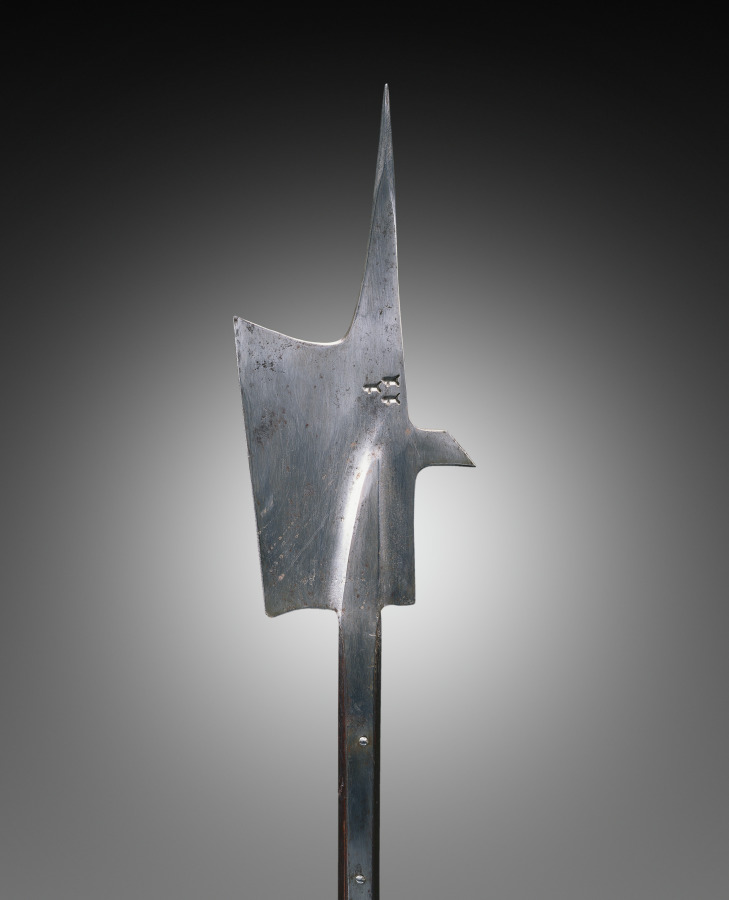
Halberd
- Date
- c. 1580
- Medium
- steel; leaf-shaped head; octagonal woof haft, woolen pompom
- Culture
- Germany, late 16th Century
- Department
- Medieval Art
- Institution
- Cleveland Museum of Art
The halberd was a staff weapon favored by European infantries (foot soldiers) of the 1400s and 1500s for its versatility and deadly effect. The word halberd comes from the German words Halm (staff) and Barte (axe). The halberd is, in fact, an axe that served multiple functions: the axe blade was used for hacking, the spike for thrusting, and the beak for piercing plate armor or for pulling a knight from his saddle. The halberd was used by shock troops (those who lead an attack) and by Swiss and German mercenaries. After about 1550, the halberd gradually became less functional. Its large blade provided space for coats of arms and insignia. By the late 1500s, the parade halberd had become a ceremonial weapon for palace guards. The production of a halberd was surprisingly complicated. The blade must cut but the rest of the metal head had to flexibly absorb and distribute force without breaking.
The authoritative record is held by Cleveland Museum of Art. LinkedCulture surfaces this object and its connections; it does not alter institutional metadata.
Related across collections
Semantically similar works from Cleveland Museum of Art and other institutions.
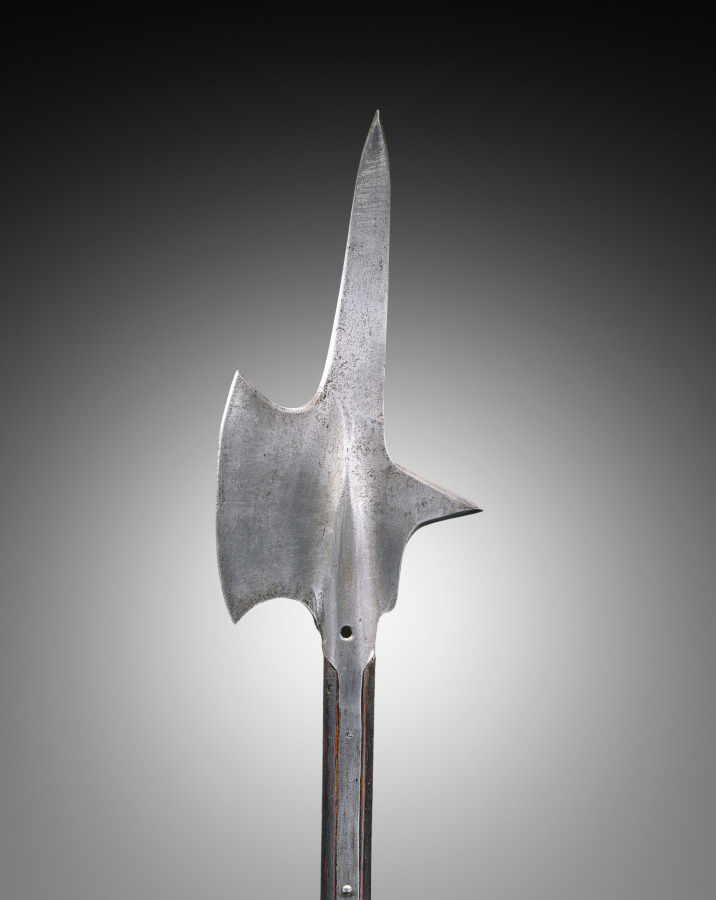
Halberd
Cleveland Museum of Art
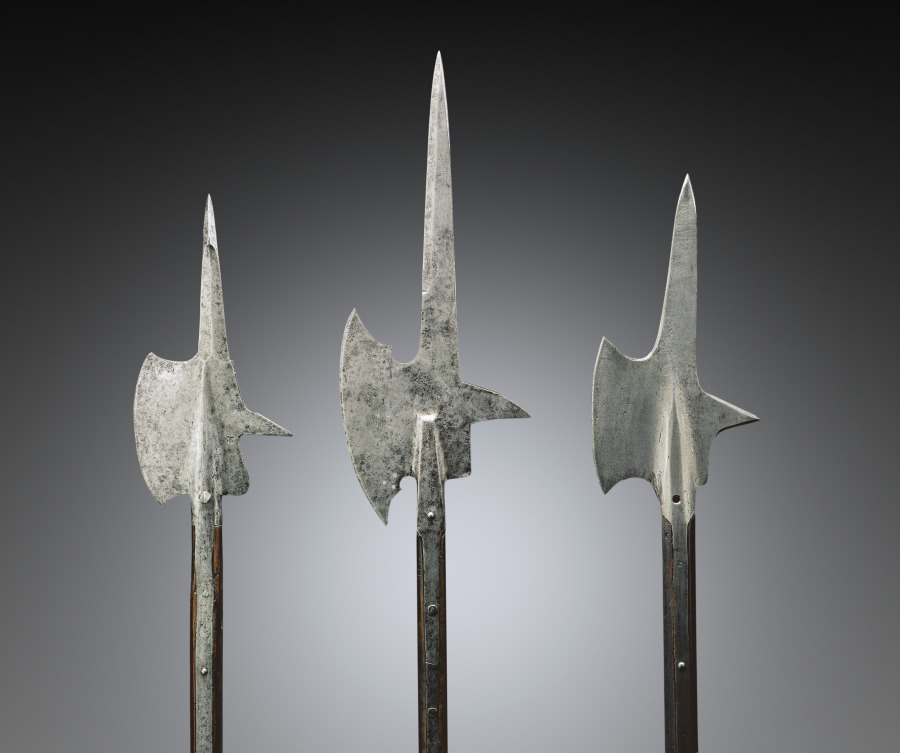
Halberd
Cleveland Museum of Art
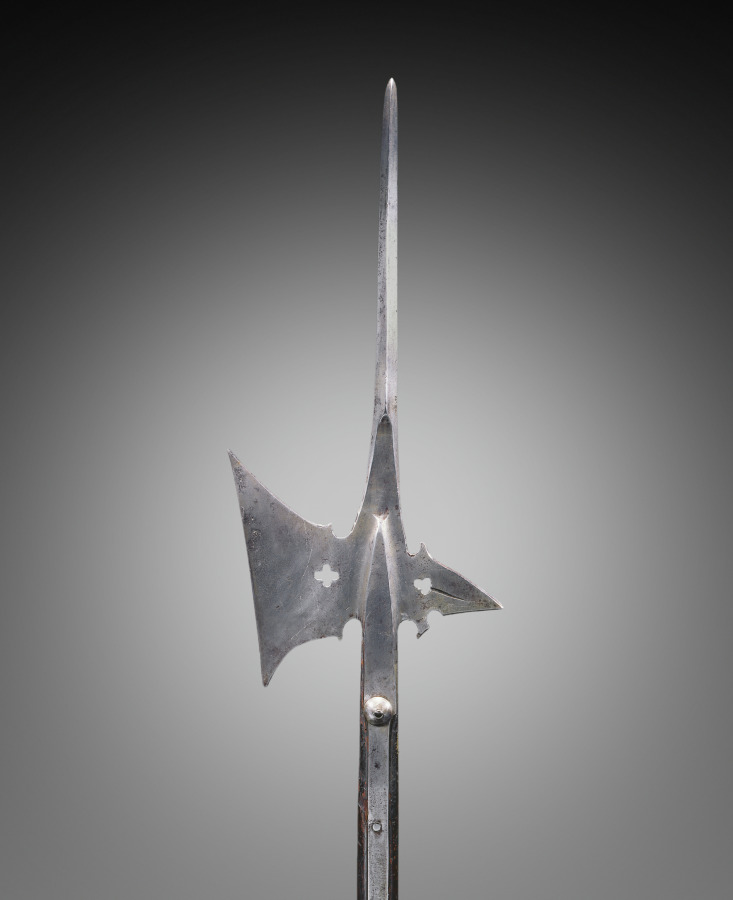
Halberd
Cleveland Museum of Art
Halberd
Cleveland Museum of Art
Halberd
Cleveland Museum of Art
Halberd
Cleveland Museum of Art
Halberd
Cleveland Museum of Art
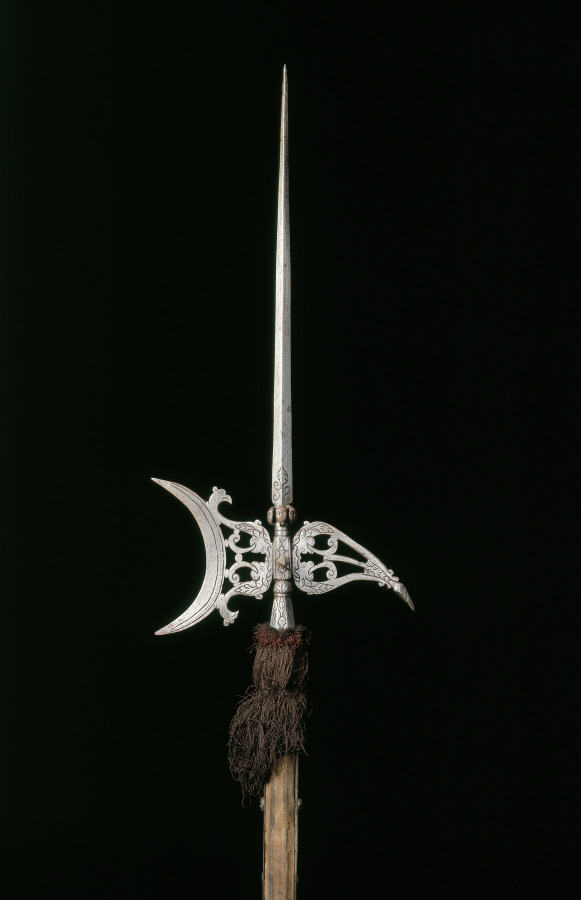
Parade Halberd
Cleveland Museum of Art
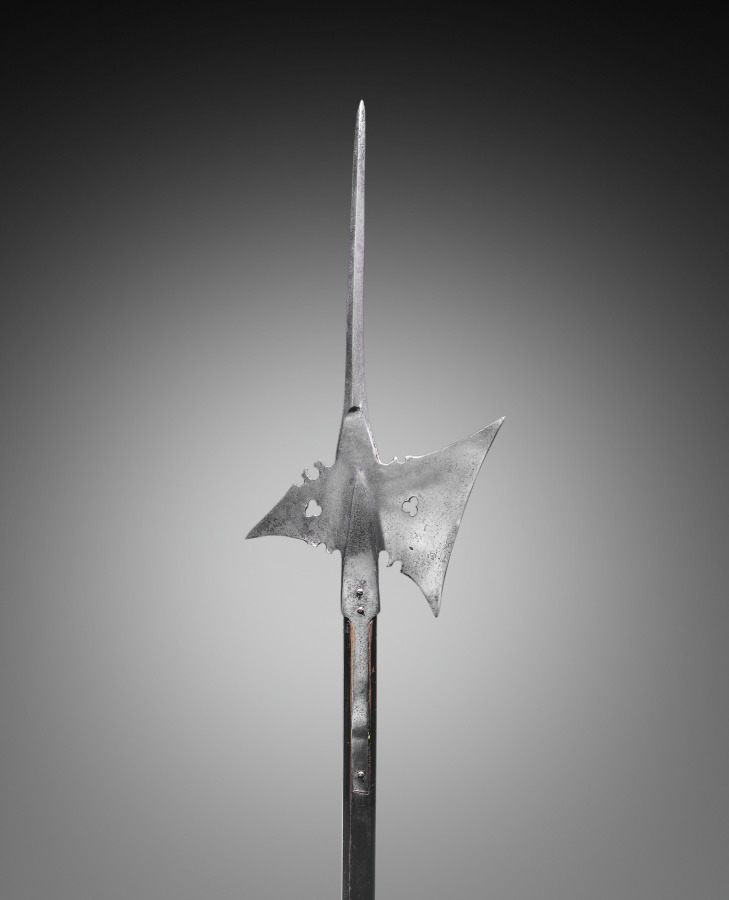
Halberd
Cleveland Museum of Art
![Parade Halberd (from the state guard of Elector Christian I of Saxony [ 1560- 91])](https://openaccess-cdn.clevelandart.org/1916.1819/1916.1819_web.jpg)
Parade Halberd (from the state guard of Elector Christian I of Saxony [ 1560- 91])
Cleveland Museum of Art

State Halberd
Art Institute of Chicago

Halberd for the Bodyguard of Karl Eusebius, Prince of Liechtenstein
Art Institute of Chicago