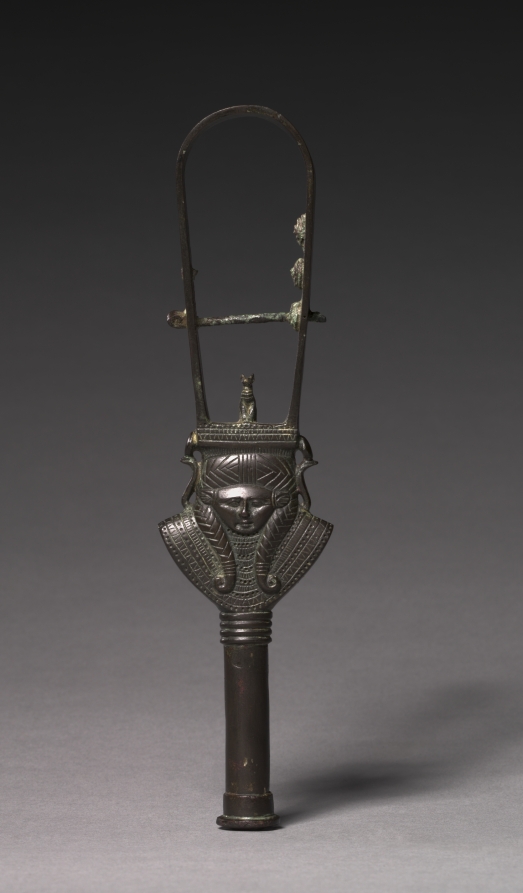
Cleveland Museum of Art
Arched Sistrum
- Date
- 380–343 BCE
- Medium
- bronze, hollow cast
- Culture
- Egypt, Late period (715–332 BCE), Dynasty 30
- Department
- Egyptian and Ancient Near Eastern Art
- Institution
- Cleveland Museum of Art
A sistrum is a musical rattle. Metal disks strung on wires along the arched upper end of the sistrum produced a rustling sound that was supposed to have a calming effect on the nerves of various deities, especially the goddesses Hathor and Bastet. Appropriately, this example is decorated with a Hathor head (a woman with cow’s ears) and a cat (the image of Bastet). These instruments are particularly associated with women, who played them as members of a temple choir.
The authoritative record is held by Cleveland Museum of Art. LinkedCulture surfaces this object and its connections; it does not alter institutional metadata.
Related across collections
Semantically similar works from Cleveland Museum of Art and other institutions.
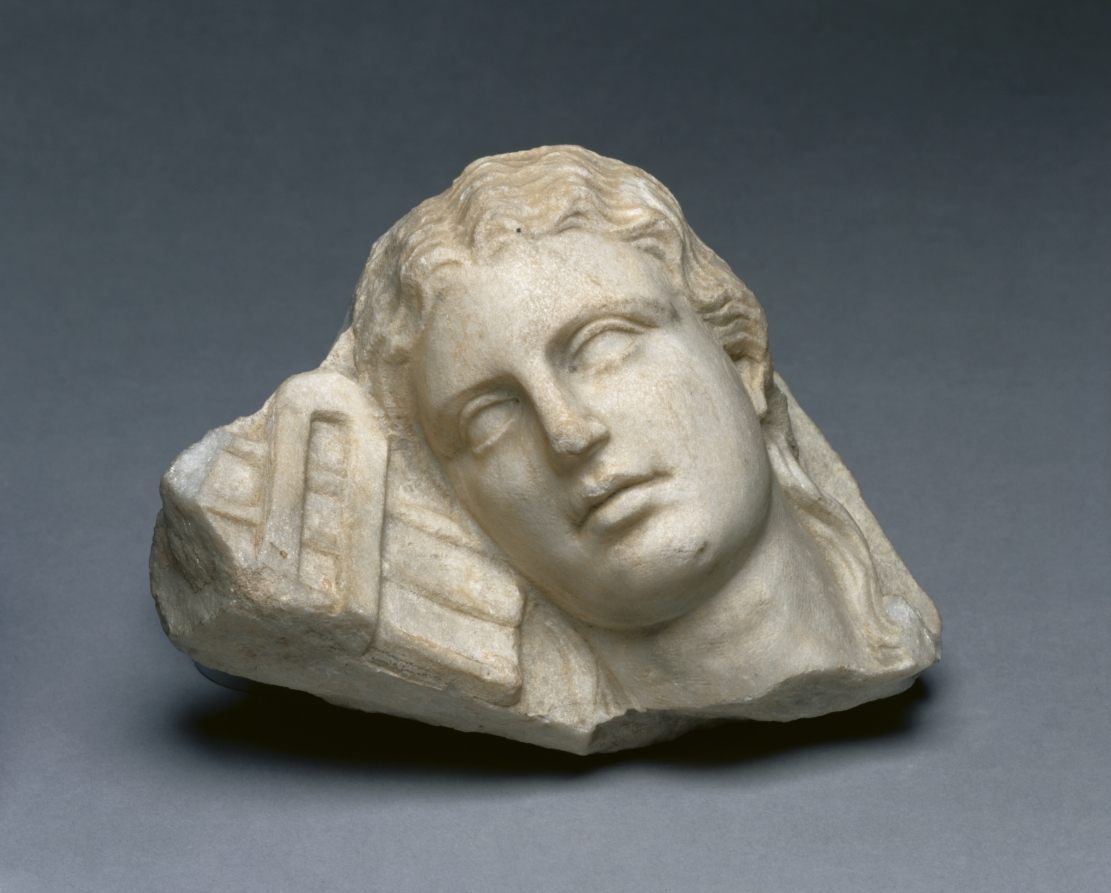
Head of a Woman Holding a Sistrum
Cleveland Museum of Art
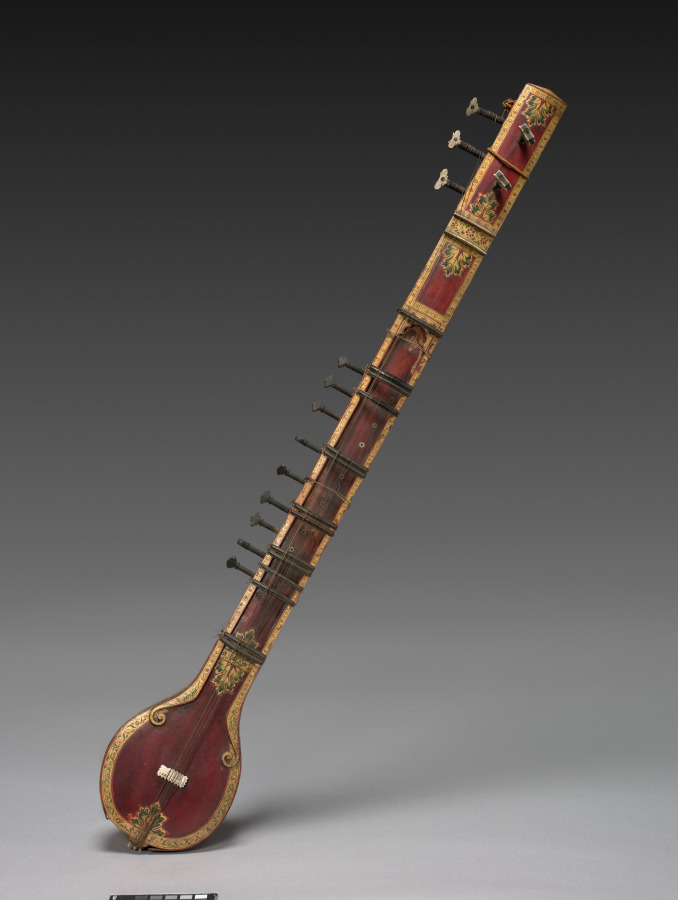
Sitar
Cleveland Museum of Art
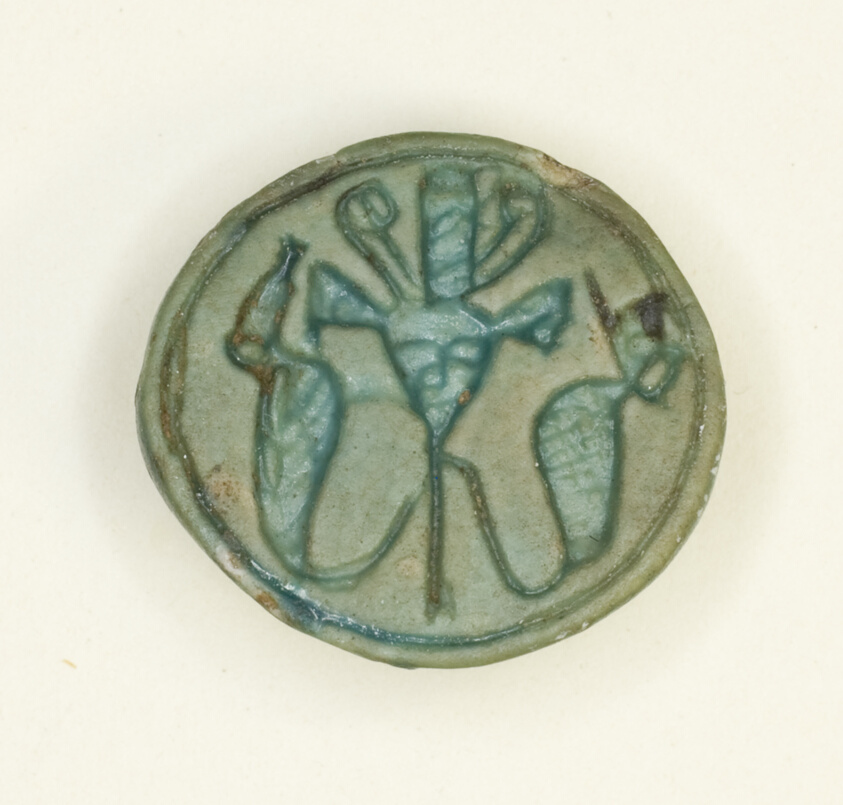
Cowroid: Hathor Sistrum Flanked by Uraei
Art Institute of Chicago
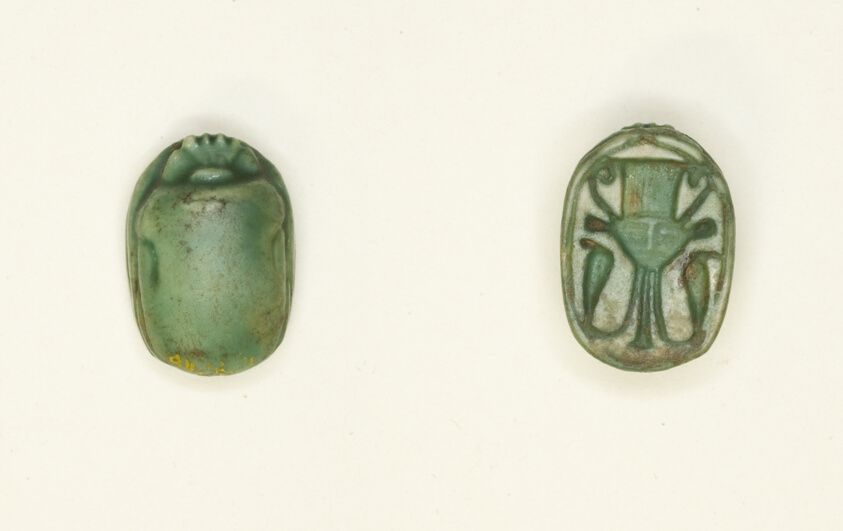
Scarab: Hathor Sistrum
Art Institute of Chicago
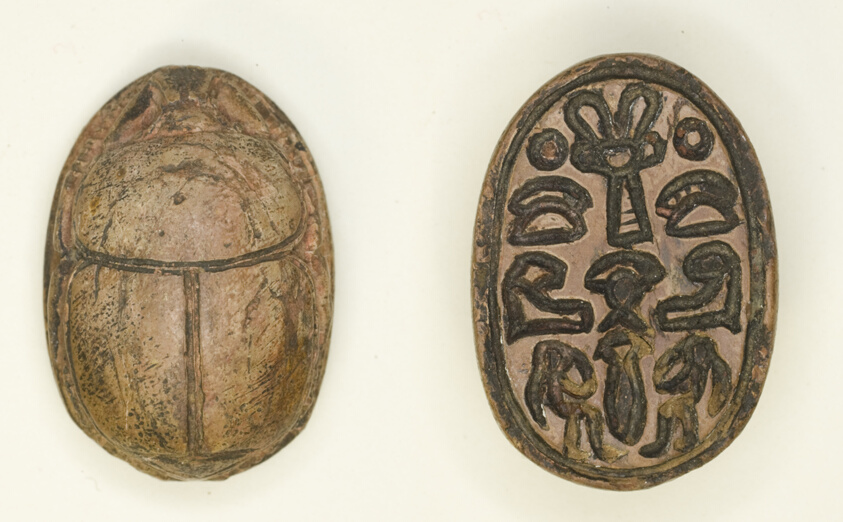
Scarab: Hathor Sistrum with Hieroglyphs (xaw-signs, hAt-signs, child signs, papyrus stalk)
Art Institute of Chicago
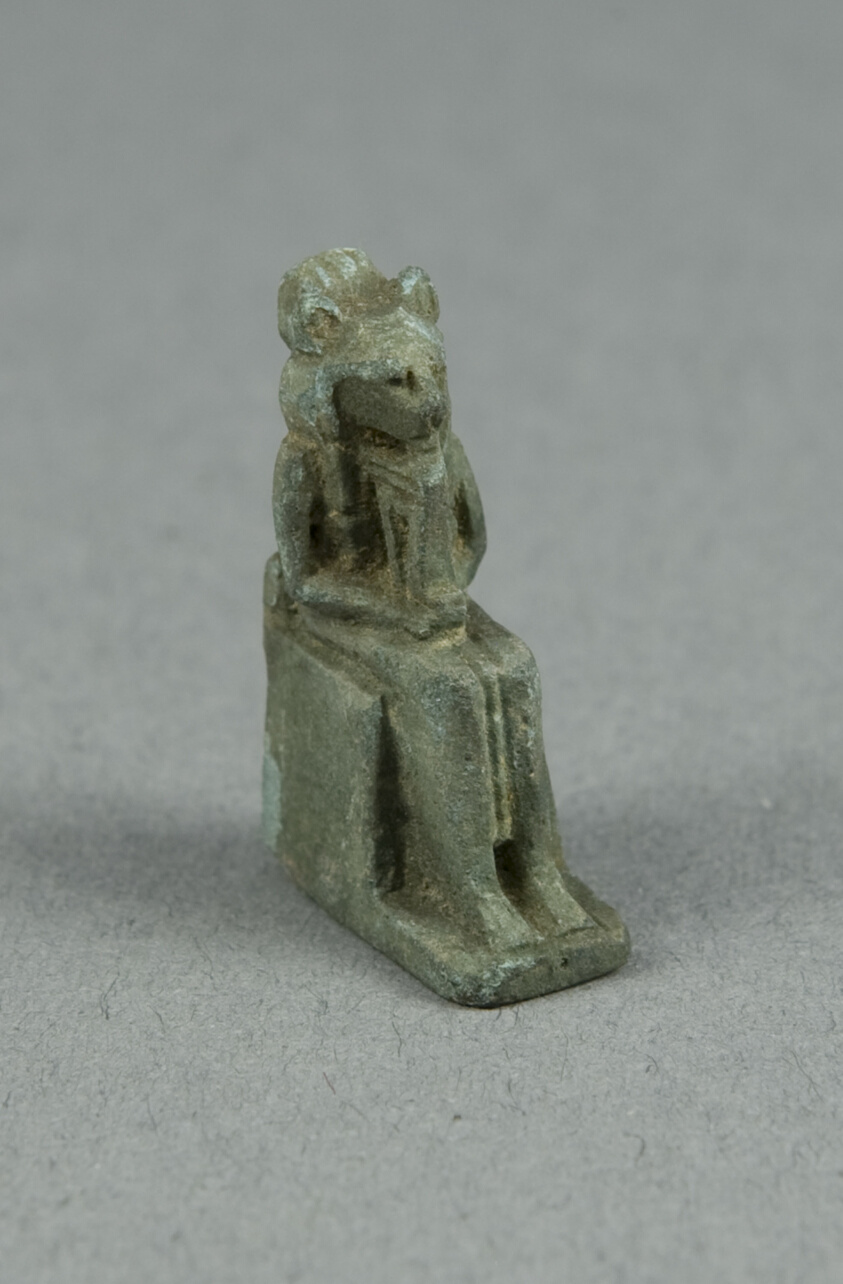
Amulet of a Seated Lion-headed Goddess Holding a Sistrum, possibly Bastet
Art Institute of Chicago
sistre
Joconde
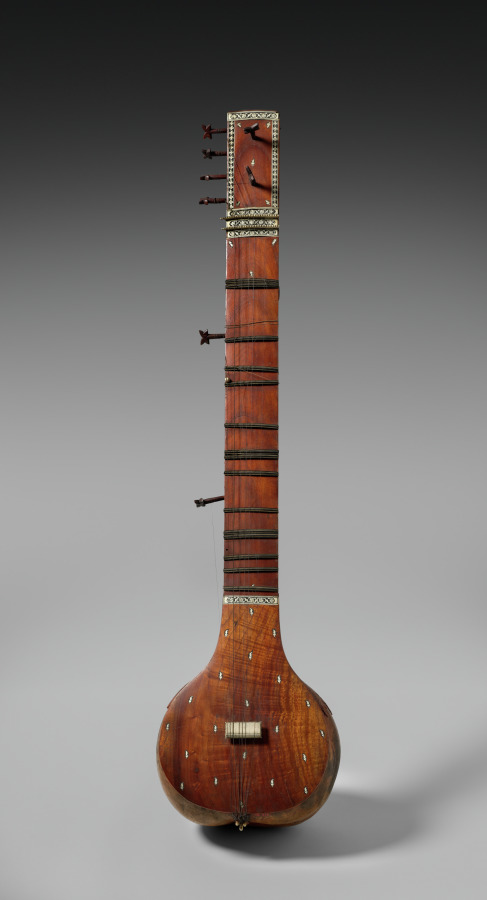
Sitar
Cleveland Museum of Art
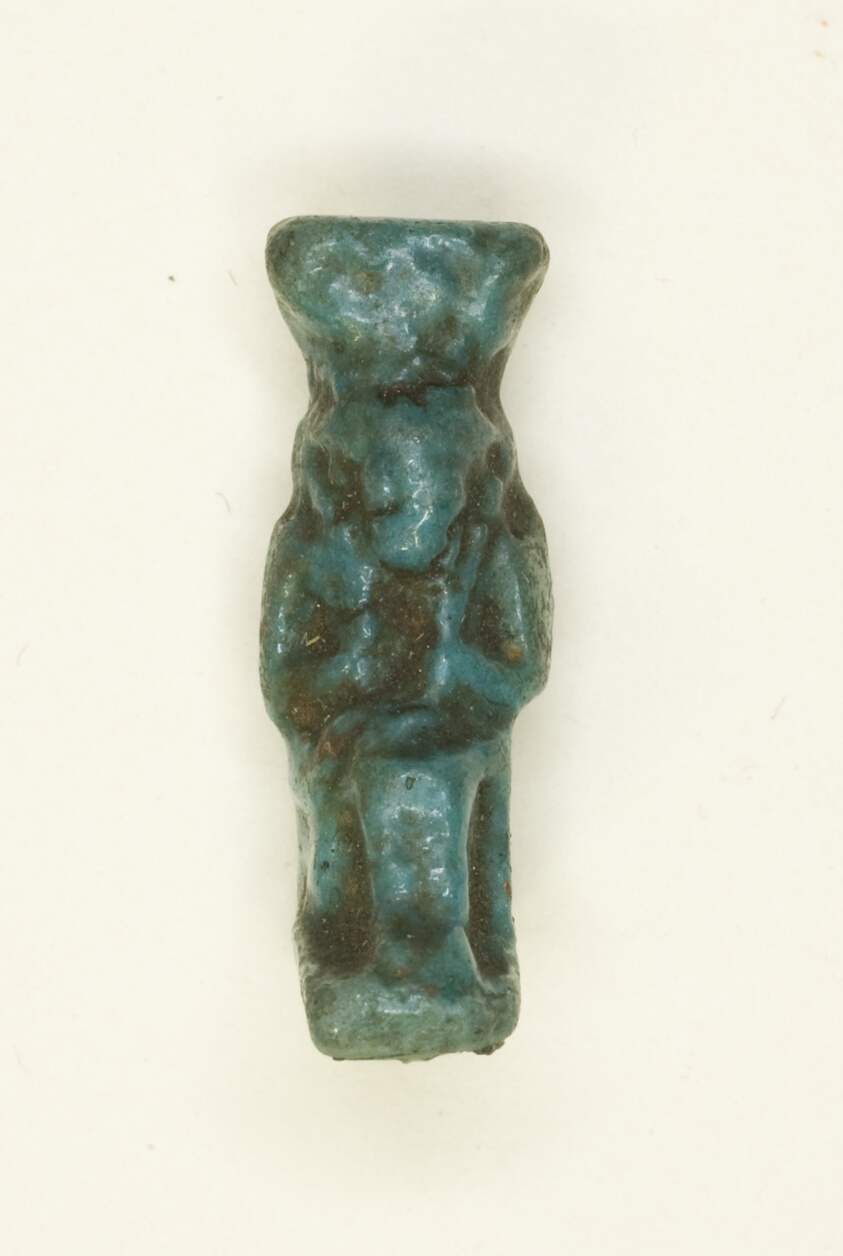
Amulet of the Goddess Hathor with Menat and Sistrum
Art Institute of Chicago
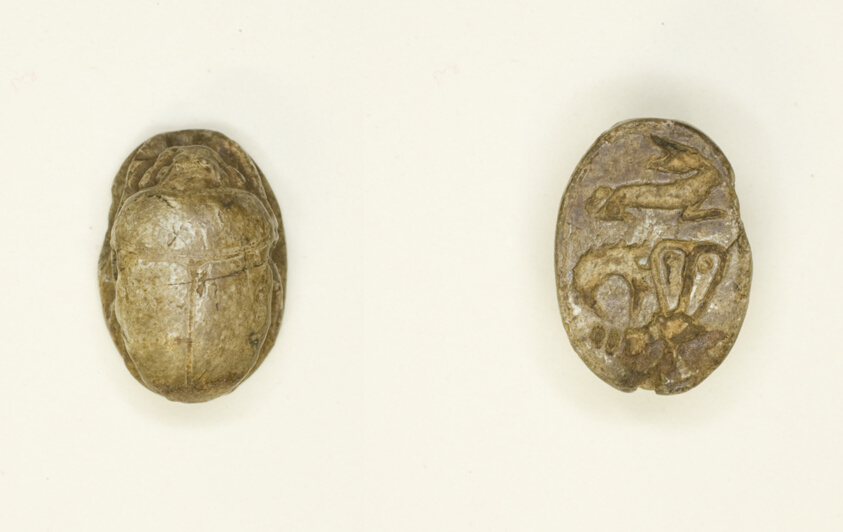
Scarab: Rabbit with Hathor Sistrum
Art Institute of Chicago
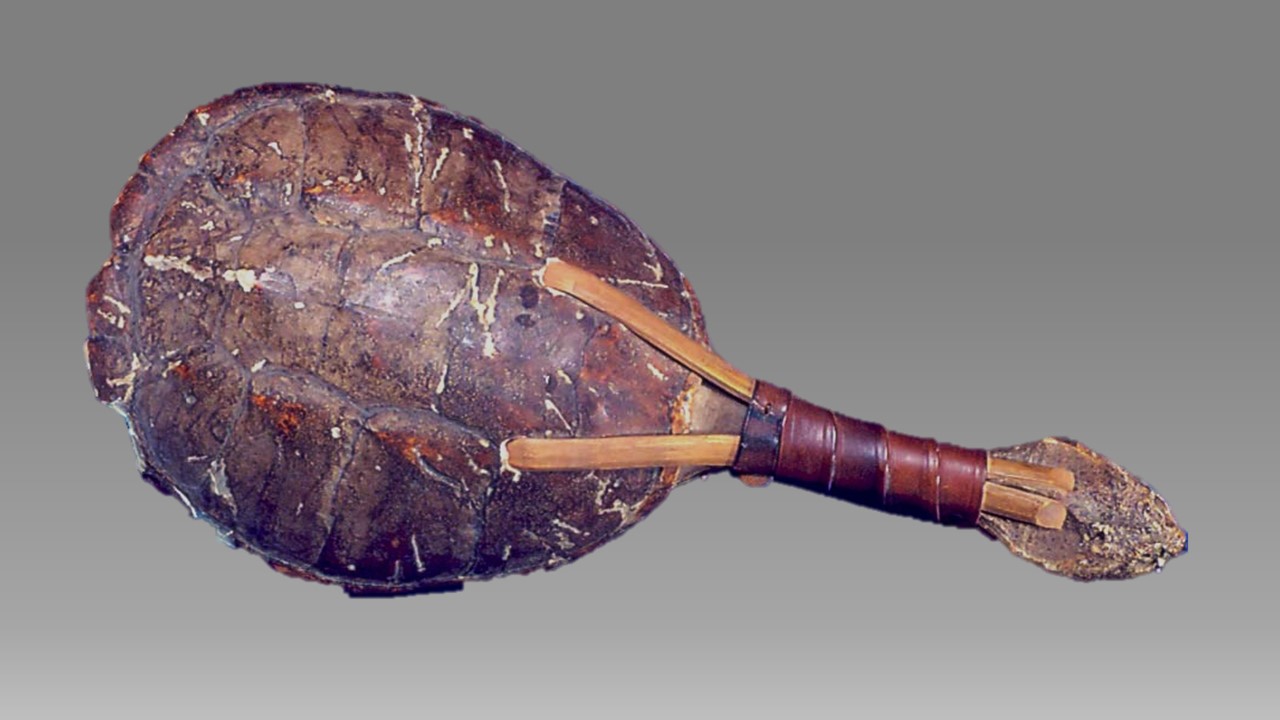
Kanyáhte’ ká’nowa’ (Snapping turtle rattle) or Kastáwēˀshæˀ (Ga-Nó-Wa Gustáh)
The Metropolitan Museum of Art
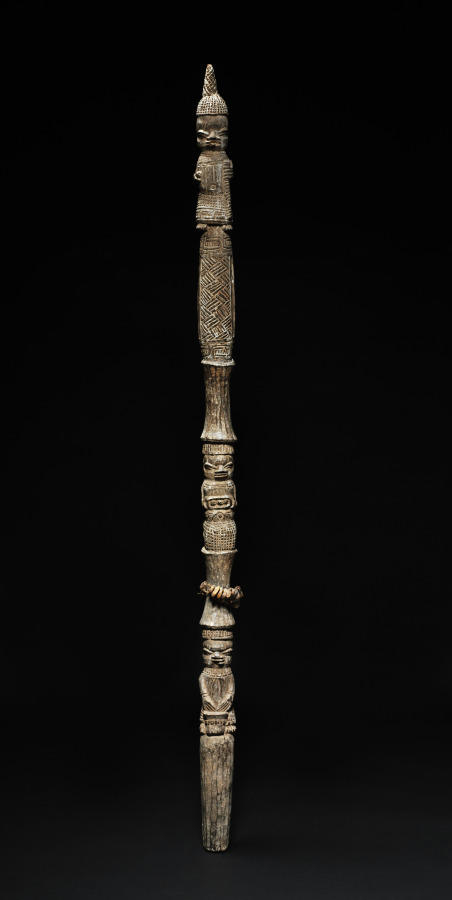
Rattle Staff (ukhuhre)
Cleveland Museum of Art