Cleveland Museum of Art
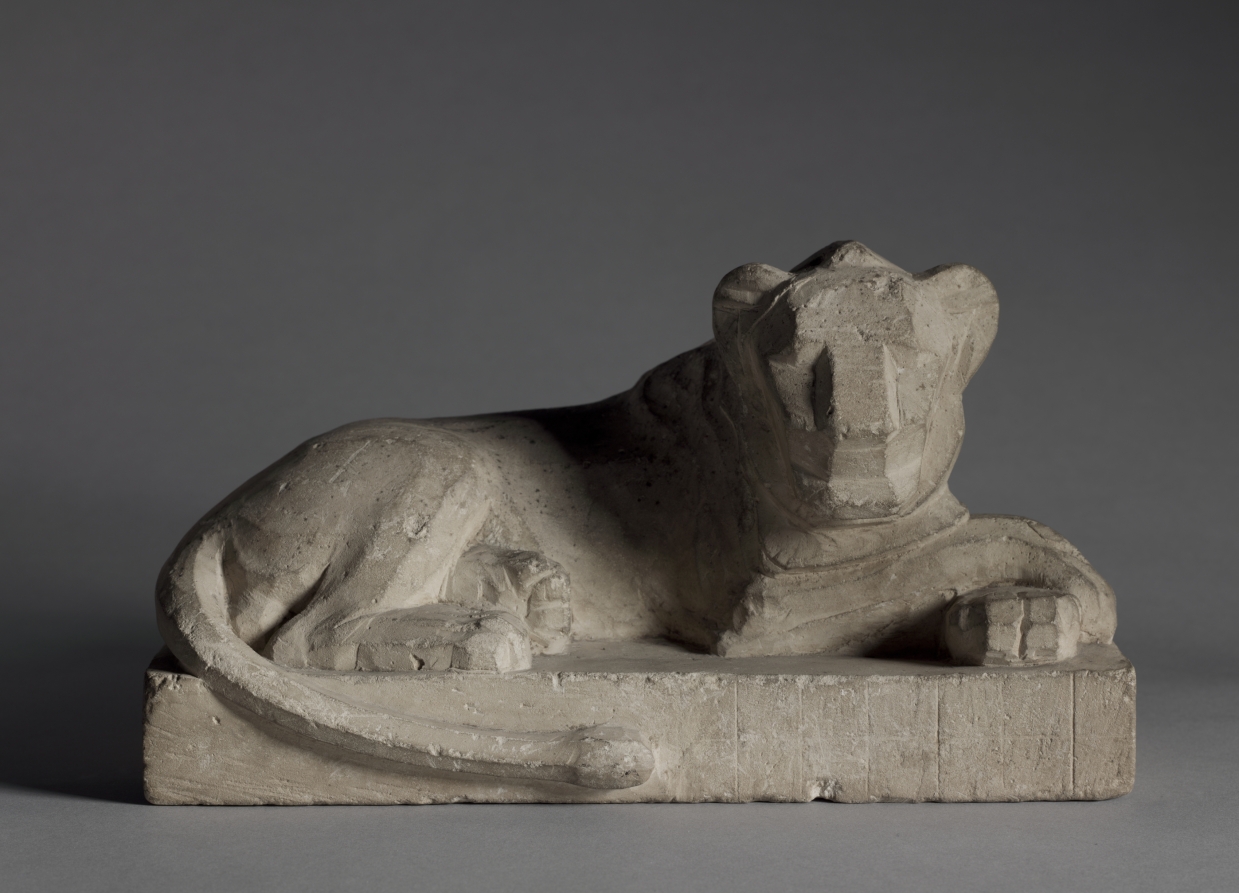
Statuette of a Lion
- Date
- 380–246 BCE
- Medium
- limestone
- Culture
- Egypt, Late period (715–332 BCE), Dynasty 30
- Department
- Egyptian and Ancient Near Eastern Art
- Institution
- Cleveland Museum of Art
Lions in Egyptian art are usually shown prone and relaxed, and usually represent the king. But this statuette probably represents the lion god Mahes who had a great temple at Leontopolis ("Lion-City") in the Delta where lions were kept. We know from classical authors that the temple maintained musicians to play to the lions to calm their nerves. In antiquity, lions were often associated with rulers and this miniature sculpture likely depicts the Egyptian lion god Mahes. In ancient Egypt, a special city known as Leontopolis, or "Lion-City," had a temple dedicated to this deity in which live lions were kept. This small limestone sculpture would have been at home in such a location.
The authoritative record is held by Cleveland Museum of Art. LinkedCulture surfaces this object and its connections; it does not alter institutional metadata.
Related across collections
Semantically similar works from Cleveland Museum of Art and other institutions.
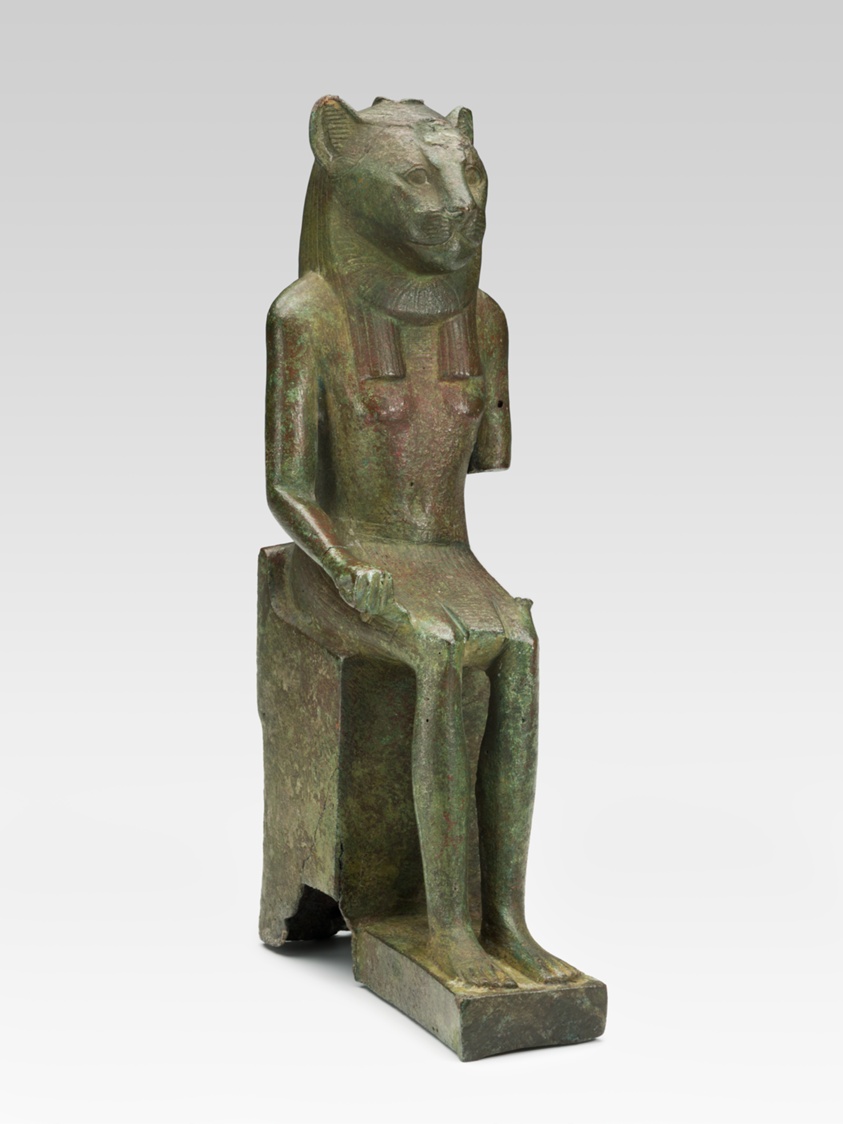
Statuette of a Lion-headed God, probably Horus of Buto
Art Institute of Chicago

Statuette of a Lion
Getty Museum
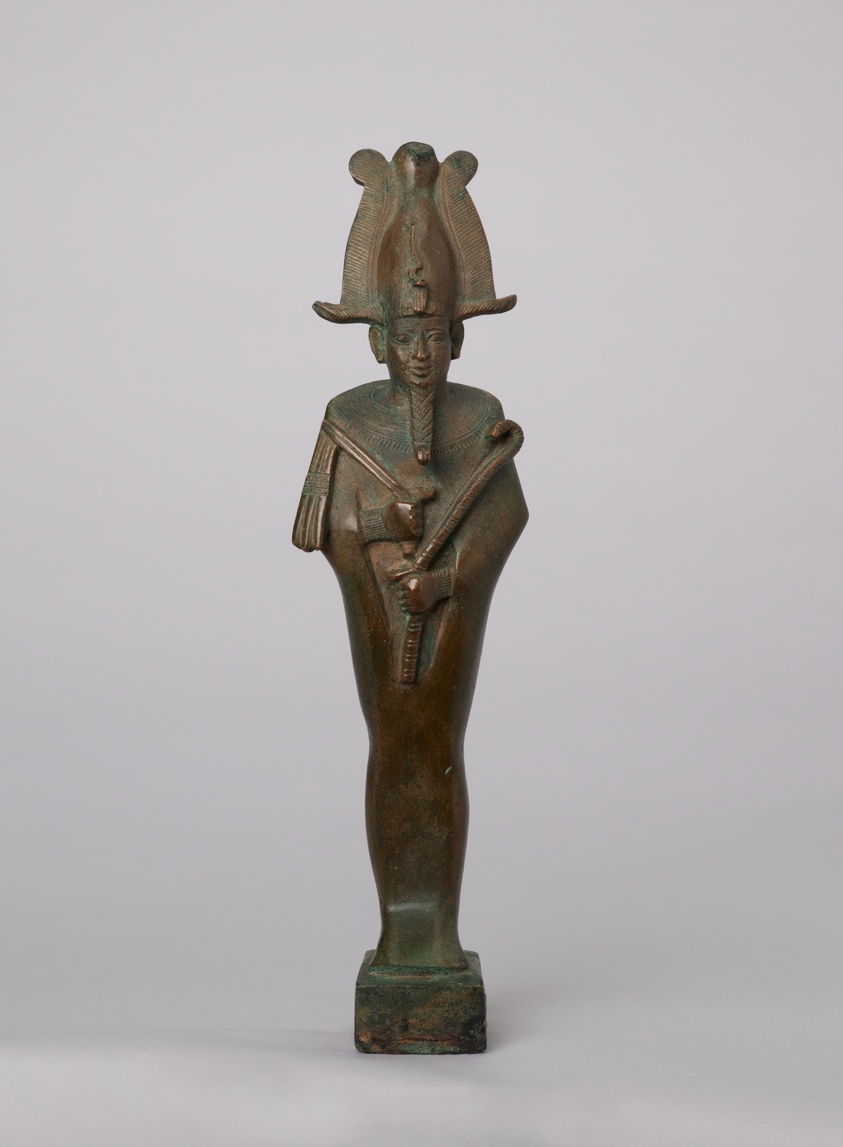
Statuette of Osiris
Art Institute of Chicago
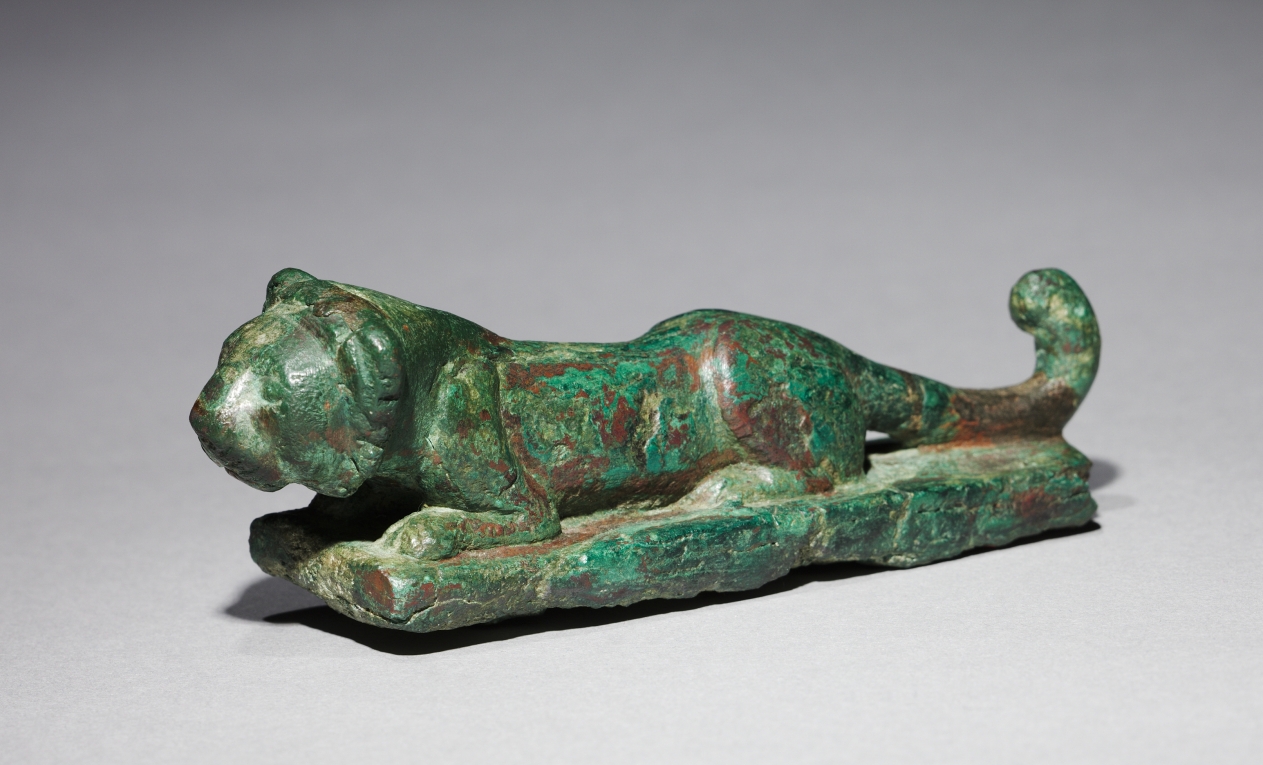
Lioness
Cleveland Museum of Art
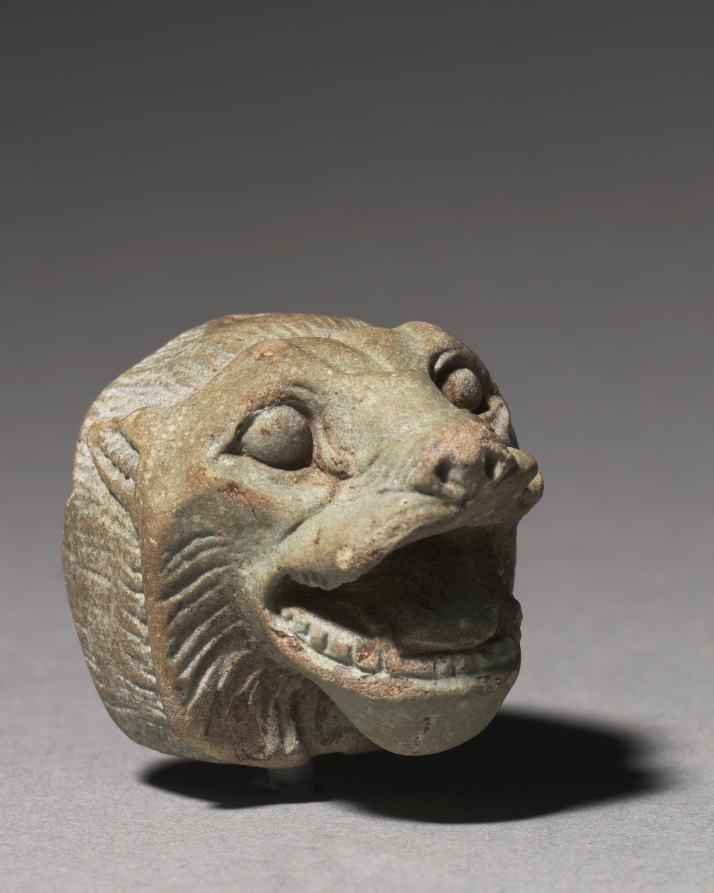
Lion Head
Cleveland Museum of Art
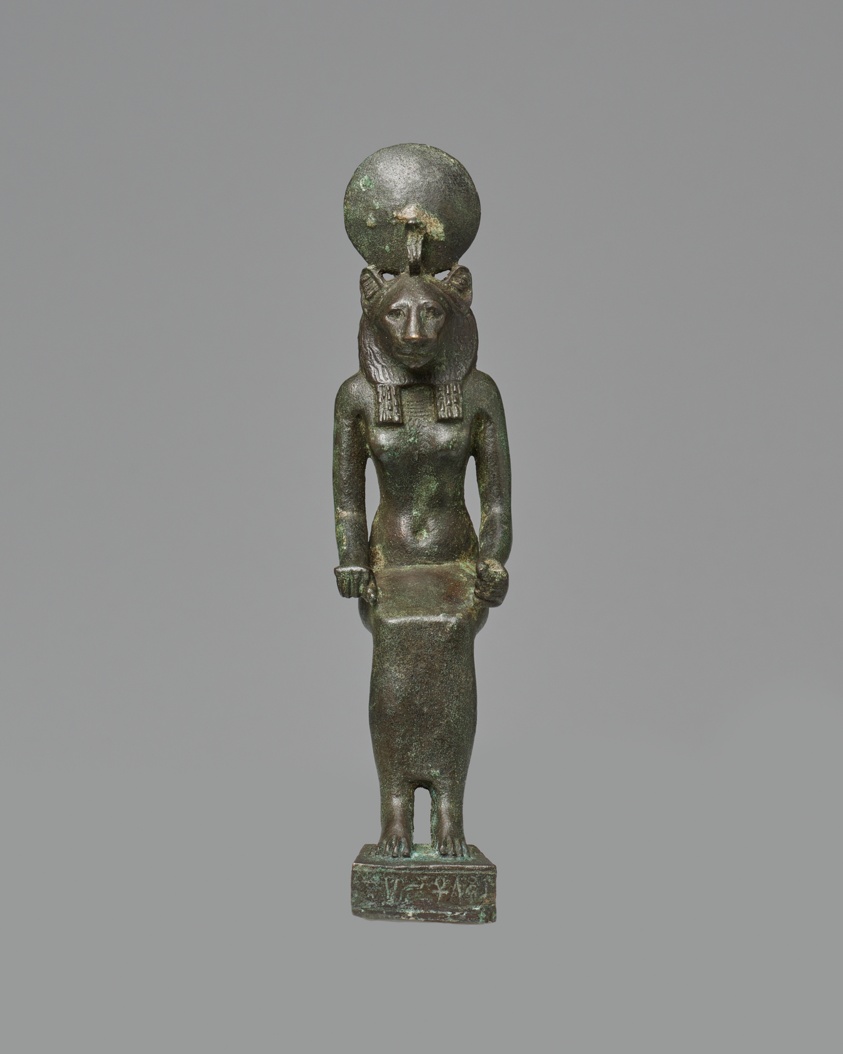
Statuette of Wadjet or Sekhmet
Art Institute of Chicago
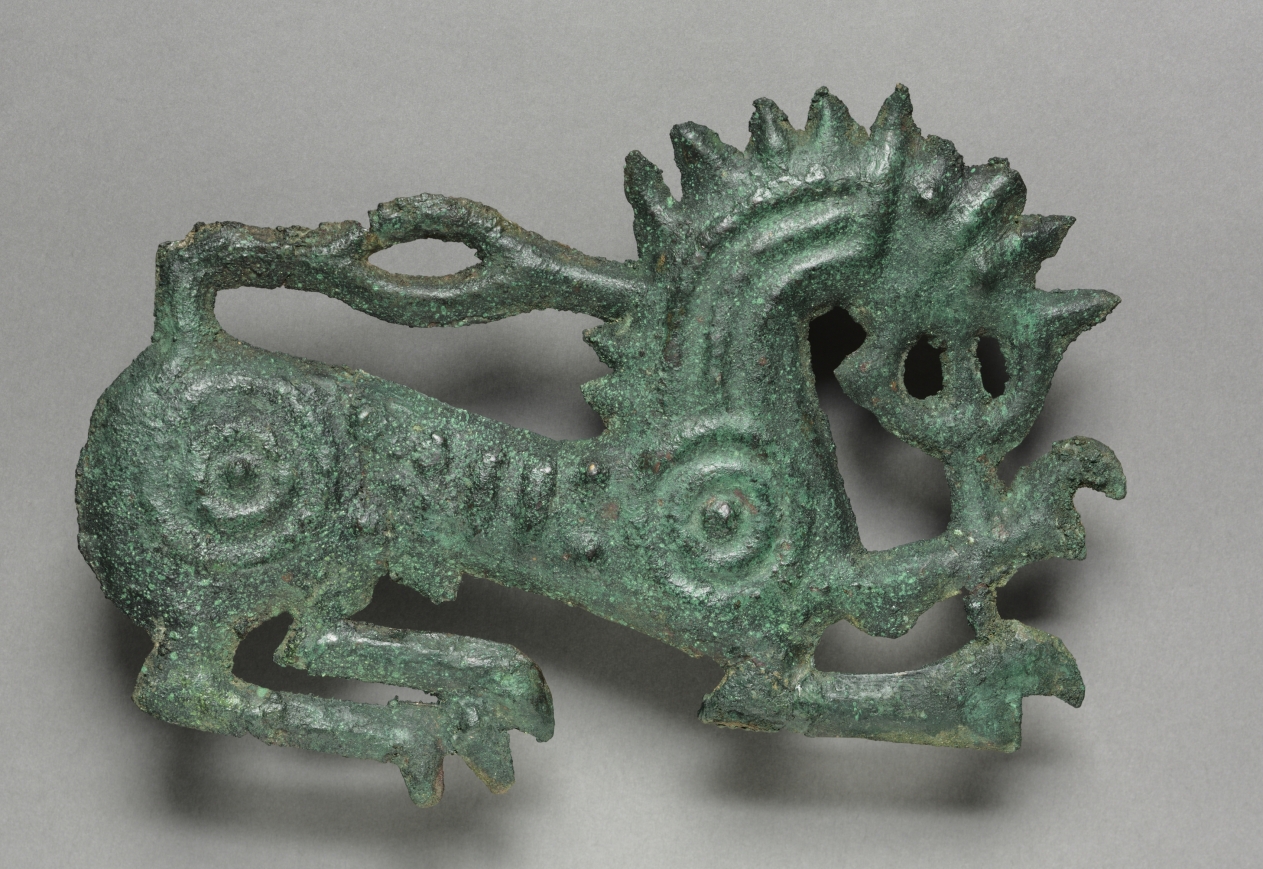
Lion Plaque
Cleveland Museum of Art

Statuette of a Seated Lion
Getty Museum
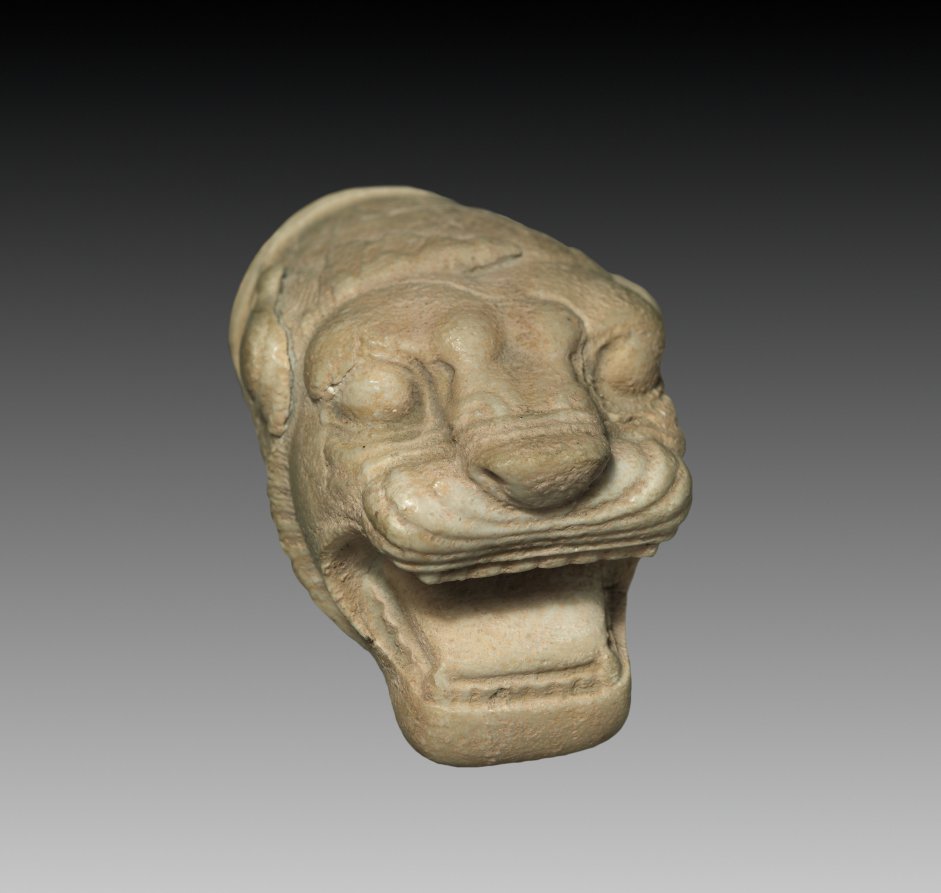
Lion's Head
Cleveland Museum of Art
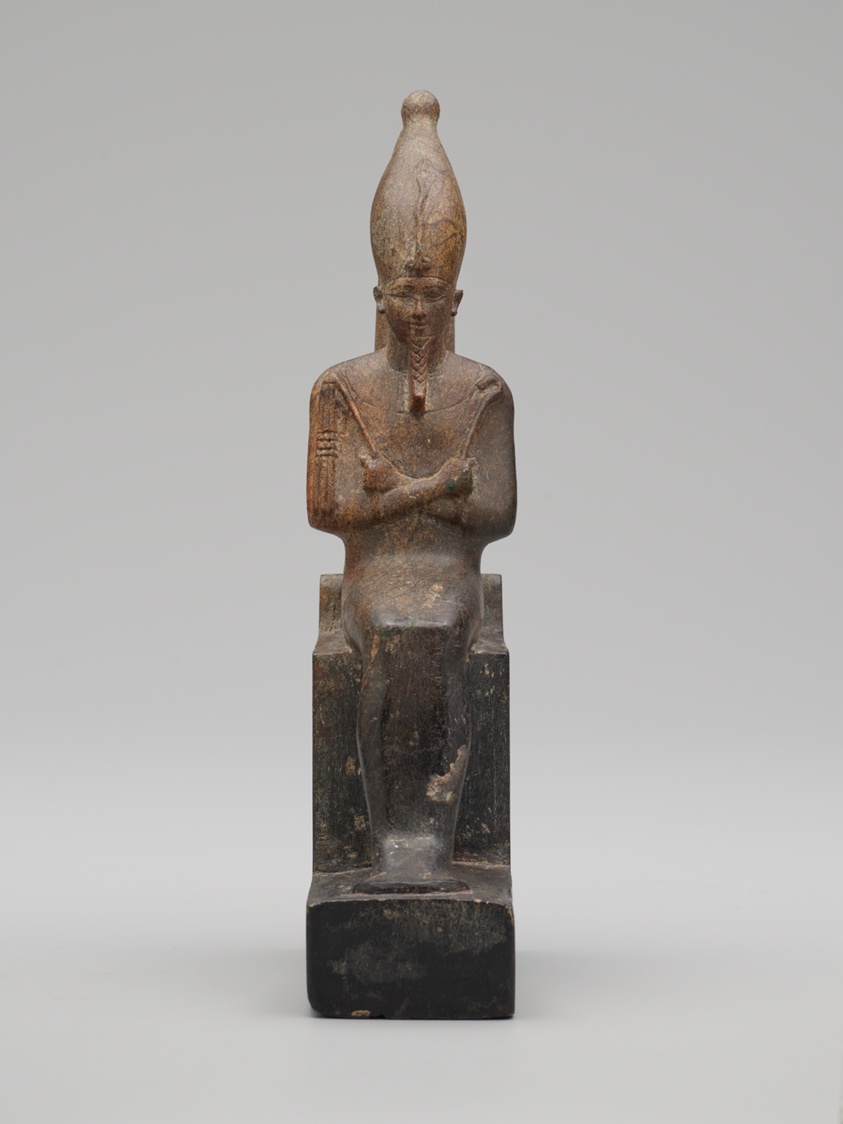
Statuette of Osiris
Art Institute of Chicago
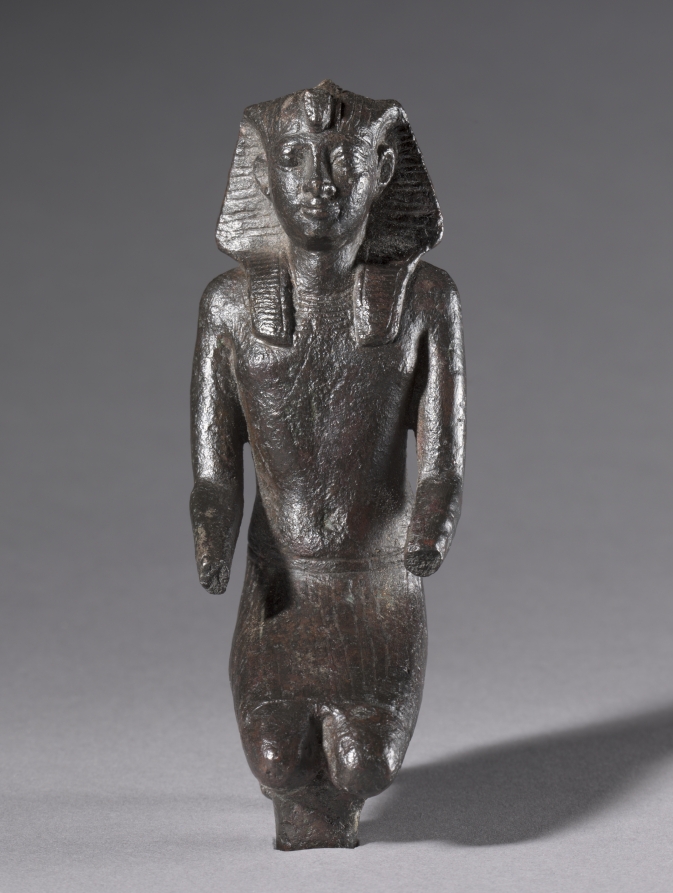
Statuette of Kneeling King
Cleveland Museum of Art

Statuette of the God Harpocrates
Art Institute of Chicago