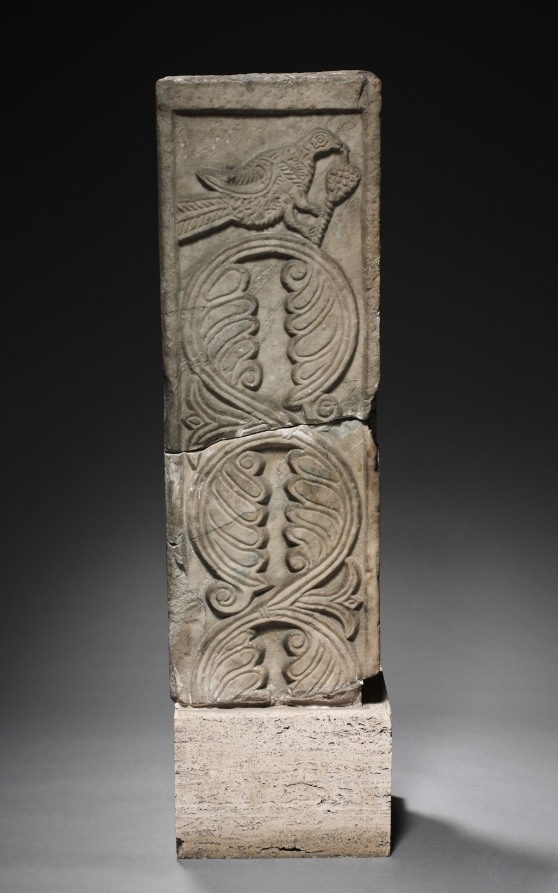
Cleveland Museum of Art
Transenna Post
- Date
- 700s–800s
- Medium
- marble
- Culture
- Lombardic, Italy, Rome, Migration period, 8th-9th Century
- Department
- Medieval Art
- Institution
- Cleveland Museum of Art
In Christian architecture a transenna is an openwork screen of stone or metal enclosing a shrine. These transenna elements were found in Rome; the posts were said to have been excavated on the Coelian Hill and may have originally formed part of the transenna of the Church of San Saba. The Lombards were an ancient Germanic-speaking tribe that settled in Italy after 568. Their artistic tradition was originally centered on small objects of personal adornment like buckles and brooches. After occupying Italy, the Lombards were in contact with large-scale sculpture of classical and early Christian origin that, by the end of the 700s, they had learned to adopt and imitate, as seen here.
The authoritative record is held by Cleveland Museum of Art. LinkedCulture surfaces this object and its connections; it does not alter institutional metadata.
Related across collections
Semantically similar works from Cleveland Museum of Art and other institutions.
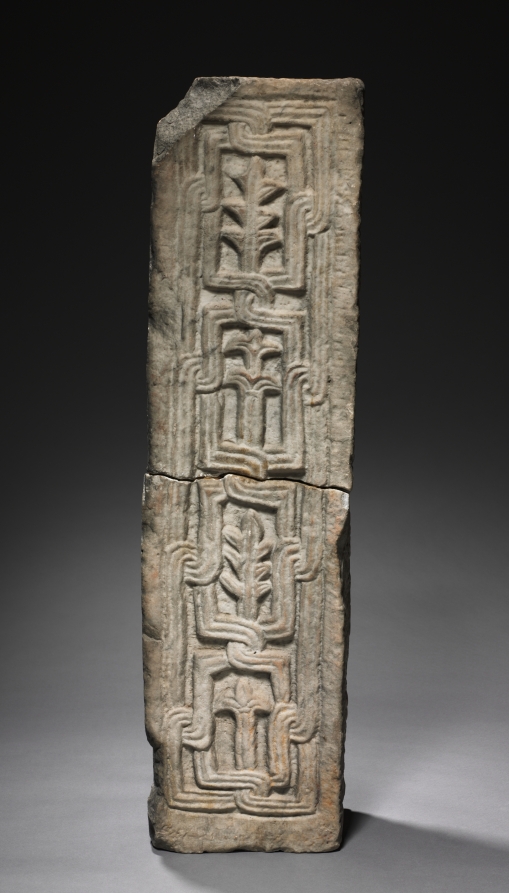
Transenna Post
Cleveland Museum of Art
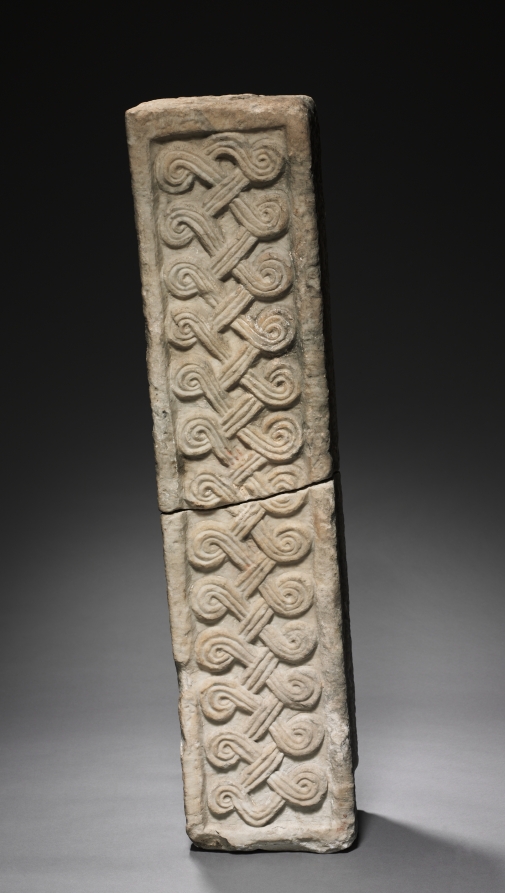
Transenna Post
Cleveland Museum of Art
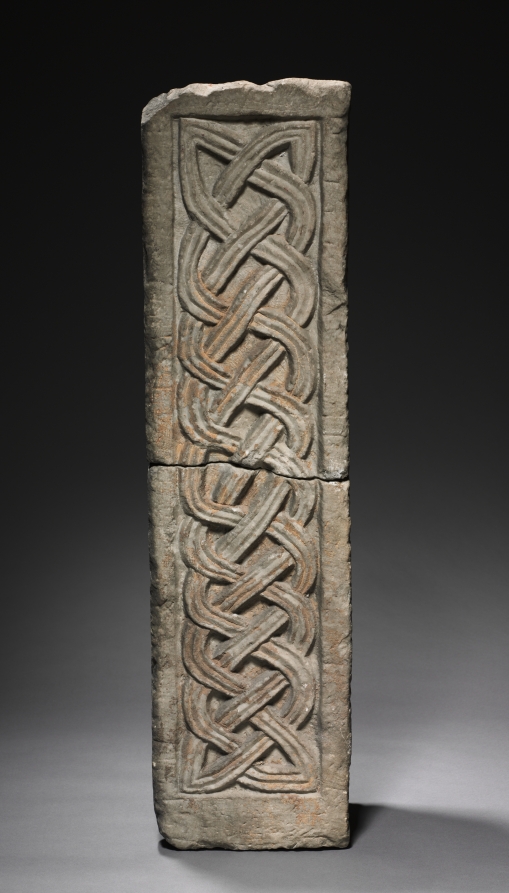
Transenna Post
Cleveland Museum of Art
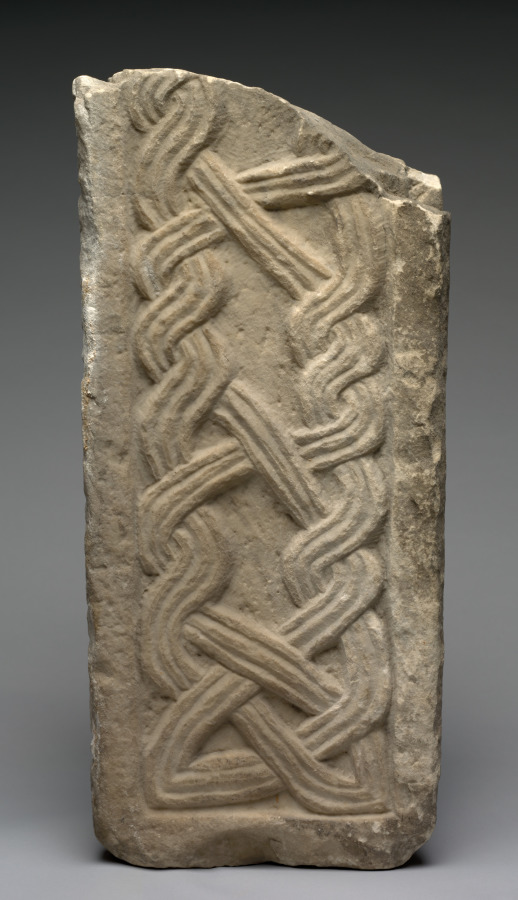
Transenna
Cleveland Museum of Art
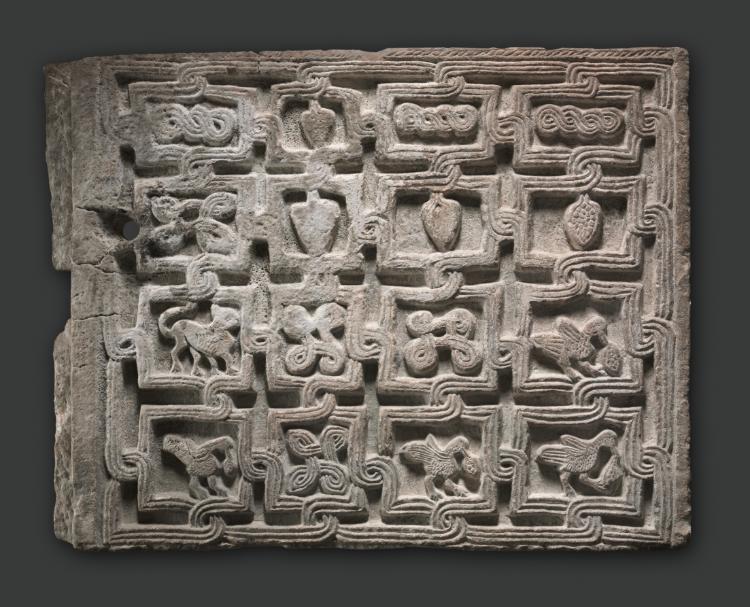
Transenna Panel
Cleveland Museum of Art
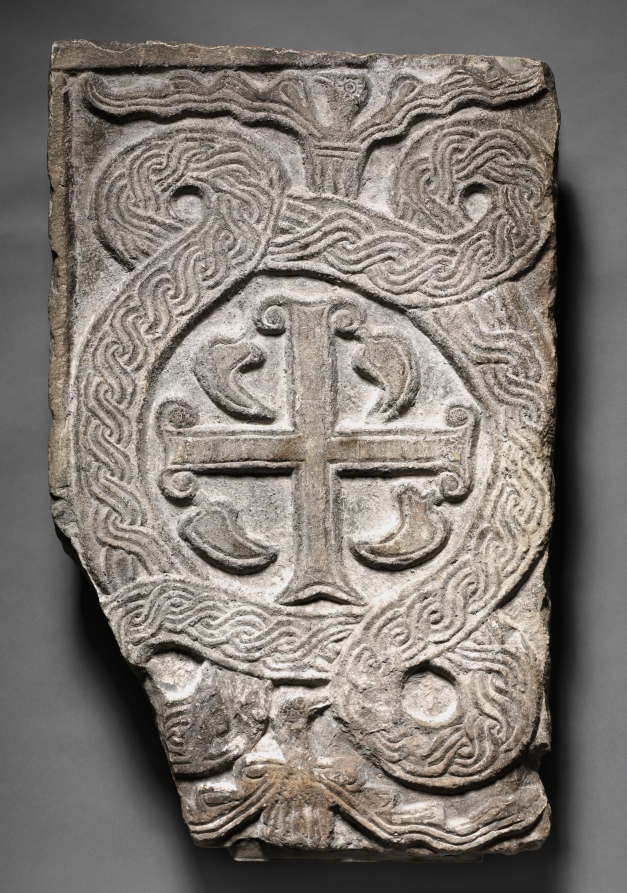
Transenna Panel with a Cross
Cleveland Museum of Art
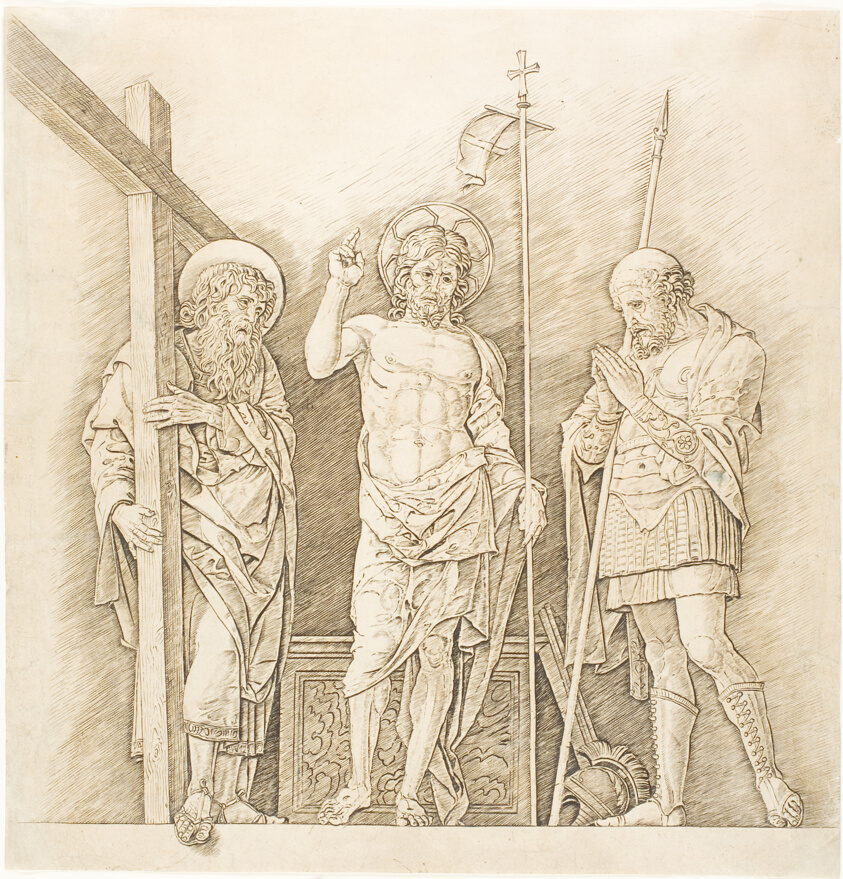
The Risen Christ between Saints Andrew and Longinus
Art Institute of Chicago
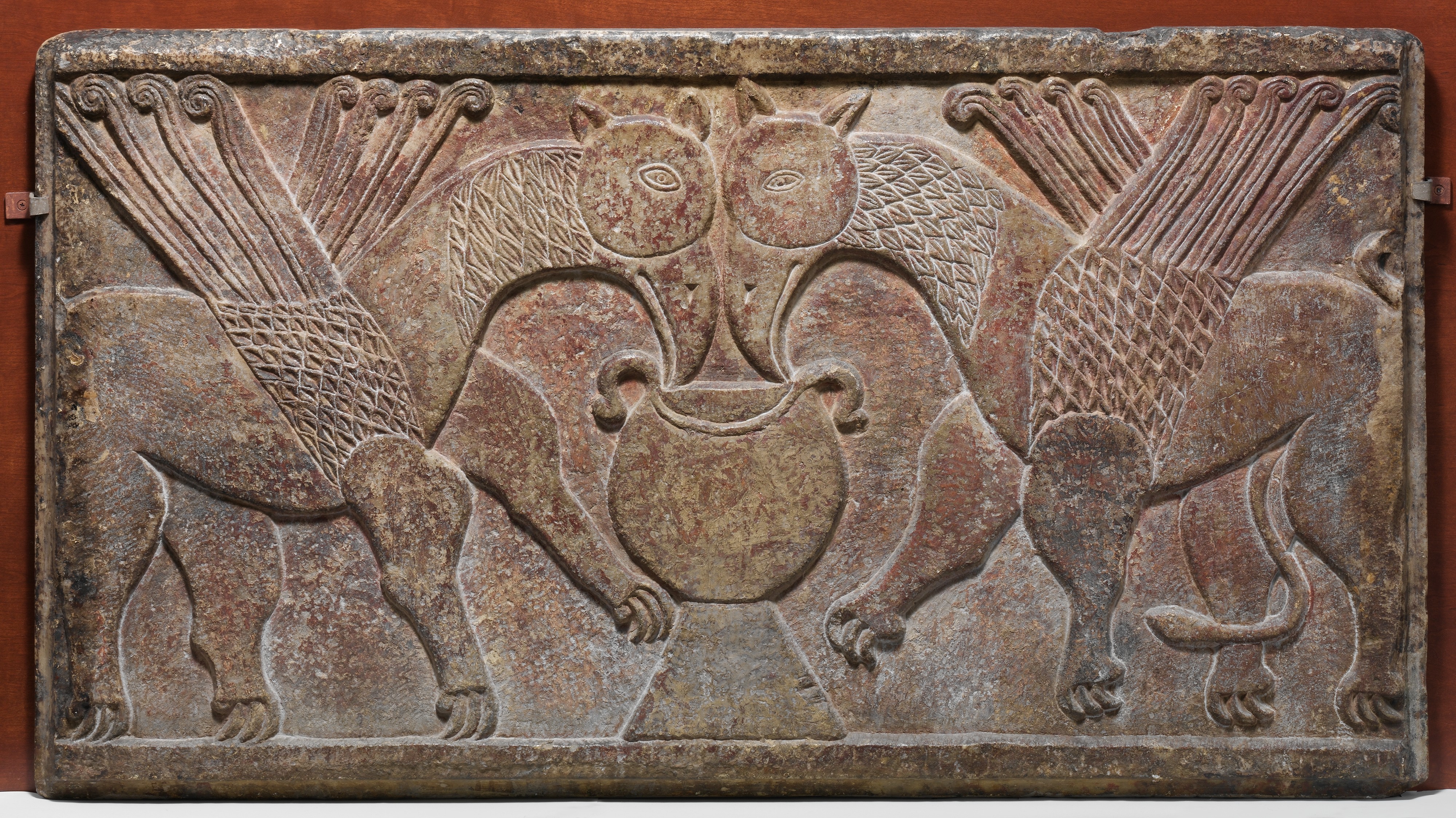
Relief Panel with Two Griffins Drinking from a Cup
The Metropolitan Museum of Art
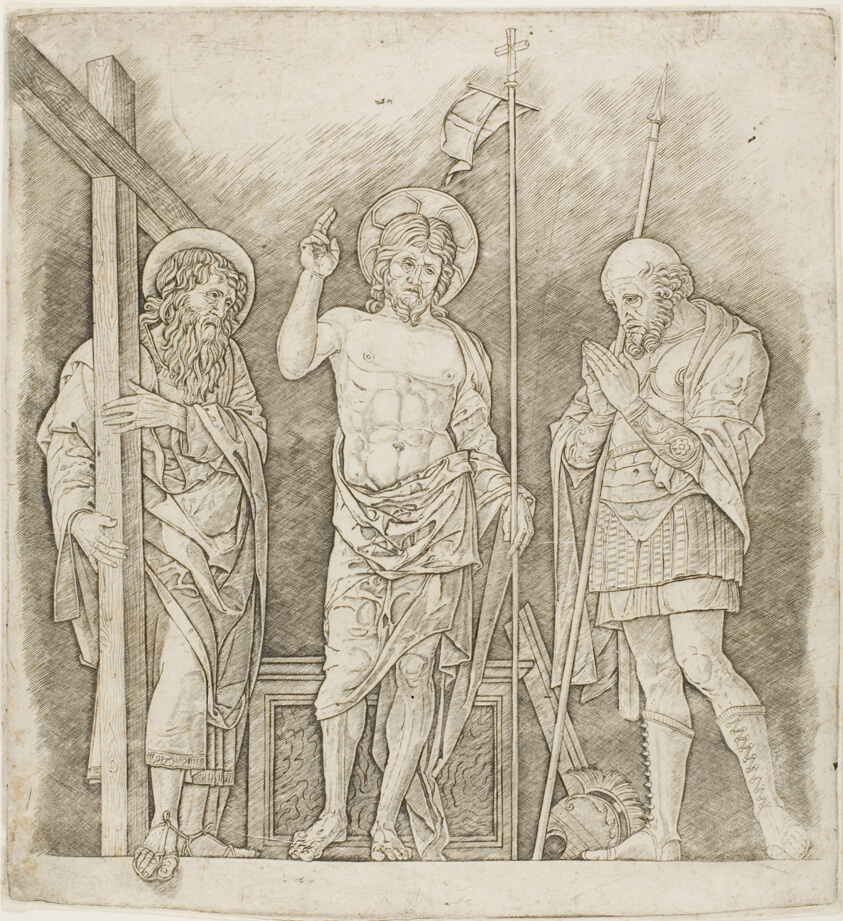
Risen Christ Between Saints Andrew and Longinus
Art Institute of Chicago
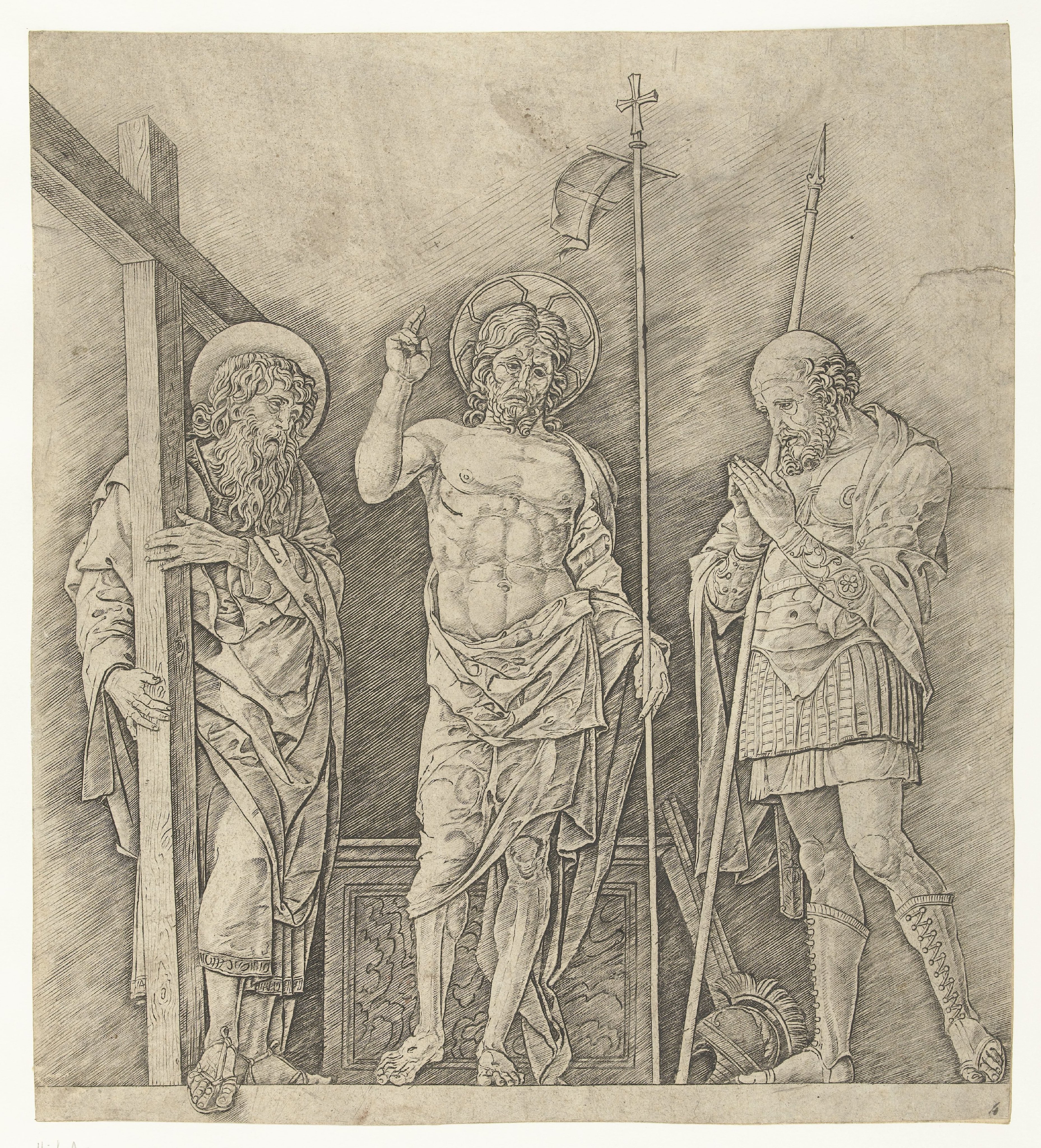
Herrezen Christus staand tussen heiligen Andreas en Longinus
Rijksmuseum
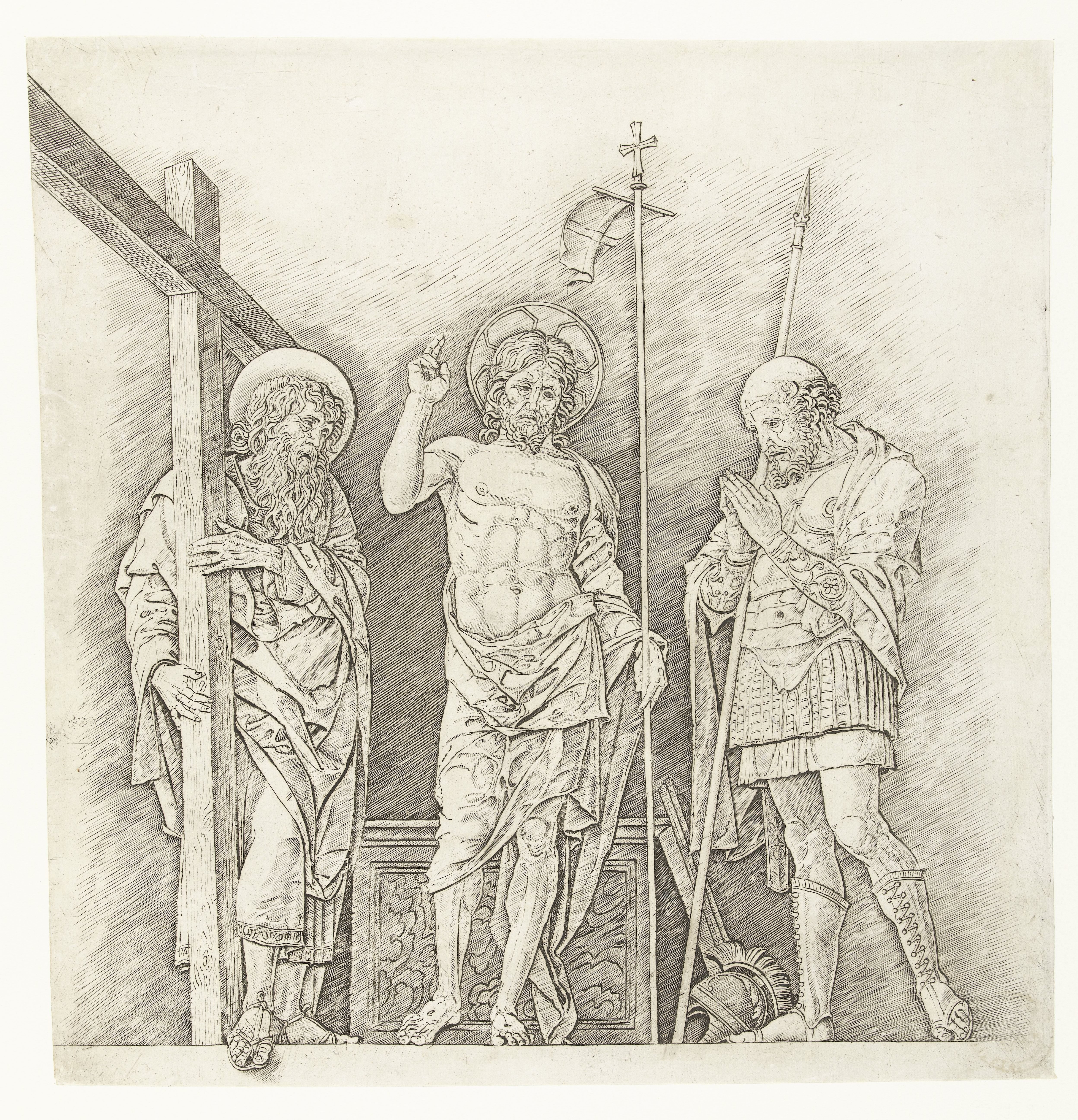
Herrezen Christus staand tussen heiligen Andreas en Longinus
Rijksmuseum
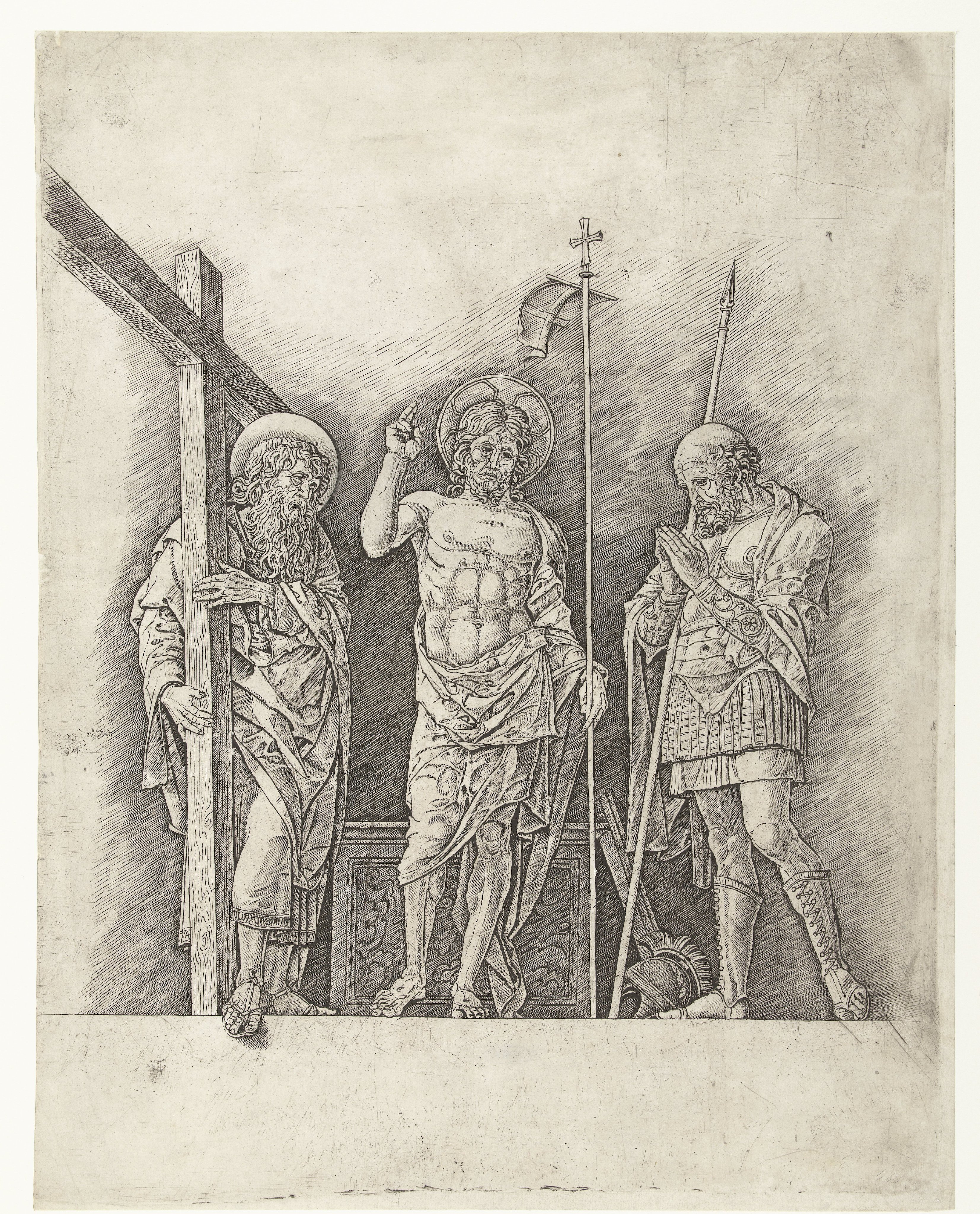
Herrezen Christus staand tussen heiligen Andreas en Longinus
Rijksmuseum